
Reviewed · KYOTO PREFECTURE
Shibori Fukusa Course at Kyoto Shibori Museum
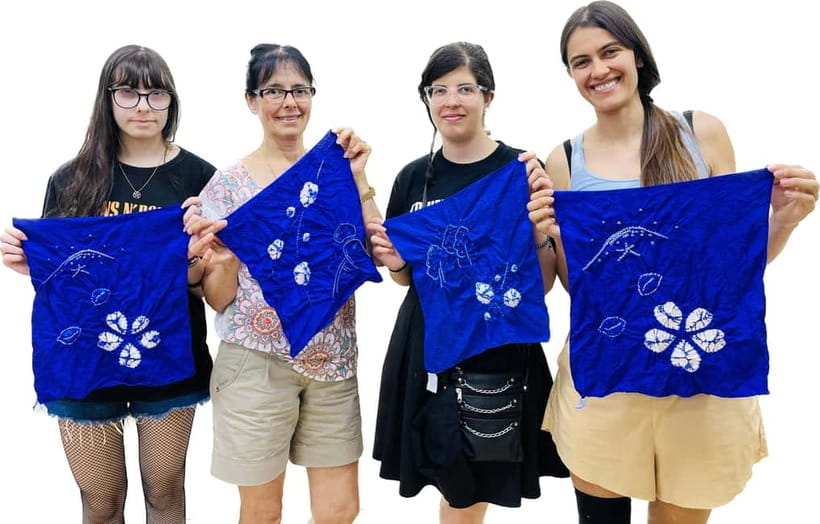
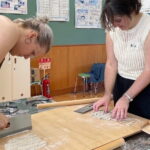
The most hands-on part of this Kyoto museum visit is making a silk scarf yourself. You work with Kasamaki shibori, a winding method, and Nuishime shibori, a sewing method, using a special shibori stand before the fabric is dyed. The result is a one-of-a-kind pattern, not a factory souvenir.
I like two things here: the class is small, limited to eight people, and the museum admission is included in the $70 price. I also like the setting, just a five-minute walk from Nijo Castle, with tools, finished works, and fabrics to inspect while your piece dries.
The main consideration is time. The activity lasts one hour, and the actual workshop runs about 30 to 60 minutes. That is enough for a focused introduction, but not a long craft course with room to master every detail.
In This Review
- Key points to know before booking
- Making a silk scarf in one compact class
- What the shibori stand adds
- Exploring the Kyoto Shibori Museum near Nijo Castle
- Using the drying time well
- The museum shop and original fabrics
- Is $70 a fair price for one hour?
- Who will enjoy this Kyoto craft experience?
- Who may want a different activity?
- My booking advice
- FAQ
- Where is the Kyoto Shibori Museum?
- How long does the shibori activity last?
- How much does the workshop cost?
- What will I make during the class?
- What techniques will I learn?
- Is museum admission included?
- Is the class offered in English?
- How large is the group?
Key points to know before booking
- Make a silk scarf with two traditional techniques: Use winding and sewing methods before the dyeing process.
- Work at a shibori stand: The stand gives you a proper setup for shaping the fabric.
- Keep the group small: No more than eight participants can join.
- Explore a specialist museum near Nijo Castle: Admission normally costs 1,000 yen, but it is included with the workshop.
- Use drying time well: Look at shibori masterpieces, tools, and samples while your scarf dries.
- Expect English or Japanese instruction: The class is offered in both languages.
Making a silk scarf in one compact class
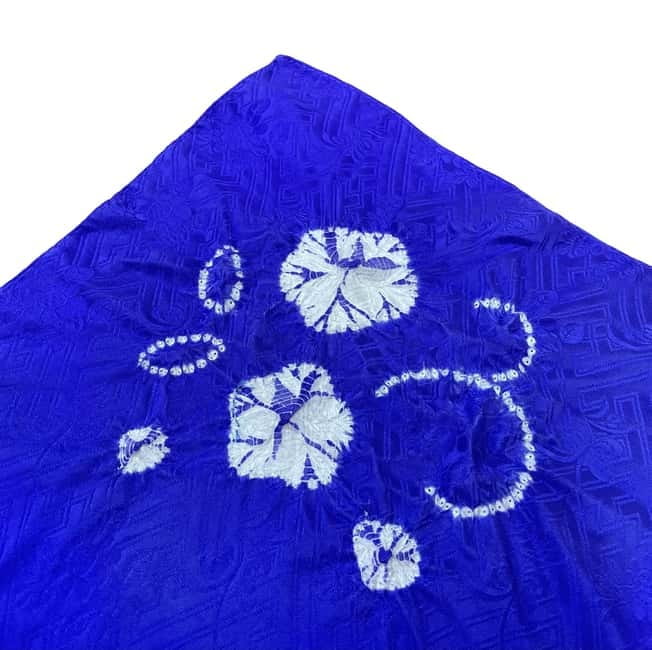
Shibori is a Japanese resist-dyeing art. Before the dye reaches the cloth, parts of the fabric are folded, wound, stitched, or otherwise protected. Those protected sections keep their original color while the exposed silk takes on the dye, creating patterns with soft edges and pleasing irregularity.
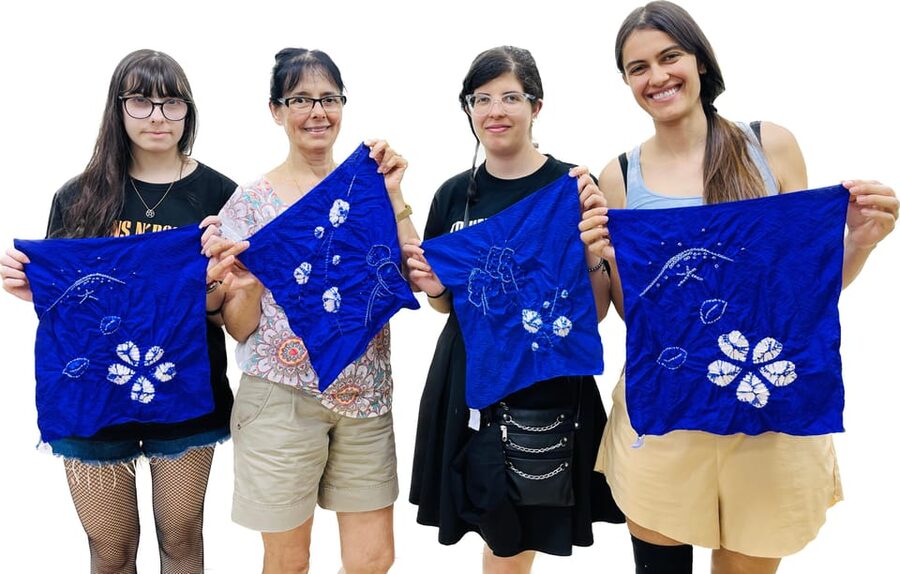
At this workshop, you begin with silk fabric that already has a beautiful background pattern. Your work is to add structure through Kasamaki and Nuishime shibori. Kasamaki involves winding the fabric, while Nuishime involves sewing it. You carry out both techniques on a shibori stand.
That detail matters. This is not simply a demonstration where you watch someone else fold cloth. You handle the material and take part in the preparation that controls the final design. The process gives you a clearer sense of why shibori patterns look the way they do.
The class is described as lasting between 30 and 60 minutes within the one-hour activity. The exact amount of hands-on time can depend on the starting schedule and the pace of the group, so you should expect a brisk introduction rather than a full-day textile course.
The teaching is available in English and Japanese. No individual instructor names are provided, but the class is presented as lively, kind, and passionate about the art. That tone suits a craft activity where clear guidance matters more than a long lecture.
Other museum experiences in Kyoto Prefecture


What the shibori stand adds
A shibori stand is part of the appeal. It gives you a dedicated place to carry out the winding and sewing work, rather than trying to manage the silk loosely on a table or in your lap.
Silk can be delicate, and small changes in tension can affect the pattern. The stand helps make the steps more controlled. You still have room for personal variation, but the process has enough structure that a first-time maker can follow along.
Do not expect complete control over the final appearance. Shibori is valued partly because the dye creates results that are hard to predict perfectly. Your scarf will carry the marks of your winding and stitching, along with the movement of the dye through the cloth.
That makes this a good choice if you want a souvenir connected to an actual activity. You are not just buying an object labeled Kyoto. You are helping shape it, then taking home the finished result after the dyeing and drying process.
Exploring the Kyoto Shibori Museum near Nijo Castle
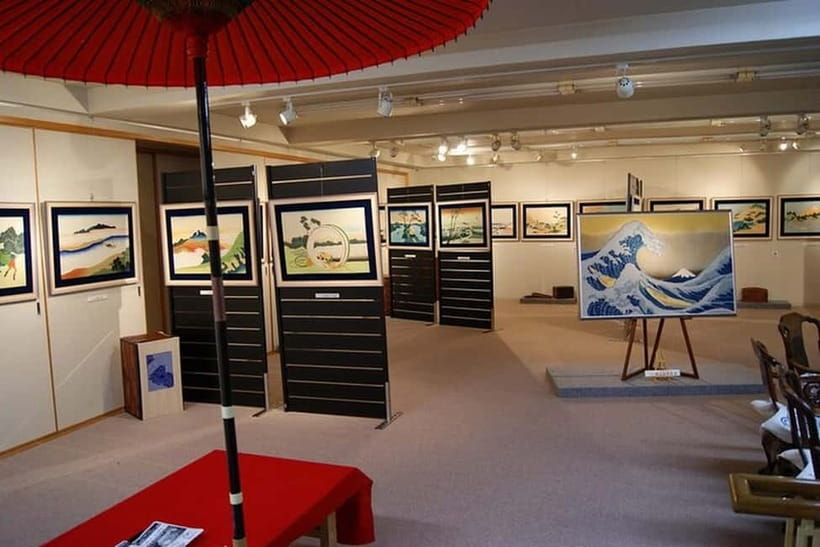
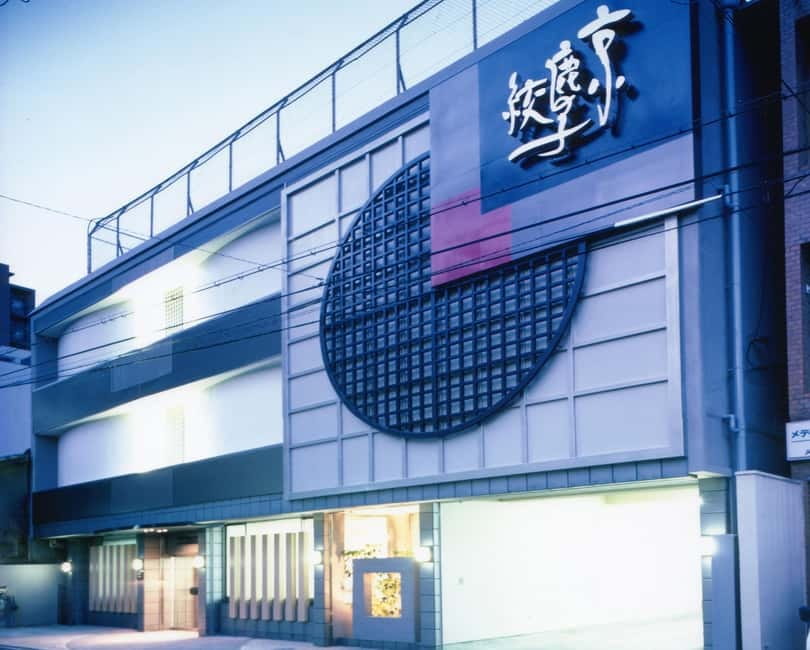
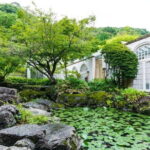
The museum is a five-minute walk from Nijo Castle, so the class fits neatly into a day of sightseeing in central Kyoto. You can visit the castle before or after the workshop without committing to a long transfer across the city.
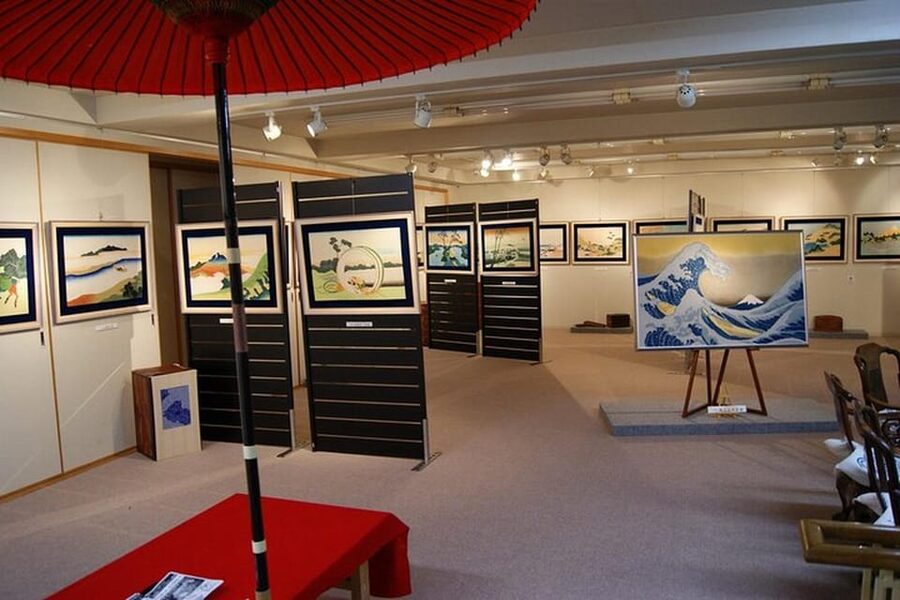
Kyoto Shibori Museum opened in 2001 and focuses specifically on shibori. The displays cover the craft from several angles, including finished works and valuable tools used in the process. That helps place your short workshop in a wider setting.
The museum displays shibori masterpieces and examples that show how varied the technique can be. Your own scarf may be modest compared with the museum pieces, but that contrast is useful. You can see what skilled makers achieve, then look back at the basic methods you have just tried.
Admission to the museum normally costs 1,000 yen. Workshop participants receive free entry, which improves the value of the $70 fee. You should still view the museum admission as an added benefit, not the main reason to book. The heart of this experience is making the scarf.
Using the drying time well
Your scarf needs time to dry after the dyeing stage. Rather than treating that pause as dead time, use it to inspect the museum displays.
You can look at finished shibori works, samples, and the tools used to create them. This is also the best moment to compare the neat control of professional pieces with the more personal marks in your own scarf.
The provided details do not specify exactly how long your fabric dries or when it is handed back to you. Keep that in mind when planning the rest of your day. The activity itself is listed as one hour, but the exact handling of the finished item may depend on the workshop process.
The museum setting also gives the experience more substance than a stand-alone craft table. You see the art before or after attempting it, and you can connect the terms Kasamaki and Nuishime to actual materials and finished designs.
The museum shop and original fabrics
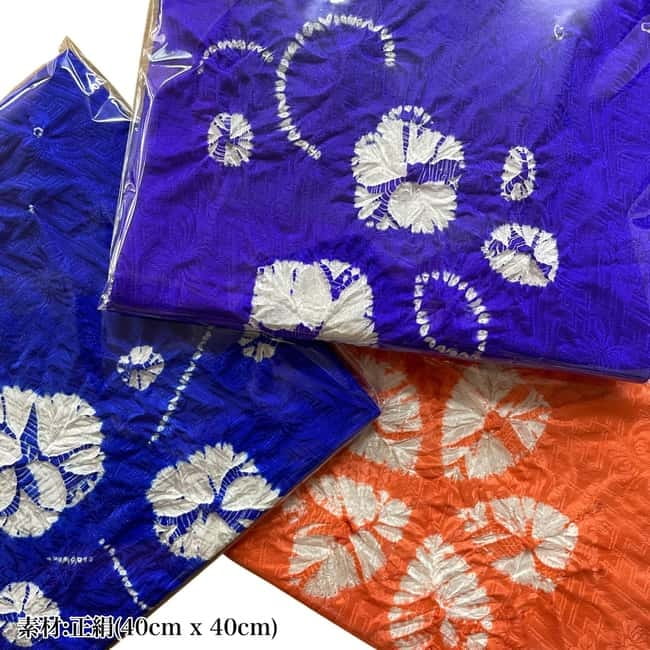
The museum shop adds another useful stop. You can browse original items, souvenirs, and fabrics connected to shibori.
This is worthwhile even if you make your own scarf. Your workshop piece will be personal, while the shop offers a chance to see how the same visual language appears in finished goods. If your own result is not quite what you pictured, the shop also gives you another way to take home a polished example of the craft.
The information provided does not list individual products or prices, so you should not arrive with a specific item in mind. Think of the shop as an opportunity to see more fabric work and select a souvenir if something catches your eye.


Is $70 a fair price for one hour?
At $70 per person, this is not a bargain activity if you measure value only by time. A one-hour class costs more than many simple museum visits, and the workshop can be as short as 30 minutes depending on how the session runs.
The price makes more sense when you count the full package. You receive instruction in two shibori techniques, use of a shibori stand, a silk scarf to dye, access to a specialist museum, and free admission that normally costs 1,000 yen. The small group limit also matters. Eight participants is intimate enough for the instructor to keep the activity organized.
I would consider it good value for someone who wants a creative Kyoto souvenir and a short cultural activity near Nijo Castle. I would be less enthusiastic if you want a long, highly technical textile lesson or several hours of independent making.
The free cancellation policy allows you to cancel up to 24 hours in advance for a full refund. You can also reserve now and pay later, which is helpful when your Kyoto schedule is still changing. These terms reduce the risk of booking a short activity in a busy sightseeing plan.
Who will enjoy this Kyoto craft experience?
This workshop suits you if you like making things, prefer small groups, or want a souvenir with a direct connection to Japanese craft. It also works well for visitors who already plan to see Nijo Castle and want a nearby activity that does not take half a day.
It is a sensible option for first-time learners because the workshop focuses on two clear techniques rather than trying to cover every form of shibori. English instruction is available, so you do not need to speak Japanese to take part.
Families and groups should note the limited capacity of eight people. If your party is larger, not everyone may fit into the same session. The supplied details do not give an age minimum or specific child policy, so check those points before booking for young children.
This is also a good fit for museum lovers who want more than a display behind glass. You first see examples and tools, then use a related process yourself. That shift from looking to making is the strongest reason to choose this experience.
Who may want a different activity?
You may want to skip it if your Kyoto schedule is packed and you cannot spare time for a fixed one-hour class. The museum is close to Nijo Castle, but the workshop still requires you to arrive for a set starting time.
You may also be disappointed if you expect to complete an advanced scarf design from start to finish with complete artistic control. The class is short, and the description gives no promise of a detailed lesson in many different shibori methods.
The biggest practical question is what happens to the scarf after the dyeing stage. The activity includes the making and drying process, but the supplied information does not state exactly when the finished piece is collected or whether any later handling is needed. Ask the museum if that point affects your plans.
My booking advice
I would book this class if you want a compact, hands-on introduction to shibori and will already be near Nijo Castle. The small group, English option, silk scarf, museum access, and specialist setting give the hour real purpose.
I would not book it solely for the museum admission or if you need a long craft lesson. Choose it for the chance to make something yourself, then use the museum displays and shop to understand the craft beyond your own scarf.
The experience has earned a top rating, and its strongest qualities are easy to identify: a lively teaching style, a traditional art form, and a welcoming approach. At $70, it is a considered purchase, but a good one for a hands-on Kyoto memory rather than a quick look at another museum.
FAQ
Where is the Kyoto Shibori Museum?
The museum is in Honshu, Japan, and is a five-minute walk from Nijo Castle in Kyoto.
How long does the shibori activity last?
The activity duration is one hour. The hands-on class itself is described as lasting about 30 to 60 minutes.
How much does the workshop cost?
The price is $70 per person.
What will I make during the class?
You will make a silk scarf with a patterned background and dye it after using Kasamaki shibori and Nuishime shibori techniques.
What techniques will I learn?
You will learn Kasamaki shibori, a winding technique, and Nuishime shibori, a sewing technique.
Is museum admission included?
Yes. Workshop participants receive free admission to the Kyoto Shibori Museum. Regular admission is 1,000 yen.
Is the class offered in English?
Yes. Instruction is available in English and Japanese.
How large is the group?
The workshop is a small-group activity limited to eight participants.
More Museum Experiences in Kyoto Prefecture

More tours in Kyoto Prefecture we've reviewed

Kyoto Prefecture, compared.
 ★ 4.9Kyoto: Zen Meditation and Garden Tour at a Temple with LunchFrom $1074h 30m
 ★ 5.0Kyoto: Hike and Hot Springs in KuramaFrom $804 hours
 ★ 4.9Itajime Shibori Scarf Class at Kyoto Shibori MuseumFrom $421 hour
 ★ 5.0Shibori Furoshiki Course at Kyoto Shibori MuseumFrom $421 hour
 ★ 5.0Kyoto Satoyama Cycling with Lunch and English GuideFrom $78
 ★ 5.0Kyoto 1 Day Suntory Yamazaki Distillery Tour and Asahi Art MuseumFrom $163