
Reviewed · CITY TOURS
Discovering Kyoto A Tailored Private Tour of the City’s Treasures
Kyoto’s old streets make more sense when someone explains what you are seeing. This private morning tour links Gion’s geisha districts, small shrines, traditional sweets, Yasaka Pagoda, and Kiyomizu-dera with a guide who can shape the outing around your interests. Spanish-speaking guide Diego has earned particular praise for explaining local customs and temple history clearly.
I like the private format, which lets you ask questions and adjust the focus instead of following a fixed group script. I also like the mix of famous sights and small cultural stops, especially Gion Shirakawa, Tatsumi Daimyojin Shrine, and the Izutsu Yatsuhashi shop. The main concern is timing: the listed visits add up to more than three hours before transport, so you should confirm the exact route and priorities when booking.
In This Review
- Key points to know before booking
- A private introduction to Kyoto’s old quarters
- Starting at Kyoto Station
- Gion, where Kyoto’s traditional image comes alive
- Izutsu Yatsuhashi and the taste of Kyoto
- Gion Shirakawa and the quieter side of the district
- Tatsumi Daimyojin Shrine and local religious life
- Yasui-Konpiragu and a famous ritual stone
- Yasaka Pagoda and the classic Kyoto view
- Izumo no Okuni and the roots of Kabuki
- Kiyomizu-dera, the grand finish
- What the guide adds to the morning
- Price, timing, and the cancellation rules
- Who should book this Kyoto tour
- Should you book it?
- FAQ
- How much does the private Kyoto tour cost?
- How long does the tour last?
- Where does the tour start and finish?
- Is transportation included?
- Is this a private activity?
- What happens if I need to cancel?
Key points to know before booking
- Private group only: You tour with your own party and a local guide, not a large mixed group.
- Gion gets the attention: The route includes Gion Shirakawa, Tatsumi Daimyojin Shrine, Yasui-Konpiragu, Yasaka Pagoda, and the Izumo no Okuni statue.
- Kiyomizu-dera is the longest stop: Plan on about one hour at Kyoto’s famous hillside temple.
- Kyoto flavor is part of the route: The Izutsu Yatsuhashi shop offers a taste of a traditional local sweet.
- Transport is included: Pickup is offered, the stated meeting point is Kyoto Station, and the tour returns there.
- Morning timing matters: The listed operating window is 9:00 to 11:30, with a three-hour approximate duration.
A private introduction to Kyoto’s old quarters
At $95 per person, this is not the cheapest way to see Kyoto. It can be a sensible price if you value a private guide, transportation between attractions, and a route that brings several central sights together in one morning.
The real value comes from interpretation. Gion’s lanes, shrine gates, temple courtyards, and food shops can blur together when you see them on your own. A guide can connect the places to Kyoto’s customs, religious practices, theater, food, and traditional neighborhoods. One visitor specifically praised a casual English-language tour with useful historical explanations, a walk through Gion, market streets, and secluded restaurant lanes associated with geisha culture.
The private setup also helps if your group has mixed interests. You might want more time for temples, while someone else cares about food or traditional performing arts. The tour is advertised as customizable, so ask to set your priorities before the morning begins.
There is one practical wrinkle. The route lists eight stops with approximately 20 minutes at Gion, 20 minutes at the sweet shop, 20 minutes at Gion Shirakawa, 20 minutes at Tatsumi Daimyojin Shrine, 10 minutes at Yasui-Konpiragu, 10 minutes at Yasaka Pagoda, 20 minutes at the Izumo no Okuni statue, and one hour at Kiyomizu-dera. That totals three hours and 20 minutes without travel. Since the whole outing is about three hours, you probably will not receive a full visit at every location. A private tour is most useful here because you can decide what matters most.
Other city tours we've reviewed in Kyoto

Starting at Kyoto Station
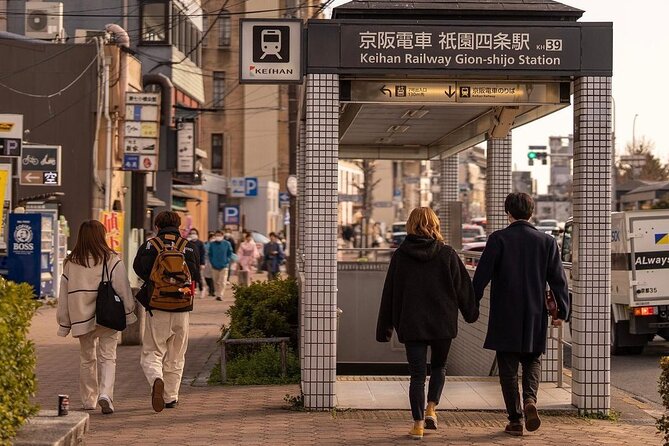
The stated meeting point is Kyoto Station in Shimogyo Ward. Pickup is offered, and transportation to the attractions is included. The activity ends back at the meeting point, which makes this convenient if you are using Kyoto Station as your base for the morning.
The station is a practical launch point, but confirm the exact pickup instructions after booking. Kyoto Station is large, and a clear meeting location matters when you are trying to begin on time. Confirmation is provided at booking, and the activity is available from 9:00 to 11:30, Monday through Sunday, during the stated booking period.
Because the tour is short, every transfer affects sightseeing time. I would arrive ready to go, with comfortable shoes and only what you need for the morning. The route includes historic streets and temple areas, so you should expect walking even though transportation between attractions is included.
Gion, where Kyoto’s traditional image comes alive
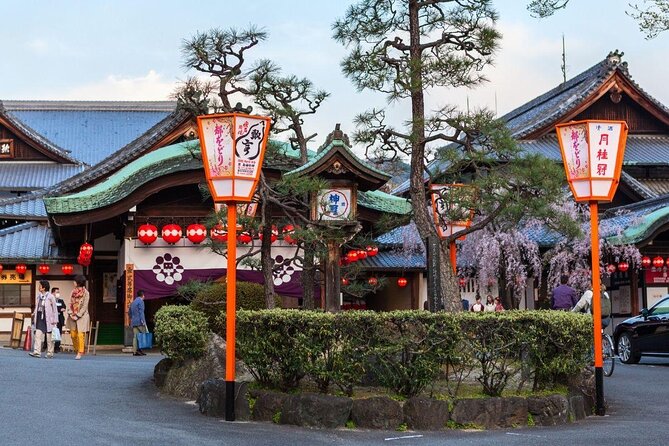
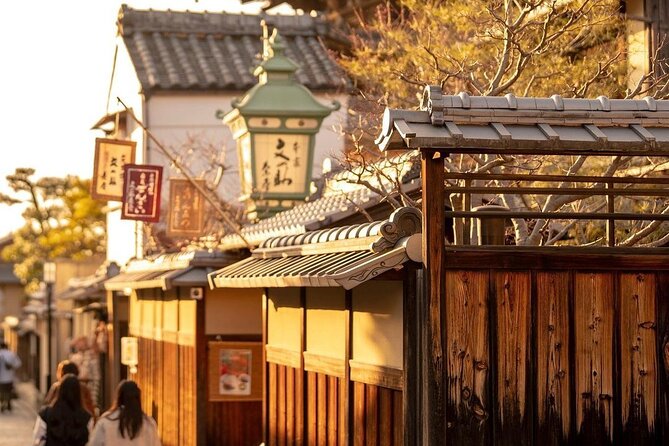
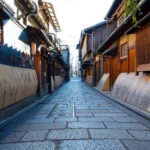
The first stop is Gion, Kyoto’s best-known traditional entertainment district. The appeal is not simply old buildings. Gion is a place where narrow streets, restaurants, teahouse traditions, shrine customs, and the city’s performing arts meet.
A guide is especially useful here because the district can be easy to misunderstand. Some lanes are open to everyone, while certain establishments serve a private clientele. The tour includes a walk down a street with secluded restaurants associated with geisha, giving you context without treating the area like a stage set.
The route description also promises flexibility in Gion. You might focus on architecture, local customs, the history of geisha culture, or the relationship between food and entertainment. Ask direct questions. This is one of the best parts of having a private guide.
Do not expect a long, leisurely wander if the tour keeps all eight stops. The listed Gion visit is about 20 minutes, so it is better viewed as an introduction before the more focused stops that follow.
Izutsu Yatsuhashi and the taste of Kyoto
At the Izutsu Yatsuhashi store in Kyogoku Ichibangai, you get a short food stop devoted to yatsuhashi, one of Kyoto’s familiar traditional sweets. The visit lasts about 20 minutes, and admission is free.
This is a small detail, but it adds something important to the tour. Kyoto culture is not only temples and gardens. Food shops preserve family recipes, regional tastes, and everyday traditions in a way that a quick photograph at a shrine cannot.
The stop may suit you especially well if you enjoy edible souvenirs or want to understand a local specialty before buying it. Brunch and alcoholic drinks are not included, so do not treat this as a meal. It is a tasting and cultural stop within a packed morning.
Gion Shirakawa and the quieter side of the district
Gion Shirakawa offers a more peaceful stretch of Kyoto’s old town. The route follows the picturesque Shirakawa area, giving you a chance to step away from the district’s better-known lanes and see a quieter setting.
The listed visit is 20 minutes. That is enough for a short walk and explanation, but not enough for an unhurried exploration. Your guide can help you notice the details that make this area special, including its relationship to the traditional district around it.
I would give this stop priority if you care about atmosphere and photography. If your group is more interested in temple interiors or food, you might prefer to shorten it and give the extra time to Kiyomizu-dera.
Other private tours in Kyoto
Tatsumi Daimyojin Shrine and local religious life
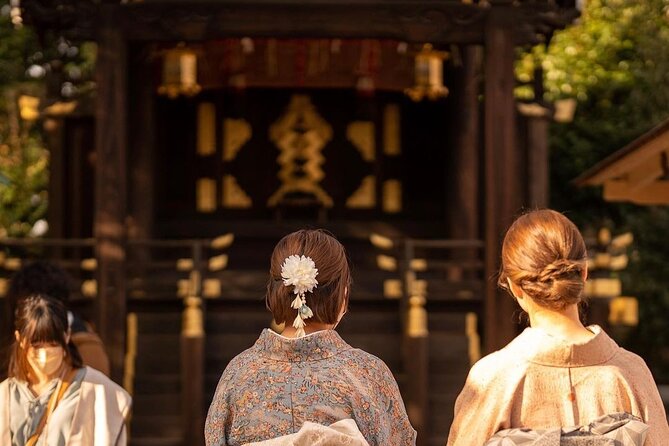
Tatsumi Daimyojin Shrine, also called Tatsumi Jinja, is described as a shrine with more than a thousand years of history. It provides a compact look at Kyoto’s religious traditions within the Gion area.
The stop lasts about 20 minutes and admission is free. That makes it a useful pause between the larger attractions. Instead of rushing from one major sight to another, you get a smaller sacred site where your guide can explain the meaning of the shrine and how it fits into the neighborhood.
The word shrine can sound generic when you are visiting several in one day. This is where questions help. Ask your guide how Tatsumi Daimyojin differs from the larger shrines on your Kyoto list, and how people use it today.
Yasui-Konpiragu and a famous ritual stone
Yasui-Konpiragu is scheduled for about 10 minutes, with admission included. It is known for its distinctive stone monument and rituals connected with relationships and personal wishes.
Ten minutes is brief, but the stop can still be memorable because the site has a clear visual focus. Your guide can explain how the ritual works and why the stone has such a strong reputation. Since the tour description presents this as a customizable experience, ask whether you will have enough time to participate in the relevant ritual or simply see and discuss it.
This is also a stop where respectful behavior matters. Follow your guide’s instructions, keep your visit quiet, and avoid treating religious practice as a novelty. A short explanation can add more value than a rushed attempt to photograph everything.
Yasaka Pagoda and the classic Kyoto view
Yasaka-no-to, often called Yasaka Pagoda, is scheduled for about 10 minutes. The pagoda rises in the Gion area and is one of Kyoto’s most recognizable sights.
The short stop makes sense if you mainly want to see the pagoda, hear its story, and photograph the surrounding streets. It is not a full temple visit. The tour gives you a taste of the area rather than an extended examination of the building.
This is another reason to clarify the route in advance. If the pagoda is high on your list, say so. If you have already seen it independently, that time might be better used at Kiyomizu-dera or Gion Shirakawa.
Izumo no Okuni and the roots of Kabuki
The statue of Izumo no Okuni offers a change of subject. Okuni is linked with the origins of Kabuki theater, so this stop connects Kyoto’s streets with Japan’s performing arts.
The visit lasts about 20 minutes and admission is free. It is a worthwhile inclusion for anyone interested in theater, dance, or the way public performance developed in Japan. It also keeps the tour from becoming a string of temple photographs.
The statue is not a full theater performance or museum visit. Think of it as a brief cultural marker with a guide’s explanation. If your group does not care much about theater, this may be one of the stops to shorten in favor of more time elsewhere.
Kiyomizu-dera, the grand finish
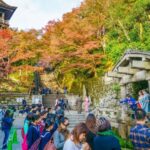
Kiyomizu-dera receives the longest scheduled visit, about one hour, with admission included. That is appropriate. This is the major temple stop and the place where you will spend the most time on the route.
The temple is known for its large viewing platform, the three-story Koyasu Pagoda, and the Otowa Spring, whose waters are associated with medicinal benefits. The setting gives you broad views over Kyoto, while the temple buildings and paths provide plenty for your guide to explain.
One hour is enough for a purposeful visit, but it is not a relaxed half-day exploration. You will need to keep moving if you want to see the main features. Ask your guide at the start which parts deserve priority, especially if the earlier stops have taken longer than planned.
Kiyomizu-dera is also the most important stop to consider when choosing a customized route. If you have only one morning in Kyoto, I would protect the full hour here and trim one or two of the shorter stops. If you have already visited the temple, you might instead request more time in Gion or at local food shops.
What the guide adds to the morning
The strongest reports about this experience focus on the guide’s manner and explanations. One English-speaking guide was described as friendly, clear, and easy to follow. Spanish-speaking guide Diego was specifically praised for explaining Kyoto’s history and customs and for making the temple visits interesting.
Those details matter because a private tour can feel either personal or simply expensive, depending on the guide. Here, the best version of the experience is a conversation: you ask about geisha districts, shrine rituals, sweets, Kabuki, and temple life, and the guide adjusts the explanation to your interests.
The tour is also described as casual and comfortable. That is a useful fit for people who want structure without a formal lecture. Still, the quality of any private outing depends heavily on the assigned guide, so use the booking conversation to state your language needs and preferred subjects.
Price, timing, and the cancellation rules
At $95 per person, the cost includes a local guide, transportation to the attractions, and admission to the listed paid stops. Kiyomizu-dera and Yasui-Konpiragu are marked as included, while the Izutsu Yatsuhashi shop, Gion Shirakawa, Tatsumi Daimyojin Shrine, Yasaka Pagoda, and the Izumo no Okuni statue have no admission charge listed.
Brunch and alcoholic drinks are not included. Plan to eat before or after the tour, especially since the sweet shop is not a substitute for breakfast.
The activity is often booked 44 days ahead, which suggests that planning early is sensible, especially during busy Kyoto periods. The operator has also reported canceling a booking one day before an outing because of high demand and staff shortages. That is the most serious caution attached to the experience. Keep your plans flexible until the tour is confirmed and avoid building an unchangeable schedule around it.
Free cancellation is available up to 24 hours before the start time for a full refund. Changes made within 24 hours are not accepted, and late cancellations are not refunded. Poor weather or failure to meet the minimum number of participants can also lead to a new date, another experience, or a full refund.
Service animals are allowed, the activity is near public transportation, and most people can participate. The tour is private, so only your own group takes part.
Who should book this Kyoto tour
I would recommend this outing to a first-time Kyoto visitor who wants an organized introduction but does not want to spend a day with a large group. It also suits couples, families, and friends who want to ask their own questions and adjust the balance between food, temples, neighborhoods, and performing arts.
It is a good choice if you have only a few hours in the morning. You see several important parts of eastern Kyoto and return to Kyoto Station. It can also help if you want cultural context rather than a self-guided checklist of famous sites.
I would be more cautious if you want a slow temple day, long shopping time, or an extensive visit to every stop. The route is ambitious for three hours. You should also think twice if your schedule cannot tolerate a last-minute cancellation, given the reported staffing issue.
Should you book it?
Book this private Kyoto tour if you value a guide’s explanations, want to concentrate on Gion and Kiyomizu-dera, and can accept a brisk morning. The mix of Gion streets, a local sweet shop, small shrines, Kabuki history, Yasaka Pagoda, and a major temple gives you a useful first look at Kyoto.
Before paying, ask the operator to confirm the exact pickup point, the guide’s language, the stops that can receive the most time, and how the three-hour schedule works. I would make Kiyomizu-dera and either Gion Shirakawa or Tatsumi Daimyojin Shrine the priorities, then treat the remaining stops as flexible. At $95, the experience earns its value through the private guide and included transport, not through the number of locations checked off.
FAQ
How much does the private Kyoto tour cost?
The listed price is $95 per person.
How long does the tour last?
The tour lasts approximately three hours. Its stated operating window is 9:00 AM to 11:30 AM.
Where does the tour start and finish?
The stated meeting point is Kyoto Station in Shimogyo Ward, Kyoto. The activity ends back at the meeting point.
Is transportation included?
Yes. Transportation to the attractions is included, and pickup is offered.
Is this a private activity?
Yes. Only your group participates in the tour.
What happens if I need to cancel?
You can cancel at least 24 hours before the start time for a full refund. Cancellations or changes made less than 24 hours before the start time are not accepted for a refund. Poor weather or failure to meet the minimum number of participants may result in a different date, another experience, or a full refund.
More Private Tours in Kyoto
More City Tours in Kyoto

More tours in Kyoto we've reviewed

City Tours, compared.
 ★ 4.9Kyoto: City Secrets eBike TourFrom $1273h 45m
 ★ 5.0Kyoto: Calligraphy class at Buddhist temple in city centerFrom $551h 10m
 ★ 5.0Private departure transfer from Kyoto city to Kansai International airportFrom $109
 ★ 5.0Kyoto: Full-Day City Highlights Bike Tour with Light LunchFrom $1678 hours
 ★ 4.5Private departure transfer from Kyoto city to Osaka Itami International airportFrom $79
 ★ 5.0Private arrival transfer from Kansai International airport to Kyoto CityFrom $97