

Reviewed · KYOTO
Original rugs handmade in Kyoto
Making a small rug near Kyoto’s Shimogamo Shrine gives you something far more personal than a shop-bought souvenir. You choose the design, pick from about 60 thread colors, and use a special tufting machine to turn your idea into a finished rug.
I like the small group limit of six, which should leave room for careful instruction. I also like that you can take the rug home the same day, instead of arranging shipping or carrying an unfinished project through the rest of your trip. The main drawback is size: your rug can measure up to 30 centimeters square or rectangular, so this is a keepsake, not a full floor covering.
In This Review
- Key points to know before booking
- Turning your own idea into a Kyoto rug
- Why the 60-color thread selection matters
- Learning the special machine with staff nearby
- Shimogamo Shrine is an excellent place to begin
- Ginkakuji Temple and the Kamogawa Delta
- A same-day souvenir that is actually useful
- Is $84.70 a fair price?
- Who will enjoy the studio most?
- Getting there and planning your session
- Should you book this Kyoto rug-making experience?
- FAQ
- How large a rug can I make?
- How many thread colors are available?
- Is the activity suitable for beginners?
- Is equipment included?
- Where does the activity begin and end?
- Can I cancel for a full refund?
Key points to know before booking
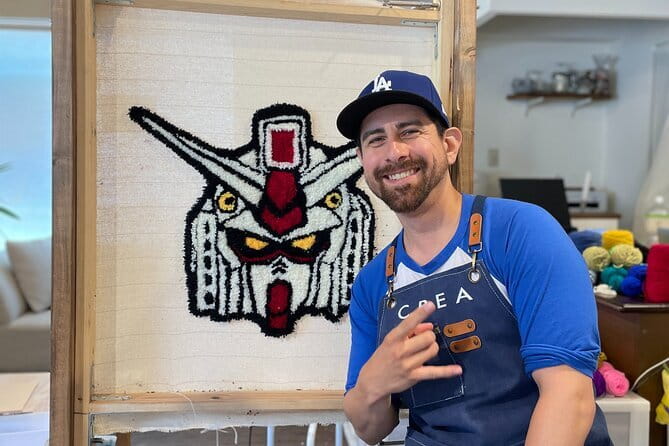
- Make a rug up to 30 cm: Choose a square or rectangular shape and create a practical wall, entryway, or living-room piece.
- Pick from about 60 thread colors: The range gives you room to make a bold pattern, a simple design, or something tied to your Kyoto memories.
- Beginner-friendly instruction: Staff explain how to use the special machine, and an instructor named Hayato is specifically praised for his guidance.
- Near three Kyoto sights: The studio is one minute from Shimogamo Shrine, with Ginkakuji Temple and the Kamogawa Delta also listed around the activity.
- Take it home the same day: You leave with your finished rug rather than waiting for delivery.
- A compact two-hour activity: The time works well between sightseeing stops, though you will want to arrive ready to focus on the craft.
Turning your own idea into a Kyoto rug

The heart of this activity is simple: you bring the idea, and the studio helps you give it shape. At tufting studio CREA, you can make a rug no larger than 30 centimeters square or rectangular. That limit keeps the project manageable within roughly two hours, but it also means you should think of the finished piece as a small decorative object.
You can create something abstract, geometric, playful, or connected to Japan. The information does not prescribe a set pattern, so you have room to work from your own design. If you arrive with a clear idea, you will spend more time making and less time deciding. A rough sketch or a few color ideas could help, though the studio’s thread display may change your mind once you see the choices.
The finished rug can go in an entryway, living room, or on a wall. That flexibility adds real value. You are not making a trinket that sits in a drawer. You are making a small piece you can use or display, with the memory of Kyoto built into it.
If you're still narrowing it down, here are other tours in Kyoto we've reviewed.

Why the 60-color thread selection matters
Color choice is one of the most appealing parts of the studio setup. About 60 kinds of thread are lined up for you to select from, giving you enough range to make a design that feels like your own.
You might choose colors based on a favorite Kyoto temple, a kimono-inspired combination, or a pattern that simply matches your home. You do not need to make the rug traditionally Japanese. A personal design often makes the better souvenir because it records what caught your eye rather than repeating an image sold in every gift shop.
Still, more choice can slow you down. If you are booking this as a family activity, children may want to change colors repeatedly. Couples may also find that agreeing on a design takes longer than expected. I would think about the basic shape and mood before arriving, then enjoy the freedom to adjust the details in the studio.
The 30 centimeter limit also makes color planning easier. You are working on a small canvas, so a few well-chosen shades can have a strong effect. A complicated design may become difficult to execute neatly, especially if this is your first time using a tufting machine.
Learning the special machine with staff nearby
You do not need previous tufting experience. The studio rents the special machine and provides detailed explanations before you begin. That is important because the value of this activity depends on more than having access to equipment. You want someone nearby who can show you how to work with it safely and steadily.
An apron is also provided, so you do not have to worry as much about getting your clothes dirty. Wear something comfortable anyway. This is a hands-on craft, not a demonstration where you sit back and watch someone else work.
The group limit is six people. That is small enough to feel more personal than a large class, and it should help beginners get attention when they need it. One instructor specifically named in the feedback is Hayato, who is praised for making a first-time experience feel special. Staff members are also described as friendly, and the atmosphere as relaxing and pleasant.
That atmosphere matters. A craft activity can become stressful if the instructor rushes everyone or if the machinery feels intimidating. Here, the available information points to a calm introduction and careful support. You should still expect to concentrate. The finished rug comes from your work, not from a staff member quietly completing the hard parts for you.
Shimogamo Shrine is an excellent place to begin
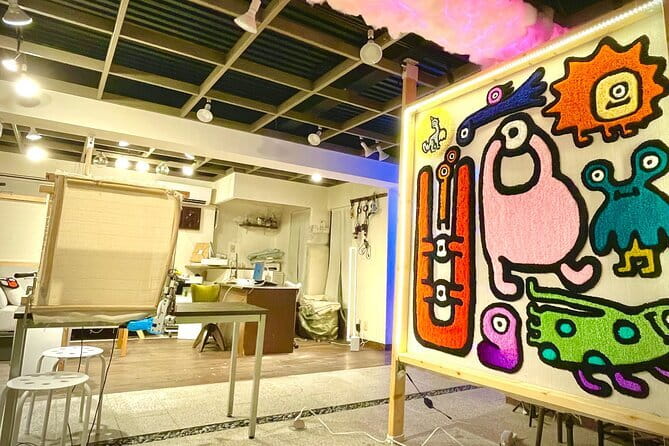
The studio is one minute from Shimogamo Shrine, a World Heritage Site. That makes the location especially useful for a Kyoto day plan. You can pair a cultural visit with a creative activity without crossing the city between each stop.
Shimogamo Shrine gives the experience a strong sense of place. You are not heading to an isolated workshop far from the sights. You can see one of Kyoto’s important religious sites, then make a souvenir nearby that is tied to the same visit.
The data describes restaurants around the studio, which is handy before or after your session. Since the rug-making activity lasts about two hours, you can place it around a meal rather than treating it as a full-day commitment.
Do keep the sequence flexible. The activity ends back at the studio, and the listed stops do not mean you should assume a guided sightseeing route with transport between them. They are best understood as nearby or related points for planning your Kyoto day. The rug-making itself is the central event.
Ginkakuji Temple and the Kamogawa Delta
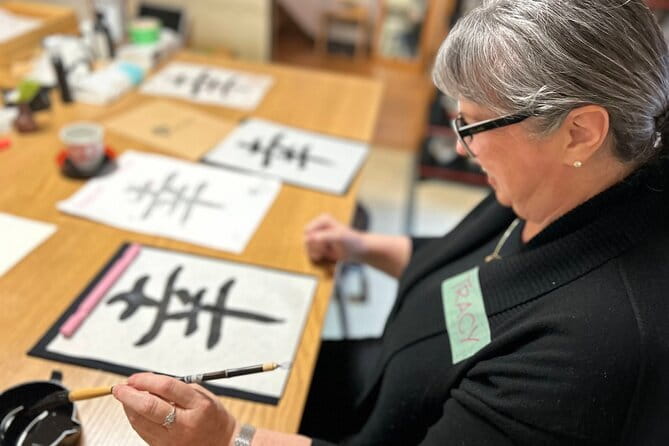
Ginkakuji Temple, also known as the Silver Pavilion, is included among the listed stops. The supplied details do not specify how long you spend there or whether admission is part of the activity, so you should not book this expecting a full temple tour. Instead, use Ginkakuji as a useful pairing if it fits your wider sightseeing plan.
The same applies to the Kamogawa Delta, identified as part of Kyoto Prefectural Kamogawa Park. The delta is where waterways meet and is a familiar outdoor point in the city. It gives your day a change of pace after indoor crafting and temple visits.
These three places make the location feel more worthwhile than a workshop alone. You can spend time at Shimogamo Shrine, enjoy the river area, and visit Ginkakuji according to your own schedule. But the activity’s stated duration is about two hours, so allow extra time if you plan to make all three stops.
The practical advantage is that the studio sits near public transportation, and you can reach it by bus from Kyoto Station. That makes it easier to fit into a wider itinerary without arranging a private vehicle. No air-conditioned vehicle is included, but that should not be a concern for a studio-based activity that begins and ends at the same address.


A same-day souvenir that is actually useful

Same-day pickup is one of the strongest reasons to choose this activity. You finish the rug and can take it with you, rather than waiting for a later delivery or wondering how it will reach home.
The rug is small enough to display on a wall, in an entryway, or in a living room. That gives it more staying power than many small souvenirs. You can remember the activity every time you see the design, and the object has a clear function in your home.
There is also a difference between buying a handmade object and making one. A shop purchase may be beautiful, but this rug carries your decisions: the design, the color mix, and the work involved in using the machine. For couples, it can become a shared memento. For families, it gives children a creative task with a physical result to bring home.
The tradeoff is that handmade work takes attention. If you want a quick souvenir, this is not the efficient option. You are paying for time, instruction, equipment, and the chance to make something yourself, not simply for a finished textile.
Is $84.70 a fair price?
At $84.70 per person, this is not a cheap stop in the way a casual craft purchase might be. The price makes more sense when you count the special machine rental, staff instruction, apron, thread selection, studio time, and finished rug.
You are also paying for a small-group format with a maximum of six participants. That can be better value than a crowded class where you receive only a short explanation and little help. The activity is designed for beginners, so you are not expected to own tools or understand tufting before you arrive.
The value is strongest for people who want a personal souvenir and enjoy making things. If you mainly want to see Kyoto sights, the same money could support several other activities. If you like hands-on experiences, the finished rug gives you something tangible that a standard sightseeing stop does not.
The two-hour length helps. You do not have to give up an entire day, and the studio’s location lets you combine the session with Shimogamo Shrine, nearby restaurants, the Kamogawa Delta, or a larger visit to Ginkakuji. Plan it as part of a day rather than as the only reason to visit this part of Kyoto.
Who will enjoy the studio most?
This activity is a good match for couples who want a shared project. You can create a design together, split the color decisions, and take home an object that recalls your Kyoto trip. It also suits families with children, provided they are comfortable focusing on a guided craft and following instructions around a machine.
First-time crafters should feel at ease because staff explain the equipment and the activity is built around beginner participation. The limited group size is another plus for anyone who wants to ask questions without holding up a large class.
It may be less suitable if you want a quiet sightseeing experience with no practical work. The activity is relaxing according to the available feedback, but it still asks you to participate. You will need to make decisions, handle the equipment, and stay engaged until the rug is finished.
The studio also works well for visitors who have already seen many temples and want to add a different kind of Kyoto memory. The nearby shrine and river area keep the activity connected to the city, while the rug gives you a break from simply looking at one attraction after another.
Getting there and planning your session
The meeting point is tufting studio CREA1F at 7-1 Shimogamo Nishibayashichō, Sakyo Ward, Kyoto, postal code 606-0817. The studio is near public transportation, and bus access from Kyoto Station is available.
Your mobile ticket should make arrival straightforward. Confirmation is provided when you book. Since the activity begins and ends at the meeting point, you should plan your route to return there rather than expecting transport to another Kyoto sight.
The studio is near restaurants, so you have easy meal options in the area. You can also use the one-minute distance from Shimogamo Shrine to build a simple plan: visit the shrine, make your rug, then eat nearby or continue toward another listed stop.
The activity is generally open to most participants. The information does not provide details about specific physical access needs, so anyone requiring particular arrangements should check with the provider before booking.
Cancellation is free if you cancel at least 24 hours before the local start time. Inside that window, the payment is not refunded, and changes are not accepted. That policy is worth noting if your Kyoto schedule is still shifting.
Should you book this Kyoto rug-making experience?
Book it if you want a creative, personal souvenir and like the idea of spending two focused hours near Shimogamo Shrine. The combination of about 60 thread colors, beginner instruction, a six-person maximum, and same-day pickup gives the experience real substance.
I would especially recommend it to couples, families, and visitors who have already planned enough temple viewing and want to make something of their own. The instructor Hayato is singled out for thoughtful guidance, and the studio atmosphere is described as friendly and relaxed.
Skip it if your priority is a low-cost souvenir, a large rug, or a sightseeing tour with extensive guiding between Kyoto attractions. The $84.70 price is justified by the hands-on format and included equipment, but only if you value the making process as much as the object.
For the right person, this is a smart Kyoto keepsake: compact, usable, and shaped by your own choices rather than pulled from a shelf.
FAQ
How large a rug can I make?
You can make one square or rectangular rug up to 30 centimeters in size.
How many thread colors are available?
The studio offers about 60 kinds of thread for you to choose from.
Is the activity suitable for beginners?
Yes. Staff provide detailed explanations for the special machine, and the activity is intended to be accessible to first-time participants.
Is equipment included?
The studio rents the special machine, and an apron is provided so you can protect your clothes.
Where does the activity begin and end?
It begins at tufting studio CREA1F, 7-1 Shimogamo Nishibayashichō, Sakyo Ward, Kyoto, 606-0817, Japan, and ends back at the same meeting point.
Can I cancel for a full refund?
Yes. You can receive a full refund if you cancel at least 24 hours before the experience start time. Cancellations within 24 hours are not refunded.
More tours in Kyoto we've reviewed






Kyoto, compared.
 ★ 5.0PERFECT KYOTO 1-Day Bus TourFrom $129
 ★ 4.8Kyoto: Fushimi Inari, Kinkakuji, Bamboo Grove 1 Day Bus TourFrom $122510 minutes - 9 hours
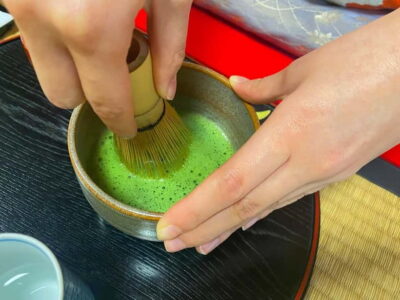 ★ 4.9Kyoto: Tea Ceremony in a Traditional Tea House in KiyomizuFrom $4945 min
 ★ 4.7Kyoto Geisha Walking Tour: Gion District & Hidden GemsFrom $252 hours
 ★ 4.9Kyoto: Tea Ceremony Ju-An at Jotokuji TempleFrom $291h 10m
 ★ 4.3Kyoto: 45-Minute Tea Ceremony Lesson ExperienceFrom $2245 min