
Reviewed · SAKE BREWERY TOURS
Kyoto: Insider Sake Experience with 7 Tastings and Snacks
Kyoto’s sake scene can feel like a maze of unfamiliar labels, polishing percentages, and words you cannot pronounce. This 90-minute tasting class gives you a useful shortcut: compare several styles side by side, then learn how to choose a bottle or menu pour on your own.
I especially like the practical bottle-reading exercise and the food pairing, which shows why a sake you dislike on its own may work beautifully with food. The small, warm tasting room also suits a calm evening better than a loud bar. The main consideration is that this is a tasting, not dinner, so eat something beforehand.
The alcohol rules also matter. You cannot take part if you arrive by car or bicycle, and anyone more than 20 minutes late loses the booking without a refund. Children and non-drinkers need their own reservations, and only non-alcoholic drinks are served to anyone under Japan’s legal drinking age of 20.
In This Review
- Key points at a glance
- Why this Kyoto sake class is worth your time
- Entering the dedicated tasting room
- Learning how sake is made
- Comparing seven sake styles side by side
- Seeing how otsumami changes the flavor
- Hot sake, cold sake, and ordering with confidence
- How the guides shape the experience
- Price, timing, and practical value
- Who should book this experience
- Should you book the Kyoto Insider Sake Experience?
- FAQ
- How long does the Kyoto sake experience last?
- How much does the activity cost?
- What language is the experience conducted in?
- How many sake tastings are included?
- Is food included?
- Can vegetarian food be requested?
- Can children join?
- What is the legal drinking age for this activity?
- Can I arrive by car or bicycle?
- What happens if I am late?
- Where do I go when I arrive?
- Can I cancel for a full refund?
Key points at a glance
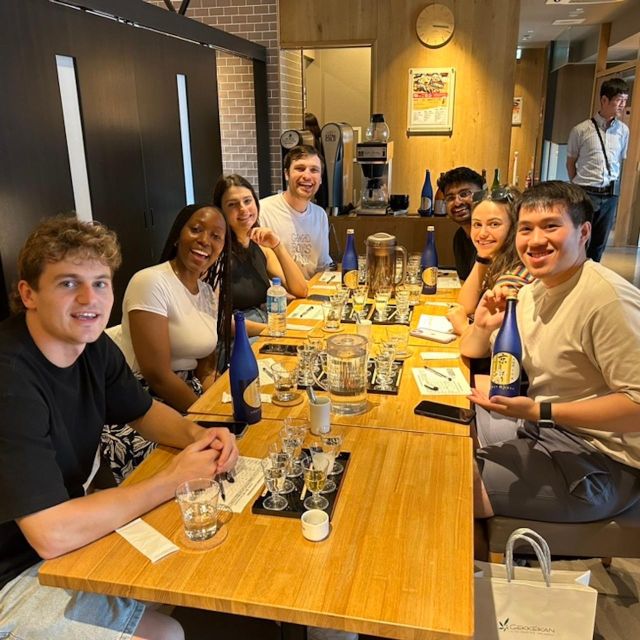
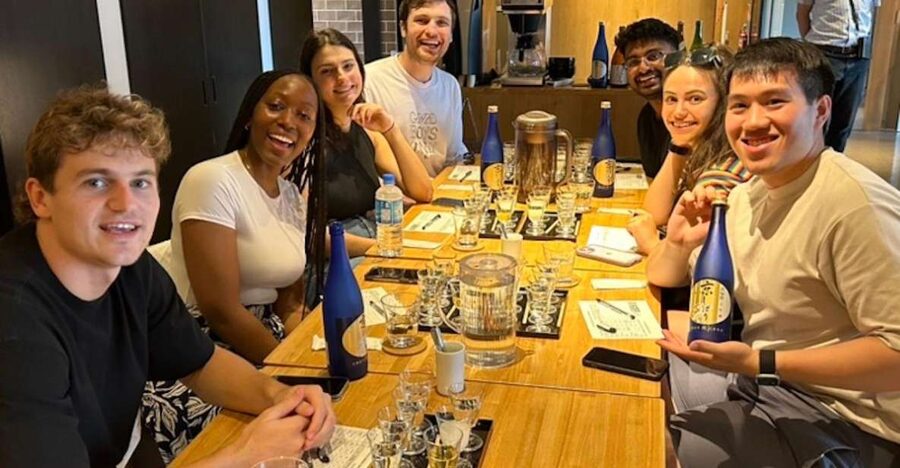
- Seven generous tasting pours: Compare dry, crisp, sweet, fruity, and other sake styles in a clear progression.
- Practical bottle-reading lesson: Learn how brewing terms and rice polishing affect flavor, then use the supplied cheat sheet later.
- Food changes the sake: Taste selected otsumami with the pours and see how pairing can soften or reshape flavors.
- English-speaking local instructors: Mayo, Kotaro, Kiyomi, Greg, Rieko, Shogo, and other trained hosts lead the sessions.
- A quiet dedicated room: The setting is intimate and focused, with time for questions rather than a quick sample at a shop.
- Useful Kyoto trip timing: The activity lasts 90 minutes, making it easy to fit before dinner or alongside a visit to nearby restaurants.
Why this Kyoto sake class is worth your time
Sake is not simply one drink with a single flavor. It can be light and clean, sweet and aromatic, dry and savory, or soft enough to pair with delicate food. The trouble for first-time drinkers is that Japanese labels often give you more information than you know how to use.
This experience deals with that problem directly. Instead of handing you a flight and leaving you to guess, the guide explains what you are tasting and why the differences exist. You learn about rice, brewing, polishing, temperature, regional character, and the basic terms used on bottles and menus.
I like this approach because it gives you something to use after the class. You may not remember every brewing term, but you should leave with a clearer sense of the flavors you enjoy. That can make a restaurant order in Kyoto much less of a gamble.
The session is conducted in English by a certified sake expert. The guides named by participants include Mayo, Kotaro, Kiyomi, Greg, Rieko, Shogo, and Yui. Their styles vary, but the shared theme is clear explanation with plenty of room for questions. Several instructors are also praised for humor and patience, which helps when the subject is new.
Other sake brewery and tasting tours in Kyoto


Entering the dedicated tasting room
You meet at the tasting venue and speak with the staff at the counter on arrival. Transportation is not included, and there is no hotel pickup, so you need to make your own way there. The exact venue directions should be checked carefully before leaving, especially if you are fitting the tasting between Kyoto sights.
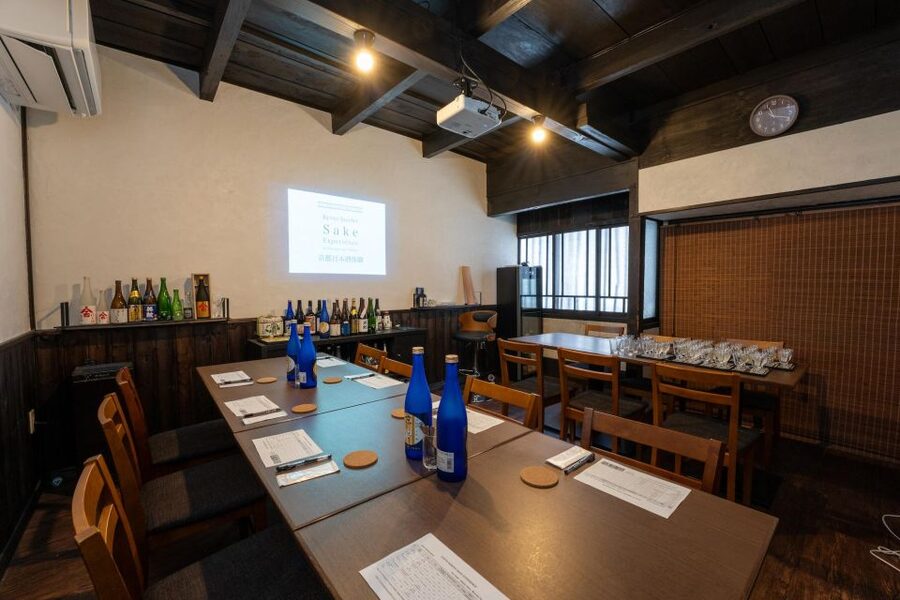
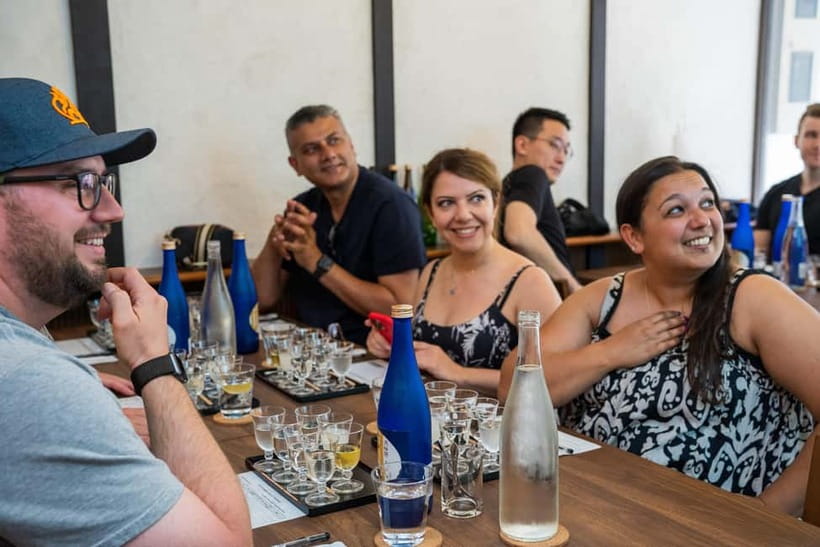
The room is described as warm, cozy, and intimate. That setting matters. You are there to notice small changes in aroma, sweetness, acidity, and texture, and a focused room makes that easier than a crowded izakaya.
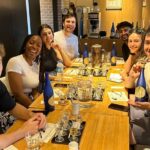
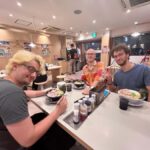
Group size can be small. One session had only four people, creating an easy atmosphere for questions and conversation. The size may vary by date, but the format is designed around instruction rather than a large lecture.
Do not arrive covered in perfume or strong fragrance. The rules also prohibit bikes, and alcohol cannot be served to anyone who arrives by bicycle. This is a legal and safety condition, not a minor preference, so plan a taxi, train, bus, or walk if you intend to taste.
Learning how sake is made
The opening lesson provides the foundation for the tasting. You learn how sake is brewed and how ingredients and production choices affect the final drink. The guide also explains rice polishing, one of the points that helps make different bottles taste different.
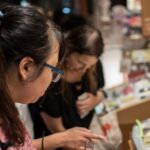
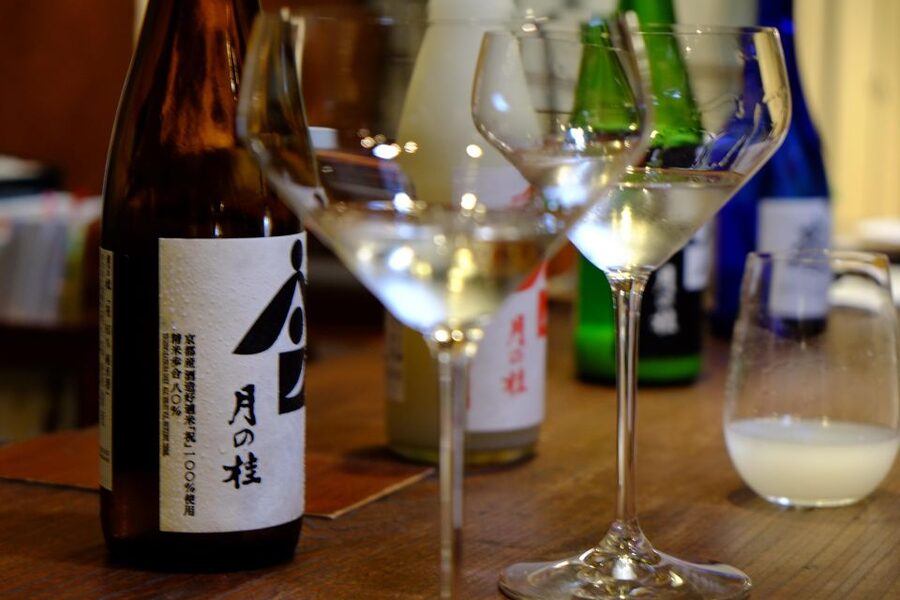
A hands-on part of the class involves examining sake bottles and identifying useful information on the labels. Some sessions also use physical examples showing how much of the rice grain has been refined. This turns an abstract term into something you can see.
You do not need to memorize technical vocabulary. The useful goal is to connect a label clue with a likely taste. Greater rice polishing can be one factor in a sake’s style, while other brewing choices affect aroma, body, and sweetness. The guide presents these ideas in a way beginners can follow.
This part is particularly helpful if you have ever stood in a Japanese shop unable to decide between several bottles. You will not become a sommelier in 90 minutes, but you can learn to ask better questions and make a more informed first choice.
Comparing seven sake styles side by side
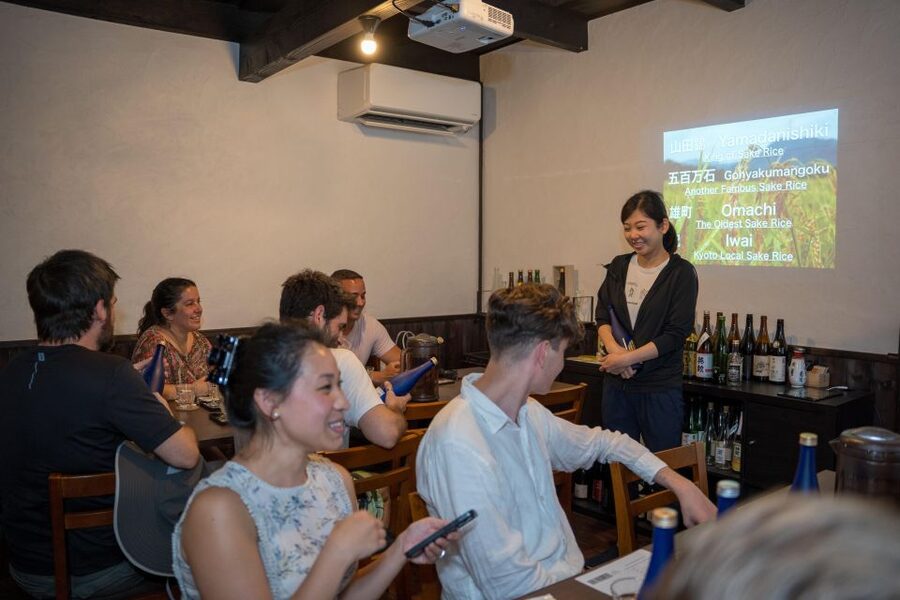
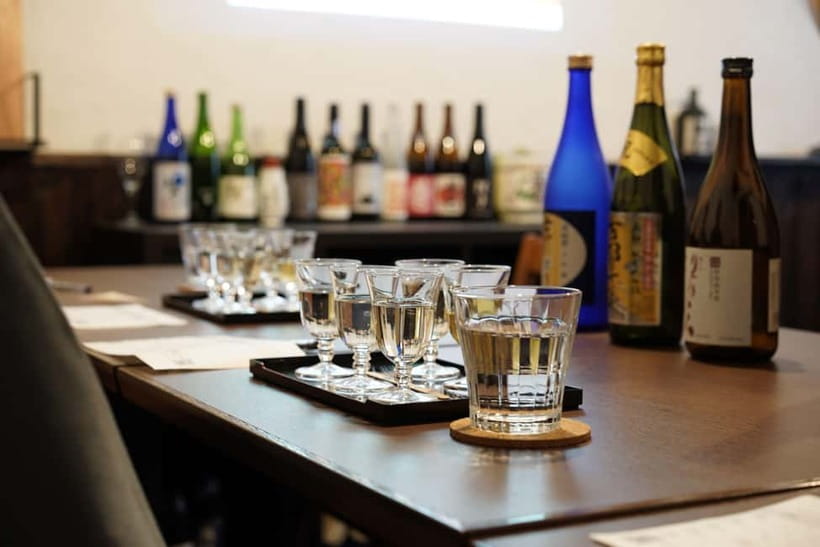
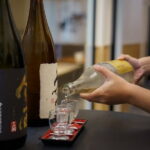
The main tasting follows the introductory explanation. The activity information describes more than 10 types selected by a certified sake sommelier, while participants consistently describe seven generous tasting servings. The exact bottles can change, but the purpose is steady: show a broad range rather than repeat seven similar pours.
Expect contrasts such as dry and crisp against sweet and fruity. Tasting styles in sequence helps your palate notice differences that are easy to miss when you sample only one bottle. A sake that first seems sharp may taste refreshing beside a sweeter pour, while a more aromatic option may feel quite different from a clean, restrained style.
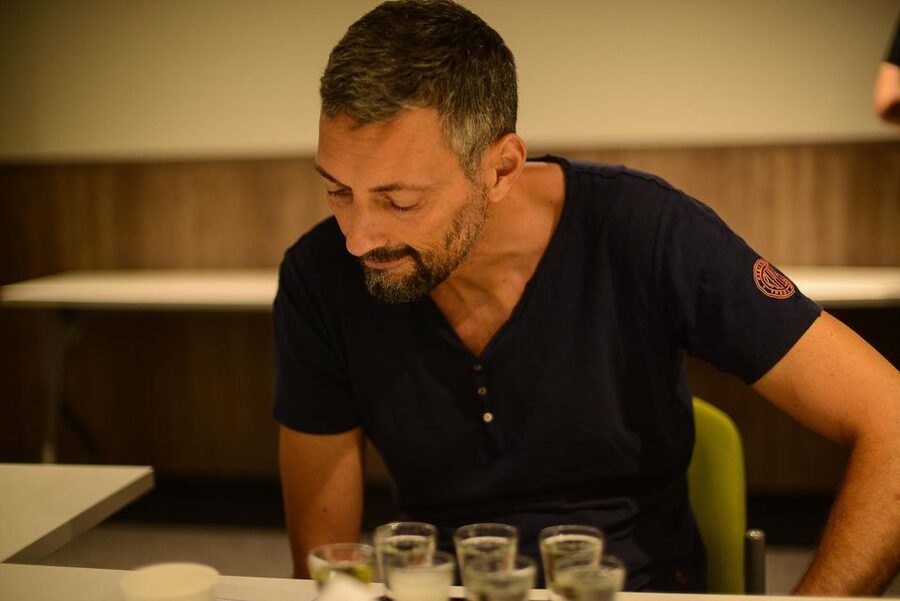
The guide gives you time to consider each serving. You may record reactions on a tasting note, marking which types you prefer and which you would order with food. This personal record is more useful than a simple list of bottle names because your taste is the point of the exercise.
The tasting is generous enough to feel worthwhile, but remember that seven alcoholic servings can add up. One useful piece of advice from the session is to eat before arriving. The otsumami are part of the lesson, not a full meal, and sake can feel strong on an empty stomach.
Seeing how otsumami changes the flavor
Food pairing is one of the best parts of the experience. You first taste the sake on its own, then try it with traditional Japanese appetizers, known as otsumami. This lets you compare the two impressions while the difference is fresh.
The pairing is not presented as a formal dinner. Small dishes are selected to show how food can alter the drink. A sake you do not care for alone may become more appealing with a savory bite, while a sweet or fruity style may take on a different balance beside food.
That lesson has immediate value in Japan. Sake is often enjoyed with a meal, and the best choice depends not only on the bottle but also on what you plan to eat. You learn which styles may suit sushi and how to think about pairings more generally.
Food preferences can be discussed with the guide at the venue. Vegetarian substitutions have been accommodated successfully, and the replacement snacks have been well received. You should still mention allergies or dietary needs as soon as you arrive, since the information provided does not promise that every request can be met.
A few more Kyoto tours and experiences worth a look

Hot sake, cold sake, and ordering with confidence
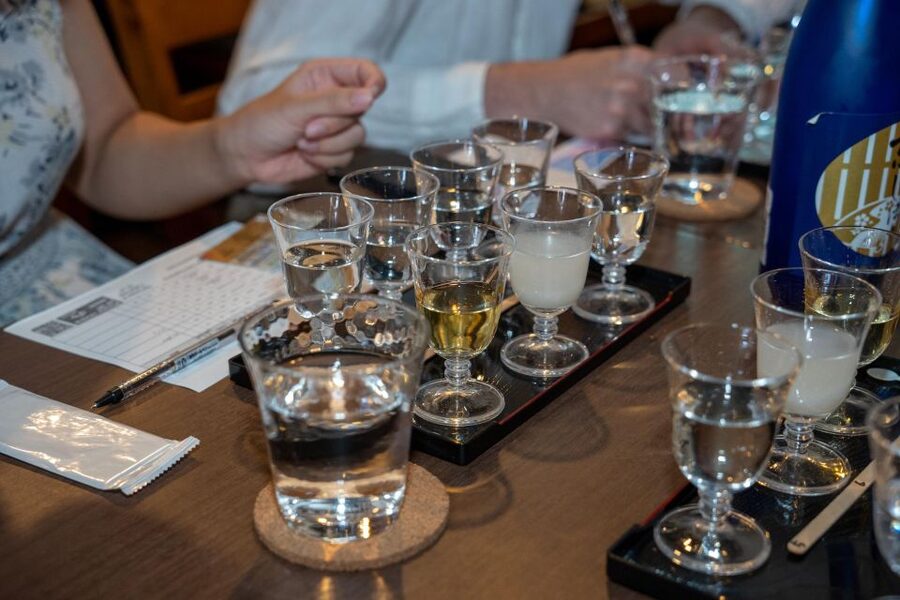
Temperature is another practical topic. The guide explains when sake may be served hot or cold and how temperature can affect the way it tastes. This helps correct the common assumption that sake always arrives warm.
You also learn how to order more comfortably. The cheat sheet summarizes the key ideas from the class, giving you something to consult when you face a Japanese menu or bottle shop later in your trip. It is a small item, but it addresses the main reason many people hesitate to try sake: fear of choosing badly.
The class also helps you name your own preference. Perhaps you like dry and clean sake with sushi. Perhaps you prefer something fruitier, softer, or sweeter. Once you can describe that preference, asking restaurant staff for a recommendation becomes much easier.
Some participants have bought a favorite bottle afterward. That option is useful if the tasting reveals a style you want to take home, although the supplied details do not promise that every bottle sampled will be available for purchase at the venue.
How the guides shape the experience
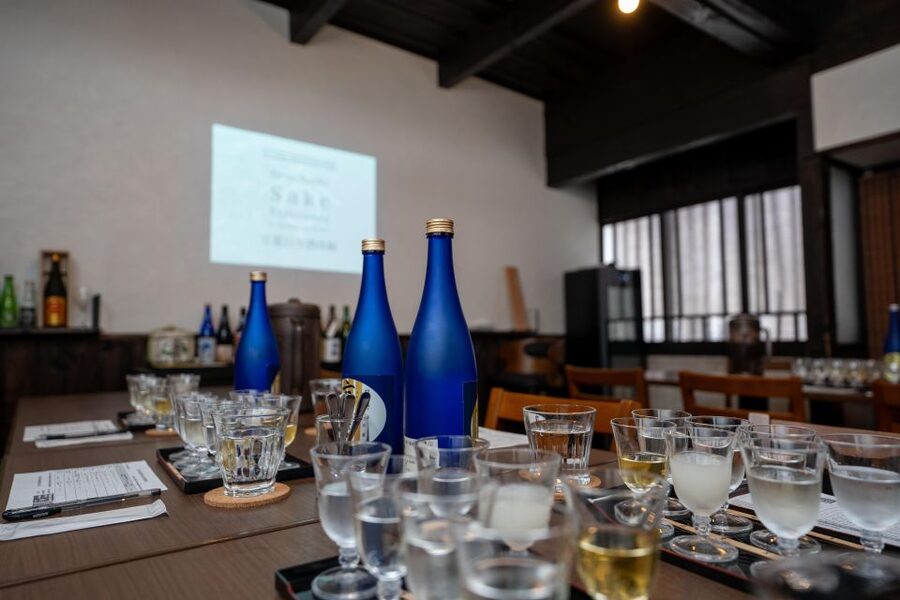
The guide matters because sake can become technical very quickly. Mayo is repeatedly described as funny, clear, and enthusiastic. Kotaro is noted for friendly explanations and a relaxed teaching style, while Kiyomi is praised for patience and warmth.
Greg has led sessions described as calm and attentive, making sure everyone could follow along. Rieko’s presentation is structured, and Shogo’s session included a practical exercise with each person examining a bottle. These details suggest a teaching format that changes slightly with the instructor while keeping the same core program.
I would choose this experience if you prefer asking questions rather than standing at a counter with a list of samples. It is also a good fit for a couple, parent and adult child, or small group with mixed sake experience. First-time drinkers are welcome, and several people who had never tried sake found styles they enjoyed.
The class is not designed for children. Anyone under 20 receives only non-alcoholic drinks, and children without reservations cannot join. Pregnant participants and people under 19 are listed as unsuitable, so this is best treated as an adults-only activity.
Price, timing, and practical value
At $66 per person, the experience is not the cheapest way to drink sake in Kyoto. You could spend less on one or two pours at a restaurant. That comparison misses the main value, though: here you receive structured instruction, several contrasting samples, otsumami, a tasting note, and a cheat sheet you can use later.
The price makes the most sense if you are curious but unsure what to order. Seven servings, food comparisons, and bottle-reading practice give you more than a casual drink. If you already know sake well and simply want access to rare bottles, a shop or specialist bar may suit you better.
The 90-minute length is well judged. It is long enough to explain the brewing process, taste several styles, and ask questions without taking up half your day. You can schedule it before dinner, but do not treat it as dinner itself.
Cancellation is free up to seven days before the experience for a full refund. Arrive on time, since being more than 20 minutes late cancels the booking. Strong fragrances are not allowed, and anyone arriving by car or bicycle will receive non-alcoholic drinks instead, with no refund for the missed tasting.
Who should book this experience
I recommend it most strongly if you meet one of these descriptions:
- You have tried sake but cannot tell one style from another.
- You want to order sake in Japan without pointing randomly at a menu.
- You enjoy food pairings and want to understand why they work.
- You are interested in Japanese drinks but do not want a long brewery visit.
- You prefer a small, guided class to an informal bar tasting.
- You want a useful Kyoto activity that fits into a 90-minute slot.
I would hesitate only if you are looking for a full meal, a brewery tour, or a large selection of rare premium bottles. The session takes place in a tasting room, and the food is made up of small appetizers. It is an introduction with practical lessons, not an advanced certification course.
Should you book the Kyoto Insider Sake Experience?
Yes, if you want to understand sake rather than simply sample it. The strongest part is the combination of side-by-side tasting, bottle-reading practice, and food pairing. You finish with a clearer idea of what you like and how to order it.
Book it early enough to protect the seven-day cancellation window, and plan a safe route that does not involve driving or cycling. Eat a light meal beforehand, arrive on time, tell the guide about dietary needs, and bring your curiosity. At $66, it offers good value for a focused introduction that can improve many sake orders during the rest of your Japan trip.
FAQ
How long does the Kyoto sake experience last?
The experience lasts 90 minutes.
How much does the activity cost?
The listed price is $66 per person.
What language is the experience conducted in?
The live guide conducts the experience in English.
How many sake tastings are included?
The experience highlights seven tasting servings. The sake selection is drawn from more than 10 types chosen by a certified sake sommelier, and the exact selection may vary.
Is food included?
Yes. Traditional Japanese otsumami appetizers are included for food pairing. They are tasting snacks, not a full meal.
Can vegetarian food be requested?
You should tell the guide about food preferences or allergies at the venue. Vegetarian substitutions have been accommodated in the experience.
Can children join?
The activity is not recommended for children. Guests without reservations, including children and non-drinkers, cannot join.
What is the legal drinking age for this activity?
Japan’s legal drinking age is 20. Anyone under 20 receives non-alcoholic drinks only.
Can I arrive by car or bicycle?
Alcohol will not be served to anyone who arrives by car or bicycle. Non-alcoholic drinks are available, but there is no refund if you cannot take part in the sake tasting.
What happens if I am late?
If you are more than 20 minutes late, your booking will be canceled.
Where do I go when I arrive?
Speak with the staff at the counter when you arrive at the dedicated tasting room.
Can I cancel for a full refund?
You can cancel up to seven days in advance for a full refund.
More Sake Brewery Tours in Kyoto

More Kyoto Food Tours in Kyoto
More Sake Brewery Tours in Kyoto
More tours in Kyoto we've reviewed



Sake Brewery Tours, compared.
 ★ 5.0Kyoto Night Foodie Tour in Gion (9+ dishes + 6 Sake tastings)From $163
 ★ 5.03-Hour Kyoto Insider Sake Brewery Tour with Tastings & PairingsFrom $84
 ★ 4.8Arashiyama Bamboo, Temple, Monkeys, or Secret Sake BreweryFrom $875 hours - 330 minutes
 ★ 5.0Kyoto: Insider Sake Brewery Tour with Sake and Food PairingFrom $873 hours
 ★ 5.0Kyoto Sake Brewery & Tasting Walking TourFrom $98
 ★ 5.01.5-Hour Kyoto Insider Sake Experience with 7 Tastings & PairingsFrom $68