
Reviewed · KYOTO
The right way to know Kyoto
Kyoto is easy to admire and surprisingly hard to organize. This private tour gives you a guide who can connect Fushimi Inari’s orange torii gates, Arashiyama’s bamboo, and the city’s great temples while you walk and use public transport. Guides including Tom, Jose, Laura, Paco, and Kyoto native Maki have led this experience.
I like the freedom to shape the day around your interests, and I like the practical help with trains and buses. Guides have adjusted plans for families, older visitors, day-trippers arriving by Shinkansen, and people chasing quieter temples and gardens. You also get a private group of up to six, not a crowd of strangers.
The main caution is pace. The suggested stops cover widely separated parts of Kyoto, and six hours is not enough for every major sight at leisure. Expect plenty of walking, crowded public transport, and extra costs for entrance tickets, meals, and transportation.
In This Review
- Key points to know before booking
- Why a private Kyoto day can be worth the cost
- Starting at Kyoto Station with a plan
- Fushimi Inari and its thousands of orange gates
- Arashiyama’s Bamboo Forest Trail
- Kinkaku-ji, Kyoto’s Golden Pavilion
- Ginkaku-ji and the beauty of restraint
- The value of a guide who can adjust the day
- Walking, trains, buses, and the real pace of Kyoto
- What you pay for beyond the guide
- Who should book this Kyoto tour
- Should you book it?
- FAQ
- How long is the tour?
- How many people can join the private tour?
- Where does the tour start?
- Where does the tour end?
- Are transportation costs included?
- Are temple entrance fees included?
- Which sights are suggested?
- Is the tour suitable for families?
- Can I cancel for a full refund?
Key points to know before booking
- A private guide for up to six people: The fixed group price can be good value for a family or small party.
- Four major Kyoto stops are suggested: Fushimi Inari, the Bamboo Forest Trail, Kinkaku-ji, and Ginkaku-ji.
- Your route can change: Guides have tailored days for history, gardens, family interests, shopping streets, and short day trips.
- Public transport is part of the practical lesson: Guides can help you use Kyoto’s trains and buses, though transport is not included.
- Plan for a full day on your feet: One family reported walking close to 28,000 steps on a longer version of the experience.
- Entrance fees are extra: Kinkaku-ji and Ginkaku-ji require separate admission payments.
Why a private Kyoto day can be worth the cost
The price is $371.41 per group of up to six people. That is not a bargain for one person, but it can be sensible for a family or group that would otherwise pay for several separate tours. Split six ways, the guide fee is about $62 per person before transport and admission costs.
The real value is not simply seeing more buildings. It is having someone decide when a train makes more sense than a bus, show you how to reach the next district, explain shrine etiquette, and adjust the day when your feet or interest level change. Kyoto’s sights are spread across the city, so planning the order matters.
You should also know what this is not. It is not an all-inclusive coach trip, and transportation is not included. You meet at Kyoto Station unless pickup arrangements are confirmed, then move around by walking and public transportation. Some past tours also used local taxis, but you should expect to pay such costs separately.
The operator says the experience lasts about six hours, with operating hours from 9 a.m. to 3 p.m. The supplied information also includes examples of longer, full-day outings. Confirm the exact duration and route when booking, especially if you want to cover several distant districts.
If you're still narrowing it down, here are other tours in Kyoto we've reviewed.

Starting at Kyoto Station with a plan
Kyoto Station is a practical meeting point. It is easy to reach by train, and it puts you in the middle of the city’s transport network. The stated start point is Kyoto Station, with hotel pickup also offered, so confirm the exact meeting arrangement before the day begins.
A good opening conversation matters. Guides have asked people what they most wanted from Kyoto, then shifted the plan toward Japanese history, gardens, food streets, religious customs, family interests, or less crowded places. Send your priorities ahead of time if you have them.
This is especially useful if Kyoto is one stop on a tight schedule. One group came from Tokyo by Shinkansen and had to catch an evening train back. Their guide, Esteban, shaped the day around the train timetable and the sights they cared about most. That kind of planning is far more useful than trying to squeeze every famous site into a rigid checklist.
The guide may also help you understand the city’s layout. Kyoto is not a compact old town where every major temple sits around one square. Fushimi is in the southeast, Arashiyama is in the west, and the Golden and Silver Pavilions are in different northern and eastern areas. You can lose a good part of the day simply changing districts without a plan.
Fushimi Inari and its thousands of orange gates
Fushimi Inari-taisha is the suggested first stop, with about an hour set aside. Its signature is the long hillside path lined with orange torii gates, donated by individuals and businesses over many years. The gates create one of Kyoto’s most recognizable walks.
The first section is usually the most crowded and most photographed. If your guide takes you farther along the path, the mood can change as the people thin out and the forest becomes more present. An hour gives you enough time to see the famous entrance and walk partway uphill, but not enough to explore every trail.
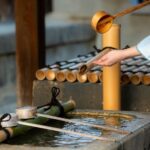
This is also a good place for cultural context. Guides have explained Shinto practices, shrine behavior, and the meaning of offerings. Esteban was especially praised for showing how to take part respectfully, including offering coins and choosing suitable places for photos.
Wear shoes with a steady sole. Even a short visit involves steps and an uphill walk, and the surface can be slippery in wet weather. Fushimi Inari is free, but the time cost can be high if you linger or attempt a longer climb.
Arashiyama’s Bamboo Forest Trail
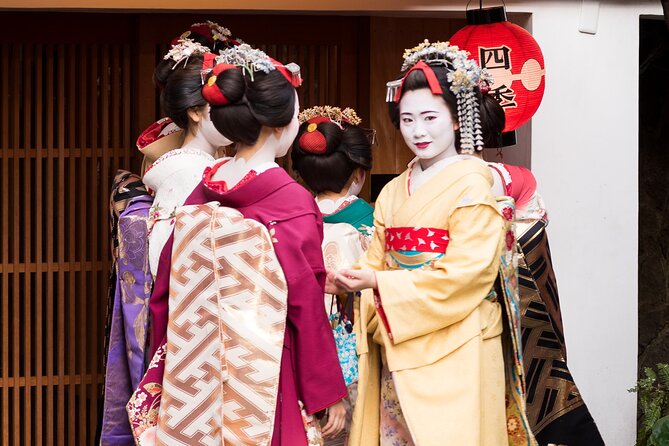
The Bamboo Forest Trail is scheduled for about 45 minutes. Tall bamboo surrounds the path, creating a cool, shaded setting that feels far removed from central Kyoto. It is a scenic stop, but the main path is also one of the city’s most sought-after photo locations.
Forty-five minutes is enough for a walk through the grove and a few photographs. It is not enough for a broad tour of Arashiyama. In longer versions of the day, guides have taken groups to places such as Nonomiya Shrine, Okochi Sanso Garden, Togetsukyo Bridge, Horin-ji Temple, and Monkey Park.
That longer Arashiyama route shows what customization can mean. Okochi Sanso Garden has a small separate admission fee, and the visit includes tea. Monkey Park requires an uphill walk, but the view and the animals reward people who are comfortable with a hike. Those additions cannot fit comfortably into every six-hour plan.
If bamboo is your top priority, say so before the tour. If you have already seen the grove in photographs and want gardens or river views instead, ask for a different balance. The guide’s flexibility is most useful when you give clear preferences.
Kinkaku-ji, Kyoto’s Golden Pavilion
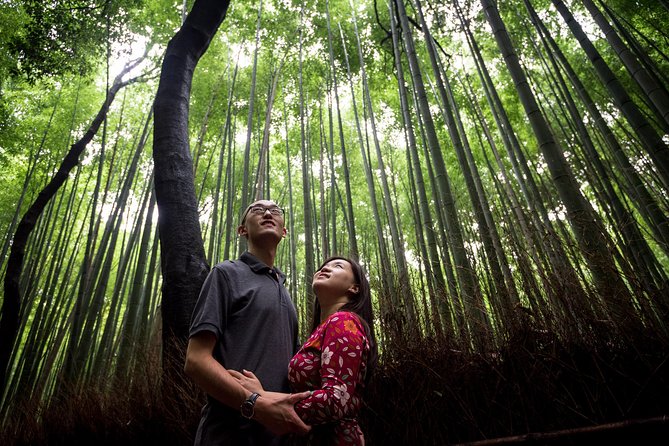
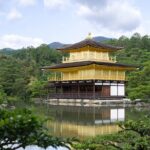
Kinkaku-ji, or the Golden Pavilion, receives about an hour in the suggested schedule. The gold-covered building reflects across a pond, with carefully arranged gardens around it. It is one of Kyoto’s essential sights, but it is also a place where the route can feel crowded and controlled.
You follow a set viewing path rather than wandering freely through the temple complex. An hour lets you see the pavilion, walk through the grounds, and hear the historical and religious background. Admission is not included, so budget for a separate ticket.
A guide helps here by explaining what you are looking at instead of leaving you with a quick photograph and a name. The pavilion is part of a Zen temple complex, and its changing role over time is easier to appreciate with context. The setting also gives your guide a chance to discuss Japanese garden design and the relationship between buildings, water, stone, and borrowed scenery.
Do not expect a quiet meditation stop at midday. Kinkaku-ji is famous for good reason, and the viewing areas can be busy. If you want a calmer experience, ask whether the schedule can place it earlier or later, though the guide cannot control the crowds.

Ginkaku-ji and the beauty of restraint
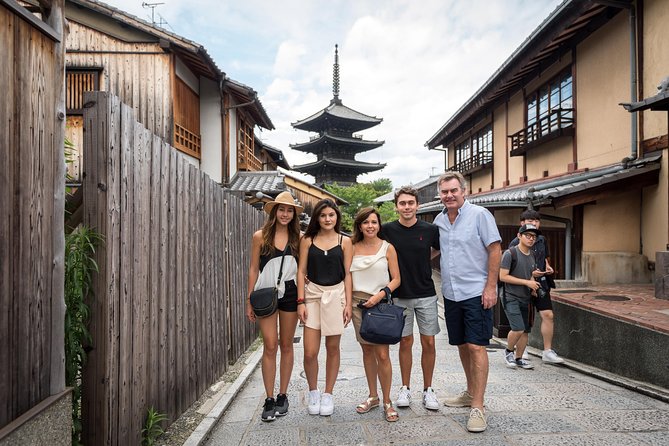
Ginkaku-ji, the Silver Pavilion, is a different experience. Despite its name, the pavilion is not covered in silver. Its appeal comes from the restrained architecture, mossy grounds, and elegant dry garden, which reflect the Japanese idea of wabi-sabi: beauty in simplicity, age, and imperfection.
The suggested visit lasts about an hour, with admission extra. I would give this stop serious priority if you care about gardens and atmosphere. It often rewards slower looking more than rapid photography.
The temple sits along the Philosopher’s Path area, where a visit can pair naturally with a walk if time allows. But adding that walk may force you to remove another district. This is one reason the tour works best when you choose between depth and breadth before setting out.
If your main goal is to collect famous names, Kinkaku-ji may make the bigger visual impression. If you want a quieter lesson in Japanese aesthetics, Ginkaku-ji can be the more satisfying stop. A good guide should help you understand that these temples are not interchangeable.
The value of a guide who can adjust the day
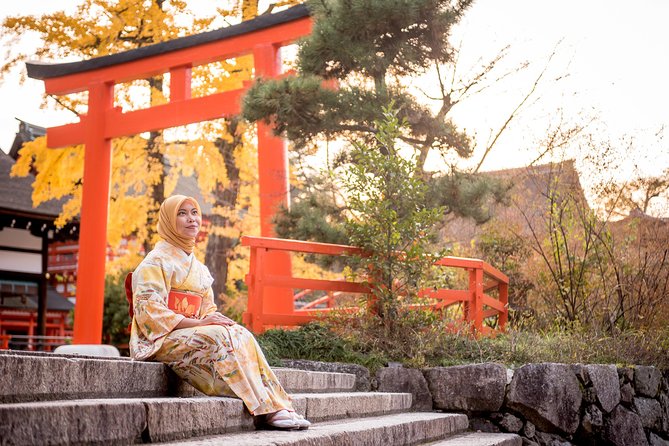
The strongest feature here is the human element. Guides have been described as flexible with pace, good with children and teenagers, and able to adapt when a group changes its mind. Tom kept two teenage boys engaged through history, manga-related interests, and a very long day on foot.
That flexibility also matters for older visitors. One outing with a 77-year-old mother combined walking with local taxis and kept the pace appropriate. You should still explain mobility needs before booking, since the standard format involves substantial walking and public transport.
Families can benefit in less obvious ways. A guide can turn shrine manners, train navigation, and Japanese religious customs into part of the day rather than a series of rules to memorize. One family appreciated being shown how to use public transportation, a skill that continued to help after the tour ended.
The guide roster is not limited to Japanese-born hosts. Paco, for example, was described as a Spanish graduate student, while Maki is a Kyoto native. The key question is not nationality alone. Ask for a guide whose communication style and subject knowledge match what you want, particularly if detailed history is important to you.
There has been at least one complaint about an accent and limited explanation on a rainy day. That is a useful reminder to state your expectations clearly. If you want serious historical commentary, say so. If you mainly want efficient sightseeing and help with transport, say that instead.
Walking, trains, buses, and the real pace of Kyoto
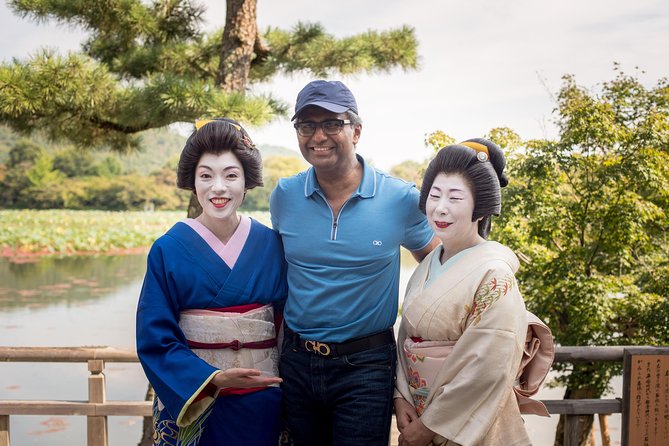
The tour title says walking, and you should take that seriously. Even when trains, buses, or taxis connect the major districts, you still walk between stations, temple entrances, gardens, and viewing areas. Kyoto’s public transport can be crowded, especially near its best-known sights.
One group covered roughly 28,000 steps on a longer outing. That is not a promise for every booking, but it shows how demanding a packed day can become. Comfortable footwear, water, and realistic expectations will improve the experience.
The benefit is that you see Kyoto at street level. You learn how the city works instead of watching it pass through a vehicle window. A guide can also prevent wrong turns and reduce the mental load of reading transit maps in an unfamiliar language.
The drawback is that you do not get much recovery time. Rain, summer heat, humidity, or tired children can change the feel of the day quickly. August was described as especially hot and humid, so an aggressive schedule may be less pleasant then. Ask the guide to protect breaks if you need them.
What you pay for beyond the guide
The $371.41 fee covers the expert guide for a private group of up to six. It does not cover entrance tickets, transportation, or meals. Kinkaku-ji and Ginkaku-ji specifically require separate admission, while Fushimi Inari and the Bamboo Forest Trail are free.
That cost structure is normal for a private walking experience, but it means you should calculate the full day rather than comparing only the headline price. Add train and bus fares, possible taxis, temple admissions, lunch, and any optional sites such as Okochi Sanso Garden.
For six people, the guide fee spreads well. For one or two people, the same private format becomes a bigger splurge. I would consider it strongest value for a family, a small group with limited Kyoto time, or anyone who wants help making several districts work in one day.
Free cancellation is available when you cancel at least 24 hours before the start time. Changes or cancellations inside that window are not accepted for a refund, so check your plans early.
Who should book this Kyoto tour
I would choose this experience if you are in Kyoto for only a day or two, have a list of must-see sights, or feel uneasy about managing trains and buses. It also suits families who want the day adjusted around different ages and interests.
It is a good fit for people who want explanation, not just transportation. Guides have discussed Japanese history, religion, ceremonies, everyday life, shrine customs, and garden design. You can also request street markets, quieter temples, or a particular district.
I would hesitate if you want a slow temple retreat with long meals and plenty of unplanned time. The suggested route covers too much ground for a leisurely visit to every stop. I would also think twice if a large amount of walking is difficult for you and you have not arranged a gentler pace in advance.
Should you book it?
Book this tour if your priority is to make a demanding Kyoto day manageable. The private format, flexible routing, and help with public transport can save time and make the city less confusing. The strongest guide matches appear to be people such as Tom for family engagement and measured pacing, Maki for a Kyoto-native perspective, and Laura, Jose, Esteban, Peter, Paco, or Cristobal for tailored sightseeing and cultural explanation.
Before you commit, send your top three priorities and ask what can realistically fit into six hours. Decide if you prefer both Golden and Silver Pavilions, or if one should give way to more time in Arashiyama, markets, gardens, or quieter shrines. If you accept the walking and extra costs, this can be a very efficient introduction to Kyoto.
FAQ
How long is the tour?
The experience is listed as approximately six hours, operating from 9 a.m. to 3 p.m. Some described outings lasted longer, so confirm the duration for your booking.
How many people can join the private tour?
The price covers one private group of up to six people. Only your group participates.
Where does the tour start?
The stated meeting point is Kyoto Station in Shimogyo Ward. Hotel pickup is offered, so confirm the exact pickup details after booking.
Where does the tour end?
The activity ends back at the meeting point.
Are transportation costs included?
No. Transportation is not included. The tour may use trains, buses, or local taxis, and you pay those costs separately.
Are temple entrance fees included?
No. Entrance tickets are not included. Kinkaku-ji and Ginkaku-ji require separate admission payments.
Which sights are suggested?
The suggested stops are Fushimi Inari-taisha Shrine, the Bamboo Forest Trail, Kinkaku-ji Temple, and Ginkaku-ji Temple. The route can be customized.
Is the tour suitable for families?
Most people can participate, and the private format allows the guide to adjust the pace and interests of your group. The day still involves considerable walking and public transportation.
Can I cancel for a full refund?
Yes, if you cancel at least 24 hours before the experience starts. Cancellations or changes made less than 24 hours before the start time are not accepted for a refund.
More tours in Kyoto we've reviewed




Kyoto, compared.
 ★ 5.0PERFECT KYOTO 1-Day Bus TourFrom $129
 ★ 4.8Kyoto: Fushimi Inari, Kinkakuji, Bamboo Grove 1 Day Bus TourFrom $122510 minutes - 9 hours
 ★ 4.9Kyoto: Tea Ceremony in a Traditional Tea House in KiyomizuFrom $4945 min
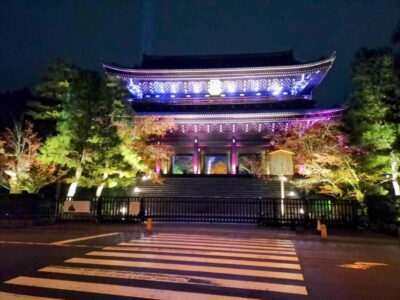 ★ 4.7Kyoto Geisha Walking Tour: Gion District & Hidden GemsFrom $252 hours
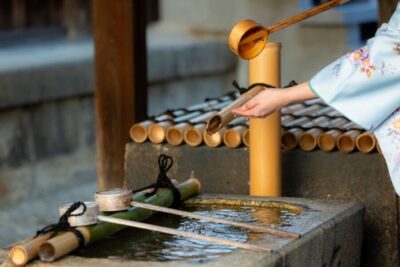 ★ 4.9Kyoto: Tea Ceremony Ju-An at Jotokuji TempleFrom $291h 10m
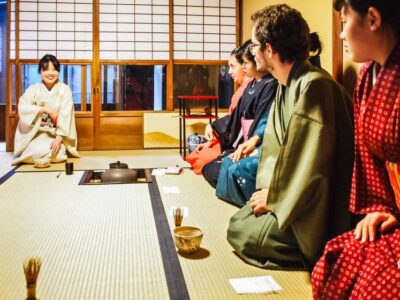 ★ 4.3Kyoto: 45-Minute Tea Ceremony Lesson ExperienceFrom $2245 min