
Reviewed · ARASHIYAMA & BAMBOO TOURS
Kyoto Arashiyama Walking Tour: Bamboo, Monkeys, Gardens & Secrets
Arashiyama is much more than Kyoto’s famous bamboo photo stop. This 5 to 6 hour walking tour links the bamboo grove with quiet garden paths, a major Zen temple, a river bridge, and a hilltop monkey park, giving you a full picture of the district instead of one quick snapshot.
I like the way the route mixes famous sights with less crowded paths, and I like having a guide explain the religious customs and local history as you go. Guides including Teri, Mari, Marie, Osin, Aron, and Maricel are praised for clear explanations, good pacing, humor, and helping with photos. The main drawback is the steep 20 to 25 minute hike to Monkey Park, plus a confusing meeting-point description that you should confirm before setting out.
In This Review
- Key details to know before booking
- Why this Arashiyama route works well
- Getting the meeting point right
- Nonomiya Shrine: a small stop with unusual purpose
- Okochi Sanso Garden beyond the bamboo
- The Bamboo Forest: beautiful, busy, and best with patience
- Tenryuji Temple and its Sogenchi Garden
- Togetsukyo Bridge and the Hozu River
- Monkey Park Iwatayama: the day’s toughest and liveliest stop
- The lunch break and the real time commitment
- What the $65.57 price buys you
- Guides, pace, and group experience
- Who should book this walk
- Should you book the Arashiyama walking tour?
- FAQ
- How long does the Arashiyama walking tour last?
- What sights are included?
- Is Monkey Park admission included?
- How difficult is the walk to Monkey Park?
- Is lunch included?
- What language is the tour conducted in?
Key details to know before booking
- The bamboo grove is only one part of the day: You also visit Nonomiya Shrine, Okochi Sanso Garden, Tenryuji Temple, Togetsukyo Bridge, and Monkey Park.
- The monkey walk is real exercise: Expect a 20 to 25 minute uphill hike on a somewhat steep path before reaching the hilltop.
- Small groups keep the day manageable: The tour has a maximum of 12 people, with private and small-group options available.
- Admission is included for the listed sights: Lunch, dinner, and tips are extra.
- The route starts near Arashiyama’s rail connections: Check the exact meeting point carefully, since the information gives both Saga-Arashiyama Station and Monkey Park.
- English is the standard language: Ask before booking if you need German, Italian, or another language.
Why this Arashiyama route works well
Arashiyama can feel like several different destinations packed into one district. The bamboo grove sits near temple grounds and gardens, Togetsukyo Bridge crosses the Hozu River, and Monkey Park is across the river and uphill. You can walk it alone, but a good guide saves you from wasting time on wrong turns and helps connect the pieces.
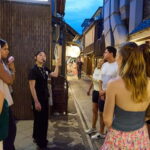
That matters most on crowded days. The famous bamboo path can be packed, especially when people stop for photographs. Guides such as Teri and Marie are praised for using backstreets and quieter routes where possible, while still keeping the schedule moving. One well-paced tour finished on time, which is useful if you have an evening reservation or another Kyoto plan.
The day also has a pleasing change of mood. You begin around shrines and temple gardens, pass through tall bamboo, pause for river views, then finish with Japanese macaques on a mountain above the town. It is a lot of ground, but the variety keeps the walk from becoming repetitive.
The tour is capped at 12 people. That is small enough for questions and easier movement through narrow paths, though it is not the same as having a completely private guide. Private and small-group choices let you match the format to your budget and preferred pace.
A few more Kyoto tours and experiences worth a look
Getting the meeting point right
The supplied meeting information needs careful attention. The route description says to meet at Saga-Arashiyama Station, while the meeting-point section lists Arashiyama Monkey Park Iwatayama. The tour information also says the walk begins at the train station and ends at a central spot, then describes the journey as ending at Monkey Park before shopping or returning to the station.
Arashiyama has three stations with Arashiyama in their names, and they are not close together. Saga-Arashiyama Station is the useful rail connection from Kyoto Station, and one account specifically notes a journey of about 25 minutes from Kyoto Station. Arriving at another Arashiyama station can mean a much longer bus ride and extra walking.
For that reason, confirm the exact starting location and time with Japanify Tours before the day of the tour. Do not simply type Arashiyama into your navigation app and assume you have found the right place. This is the one practical detail most likely to cause trouble.
Nonomiya Shrine: a small stop with unusual purpose
Nonomiya Shrine is easy to overlook beside Arashiyama’s larger sights, but it gives the walk a useful cultural beginning. The small Shinto shrine was traditionally used for purification rituals by unmarried imperial princesses before they served as priestesses at Ise Shrine.
You spend about 10 minutes here. That is not long enough for an extended visit, but it is enough for a guide to explain why the shrine mattered and how its role differed from the Buddhist temple you visit later.
This is a good example of why the tour format helps. Without context, Nonomiya can look like a modest shrine along the way to the bamboo grove. With an explanation, it becomes a place tied to imperial tradition, ritual preparation, and the religious mix that shapes Kyoto.
Okochi Sanso Garden beyond the bamboo
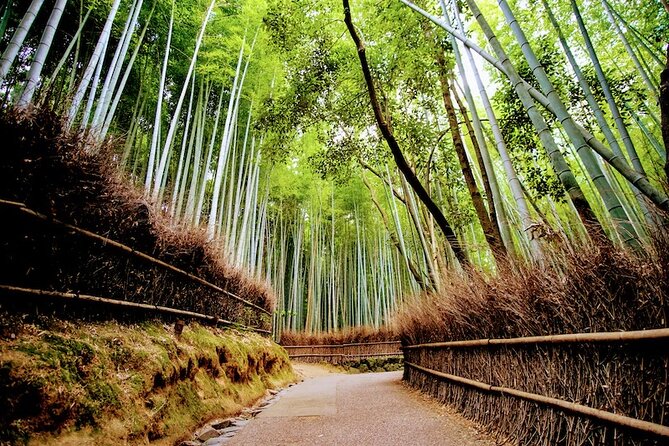
Okochi Sanso Garden is one of the quieter highlights of the route. It sits at the far end of the Bamboo Forest and was once the private villa of a famous Japanese actor. The garden is included, and you spend about 30 minutes walking through it.
The timing is well judged. The bamboo grove is dramatic, but the garden gives you space to slow down and look at carefully arranged views, plants, paths, and surrounding hills. It is a more peaceful stop than the main bamboo corridor.
You should still expect walking rather than a sit-down garden tour. The route covers several sites in one day, so the visit is a focused introduction instead of an unhurried afternoon in one garden. If gardens are your main reason for visiting Arashiyama, you may want extra independent time after the tour.
The Bamboo Forest: beautiful, busy, and best with patience
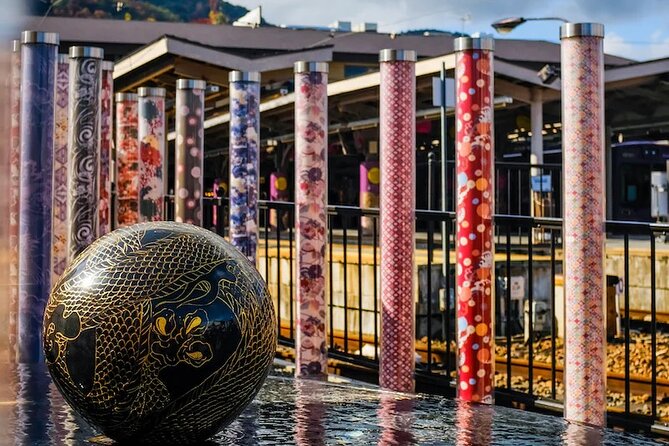
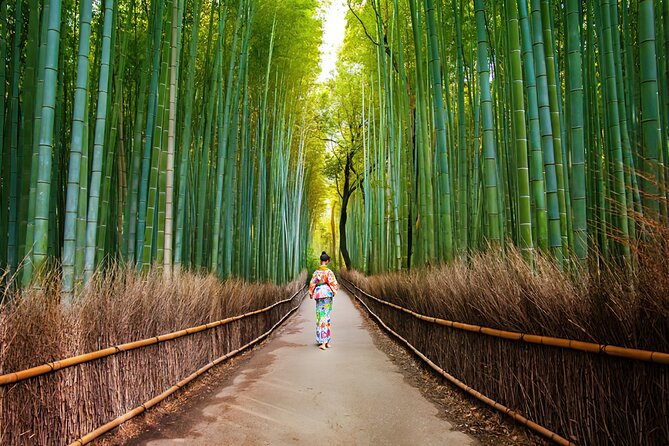
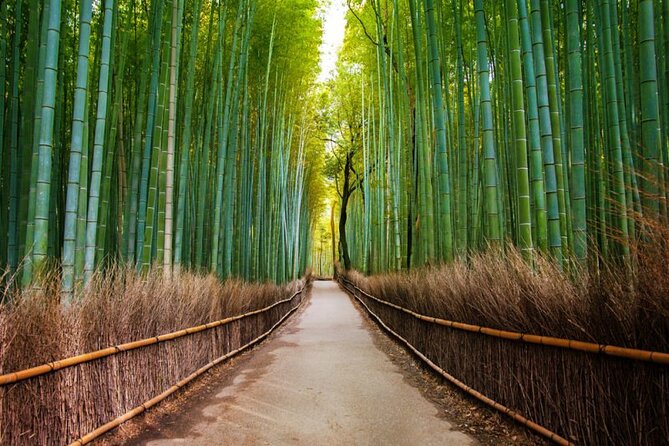
The Bamboo Forest is the visual centerpiece. Tall bamboo rises on both sides of the path, creating the cool, green corridor that makes Arashiyama so popular. The planned visit lasts about 30 minutes.
That half hour is enough to experience the path and take photographs, but do not expect complete silence. The area is one of Kyoto’s busiest attractions, and people often pause in the narrow walkway for pictures. The guides’ use of nearby routes can make the approach more pleasant, but no guide can remove the crowds from the most famous section.
Bring patience and keep moving when the group does. The best value here is not simply a photograph. Your guide can explain how the grove fits into the area’s temples, gardens, and cultural setting, turning a quick photo stop into part of a larger story.
Several guides are also praised for taking photographs. That can be helpful when you are traveling alone or want a picture of your whole group, though photo help depends on the guide assigned that day.
Other walking tours we've reviewed in Kyoto
Tenryuji Temple and its Sogenchi Garden
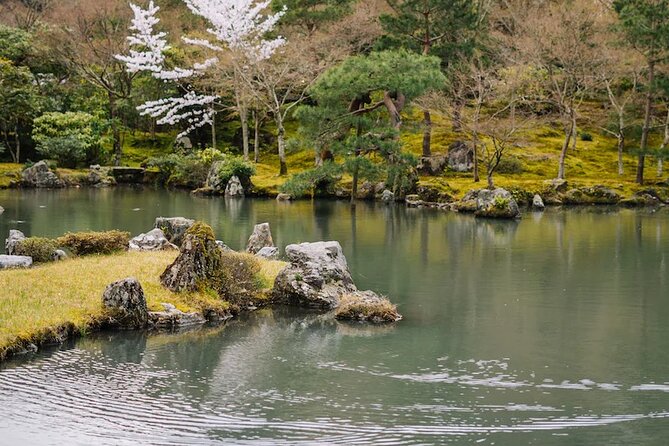
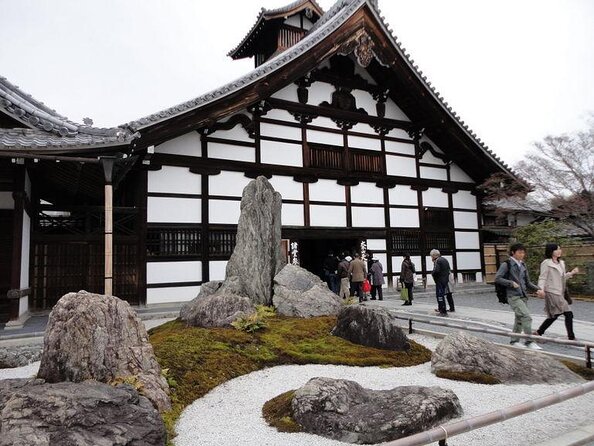
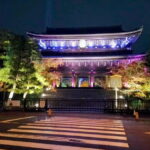
Tenryuji is the major temple stop, with about 35 minutes set aside for its Sogenchi Garden. The garden is a UNESCO World Heritage Site and is regarded as one of Japan’s finest.
This is where the route shifts from bamboo and shrine ritual to formal Buddhist grounds. The garden gives you a chance to see how water, stones, trees, and open views are arranged to create a calm setting. A guide’s explanation adds meaning to details that might otherwise pass unnoticed.
Thirty-five minutes is enough for a solid first look, but not enough to examine every corner at leisure. If you want a slower visit, ask the guide where the tour finishes and return independently. The included admission improves the value, since you do not need to decide on extra entrance fees as the day unfolds.
Togetsukyo Bridge and the Hozu River
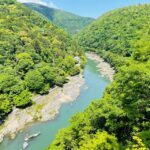
After the temple, the walk continues to Togetsukyo Bridge. You spend about 15 minutes here, taking in the Hozu River and the mountains around Arashiyama.
This is a short stop, but it breaks up the temple walking with a broad outdoor view. The bridge also helps you understand Arashiyama geographically. You can see how the river divides the district and why the monkey park requires a separate uphill walk.
Do not expect a long riverside pause. The tour has a full schedule, and the bridge is mainly a scenic link between the temple area and Monkey Park. It is a good place for a few photographs and a breath of open air before the climb.
Monkey Park Iwatayama: the day’s toughest and liveliest stop
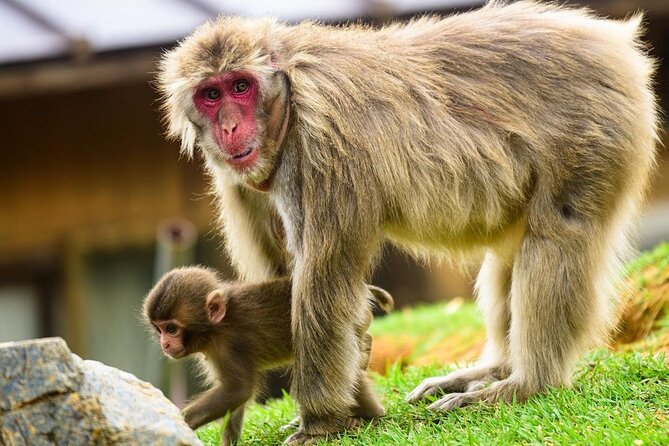
Monkey Park is the physical test of the tour and one of its most memorable parts. From the bridge, you hike uphill for about 20 to 25 minutes on a path described as somewhat steep. The reward is a hilltop setting where you can see Japanese monkeys and look over Arashiyama.
Plan for this section honestly. The reviews repeatedly praise the monkeys, but several also point out that the climb is a trek. Comfortable shoes, water, and a willingness to walk uphill will make a real difference. If you are uneasy around animals, remember that the monkeys are running loose rather than displayed behind conventional cages. One account describes feeling nervous but still being glad to have made the climb.
The park visit is planned for about an hour, including the walk and time at the top. Animal lovers will likely rate this as the highlight, while anyone mainly interested in gardens may find the climb demanding for a short encounter.
The route information says Monkey Park admission is paid, while the included section says admission to the listed attractions is covered. Because of that inconsistency, confirm whether the Monkey Park entrance fee is included in your booking price. The tour price is listed at $65.57 per person, so knowing what is covered helps you judge the value accurately.
The lunch break and the real time commitment
The schedule includes a quick 35 minute lunch break at the end. Lunch and dinner are not included, so budget separately and do not expect a leisurely restaurant meal built into the tour.
A 35 minute pause is better viewed as a chance to grab something simple or eat food you already have. The long walking route, the temple visits, and the monkey hike are the main event. If you need a full sit-down lunch, you may prefer to eat before or after the tour, depending on the confirmed end point.
The total duration is approximately five to six hours, though one account describes a well-paced 4.5 hour experience and another describes five and a half hours. Build some flexibility into your day rather than scheduling a tight connection immediately afterward.
What the $65.57 price buys you
At $65.57 per person, this is not the cheapest way to walk through Arashiyama. You are paying for structure, guiding, and the convenience of combining several admission-based sights without planning the route yourself.
The value is strongest if you are visiting Kyoto for the first time, want historical and religious context, or dislike navigating crowded tourist districts. The guide keeps the group moving, explains the sights, and may help with photographs. Admission to the listed stops is included, though the Monkey Park wording should be clarified.
The value is weaker if you are a confident independent walker who already knows Arashiyama and wants to spend as long as possible in one garden or temple. You will follow a set schedule, take a short lunch break, and cover a lot of ground.
Group discounts and private options may change the final cost. A private tour can make sense for families or groups with a specific pace, while a small group offers a lower-cost way to get guidance without managing the route alone.
Guides, pace, and group experience
The guide is central to the tour’s appeal. Teri is repeatedly praised for history, humor, photographs, crowd management, and keeping the schedule on track. Mari and Marie are also singled out for warmth, energy, clear explanations, and helping people get good pictures. Osin, Aron, and Maricel are described as friendly, engaging, and well informed about the sites.
You should not assume a particular guide will lead your departure, but these names give you a sense of the guiding style to expect: conversational, history-focused, and practical rather than formal or academic.
The tour is in English only unless you arrange another language before booking. German and Italian are specifically mentioned as possibilities to request. Questions are encouraged, and the small maximum group size should make it easier to hear the guide and stay together.
Recording and live streaming are not allowed during the tour. Smart glasses with recording functions, including Ray-Ban Meta glasses, are also prohibited. Keep your phone available for ordinary photographs, but respect the no-recording rule.
Who should book this walk
I would choose this tour if you want one organized day that covers Arashiyama’s main sights and includes useful cultural background. It suits first-time Kyoto visitors, families with older children, solo bookers who want company, and anyone who would rather not sort out the district’s stations, paths, and admission counters.
It can also work well for teenagers. The combination of bamboo, gardens, a temple, a bridge, and monkeys gives the day enough variety to hold attention, and the monkey park provides a clear payoff after the climb.
You should think twice if uphill walking is difficult, if you dislike fixed schedules, or if you want a quiet private visit to the bamboo grove. Solo bookers can reserve, but the tour requires at least two people to proceed. If only one person books, it may be canceled with rescheduling or a full refund offered.
Free cancellation is available up to 24 hours before the start time. Changes or cancellations inside that window are not accepted for a refund.
Should you book the Arashiyama walking tour?
Book it if you want breadth, context, and simple navigation in one half-day outing. The route gives you far more than the bamboo grove, and the guide makes the temples, shrine, gardens, bridge, and monkeys feel like parts of one district rather than disconnected stops.
Skip it if you are comfortable planning Arashiyama yourself and want to set your own pace. Before paying, confirm the exact meeting point and whether Monkey Park admission is included. If those details are clear and you can handle the uphill walk, the $65.57 price is reasonable for a tightly organized introduction to one of Kyoto’s most rewarding day-trip areas.
FAQ
How long does the Arashiyama walking tour last?
The tour is scheduled for approximately five to six hours. Some departures may run closer to 4.5 hours or five and a half hours, so leave flexibility in your schedule.
What sights are included?
The route includes Nonomiya Shrine, Okochi Sanso Garden, the Bamboo Forest, Tenryuji Temple and its Sogenchi Garden, Togetsukyo Bridge, and Monkey Park Iwatayama.
Is Monkey Park admission included?
The tour information is inconsistent. One section says admission to the itinerary stops is included, while another says Monkey Park admission is paid. Confirm this detail with Japanify Tours before booking.
How difficult is the walk to Monkey Park?
The climb to the hilltop takes about 20 to 25 minutes, and the path is somewhat steep. You should be able to hike uphill to take part fully.
Is lunch included?
No. The tour includes a quick 35 minute lunch break, but lunch and dinner are not included in the price.
What language is the tour conducted in?
Tours are conducted in English. You can ask Japanify Tours about German, Italian, or another language before booking.
More Walking Tours in Kyoto
More Arashiyama & Bamboo Tours in Kyoto
More tours in Kyoto we've reviewed


Arashiyama & Bamboo Tours, compared.
 ★ 4.8Kyoto: Fushimi Inari, Kinkakuji, Bamboo Grove 1 Day Bus TourFrom $122510 minutes - 9 hours
 ★ 4.1Osaka/Kyoto:Kinkakuji,Arashiyama,FushimiInariShrine,NaraParkFrom $66
 ★ 4.7Kyoto/Osaka: Nara, Fushimi Inari Taisha, Arashiyama Bus TourFrom $529 - 10 hours
 ★ 4.8Arashiyama Bamboo, Temple, Monkeys, or Secret Sake BreweryFrom $875 hours - 330 minutes
 ★ 4.4Osaka/Kyoto: Arashiyama, Nara & Fushimi Inari Shrine w/LunchFrom $61
 ★ 5.0Kyoto: Nijo, Kinkaku-ji, Arashiyama, Kiyomizu & Fushimi InariFrom $51