
Reviewed · PRIVATE
Scenic Green Tea Fields of Hidden Kyoto & Local Tea Exp (Private)
Wazuka’s tea fields are the star here: neat rows of Uji tea climb the hills in sweeping green curves, far from Kyoto’s crowded temple lanes. You’ll pair that rural scenery with Byodo-in’s famous Phoenix Hall, a local tea tasting, and the heart-shaped window at Shoju-in.
I like the private door-to-door ride, which makes remote tea country practical without piecing together trains, buses, and taxis. I also like the personal touch from guide Daiki, whose history and tea explanations turn pretty views into a fuller look at Japanese life.
The main consideration is time. Five and a half hours goes quickly, and the tour includes several stops with drives between them. Admission fees, tea or coffee, and some walking and stairs cost extra, so this is best for visitors who want countryside access more than a slow temple day.
In This Review
- Key points at a glance
- Why Kyoto’s tea country is worth the drive
- Byodo-in Phoenix Hall and the 10-yen coin
- Wazuka-cha Cafe and the taste of the region
- Ishitera’s tea fields and the best photo stop
- Ujitawara and the roots of Japanese tea
- Shoju-in’s heart-shaped window
- A private vehicle changes the day
- What the guide adds
- Timing, cost, and who gets the best value
- Practical details before you reserve
- Should you book Scenic Green Tea Fields of Hidden Kyoto?
- FAQ
- How long does the tour last?
- How many people can join the private tour?
- What vehicle is used?
- Are temple admission fees included?
- Is tea or coffee included?
- Can the pickup and drop-off locations be different?
Key points at a glance
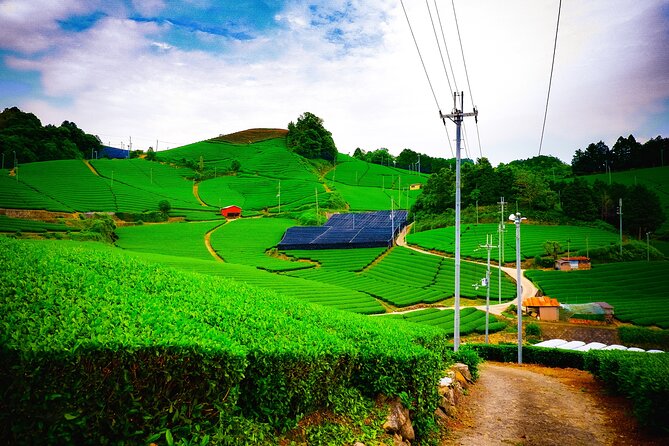
- Tea fields that climb toward the sky: Visit Ishitera and Ujitawara for the tour’s best rural views and photos.
- Byodo-in’s Phoenix Hall: See the temple pictured on Japan’s 10-yen coin and learn about its Buddhist Pure Land design.
- Local tea at local prices: Taste Wazuka tea and shop for premium leaves at prices described as roughly half to one-third of Kyoto city prices.
- A private vehicle for up to six: Groups of two to six ride in an air-conditioned Nissan van, while solo guests may ride in a convertible Mini Cooper.
- A guide who adds context: Daiki explains tea, temples, samurai, monks, and ninja traditions in a lively, personal way.
- A flexible pickup and finish: Pinpoint pickup and drop-off are offered, and the start and end locations can differ.
Why Kyoto’s tea country is worth the drive
Kyoto is famous for wooden lanes, grand temples, and carefully staged gardens. Yet the southern countryside shows another side of the region: forested hills, narrow roads, farm plots, and tea plants trimmed into precise rows. Wazuka is one of Japan’s best-known tea-producing areas, and the trip gives you a way to reach it without renting a car.
The tea fields are not a single viewpoint with a quick photo stop. They spread across hillsides and bends in the road, with the pattern changing as you move through the area. At Ishitera, you get the classic view of tea rows rising above the road. At Ujitawara, you stop at a field where you can walk on the farm and take photos.
I especially like this pairing of scenery and explanation. Without a guide, you might see attractive green slopes and move on. With Daiki, you can ask how tea culture developed, why Uji tea has such a strong name, and how the surrounding religious and military traditions shaped daily life.
The fields are described as photogenic throughout the year, including winter. That matters if you are not visiting during the famous spring or autumn seasons. The plants keep their evergreen color, although the exact appearance of the countryside can change with weather and seasonal conditions.
Other private tours in Kyoto


Byodo-in Phoenix Hall and the 10-yen coin
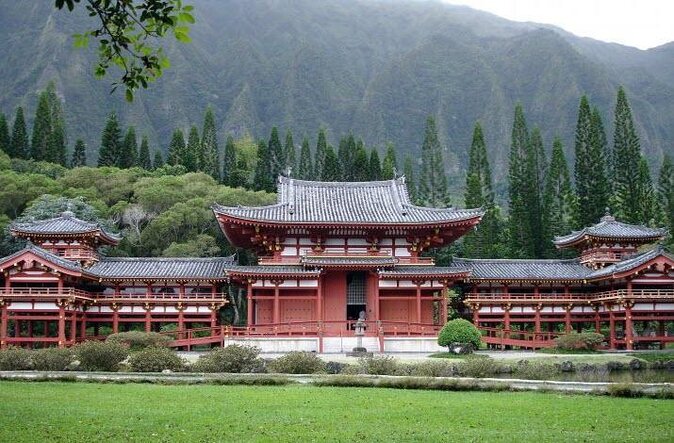
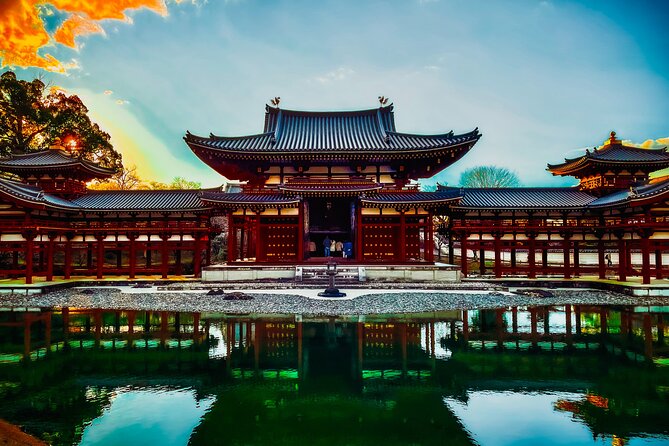
The first major stop is Byodo-in Temple, with about two hours set aside. Its Phoenix Hall is one of Japan’s most recognizable buildings, and you may already know it from the image printed on the 10-yen coin. Seeing the real structure gives that familiar coin a useful sense of scale and place.
The hall was built to represent the Buddhist Pure Land, or paradise, on Earth. Its position over the water and its balanced form make the idea visible rather than merely theoretical. This is a good opening stop because it gives you a strong piece of Japanese religious art before the tour shifts into the countryside.
Admission to Byodo-in is not included. The listed fee is ¥600 per person. You should also expect some walking and stairs during the day, so wear shoes that can handle temple paths and uneven outdoor surfaces.
Two hours is generous compared with a quick photo stop, but the visit can still feel compact if you want to explore every corner. The tour has several more destinations ahead, so you should not expect an unhurried museum-style visit. Daiki’s explanations are especially useful here, since they connect the building to Buddhist ideas, medieval power, and the wider story of tea.
Wazuka-cha Cafe and the taste of the region
The tea café stop lasts about an hour and has no admission charge. Your drinks and food are not included, so budget separately for your own tea, coffee, or matcha dessert.
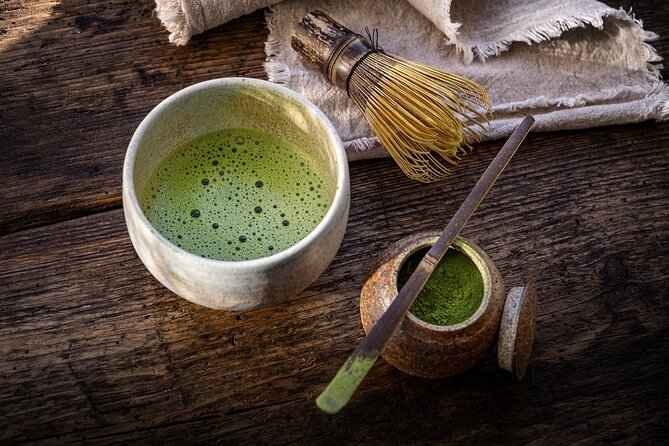
This is where the tour moves from looking at tea to tasting it. Wazuka tea is presented as a particularly pure and local expression of the Uji tea tradition. The area is known for high-quality green tea and matcha, and the café focuses on farmer-supplied products rather than a generic city souvenir experience.
You can expect tea tasting and matcha-based sweets, along with a chance to buy premium tea. The price advantage is one of the tour’s practical benefits. The experience describes local tea as available for roughly half to one-third of city prices, though the exact amount will depend on the product you choose.
If you enjoy Japanese tea, this may be the most useful stop for shopping. You can ask Daiki or the café staff about the differences between teas, then take home something connected to the place you just visited. If you do not drink green tea, the matcha desserts give you another way to enjoy the stop, but the tour’s strongest appeal is clearly tea-centered.
Allow some time for browsing. Tea purchases are not part of the tour price, and it is easy to spend more than expected when you find several grades, flavors, or gift packages. The good news is that you are not being pushed through a large commercial shop. The point is local produce and direct access to the tea-growing area.
Ishitera’s tea fields and the best photo stop

Ishitera Tea Plantation gets about 30 minutes. That sounds brief, but it is enough for a focused stop if your goal is to see the famous rows and take pictures.
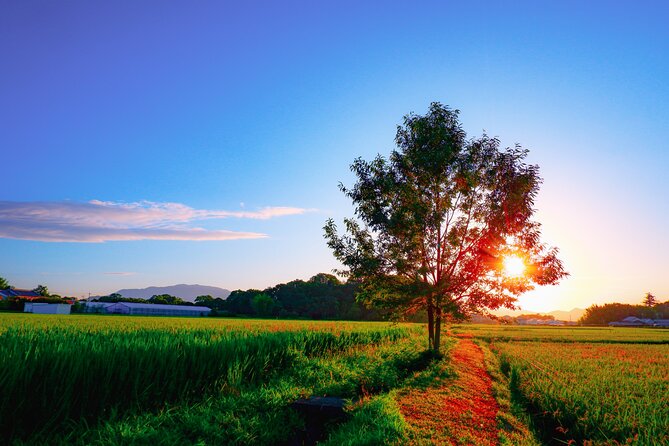
The plants are arranged in clean, repeating lines that follow the shape of the hills. From the right angle, the fields look almost geometric, with the tea bushes forming broad bands up the slopes. The effect is quiet and striking, especially after the formal architecture at Byodo-in.
This is the part of the day where you should have your camera ready before getting out of the vehicle. The countryside roads and field edges create changing views, but the official stop gives you time to pause rather than simply photograph through a window.
The short visit also keeps the tour moving. If you like slow rural walks, you may wish it lasted longer. If you are traveling with family or a mixed group, 30 minutes can be a sensible compromise. You see the signature scenery without turning the entire day into a farm walk.
Ujitawara and the roots of Japanese tea
The next tea stop is Ujitawara-cho, another major tea-producing area. The region is associated with the development of Japanese green tea and matcha, making it more than just a pleasant viewpoint.
You stop at a beautiful tea field where you can walk on the farm and take photos. That small amount of access changes the experience. At Ishitera, the emphasis is on the sweeping view. Here, you get closer to the plants and the working side of tea production.
The guide’s role matters at this point. Tea is easy to reduce to a souvenir or a café drink, but Daiki’s explanations place it in a wider story involving monks, samurai, and even ninjas. The tour also visits religious sites linked to old monastic life, so the afternoon feels connected rather than like a string of unrelated photo stops.
The terrain is rural, and short walks and stairs are part of the day. You should be comfortable getting in and out of the vehicle several times. The tour does not promise a full farm workshop or harvesting session, so book it for scenery, tasting, and cultural context rather than hands-on agricultural work.

Shoju-in’s heart-shaped window
Shoju-in is scheduled for about an hour and 30 minutes, making it the longest stop after Byodo-in. This temple is known for the heart-shaped window in its tea room, which frames the surrounding scenery in a distinctly Japanese way.
The window is a simple idea with strong visual appeal. It gives you a composed view of the tea-country setting and makes an attractive final temple stop. After the tea fields, the visit offers a quieter, more intimate piece of religious architecture.
Shoju-in admission is not included and costs ¥1,000 per person. That fee is separate from the ¥600 Byodo-in admission, so the two required temple visits add ¥1,600 per person before drinks or purchases.
The drive to this southern Kyoto temple takes time. The experience notes that it can be about an hour from central Kyoto, which explains both the tour’s appeal and its limitation. You reach a place that is difficult to combine with ordinary city sightseeing, but some of your five-and-a-half-hour day is spent on the road.
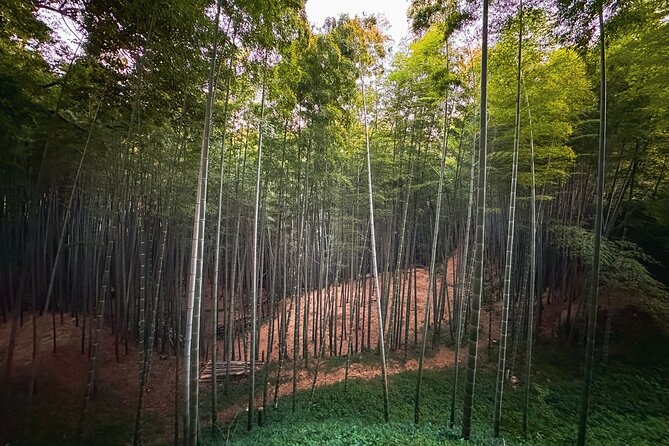
That is not wasted time if you enjoy Japan’s rural scenery. The drives pass through countryside, including mountain roads, bamboo, and tall Japanese cedar groves. If you prefer maximum time on foot at temples, though, you may find the schedule brisk.
A private vehicle changes the day
For two to six people, the tour uses an air-conditioned Nissan van. That is the sensible choice for families, couples, or small groups who want space for a full day away from central Kyoto. The price is $250.38 per group, not per person, so the value improves sharply when six people share it.
For one person, the listed vehicle is an open-air convertible Mini Cooper. That is a fun option for someone who wants the drive itself to be part of the experience. It is also worth remembering that the vehicle choice is tied to group size, so a solo booking is not the same setup as a family or small-group booking.
Pickup and drop-off are offered at pinpoint locations, and the starting and ending places can be different. That can be useful if you want to begin at your accommodation and finish near dinner. Daiki has also accommodated a restaurant drop-off in the past, but you should confirm any special ending request when booking rather than assume it is automatic.
The private format is the tour’s biggest practical advantage. You are not waiting for a large group at every photo stop, and you can ask questions throughout the drive. The schedule can also respond to road conditions, crowds, closures, or seasonal options.
The tradeoff is cost if you are alone. A solo guest pays the full group price, although the convertible and the access to remote places may still make sense for someone who does not want to navigate rural public transport.
What the guide adds
Daiki is repeatedly praised for his energy, patience, and clear explanations. The most useful detail for you is his willingness to work with the group’s pace, especially at photo stops. If you enjoy taking many pictures, that patience can make the day feel less rushed.
His role goes beyond pointing out temples. He links Japanese history and culture with tea, explaining how religious figures, warriors, and ninja traditions fit into the story. The result is a tour that can appeal even if you are not a serious tea expert.
The private setting also makes conversation easier. You can ask about the fields, local customs, temple design, or the countryside you pass on the drive. Several extended outings with Daiki have included extra shrines, meals, or areas around Kyoto, Nara, and Osaka, but those longer arrangements appear to be custom additions rather than part of the standard five-and-a-half-hour plan.
That distinction matters. Book this experience expecting the published five-stop route. If you want dinner, extra temples, or a longer evening adventure, ask about a custom version before you go.
Timing, cost, and who gets the best value
The tour starts at 1:00 p.m. and lasts about five hours and 30 minutes. Since the day includes two temples, two tea-field areas, a café, and countryside driving, the schedule is full without being an all-day marathon.
At $250.38 per group of up to six, the price is reasonable for a private vehicle, fuel, highway fees, guide service, and pickup and drop-off. A full group pays about $42 per person before admissions and drinks. For two people, the per-person cost is higher, but the freedom of a private car can justify it when public transport would take much longer.
Plan for these additional costs:
- Byodo-in: ¥600 per person
- Shoju-in: ¥1,000 per person
- Your own tea, coffee, and café items
- Tea purchases and souvenirs
I would recommend this tour most strongly to couples, families, and small groups who want rural Kyoto without driving themselves. It also suits solo visitors who like photography and want the unusual Mini Cooper option.
It is less suitable if you want a dedicated tea ceremony, a long agricultural lesson, or hours of free time at one temple. It is also not ideal for anyone who dislikes vehicle time or has difficulty with short walks and stairs.
The tour has a 4.9 rating from 32 ratings and a 97 percent recommendation rate. Those figures suggest a strong record, but the more useful takeaway is what the experience consistently emphasizes: personal guiding, remote scenery, comfortable transport, and a full day of cultural conversation.
Practical details before you reserve
Pickup is offered, and confirmation arrives at booking. The experience is private, meaning only your group participates. Service animals are allowed, and the tour is near public transportation, though the remote tea areas themselves are much easier to reach by the provided vehicle.
Conditions can change the route. Unexpected closures, road conditions, crowd levels, and seasonal events may lead to adjustments, and special courses may be offered during cherry blossom, plum blossom, or autumn-leaf periods.
Wear walking shoes and bring room in your bag for tea. Since the start is in the afternoon, you may want to eat beforehand if you prefer not to rely on café food. Free cancellation is available up to 24 hours before the start time. Cancellations or changes inside that window are not refunded or accepted.
Should you book Scenic Green Tea Fields of Hidden Kyoto?
Book it if you want to see a side of Kyoto that trains and central sightseeing rarely provide. The tea fields, local café, and smaller temples give you a stronger sense of southern Kyoto than another crowded city attraction would, and a private car removes the hardest transport problem.
I would choose it for a group of four to six, when the price becomes especially attractive. Solo visitors should book only if the convertible ride and countryside access are worth the higher personal cost.
The best reason to go is the combination: Byodo-in for grand religious architecture, Wazuka for tea, Ishitera and Ujitawara for the fields, and Shoju-in for a smaller temple setting. The main compromise is a brisk schedule with meaningful driving time. If that balance suits you, this is a practical and memorable way to trade Kyoto’s crowds for tea hills and local roads.
FAQ
How long does the tour last?
The tour lasts approximately five hours and 30 minutes and starts at 1:00 p.m.
How many people can join the private tour?
Up to six people can participate in one private group.
What vehicle is used?
Groups of two to six use an air-conditioned Nissan van. Solo participants may ride in an open-air convertible Mini Cooper.
Are temple admission fees included?
No. Byodo-in admission is ¥600 per person, and Shoju-in admission is ¥1,000 per person.
Is tea or coffee included?
No. Your own tea, coffee, café drinks, and matcha desserts are not included.
Can the pickup and drop-off locations be different?
Yes. Pinpoint pickup and drop-off are offered, and a different starting location and ending location can be arranged.
More Private Tours in Kyoto
More tours in Kyoto we've reviewed




Private, compared.
 ★ 5.0Fushimi Inari Hidden Hiking Tour (Private Option Available)From $63
 ★ 5.0Private Kyoto Tour with a Local, Highlights & Hidden Gems, PersonalisedFrom $102
 ★ 5.0Kyoto 6hr Private Tour with Government-Licensed GuideFrom $155
 ★ 5.010 Must-see Spots in Kyoto One Day Private Tour (up to 7 people)From $179
 ★ 5.0Kyoto 4hr Private Tour with Government-Licensed GuideFrom $109
 ★ 4.8Kyoto: Private Tour with Local Licensed GuideFrom $1064 - 8 hours