
Reviewed · NARA DAY TRIPS
Kyoto & Nara Private Tour from Osaka Kyoto Hotel Pick-up
The clever part of this private day trip is its sheer reach: in roughly 8 to 10 hours, you can see Nara’s deer and Great Buddha, then continue to Kyoto for Kinkaku-ji, Arashiyama, and Fushimi Inari. Private pickup and transport spare you the puzzle of linking these places by train and bus.
I like the small-group freedom and the included admissions to Tōdai-ji and Kinkaku-ji. Guides named Ben, also called Yujiro, Christine, and Caroline have been praised for friendly service, local insight, good English, and flexible pacing. The tradeoff is clear: this is a big day, and the schedule can feel tight, especially with road time from Osaka and Kyoto’s crowds.
In This Review
- Key points to know before booking
- A long but efficient route from Osaka
- Tōdai-ji and Nara Park: the strongest opening
- Kinkaku-ji: Kyoto’s polished postcard
- Arashiyama Kimono Forest and the bamboo grove
- Fushimi Inari’s torii gates
- What the private guide adds
- Comfort, walking, and the cost of time
- Who should choose this day trip?
- Should you book it?
- FAQ
- Where does the tour pick me up?
- How long does the experience last?
- Is this a private tour?
- Which entrance fees are included?
- Are the deer crackers included?
- What level of fitness is needed?
- Can I cancel for a full refund?
Key points to know before booking
- Nara comes first: Feed the famous deer at Nara Park and enter Tōdai-ji to see its enormous bronze Buddha.
- Six major stops: The route includes Tōdai-ji, Nara Park, Kinkaku-ji, Arashiyama Kimono Forest, the bamboo grove, and Fushimi Inari.
- Private transport matters: You ride in an air-conditioned vehicle reserved for your group, with fuel, parking, and travel time included.
- Two temple tickets are covered: Admission to Tōdai-ji costs 800 yen and Kinkaku-ji costs 500 yen, both included.
- Guides shape the day: Ben, Christine, or Caroline may lead the outing, with the chance to ask questions and request adjustments.
- Expect a full day on foot: A moderate fitness level is needed, and comfortable shoes will make the temple grounds and walking paths easier.
A long but efficient route from Osaka
This tour is built for a common Japan travel problem: you have limited time, but Kyoto and Nara each deserve several days. The private vehicle makes it possible to connect both cities without figuring out multiple train lines, local buses, station exits, and luggage-friendly transfers.
You can be picked up from a hotel in Osaka or Kyoto. The vehicle, fuel surcharge, and parking fees are included, along with the drive time between Osaka, Kyoto, and Nara and the return to Osaka. That matters more than it may first appear. Kyoto’s major sights are spread across the city, while Nara is a separate stop to the south, so public transport can eat up a good part of your day.
The price is listed at $266.85 per person, with group discounts available. That is a serious cost for a day trip, but you are paying for a private vehicle, a private guide, parking, and a route that would be awkward to reproduce efficiently on your own. The value improves for families or groups who can share the vehicle cost, especially if you want door-to-door service.
The route is ambitious, not leisurely. The scheduled stops total about five hours and 20 minutes, before adding the long drives, pickup, lunch, and traffic. Some groups find the pace surprisingly comfortable because the guide handles the practical work. If you want long, quiet visits at every temple, this is not the right format.
A few more Kyoto tours and experiences worth a look
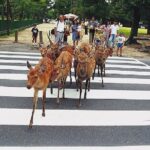
Tōdai-ji and Nara Park: the strongest opening
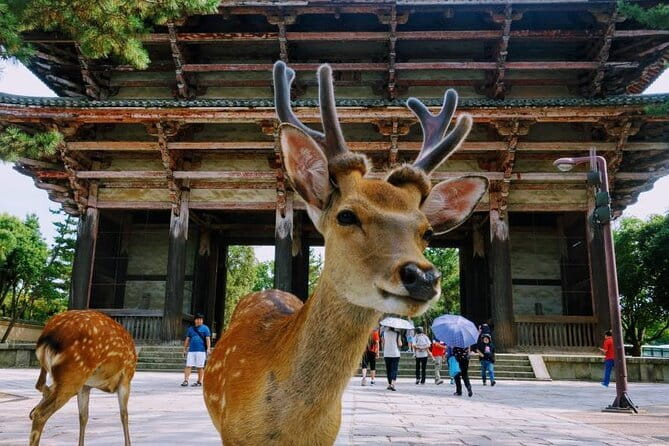
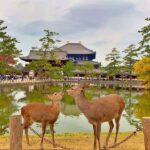
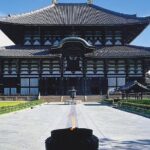
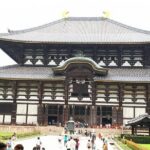
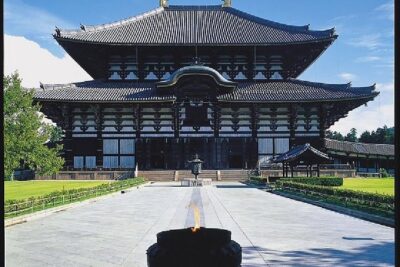
The day begins at Tōdai-ji Temple, one of Nara’s great sights. The main hall, Daibutsuden, houses a huge bronze Buddha and is itself a remarkable wooden building. The visit lasts about an hour, and admission is included.
The scale is the point. You enter a vast hall and quickly understand why this is more than a routine temple stop. A guide can also explain the meaning behind the Buddha, the temple’s place in Japanese Buddhism, and the customs you see around the grounds. This is where commentary adds real value, since the building’s size alone does not tell you how it fits into Japan’s religious past.
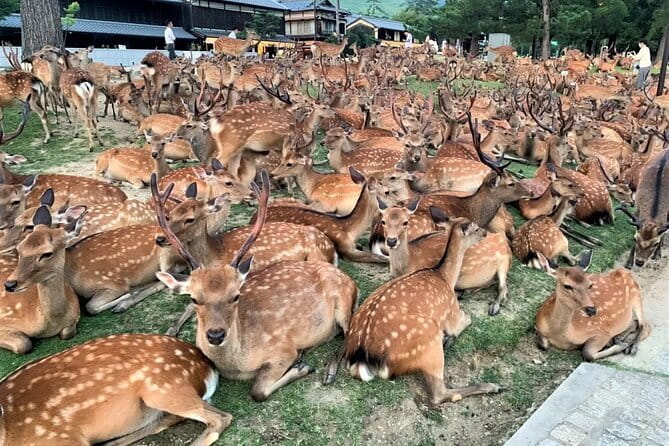
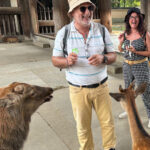
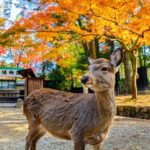
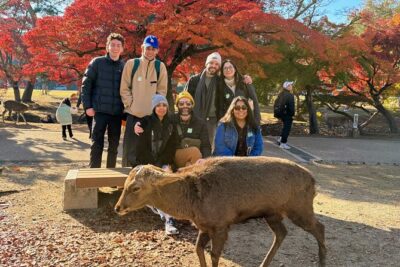
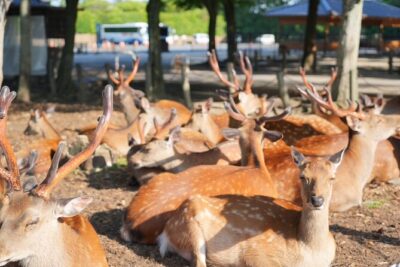
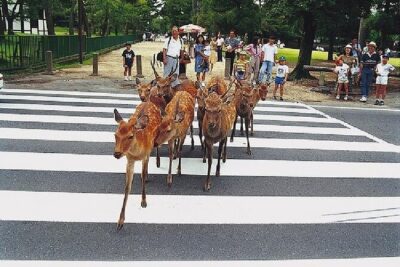
After Tōdai-ji, you get about 20 minutes at Nara Park. This is a short stop, but it gives you time to meet the deer that roam around the park. Special deer crackers are available for purchase, and feeding them can be a highlight, particularly for children.
The deer are treated as sacred messengers connected with the local faith. They are tame around people, but you should still pay attention to their behavior. Keep the crackers moving once you start feeding, and follow your guide’s advice. A short visit works for a taste of the experience, though you will not have hours to wander through Nara Park.
I especially like beginning here. The deer offer an immediate, playful connection with Japan, while Tōdai-ji supplies the grand architectural and religious setting. It is a good pairing, though the park time may feel brief if your group wants more time with the animals.
Kinkaku-ji: Kyoto’s polished postcard
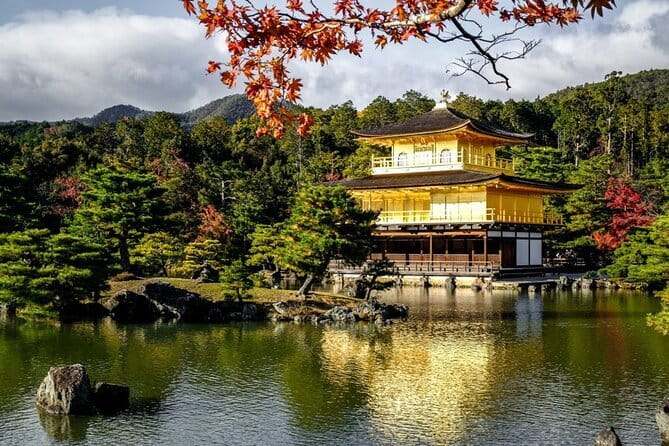
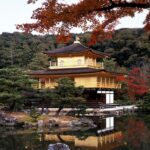
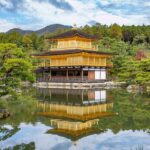
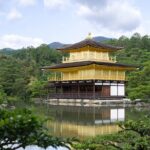
The route then reaches Kinkaku-ji, the Golden Pavilion. The temple’s gold-covered exterior reflects in a pond, with gardens arranged around it. The planned visit is about an hour, and the 500-yen admission is included.
This is one of Kyoto’s most photographed sights, so it helps to set your expectations. The pavilion is beautiful, but the visit follows a defined path and can be busy. You do not enter the main building, and the best view is the classic one across the pond. The gardens give you more to see, but this is not a long, empty Zen retreat.
A guide can help you notice details beyond the gold surface, including the garden layout and the building’s religious and cultural role. The setting is carefully designed for views from different angles, and a short explanation can make the stop feel less like a photo checkpoint.
One practical benefit of a private vehicle is arriving with less effort between Kyoto’s far-flung sights. Still, traffic and crowds are outside the guide’s control. A guide may time the visit well, but nobody can guarantee a quiet pavilion.
Arashiyama Kimono Forest and the bamboo grove
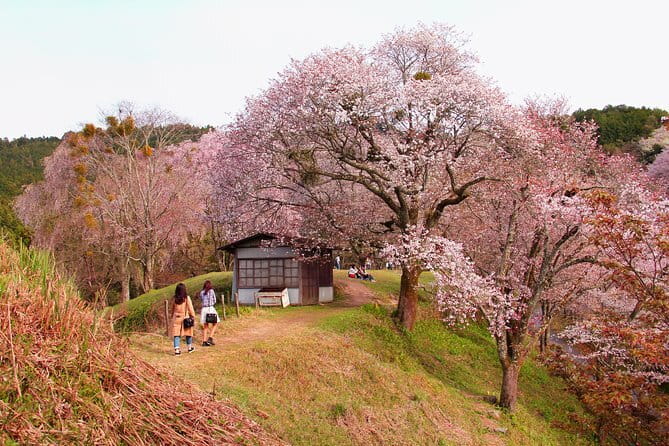
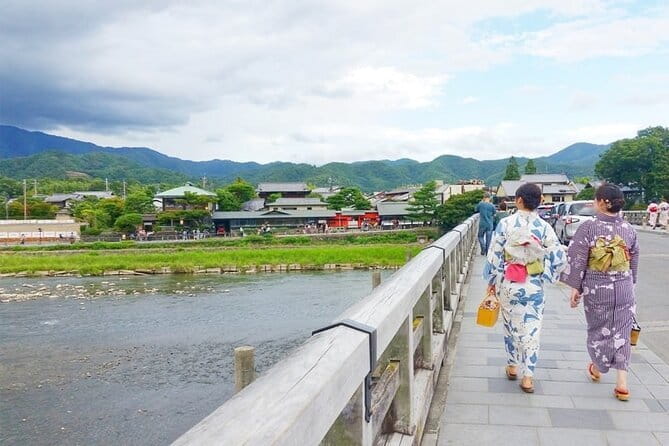
Arashiyama brings a change of mood. At Arashiyama Station, the Kimono Forest is a modern installation made from cylindrical pillars covered in colorful kimono fabric. The stop takes about 20 minutes and is free.
It is a quick, visual pause rather than a major historic attraction. The pillars connect traditional textile patterns with a contemporary public-art setting, and they make easy photographs. Because the installation is at the station, you can see it without committing to a long walk.
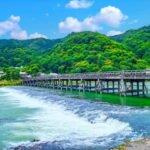
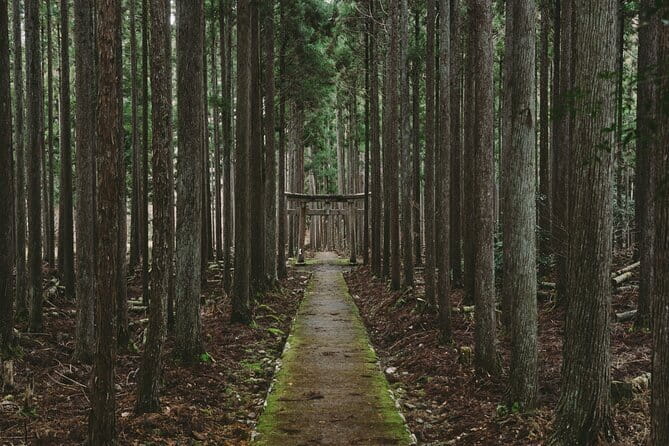
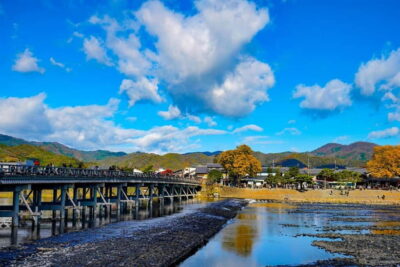
The main Arashiyama visit lasts about two hours. Here you follow paths through the famous bamboo grove, where tall stalks rise on both sides and filter the light. The narrow walkways create the calm, enclosed feeling that makes this one of Kyoto’s best-known scenes.
Two hours sounds generous, but Arashiyama offers more than one short photo stop. You have time to walk, pause, and take in the grove at a reasonable pace. Even so, the area can be crowded, and the most famous paths may not feel solitary. Stay aware of the group’s meeting point, since the private vehicle cannot follow you into the pedestrian lanes.
The combined Kimono Forest and bamboo visit works well because the first is brief and urban while the second is slower and natural. I would treat the bamboo grove as the main event and the station installation as a colorful extra.
Fushimi Inari’s torii gates
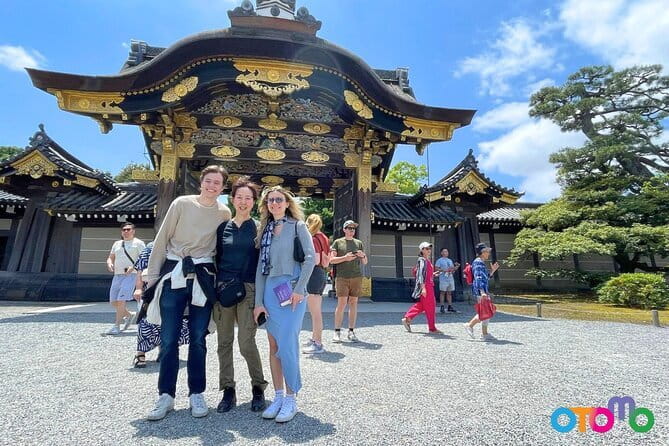
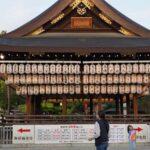
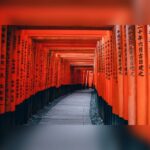
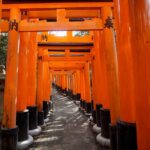
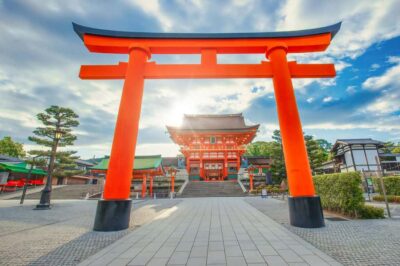
The final major stop is Fushimi Inari-taisha, known for its thousands of vermilion torii gates. The shrine honors Inari, associated with rice and prosperity, and the gates form trails through wooded hills.
The planned visit lasts about an hour. That is enough to enter the shrine grounds and walk beneath a section of gates, but not enough to complete every trail. The full route extends much farther uphill, so do not expect to see it all in one hour.
Fushimi Inari is a place where a guide’s help can be useful. There are rituals, shrine customs, and symbols that are easy to miss when you are focused on taking photographs. You can ask about the offerings, the meaning of the gates, and how to behave at a Shinto shrine.
This stop can also be physically demanding, depending on how far you walk. The tour requires moderate fitness, and you should expect steps, slopes, and plenty of standing across the whole day. The payoff is a memorable path of red-orange gates, but the short visit means you must choose between going farther uphill and returning on time.
A few more Kyoto tours and experiences worth a look
What the private guide adds
The best version of this tour depends heavily on the guide. Ben, also known as Yujiro, is described as warm, flexible, and easy to talk with, with strong English and a knack for adjusting the day to a group’s interests. Christine is also described as attentive, professional, and familiar with the practical flow of these sights. Caroline is another named guide associated with the experience.
That personal element is important. You are not simply being dropped at six famous places. The guide can explain customs before you enter a shrine or temple, answer questions, help with photos, and suggest a lunch stop. Several outings included a local ramen meal, sometimes at an inexpensive restaurant. Ask before ordering if the restaurant takes cash only.
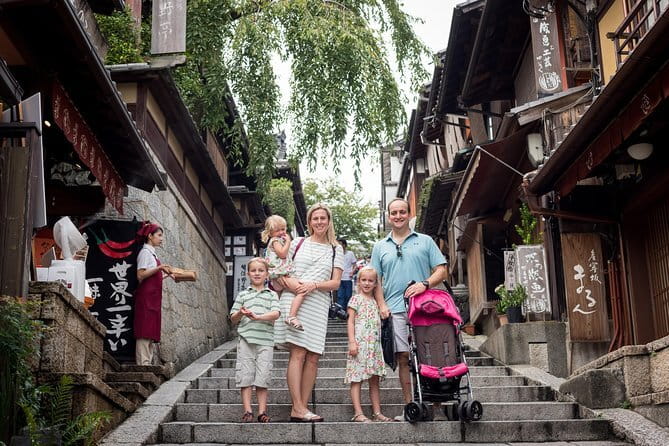
The private format also lets you travel with your own group rather than strangers. Families with children have found this useful, since the guide can adjust the pace and help with the deer, temples, and walking routes. Some groups were supplied with water, snacks, or umbrellas, but treat those as possible touches rather than guaranteed inclusions.
There is one important caution. The quality of guiding can vary by person and by day. The strongest feedback praises lively explanations and cultural context. One less favorable experience found the commentary too limited during the long drives and criticized a late start and missed chances. If you want a guide who talks at length about history all day, say so clearly when the tour begins.
Comfort, walking, and the cost of time
The private vehicle is an important part of the experience, not just a luxury extra. The van has air conditioning, and several groups describe it as spacious, clean, and comfortable. You avoid hauling yourself between stations and can return to the vehicle after walking through temple grounds.
The route still involves plenty of movement. Tōdai-ji, Nara Park, Kinkaku-ji, Arashiyama, and Fushimi Inari all require walking, with uneven surfaces and some slopes or stairs. Wear shoes you can use for a full day and expect to spend much of the outing standing.
Your biggest cost may be time rather than money. Osaka to Kyoto and Nara takes road time, and city traffic can slow the route. The private vehicle makes the connections easier, but it does not remove distance. A start that runs late can squeeze the final stops, so confirm pickup details and be ready at the agreed time.
At $266.85 per person, this is not a bargain sightseeing bus. It is a convenience-focused private day with two included temple admissions. I see the price as reasonable for a group that values comfort and a direct route, less so for a solo visitor or a couple who are happy using trains and spending more days in the area.
The cancellation terms are helpful: you can receive a full refund if you cancel at least 24 hours before the local start time. Poor weather may lead to another date or a full refund, since the experience requires good weather.
Who should choose this day trip?
I would recommend it to first-time visitors based in Osaka who want a fast introduction to Kyoto and Nara. It also suits families, older adults who prefer a private vehicle, and groups that do not want to manage a complex transport day.
It works best if you accept a highlights tour. You will see major sights, hear local explanations, and get a practical overview. You will not have the time for slow temple wandering, long shopping stops, or a full hike through Fushimi Inari.
I would choose a different plan if you have several days in Kyoto and Nara. Independent travel lets you visit fewer places but spend more time at each one, especially in Arashiyama and Fushimi Inari. The private tour makes the most sense when your schedule is short and your priority is coverage.
Should you book it?
Book this tour if you want maximum sightseeing with minimum transport fuss, and if a private van and guide are worth paying for. The strongest parts are the Nara pairing of deer and Tōdai-ji, the efficient Kyoto route, and the chance to travel with guides such as Ben or Christine who can make the temples easier to understand.
Go in with realistic expectations. Six stops in one day is a lot, and the drive from Osaka leaves less time than the headline list may suggest. Confirm your pickup, tell the guide what matters most to you, and ask for more historical explanation if that is central to your trip. For a compact first look at Kyoto and Nara, this is a practical and appealing choice.
FAQ
Where does the tour pick me up?
Pickup is offered from hotels in Osaka or Kyoto. The tour also includes the travel time from Osaka to Kyoto and Nara, with a return to Osaka included.
How long does the experience last?
The tour lasts approximately 8 to 10 hours.
Is this a private tour?
Yes. Only your group participates in the private activity, and transportation is provided in an air-conditioned vehicle.
Which entrance fees are included?
Admission to Tōdai-ji Temple, listed at 800 yen, and Kinkaku-ji Temple, listed at 500 yen, are included.
Are the deer crackers included?
No. Deer crackers at Nara Park are available for purchase, but they are not listed among the included features.
What level of fitness is needed?
A moderate physical fitness level is recommended. The route includes walking at temples, through Arashiyama, and around Fushimi Inari.
Can I cancel for a full refund?
You can cancel for a full refund at least 24 hours before the experience start time. Changes or cancellations made less than 24 hours in advance are not accepted for a refund. If poor weather causes the tour to be canceled, you will be offered another date or a full refund.
More Private Tours in Kyoto
More Osaka & Hiroshima Departures in Kyoto
More Nara Day Trips in Kyoto
More tours in Kyoto we've reviewed


Nara Day Trips, compared.
 ★ 5.0World Heritage Kyoto & Nara Uji Authentic Matcha ExperienceFrom $129
 ★ 4.7Kyoto/Osaka: Nara, Fushimi Inari Taisha, Arashiyama Bus TourFrom $529 - 10 hours
 ★ 4.4Osaka/Kyoto: Arashiyama, Nara & Fushimi Inari Shrine w/LunchFrom $61
 ★ 5.0Nara Early Morning Tour (Kyoto or Osaka Departure Available)From $61
 ★ 4.5Kyoto and Nara Day Trip from KyotoFrom $194
 ★ 4.5Nara Afternoon Tour from Kyoto or OsakaFrom $102