
Reviewed · GOLDEN PAVILION & TEMPLE TOURS
Uji: Green Tea Tour with Byodoin and Koshoji Temple Visits
Uji makes a strong case for leaving central Kyoto for half a day. In about 30 minutes by local train, you reach a riverside town where tea, samurai power, Buddhist temples, and Shinto belief all meet. The centerpiece is a tasting of premium Gyokuro, followed by visits to Byodoin, Koshoji, and Ujigami Shrine.
I like two things especially: you get more than a cup of tea, since the guide explains how brewing changes its flavor and how to eat the softened leaves with ponzu sauce. I also like the mix of famous sights and quiet paths, with guides such as Bryan, David, Damian, and Ferdinand praised for patient explanations and flexible pacing.
The main caution is physical. This is a four-hour walking tour with stairs, slopes, and temple paths, and it runs rain or shine. If your back, heart, or mobility makes extended walking difficult, this is not a good fit.
In This Review
- Key points to know before you book
- Why Uji is worth the short train ride from Kyoto
- The oldest operating tea house begins the story
- The Gyokuro tasting is the tour’s main event
- Ujigami Shrine brings you into the forest
- Crossing the Uji River toward Byodoin
- Byodoin and the Phoenix Hall
- Koshoji finishes the route on a quieter note
- What the guides add to the experience
- Is $111 a fair price?
- Who should book this Uji tour?
- Should you book it?
- FAQ
- How long does the Uji green tea tour last?
- Where does the tour begin?
- Where does the tour end?
- What kind of tea is included?
- Can you eat the tea leaves?
- Are temple entrance fees included?
- Which languages are available?
- Is this a private tour or a group tour?
- Is the tour suitable for people with limited mobility?
Key points to know before you book
- Taste Gyokuro properly: Learn how high-grade green tea is grown, brewed, and eaten after steeping.
- Start beside Keihan Uji Station: The meeting point is at the station’s only exit, with an escalator to ground level.
- See three major cultural sites: The route includes Ujigami Shrine, Byodoin Temple, and Koshoji Temple.
- Connect tea with power and faith: Your guide explains how samurai families, Buddhist temples, and Shinto customs shaped Uji.
- Expect an active half-day: Stairs and outdoor walking are part of the experience, so wear comfortable shoes.
- Pay for context as well as entry: The $111 price includes the guide, tea session, Byodoin admission, and Koshoji admission.
Why Uji is worth the short train ride from Kyoto
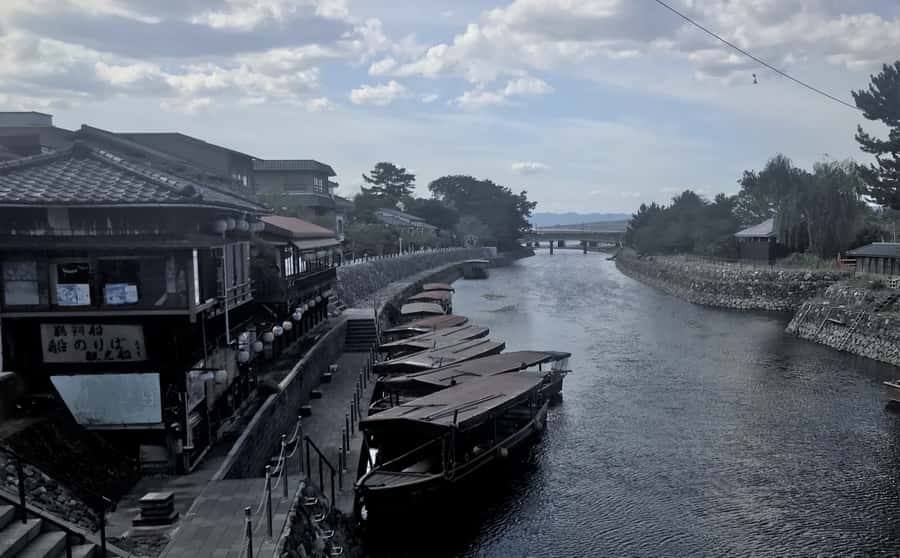
Kyoto can feel crowded around its best-known temples. Uji gives you a change of pace without requiring a full day away. The town lies around the Uji River, with mountains close by and tea shops lining the approach to Byodoin.
The ride from central Kyoto areas such as Kyoto Station or Gion takes around 30 minutes by local train, according to the tour details. You must make your own way to Keihan Uji Station, but the meeting point is simple: use the station’s only exit and take the escalator up to ground level.
That easy connection is one reason I see this as a useful Kyoto side trip. You can spend the morning or afternoon here without giving up an entire day. The four-hour length also gives your guide enough time to explain customs instead of rushing you from one gate to the next.
Uji is not simply a pretty tea town. Its importance comes from the way religion, politics, and trade overlapped here. The tour uses that story to explain why Uji tea became so prized and why the local temples matter.
If you're still narrowing it down, here are other tours in Uji we've reviewed.
The oldest operating tea house begins the story
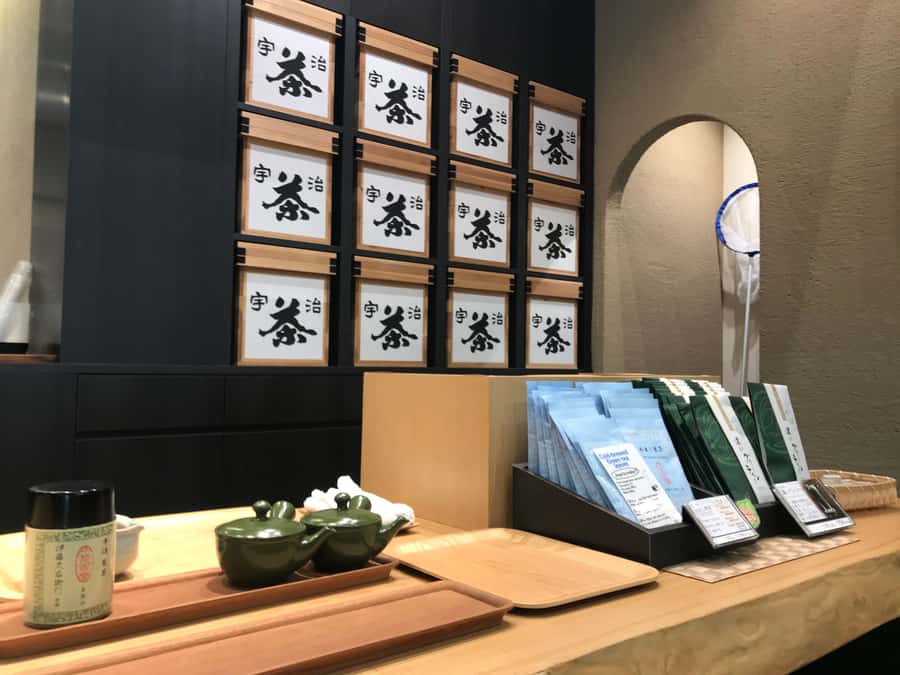
The tour begins at a tea house said to have operated since 1160. That gives you a tangible starting point for Uji’s tea culture. Rather than treating tea as a modern souvenir industry, the visit connects the shop to the age of samurai rule and family business.
The story includes a vassal of a famous samurai warrior who became head of the tea-house family. That family has reportedly run the shop for 24 generations. Details like this help explain how tea production and service survived across centuries of political and social change.
You should expect the guide to provide the historical frame here rather than a long formal lecture. Several guides, including Bryan, Damian, David, and Ferdinand, have been praised for explaining history in clear English and adjusting the amount of detail to the group.
This stop is valuable even if you already know the basics of green tea. You are not only learning names of tea varieties. You are seeing how a tea business became part of Uji’s identity.
The Gyokuro tasting is the tour’s main event
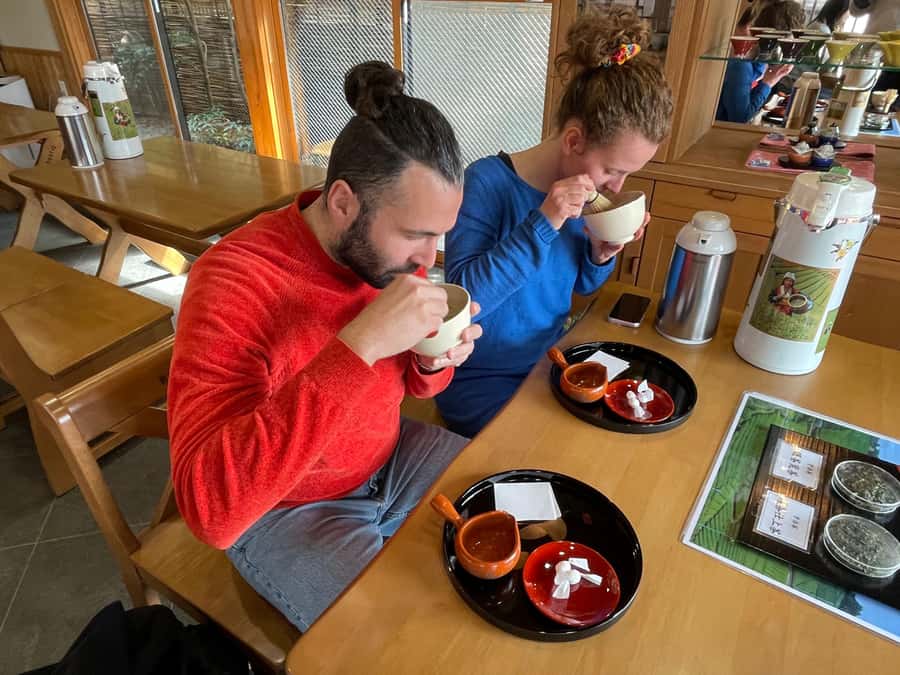
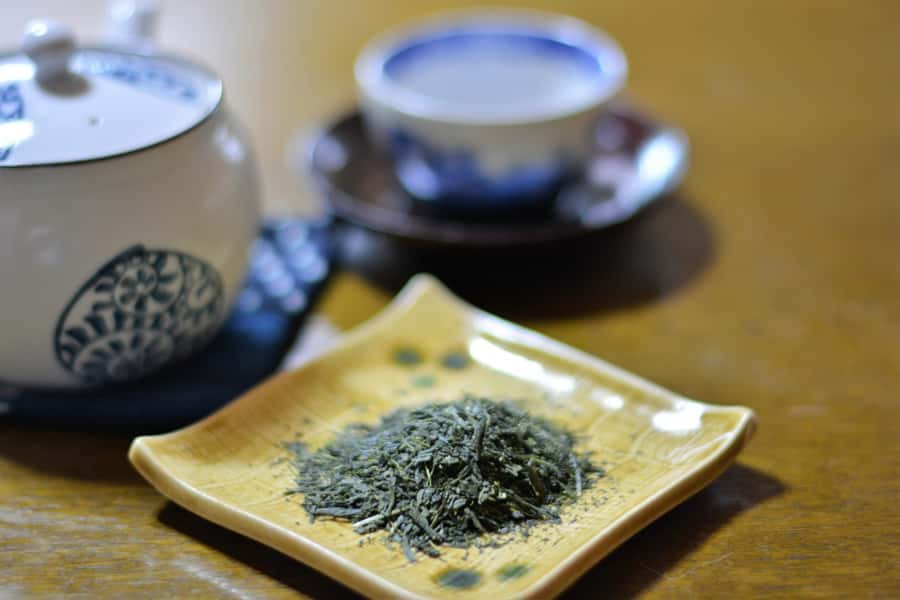
The tea session is more hands-on than a standard café stop. You learn how the tea is grown, what makes it special, and how brewing affects the taste. The experience centers on Gyokuro, one of Japan’s highest-grade green teas.
That brewing lesson matters because green tea is not one fixed flavor. Water temperature, steeping time, and the way the leaves are handled can change what reaches your cup. A guide can point out those differences as you taste several cups.
The final step is the one many people do not expect. After brewing, you mix the remaining tea leaves with ponzu sauce and eat them. The leaves still hold flavor and texture, so this turns tea tasting into a small food experience rather than a simple drink stop.
You should not expect a full meal. Food and drink outside the tea session are not included, so plan to eat before or after the tour. The tea tasting is a highlight, but it is not a replacement for lunch.
The tea portion also gives the tour its strongest value for people who want more than photographs. You leave with a better sense of why Uji tea costs more, how it is prepared, and how local customs treat the leaf with care.
Ujigami Shrine brings you into the forest

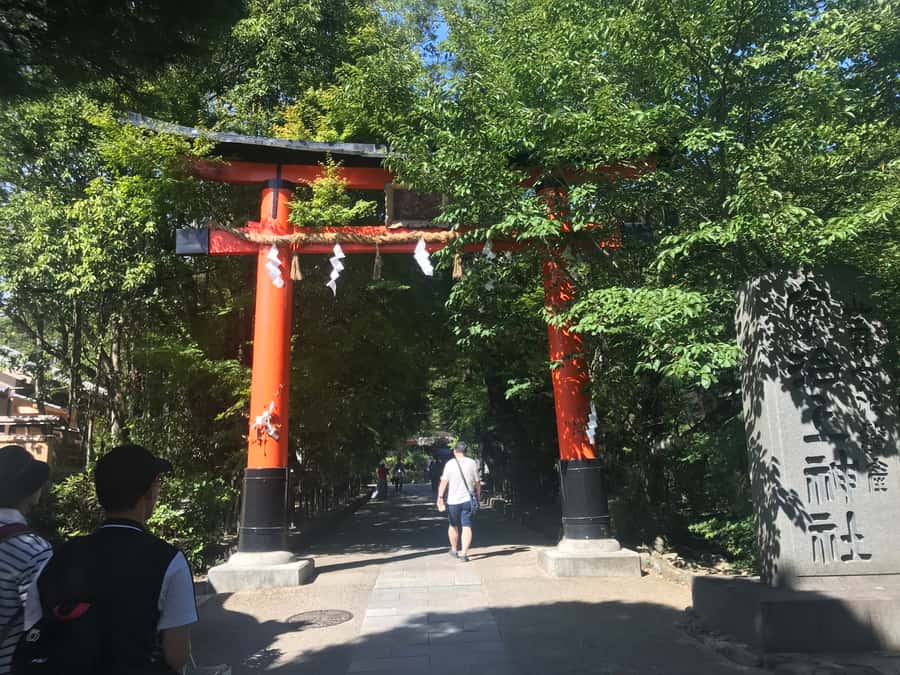
After the tea experience, the route heads toward Ujigami Shrine. The shrine sits in a wooded mountain setting and is associated with Uji’s guardian deities. It is also recognized as a UNESCO World Heritage Site.
The setting changes the feel of the tour. You move from the commercial tea street into a quieter area with trees, slopes, and natural water. Ujigami Shrine is described as the oldest original Shinto shrine in Japan, and some accounts call it the oldest extant Shinto shrine in the world.
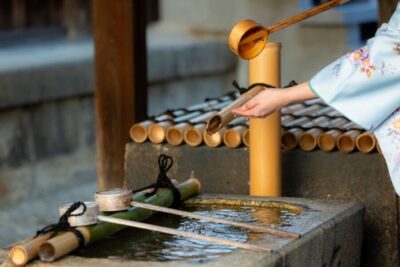
A particularly unusual feature is the remaining source of natural spring water used by tea houses. You can step into a stone grotto and purify yourself with the water. Your guide can also show you the respectful way to approach a Shinto shrine and explain how that differs from Buddhist temple practice.
This is where a guide adds real value. Visitors often know that shrines and temples are both religious sites, but the customs are not interchangeable. Guides such as Damien and Bryan have been praised for explaining Shinto and Buddhist practices in a practical way, including how to perform a blessing respectfully.
The shrine visit does involve walking and stairs. The mountain-side setting is part of its appeal, but it also means this is not a flat, easy stroll.
Crossing the Uji River toward Byodoin
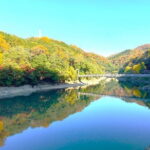
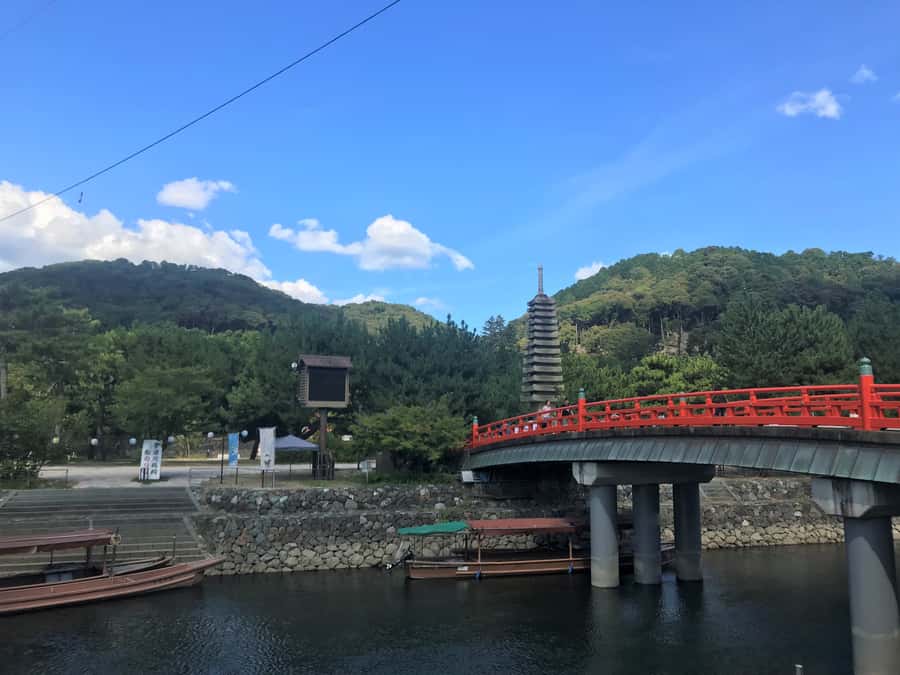
From Ujigami Shrine, the route crosses the Uji River toward the main pilgrimage street leading to Byodoin. The river and surrounding mountains provide some of the tour’s best views, and the crossing offers a natural pause between the quiet shrine and the more active temple approach.
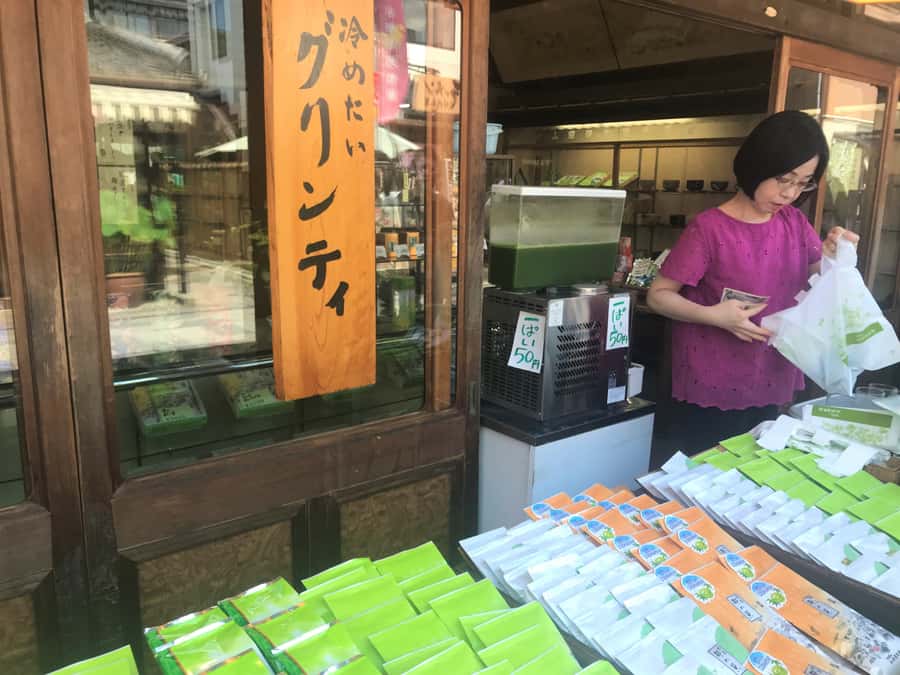
The street toward Byodoin is lined with tea shops, restaurants, and gift stores. Some shops trace their roots back to the medieval period. You can expect tea products, matcha-flavored foods, and places selling items such as matcha noodles and ice cream.
This is a good place to notice how Uji balances living commerce with heritage. The street is not a museum display. People still come here to buy tea, eat, meet friends, and visit the temple. At busier times, it can feel crowded, so do not expect every part of the walk to be peaceful.
The route provides useful food options after the tour, but those purchases are your responsibility. If you want a proper meal, leave time and money for it.
A few more Uji tours and experiences worth a look



Byodoin and the Phoenix Hall
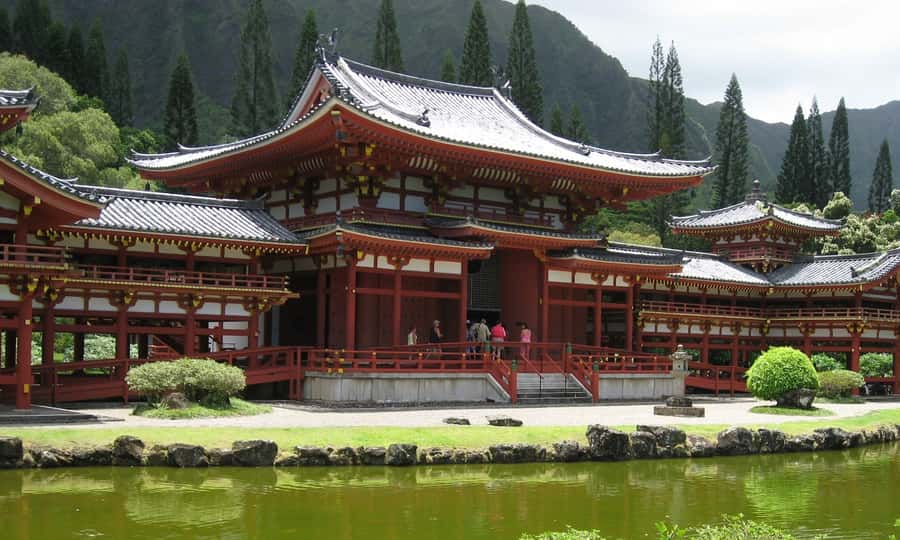
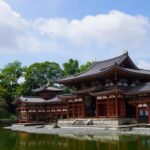
Byodoin is the best-known sight on the route and one of Uji’s two UNESCO World Heritage locations. Admission is included, which is important because this is not a quick photo stop. The grounds, Phoenix Hall, and modern museum make it the tour’s main architectural and historical anchor.
The Phoenix Hall is the image printed on Japan’s 10-yen coin. Its elegant form reflects the Heian Period, which lasted from 794 to 1185. The building was shaped by Buddhist ideas about the Pure Land, a heavenly realm where believers hoped to be reborn.
Your guide helps connect the temple to the larger story. The tour explains how samurai influence, tea shops, and religious institutions developed alongside one another. Without that context, Byodoin can look like a beautiful old building with a famous name. With it, the hall becomes part of a story about faith, political power, art, and the changing role of Kyoto’s elite.
The museum is a strong part of the visit. It houses Buddhist objects and ancient artifacts, while modern presentation makes them easier to understand. Several guides have been praised for making the museum and temple imagery more accessible, especially for people with little background in Japanese Buddhism.
Crowds can affect the experience. Guides may adjust the pace or route, and some groups have had quieter visits by arriving early. Still, the tour cannot control how busy Byodoin is on a particular day.
Koshoji finishes the route on a quieter note
Koshoji Temple provides a different ending. Rather than finishing among the shops near Byodoin, the tour returns toward nature and visits a temple that hugs the mountainside.
The setting encourages a slower final stretch. You get time to take in the temple grounds, wooded surroundings, and Zen atmosphere after the more structured history of Byodoin. This contrast is one of the route’s best choices: Uji is not reduced to tea shops and one famous hall.
Koshoji admission is included. The temple visit also adds more stairs and uneven walking, so comfortable shoes are essential. If you are managing a back problem, limited mobility, or a heart condition, take the restrictions seriously.
The route ends back at the original meeting point at Keihan Uji Station. That makes the logistics fairly tidy, especially if you plan to return to Kyoto afterward.
What the guides add to the experience

This tour depends heavily on the quality of the guide because the appeal is not only the sights. You are paying for the links between tea, religion, architecture, and Japanese history.
Guides named in the feedback include Damian, Ferdinand, Brian or Bryan, David, Lito, Mardi, and Kevin. The strongest pattern is clear explanation combined with a relaxed style. Bryan is praised for bringing Uji’s story to life and taking groups along quieter local paths. David is noted for detailed explanations of tea, shrines, and temples. Ferdinand is described as especially good at discussing history, traditions, and cultural nuance.
The guides also appear willing to adapt. One group received help when the tea tasting was sold out, while another spent longer at a temple and stayed beyond the planned four hours. Those adjustments cannot be guaranteed, but they suggest the format is not rigid.
Language options are English and Spanish. You can book a private tour or join a small group. A private format may suit families or couples who want more questions and a flexible pace, while a small group may offer better value.
Is $111 a fair price?
At $111 per person, this is not the cheapest way to see Uji. You can visit the town, walk by the river, and enter some sites independently for less. The price makes more sense if you want the tea lesson and historical guidance in one compact outing.
The fee includes:
- A live guide
- Gyokuro tea experience and tasting
- Byodoin entrance
- Koshoji entrance
You still pay for transport to Uji and any meal, snacks, or shopping. That is worth remembering when planning your budget.
I consider the price reasonable for a small group or private half-day experience, especially because admission and a premium tea session are bundled together. It is less compelling if you mainly want to take photos at Byodoin and do not care about tea preparation or religious history.
Free cancellation up to 24 hours before the start, plus the option to reserve and pay later, gives you some planning flexibility. The tour operates rain or shine, so check the forecast and bring suitable clothing.
Who should book this Uji tour?
I would recommend it to first-time visitors who want a clear introduction to Japanese tea and temple customs. It also suits anyone who has already seen central Kyoto and wants a quieter side trip with strong scenery.
Tea lovers will get the most from the tasting, especially if you have never tried high-grade Gyokuro prepared in a guided setting. History-minded visitors will appreciate the links between Heian-era architecture, samurai households, Buddhist belief, and Shinto practice.
Families can enjoy the variety, since the route includes tea, river views, forests, temples, and food options. Still, parents should consider the four-hour length and stairs before booking.
I would skip this tour if you want a slow café morning, have serious mobility limits, or dislike structured sightseeing. It is also not ideal if you need a guaranteed meal during the activity.
Should you book it?
Book this tour if you want Uji to make sense, not just look pretty. The tea tasting, Ujigami Shrine, Byodoin, and Koshoji create a well-balanced half-day, and the best guides add the cultural links that are easy to miss alone.
The strongest reasons to choose it are the Gyokuro preparation, the chance to eat the tea leaves with ponzu, the included temple admissions, and the quieter mountain paths. The main tradeoff is the active route. Wear good shoes, allow for rain, and arrive ready to walk.
FAQ
How long does the Uji green tea tour last?
The activity lasts four hours. Starting times vary, so check availability when booking.
Where does the tour begin?
The meeting point is at the only exit of Keihan Uji Station. An escalator goes all the way up to ground level.
Where does the tour end?
The tour ends back at the original meeting point at Keihan Uji Station.
What kind of tea is included?
The experience includes Japanese Gyokuro green tea and a tea tasting. You learn how the tea is grown, brewed, and how brewing changes its flavor.
Can you eat the tea leaves?
Yes. After the tea is brewed, the remaining leaves are mixed with ponzu sauce and eaten.
Are temple entrance fees included?
Yes. Admission to Byodoin Temple and Koshoji Temple is included in the tour price.
Which languages are available?
Live tours are available in English and Spanish.
Is this a private tour or a group tour?
You can choose a private or small-group format, depending on availability.
Is the tour suitable for people with limited mobility?
No. The tour is not recommended for people with mobility impairments, back problems, or heart problems. Stairs are involved, and comfortable shoes are advised.
More Uji & Matcha Trips in Uji
More tours in Uji we've reviewed
Golden Pavilion & Temple Tours, compared.
 ★ 4.8Kyoto: Fushimi Inari, Kinkakuji, Bamboo Grove 1 Day Bus TourFrom $122510 minutes - 9 hours
 ★ 4.9Kyoto: Tea Ceremony in a Traditional Tea House in KiyomizuFrom $4945 min
 ★ 4.9Kyoto: Tea Ceremony Ju-An at Jotokuji TempleFrom $291h 10m
 ★ 4.1Osaka/Kyoto:Kinkakuji,Arashiyama,FushimiInariShrine,NaraParkFrom $66
 ★ 4.8Arashiyama Bamboo, Temple, Monkeys, or Secret Sake BreweryFrom $875 hours - 330 minutes
 ★ 5.0Kyoto: Nijo, Kinkaku-ji, Arashiyama, Kiyomizu & Fushimi InariFrom $51