
Reviewed · UJI & MATCHA TRIPS
Uji: Private immersion into Kyoto’s tea and reglious culture
Uji’s best lesson is that tea is not just a drink. It is tied to water, trade, Zen practice, daily manners, and quiet attention. This private four-hour outing brings those threads together, beginning with a careful Gyokuro tea experience and ending among Uji’s temples, river paths, and tea shops.
I like the small maximum of eight people, which gives your guide room to explain customs and adjust the pace. I also like the mix of famous sights and quieter places, especially Ujigami Shrine and Koshoji Temple, which help you see more than the usual Byodoin photo stop.
The main caution is physical: the route includes many stairs and several walking sections. At $162.41 per person, the price makes the most sense if you want a guide, temple and museum admission, and a focused look at Uji rather than a quick independent visit.
In This Review
- Key points to know before you go
- Why Uji makes a fine break from Kyoto
- Gyokuro at Takumi-no Yakata
- Ujigami Shrine and Uji’s spring water
- Koshoji Temple and the Zen side of tea
- Byodoin Temple and its museum
- Byodoin Omotesando and the tea trade
- Uji Park, the river, and cormorant fishing
- What the guides add to the morning
- Is $162.41 a fair price?
- Practical details for a smoother visit
- Who should book this Uji tour?
- Should you book it?
- FAQ
- How long does the Uji tour last?
- What time does the tour start?
- Where does the tour meet?
- What is included in the price?
- Is food included beyond the tea tasting?
- How many people can join the tour?
- Can the route be changed for people who have trouble with stairs?
Key points to know before you go
- Gyokuro begins the morning: Taste Japan’s highest-grade green tea while the leaves are prepared slowly in increasingly warm water.
- Byodoin is more than a photograph: Your admission includes the temple grounds and its museum, with time to see the details behind the famous Phoenix Hall.
- Ujigami Shrine connects tea and water: The shrine sits near Uji’s last naturally bubbling spring, water that local tea shops collect.
- The route includes two UNESCO sites: You visit both Ujigami Shrine and Byodoin Temple during the same half-day.
- A small group keeps the tour personal: The maximum is eight people, and guides such as Ferdi, Damian, Kevin, Mika, David, and Lito have led this experience.
- Bring cash: At least one person found cash useful during time in Uji, so it is a sensible precaution.
Why Uji makes a fine break from Kyoto
Uji lies close enough to Kyoto for an easy outing, yet it feels calmer than the city’s best-known temple districts. The town grew along the Uji River, once an important route for goods moving between Kyoto, Nara, and other parts of Japan. Tea became one of its defining products, and that link is still plain to see in the shops, signs, aromas, and local customs.
I like that this tour does not treat Uji as a collection of isolated monuments. Your guide can explain how Buddhism shaped tea practice, how water supports tea production, and why a pilgrimage street is lined with tea merchants. That context helps the temples and shops fit together.
The morning starts at 9:00 am at the Keihan Uji Station Information Centre, located in the Keihan Uji Building. Starting early is useful. Byodoin is a major draw, and getting there before the busiest part of the day can make the temple grounds easier to appreciate.
The activity ends back at the meeting point. Since the tour lasts about four hours, you still have time afterward for lunch, more shopping, or an independent visit around Uji.
A few more Uji tours and experiences worth a look

Gyokuro at Takumi-no Yakata
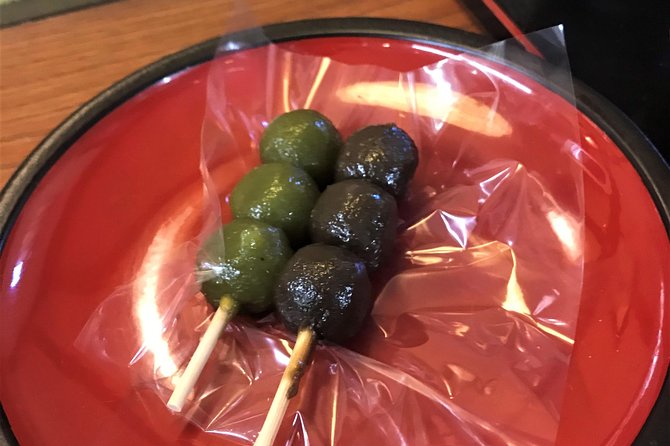
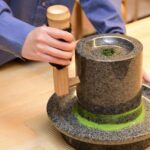
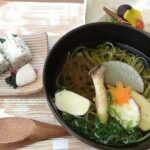
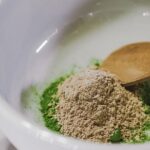
The first stop is Takumi-no Yakata, where you spend about 30 minutes with Gyokuro, Japan’s highest grade of green tea. This is not a quick cup poured from a pot. The leaves are prepared slowly in water that becomes warmer in stages, allowing you to notice how temperature changes the drink.
That method gives the tasting real purpose. You are not simply told that Japanese tea has subtle flavors. You get to see how preparation affects taste, texture, and aroma. A Japanese sweet is included, giving you a small contrast to the tea’s concentrated character.
Gyokuro can be a surprise if you expect ordinary green tea. Its careful preparation is part of the point, and your guide can explain the customs surrounding tea drinking in a way that makes the ritual feel practical rather than mysterious. David, one of the guides associated with the experience, has been praised for explaining the complexity of Japanese tea drinking in clear terms.
This stop is especially useful for first-time visitors. You learn the basics before walking past Uji’s many tea sellers, so the displays along Byodoin Omotesando have more meaning later.
The tasting lasts only 30 minutes, so do not expect a long formal tea ceremony. Think of it as a focused introduction to premium tea, local customs, and the care behind the cup.
Ujigami Shrine and Uji’s spring water
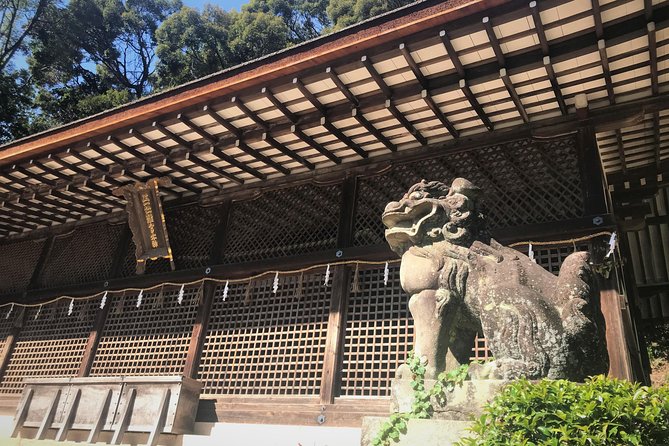
From the tea house, the tour continues to Ujigami Shrine. It is recognized as the oldest original shrine in Japan and is one of the two UNESCO World Heritage sites on the route. Its importance is easy to miss if you only look at the wooden buildings, so this is a place where a guide adds real value.
The shrine is also linked to Uji’s water. A natural spring still bubbles up underground near the site, and local tea shops collect this water. That detail connects the sacred setting with the town’s tea trade. Water is not an abstract part of tea production here. It is part of the place itself.
You spend about 30 minutes at the shrine. That is enough for an introduction, though not a long, unhurried study of every feature. If you want extended time for photography or quiet reflection, tell your guide early. The tour is private, and the route can be modified to suit physical needs.
I especially like this stop because it broadens the meaning of Uji tea. Tea is not just an agricultural product or a souvenir. It depends on local water, local skill, and traditions that reach into Japanese spirituality.
Koshoji Temple and the Zen side of tea
Koshoji Temple is described as the oldest Soto Zen temple in Kyoto. You spend about 30 minutes here, learning how Zen Buddhism, which came to Japan from China, helped pioneer the Japanese tea ceremony.
This is the point where the tour’s main idea becomes clearest. Tea practice is often associated with beauty and ceremony, but it also involves concentration, restraint, repetition, and attention to small acts. Those qualities fit naturally with the Zen setting.
Koshoji also gives the route a welcome change of scale. Byodoin is the major star of Uji, while Koshoji offers a less famous religious site where the connection between tea and Buddhism can take center stage. Guides can explain the relationship without turning the visit into a lecture on doctrine.
There may be stairs on this part of the route, as the full itinerary includes many steps. You need moderate physical fitness, and comfortable shoes are a good idea. If stairs are a problem, the operator asks you to say so in advance so the route can be adjusted.
Byodoin Temple and its museum

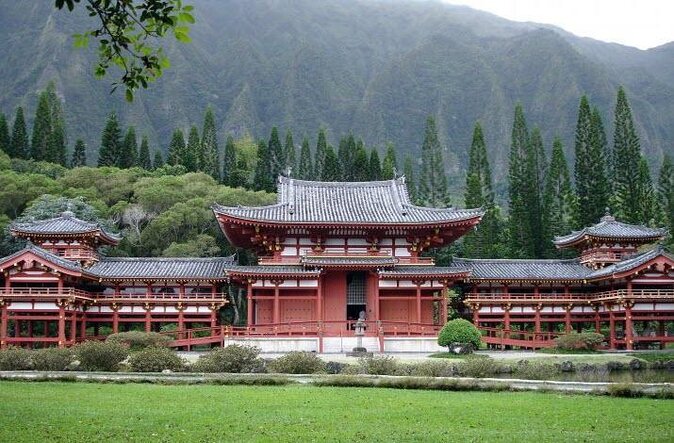
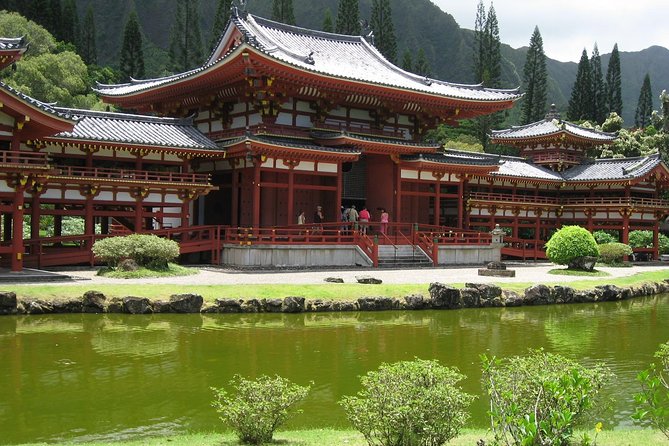
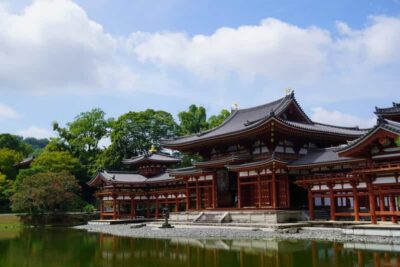
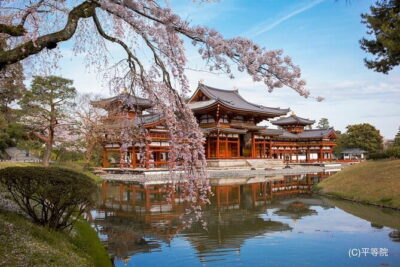
Byodoin is the most famous stop and receives about 45 minutes. The temple dates from the Heian period and sits beside a man-made lake. Its Phoenix Hall is so closely tied to Japanese cultural memory that it appears on the 10 yen coin, a useful detail that guide Kevin has pointed out during the tour.
The setting matters. The hall reflected in the water is not simply a pretty building. Its position, proportions, and relationship to the lake express the Heian period ideal of a Buddhist paradise. A guide can help you notice why the view has such power instead of leaving you with only a fast photograph.
Admission includes the Byodoin grounds and museum. That makes a major difference to the value of the visit. The museum helps you see the objects and details associated with the temple, including features that are easy to miss outside.
The 45-minute stop is reasonably paced for a guided introduction. You can see the key spaces and museum, but you may not have unlimited time for slow photography. The tour aims to give you a well-shaped overview of Uji, not to let you spend half a day at one temple.
Crowds are another consideration. Byodoin is a popular sight, and the atmosphere can change as the morning progresses. A private guide may help you reach the site at a sensible point in the day, but no guide can make a famous temple empty.


Byodoin Omotesando and the tea trade
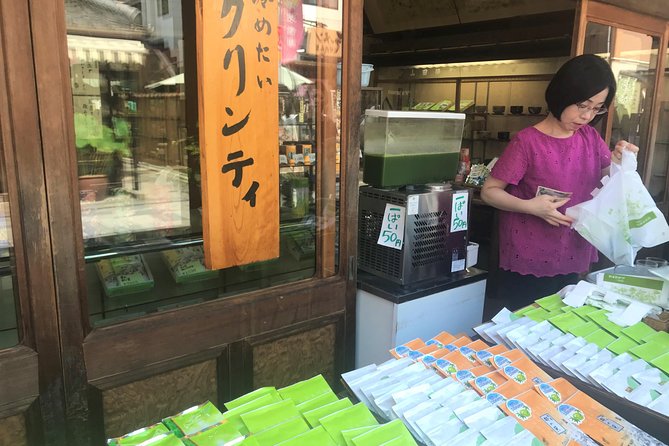
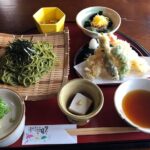
After the temple, you walk for about 45 minutes along Byodoin Omotesando, the pilgrimage street leading toward Byodoin. Tea shops line the road, some with roots reaching back to the medieval period. The smell of freshly prepared tea gives this section a more everyday feel than the temple grounds.
This is where the morning’s first tasting pays off. You can compare the careful Gyokuro preparation with the wider range of tea produced and sold in Uji. Your guide can explain the differences in tea styles and point out how tea shapes the town’s identity.
The street is also a good place to think about the difference between a tea region and a tea-themed attraction. Shops, products, and local trade still make tea part of ordinary life here. You may want to buy something, but food and drink beyond the included tea experience are not covered, so plan to pay separately.
The 45-minute period offers time to browse, smell the tea, and ask questions. If shopping is important to you, tell your guide. If you are more interested in architecture or the religious side of Uji, your guide may help you focus on the older buildings and pilgrimage route.
Uji Park, the river, and cormorant fishing
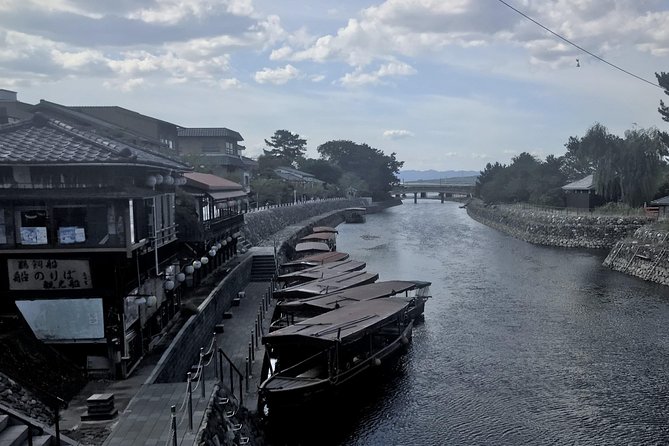
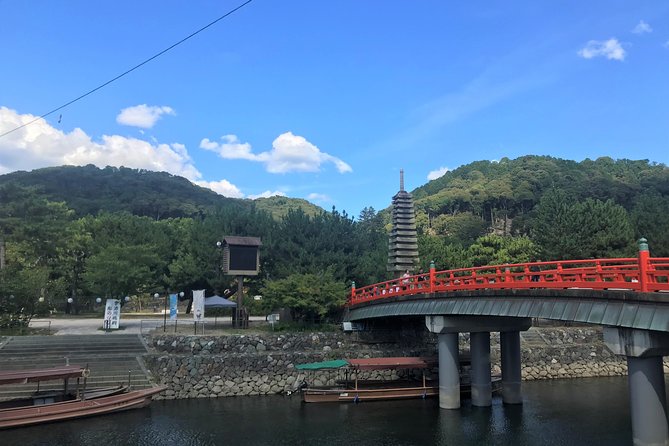
The final major stop is Prefectural Uji Park, where you stroll on an island in the middle of the river for about 30 minutes. This adds open air and natural scenery to a morning otherwise centered on tea houses and religious buildings.
The river was once a major trade route between Kyoto and Nara. Tea, sake, and goods from across Japan and Asia moved along these waters. That history gives the river more weight than a pleasant place for a walk. It explains why Uji developed as a center of movement, trade, and tea.
You also hear about the old practice of cormorant fishing with trained birds. The tradition gives you another way to understand the river as a working place, not only a scenic backdrop. Since the river is shallow now, it is worth asking your guide how its present appearance differs from its earlier role.
This walk helps the tour finish at a slower pace. It is a sensible counterpoint to the dense detail of the temples and tea tasting. The route is still part of a four-hour schedule, though, so you should not expect a long nature walk.
What the guides add to the morning
The guide is central to the quality of this experience. Several guides have led it, including Ferdi, also referred to as Ferdinand, Damian, Kevin, Mika, David, and Lito. Their strengths vary, but the most useful qualities are clear English communication, cultural context, and the ability to explain tea customs without making them feel inaccessible.
Ferdi has been praised for creating a friendly, calm outing. Damian has been singled out for making the tea tasting both informative and enjoyable. Kevin has communicated with visitors in English and Japanese, provided advance contact, and helped explain details such as the 10 yen coin and Byodoin.
Mika led one particularly well-received visit centered on Byodoin, its museum, and the shrines. Lito has also been associated with a balanced day of culture, spiritual sites, and relaxation, including help choosing a restaurant afterward. Lunch is not part of the included program, so any meal arrangement is extra and should not be treated as a guaranteed feature.
A small group gives the guide more room to answer questions. It also makes it easier to request a slower pace or a route adjustment. The stated maximum is eight people, though the activity is described as private, so you should confirm the exact arrangement when booking if that distinction matters to you.
Is $162.41 a fair price?
At $162.41 per person, this is not the cheapest way to see Uji. You are paying for a private guided structure, a premium Gyokuro tasting with a Japanese sweet, admission to the temples, admission to the Byodoin museum, and four hours of focused attention.
I think the price is reasonable for you if you want the cultural links explained as you go. Independent visitors can reach Ujigami Shrine, Koshoji, Byodoin, Uji Park, and the tea street for less, but they must arrange the route and interpret the connections on their own.
The value is strongest for first-time visitors to Japan, tea lovers, and anyone who wants more than a quick temple checklist. It is weaker for people who prefer to spend hours at one temple, shop at their own speed, or keep costs as low as possible.
Group discounts are available, which may improve the price for a larger booking. Since the maximum is eight people, ask about the discount before you reserve if you are traveling with family or friends.
Practical details for a smoother visit
Meet at 9:00 am at the Keihan Uji Station Information Centre, at Japan, 611-0021 Kyoto, Uji, Otsukata 713, Keihan Uji Building, first floor. One person found the meeting location insufficiently specific, so check the exact station-building details before the morning begins.
Wear shoes suited to walking and stairs. The itinerary includes many steps, and moderate physical fitness is required. If that creates a problem, tell the operator so suitable changes can be made.
Bring some cash. The tour includes the tea experience and admission to the listed temples and museum, but food and drink outside the tea stop are extra. Cash can also be useful for small purchases along the tea street, though the supplied information does not promise that every shop requires it.
Confirmation arrives when you book, and the activity is close to public transportation. Free cancellation is available up to 24 hours before the local start time. Changes or cancellations inside that window are not accepted for a refund.
Who should book this Uji tour?
I would choose this tour if you want to understand how tea, Buddhism, water, trade, and temple life connect. It suits visitors who prefer a calm half-day away from Kyoto’s heavier sightseeing crowds and who value explanation as much as taking pictures.
It also works well for a small family group or friends who want a guide to keep the morning moving. The route has enough variety to hold your attention: a tea tasting, two UNESCO sites, a Zen temple, a shopping street, and a river walk.
You should think twice if stairs limit your walking, if you want a formal multi-hour tea ceremony, or if Byodoin alone is your main goal. In those cases, an independent visit may give you more control over time and cost.
Should you book it?
Book this Uji tour if you want a thoughtful introduction to tea culture rather than a simple tasting. Its strongest feature is the way the stops build on one another: spring water at Ujigami Shrine, Zen ideas at Koshoji, premium tea at Takumi-no Yakata, and the historic tea trade along Byodoin Omotesando.
The price is substantial, but the included admissions, small group size, and guide-led context make it a fair choice for the right person. I would reserve it for a first visit to Uji, especially if you want an easy route through the town and a guide such as Ferdi, Damian, Kevin, or another member of the team to explain what you are seeing.
FAQ
How long does the Uji tour last?
The experience lasts approximately four hours.
What time does the tour start?
The tour starts at 9:00 am.
Where does the tour meet?
You meet at the Keihan Uji Station Information Centre, at the Keihan Uji Building, first floor, in Uji, Kyoto.
What is included in the price?
The price includes admission to all listed temples and the Byodoin museum, plus the Gyokuro tea house experience with a Japanese sweet.
Is food included beyond the tea tasting?
No. Food and drink outside the included tea experience are not included.
How many people can join the tour?
The activity has a maximum of eight people.
Can the route be changed for people who have trouble with stairs?
The itinerary includes many stairs. If this is a problem, you should inform the operator so suitable modifications can be made.
More Uji & Matcha Trips in Uji
More tours in Uji we've reviewed
Uji & Matcha Trips, compared.
 ★ 5.0World Heritage Kyoto & Nara Uji Authentic Matcha ExperienceFrom $129
 ★ 4.8Uji: Green Tea Tour with Byodoin and Koshoji Temple VisitsFrom $111
 ★ 4.6Uji: UNESCO Heritage & Tea Ceremony Walking TourFrom $663 hours
 ★ 4.5Kyoto & Nara & Uji: Full Day Sightseeing Tour from Osaka or KyotoFrom $67
 ★ 5.0Matcha Grinding Experience and Walking Tour in Uji KyotoFrom $130
 ★ 5.0Kyoto & Uji: Full Day Sightseeing Tour from Osaka or KyotoFrom $57