
Reviewed · TEA CEREMONY EXPERIENCES
Kyoto Matcha Green Tea Tour
Uji is where Kyoto’s green-tea story becomes something you can taste. This small-group tour takes you from Uji Station through tea shops, local sights, and a hands-on matcha session, then finishes near Byodoin Temple, the famous UNESCO World Heritage Site.
I like the built-in lunch and the chance to watch matcha being made instead of simply ordering a green drink. I also like the small maximum of 10 people, which should make translation and questions easier. The main catch is the price, $221 per person, and the tour is not a good fit for vegans or anyone needing gluten-free food.
In This Review
- Key points at a glance
- Why Uji is the right place for a matcha tour
- Starting at Uji Station at 11 a.m.
- Making and tasting matcha with local guidance
- Uji Shrine and the quieter side of the route
- Crossing Amagasetsuri Bridge by the Uji River
- Lunch with tea, sweets, and local flavors
- Tea shops and shopping in the Byodoin area
- Byodoin Temple and the famous Phoenix Hall
- Is $221 a fair price?
- Who will enjoy this Uji experience most?
- Should you book the Kyoto Matcha Green Tea Tour?
- FAQ
- Where does the Kyoto Matcha Green Tea Tour begin?
- Where does the tour end?
- How long does the tour last?
- Is lunch included?
- Is the tour suitable for dietary restrictions?
- Can I cancel for a refund?
Key points at a glance
- Matcha in its home district: Uji is one of Kyoto’s best-known tea centers, giving the tasting real local context.
- More than a tasting: You make matcha, sample tea, eat wagashi sweets and matcha ice cream, and learn how different varieties compare.
- Lunch is included: The set lunch makes this easier to fit into a half-day plan.
- Cultural stops add balance: Uji Shrine, the Uji River area, and Byodoin Temple keep the tour from becoming only a food outing.
- Small group format: The maximum is 10 people, useful when you need help with translation or have questions.
- Plan your timing carefully: The tour starts at 11 a.m. at Uji Station and ends around the Byodoin shopping streets, without hotel pickup or included transportation.
Why Uji is the right place for a matcha tour
Uji sits south of central Kyoto and is closely tied to Japanese green-tea culture. That matters because you are not tasting matcha in a generic café setting. You are visiting the district known for producing high-quality Uji tea, with tea shops and local businesses built around that tradition.
I like this setting because it gives the drink a sense of place. You can compare tea, see how it is prepared, and then browse shops selling products connected to Uji. The experience is less about gulping down one sweet matcha latte and more about understanding why matcha tastes the way it does.
The tour lasts about 3 hours and 15 minutes, so it is a focused introduction rather than a full day in Uji. That makes it easy to combine with other Kyoto plans, though you should avoid scheduling a distant afternoon attraction immediately afterward. The stated route has several stops, a meal, shopping time, and a temple visit, so the pace may feel fairly full.
The group size is capped at 10 people. That is a practical advantage in a place where translation, ordering, and tea preparation can slow things down. A guide can help explain what you are tasting and steer you toward local shops that might be easy to miss on your own.
A few more Uji tours and experiences worth a look
Starting at Uji Station at 11 a.m.
You meet at Uji Station at 11 a.m. The exact starting point is listed in the Otsukata area of Uji, Kyoto, and the tour does not provide hotel pickup. You need to make your own way to the station, so allow time to reach Uji from your base in Kyoto.
This meeting arrangement is simple if you are already planning to visit Uji. It is less convenient if you are staying far from the city or trying to squeeze the tour between tightly timed train trips. Since the experience begins in late morning, you can arrive without a very early start, but you should still check your route before the day begins.
From the station, the experience introduces you to Uji as the center of Japanese tea culture. Expect a walking tour rather than a bus-based outing. A moderate level of physical fitness is recommended, and you should be ready to walk between shops, shrines, the river area, and Byodoin.
I would wear comfortable shoes and keep your hands free for small purchases. The tour includes shopping time, and Uji tea products, sweets, and souvenirs can be tempting once you understand what you are looking at.
Making and tasting matcha with local guidance
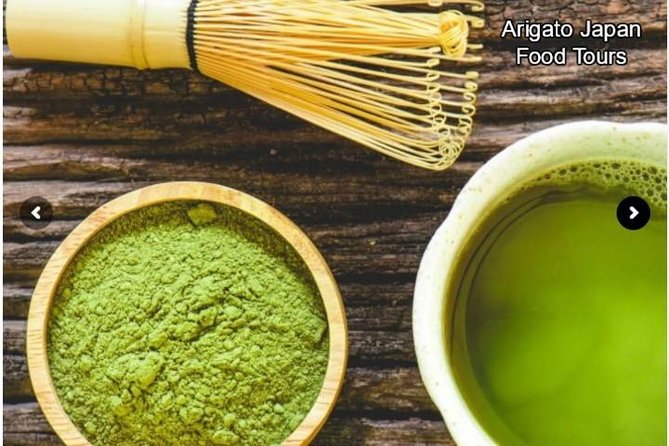
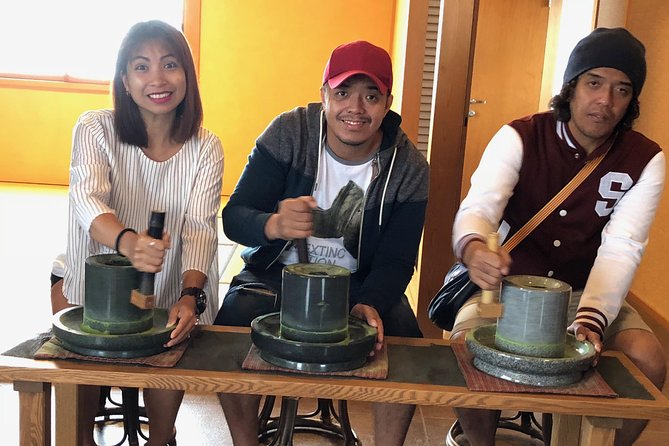
The central part of the experience is the tea session. You watch matcha being made and then take part in making it yourself. That hands-on element is useful because matcha is not prepared like ordinary loose-leaf tea.
You get to see how the powder is turned into a drink, then taste the result. The tour also includes matcha tasting, wagashi sweets, and matcha ice cream. These additions give you several ways to experience the flavor, from traditional tea to a colder, sweeter treat.
I especially like the combination of tasting and instruction. A sample by itself can be pleasant but forgettable. Making the tea gives you a clearer sense of the care involved and helps you notice differences in texture and flavor.
The format should also suit beginners. You do not need to arrive as a tea expert. The guide is there to help with explanations and translation, which is valuable when local tea shops have labels, menus, or preparation details that are difficult to follow on your own.
Still, matcha has a strong, grassy taste that not everyone enjoys. Some of the sweets and ice cream may be easier for first-time tasters, but the experience is centered on tea rather than on a broad Japanese food menu. If you already know you dislike green tea, the temple and walking portions may not be enough to justify the price.
Uji Shrine and the quieter side of the route
Uji Shrine is included as one of the cultural stops. It is a historic Shinto shrine with an important connection to the nearby Ujigami Shrine. The shrine gives the tour a pause from food and shopping, allowing you to see a place of worship that is part of Uji’s daily cultural setting.
This is the sort of stop where a guide can make a real difference. Without context, a shrine can look like a quick series of gates, buildings, and ritual spaces. With help, you can better understand what you are seeing and how it fits into Uji’s identity.
The supplied details do not give a long scheduled visit at the shrine, so do not expect a lengthy private ceremony or an extended guided lecture. Think of it as one piece of the walking route, useful for adding cultural balance to the tea activities.
You may also visit the neighboring Ujigami Shrine area, since the two sites are commonly paired, but the exact stops can change. Restaurant schedules, public holidays, weather, and other conditions may lead to substitutions. The provider says changes can occur, so keep some flexibility in your expectations.
Crossing Amagasetsuri Bridge by the Uji River
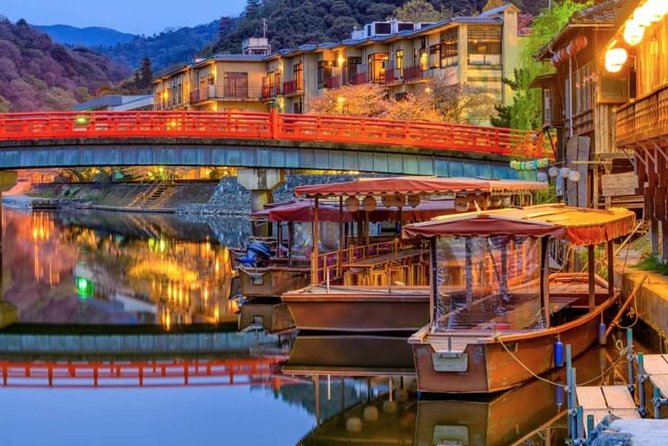
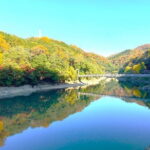
Amagasetsuri Bridge is described as a traditional wooden suspension bridge in the Uji area. Crossing it adds a scenic break to the food-focused route, with views toward the Uji River and nearby tea shops.
I like this kind of transition on a short tour. You are not spending three hours inside cafés and restaurants. The bridge and river section let you stretch your legs, take in the setting, and connect the tea culture to the town around it.
The bridge is also a practical reminder that this is a walking experience. Surfaces and crossings may not feel like a polished indoor attraction, and the moderate fitness recommendation is worth taking seriously if you have trouble walking for several hours.
The available information does not specify how long you stay at the bridge or whether the route crosses it in every weather condition. Since poor weather can affect the tour, the exact sequence may change.



Lunch with tea, sweets, and local flavors
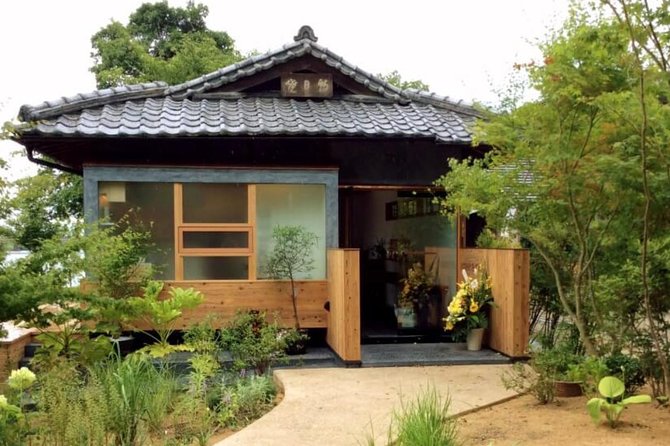
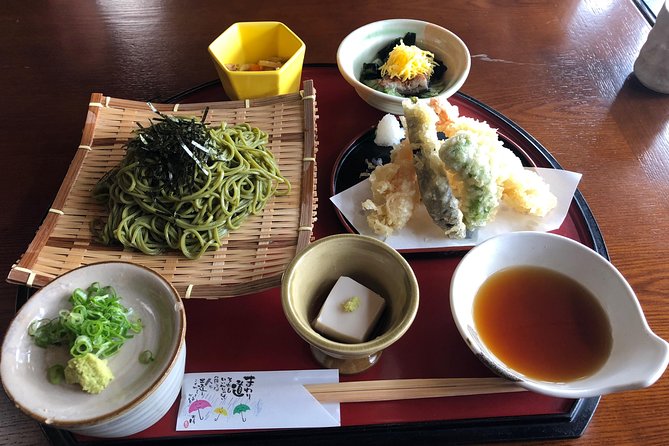
A set lunch is included, which is one of the tour’s strongest practical features. You do not need to find a restaurant during the tour or guess how much time to reserve for a meal. That matters in a popular sightseeing area, especially when you want to keep the day moving.
The lunch is described as part of a restaurant visit and tea experience. Matcha, wagashi sweets, and matcha ice cream are also included. Together, these food stops make the price easier to understand than a simple guided walk with one cup of tea.
The meal is not designed for every diet. The tour is vegetarian-friendly, but it is not recommended for vegans or people following a gluten-free diet. Food and drinks are not included unless specifically stated, so you should not assume that every extra purchase is covered.
The minimum drinking age is listed as 21. That detail may matter to mixed-age groups, although the main focus is tea rather than alcohol. Children must be accompanied by an adult, and passport information is required for children age 10 and above.
If you have allergies or strict dietary needs, this is a tour where you should ask before booking. The stated food limitations are clear enough that I would not rely on last-minute adjustments.
Tea shops and shopping in the Byodoin area
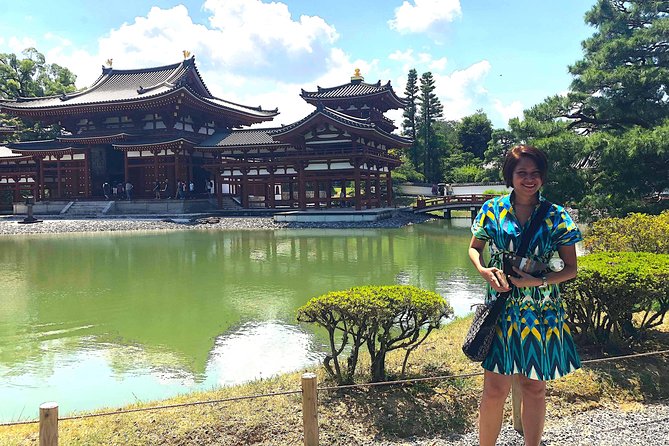
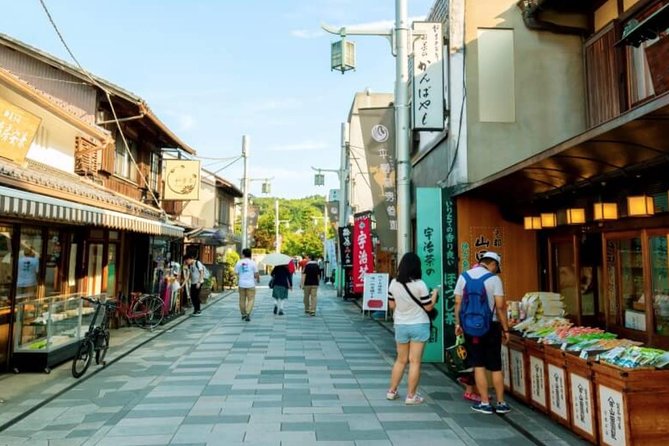
The route includes time to browse local shops for souvenirs unique to Uji. This is a useful feature if you want to take home tea but are unsure what to buy. A guide can help translate and explain products, which may save you from choosing based only on attractive packaging.
The shopping portion also gives you a chance to see how Uji presents its tea culture. You may find matcha, hojicha, sweets, and other tea-related items, though the exact shop selection can change.
Masuda Chaho is named as a tea shop stop and a place to finish with premium Uji matcha or hojicha. It is described as a relaxed place to have a final cup after the walking and food portions. Hojicha, a roasted green tea, can be a good alternative if matcha feels too intense.
Do not treat shopping time as a fully independent retail excursion. It is one part of a short guided route, and the time available may depend on the day’s schedule. If you want to buy several tea products or compare many shops, plan to return to Uji on your own.
Byodoin Temple and the famous Phoenix Hall
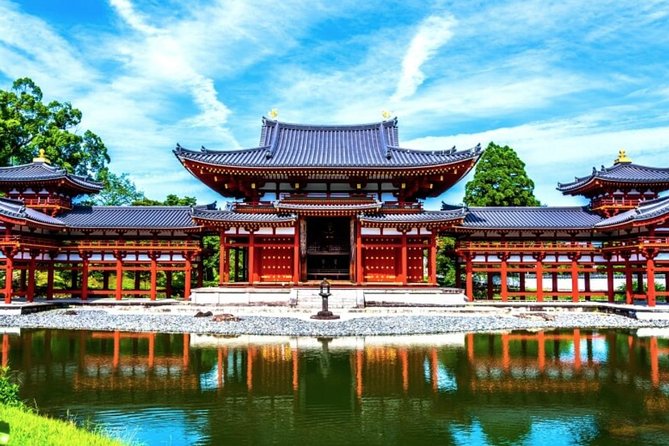
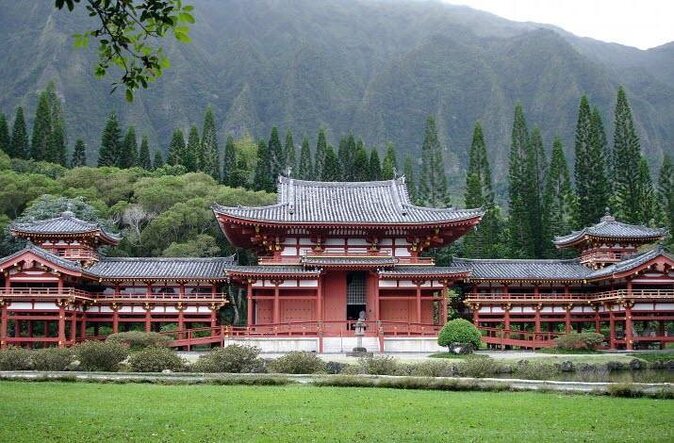
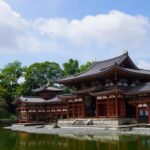
Byodoin Temple is the tour’s main landmark stop. It is a UNESCO World Heritage Site and one of Uji’s best-known sights. The temple brings a major historical and architectural attraction into a tour otherwise centered on tea and food.
The listed stop is brief, about five minutes, and admission is shown as free in the supplied details. That short time suggests you may get an introduction or an exterior look rather than a long temple visit. If Byodoin is a major reason for your visit to Uji, you should consider returning separately with more time.
Even a short stop helps place Uji’s tea culture within a wider setting. The temple is not simply a backdrop for the food tour. It gives you another reason to visit Uji and helps break up the tasting activities.
The tour ends near the shopping streets in the Byodoin area, at or near Byodoin Temple. This is convenient because you can continue sightseeing, browse more shops, or make your own way back after the organized portion ends. Since hotel drop-off is not provided, you remain responsible for your return transportation.
Is $221 a fair price?
At $221 per person, this is not a budget walking tour. The price needs to be judged against what is included: a guide, matcha tasting, hands-on matcha making, wagashi sweets, matcha ice cream, a set lunch, local tea-shop visits, shopping time, Uji Shrine, the river area, and a Byodoin Temple stop.
I think the price can make sense if you want a guided food and culture experience and would otherwise need help finding tea shops or handling translation. The included lunch and several tastings add real value. The small group also matters, since a 10-person maximum is more personal than a large coach excursion.
The value is weaker if you mainly want to visit Byodoin Temple. The temple portion is listed at only five minutes, and the tour is not a full temple tour. Likewise, independent visitors who are comfortable ordering food, reading menus, and finding tea shops may prefer to spend less and explore at their own pace.
The booking pattern suggests people often reserve about 47 days ahead. That is not a guarantee that every date sells out, but it is a good reason to book early if your Kyoto dates are fixed. Free cancellation is available until 24 hours before the start time. After that, the payment is not refunded, and changes are not accepted.
The tour needs a minimum number of participants. If that minimum is not reached, or if poor weather forces cancellation, you are offered another date or a full refund. That policy gives you some protection, but it also means you should keep your schedule flexible.
Who will enjoy this Uji experience most?
I would recommend this tour to first-time visitors who want an organized introduction to Uji without spending a full day planning every stop. It is also a good fit for tea drinkers, food-focused visitors, couples, families with older children, and anyone who wants help with translation in local shops.
The tour suits you best if you enjoy trying several small things rather than spending a long time at one attraction. You get tea, sweets, lunch, a shrine, a bridge, shopping, and a major temple in one compact outing.
I would hesitate if you are vegan, gluten-free, or looking for a slow temple-focused day. The same applies if you dislike walking or want a private tour. The maximum group size is small, but this is still a shared experience.
The praise that matters most here is the guide’s attentive approach. The experience depends on clear explanations, help at tea shops, and careful handling of the food stops. One published account specifically highlights a warm welcome, gracious hospitality, constant attention to detail, and useful advice. No guide name is provided, so I cannot point you to a particular leader, but the human guidance is a central part of what you are paying for.
Should you book the Kyoto Matcha Green Tea Tour?
Book it if you want Uji explained through its tea, food, and everyday cultural stops. The hands-on matcha session, included lunch, small group, and local shopping time give the tour more substance than a quick tasting.
Skip it if you need a vegan or gluten-free meal, want extensive time inside Byodoin Temple, or prefer to explore Uji independently. For the right visitor, $221 buys a convenient and well-organized introduction to Uji. For everyone else, the short temple visit and fixed food format may not justify the cost.
FAQ
Where does the Kyoto Matcha Green Tea Tour begin?
The tour begins at Uji Station in the Otsukata area of Uji, Kyoto. The start time is 11 a.m.
Where does the tour end?
The organized experience ends near Byodoin Temple, with the end point described as the shopping streets in the Byodoin area.
How long does the tour last?
The tour lasts approximately 3 hours and 15 minutes.
Is lunch included?
Yes. A set lunch at a restaurant is included, along with the tea experience. Matcha tasting, wagashi sweets, and matcha ice cream are also included.
Is the tour suitable for dietary restrictions?
The tour is vegetarian-friendly, but it is not recommended for vegans or people following a gluten-free diet.
Can I cancel for a refund?
Yes. You can cancel at least 24 hours before the start time for a full refund. Cancellations or changes made less than 24 hours before the start time are not refunded or accepted.
More Tea Ceremony Experiences in Uji
More tours in Uji we've reviewed
Tea Ceremony Experiences, compared.
 ★ 4.9Kyoto: Tea Ceremony in a Traditional Tea House in KiyomizuFrom $4945 min
 ★ 4.9Kyoto: Tea Ceremony Ju-An at Jotokuji TempleFrom $291h 10m
 ★ 4.3Kyoto: 45-Minute Tea Ceremony Lesson ExperienceFrom $2245 min
 ★ 5.0World Heritage Kyoto & Nara Uji Authentic Matcha ExperienceFrom $129
 ★ 4.9Kyoto: Table-Style Tea Ceremony at a Kyo-MachiyaFrom $451h 30m
 ★ 5.0Kimono Tea Ceremony at Kyoto Maikoya, NISHIKIFrom $65