
Reviewed · TEA CEREMONY EXPERIENCES
Kyoto tea town for matcha lovers
Uji is where matcha stops being a flavor on a dessert menu and becomes a part of daily life, craft, history, and ritual. This five-hour walking tour takes you through tea shops, shrine grounds, tea fields, and old streets, then adds hands-on matcha making and a traditional tea ceremony.
I like the small group of no more than seven, which gives guide Terumi room to answer questions and adjust the pace. I also like the mix of tasting and context: you do not simply drink tea, you grind matcha, try tea-based foods, meet local merchants, and see how Uji’s tea culture fits into the town itself.
The main drawback is the price, $157.65 per person, which is a serious spend for a half-day. You also need moderate physical fitness, and summer heat can make several hours of walking feel demanding.
In This Review
- Key points to know before booking
- Why Uji makes a better matcha day than a quick Kyoto tasting
- Uji Shrine gives the morning a cultural start
- Tsuen Main Branch and an 850-year tea tradition
- Tea fields and the part most tea fans want to understand
- Grinding matcha turns a drink into a hands-on lesson
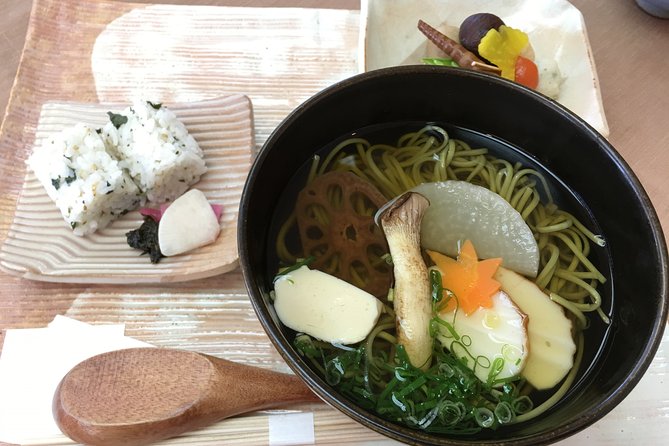
- Lunch at a tea house, with tea used in the food
- A traditional tea ceremony brings the ideas together
- Terumi’s guiding style is a major part of the day
- Is $157.65 a fair price?
- Walking, weather, and timing
- Who should book this Uji matcha tour?
- Should you book it?
- FAQ
- Where does the tour begin?
- What time does the tour start?
- Where does the tour finish?
- How long does the experience last?
- How many people can join the tour?
- Who is the guide?
- Is lunch included?
- Will I take part in a tea ceremony?
- Can I make my own matcha?
- Is cancellation free?
Key points to know before booking
- Grind your own matcha: The hands-on matcha workshop lets you use a traditional stone mill before preparing the tea.
- Visit an 850-year-old tea shop: Tsuen Main Branch is one of Uji’s oldest tea businesses, with matcha rice cake skewers to sample.
- See Uji beyond tea shops: The route includes Uji Shrine, tea fields, old stores, and local areas away from the main tourist path.
- Eat a tea-focused lunch: A famous tea house serves tea dishes, giving you a taste of matcha in savory food as well as sweets.
- Join a traditional ceremony: The final tea-house experience provides a formal look at Japanese tea practice.
- Expect a personal guide: Terumi is praised for her patience, detailed explanations, photography help, and willingness to translate in shops.
Why Uji makes a better matcha day than a quick Kyoto tasting
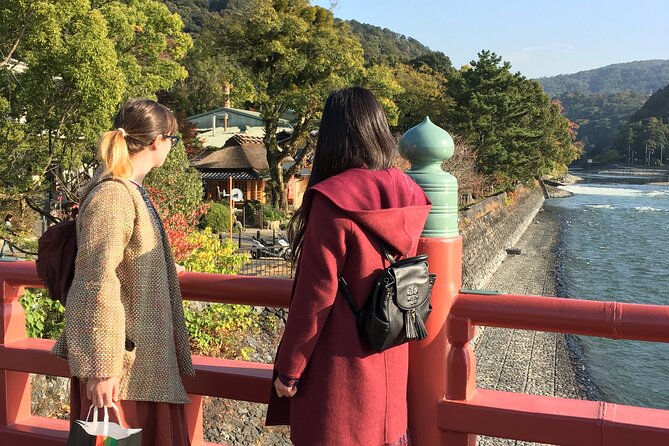
Uji sits close enough to Kyoto for an easy side trip, but it feels different from a city-center tea stop. The town is tied directly to Japanese tea production and trade, so the subject follows you through the streets. Tea shops, sweets, old buildings, shrines, and river-side scenery all become part of the same story.
That matters because matcha can be easy to reduce to a trendy green powder. In Uji, you get a clearer sense of the work behind it. You learn about tea origins, see where tea is grown, handle the powder, and taste it in several forms.
The experience begins at Uji Station at 9:30 am and returns there after roughly five to five and a half hours. That gives you a useful morning and early afternoon in Uji without turning the visit into a rushed photo stop. You can continue exploring on your own afterward, though the tour itself ends back at the station.
A few more Uji tours and experiences worth a look
Uji Shrine gives the morning a cultural start
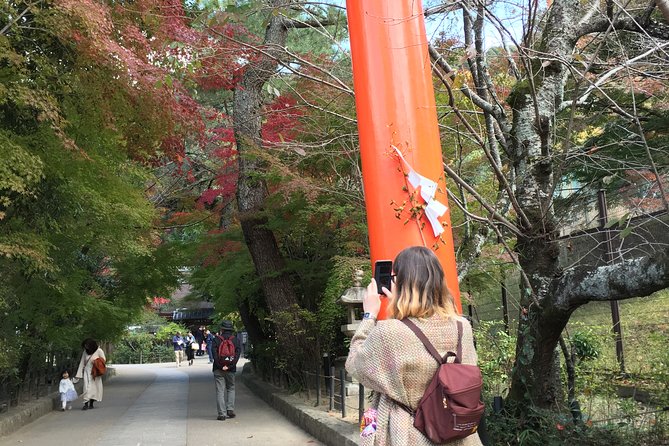
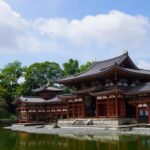
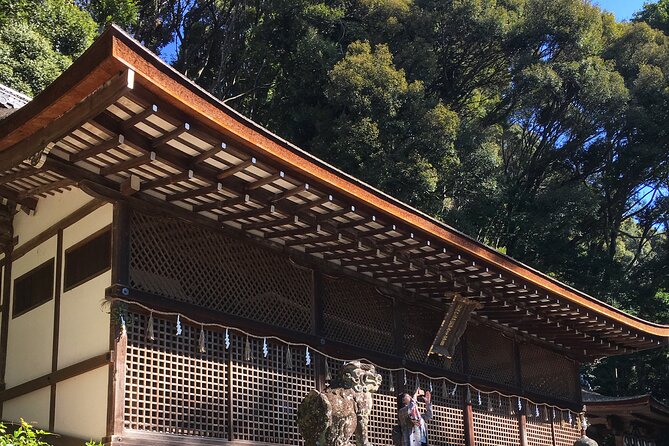
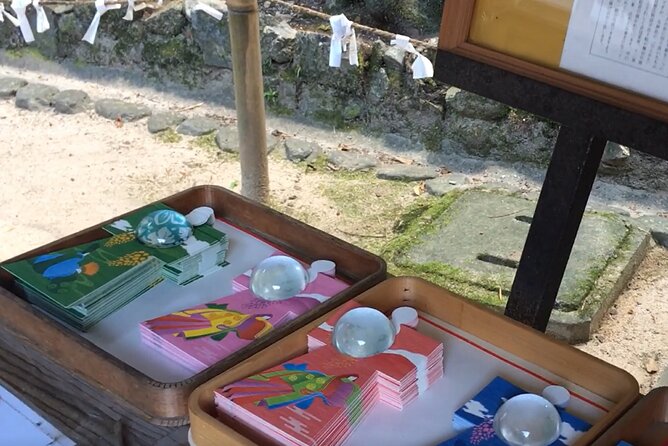
The first named stop is Uji Shrine, with about 20 minutes set aside and no admission charge. The shrine gives the tour an important first step: tea culture in Japan does not exist apart from religion, custom, and place.
Your guide introduces the area and shares facts about Uji, including its association with one of the town’s celebrated water sources. That detail may sound small, but water is central to tea. It affects preparation, taste, and the sense of place behind a cup.
Do not expect a long shrine visit here. Twenty minutes is enough for an introduction, a few explanations, and a look around, but not an extended religious tour. I see that as a fair choice on a matcha-focused walk because the schedule needs room for tea houses, food, and the ceremony later.
The shrine also helps break up the tasting format. You are not moving from one shop to another all morning. Instead, the route mixes cultural sights with food and tea, which keeps the pace varied.
Tsuen Main Branch and an 850-year tea tradition
The visit to Tsuen Main Branch is one of the tour’s most distinctive stops. The shop is described as more than 850 years old, giving you a direct connection to Uji’s long tea-trading tradition.
The scheduled visit lasts about 10 minutes, so this is a brief stop rather than a full lesson in the shop’s business history. The reward is a taste of matcha rice cake skewers made with pure matcha powder. This is a good example of how the tour handles Uji tea: you learn something, then taste it in a memorable local form.
If you usually drink matcha as a latte or eat it in ice cream, the skewer offers a different introduction. It lets you notice how the tea works with a sweet rice cake rather than dairy or heavy dessert ingredients.
This is also a useful shopping point, although the supplied details do not specify what you must buy or how much time is available for browsing. If you want tea to take home, keep some flexibility in your personal schedule after the tour.
Tea fields and the part most tea fans want to understand
The route includes tea fields and an opportunity to learn about matcha production. The exact field stop is not timed in the supplied schedule, so the amount of time there can vary with the day’s route and conditions.
Still, this is a key part of the experience. Seeing tea fields helps connect the finished powder with the plant and the farming process. The guide also introduces people involved in different stages of tea making, giving the subject a human side rather than treating matcha as a packaged product.
For serious tea fans, this may be the most useful context of the day. You can ask how tea production relates to the taste, color, and uses of matcha. For casual drinkers, it gives you enough background to understand why Uji has such a strong reputation in Japan.
The experience is not presented as a specialized agricultural course. If you want detailed information about every cultivar, harvest date, or processing method, this may feel introductory. Its strength is the wider picture: fields, shops, preparation, food, and ceremony in one outing.
Grinding matcha turns a drink into a hands-on lesson
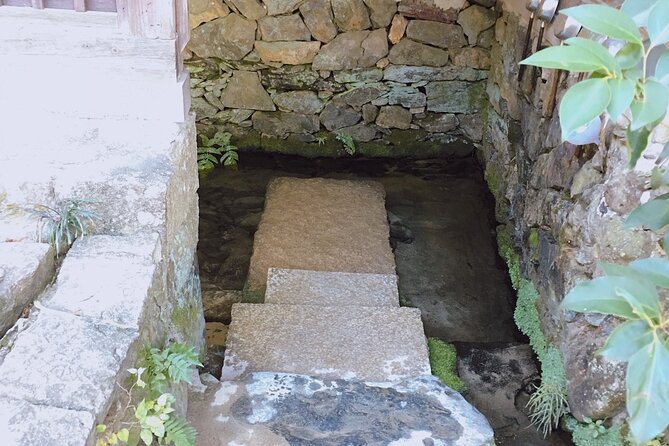
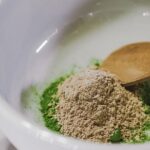
One of the most memorable parts is the matcha-making workshop. You grind tea yourself with a stone mill before preparing your own matcha.
This simple action changes how you think about the powder. You feel the time and effort involved, and you get a closer look at the texture before it becomes a drink. It is also a strong activity for families, since children and adults can take part rather than only watch a demonstration.
The workshop is not just a photo opportunity. It gives you a practical way to understand matcha preparation. Your guide, Terumi, explains the process and answers questions, so you can ask about technique instead of silently copying movements.
You should keep your expectations realistic. The experience is a short cultural workshop within a half-day tour, not professional tea training. You will leave with a better feel for the process, but not a formal qualification or advanced ceremonial skill.




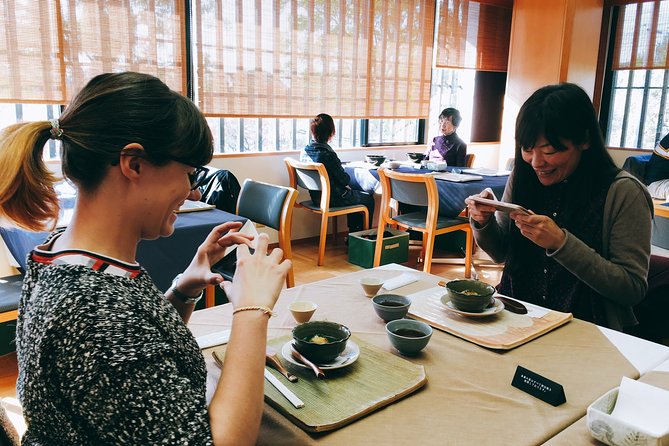
Lunch at a tea house, with tea used in the food
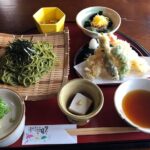
Lunch is served at a famous tea house, where the meal includes tea dishes. This is a welcome change from a standard restaurant stop because the food continues the central theme of the day.
Tea dishes also show you how matcha can work beyond sweets and drinks. If you are curious about Japanese food culture, this meal adds another layer to the tour. You can see how a local ingredient appears in a complete meal rather than only as a topping.
The supplied details do not give a fixed menu, so you should not book this expecting a particular dish. The focus is on tea-based food, not on choosing from a long restaurant menu. If you have strict dietary needs, ask before booking, since no special-diet information is provided.
The lunch stop helps with the physical side of the tour, too. You are walking for several hours, and a seated meal gives you time to rest before the tea ceremony.
A traditional tea ceremony brings the ideas together

After lunch, you take part in a traditional Japanese tea ceremony at a tea house. This is the formal heart of the experience.
The earlier stops prepare you for it. You have heard about tea, tasted sweets, visited an old shop, seen tea fields, and ground matcha yourself. By the time you sit down for the ceremony, you have some context for the gestures and tools.
A tea ceremony can be easy to watch without understanding. Terumi’s explanations help you follow the meaning behind the preparation and etiquette. You can ask questions and learn how the ceremony fits into Japanese culture, rather than treating it as a staged performance.
The ceremony may be the strongest reason to choose this tour over a basic Uji walking tour. You get both the public side of tea, with shops and snacks, and the private, careful side, with measured movements and traditional practice.
Keep in mind that a ceremony involves customs and formality. You may need to observe carefully and follow instructions. That is part of the value, but it may not suit someone who wants a casual tasting with no cultural explanation.
Terumi’s guiding style is a major part of the day
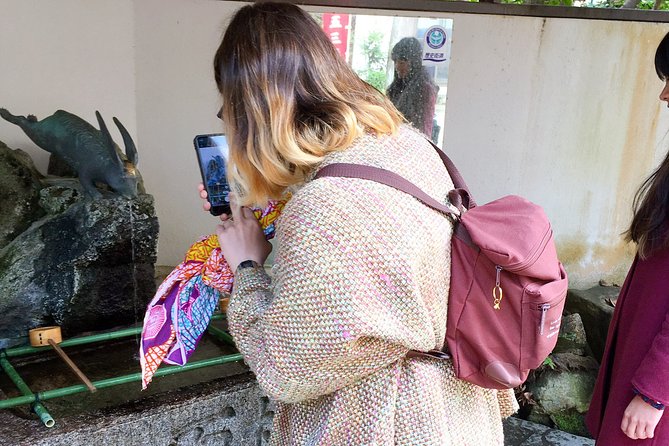
Guide Terumi receives repeated praise for being patient, friendly, thoughtful, and generous with her time. She adjusts the pace, answers questions, takes pictures along the way, and explains tea, pottery, shrines, and Japanese culture.
That personal approach matters in a small-group tour. With a maximum of seven people, you are less likely to feel like a face in a crowd. You can ask about details that interest you, whether that means tea preparation, local customs, historic stores, or buying tea.
Terumi has also helped with translation in local shops after the scheduled tour ended. That suggests she can be useful when you want to communicate with merchants, though you should not assume extra shopping assistance is included in the official five-hour program.
The tour is also suitable for families. A matcha-making workshop, food tastings, tea farms, and a ceremony give children and adults different ways to stay interested. Very young children may find the walking and formal ceremony less easy, but the small group can make the day more flexible.
Is $157.65 a fair price?
At $157.65 per person, this is not a bargain walking tour. You are paying for a small group, a personal guide, several cultural elements, food, tastings, and access to experiences that would be harder to arrange on your own.
The value is strongest if you want structure and interpretation. You could visit Uji Shrine and Tsuen Main Branch independently, browse tea shops, and buy matcha snacks for much less. What is harder to reproduce is the complete sequence: tea fields, production explanations, grinding your own matcha, tea dishes, and a traditional ceremony.
I would see the price as reasonable for a tea enthusiast who wants depth and convenience, especially on a first visit to Uji. It is less convincing for someone who only wants a quick cup of matcha and a few photos.
The small group improves the calculation. A large tour might offer similar stops but less time for questions. Here, the guide can respond to your interests and help bridge language gaps in a way that adds real value.
Walking, weather, and timing
The tour lasts five to five and a half hours and requires moderate physical fitness. You will be walking through town and between several stops, so comfortable shoes are important.
Summer weather deserves attention. Walking in Uji during a hot June day can feel tiring, especially if you are not used to warm, humid conditions. Start with water, use sun protection, and dress for a long morning outdoors. The tour requires good weather, so poor conditions may lead to a different date or a full refund.
The 9:30 am start is practical. It gives you a full morning in Uji and leaves the afternoon open. Since the experience ends at the same station where it begins, the meeting point is simple to manage.
Cancellation is free up to 24 hours before the start time for a full refund. Changes or cancellations inside that 24-hour window are not accepted for a refund. The activity also needs a minimum number of participants, so a cancellation by the provider can result in another date, another experience, or a full refund.
Who should book this Uji matcha tour?
I would choose this for:
- Matcha fans who want to understand production and preparation
- First-time visitors to Uji who want an organized introduction
- Families who enjoy hands-on cultural activities
- Visitors who value a small group and personal questions
- People who want a tea ceremony with explanation, not just a quick demonstration
- Anyone interested in food, shrines, old shops, and local culture together
I would think twice if you dislike walking, have less than five hours available, or only want a low-cost tea tasting. The cost and pace make sense when you plan to treat the tour as the main Uji activity of the day.
Should you book it?
Book this tour if matcha is more than a passing interest. The strongest parts are the stone-mill workshop, the tea-focused lunch, the visit to the old Tsuen shop, and the formal ceremony at a traditional tea house. Those pieces give you a fuller understanding of Uji than a simple café stop can provide.
I especially like that the day moves between ordinary local life and formal tradition. You see tea in shops and fields, taste it in food, make it yourself, and then watch it prepared with care. At $157.65, it asks a lot, but the small group and Terumi’s personal guidance make the price easier to justify for dedicated tea lovers.
FAQ
Where does the tour begin?
The tour begins at Uji Station in Uji, Japan. The listed address is 17 Uji Umonji, Uji, Kyoto 611-0021.
What time does the tour start?
The start time is 9:30 am.
Where does the tour finish?
The activity ends back at the meeting point at Uji Station.
How long does the experience last?
The tour lasts approximately five to five and a half hours.
How many people can join the tour?
The maximum group size is seven people.
Who is the guide?
The guide identified for this experience is Terumi.
Is lunch included?
The itinerary includes lunch at a famous tea house, featuring tea dishes.
Will I take part in a tea ceremony?
Yes. After lunch, you attend an authentic Japanese tea ceremony at a traditional tea house.
Can I make my own matcha?
Yes. The experience includes grinding matcha with a stone mill and making your own matcha.
Is cancellation free?
You can cancel up to 24 hours before the start time for a full refund. Cancellations or changes made less than 24 hours before the start time are not accepted for a refund.
More Tea Ceremony Experiences in Uji
More tours in Uji we've reviewed
Tea Ceremony Experiences, compared.
 ★ 4.9Kyoto: Tea Ceremony in a Traditional Tea House in KiyomizuFrom $4945 min
 ★ 4.9Kyoto: Tea Ceremony Ju-An at Jotokuji TempleFrom $291h 10m
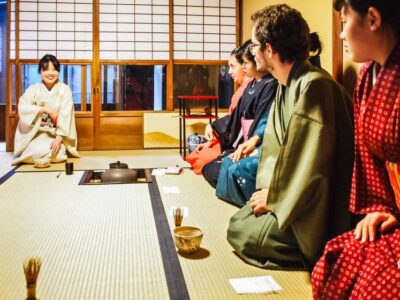 ★ 4.3Kyoto: 45-Minute Tea Ceremony Lesson ExperienceFrom $2245 min
 ★ 5.0World Heritage Kyoto & Nara Uji Authentic Matcha ExperienceFrom $129
 ★ 4.9Kyoto: Table-Style Tea Ceremony at a Kyo-MachiyaFrom $451h 30m
 ★ 5.0Kimono Tea Ceremony at Kyoto Maikoya, NISHIKIFrom $65