
Reviewed · TEA CEREMONY EXPERIENCES
Kyoto: Tea Museum Tickets and Matcha Grinding Experience
Freshly ground matcha is the star here. At Chazuna, you turn tea leaves into powder with a traditional stone mill, then learn to whisk and drink the tea you made. I like the hands-on process and the calm setting overlooking tea fields and gardens. The included museum adds useful context, though its exhibits are compact.
I also like the friendly teaching. Instructors such as Hideko, Keiko, Yano-san, and Sukimoto have helped make the class warm, funny, and easy to follow. The main catch is timing: arrive 15 minutes early, since entry can be refused 30 minutes after the start and the fee cannot be refunded after that point.
In This Review
- Key things to know before you book
- What happens during the one-hour matcha class
- Why the grinding step is the real highlight
- Chazuna’s interactive museum, from the 10-yen coin to digital Uji
- The setting in Uji adds more than a pretty backdrop
- Is $23 a fair price?
- Who will enjoy this experience most?
- Practical details that can make or break the visit
- Should you book the Chazuna matcha workshop?
- FAQ
- Where does the matcha experience take place?
- How long does the activity last?
- Is the museum admission included?
- Is the class offered in English?
- How early should I arrive?
- How do I reach Chazuna by train?
- Is the summer ice cream option available at every session?
Key things to know before you book
- You grind tencha yourself: Use a tea mill to turn prepared leaves into fine matcha powder.
- You learn the full leaf-to-cup process: The class covers tea production, whisking, and the basics of a Japanese tea ceremony.
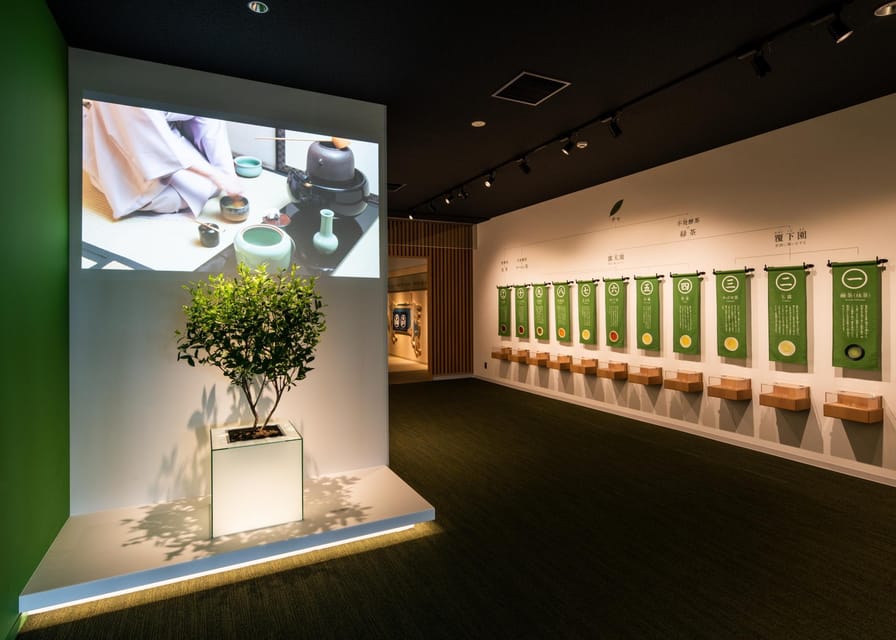
- Your museum ticket is included: Explore touchable displays, digital town scenes, videos, and the Uji tea story at Chazuna.
- English instruction is available: The teaching is offered in Japanese and English, with patient instructors and printed guidance.
- The summer 2:45 p.m. session adds a treat: Pour your freshly ground matcha over ice cream, and drink or eat it.
- Plan extra time in Uji: Chazuna is close to Keihan Uji Station and within walking distance of Byodoin Temple and the market street.
What happens during the one-hour matcha class
This is a short, focused activity rather than a full tea ceremony lasting half a day. You meet at the first-floor reception area of Chazuna, in the Historical Park of Tea and Uji Town, then join the tea session with an instructor.
The class starts with an introduction to Uji tea. You learn how tea is grown, harvested, processed, and turned into the matcha used in the workshop. The presentation also places matcha alongside other Japanese teas, which helps explain why matcha has its own color, texture, preparation, and place in Japanese culture.
That background matters. Without it, grinding leaves can feel like a pleasant craft project. With it, you understand that the powder in your bowl is not simply ordinary green tea ground up at the last minute. The activity gives you a clearer sense of the work that comes before the whisk and bowl.
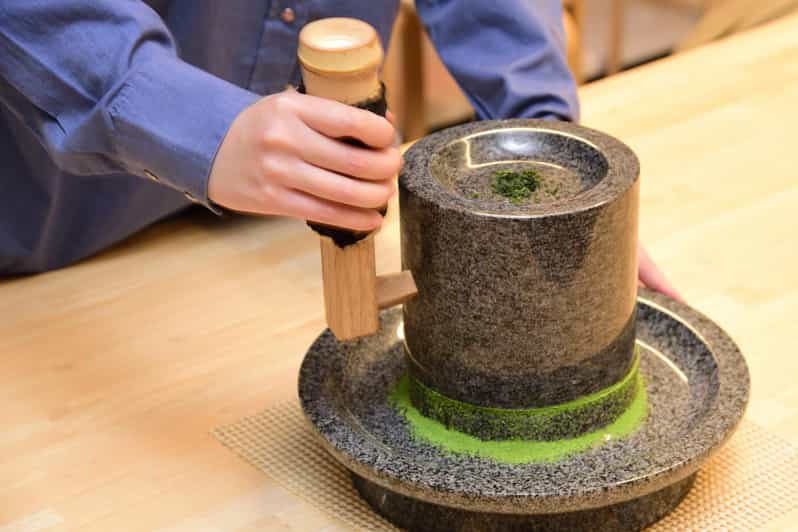
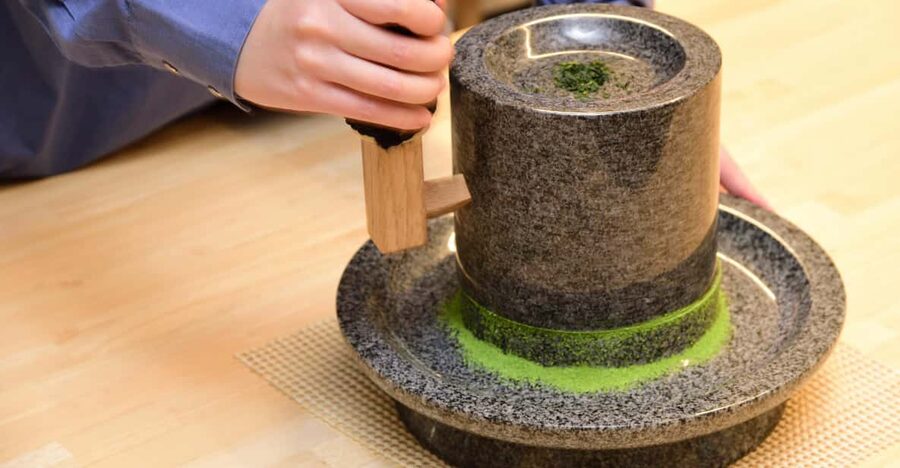
The central task is grinding the tea. You place tea leaves into a small mill and work them into powder. It is a simple motion, but not a rushed one. The slow pace makes the process feel deliberate, and you can watch the powder build while taking in the view of the tea fields and gardens.
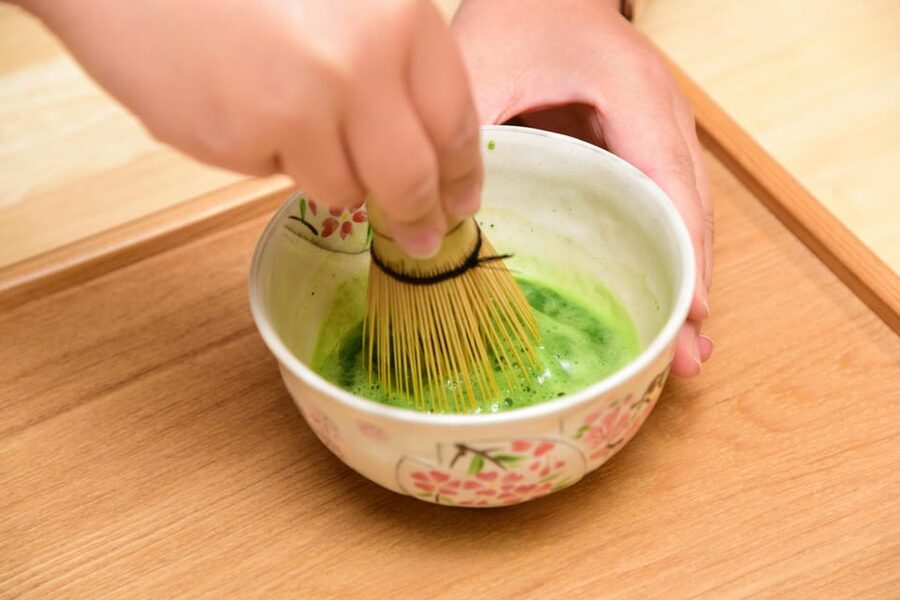
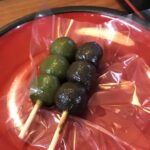
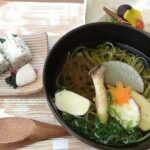
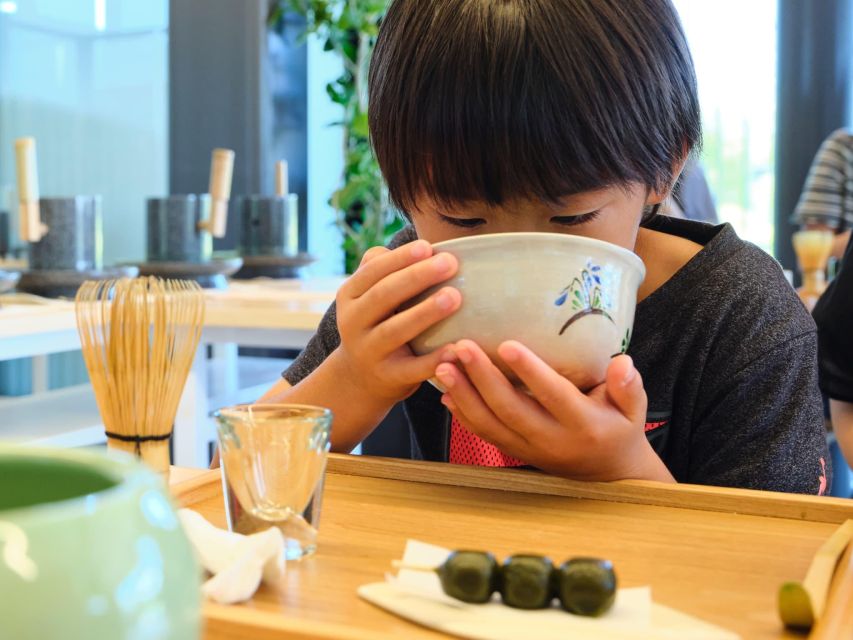
Once enough matcha is ready, the instructor shows you how to prepare it. You whisk the powder with water, following the method demonstrated by the teacher, and then drink your own tea. Sweets are served with the tea in the standard workshop, adding a pleasant counterpoint to matcha’s earthy, slightly bitter flavor.
You should not expect to produce a large jar of matcha. The amount ground is intended for the session, not as a take-home supply. If you want tea for later, the site also offers tea and matcha equipment for purchase, according to the experience details provided by participants.
The class is practical and social. Solo visitors can be seated with other people, while couples and families can work through the steps together. Children and adults can take part, although anyone hoping for a quiet private ceremony should understand that this is an organized group workshop.
A few more Uji tours and experiences worth a look
Why the grinding step is the real highlight
Many tea attractions show you finished matcha. This one lets you participate in the conversion from leaf to powder. That makes the drink at the end feel earned, and it gives you a better sense of why finely milled tea has a different character from steeped leaf tea.
The mill also slows the class down in a good way. You are not simply watching an instructor perform a polished ritual from a distance. You have a job to do, and the instructor can correct your technique or answer questions as you go.
The teaching style seems to be one of the activity’s strongest points. Hideko is described as warm and clear, while Keiko is noted for being professional and funny. Sukimoto has been praised for his humor and preparation, and Yano-san has given close attention to small groups.
English instruction is available, but the experience may not sound identical in every session. One English-speaking instructor reportedly relied on a prepared script at times, while still explaining the process carefully and offering help. That is a fair trade for a traditional activity delivered in a second language, and the class materials help keep the steps clear.
The tea instructor also shows how to whisk the drink in a traditional style. You will not become a tea master in one hour, but you will leave knowing the basic order of the preparation and with enough practical understanding to try it again at home.
Chazuna’s interactive museum, from the 10-yen coin to digital Uji
The museum ticket is included, and it gives the workshop a useful before-and-after structure. You can visit the displays before the class to learn the setting, or afterward to reinforce what you have just seen.
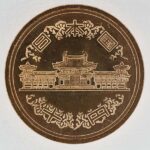
The History Room begins with a large 10-yen coin featuring Byodoin Phoenix Hall. The coin is a clever local reference, since Byodoin is one of Uji’s best-known sights. It immediately connects the tea story with the town you are visiting rather than treating matcha as an isolated product.
The museum uses digital displays to explain Uji and its tea production. One feature is a large 4K screen showing modernized drawings of the town, based on Meisho-zue, an older style of illustrated place guide. This gives you a visual way to see how Uji’s streets, landmarks, and tea culture fit together.
Touchable exhibits are especially useful for families and for anyone who finds traditional museum labels a little dry. You can see, learn, and interact with the subject instead of only reading panels. Videos and digital material explain the stages of tea production and the differences among types of Japanese tea.
The museum is not enormous. You can see it in a fairly short visit, so do not plan on spending an entire afternoon inside. That is also part of its value: the museum adds context without taking over your Uji day.
A playful photo area lets you pose as if you are swimming in matcha. It is lighthearted rather than solemn, but it gives the visit a memorable finish and works well for families, couples, and solo visitors who do not mind asking someone to take a picture.
The setting in Uji adds more than a pretty backdrop
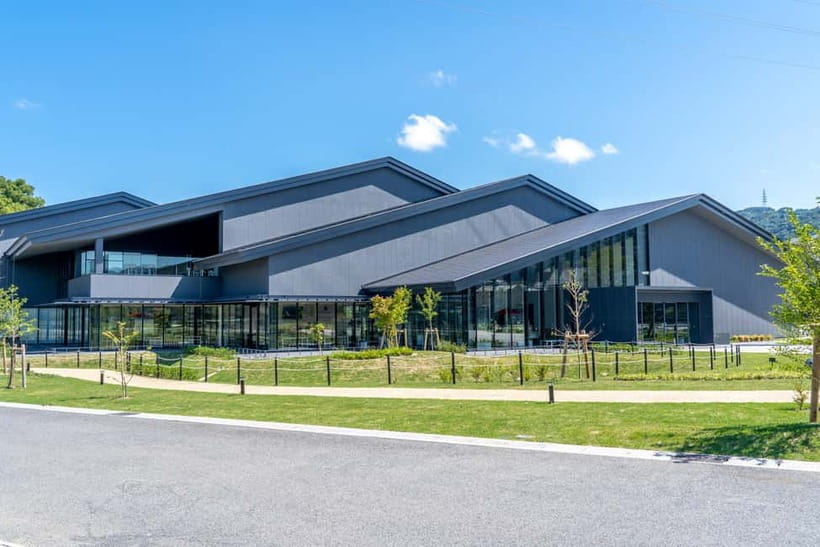
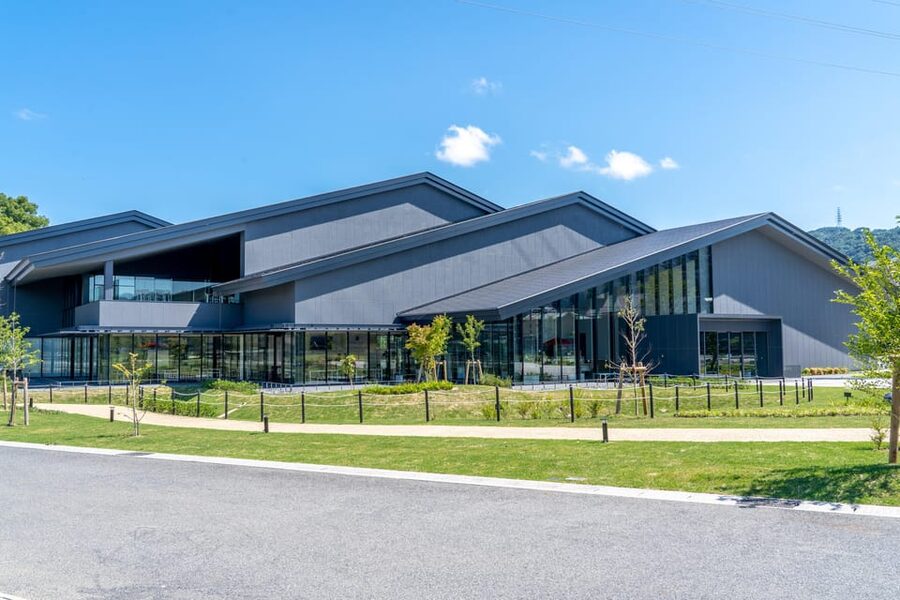
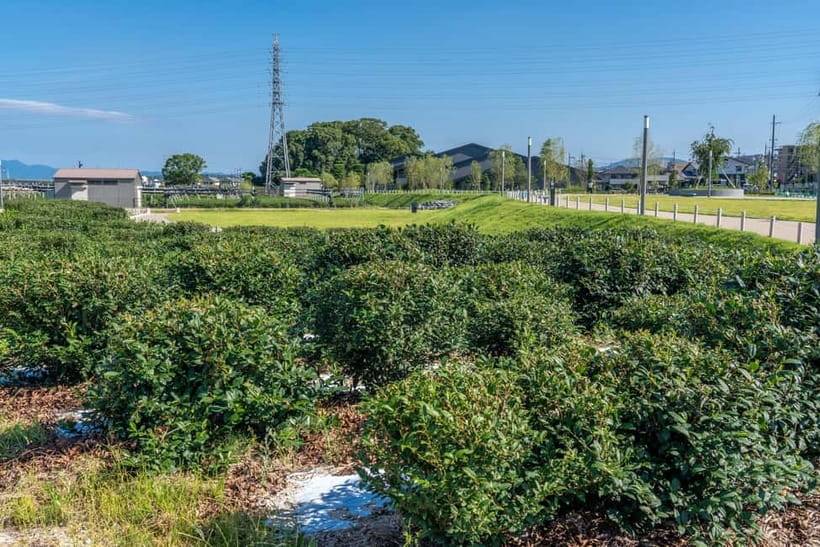
Chazuna sits in Uji, the town most closely associated with Uji tea. The building is in a historical park and includes views toward tea fields and gardens, so the surroundings support the subject of the class.
The location also works well as part of a wider day trip. Chazuna is about a four-minute walk from Uji Station on the Keihan Uji Line. From the South Exit of JR Uji Station, allow about 12 minutes on foot. That difference matters if you are carrying luggage, traveling with children, or arriving close to your start time.
The main market street and Byodoin Temple are also within walking distance, with one family allowing roughly 10 minutes to each. You can combine the workshop with temple architecture, matcha sweets, tea shopping, and a stroll through Uji without needing another train.
I would not schedule the class as the final activity before a tightly timed train. The meeting instructions are strict, and the walk from JR Station is long enough that you need to allow for finding the building and checking in. Arrive at reception 15 minutes before your reservation, not at the listed start time.
Drivers can reach the area from the Keiji Bypass. From Osaka, use the Uji Nishi IC and follow the side road toward Uji, taking about 10 minutes. From Tokyo or Nagoya, the Uji-higashi IC route takes about three minutes after turning at the exit traffic light. Public transit is simpler for most sightseeing plans, but the driving directions are useful if Uji is part of a larger road trip.
Is $23 a fair price?
At $23 per person, this is good value if you have any interest in tea, food culture, or hands-on activities. The price covers the museum admission, the matcha grinding workshop, the instructor, and the tea you prepare. You are paying for a guided activity, not just entry to a display room.
The museum alone would make the visit worthwhile for some people, but the real value comes from combining the two parts. First, you learn how tea is made. Then you perform one stage yourself. Finally, you taste the result. That sequence is more satisfying than seeing a museum and buying a cup of matcha somewhere else.
Families can also get good value from the price because the class keeps everyone involved. The grinding is easy to understand, the preparation has a clear goal, and the museum includes interactive elements. Couples and friends get a shared activity that is more distinctive than another café stop.
The value is weaker for anyone who dislikes green tea, does not want to participate, or expects a long formal ceremony. The session lasts one hour, and the tea portion is relatively concentrated. If you want an extensive tea lesson, a private ceremony, or a large amount of tea to take home, this is not that kind of booking.
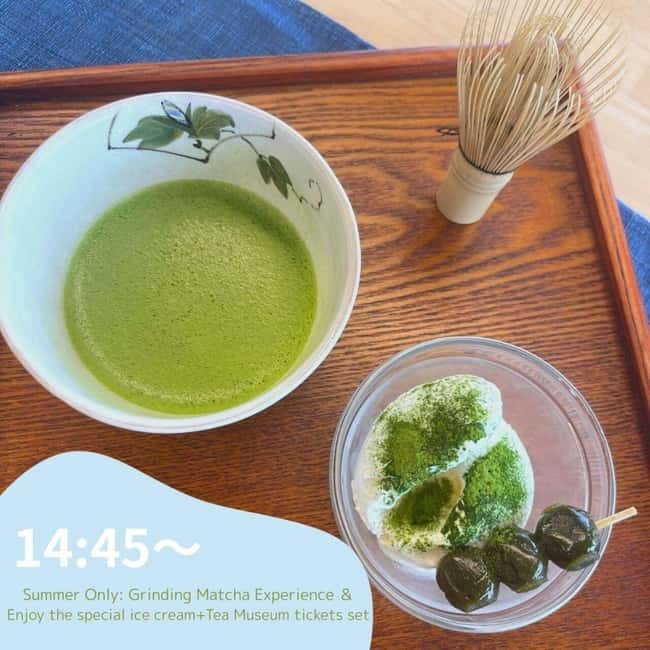
A summer-only option improves the deal for warm-weather visits. At the 2:45 p.m. session, you can pour your own freshly ground matcha over ice cream and drink it, or pour it over the ice cream and eat it. The cool dessert is a smart choice on a hot afternoon, but it is available only at that specified time.


Who will enjoy this experience most?
I would recommend it first to matcha drinkers who want to understand the drink beyond its modern café image. Grinding the leaves yourself gives you a direct link to the production process, and the instructor explains how to prepare the powder properly.
It also suits people who want a cultural activity without committing to a long ceremony. The one-hour format fits neatly into a day of sightseeing, especially if you are already visiting Byodoin Temple or browsing Uji’s tea shops.
Families should find plenty to do. The digital screens, touchable exhibits, tea mill, sweets, and photo spot give the visit several different moods. It is educational without requiring children to stand silently in front of display cases.
Solo visitors should feel comfortable booking. The seating can place people together in small groups, creating an easy way to share the activity. The workshop is more participatory than a guided walk, so you do not need a large group to make it worthwhile.
This may be less suitable for someone seeking a private, highly formal tea ceremony. You are part of a scheduled class, and the guide has to keep the group moving. English explanations are available, but the exact style can vary by instructor, and some explanations may follow prepared material.
Practical details that can make or break the visit
The most important detail is punctuality. Go to the first-floor reception counter 15 minutes before the reserved time. If you arrive more than 30 minutes after the class begins, you can be refused entry or participation, and the participation fee will not be refunded.
Check the route before leaving Kyoto. Keihan Uji Station is the closest option, while JR Uji Station requires a longer walk from the South Exit. If you are coming from the JR side, allow enough time for the 12-minute walk plus check-in.
The activity is wheelchair accessible. Instruction is offered in Japanese and English, though the individual teacher’s English delivery can vary. If a schedule change is needed, make it through the website’s change procedure rather than calling, since phone inquiries for time and date changes are not handled.
Free cancellation is available up to 24 hours before the experience for a full refund. You can also reserve now and pay later, which helps if your Kyoto plans are still shifting. Do not confuse that flexibility with permission to arrive late on the day.
Should you book the Chazuna matcha workshop?
Book it if you want to do something with tea rather than simply drink it. The grinding, whisking, tasting, and museum visit fit together well, and the $23 price is sensible for a one-hour activity with admission included.
I would especially choose it on a Uji day that includes Byodoin Temple and the market street. The class gives meaning to the tea shops and matcha desserts you see afterward, while the town gives the workshop a proper local setting.
Skip it if you dislike matcha, need a private ceremony, or have a schedule too tight for the strict arrival rule. For everyone else, this is an easy, friendly way to connect the powder in your bowl with the tea fields, tools, and traditions behind it.
FAQ
Where does the matcha experience take place?
The activity takes place at Chazuna, in the Historical Park of Tea and Uji Town. Go to the first-floor reception area when you arrive.
How long does the activity last?
The matcha grinding and museum activity lasts one hour.
Is the museum admission included?
Yes. The Chazuna Museum ticket is included with the matcha making experience.
Is the class offered in English?
Yes. The available languages are Japanese and English.
How early should I arrive?
Arrive at the reception counter 15 minutes before your reserved start time. Participation can be refused after 30 minutes from the start, and the fee cannot be refunded in that situation.
How do I reach Chazuna by train?
Chazuna is about a four-minute walk from Uji Station on the Keihan Uji Line. From the South Exit of JR Uji Station, the walk takes about 12 minutes.
Is the summer ice cream option available at every session?
No. The summer-only ice cream option is offered at 2:45 p.m. only. You can pour your freshly ground matcha over ice cream and drink it, or eat it with the ice cream.
More Tea Ceremony Experiences in Uji
More tours in Uji we've reviewed
Tea Ceremony Experiences, compared.
 ★ 4.9Kyoto: Tea Ceremony in a Traditional Tea House in KiyomizuFrom $4945 min
 ★ 4.9Kyoto: Tea Ceremony Ju-An at Jotokuji TempleFrom $291h 10m
 ★ 4.3Kyoto: 45-Minute Tea Ceremony Lesson ExperienceFrom $2245 min
 ★ 5.0World Heritage Kyoto & Nara Uji Authentic Matcha ExperienceFrom $129
 ★ 4.9Kyoto: Table-Style Tea Ceremony at a Kyo-MachiyaFrom $451h 30m
 ★ 5.0Kimono Tea Ceremony at Kyoto Maikoya, NISHIKIFrom $65