

Reviewed · TEA CEREMONY EXPERIENCES
Uji Tea Ceremony and UNESCO Heritage Walking Tour
Uji’s best sights fit neatly into this three-hour walking tour, which links the Phoenix Hall at Byodoin Temple with a traditional tea ceremony, old shrines, suspension bridges, and local matcha. I like that the route shows both Uji’s famous landmarks and its quieter corners. I also like the small group size, capped at nine people, which gives you a better chance to hear the guide and ask questions.
The tour works especially well if you want context, not just photos. Guides such as Naoki, Katsuhiko, Maru, and Nobumasa Myake have been praised for clear explanations, friendly conversation, and good pacing. The main consideration is the short tea ceremony, advertised as 30 minutes, even though Taihoan receives about 40 minutes in the schedule. If tea is your main reason for coming, the temple and walking portions will take up more of your morning.
In This Review
- Key Points at a Glance
- Why Uji Makes a Good Morning Away From Kyoto
- Byodoin Temple and the Phoenix Hall
- Taihoan and the Short Tea Ceremony
- Suspension Bridges Over the Uji River
- Uji Shrine and Ujigami Shrine
- Ending at Uji Bridge and Matcha Country
- What the Guides Add to the Walk
- Group Size, Pace, and Physical Effort
- Is $70 a Fair Price?
- Booking Details and Weather Plans
- Who Should Book This Uji Tour?
- Should You Book It?
- FAQ
- Where does the Uji tea ceremony and heritage walking tour start?
- Where does the tour end?
- How long does the experience last?
- Is admission to Byodoin Temple included?
- How long is the tea ceremony?
- What happens if bad weather cancels the tour?
Key Points at a Glance
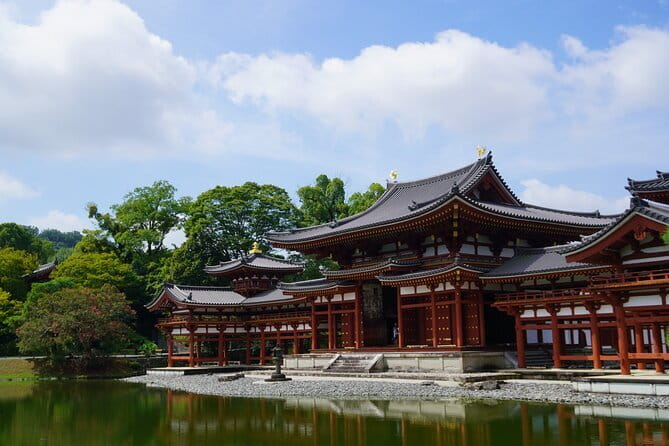
- Byodoin’s Phoenix Hall: Spend about an hour at Uji’s UNESCO-listed landmark, with admission included.
- Taihoan tea ceremony: Learn the basics of preparing and appreciating Japanese green tea in Uji, a center of tea culture.
- Small group of up to nine: The size suits questions, family groups, and a more personal walk.
- A useful mix of sights: The route covers a temple, museum area, bridges, two shrines, and Uji’s tea shops.
- Good guide support: Naoki, Katsuhiko, Maru, and Nobumasa Myake are among the guides named in the feedback.
- $70 value: The price includes the guide, tea ceremony, and Byodoin admission, but not food, drinks beyond the ceremony, or transport.
Why Uji Makes a Good Morning Away From Kyoto
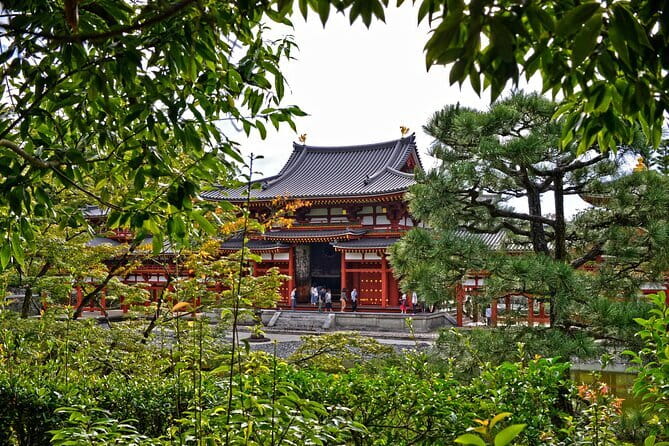
Uji is close enough to reach from the Kyoto area, yet it feels different from the city’s crowded central sights. Its identity is tied closely to green tea, temples, shrines, and the Uji River. This tour gives you a simple way to connect those pieces without spending your morning working out the order yourself.
I like the route because it is not only a temple visit. You get a major cultural sight at Byodoin, a hands-on tea experience at Taihoan, open-air views from the bridges, and a quieter finish among historic shrines. That variety keeps the walk from feeling like a string of similar stops.
The meeting point is at Uji Station at 9:45 a.m. The tour ends at Uji Bridge, so you do not return to the station with the guide. That is useful if you want to continue exploring Uji on foot, stop for matcha sweets, or make your own way onward after the tour.
A few more Uji tours and experiences worth a look
Byodoin Temple and the Phoenix Hall
The tour begins with roughly an hour at Byodoin Temple. This is the visual centerpiece of the morning, and admission is included in the $70 price. The temple is a UNESCO World Heritage Site, with more than 1,000 years of history and the famous Phoenix Hall as its star feature.
The Phoenix Hall is the building most people come to see. Its elegant form and position beside the water make it easy to understand why it is one of Uji’s best-known sights. A guide adds value here by explaining what you are looking at, rather than leaving you to admire the building without context.
You also have access to the Byodoin Museum area during this part of the visit. One particularly enthusiastic account singled out the museum and temple together, which makes sense. The museum helps turn the visit from a quick photograph into a clearer lesson in the objects, art, and traditions connected with the temple.
An hour is a sensible amount of time, but it is not unlimited. If you like to study every display or take many photographs, you may want extra time after the tour. The guided visit gives you a strong introduction, then you can decide if Byodoin deserves a longer return visit.
Taihoan and the Short Tea Ceremony
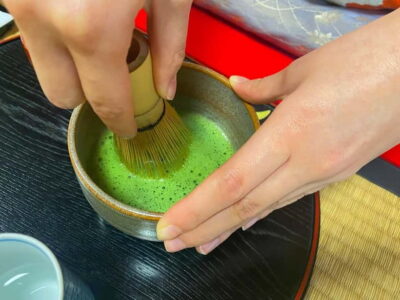
After Byodoin, the group heads to Taihoan for a traditional Japanese tea ceremony. Uji is closely linked with green tea, and this stop gives you a chance to learn the basic customs rather than simply ordering a matcha drink in a café.
The included ceremony lasts about 30 minutes. The schedule allows about 40 minutes at Taihoan, which leaves a little room for settling in and moving between activities. Expect an introduction to tea preparation and the proper way to appreciate the ritual. The point is not to become a tea master in one sitting. It is to understand the care, order, and manners behind the practice.
This is a good part of the tour for families. One account specifically noted that a child enjoyed the tea ceremony, and the family-friendly pacing was appreciated during the walk. The ceremony also breaks up the sightseeing with a quieter indoor cultural activity.
I would set your expectations carefully. This is a compact introduction, not a long formal lesson. One person felt the tea portion was very short, while still enjoying the temple, museum, and guide. If you want an extended tea class, this tour may leave you wanting more. If you want a manageable first experience, the shorter format is easier to fit into a busy Kyoto itinerary.
Suspension Bridges Over the Uji River
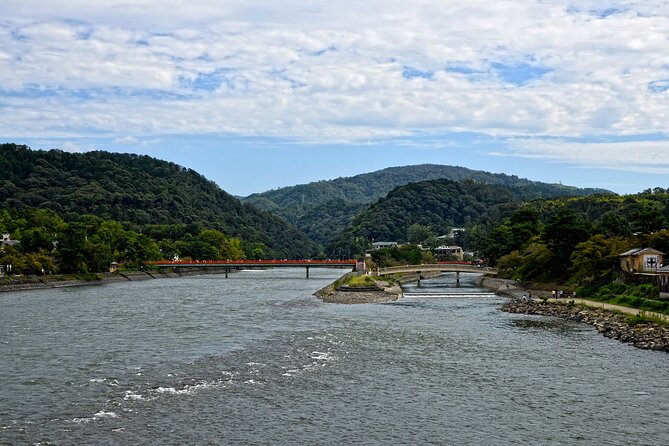
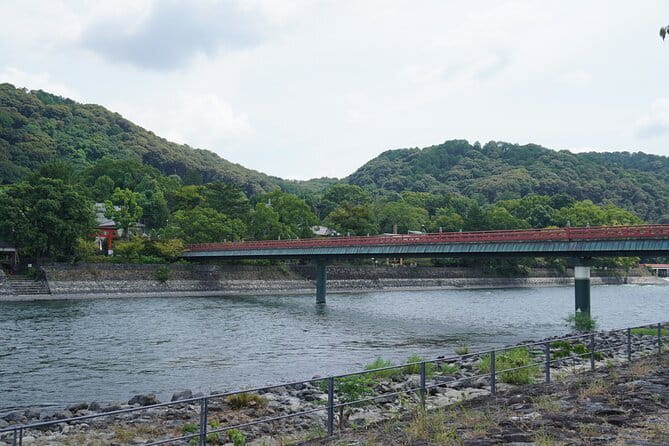
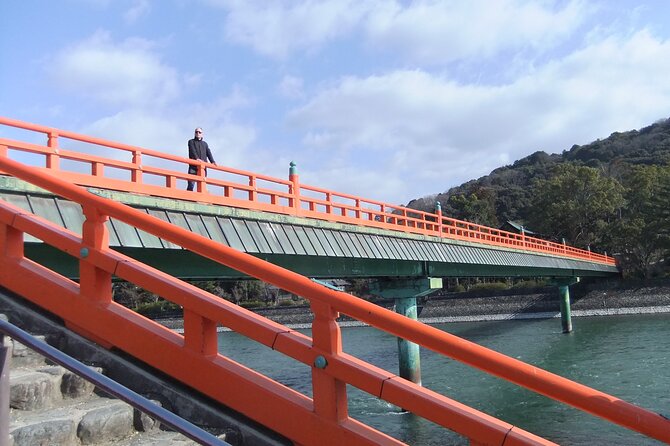
The walking route includes Asagiri Bridge and the Tachibara and Asagiri suspension bridges, with about 15 minutes set aside for this section. These bridges provide a change of pace after the indoor and temple visits.
You can expect open views along the river and a chance to photograph Uji from a different angle. The bridges are not presented as a major attraction requiring a long visit. Their value is in the walk itself: you get fresh air, changing views, and a better sense of how the river shapes the town.
Because this is a walking tour, comfortable shoes matter. The total duration is only about three hours, but you will move between several stops. The bridge section is brief, so keep your camera ready and listen for the guide’s explanation rather than expecting a long pause.
Uji Shrine and Ujigami Shrine
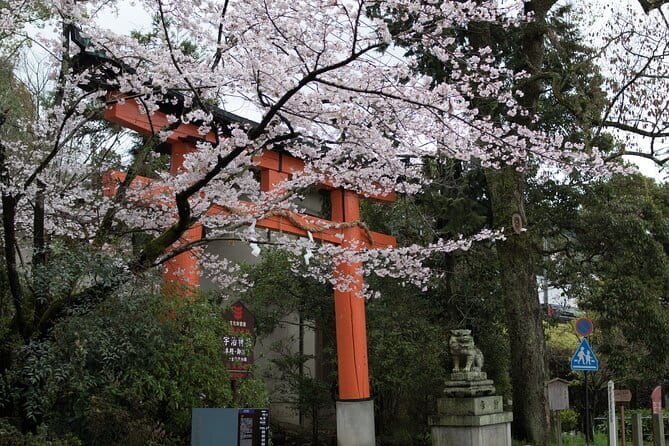
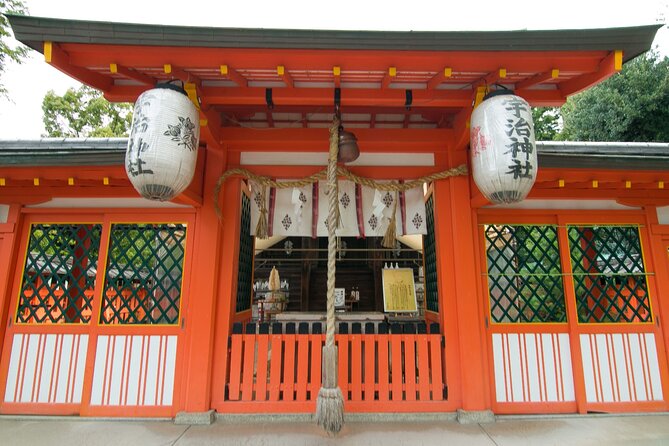
The tour then reaches Uji Shrine and Ujigami Shrine, with about 20 minutes devoted to the shrine area. These sacred sites offer a calmer setting than Byodoin and help show another side of Uji’s cultural life.
Ujigami Shrine is especially significant within the route because it is one of the historic sites tied to Uji’s UNESCO recognition. The short visit lets you see the shrine grounds and hear why these places matter. Your guide can also help you understand the difference between visiting a shrine and visiting a Buddhist temple, which is useful if this is your first trip to Japan.
Twenty minutes will give you an introduction, not a long period for quiet reflection. That is part of the tradeoff. The tour covers a lot of ground, so each stop has a defined purpose. You gain range, but you will not have unlimited time at any one site.
A few more Uji tours and experiences worth a look




Ending at Uji Bridge and Matcha Country
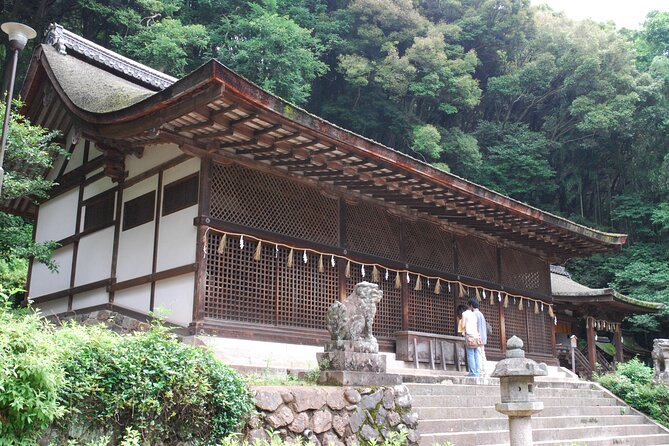
The tour finishes at Uji Bridge, with about 45 minutes for the final part of the experience. The end of the route is a good place to shift from guided sightseeing to your own plans.
Uji is known for green tea, and you can use this time to sample matcha and local treats. The tour includes the tea ceremony, but personal food and drink purchases are not included. Guides may also point you toward places to try afterward. Naoki, for example, was praised for offering useful suggestions about matcha shops and cafés.
This final section is one reason I would not schedule another tightly timed activity immediately afterward. You may want to stay near Uji Bridge, browse for tea products, or stop for a sweet. Since the official endpoint is not Uji Station, you should also allow time to find your next route or continue walking through town.
What the Guides Add to the Walk
A good guide matters a lot here because Uji’s sights can look beautiful even when you do not know their meaning. The strongest part of the tour is the explanation connecting tea, temples, shrines, and the town’s past.
Several guide names appear in the feedback. Naoki was praised for a well-paced tour and useful matcha recommendations. Katsuhiko was noted for prompt communication and for adjusting the rhythm well for a group with children. Maru was described as insightful and fun while explaining Uji’s tea and town history. Nobumasa Myake was appreciated for detailed information about Byodoin and the surrounding area.
Those comments point to the tour’s real strength: you are not simply following a flag through a set of stops. You can expect an English-speaking guide who explains the significance of the places you see and answers questions along the way. Guide style can vary, of course, but the named examples suggest a team with a strong focus on history, culture, and personal interaction.
Group Size, Pace, and Physical Effort
The group has a maximum of nine people. That is small enough to make questions practical and large enough to keep the price below that of a private tour. If you are traveling with children, the size and three-hour length should feel more manageable than a full-day cultural outing.
The walk covers several locations, bridges, shrine grounds, and temple areas. Most people who can participate in ordinary sightseeing should be able to manage it, according to the stated participation guidance. Still, you should wear comfortable shoes and be ready to spend the morning on foot.
The pace is designed to cover a lot without dragging. Some people will like that efficiency. Others may prefer more time at Byodoin or the shrines. I see this as a useful orientation tour: it helps you learn Uji, then choose where to linger after the guide leaves.
Is $70 a Fair Price?
At $70 per person, the tour is not the cheapest way to walk around Uji. You could visit public areas independently and buy your own tea. The price becomes easier to justify when you value the guide’s explanations, the included Byodoin admission, and the organized tea ceremony.
You are paying for three hours of structure and local interpretation. The tour removes the need to plan the order of the sights, find Taihoan, and work out how the temple and shrines fit together. For a first visit, that can save time and prevent Uji from becoming a series of disconnected photographs.
The value is strongest if you are staying in or near Kyoto and want a compact morning excursion. It is less compelling if you already know Uji well, have arranged a private tea lesson, or prefer to spend half a day inside Byodoin alone.
Group discounts may be available, which can improve the price for families or larger parties. Personal expenses and hotel pickup are not included, so plan to cover your own transport and any matcha, snacks, or souvenirs after the ceremony.
Booking Details and Weather Plans
You meet at Uji Station at 9:45 a.m. The location is near public transportation, making it a practical starting point for people coming from the Kyoto area. Confirmation is provided when you book, and the activity is offered with a mobile ticket.
The tour ends at Uji Bridge in Uji, Kyoto. Since the finish and start are different, check your onward plans before you set out. This is not a hotel pickup experience, and hotel drop-off is not included.
You can cancel for a full refund if you do so at least 24 hours before the 9:45 a.m. start time. Changes or cancellations inside that window are not accepted for a refund. The experience requires good weather, so if the operator cancels because conditions are poor, you will be offered another date or a full refund.
Who Should Book This Uji Tour?
I would recommend it to you if you want a clear introduction to Uji in one morning. It suits first-time visitors, families, couples, and anyone who wants the tea tradition explained alongside the town’s temples and shrines.
It is also a good choice if you are unsure how much time to give Uji. The route gives you the essential outline: Byodoin, tea, bridges, shrines, and Uji Bridge. Afterward, you can decide if you want to return to the museum, eat a matcha dessert, or explore at your own pace.
I would be more cautious if the tea ceremony is your top priority. The ceremony is included and authentic in format, but it is short. For a longer tea lesson, you should compare this with a dedicated tea experience.
Should You Book It?
Book this tour if you want history, tea, and scenery in one compact outing and prefer an English-speaking guide to explain what you are seeing. The included Byodoin ticket and small group help support the $70 price, while the finish near Uji Bridge leaves you well placed for lunch and more matcha.
Skip it if you want a slow, unstructured day or a long formal tea ceremony. For most first visits, though, this is a sensible way to get your bearings in Uji, learn why the town matters, and still have time to explore on your own.
FAQ
Where does the Uji tea ceremony and heritage walking tour start?
The tour starts at Uji Station in Uji, Kyoto, at 9:45 a.m.
Where does the tour end?
The tour ends at Uji Bridge in Uji, Kyoto. Hotel pickup and drop-off are not included.
How long does the experience last?
The walking tour lasts approximately three hours.
Is admission to Byodoin Temple included?
Yes. The tour includes the entrance fee to Byodoin Temple.
How long is the tea ceremony?
The included tea ceremony is listed as 30 minutes. The scheduled stop at Taihoan is approximately 40 minutes.
What happens if bad weather cancels the tour?
If the experience is canceled because of poor weather, you will be offered a different date or a full refund. You can also receive a full refund for a voluntary cancellation made at least 24 hours before the start time.
More Walking Tours in Uji
More Uji & Matcha Trips in Uji
More Tea Ceremony Experiences in Uji


More tours in Uji we've reviewed

Tea Ceremony Experiences, compared.
 ★ 4.9Kyoto: Tea Ceremony in a Traditional Tea House in KiyomizuFrom $4945 min
 ★ 4.9Kyoto: Tea Ceremony Ju-An at Jotokuji TempleFrom $291h 10m
 ★ 4.3Kyoto: 45-Minute Tea Ceremony Lesson ExperienceFrom $2245 min
 ★ 5.0World Heritage Kyoto & Nara Uji Authentic Matcha ExperienceFrom $129
 ★ 4.9Kyoto: Table-Style Tea Ceremony at a Kyo-MachiyaFrom $451h 30m
 ★ 5.0Kimono Tea Ceremony at Kyoto Maikoya, NISHIKIFrom $65