
Reviewed · NARA DAY TRIPS
Kyoto & Nara & Uji: Full Day Sightseeing Tour from Osaka or Kyoto
Nara’s bowing deer, Uji’s matcha shops, and Kyoto’s endless red torii gates make this a big day with a very clear purpose: see three famous areas without piecing together several train rides. You’ll cover a lot of ground in about nine hours, with an air-conditioned vehicle doing the hard work.
I like the Osaka or Kyoto departure choice, which can save you a hotel change or a complicated morning connection. I also like the mix of experiences: friendly deer, a monumental temple, a riverside walk, Japan’s tea culture, and Fushimi Inari’s striking shrine path.
The tradeoff is time. This is a fast sightseeing circuit, not a slow temple day. Several stops give you just enough time for the main sight, photos, and a short walk, while the group can reach as many as 45 people. Guide quality and English clarity may also vary.
In This Review
- Key points to know before you book
- A packed day from Osaka or Kyoto
- Nara Park and the deer
- Todai-ji and the giant temple setting
- Uji Park and the Uji River
- Byodo-in and the Phoenix Hall on the 10 yen coin
- Byodoin Omotesando and the matcha break
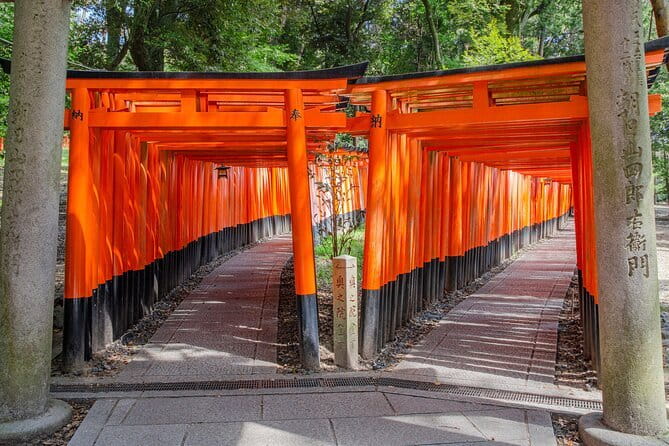
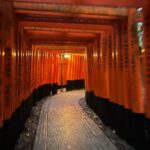
- Fushimi Inari’s Senbon Torii
- What the guides add, and where the day can falter
- The real value at $67
- Who should book this day trip?
- Should you book it?
- FAQ
- How long does the tour last?
- Can I depart from Osaka or Kyoto?
- What destinations are included?
- Are temple admission fees included?
- Is lunch included?
- Is transportation provided?
- How large can the group be?
- Can I cancel for a full refund?
Key points to know before you book
- Three destinations in one day: Visit Nara, Uji, and Kyoto without arranging separate transport.
- The deer are close and lively: Nara Park’s deer roam freely and may bow while asking for food.
- Uji is the matcha stop: Byodoin Omotesando offers tea shops, sweets, and tea products beside important cultural sights.
- Fushimi Inari gets the longest visit: You have about 1 hour and 20 minutes for the shrine and its red torii gates.
- Temple admission costs extra: Budget ¥800 for Todai-ji and ¥700 for Byodo-in.
- This is partly self-guided: Your guide handles transport and instructions, but you usually explore each site independently before returning to the vehicle.
A packed day from Osaka or Kyoto
At $67 per person, this tour is priced as a transport-and-orientation day rather than a private cultural lesson. The value comes from getting between Nara, Uji, and southern Kyoto in one vehicle, especially if you are staying in Osaka and do not want to manage several rail journeys.
The day lasts about nine hours. That sounds generous until you count road time, loading the group, lunch, and the distance between each area. I would think of it as a well-organized introduction to three places, not a detailed visit to any one of them.
The air-conditioned vehicle matters in Japan’s hot and humid months, and it gives you a place to sit between stops. Plan as if there is no bathroom on board. You receive free time for lunch, but lunch is not included, so bring patience for a busy day and enough money for food, drinks, and snacks.
The tour accepts mobile tickets and allows most people to participate. If you have a stroller or large luggage, note it when booking. Also tell the provider at least one day ahead if you booked separately from relatives or friends, since separate bookings can place you in different vehicles.
A few more Osaka tours and experiences worth a look

Nara Park and the deer
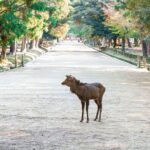
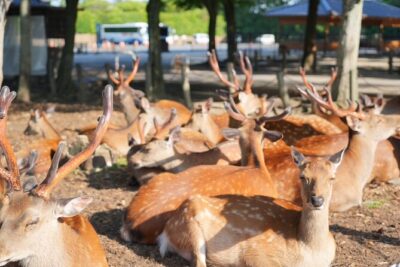
Nara Park is the first major encounter with Japan’s famous free-roaming deer. The park covers about 660 hectares, so this is not a small fenced enclosure. Deer wander around paths and temple grounds, giving the stop an unusually direct connection with nature.
You have about 50 minutes here, with no admission charge for the park itself. That is enough time to see the deer, take photos, and begin walking toward the temple area, but it is not enough for a broad tour of the whole park.
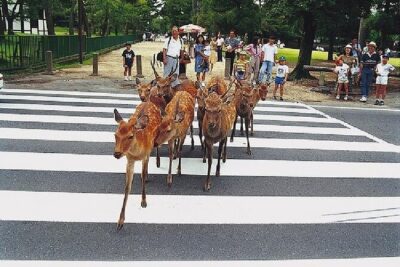
The deer are tame, but do not confuse tame with predictable. They may bow in hopes of receiving a cracker, and they can become persistent once they see food. Follow your guide’s safety advice, keep food under control, and finish feeding before you continue walking. Families often enjoy this stop most, though younger children should stay close.
This is also one of the tour’s most memorable moments because it feels less formal than a shrine or temple visit. You are not simply looking at an old building. You are sharing a public park with animals that have become part of Nara’s identity.
Todai-ji and the giant temple setting
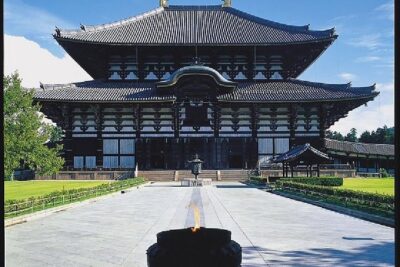
Todai-ji is one of Japan’s major Buddhist temples and part of the UNESCO World Heritage listing for the Historic Monuments of Ancient Nara. Admission is not included, so set aside ¥800 per person.
The scheduled temple visit lasts about 30 minutes. That should allow you to enter, see the main hall and its famous statue, and take in the scale of the complex. It does not leave much room for side buildings, quiet corners, or a long look at the grounds.
You should pay close attention to the meeting point and return time. One poor experience came from confusion at the Nara entrance, resulting in a missed visit to Todai-ji. On a large group day, do not assume you can simply follow the crowd. Confirm where the guide wants you to meet before walking away.
Todai-ji is the stop most likely to make you wish for more time. The building’s size needs a moment to register, and the surrounding grounds deserve a slower pace. Still, if you have only one day available, the visit gives you a worthwhile look at one of Nara’s essential sights.
Uji Park and the Uji River
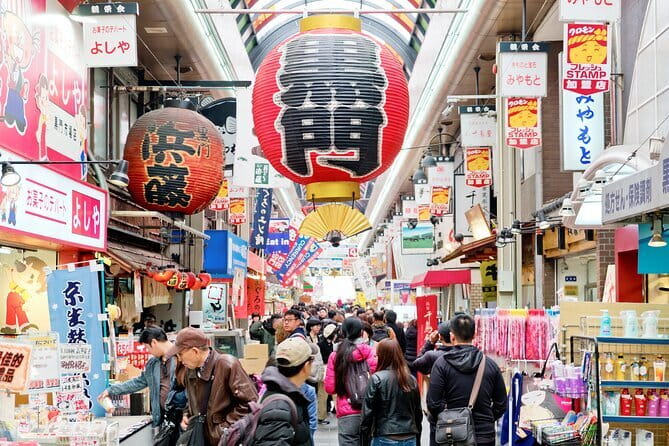
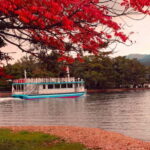
After Nara, the tour moves to Uji, a smaller city associated with green tea and the Uji River. Uji Park sits on an island area in the river and connects to the banks by three bridges. The setting offers a pleasant change after the crowds and scale of Nara.
You have about 30 minutes in the park, followed by about 20 minutes near the Uji River. The timing is short, but the river walk helps you understand why Uji feels different from central Kyoto. This is a place for water, bridges, tea shops, and a more relaxed town rhythm.
The Uji River also has an important geographic role. It is the only river flowing from Lake Biwa, Japan’s largest lake, and has long linked the Shiga and Osaka areas. You do not need to memorize that fact to enjoy the walk, but it gives the scenery a useful sense of place.
I would keep this part simple. Take your photos, enjoy the view, and avoid wandering too far from the group route. The schedule depends on everyone returning on time.
Byodo-in and the Phoenix Hall on the 10 yen coin
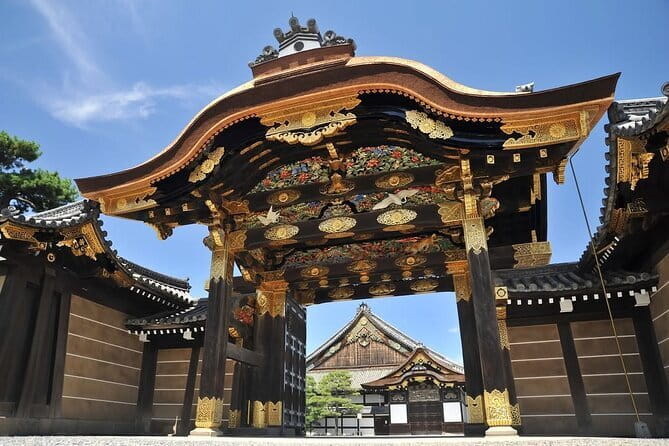
Byodo-in is Uji’s main cultural prize. The temple is a UNESCO World Heritage Site, and its Phoenix Hall was built in 1053. Its image appears on the obverse of Japan’s 10 yen coin, a small detail that makes the visit more rewarding when you recognize the building afterward.
Admission costs ¥700 per person and is not included in the tour price. The scheduled visit lasts about 30 minutes, so you should expect a focused stop rather than a full examination of the temple grounds.
The Phoenix Hall is especially photogenic from across the pond, where its wing-like corridors and central hall create the familiar composition seen on the coin. That view is likely to be the main reason you came, and the short visit gives you time to see it without turning the day into a single-site tour.
The limitation is obvious: half an hour goes quickly. If you enjoy architecture, photography, or Buddhist art, you may want to return to Uji independently on another day. On this tour, enjoy the main view first, then use any remaining minutes for the surrounding grounds.
A few more Osaka tours and experiences worth a look

Byodoin Omotesando and the matcha break
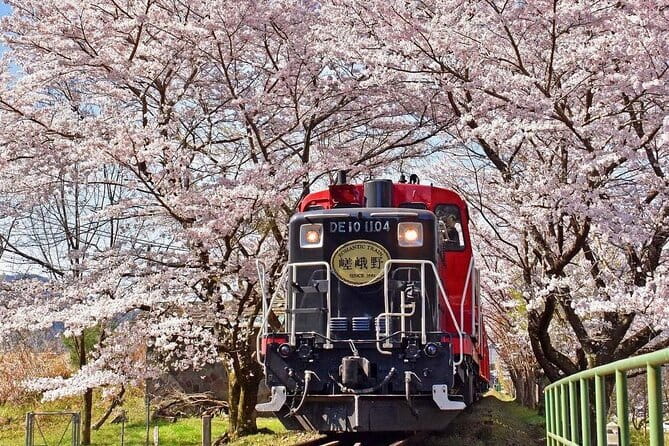
Byodoin Omotesando is Uji’s tea street, lined with shops selling green tea, matcha sweets, and tea-related goods. You have about 40 minutes here, which makes it one of the more flexible stops.
This is where the tour adds a food and shopping element to the temples and scenery. You can browse tea products, try a matcha-flavored treat, or simply walk the cobblestone street. If you are serious about Japanese green tea, Uji gives you a useful first taste of the region’s identity.
The stop can also feel long if matcha is not your interest. A few people would prefer that some of this time be shifted to a temple, especially Byodo-in or another Kyoto sight. I would book this tour only if the tea element appeals to you, since Uji is not just a brief photo stop. It is a central part of the day.
Lunch is independent, and the schedule provides time for it. The supplied details do not specify a restaurant or a fixed lunch location, so you should expect to choose and pay for your own meal within the available break.
Fushimi Inari’s Senbon Torii
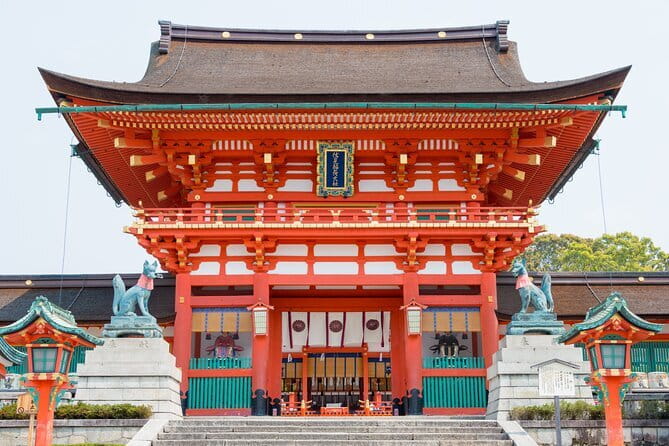
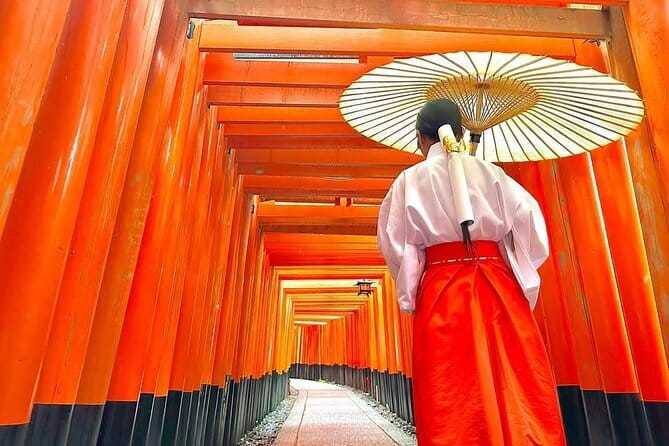
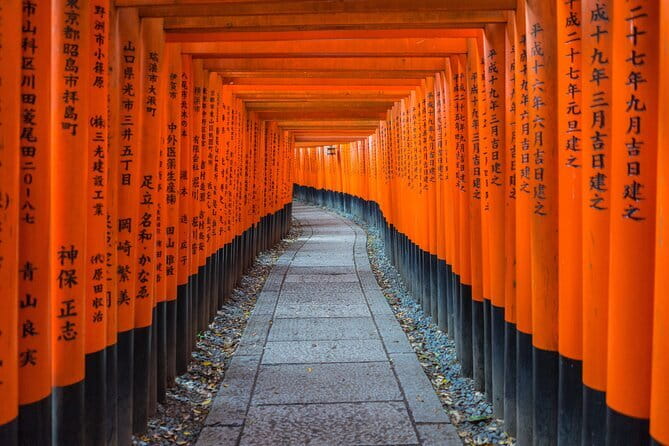
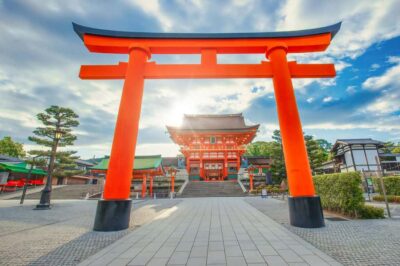
The final major sight is Fushimi Inari Taisha, head shrine of the many Inari shrines found across Japan. It is famous for Senbon Torii, the long sequence of vermilion gates that climbs through the wooded shrine grounds.
The tour allows about 1 hour and 20 minutes here, the longest individual stop. That gives you a fair chance to walk through the lower section of the torii path, take photos, and experience the shrine’s atmosphere without attempting the entire mountain route.
Do not treat the time as permission to wander without a watch. Fushimi Inari is large, and the path can draw you farther from the meeting point than expected. If your group has a fixed return location, ask the guide to point it out clearly before you start walking.
The red gates are the visual high point of the day. They also offer a more active experience than the formal temple visits. You are walking uphill and through a long sequence of gates rather than standing in one courtyard. Comfortable shoes will help, even though the tour details do not set a special fitness requirement.
What the guides add, and where the day can falter
The strongest guide experiences make this schedule work. Amy has been praised for clear English, cultural explanations, practical care, snacks, and keeping the group connected through WhatsApp. Amanda has been especially good at sending instructions in advance, explaining meeting points, and answering questions. Eve, Candy, John, Laura, Cicy, Joy, and others have also been singled out for organization, patience, or useful information.
You should also understand the weak point. This is a multilingual operation, and some guides speak English and Mandarin during the same briefing. When English is fast or limited, instructions can become hard to follow, and information at the sights may be brief.
In practice, the tour is often semi-guided. The guide explains the stop, leads you to the general area, and sets a return time. You then explore on your own. That arrangement suits me when I want transport and a loose framework, but it may disappoint you if you expect a detailed walking tour at every temple.
Group size can reach 45 people. That keeps the price low, but it can make head counts, meeting points, and language explanations more important. Keep your phone charged, save the guide’s contact instructions, and arrive early at every regrouping point.
The real value at $67
The price is attractive for a nine-hour day that includes air-conditioned transport and a guide. You are paying to connect three separate areas efficiently, not for admission, lunch, or a private vehicle.
Add ¥1,500 for the two listed temple admissions. You also need to pay for lunch and any tea or snacks in Uji. Even with those extras, the total can compare well with arranging transport between Osaka, Nara, Uji, and Fushimi Inari on your own, especially if you value not having to study every connection.
The main cost is time. You will see the headline sights, but you will not linger. Independent rail travel may suit you better if you want to set your own pace, spend an hour inside Byodo-in, explore more of Nara Park, or shop slowly in Uji.
Free cancellation is available when you cancel at least 24 hours before the start time. Changes or cancellations inside that window are not accepted for a refund.
Who should book this day trip?
I would recommend it for a first visit, a short stay, or a family that wants a broad sample of the Kansai area. It is also useful if you are based in Osaka and want direct access to Nara, Uji, and Kyoto without changing trains several times.
It suits you if you enjoy famous sights, short walks, flexible self-guided time, and a full schedule. The deer, matcha street, and torii gates give the day variety, so it rarely feels like a repeated temple procession.
I would hesitate if you want quiet exploration, detailed historical commentary, or complete control over your schedule. Large groups, fast multilingual briefings, and tight return times require attention. You need to be comfortable moving on when the clock says it is time.
Should you book it?
Book this tour if your goal is to see the major Nara, Uji, and southern Kyoto highlights in one organized day. The strongest reasons are the Osaka or Kyoto starting options, the practical transport, the memorable mix of deer, temples, tea, river scenery, and torii gates, and the chance to cover ground that can be awkward to arrange on your own.
Skip it if you have several days in Kyoto and prefer slow mornings, long temple visits, and unplanned wandering. For everyone else, $67 is a sensible price for a fast introduction, provided you accept the short stops, extra admission fees, independent lunch, and the possibility of a very large group.
FAQ
How long does the tour last?
The tour lasts approximately 9 hours.
Can I depart from Osaka or Kyoto?
Yes. The experience offers departure from Osaka or Kyoto.
What destinations are included?
The route includes Nara Park, Todai-ji Temple, Uji Park, Byodo-in Temple, Byodoin Omotesando, the Uji River, and Fushimi Inari’s Senbon Torii.
Are temple admission fees included?
No. Todai-ji admission is listed at ¥800 per person, and Byodo-in admission is listed at ¥700 per person.
Is lunch included?
No. Lunch is not included, but time is provided for independent dining.
Is transportation provided?
Yes. The tour includes air-conditioned transportation and a guide.
How large can the group be?
The tour can have a maximum of 45 travelers.
Can I cancel for a full refund?
Yes, if you cancel at least 24 hours before the experience start time. Cancellations or changes made less than 24 hours before the start time are not accepted for a refund.
More Uji & Matcha Trips in Osaka
More Osaka & Hiroshima Departures in Osaka
More Nara Day Trips in Osaka
More tours in Osaka we've reviewed





Nara Day Trips, compared.
 ★ 5.0World Heritage Kyoto & Nara Uji Authentic Matcha ExperienceFrom $129
 ★ 4.7Kyoto/Osaka: Nara, Fushimi Inari Taisha, Arashiyama Bus TourFrom $529 - 10 hours
 ★ 4.4Osaka/Kyoto: Arashiyama, Nara & Fushimi Inari Shrine w/LunchFrom $61
 ★ 5.0Nara Early Morning Tour (Kyoto or Osaka Departure Available)From $61
 ★ 4.5Kyoto and Nara Day Trip from KyotoFrom $194
 ★ 4.5Nara Afternoon Tour from Kyoto or OsakaFrom $102