
Reviewed · TEA CEREMONY EXPERIENCES
Matcha Grinding Experience and Walking Tour in Uji Kyoto
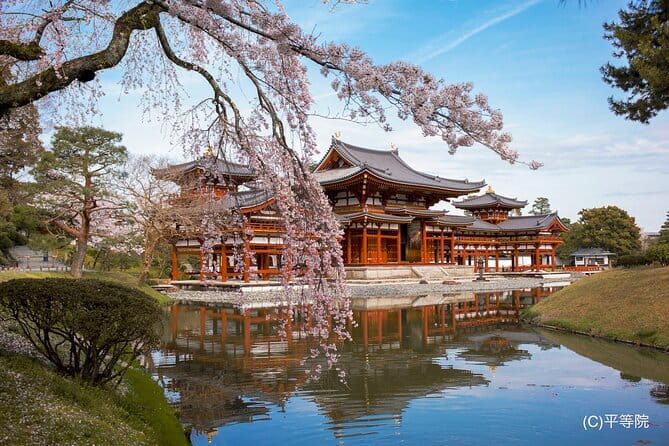
Uji is where Japan’s tea story becomes hands-on. On this four-hour walking tour, you visit Byodo-in, the temple pictured on Japan’s 10-yen coin, then turn tea leaves into fine matcha powder with a traditional stone mill.
I like two things right away: the small group limit of six keeps the walk personal, and the matcha workshop gives you something real to do rather than simply looking at tea shops. Guide Vincent has earned praise for explaining Uji’s temples, shrines, and local past in a friendly way.
The main drawback is the fixed morning start at 9:30 a.m. You also need to reach Kyoto Station on your own, keep WhatsApp available for guide contact, and wear a mask during the workshop.
In This Review
- Key points at a glance
- Why Uji is the right place for a matcha lesson
- Starting at Kyoto Station at 9:30 a.m.
- Byodo-in and the temple on the 10-yen coin
- Uji Shrine adds a quieter religious stop
- Fukujuen Ujicha Kobo and the stone-mill workshop
- What the guide adds to the route
- Is $130.46 a fair price?
- Who will enjoy this Uji morning most
- Timing, group size, and a few practical tips
- What the four hours give you
- Should you book this matcha and Uji tour?
- FAQ
- Where does the tour start?
- What time does the tour begin?
- How long does the experience last?
- Where does the tour end?
- Is hotel pickup included?
- What sights are included?
- Is admission to Byodo-in included?
- What does the matcha workshop include?
- How large is the group?
- Do I need WhatsApp for the tour?
- Is a mask required?
- What is the cancellation policy?
Key points at a glance
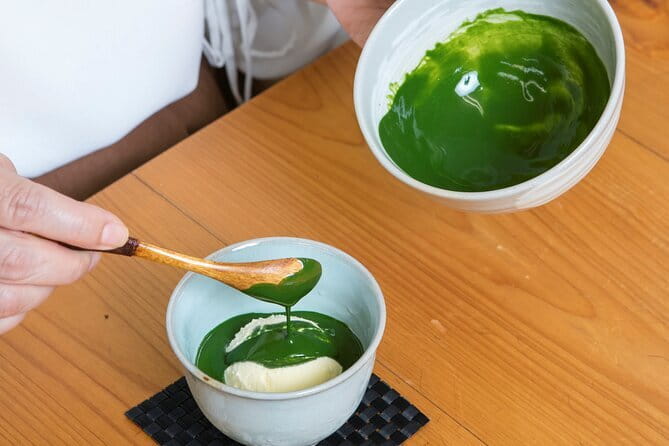
- Stone-ground matcha: Grind tea leaves by hand, prepare your own matcha, and drink it with Japanese sweets or matcha ice cream.
- Byodo-in included: Enter the famous temple whose image appears on the 10-yen coin.
- A compact Uji introduction: Visit Byodo-in, Uji Shrine, and Fukujuen Ujicha Kobo in about four hours.
- Small group size: The tour accepts no more than six people, and it may operate as a private experience when bookings are light.
- Friendly guiding: Vincent has been especially praised for explaining local history and adjusting the pace when possible.
- Simple meeting plan: Meet at Shinshindo near Kyoto Station’s central bus ticket center, then return to the same point.
Why Uji is the right place for a matcha lesson
Uji is known in Japan for high-quality green tea, and this tour uses the town itself as the classroom. You are not only handed a finished cup. You learn the basic connection between Uji’s tea reputation and the powder in your bowl.
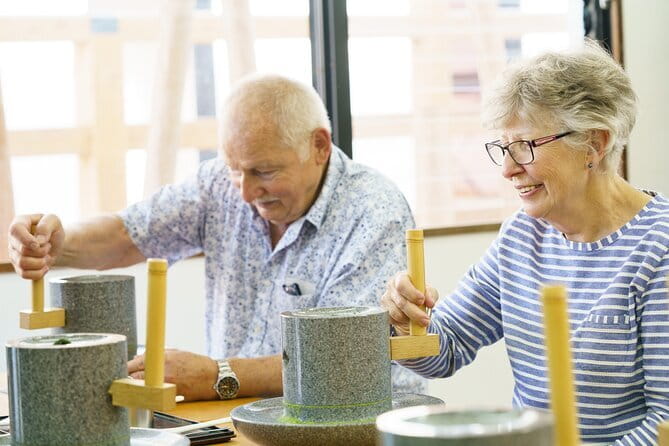
The workshop is the heart of the experience. You use a traditional stone mill to grind tea leaves into matcha. That physical step matters: it slows the process down and helps you see matcha as a carefully prepared tea rather than simply a sweet green drink.
You then enjoy the tea you made, paired with Japanese snacks or matcha ice cream. The choice gives the experience a relaxed finish. If you like matcha in desserts but find straight tea too strong, ice cream may be the easier option. If you want the clearest sense of the tea itself, choose the freshly prepared drink with the Japanese sweets.
This is a good fit if you enjoy food experiences with cultural context. It is less suitable if you want a long, quiet temple visit or a full-day tour of every major sight in Uji. The schedule gives you a useful introduction, not an exhaustive tour of the town.
A few more Kyoto tours and experiences worth a look
Starting at Kyoto Station at 9:30 a.m.
The meeting point is Shinshindo at the central bus ticket center inside the Kyoto Station area. The listed address is on the north side of Kyoto Station, near the central entrance and bus ticket facilities.
Give yourself enough time to find the meeting point. Kyoto Station is large, and a calm arrival is better than rushing through the concourse with a phone in hand. The tour does not include hotel pickup, so you are responsible for reaching the station before the 9:30 a.m. start.
Keep WhatsApp available before the tour. The guide uses it for easy communication, so checking that you can receive messages before leaving your accommodation is a sensible step.
The tour ends back at the same meeting point. That is useful if you have another Kyoto plan later in the day, although the stated duration is approximate. I would avoid scheduling a tight appointment immediately afterward.
Byodo-in and the temple on the 10-yen coin
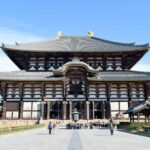
The first listed stop is Byodo-in, Uji’s best-known landmark and a UNESCO World Heritage Site. Its most familiar image is the Phoenix Hall, shown on the Japanese 10-yen coin.
Seeing the building in person gives the coin a new sense of scale and detail. This is not just a quick photo stop. The temple provides the historical setting for the rest of the walk, showing why Uji has long mattered as a cultural and tea center.
Admission is included, which is important when judging the price. You do not need to handle a separate entrance payment during the visit.
The tour format also helps you make sense of what you are seeing. A temple can be beautiful but hard to read without context. Vincent has been praised for explaining the places along the route, so you can expect the visit to include background rather than a silent walk past the main hall.
Still, keep your expectations practical. The experience lasts about four hours and includes several stops, the workshop, and walking time. You are unlikely to have unlimited time for every corner of the temple grounds.
Uji Shrine adds a quieter religious stop

Uji Shrine is the second listed stop. Following Byodo-in with a shrine gives you a broader look at Japanese religious sites instead of focusing on one famous temple alone.
The contrast is useful. Byodo-in is the major ticketed sight on the route, while Uji Shrine adds another side of Uji’s cultural identity. Your guide can help connect the two stops and explain what you are seeing as you move through the town.
The exact amount of time at Uji Shrine is not specified, so the pace may depend on the group and the guide. That is one reason the six-person limit matters. A smaller group can make it easier to ask questions or spend a little longer at a point that interests you.
If you prefer tours with a strict timetable and detailed minute-by-minute planning, this format may feel less exact. If you like having room for explanation and a natural pace, it is a better match.
Fukujuen Ujicha Kobo and the stone-mill workshop
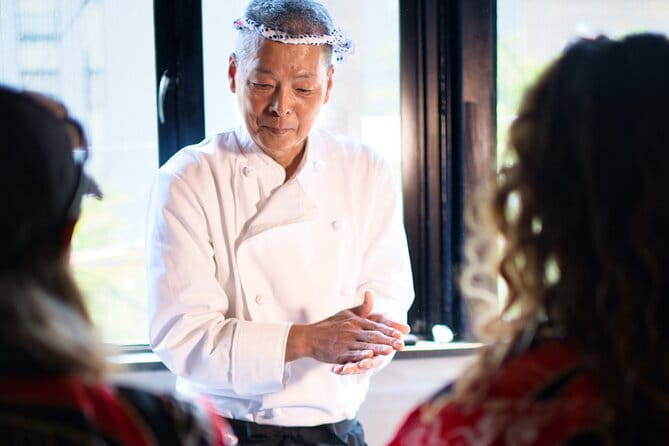
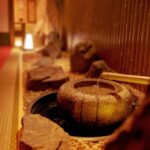
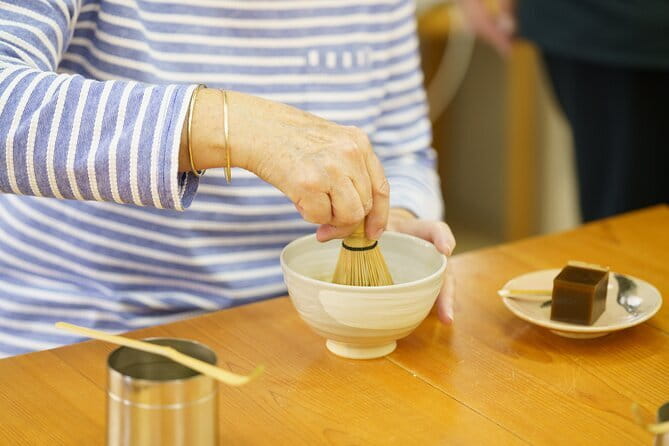
Fukujuen Ujicha Kobo is the listed tea-focused stop, and this is where the experience moves from sightseeing to participation. You grind tea leaves using a traditional stone mill, create matcha powder, and drink the tea you have prepared.
The task sounds simple, but the appeal is in the process. You see how much care goes into producing a fine powder, and you gain a more direct feel for Uji’s tea culture. This is also the part most likely to stay in your memory after the temple details have blurred together.
A mask is required during the matcha-making workshop. Pack one before you leave, since this is a stated condition of the activity.
The class includes your matcha and a choice of Japanese snacks or matcha ice cream. That makes the workshop feel like a complete tasting rather than a demonstration that ends abruptly. The tea itself may be stronger and less sugary than matcha drinks served in cafés, so the snack or ice cream helps balance the experience.
The workshop is also a practical reason to choose this tour over a standard Uji sightseeing walk. You leave with a story about what you did, not only what you saw.
A few more Kyoto tours and experiences worth a look
What the guide adds to the route
The tour is conducted in English, and Vincent is the guide specifically named in the available feedback. He has been praised for being friendly, explaining local history, and showing several temples and shrines. One booking became a private tour, allowing the group to go with the flow more easily.
That detail is worth noting, but it is not a promise that every departure will be private. The maximum group size is six, which still makes for a more personal setting than a large coach tour.
A good guide matters in Uji because the route combines several kinds of information: temple architecture, shrine customs, the identity of the 10-yen coin, and tea production. You can ask questions as they arise instead of trying to connect the pieces later from a guidebook.
The tour’s strongest feature is likely this combination of human explanation and hands-on activity. You get a local walk, but the guide does not leave the tea process to speak for itself.
Is $130.46 a fair price?
At $130.46 per person, this is not the cheapest way to visit Uji. You can reach the town independently and visit public sights at a lower cost. The price needs to be judged against what is bundled together.
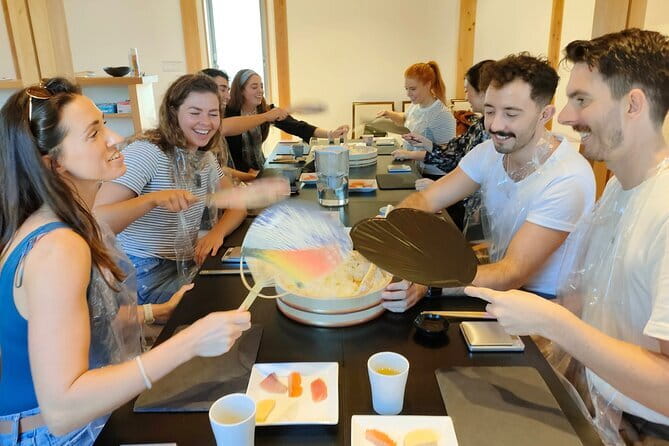
The fee includes admission to Byodo-in, the matcha-making class, and Japanese snacks or ice cream. It also pays for an English-guided walk with a group capped at six people. For someone who values a small group and wants the tea activity arranged in advance, that package has solid value.
The price is less attractive if you mainly want a quick temple visit or already know Uji well. You are paying for interpretation, planning, the workshop, and the convenience of fitting several stops into one morning.
I would compare it with the cost of arranging a tea activity separately. If a hands-on matcha lesson is high on your Kyoto list, this tour saves you from having to coordinate it with a temple visit and local walking route.
The lack of hotel pickup is not a major issue if you are staying near a train or subway connection to Kyoto Station. It does mean the advertised price is not an all-in door-to-door rate.
Who will enjoy this Uji morning most

I would recommend this experience to:
- First-time visitors who want a clear introduction to Uji
- Matcha fans who want to prepare tea rather than only drink it
- Couples, families, and small groups who prefer a personal guide
- People who enjoy temples but want a food or craft activity too
- Anyone who wants an English-language walk with a manageable group size
It may not suit you if you dislike walking, do not care for green tea, or want a full day with a slower temple schedule. The activity brings together sightseeing and a workshop, so each part receives only a portion of the morning.
Families should also consider the ages and interests of the children in the group. The stone mill gives younger participants something practical to do, but the temple and history portions may appeal more to older children and adults. The supplied details do not state a minimum age.
Timing, group size, and a few practical tips
The tour lasts about four hours and begins at 9:30 a.m. Since the start time is fixed, plan your Kyoto morning around it rather than treating it as a flexible drop-in activity.
Wear comfortable shoes. The route includes several walking stops, though the exact distance and walking conditions are not specified. You should also dress for the weather, since this is an outdoor town walk combined with indoor or covered portions of the tea activity.
Bring a phone that can use WhatsApp. The guide relies on that platform for contact before the tour, and having it ready reduces the chance of missing an important message.
The activity is near public transportation, but hotel pickup is not included. Meet at the stated Kyoto Station location and return there after the tour.
The group maximum is six. If fewer people book, the experience may feel close to a private outing. That can make it easier to ask questions and adjust the pace, though you should not assume a private tour is guaranteed.
Free cancellation is available up to 24 hours before the local start time for a full refund. Changes or cancellations made inside that window are not accepted for a refund. The tour also requires a minimum number of participants, and if that minimum is not met, you will be offered another date or experience, or a full refund.
What the four hours give you
The route has a sensible rhythm. Byodo-in provides the major cultural sight, Uji Shrine broadens the religious picture, and Fukujuen Ujicha Kobo gives you a practical tea lesson.
The stops are close enough in theme to feel connected, but different enough to prevent the morning from becoming a string of similar temple visits. The tea workshop also gives the schedule a clear high point.
You should not book this expecting an all-day exploration of Uji’s shops, river areas, and every temple. The listed plan is focused and compact. Its strength is that you can experience the town’s signature attractions without giving up an entire day in Kyoto.
I especially like the balance between looking and doing. Byodo-in and Uji Shrine ask you to observe. The stone mill asks you to take part. That mix is more satisfying than a route made entirely of photo stops.
Should you book this matcha and Uji tour?
Book it if you want a small-group Uji introduction with a real matcha activity. The included temple admission, English guidance, tea class, and sweets make the cost easier to justify, especially if you would otherwise need to arrange the workshop yourself.
Choose it with confidence if Vincent is leading your departure and you value a guide who explains local history in a friendly, flexible way. The strong overall rating and full recommendation rate support the tour’s appeal, but the most useful reason to book is the structure: one famous temple, one shrine, one tea stop, and a hands-on finish.
Skip it if your priority is saving money, avoiding a fixed morning start, or spending many hours at Byodo-in alone. For everyone else, this is a practical way to meet Uji through its temples and its tea, with enough activity to keep the morning from feeling like a standard sightseeing circuit.
FAQ
Where does the tour start?
The tour starts at Shinshindo near the central bus ticket center inside Kyoto Station, at the central entrance area.
What time does the tour begin?
The start time is 9:30 a.m.
How long does the experience last?
The experience lasts approximately four hours.
Where does the tour end?
The activity ends back at the Kyoto Station meeting point.
Is hotel pickup included?
No. Hotel pickup is not included, so you must make your own way to the meeting point.
What sights are included?
The route lists Byodo-in Temple, Uji Shrine, and Fukujuen Ujicha Kobo.
Is admission to Byodo-in included?
Yes. Admission to Byodo-in Temple is included in the tour price.
What does the matcha workshop include?
You grind tea leaves into matcha powder with a traditional stone mill, prepare fresh matcha tea, and receive Japanese snacks or matcha ice cream.
How large is the group?
The tour has a maximum of six participants.
Do I need WhatsApp for the tour?
Yes. You should have WhatsApp available because the guide uses it for communication.
Is a mask required?
Yes. You must wear a mask during the matcha-making workshop.
What is the cancellation policy?
You can cancel at least 24 hours before the local start time for a full refund. Cancellations or changes made less than 24 hours before the start are not refunded or accepted.
More Walking Tours in Kyoto




More Uji & Matcha Trips in Kyoto
More Tea Ceremony Experiences in Kyoto
More tours in Kyoto we've reviewed






Tea Ceremony Experiences, compared.
 ★ 4.9Kyoto: Tea Ceremony in a Traditional Tea House in KiyomizuFrom $4945 min
 ★ 4.9Kyoto: Tea Ceremony Ju-An at Jotokuji TempleFrom $291h 10m
 ★ 4.3Kyoto: 45-Minute Tea Ceremony Lesson ExperienceFrom $2245 min
 ★ 5.0World Heritage Kyoto & Nara Uji Authentic Matcha ExperienceFrom $129
 ★ 4.9Kyoto: Table-Style Tea Ceremony at a Kyo-MachiyaFrom $451h 30m
 ★ 5.0Kimono Tea Ceremony at Kyoto Maikoya, NISHIKIFrom $65