
Reviewed · NARA DAY TRIPS
3 Days Private Osaka Kyoto and Nara Tour with English Driver
The clever idea here is simple: use a private car and driver to connect Osaka, Nara, and Kyoto without changing hotels or figuring out several train routes each day. You can follow the suggested plan or swap sights to fit your interests, which is especially useful for families and groups of up to six.
I like the door-to-door transport and the freedom to shape the days. I also like the chance to ask an English-speaking driver for local advice or help with translation. The main catch is the pace: the proposed route tries to fit far too much into three days, and entry tickets, meals, and accommodation are extra.
In This Review
- Key points to know before booking
- What this three-day private tour is really offering
- Day 1: Osaka Castle to Dotonbori
- Day 2: Nara’s temples, deer, and old merchant lanes
- Day 3: Kyoto’s famous sights, with a serious time warning
- Drivers, communication, and the human factor
- Price, hotels, and what you still pay
- Who should book this Osaka, Kyoto, and Nara tour?
- Final verdict: book for access and flexibility, not for an unedited checklist
- FAQ
- How long is the tour?
- How many people can join the private tour?
- Is accommodation included?
- What is included in the tour price?
- Are meals and entry tickets included?
- Can the itinerary be customized?
Key points to know before booking
- Private transport between three major cities: An air-conditioned vehicle, parking, WiFi, and private transfers save time and effort.
- A flexible route: You can request different sights instead of following every suggested stop.
- Osaka after dark: Shinsaibashi and Dotonbori provide the food, lights, and nightlife side of the city.
- Nara’s best historic sights: Todaiji, Nara Park, Kasuga Taisha, Naramachi, and the gardens make a strong full-day plan.
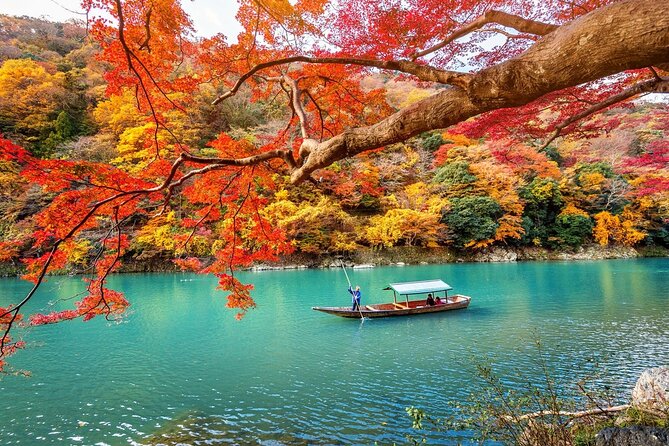
- Kyoto’s famous icons: Arashiyama, Kinkakuji, Fushimi Inari, Kiyomizudera, Gion, and Nishiki Market are all included in the proposed day.
- Guide quality can vary: Past drivers named Sha, Basra, Hamzah, and Nomi received strong praise, while one booking raised concerns about limited explanation and translation.
What this three-day private tour is really offering
This is not a slow, specialist-led cultural tour. It is a private sightseeing service built around convenience. You get a driver, vehicle, pickup, and a broad menu of famous places across the Kansai region.
That distinction matters. Your driver may offer useful background, route advice, and help in English, but the experience is not presented as a formal guided tour with a guaranteed expert historian at every site. You should expect help getting around, not necessarily a detailed lecture at each temple.
The private format gives you breathing room that a large group tour cannot. You can spend longer at a place you care about, skip a stop that does not appeal, or make requests for children, older family members, or photographers. The vehicle also helps when you are carrying luggage or trying to cover sights spread across several cities.
The suggested schedule, however, is extremely ambitious. Day 1 lists nine stops, Day 2 lists nine, and Day 3 lists nine more. Even with a car, traffic, parking, meals, walking, and site opening times will force choices. I would treat the itinerary as a menu, not a promise that every stop will receive a full hour.
A few more Osaka tours and experiences worth a look

Day 1: Osaka Castle to Dotonbori
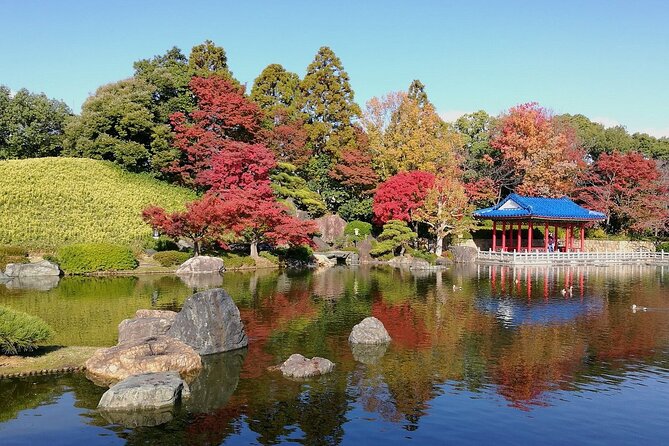
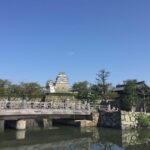
Osaka Castle is a sensible first stop. Its park offers a welcome break from the city’s dense streets, while the castle keep gives you views over the grounds and nearby towers. The site also connects Osaka to the sixteenth-century unification of Japan, so it provides useful context before you move into the modern city.
The suggested visit is one hour. That is enough for a quick look, but not enough for an unhurried museum visit, extensive grounds, and the top-floor view. The stated tour information lists admission as free, but the inclusions also say entry tickets are not included, so confirm current costs with the operator before you go.
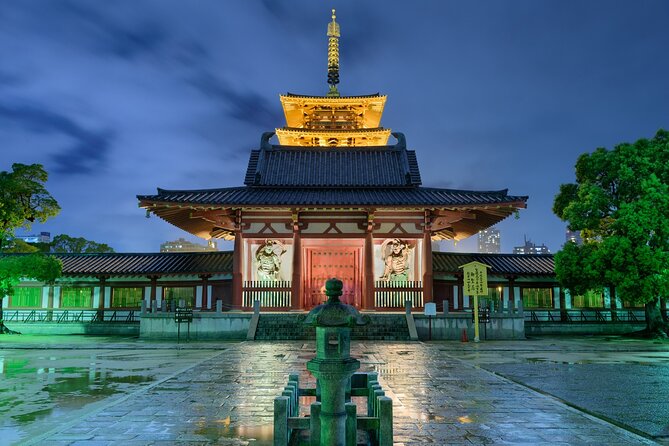
Shitennoji adds a much older religious layer. Founded in 593 by Prince Shotoku, it is described as Japan’s oldest official temple. You can see the temple grounds, and if time permits, consider the Gokuraku-jodo Garden or the treasure house, which displays paintings, scriptures, and temple objects during themed exhibitions.
Next comes the Umeda Sky Building, where the Kuchu Teien Observatory looks over Osaka. This is primarily a city-view stop, and the fireworks material in the schedule applies to a particular festival date rather than every departure. Do not book this tour expecting a fireworks show unless your date matches the event and you have arranged any required plan separately.
Sumiyoshi Taisha offers a different feel from Osaka’s high-rise districts. It is the head shrine for roughly 2,300 Sumiyoshi shrines and a major place for New Year visits. The Otaue Rice Planting Festival takes place in summer, but neither that event nor the crowded New Year atmosphere should be assumed on an ordinary date. Thirty minutes is enough for a quick shrine visit, not a long look at every corner.
At the Cupnoodles Museum Osaka Ikeda, you can make an original cup noodle. This is one of the more unusual inclusions and a good choice for families or anyone who wants a hands-on souvenir rather than another photograph of a landmark. The visit is listed at one hour, though the attraction’s activity arrangements may affect how much you can do.
Solaniwa Onsen Osaka Bay Tower is a hot-spring-style theme park covering a large indoor area. It can provide a change of pace after temples and observation decks, but it may be a poor fit if your priority is historic Osaka. Check the time needed for changing and bathing before treating this as a quick one-hour stop.
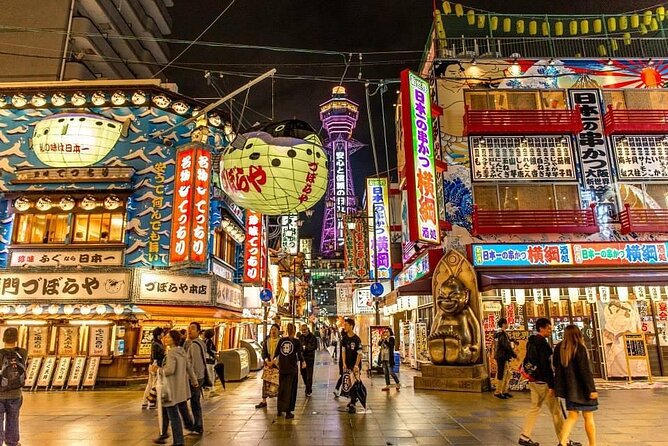
The evening route through Shinsaibashi-suji and Dotonbori is the most naturally connected part of the day. Shinsaibashi-suji is a covered shopping arcade about 600 meters long, with clothing, food, jewelry, footwear, and traditional shops. Dotonbori then brings neon signs, restaurants, bars, and Osaka specialties.
I would save appetite for this section. The schedule does not include lunch or dinner, so you pay for meals yourself, and Dotonbori is the obvious place to sample Osaka food. Your driver can drop you near the action, but the best way to experience these districts is on foot.
Osaka Aquarium is also listed, with zones featuring the Japan Forest, penguins, the Pacific Ocean, whale sharks, rays, and reef fish. Fitting the aquarium into the same day as all the other stops is unlikely to allow a relaxed visit. If the aquarium matters to you, ask the driver to remove several other stops rather than squeezing it in at the end.
Day 2: Nara’s temples, deer, and old merchant lanes
Nara is the most coherent day in the suggested plan. Todaiji, Nara Park, Kasuga Taisha, Naramachi, and Kofukuji are close enough to form a satisfying route, though you will still do plenty of walking.
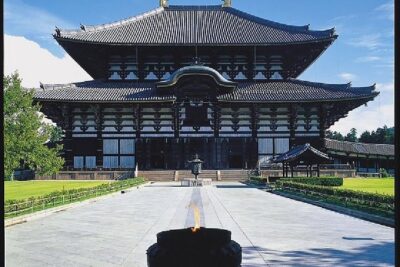
Todaiji is the headline. Its Great Buddha Hall was once the world’s largest wooden building, and the present reconstruction from 1692 is smaller than the original. Inside, the roughly 15-meter bronze Buddha gives the visit real scale. An hour works for the main hall and a quick look around, but an entrance ticket is normally required, despite the schedule marking the stop as free. Check what is covered before arrival.
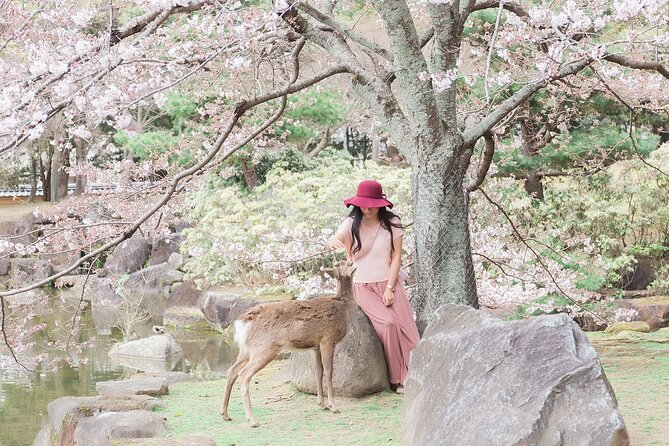
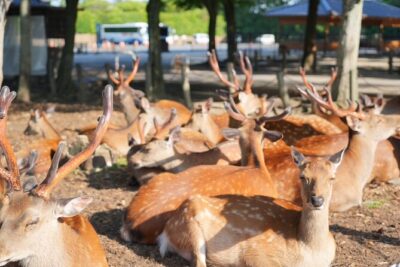
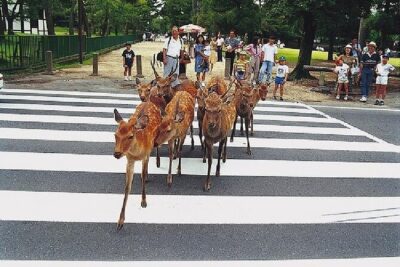
Nara Park surrounds several major sights and is home to hundreds of freely roaming deer. The deer are part of the appeal, but remember that they are still animals. Keep food controlled, follow local instructions, and leave them alone when they lose interest.
Kasuga Taisha is Nara’s best-known shrine, founded when the city became Japan’s capital. It was tied to the powerful Fujiwara family and is known for its lanterns and forest setting. The free portion reaches the offering hall, while a paid inner area gives a closer view of the shrine buildings. If you want that inner section, budget extra time and money.
Naramachi is where the day gains a more ordinary, lived-in quality. Narrow lanes preserve machiya, traditional townhouses that once combined shops and homes. Some have been opened as museums, while others now hold cafes, boutiques, and small shops. This is a good place to slow down and see how historic Nara worked beyond its grand temples.
Kofukuji gives you another strong architectural stop, especially its five-story pagoda. The pagoda is about 50 meters high and dates in its present form to 1426, though the temple itself began in 710. Neither the five-story nor three-story pagoda can be entered, so this is mainly an exterior viewing stop.
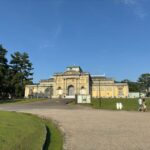
The Nara National Museum is a sound choice for anyone interested in Buddhist art. Its original building and newer wing are connected by an underground passage, and the collection includes statues, paintings, scrolls, and ceremonial objects. English explanations are available. Since the museum may take more than an hour for anyone who reads the displays carefully, use it in place of one of the gardens if art is a priority.
The Nara Palace Site Historical Park is historically important but spread out and more open than the compact temple areas. It marks Heijo-kyo, Japan’s capital during most of the Nara period from 710 to 794. I would choose it if you care about the formation of Japan’s early state, but it is one of the first stops I would cut if the day feels rushed.
Isuien and Yoshikien offer quieter garden time. Isuien uses Todaiji’s Nandaimon Gate and Mount Wakakusayama as borrowed scenery, while Yoshikien contains pond, moss, and tea gardens. Both are listed at 30 minutes, which allows only a quick walk. Yoshikien waives entry for foreign visitors, while other admission charges are not included in the tour price.
Day 3: Kyoto’s famous sights, with a serious time warning
Kyoto’s proposed day is the most overloaded. Arashiyama, Kinkakuji, Fushimi Inari, Kiyomizudera, Gion, Sanjusangendo, Ginkakuji, Nishiki Market, and the Imperial Palace could fill several days by themselves.
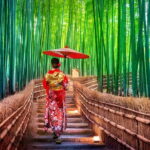
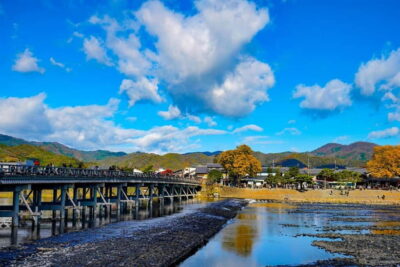
Arashiyama begins with Togetsukyo Bridge and the bamboo groves. The bridge dates back to the Heian period in origin and looks especially good with the wooded hills behind it. The bamboo paths are scenic, but one hour is short if you want both the bridge area and a proper walk through the grove.
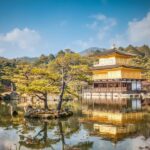
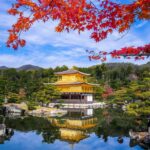
Kinkakuji, the Golden Pavilion, is one of Kyoto’s signature sights. Gold leaf covers its upper two floors, and the building reflects over a pond. It has burned several times, so the structure you see is a reconstruction, not the original retirement residence of Ashikaga Yoshimitsu. Allow time for crowds and the garden path, and remember that entry is not included.
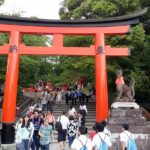
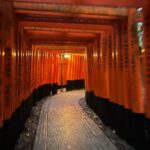
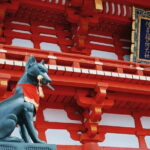
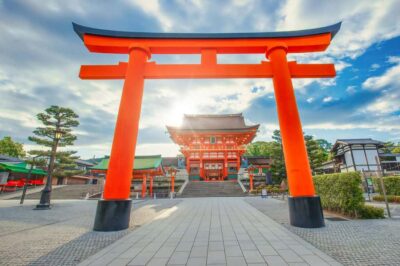
Fushimi Inari is famous for its thousands of red torii gates climbing Mount Inari. You can see the lower shrine area quickly, but the full mountain route takes much longer than an hour. If you want the classic gate experience without a long hike, tell your driver clearly and turn back when you have had enough.
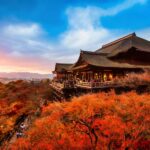
Kiyomizudera is another major highlight. Its wooden stage projects 13 meters from the main hall above the hillside, with views toward trees that change color by season. The Otowa Waterfall gives the temple its name, and the complex has UNESCO World Heritage status. The approach involves walking and slopes, so this is not a sit-in-the-car sightseeing stop.
Gion is best treated with respect. The district is known for wooden machiya, restaurants, teahouses, geiko, and maiko, but it is also a working neighborhood. Use quiet manners, do not block lanes, and do not photograph people without permission. Forty minutes gives you a short walk around the area, not a full evening of dining or entertainment.
Sanjusangendo is a strong indoor stop, especially in poor weather. Its wooden hall stretches about 120 meters and contains 1,001 statues of Kannon. The name refers to the 33 spaces between the building’s columns. One hour is reasonable here, but admission still needs to be paid separately.
Ginkakuji, the Silver Pavilion, offers a different aesthetic from Kinkakuji. It began as Ashikaga Yoshimasa’s retirement estate and became a Zen temple after his death. The buildings are not covered in silver, and the gardens are the main reason to visit. Trying to see both pavilions on the same day is possible only with strict time control.
Nishiki Market is Kyoto’s food street, five blocks lined with more than 100 shops and restaurants. Look for seasonal produce, pickles, Japanese sweets, dried seafood, sushi, knives, and cookware. It is a good lunch or snack stop, but the narrow passage can feel crowded, and you should avoid eating while walking unless a vendor clearly permits it.
The Kyoto Imperial Palace sits in the spacious Kyoto Imperial Park. It was the Imperial Family’s residence until 1868, and the present complex was rebuilt in 1855 after repeated fires and moves. The palace grounds require a calmer pace than the schedule allows, so ask your driver to put this ahead of a less important stop if you want to see the gates, halls, and gardens properly.
Drivers, communication, and the human factor
The driver can make or break this experience. Several named drivers received especially strong praise for punctuality, safe driving, warmth, and flexibility. Sha was praised for comfortable driving and very good English, Basra for customizing the route and explaining Japanese, Buddhist, and Shinto history, Hamzah for friendly help, and Nomi for bringing historical details to life.
Those names are useful, but you cannot assume you will receive a particular driver unless the operator confirms it. One booking raised concerns about limited historical explanation and weak English to Japanese translation. That is an important limitation: English-speaking driver does not always mean professional English-speaking guide.
At booking, send your must-see places and ask what level of commentary you can expect. If detailed history is central to your trip, ask for a driver with strong guiding experience. If you mainly want private transport and help with timing, the service may suit you well even without long explanations.
Other private tours in Osaka

Price, hotels, and what you still pay
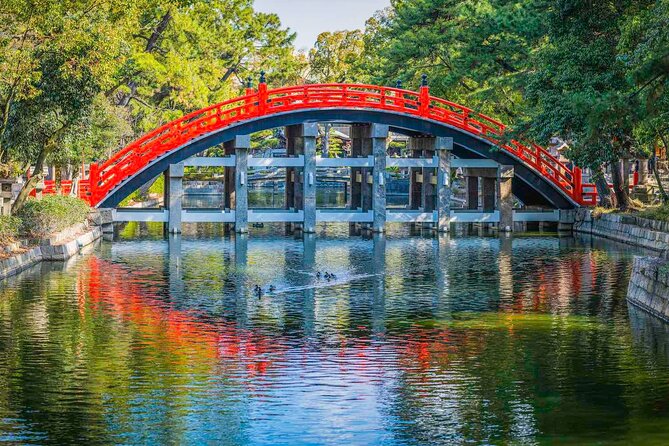
The price is $1,782.81 per group of up to six, not per person. For six people, that works out to roughly $297 per person for the full three days. For two people, the effective cost is about $891 each, so the value changes sharply with group size.
The price makes more sense for a family or group that values a private vehicle, pickup, parking, WiFi, and a flexible route. It is harder to justify for a couple who is comfortable using Japan’s rail network and does not need door-to-door service.
Accommodation is not included. You choose and pay for your own hotel each night, so confirm where the driver will collect you and whether the route works with your hotel location. Lunch, other meals, and entry tickets are also extra. The advertised stops sometimes show free admission even though the general conditions say tickets are excluded, so get a clear list of likely costs before departure.
The service operates daily from 8:30 a.m. to 5:30 p.m. during the stated operating period. That schedule also makes the late Osaka nightlife stops and the enormous Kyoto day worth discussing in advance. Ask how evening stops are handled and how much flexibility exists beyond the stated hours.
Who should book this Osaka, Kyoto, and Nara tour?
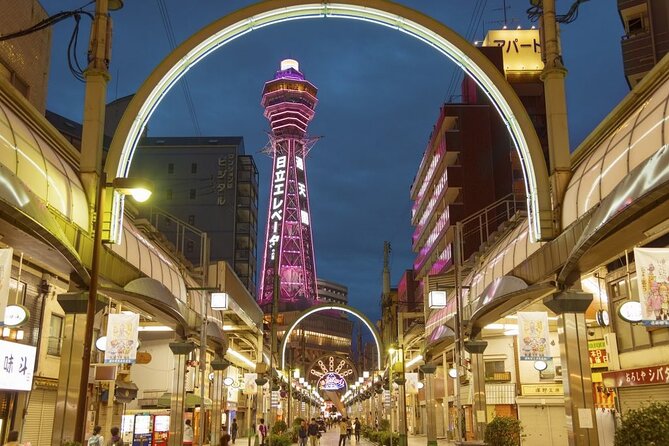
I would consider it for a family with children, a group of friends, or anyone who finds public transport tiring. It is also useful if you have only three days and want a private vehicle to handle the long connections between cities.
You should also be comfortable making choices. Do not arrive expecting to visit all 27 listed stops in full. Pick two or three priorities per day, then use the rest as backup options.
This is less suitable for a slow cultural trip, a serious museum visit, or anyone seeking guaranteed expert commentary. It is also poor value for a small party that prefers trains and wants to control every admission and meal independently.
Final verdict: book for access and flexibility, not for an unedited checklist
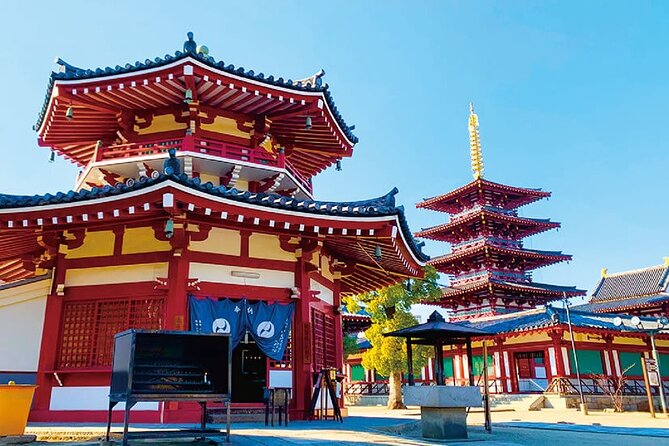
Book this tour if private transport, pickup, and a customizable route are worth paying for. A strong driver such as Basra, Hamzah, Sha, or Nomi can add useful local context and make a demanding three-city trip feel manageable.
Before paying, confirm the assigned driver, language ability, vehicle size, daily hours, ticket costs, hotel pickup points, and which stops can realistically fit. The best version of this tour is a trimmed plan built around your priorities. The weakest version is a rushed race through famous places that you barely have time to see.
FAQ
How long is the tour?
The experience lasts approximately three days.
How many people can join the private tour?
The price covers one private group of up to six people.
Is accommodation included?
No. You choose and pay for your preferred accommodation for each night.
What is included in the tour price?
The tour includes an air-conditioned vehicle, private transportation, WiFi on board, parking fees, and an English-speaking driver.
Are meals and entry tickets included?
No. Lunch is excluded, and entry tickets are not included.
Can the itinerary be customized?
Yes. You can follow the suggested route or customize the attractions you visit based on your interests.
More Private Tours in Osaka
More Nara Day Trips in Osaka
More tours in Osaka we've reviewed


Nara Day Trips, compared.
 ★ 5.0World Heritage Kyoto & Nara Uji Authentic Matcha ExperienceFrom $129
 ★ 4.7Kyoto/Osaka: Nara, Fushimi Inari Taisha, Arashiyama Bus TourFrom $529 - 10 hours
 ★ 4.4Osaka/Kyoto: Arashiyama, Nara & Fushimi Inari Shrine w/LunchFrom $61
 ★ 5.0Nara Early Morning Tour (Kyoto or Osaka Departure Available)From $61
 ★ 4.5Kyoto and Nara Day Trip from KyotoFrom $194
 ★ 4.5Nara Afternoon Tour from Kyoto or OsakaFrom $102