
Reviewed · NARA DAY TRIPS
Kyoto & Nara Private customized tour with English speaking Guide
Kyoto’s red torii gates and Nara’s free-roaming deer make a memorable pair, but fitting both cities into one day takes careful planning. This private Kyoto and Nara tour removes much of the transport puzzle and lets your group decide what matters most.
I like the private vehicle, especially for families, older adults, and groups of up to six. I also like the flexible format: guides such as Hamza have adjusted routes, suggested meals, helped with photos, and changed plans when rain or crowds got in the way. The tradeoff is distance. You may spend a good part of the day in the car, and the quality of guiding can vary.
In This Review
- Key points at a glance
- What this Kyoto and Nara day is really trying to do
- Nara Park: deer, crackers, and a little caution
- Tōdai-ji and the Great Buddha
- Arashiyama Bamboo Grove: beautiful, brief, and crowded
- Tenryu-ji: Zen gardens beside the bamboo
- Kinkaku-ji, the Golden Pavilion
- Fushimi Inari: the red gate walk
- The guide makes or breaks the day
- Lunch, traffic, and the cost of covering two cities
- Is $549 good value for your group?
- Who should book this private day?
- Should you book it?
- FAQ
- How long does the Kyoto and Nara private tour last?
- Where does the tour start and end?
- Is pickup available from Kyoto, Osaka, or Nara?
- How many people can join the private tour?
- What is included in the price?
- Are temple admissions included?
- Is lunch included?
- Can I cancel for a full refund?
Key points at a glance
- Nara’s deer and Tōdai-ji: Feed the famous deer, then see one of Japan’s most important Buddhist temples.
- Kyoto’s classic sights: Arashiyama, Tenryu-ji, Kinkaku-ji, and Fushimi Inari can all fit into the day.
- A genuinely private format: Your group alone rides in the air-conditioned vehicle, with WiFi on board.
- Flexible route planning: You can shape the day around children, seniors, special diets, weather, or must-see sights.
- Strong guide reports, with one caution: Hamza, Ali, Nomi, and Sha receive warm praise, but one guest found the commentary too quiet and unclear.
- Good value for a group: At $549 for up to six people, the cost works best when the vehicle is filled.
What this Kyoto and Nara day is really trying to do
This is not a slow, temple-by-temple Kyoto tour. It is a productive sightseeing day built around private driving. From Osaka, you can reach two major cultural centers without changing trains, studying station maps, or hauling tired children through crowded platforms.
The advertised day lasts about eight to ten hours, with operating hours from 8 a.m. to 6 p.m. The usual meeting point is Osaka Station at 3-chōme-1-1 Umeda, and the activity returns to the meeting point. Pickup is also offered from Osaka, Kyoto, or Nara, but confirm the exact pickup location and time before the day begins.
Your group can include up to six people. That limit matters. A family or group of friends can split the $549 price six ways, making it far more attractive than booking separate taxis or several private transfers. For two people, the cost is harder to justify unless you place a high value on comfort, flexibility, and saving time.
The vehicle is air-conditioned and has WiFi. Lunch is not included, and the general terms say fees and taxes are not included. Admission details need careful checking: several stops list admission as not included, while Kinkaku-ji is described as including its ticket. Ask the provider to confirm the current ticket arrangements before you go.
A few more Osaka tours and experiences worth a look
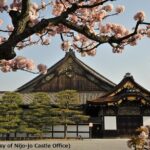

Nara Park: deer, crackers, and a little caution
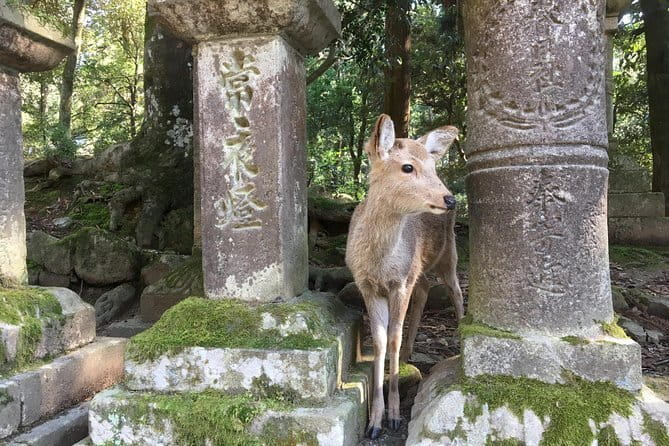
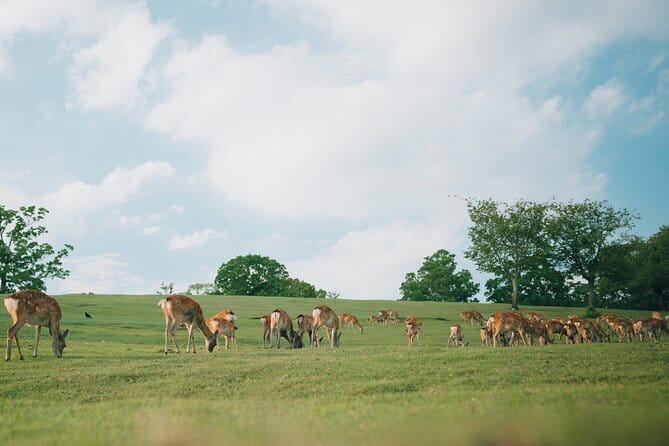
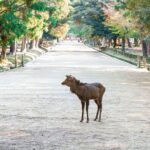
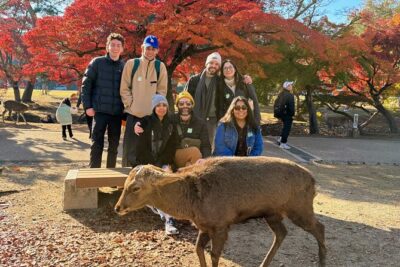
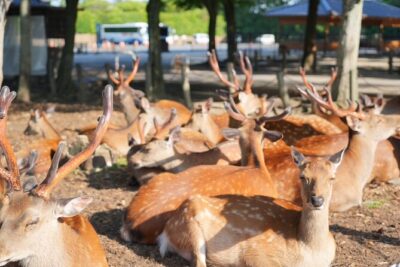
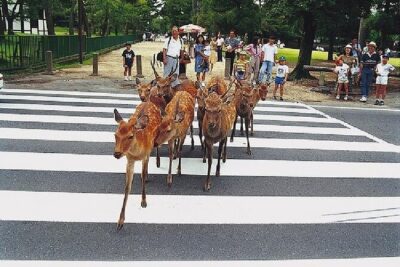
Nara Park is the most playful part of the day. Around 1,200 deer roam freely through the park, near paths, trees, shrines, and temple grounds. You can buy deer crackers and feed them, an easy hit with children and a memorable first encounter with Japan’s wildlife.
The deer are accustomed to people, but do not treat them like tame farm animals. Keep an eye on young children, especially around male deer. One family specifically warned that some males can be aggressive, particularly when food is involved. Feed calmly, keep crackers moving, and stop when your supply is gone.
The park is also your gateway to Tōdai-ji, the huge Buddhist temple that gives Nara much of its historic weight. The itinerary allows about an hour at Nara Park and another hour at Tōdai-ji. That sounds generous, but the park is spread out, so you should not expect to see every corner.
A private vehicle helps you reach the area without worrying about local connections. Still, the driver may need to park away from the exact entrance, then meet you after the visit. Agree on a clear meeting place and use your phone if needed.
Tōdai-ji and the Great Buddha
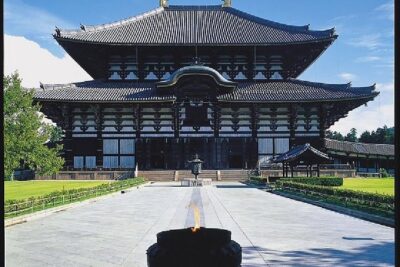
Tōdai-ji dates from Japan’s Nara period and is among the country’s most significant Buddhist temples. Its main hall is famous for its enormous Buddha image and grand timber structure. Even if you have seen many Japanese temples, Tōdai-ji feels different because of its scale.
The temple admission is not included in the stated inclusions, so budget for a separate ticket. The stop is listed for about an hour, though you may want more time if your group enjoys religious art, architecture, or quiet observation.
Your guide may accompany you or may leave you to explore independently. This is an important point to settle early. Some guides on this experience have been praised for explaining the sites and helping with photos, while one person felt the guide functioned mainly as a driver and gave little commentary.
If Tōdai-ji is a priority, say so clearly. Ask for an explanation of the main hall, the Buddha, and the temple grounds rather than assuming a running history lesson will happen automatically.
Arashiyama Bamboo Grove: beautiful, brief, and crowded
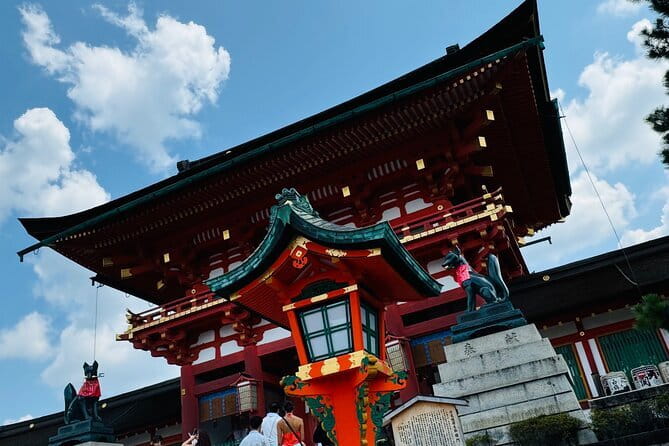
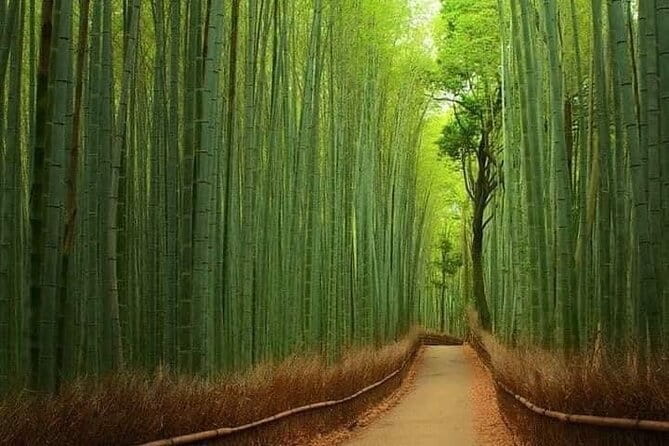
Arashiyama is Kyoto’s most recognizable stop on this route. The Bamboo Grove is a narrow path lined with tall green stalks that create a cool, enclosed feeling. It is photogenic, but the famous section is not a secluded walk. Crowds can be heavy, especially during popular seasons and busy hours.
The planned visit lasts about an hour. That gives you time for the grove and a quick look at nearby shops, but not a leisurely exploration of all Arashiyama. One family used the private van to get close to the entrance, then walked through the crowds with help from its guide. That is a good example of where private transport earns its keep.
Arashiyama rewards a clear plan. If you want photos, tell your guide. If you prefer browsing shops, say that instead. The day is customized, but the clock still rules. Every extra minute here reduces time elsewhere.
Tenryu-ji: Zen gardens beside the bamboo
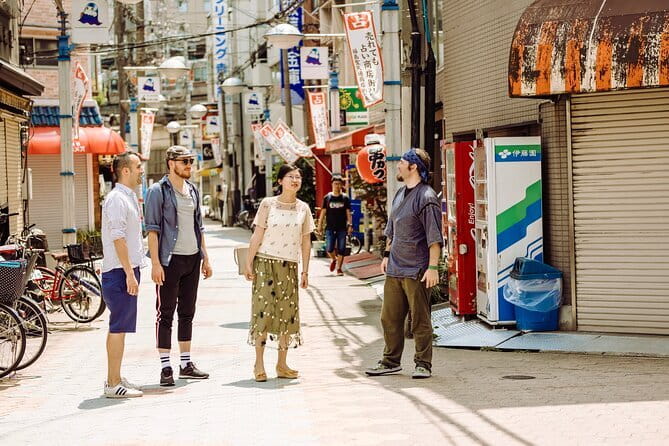
Tenryu-ji is a major Zen temple in Arashiyama and a UNESCO World Heritage Site. The visit is scheduled for about 30 minutes, making it more of a focused stop than a full temple visit.
That short window lets you see the setting and get a taste of the temple grounds, but it may feel rushed if you want to study the gardens or buildings. Admission is listed as not included, so confirm the current fee.
I would treat Tenryu-ji as a bonus for people who want more than a quick bamboo photo. If your group has small children, limited mobility, or little interest in temple interiors, you may prefer to use this time for lunch or Arashiyama shops.
Other guided tours in Osaka
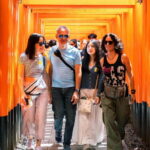



Kinkaku-ji, the Golden Pavilion
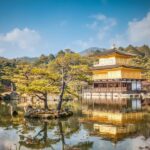
Kinkaku-ji is the visual showstopper. Its gold-covered exterior reflects over a pond, with carefully arranged gardens around it. The setting is designed for a short, striking visit, and the itinerary gives you about 40 minutes.
That timing is sensible for seeing the pavilion, taking photographs, and walking the marked route. It is not enough for a slow study of every garden feature. The path can also become crowded, so keep your group together and follow your guide’s timing instructions.
The ticket information is slightly mixed. The stop says your ticket is included, while the general terms say admissions are not included. Confirm this before booking or at least before departure. Small fee surprises are easy to avoid with one direct question.
Fushimi Inari: the red gate walk
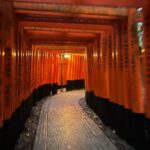
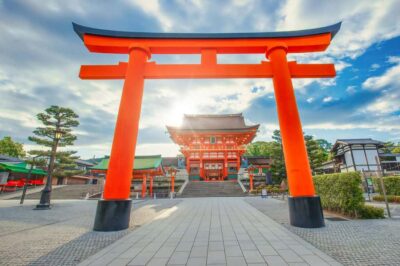
Fushimi Inari-taisha is known for its thousands of orange-red torii gates, which form long corridors up the wooded slopes. It is one of Kyoto’s most memorable sights because the gates change the feel of an ordinary walk into something ceremonial and almost dreamlike.
The planned stop lasts about an hour. You do not need to climb the entire mountain to enjoy it. The first section is the most famous and easiest to fit into a packed day, though crowds are common near the lower gates.
Wear comfortable shoes and decide how far your group wants to walk. Children, older adults, and anyone tired from the day may prefer a shorter section. A private guide can help manage the timing, but the route still involves walking and slopes.
One group reached Fushimi Inari after lunch and a matcha stop, arriving with enough time for photos. That kind of adjustment is one of the benefits of a custom itinerary. You can ask to spend less time at a less important stop and protect time for Fushimi Inari.
The guide makes or breaks the day
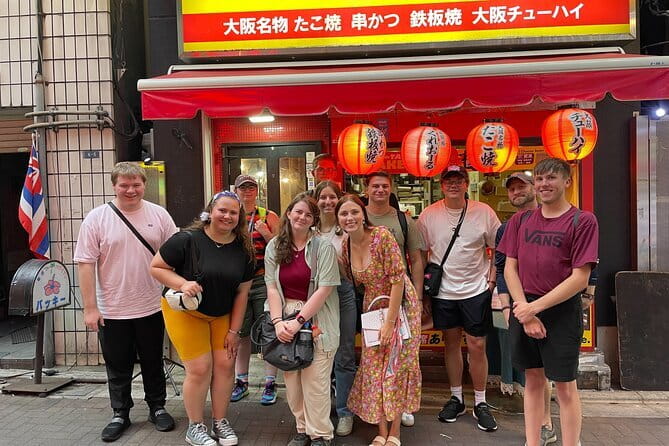
The strongest part of this experience is the human element. Hamza, also referred to as Hamzi or Hamsa in guest accounts, receives repeated praise for clear English, flexibility, local knowledge, route planning, and friendly care. One group said he speaks seven languages and helped with photos, shopping, lunch, and crowded sites.
Ali is also praised for safe driving, polished English, punctuality, and helping groups see their chosen sights. Nomi is described as courteous, accommodating, and easy to understand. Sha is praised for knowing the area and taking good care of the group.
But do not assume every guide will offer the same level of commentary. One person found the guide too quiet and said the expectations were not explained clearly. Another described the driver as useful for transport but less involved as a guide.
Set expectations at the start. Tell your guide:
- Which three sights matter most
- How much historical explanation you want
- How much walking your group can manage
- Where you want lunch
- What time you must return
- Whether you want photos, shopping, or extra stops
One serious complaint described late communication and unsafe texting while driving. The provider disputed the booking and said no Ali was working for the company at that time. Still, safe driving is non-negotiable. If anything feels unsafe, speak up immediately and contact the booking company.
Lunch, traffic, and the cost of covering two cities
Lunch is not included, which is useful if your group has specific tastes or dietary needs. Guides have suggested ramen shops, matcha stops, and restaurants suited to special diets. You should tell the guide about dietary restrictions before the day starts.
The main practical challenge is traffic. Kyoto and Nara are close enough for a day trip, but the sights are not next door to one another. Driving between Osaka, Nara, Arashiyama, central Kyoto, Kinkaku-ji, and Fushimi Inari can consume several hours.
That is why this tour works best with priorities. Trying to linger at every stop will make the day feel hurried. If you want a relaxed temple visit, a long lunch, and extensive shopping, choose fewer sights. If your goal is to collect the major highlights in one day, this route can do that.
Some groups have used the private car to cover far more ground than they could by public transport. Others felt the day involved more driving than expected. Both points can be true. The vehicle saves transfers, but it cannot remove the geographic distance.
Is $549 good value for your group?
At $549 per group, the price is not cheap for a couple. For six people, it comes to about $91.50 per person before any separate admission costs, lunch, or other fees. For four people, it is about $137.25 each.
The value comes from private transport and control over the day. You are paying to avoid figuring out trains and buses, to keep your group together, and to adjust the route when weather or energy levels change.
Families may find the price worthwhile because a private vehicle makes naps, bags, mobility needs, and quick regrouping easier. Cruise passengers may also value the direct transport and return timing, but they should allow a generous buffer before ship departure.
The tour is less appealing if you enjoy using Japan’s excellent trains, want long visits at each temple, or prefer a guide who gives a formal explanation at every stop. In that case, a smaller area covered slowly may bring more satisfaction.
Who should book this private day?
I would consider this tour for a first visit to the Kansai region when time is short. It suits families, multigenerational groups, cruise passengers, and anyone who wants to see both Kyoto and Nara without managing several transport changes.
It is also a good fit for groups with mixed interests. One person can focus on deer, another on temples, and another on food or shopping. The guide can adjust the balance, within the limits of the day.
I would hesitate if your group is large, if you dislike long car rides, or if you want a specialist historian. I would also avoid packing in all six stops if you prefer quiet, unhurried sightseeing.
Book at least 24 hours before the start time if you may need to cancel, since changes or cancellations inside that window are not accepted for a refund. Confirmation is provided at booking, and most people can participate.
Should you book it?
Book this private Kyoto and Nara tour if your priority is seeing the major sights efficiently, with your own vehicle and a flexible route. Fill the vehicle if you can, agree on the top priorities, and confirm pickup, guide duties, admission fees, and return timing.
I would especially request a guide such as Hamza, if available, based on the repeated praise for his communication and flexibility. The experience can be an excellent one-day introduction to Kyoto and Nara, but it is best approached as a smart highlights tour, not a slow cultural study.
FAQ
How long does the Kyoto and Nara private tour last?
The tour lasts approximately eight to ten hours. Operating hours are listed as 8 a.m. to 6 p.m., Monday through Sunday.
Where does the tour start and end?
The stated meeting point is Osaka Station at 3-chōme-1-1 Umeda, Kita Ward, Osaka. The activity ends back at the meeting point.
Is pickup available from Kyoto, Osaka, or Nara?
Yes. Pickup is offered from Kyoto, Osaka, or Nara. Confirm the exact address and pickup time when arranging the tour.
How many people can join the private tour?
The private vehicle can accommodate up to six people in your group. No other groups participate in the activity.
What is included in the price?
An air-conditioned vehicle and WiFi on board are included. Lunch, fees, and taxes are not included in the general inclusions.
Are temple admissions included?
Admission details vary by stop. Nara Park and Fushimi Inari list free admission. Tōdai-ji and Tenryu-ji list admission as not included. Kinkaku-ji is described as including the ticket, so confirm the current arrangements before departure.
Is lunch included?
No. Lunch is not included. You can discuss meal preferences and dietary requirements with your guide during the tour.
Can I cancel for a full refund?
Yes, if you cancel at least 24 hours before the experience start time. Cancellations or changes made less than 24 hours in advance are not accepted for a refund.
More Private Tours in Osaka

More Guided Tours in Osaka
More Nara Day Trips in Osaka
More tours in Osaka we've reviewed
Nara Day Trips, compared.
 ★ 5.0World Heritage Kyoto & Nara Uji Authentic Matcha ExperienceFrom $129
 ★ 4.7Kyoto/Osaka: Nara, Fushimi Inari Taisha, Arashiyama Bus TourFrom $529 - 10 hours
 ★ 4.4Osaka/Kyoto: Arashiyama, Nara & Fushimi Inari Shrine w/LunchFrom $61
 ★ 5.0Nara Early Morning Tour (Kyoto or Osaka Departure Available)From $61
 ★ 4.5Kyoto and Nara Day Trip from KyotoFrom $194
 ★ 4.5Nara Afternoon Tour from Kyoto or OsakaFrom $102