
Reviewed · SAKE BREWERY TOURS
Advanced Kyoto Insider Sake Tasting Experience
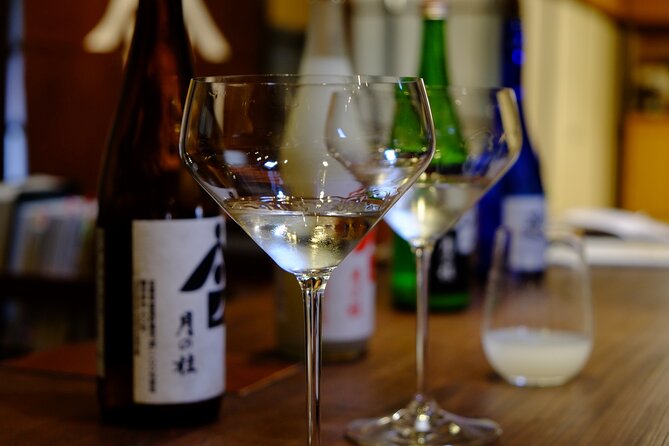
Kyoto’s Advanced Insider Sake Experience is built around a fine idea: sake can change dramatically when brewers alter the rice, fermentation, aging materials, or guiding philosophy. You taste 10 carefully chosen bottles, including brews made with old methods, unusual microorganism-led fermentation, and local wood that adds a regional character.
I like the side-by-side comparisons, which make abstract brewing terms easier to understand. I also like the practical bottle-reading session, since knowing how to read a sake label can help you order with confidence in restaurants. The main consideration is that this is a serious tasting with no food included, so eat lunch or brunch first and plan not to drive or cycle afterward.
In This Review
- Key points to know before booking
- Why this is not a standard Kyoto sake tasting
- Arriving in Fushimi for a focused two-hour session
- Ten sakes chosen for contrast, not quantity alone
- Ancient methods, microorganisms, and local wood
- Learning to read a sake bottle like a restaurant order
- The teaching style and what the praise tells you
- Price, timing, and the real value at $74.64
- Important rules about age and transportation
- Who will get the most from this Kyoto tasting
- Should you book the Advanced Kyoto Insider Sake Experience?
- FAQ
- How long does the sake tasting last?
- Where does the activity begin and end?
- How many sakes are included?
- Is food included?
- What is the minimum age?
- Can I arrive by car or bicycle?
- Is the experience suitable for someone new to sake?
- What is the cancellation policy?
Key points to know before booking
- Ten distinctive sakes: The tasting focuses on contrast, not just sampling one drink after another.
- Advanced subject matter: You cover basic sake categories, then move into ancient methods, fermentation choices, and wood-aged character.
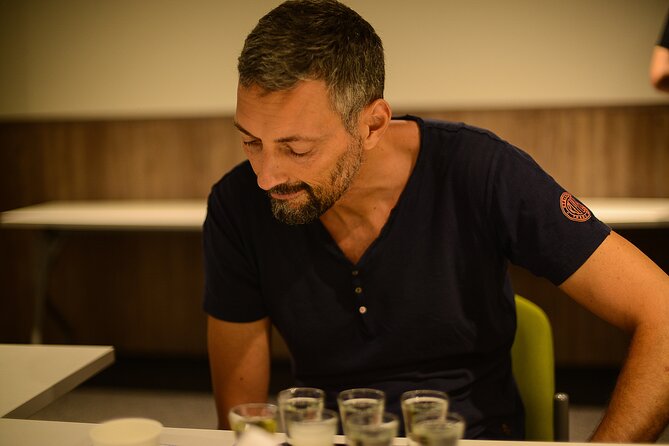
- Certified sake expert: A specialist leads the session with explanations, presentations, tasting notes, and reference material.
- Practical label training: You handle real sake bottles and learn how to read the information used when ordering in restaurants.
- Small dedicated room: The group is limited to 12 people and the experience begins and ends at 271-1 Kurumamachi in Kyoto’s Fushimi Ward.
- Plan around the alcohol: You must be at least 20, and no alcohol is served to anyone arriving by car or bicycle.
Why this is not a standard Kyoto sake tasting
Many sake tastings offer a quick introduction to common styles. This one takes a different path. It uses unusual bottles to show how much creative freedom exists inside a drink often treated as simple rice wine.
You learn the fundamentals, but the real purpose is comparison. One sake may reflect an old brewing practice, another may highlight the work of microorganisms during fermentation, and another may gain flavor from local wood. These are not small technical footnotes. They help explain why two clear, pale drinks can smell, taste, and finish very differently.
I like this approach because it gives you a way to think about sake beyond labels such as dry or sweet. You begin asking better questions: How was it fermented? What materials shaped the flavor? Is the brewer aiming for a clean style, a fuller style, or something more experimental?
The experience is also useful if you already drink sake. It is not limited to a first lesson in categories and production. The advanced material gives experienced drinkers a chance to refine their palate and become more selective when buying or ordering.
At the same time, the class remains approachable for someone new to sake. You do not need a long background in Japanese alcohol. The structure starts with the essentials before moving into more unusual territory.
Other sake brewery and tasting tours in Kyoto

Arriving in Fushimi for a focused two-hour session
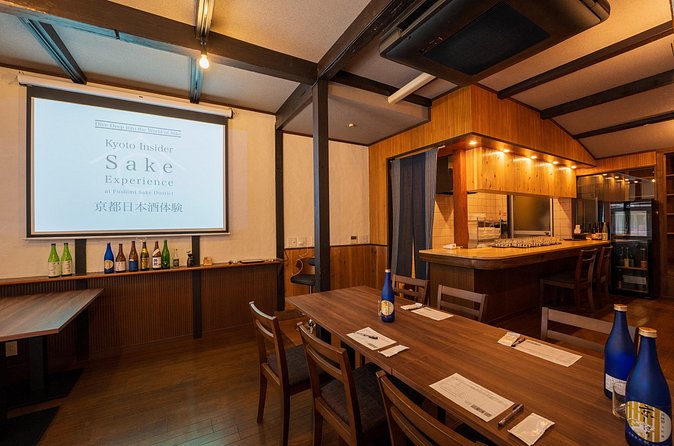
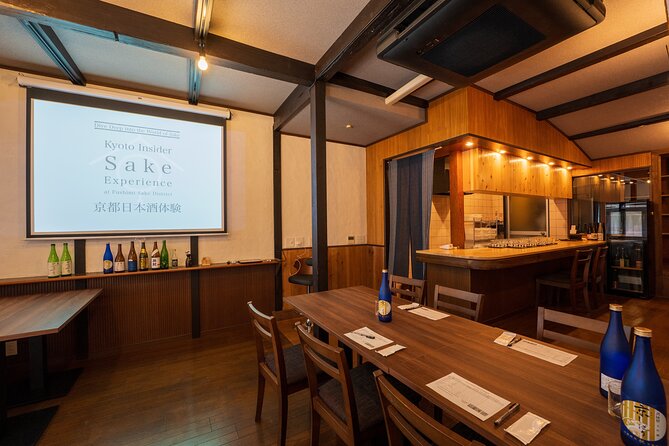
The meeting point is Kyoto Insider Sake Experience at 271-1 Kurumamachi, Fushimi Ward, near public transportation. The activity lasts about two hours and returns to the same location, so you do not need to arrange a separate pickup or figure out a second meeting point.
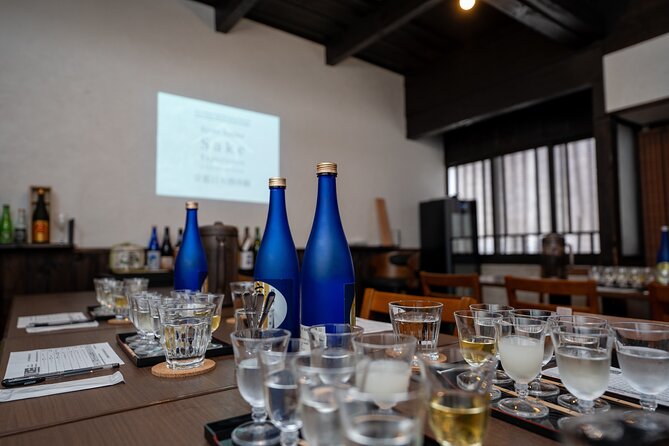
Fushimi is closely associated with sake production, making it a sensible setting for a tasting focused on brewing methods and regional character. The experience itself takes place in a dedicated tasting room rather than as a walking tour through several businesses. That keeps the lesson focused, though it also means you should not book it expecting a broad neighborhood tour or a visit to multiple breweries.
The group size is capped at 12. That is large enough for some conversation but small enough to keep the class organized. Since the session includes bottle handling, explanations, and guided comparisons, a smaller room matters. You should have a better chance to follow the presentation and ask questions than you would at a crowded festival-style tasting.
Your booking confirmation arrives at the time of reservation, and a mobile ticket is provided. Arrive ready to taste rather than expecting a meal. The organizers recommend eating lunch or brunch first, and that advice is important because snacks and food pairings are not included.
Ten sakes chosen for contrast, not quantity alone
The central part of the class is the tasting of 10 selected sakes. Ten pours can sound like a large number, but the purpose is not to rush through a long list. Each sample helps you compare a brewing decision with the resulting flavor.
The selections are intended to show how sake changes when producers work with different methods and materials. You may encounter examples connected to ancient techniques, modern fermentation choices, or local wood influence. The exact bottles can vary, so you should not expect a fixed brand list. The value comes from the differences the selection is designed to reveal.
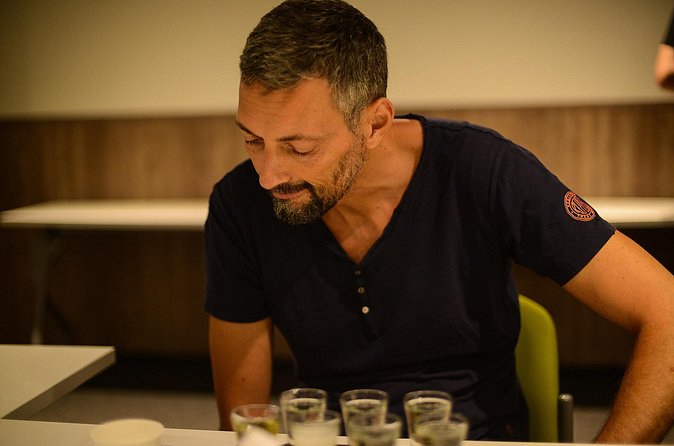
A good way to approach this is to pay attention to the sequence. Notice the aroma before tasting. Then compare the body, sweetness, acidity, texture, and finish. You do not need professional tasting language. Simple observations such as lighter, rounder, sharper, earthier, or more aromatic are enough to build a useful framework.
The expert explains the flavor structure as you go, helping connect the taste in your glass to the way the sake was made. This is where the session earns its advanced label. You are not simply told that one bottle is unusual. You learn which brewing choices may have created that unusual character.
The tasting also shows why a high price does not automatically mean a sake will suit you. A rare or technically interesting bottle may be fascinating but not your favorite. That is a useful lesson, especially if you plan to buy bottles in Kyoto or order premium sake at home.
Ancient methods, microorganisms, and local wood
The subject matter gives this class its strongest personality. You explore sake made through older brewing approaches, as well as examples that use inventive fermentation techniques.
Fermentation is where sake gets much of its character, and the experience gives microorganisms a proper place in the story. Instead of treating brewing as a simple recipe, the class shows how living processes help shape aroma, sweetness, acidity, and texture. You get a clearer sense of why small changes in method can have a large effect in the glass.
The local wood examples add another useful comparison. Wood can contribute a distinct regional note, changing the impression of the sake without relying only on rice or fermentation. This is a good reminder that place can enter a drink through more than the name on the bottle.
These examples may appeal most to curious drinkers who enjoy finding the connection between craft and flavor. If you prefer only familiar, clean, easy-drinking styles, some samples may feel unusual. That is not a flaw, but you should book with the right expectation. This class is designed to expand your sense of what sake can be, not simply confirm your existing favorite style.
Learning to read a sake bottle like a restaurant order
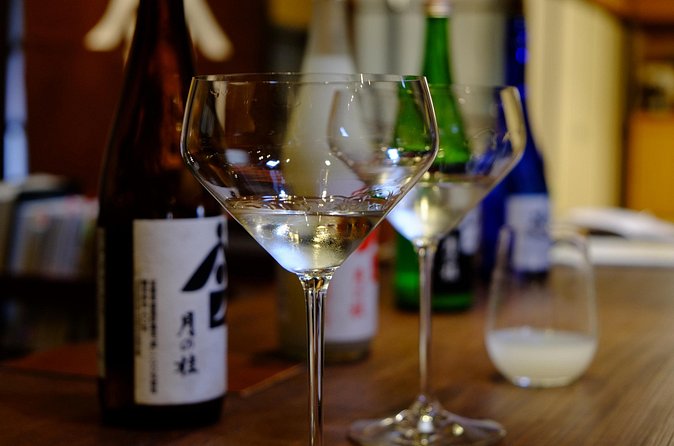
One of the most useful parts of the experience is the hands-on practice with actual sake bottles and labels. This turns the class from a pleasant tasting into a practical travel skill.
Japanese sake labels can contain information about style, production, alcohol content, polishing, and other details that may not be immediately clear to an English-speaking customer. Even if you do not remember every term, learning what to look for can make future restaurant orders less intimidating.
The instructor explains the labels used in restaurants rather than keeping the lesson entirely theoretical. That distinction matters. You are learning how to make a choice when faced with a real menu or bottle list, where you may have only a few seconds to decide.
I especially like this feature for anyone who wants to continue exploring sake after Kyoto. The tasting notes and reference materials give you something to consult later. You can use them when comparing bottles, discussing preferences with restaurant staff, or deciding what to seek out at home.
The class also helps you describe what you like. Instead of saying only that you want a good sake, you may leave able to explain that you prefer a lighter texture, a particular level of sweetness, or a certain fermentation character.
Other sake brewery and tasting tours in Kyoto

The teaching style and what the praise tells you
The class is led by a certified sake expert, with presentations and guided tasting. The strongest praise centers on the instructor’s clear explanations, friendly manner, and ability to connect history, brewing methods, and taste.
That combination is important. Sake can become confusing when too many technical terms arrive at once. A good teacher needs to explain the process without losing the pleasure of drinking. The information provided suggests that this session balances formal teaching with an enjoyable tasting format.
The experience also works for mixed-knowledge groups. One person in your party can be new to sake while others already have some familiarity. Beginners receive the foundation they need, while more experienced drinkers get the unusual brewing examples and comparison work that make the class worthwhile.
No individual guide names are provided, so you should not book this expecting a particular instructor. The experience depends on the assigned certified expert and the day’s presentation. Still, the format is clearly designed around guided instruction rather than self-service pouring.
The five-star rating from 44 reviews and 100 percent recommendation record point to a very strong response, especially for the teaching quality and the unusual sake selection. I would treat that as useful evidence that the class delivers its stated focus, while remembering that ratings cannot tell you whether every bottle will match your personal taste.
Price, timing, and the real value at $74.64
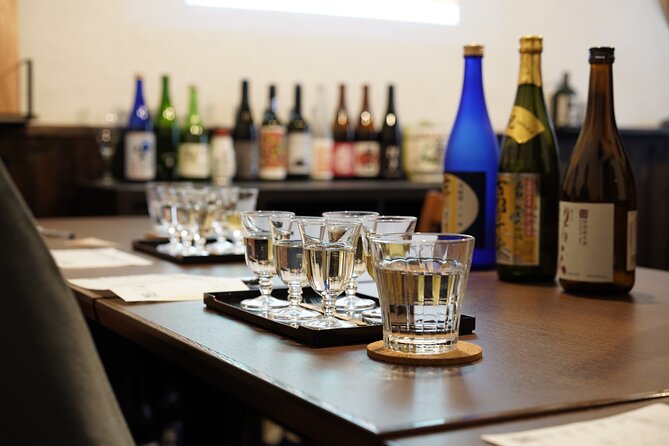
At $74.64 per person, this is more expensive than a casual bar flight, but it offers more than 10 drinks. The fee includes the expert-led lesson, the full tasting, explanations of production and flavor, bottle-label practice, tasting notes, reference materials, and use of a dedicated room.
The value is strongest if you want to understand sake rather than simply consume it. A casual drinker who wants one pleasant glass may find the price hard to justify. Someone who plans to visit sake bars, order with meals, or buy bottles will get more from the instruction.
Food is not included, so factor in the cost of eating beforehand. The recommended lunch or brunch is not just a budget note. Tasting 10 alcoholic samples on an empty stomach can make it harder to focus and may leave you feeling unwell.
The session lasts about two hours, which is a useful length for a serious tasting. It is long enough to compare a wide range of samples without taking over an entire day in Kyoto. Since the activity begins and ends at the same place, you can pair it with other plans in Fushimi, provided you leave yourself time to travel and recover from the tasting.
The experience is booked an average of 11 days ahead. That is not a guarantee that every date will sell out, but it is a good reason to reserve before your Kyoto schedule becomes fixed.
Important rules about age and transportation
Japan’s legal drinking age is 20, and only people aged 20 or older can receive alcoholic drinks. Anyone under 20 receives non-alcoholic drinks instead.
Every person joining the activity must have a reservation, including children and non-drinkers. That rule matters if you are arranging a family outing or if someone in your group plans to attend without drinking. Unreserved companions cannot simply sit in the room.
For safety and legal reasons, alcohol is not served to anyone who arrives by car or bicycle. Non-alcoholic drinks are available, but there is no refund if you arrive using one of those methods and cannot take part in the sake tasting. Public transportation is the sensible choice.
The activity requires good weather and a minimum number of participants. If the provider cancels for poor weather or because too few people book, you are offered another date or experience, or a full refund. You can cancel for a full refund up to 24 hours before the start time. Inside that window, refunds and changes are not accepted.
Who will get the most from this Kyoto tasting
I would choose this experience if you already enjoy sake and want to understand why bottles taste different. The unusual brewing methods, wood influence, and fermentation discussion offer more than a standard first taste.
It also suits a mixed group. A sake beginner can learn the basics, while a more experienced friend has plenty to compare and think about. The small group and clear structure should help keep both levels engaged.
This is less suitable if you want food pairing, a brewery tour, or a casual night out. Snacks are not included, and the activity stays in its dedicated tasting room. It is also not a good fit for anyone under 20, anyone arriving by car or bicycle, or anyone who wants to bring an unbooked companion.
Should you book the Advanced Kyoto Insider Sake Experience?
Book it if you want 10 unusual comparisons, useful label skills, and a clear explanation of how brewing choices shape flavor. At $74.64, I see good value for a serious two-hour lesson with reference materials and a certified expert, especially if you plan to keep ordering or buying sake after Kyoto.
Skip it if your priority is food, a brewery visit, or a relaxed drink with little instruction. Eat first, use public transportation, and come ready to pay attention. For curious drinkers, this is a smart way to move from simply liking sake to choosing it with real confidence.
FAQ
How long does the sake tasting last?
The experience lasts approximately two hours.
Where does the activity begin and end?
It begins and ends at Kyoto Insider Sake Experience, 271-1 Kurumamachi, Fushimi Ward, Kyoto, 612-8365, Japan.
How many sakes are included?
The tasting includes 10 carefully selected sakes chosen for comparison.
Is food included?
No. Snacks and food pairings are not included. Lunch or brunch before the session is recommended.
What is the minimum age?
Participants must be at least 20 years old to receive alcoholic drinks. People under 20 are served non-alcoholic drinks only.
Can I arrive by car or bicycle?
You may arrive, but alcohol will not be served to anyone who arrives by car or bicycle. Non-alcoholic drinks are available, and no refund is provided if you cannot take part in the sake tasting.
Is the experience suitable for someone new to sake?
Yes. The class covers the fundamentals while also offering advanced details, so it can suit beginners and people already familiar with sake.
What is the cancellation policy?
You can cancel at least 24 hours before the start time for a full refund. Cancellations or changes made within 24 hours are not accepted and are not refunded.
More Sake Brewery Tours in Kyoto
More Sake Brewery Tours in Kyoto
More tours in Kyoto we've reviewed


Sake Brewery Tours, compared.
 ★ 5.0Kyoto Night Foodie Tour in Gion (9+ dishes + 6 Sake tastings)From $163
 ★ 5.03-Hour Kyoto Insider Sake Brewery Tour with Tastings & PairingsFrom $84
 ★ 4.8Arashiyama Bamboo, Temple, Monkeys, or Secret Sake BreweryFrom $875 hours - 330 minutes
 ★ 5.0Kyoto: Insider Sake Brewery Tour with Sake and Food PairingFrom $873 hours
 ★ 5.0Kyoto Sake Brewery & Tasting Walking TourFrom $98
 ★ 5.01.5-Hour Kyoto Insider Sake Experience with 7 Tastings & PairingsFrom $68