
Reviewed · TEA CEREMONY EXPERIENCES
Authentic Tea Ceremony & Sushi in The Museum of Kyoto
The best part of this Kyoto experience is the pairing of two careful Japanese arts: sushi prepared directly in front of you, followed by a quiet tea ceremony in a traditional house on the Museum of Kyoto’s basement floor. The setting includes a miniature garden, traditional utensils, and the chance to wear a haori, a kimono-style jacket.
I like the freshness and precision of the sushi, and I like that you do more than watch the tea ceremony. You learn what the utensils mean, hear about chanoyu, whisk your own matcha, and eat a Kyoto sweet with it. The main consideration is the price, $133 per person, and the fact that this is not suitable for vegans, vegetarians, or children under 10.
In This Review
- Key points at a glance
- Sushi Shin, where the experience begins
- A traditional house beneath the Museum of Kyoto
- Wearing a haori adds a physical connection
- Learning what chanoyu means
- Whisking premium matcha for yourself
- Why the sushi and tea pairing works
- How much value do you get for $133?
- Who should book this experience
- Practical timing and booking advice
- Should you book it?
- FAQ
- Where does the experience begin?
- Where does the experience end?
- Is sushi served before or after the tea ceremony?
- Is a haori provided?
- Can I make my own matcha?
- Is the experience suitable for dietary restrictions and children?
Key points at a glance
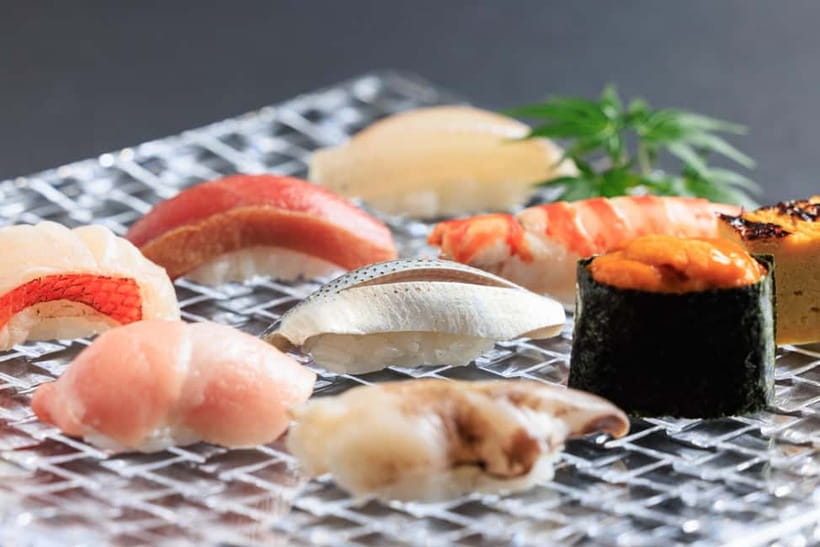
- Sushi prepared in front of you: A master chef makes the sushi at Sushi Shin in the Museum of Kyoto.
- Two session orders: At 11:00, tea comes first and sushi is served at the end. At 13:30, sushi comes first.
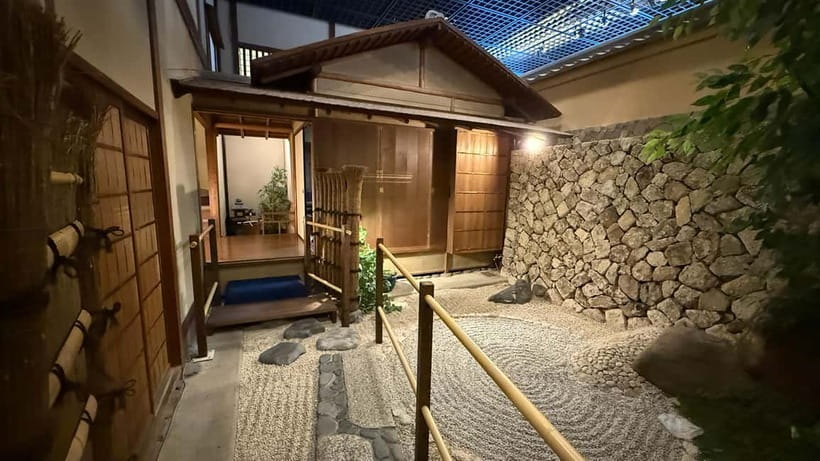
- A traditional house below the museum: The tea ceremony takes place in an Edo-period-style setting with a carefully designed miniature garden.
- Your own bowl of matcha: You whisk the tea yourself after learning about chanoyu and its utensils.
- Rare matcha and Kyoto sweets: The tea is paired with a traditional sweet and a premium matcha not commonly offered in ordinary cafés.
- A hands-on cultural experience: You wear a haori, rather than simply sitting back and taking photographs.
Sushi Shin, where the experience begins
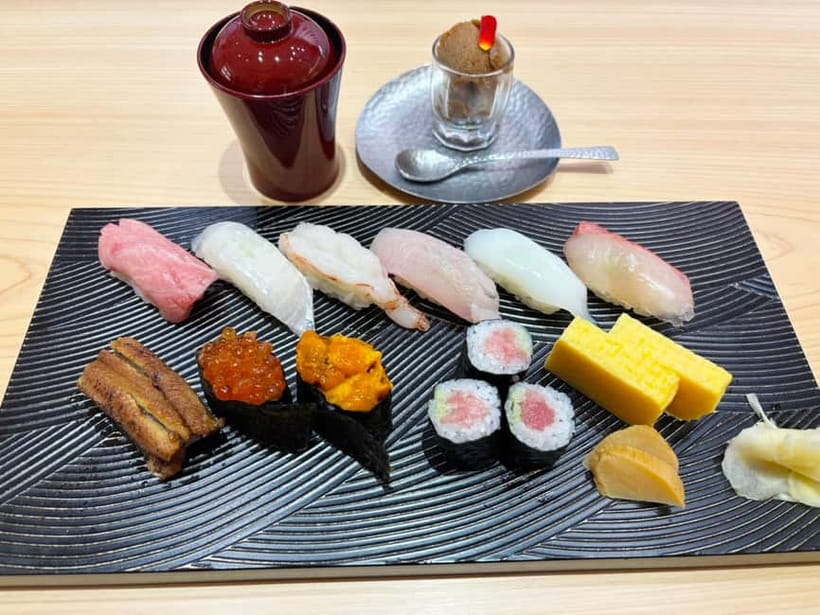
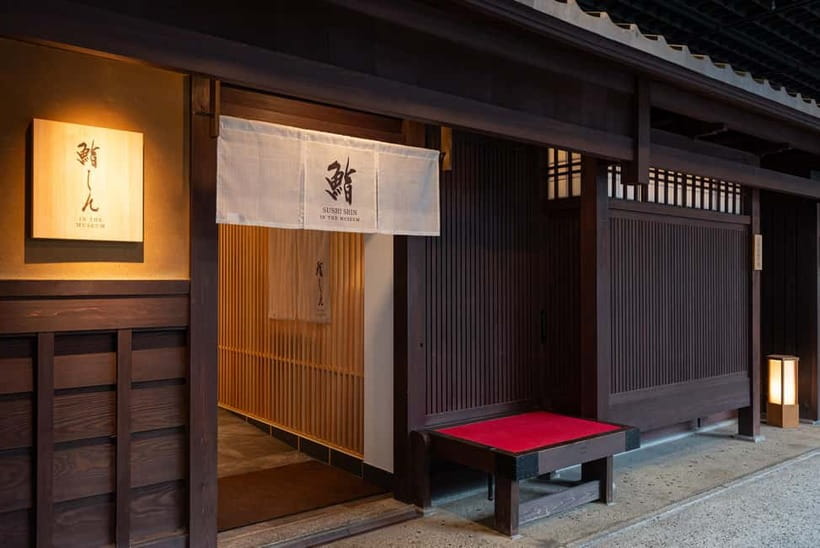
You meet at Sushi Shin in the Museum of Kyoto. This detail matters because the activity is not a citywide food tour with several restaurant stops. It is a focused visit combining one sushi setting with one tea setting, and the experience ends back at the same meeting point.
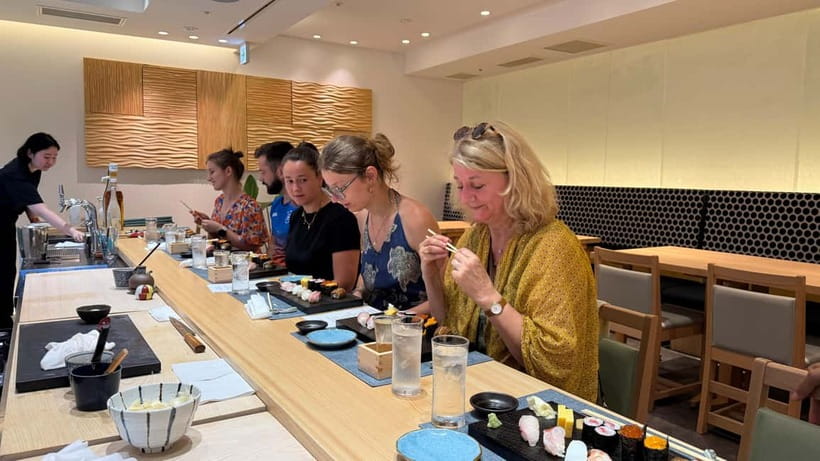
The sushi is prepared directly in front of you by a chef with years of training. That gives the meal its main sense of occasion. You can watch the work as it happens, rather than receiving a tray of pieces prepared out of sight. The available feedback consistently highlights two things: the sushi is exceptionally fresh, and the chef prepares it right before you.
I like this format for a first introduction to sushi because it connects the food with the person making it. Sushi can look simple, but its appeal comes from small decisions in handling, shaping, and timing. The supplied information does not specify the exact menu or number of pieces, so you should not book expecting a particular fish or fixed course unless the provider confirms it in advance.
The schedule changes the order of the meal and ceremony. At the 11:00 session, the tea ceremony comes first and sushi is served at the end. At 13:30, sushi is served at the beginning, followed by tea. If the order matters to you, choose your time with that in mind.
The 11:00 schedule may suit you if you prefer to finish with lunch. The 13:30 schedule may feel more natural if you want to eat first and then settle into the calm of tea. Neither option is described as better, but the difference can affect how you pace your day and how hungry you feel.
A few more Kyoto tours and experiences worth a look
A traditional house beneath the Museum of Kyoto
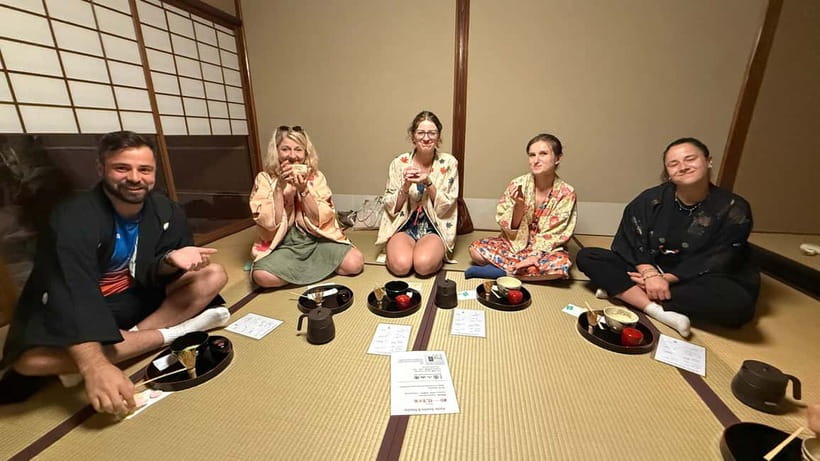
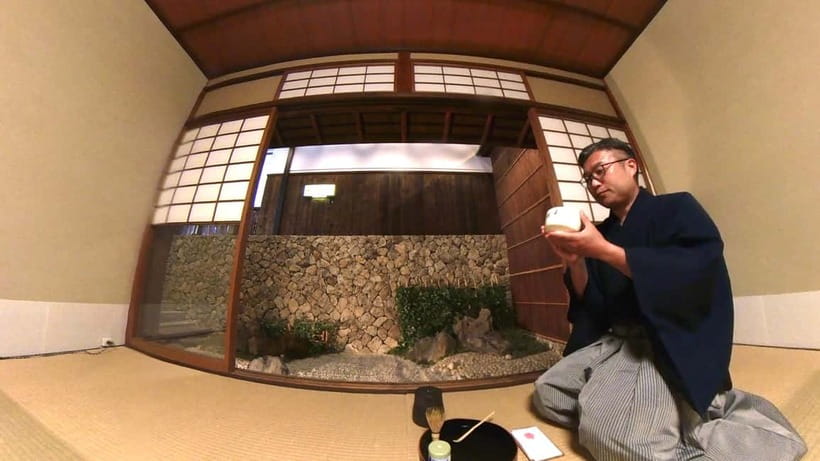
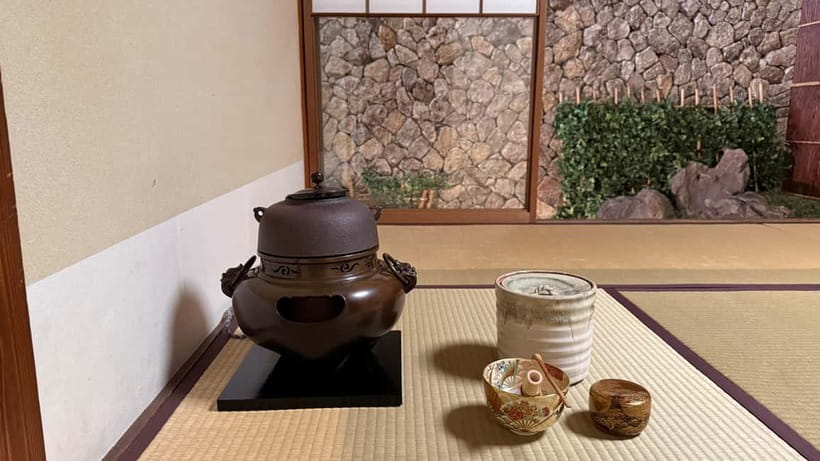
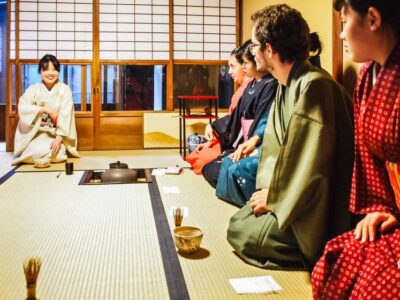
After the sushi portion, or before it, depending on your session, you are guided to a traditional Japanese house on the basement floor. The house is described as carrying the elegant atmosphere of the Edo period, with a view of a meticulously designed garden.
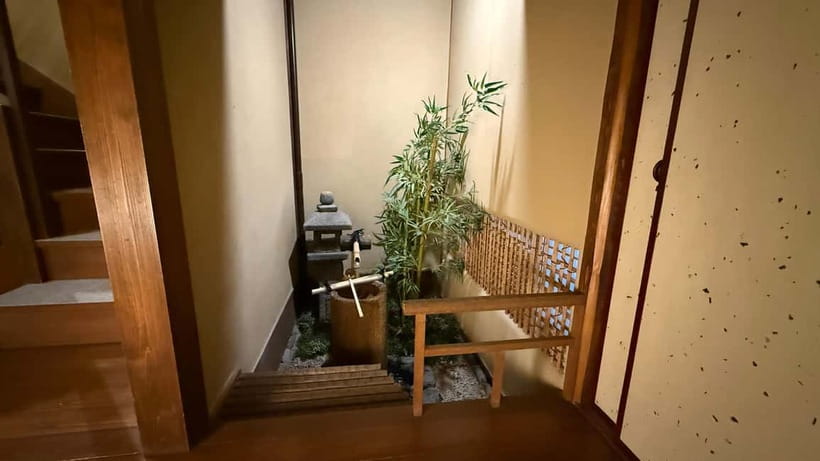
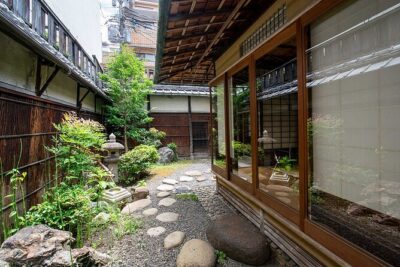
The miniature garden is an important part of the setting. It gives you something quiet to look at while the ceremony unfolds, and it helps explain why Japanese tea practice pays such close attention to the room around the tea. The garden is not simply background decoration. It forms part of the visual rhythm of the experience.
You should also expect a peaceful atmosphere rather than a lively group performance. The ceremony is described as taking place in serene silence, with explanations of the culture and history of chanoyu added at useful points. That combination is appealing because you get context without losing the stillness that makes the ceremony different from a standard food demonstration.
The information does not give a precise duration or group size. That is worth noting if you are building a tightly timed Kyoto day. Allow enough breathing room around the booking instead of assuming you can rush straight to another appointment.
Wearing a haori adds a physical connection
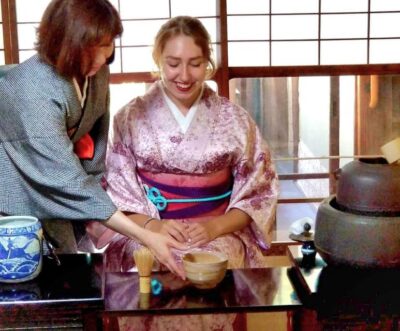
A traditional haori, or kimono-style jacket, is provided for you to wear during the experience. This is a small detail, but it changes the mood. You are not only looking at Japanese clothing or seeing it in a display. You put on a garment and take part in the setting.
The haori is also a practical middle ground. You get a taste of traditional dress without the larger commitment of a full kimono fitting. The supplied information does not state the available sizes or whether the garment is worn over your own clothing, so contact the provider if fit is a concern.
I appreciate details like this when they support the activity rather than distract from it. Here, the haori belongs to the tea setting and helps you understand the formality of the moment. It is not presented as a separate costume photo session.
Learning what chanoyu means
The tea portion includes a brief explanation of the history and cultural origins of chanoyu. You are also introduced to the traditional utensils used in the ceremony.
This teaching makes the experience more useful than simply drinking matcha. You learn why the bowl, whisk, and other objects receive so much attention. Even a short explanation can help you notice the order of movements and the care given to each item.
The ceremony is described as authentic, but you should understand what that means here. This is an introductory cultural experience, not a long professional study of tea practice. You will receive an explanation, watch the ceremony, wear a haori, and then make your own bowl of tea. That is enough to give you a clear first look without asking you to already know the rules.
The tone should suit you if you enjoy quiet, guided experiences. If you want a loud, highly interactive cooking class with constant conversation, this may feel restrained. The silence is part of the appeal, but it also requires you to slow down and pay attention.
Whisking premium matcha for yourself
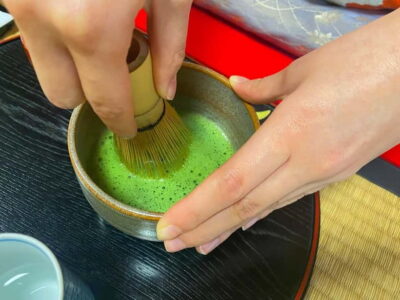
One of the strongest features is that you whisk your own bowl of matcha. After the demonstration and explanation, you get to try the process yourself.
This hands-on step matters. Watching a tea ceremony can leave you admiring the movements without understanding them. Making the tea gives you a small physical sense of the work involved. You handle the whisk, prepare the bowl, and taste the result as part of the same sequence.
The matcha is described as rare and premium, and the available feedback repeatedly praises its quality. One report specifically describes the matcha as exceptionally good, while another notes that it was high quality and that making it yourself was a highlight.
You should expect a flavor unlike the sweetened matcha drinks sold in many cafés. The information does not describe the exact tasting notes, so I would not promise a particular level of bitterness or sweetness. The important point is that this is presented as fine ceremonial matcha, served in a traditional context rather than as a modern café beverage.
The matcha is paired with a Kyoto sweet. That pairing gives you a useful lesson in balance. The sweet provides a contrast to the tea, and it is served as part of the ceremony rather than as a separate dessert course.
Other museum experiences in Kyoto

Why the sushi and tea pairing works
Sushi and tea ceremony may sound like two unrelated bookings placed together. In practice, they share a common focus on precision, presentation, and seasonality, even though the information here does not specify the exact dishes or ingredients.
The sushi section is about watching a skilled chef handle food with control. The tea section shifts attention to utensils, movement, clothing, silence, and the garden. One part centers on taste and preparation; the other asks you to notice atmosphere and form.
That makes this a good choice if you want more than a meal but less than a full day of sightseeing. You receive a substantial food experience and a cultural introduction in one location. There is no need to travel across Kyoto between appointments, and the activity returns you to the meeting point at the end.
The tradeoff is focus. You will not see multiple Kyoto neighborhoods, visit a famous temple, or learn a broad survey of Japanese cuisine. This is a carefully contained experience, best judged on the quality of its sushi and tea presentation rather than on the number of sights covered.
How much value do you get for $133?
At $133 per person, this is a premium experience. You are paying for more than sushi and a bowl of tea. The cost includes the chef-prepared meal, a guided tea ceremony, use of a haori, an explanation of tea utensils and chanoyu, a miniature garden setting, Kyoto sweets, and fine matcha.
The value depends on what you want from a Kyoto food experience. If you only want an inexpensive lunch, this is not the economical choice. You could spend far less on ordinary sushi or a café matcha.
I think the price makes more sense if you would otherwise book a separate sushi meal and a cultural activity. Here, both are joined in one structured visit, with the added value of direct instruction and a traditional setting. The three available ratings are all five out of five, with particular praise for the sushi prepared in front of you, the clear tea explanation, the peaceful room, and the quality of the matcha.
Still, the exact sushi menu is not provided. If you are comparing this with an omakase restaurant, ask what is included before paying. The experience is sold as exquisite sushi crafted by a master chef, but the available details do not list the fish, quantity, drinks, or course format.
Who should book this experience
I would recommend it most strongly to adults who want a polished introduction to Japanese food and tea in one sitting. It suits couples, solo visitors, and small groups interested in craft, ceremony, and quiet observation.
It is also a good pick if you have limited time in Kyoto. Because the sushi and tea take place within the Museum of Kyoto, you avoid spending part of the day moving between distant venues. The same meeting point is used at the start and finish.
You may especially enjoy it if you have already seen temples and gardens but want a more personal cultural activity. Wearing a haori and whisking matcha gives you a role in the experience, while the explanations help keep the ceremony from feeling mysterious or inaccessible.
This is not the right fit for vegans or vegetarians. Sushi is central to the activity, and those dietary categories are specifically excluded. If you have allergies, tell the provider in advance. The activity is also not suitable for children under 10 or people over 95.
The experience is offered in English and Japanese. If you need detailed explanations in a particular language, confirm how language support will work when booking.
Practical timing and booking advice
Choose the 11:00 session if you like the idea of tea first and sushi at the end. Choose 13:30 if you prefer to eat sushi at the beginning and finish with matcha and a Kyoto sweet.
The activity starts at Sushi Shin in the Museum of Kyoto and ends there. Since no duration is provided, do not schedule another fixed appointment immediately afterward. The calm nature of the tea portion is better enjoyed when you are not watching the clock.
You can reserve now and pay later, which helps if your Kyoto plans are still shifting. Cancellation is allowed up to 24 hours in advance for a full refund. That gives you some protection, but you should still check the final booking terms for the exact time and date you select.
Tell the provider about allergies ahead of time. This is especially important for a sushi meal, where ingredients may vary and advance notice gives the restaurant a chance to respond.
Should you book it?
Book this if you want a single, refined Kyoto activity that combines freshly made sushi with a genuine introduction to chanoyu. The strongest reasons are the chef working directly in front of you, the calm traditional setting, the rare matcha, and the chance to whisk your own tea while wearing a haori.
Skip it if you are seeking a budget meal, need a vegan or vegetarian menu, or prefer a longer sightseeing program with several locations. At $133, the experience earns its value through the setting, instruction, and two-part format, not through sheer quantity.
For the best match between schedule and appetite, decide first whether you want sushi at 11:00 or 13:30. Then set aside enough time to enjoy the quiet room instead of treating the tea ceremony as a quick add-on.
FAQ
Where does the experience begin?
It begins at the sushi restaurant Sushi Shin inside the Museum of Kyoto.
Where does the experience end?
The activity ends back at the meeting point at Sushi Shin in the Museum of Kyoto.
Is sushi served before or after the tea ceremony?
At the 11:00 session, sushi is served at the end. At the 13:30 session, sushi is served at the beginning.
Is a haori provided?
Yes. You can wear a traditional haori, a kimono-style jacket, during the experience.
Can I make my own matcha?
Yes. You receive an explanation of chanoyu and its utensils, then whisk your own bowl of matcha and enjoy it with a traditional Kyoto sweet.
Is the experience suitable for dietary restrictions and children?
It is not suitable for vegans, vegetarians, or children under 10. If you have allergies, inform the provider in advance.
More Museum Experiences in Kyoto
More Tea Ceremony Experiences in Kyoto
More tours in Kyoto we've reviewed










Tea Ceremony Experiences, compared.
 ★ 4.9Kyoto: Tea Ceremony in a Traditional Tea House in KiyomizuFrom $4945 min
 ★ 4.9Kyoto: Tea Ceremony Ju-An at Jotokuji TempleFrom $291h 10m
 ★ 4.3Kyoto: 45-Minute Tea Ceremony Lesson ExperienceFrom $2245 min
 ★ 5.0World Heritage Kyoto & Nara Uji Authentic Matcha ExperienceFrom $129
 ★ 4.9Kyoto: Table-Style Tea Ceremony at a Kyo-MachiyaFrom $451h 30m
 ★ 5.0Kimono Tea Ceremony at Kyoto Maikoya, NISHIKIFrom $65