
Reviewed · GUIDED
Customized Private Kyoto Tour by a local tour guide
Kyoto is best understood with someone who knows how its temples, shrines, shopping streets, and old neighborhoods fit together. This private tour lets you shape the day with a local guide who has lived in Kyoto for more than 20 years, or follow a first-time Kyoto plan built around major sights.
I like the freedom to ask for practical help, from finding a restaurant to buying a SIM card or arranging a taxi. I also like the personal pace, with no strangers to slow you down. The main drawback is cost: at $171.91 per person, transportation, food, drinks, and some entrance fees are extra.
In This Review
- Key points at a glance
- Why a private Kyoto guide changes the day
- Fushimi Inari and its famous red gates
- Kennin-ji and the dragon on the ceiling
- Gion, where the tour slows down
- Kiyomizu-dera and the view over Kyoto
- The two additional shrine visits
- Shijo Kawaramachi, Kyoto’s city-center finish
- Timing, walking, and transportation costs
- The value of having Steven or Toshiki as your guide
- Who should book this Kyoto experience?
- Should you book it?
- FAQ
- How long does the private Kyoto tour last?
- How much does the tour cost?
- Is this a private tour?
- Can the tour be customized?
- Which places can the tour visit?
- Are transportation, food, and entrance fees included?
- Can I cancel for a full refund?
Key points at a glance
- A private Kyoto day shaped around you: Tell the guide what interests you, or ask for a first-time visitor plan.
- Major sights in one outing: Fushimi Inari, Kennin-ji, Gion, Kiyomizu-dera, and central Shijo Kawaramachi all fit into the schedule.
- Guides with local experience: Steven and Toshiki are named guides connected with especially positive feedback.
- Useful help beyond sightseeing: Your guide can assist with taxis, SIM cards, restaurants, and ideas for later in your trip.
- Walking with transport costs extra: The tour includes the guide, but not trains, buses, taxis, food, drinks, or car service.
- Best for a first Kyoto day: It gives you orientation and major highlights, though the number of stops can make the day feel full.
Why a private Kyoto guide changes the day
A standard sightseeing plan gives you fixed stops and fixed timing. This experience gives you a person who can adjust the day around your interests. You can ask for temples, shrines, traditional streets, food, shopping, photography, or simple help getting comfortable in Japan.
That flexibility matters in Kyoto. You may want to linger under the red torii gates at Fushimi Inari, spend more time in Gion, or cut a stop short so you can eat. A private guide can make those choices with you rather than moving the whole group along.
The guide also offers support beyond the formal sightseeing. The included help covers practical tasks such as booking a taxi or buying a SIM card. That can be useful at the start of a Japan trip, when even a small errand may take more time than expected.
You can also arrive with no plan at all. For first-time visitors, the guide can prepare a route through some of Kyoto’s major sights. That makes the tour a good orientation day, especially if you want to learn how to move around the city before exploring on your own.
The price needs a clear look. At $171.91 per person, the value improves for a couple or small group that wants private attention and can share the cost. It is less attractive if you only want a quick introduction to one neighborhood, since you still pay separately for transport and possible admission fees.
Other guided tours in Kyoto
Fushimi Inari and its famous red gates
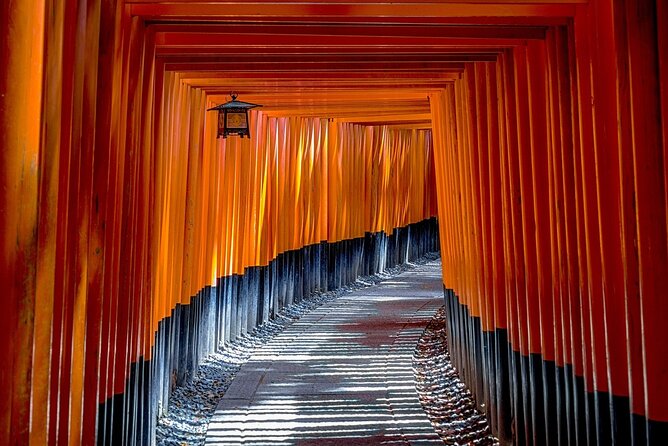
The day begins, or may begin depending on your custom plan, at Fushimi Inari-taisha. This is the shrine known for its long corridors of bright red torii gates, which create the most immediately recognizable scene in Kyoto.
The planned visit is about one hour, with no admission charge. That makes it an efficient opening stop, but an hour is not enough to walk every section of the mountain route. You should think of this as a focused visit to the gates and shrine grounds, not a complete hike through the entire site.
Your guide can help you make sense of what you are seeing and keep the visit from becoming only a photo stop. You can also ask how much walking is sensible for your group. The tour is private, so the pace can be adjusted, although the full route includes several other major areas.
Fushimi Inari is one of the places where an early start can make a difference, but the available booking hours for this experience are listed as 9:00 a.m. to 3:00 p.m. Confirm the meeting time and exact order of stops when you book. The tour description allows customization, so the final route may not follow a single rigid sequence.
Kennin-ji and the dragon on the ceiling
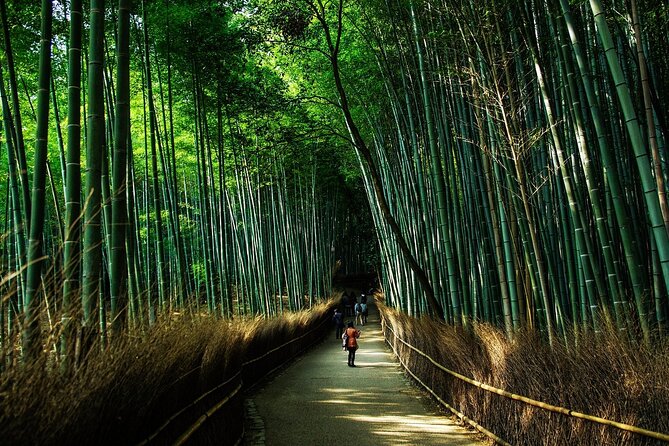
Kennin-ji gives the day a quieter temple visit in the middle of Kyoto’s historic Higashiyama area. The key feature here is the ceiling painting of a dragon, and the planned stop lasts about 30 minutes.
That short visit suits you if you want to see a major artistic feature without committing to a long temple circuit. Your guide can provide context and point out what deserves your attention before you move on.
Admission is described as included for this stop, but the general information also says entrance fees are not included. That is an important point to settle before departure. The two statements do not match, so ask the provider exactly which admission charges, if any, are covered.
The compact timing also means you should not expect an extensive look at every building or garden. This is a highlights visit. If Kennin-ji is one of your main reasons for booking, tell your guide in advance and ask whether more time can be assigned there.
Gion, where the tour slows down
Gion is the part of the experience that gives you time to walk, look, and ask questions. The planned visit is about two hours, making it the longest sustained stop on the route.
You will stroll among traditional buildings, browse shops, take photographs, and pause for food. That open time is valuable because Gion is not a single monument to rush through. Its appeal comes from the streets, façades, lanes, and small details you notice as you move.
Your guide can also help you understand how to behave respectfully in this famous district. The description focuses on traditional buildings and local information, not on guaranteed encounters with geisha or maiko. You should book this for the neighborhood itself, not for a promise of a staged sighting.
Two hours offers room for a break, but food and drinks are not included. You can ask the guide for ideas about what to eat in the area. One especially useful example comes from the guide service’s feedback: Steven helped a couple find a restaurant for New Year’s Eve. That suggests the practical restaurant advice can be more than a list of generic places, though the specific restaurant will depend on your date and needs.
Gion also connects naturally with the other stops. You can ask your guide to explain how the traditional district relates to the nearby temples and central shopping streets. That sort of connection is hard to get from a checklist of isolated sights.
Kiyomizu-dera and the view over Kyoto
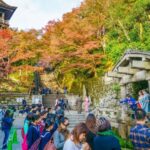
Kiyomizu-dera is one of Kyoto’s essential temple visits, and the tour allows about 30 minutes there. The main draw is the large wooden temple building and the view across Kyoto.
Half an hour is enough for a quick look and photographs, but it is a tight window for the temple grounds and surrounding streets. The area before and after the temple is part of the experience, so the real time commitment may feel longer once walking is included.
This is another place where your private guide can help you focus. You can ask for the most important viewpoint, learn the basic meaning of the site, and decide how much time to spend in the nearby area. If you want a slower visit, say so before the day begins. The route includes several stops, and the guide needs to know which places matter most to you.
There is also a fee-information conflict here. The individual stop says admission is included, while the broader tour details say entrance fees are not included. Do not assume the ticket is covered simply because one section says so. Confirm this point in writing before you go.
Other private tours in Kyoto
The two additional shrine visits
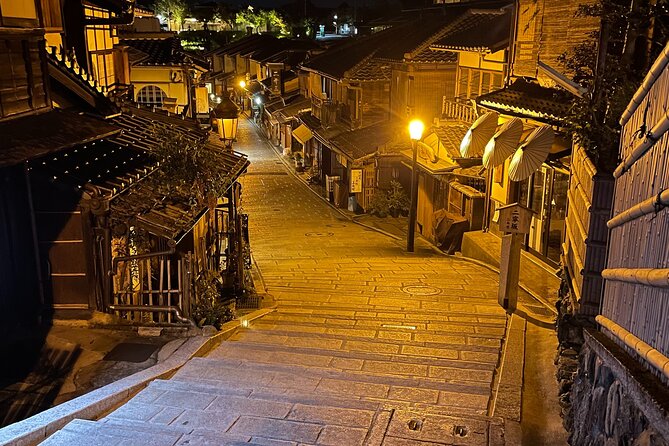
The route also includes two shrine stops whose names are not clearly stated in the supplied details. One is connected with human relationships and wishes to cut off bad relationships while gaining better ones. The other sits at the end of Shijo’s main street and is described as a central shrine for the Gion Festival.
These stops add a different side of Kyoto. They are not simply large scenic monuments. Their appeal comes from the wishes people bring to them and the role they play in local religious life.
Because the names and exact visit times are not provided, ask your guide to identify them when you receive the final plan. This is especially useful if you want to return independently later. You can also ask how much time is allocated to each shrine and whether admission or donations apply.
Their inclusion shows the advantage of a custom route. A guide can explain why these places matter to people in Kyoto, not just point out their gates and buildings. Still, the missing names make it hard to judge the exact schedule in advance, so get clarification before booking if these shrines are important to you.
Shijo Kawaramachi, Kyoto’s city-center finish
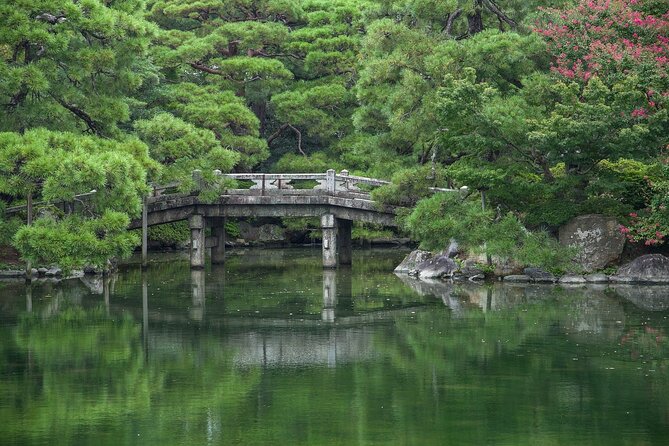
The final major area is Shijo Kawaramachi, with about two hours for shopping, food, and city-center orientation. This is a useful change of pace after the temple and shrine stops.
Here you can look at shops, consider entertainment for another day, and ask for suggestions about food or things to see. If you are staying in Kyoto for more than one day, this advice can help you use the rest of your time well.
The two-hour block also gives you a chance to end the tour according to your interests. You might want food suggestions, shopping ideas, or a better sense of the central district. Because meals are not included, plan to pay directly for anything you eat or drink.
Shijo Kawaramachi is less about one must-see building and more about learning how the city works. That makes it a sensible final stop. You finish with practical ideas rather than only a collection of temple photographs.
Timing, walking, and transportation costs
The experience lasts about five to six hours, though the listed stop times add up to roughly six and a half hours before travel between locations. Treat the timing as an approximate framework rather than a guarantee. A private guide can shorten one stop, extend another, or change the order.
Transportation is not included. You also do not receive a private car or driver. You should budget separately for the trains, buses, or taxis needed to move between locations. The guide can help book a taxi, which is useful when you want to save time or need assistance with the process.
The route includes multiple districts and several major sights, so expect a fair amount of walking. The information says most people can participate and that the tour is near public transportation. Service animals are allowed. If anyone in your group has mobility concerns, discuss the route and transport plan with the guide before the start.
The available hours are listed as 9:00 a.m. to 3:00 p.m., Monday through Sunday, for the stated operating period. Because the tour is customized, confirm the exact start time, pickup details, and meeting point. Pickup is offered, but the information does not specify every pickup location or whether an extra charge applies.
The value of having Steven or Toshiki as your guide
The human element is the main reason to choose this experience. Steven is described as funny and helpful, with an ability to explain life in Kyoto and assist with finding a restaurant. Toshiki is praised for knowing the city’s most interesting places and explaining each site clearly.
Those details matter. A private tour can be disappointing if the guide only recites facts or follows a route without listening. Here, the strongest feedback points to two qualities you should want: clear explanations and practical help.
You should still tell the provider what kind of guide suits you. Some people want history and architecture. Others want food, shopping, photographs, or advice for the rest of a Japan trip. The more specific you are, the easier it is to use the custom format well.
The included Japan travel support is a real benefit for first-time visitors. Help with a taxi or SIM card may sound minor, but it can save you time and frustration. It also means the experience can keep paying off after the formal sightseeing ends.
Who should book this Kyoto experience?
I would consider this tour first if you have only one full day in Kyoto and want the major sights with personal guidance. It also suits couples, families, and small groups who dislike fixed group schedules.
It is a strong choice for first-time visitors who want a practical introduction. You can see famous places, learn how the districts connect, and collect ideas for independent exploring later.
It may be less suitable if you prefer a slow, single-neighborhood visit. Fushimi Inari, Kennin-ji, Gion, Kiyomizu-dera, additional shrines, and Shijo Kawaramachi create a broad day. The short temple visits may feel rushed if you want detailed architecture, quiet reflection, or extensive photography.
The price is also easier to justify when several people share the private guide. Solo visitors should compare the cost with a small-group tour or a shorter private walk. Remember to add transportation, meals, drinks, tips if you choose to give one, and any entrance charges that are not covered.
Should you book it?
Book this tour if you value flexibility, want help from a local Kyoto guide, and plan to see both famous sights and everyday city areas in one day. The combination of Fushimi Inari, Gion, Kiyomizu-dera, central Kyoto, and practical Japan support gives you more than a simple temple checklist.
Before paying, confirm three things: the exact meeting or pickup arrangement, the transportation plan, and which entrance fees are included. Also ask how the guide will balance the many listed stops within five to six hours.
If you want a relaxed visit to one or two temples, choose a narrower tour. If you want a private orientation with room for food, shopping, questions, and changes along the way, this is a useful Kyoto starting point.
FAQ
How long does the private Kyoto tour last?
The experience lasts approximately five to six hours.
How much does the tour cost?
The listed price is $171.91 per person. Group discounts are offered.
Is this a private tour?
Yes. Only your group participates in the activity.
Can the tour be customized?
Yes. The plan can be customized around your interests. If you are visiting Kyoto for the first time and do not know what to choose, the guide can suggest a plan covering major sights.
Which places can the tour visit?
The described route includes Fushimi Inari-taisha Shrine, Kennin-ji Temple, Gion, Kiyomizu-dera Temple, Shijo Kawaramachi, and two additional shrine stops.
Are transportation, food, and entrance fees included?
Transportation, food, drinks, and a car with driver are not included. The general information also says entrance fees are not included, although individual stop details say admission is included at Kennin-ji and Kiyomizu-dera. Confirm the admission policy before the tour.
Can I cancel for a full refund?
Yes. You can cancel at least 24 hours before the experience start time for a full refund. Cancellations or changes made less than 24 hours before the start time are not accepted for a refund.
More Private Tours in Kyoto
More Guided Tours in Kyoto

More tours in Kyoto we've reviewed









Guided, compared.
 ★ 5.0Kyoto Early Morning Tour with English-Speaking GuideFrom $68
 ★ 5.0Kyoto 6hr Private Tour with Government-Licensed GuideFrom $155
★ 4.9Kyoto: Early Morning Tour with English-Speaking GuideFrom $1015h 30m
★ 5.0Kyoto 6hr Private Tour with Government-Licensed GuideFrom $155
★ 4.9Kyoto: Early Morning Tour with English-Speaking GuideFrom $1015h 30m
 ★ 4.7Kyoto: Nijo-jo Castle and Ninomaru Palace Guided TourFrom $161 hour
 ★ 4.9Kyoto: Izakaya Bars Guided Walking TourFrom $253 hours
 ★ 5.0Kyoto Gion Night Walk & Geisha District Guided TourFrom $18