
Reviewed · SAKE BREWERY TOURS
Kyoto Sake Brewery & Tasting Walking Tour
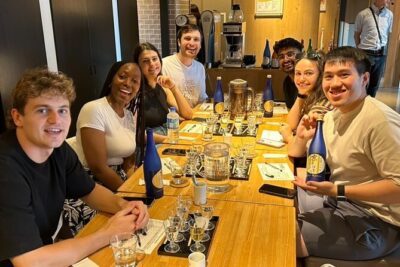
Fushimi is Kyoto’s sake country, and this three-hour walk gives you a clear introduction to why. You’ll visit the Gekkeikan Okura Sake Museum, pass historic Teradaya, see the Kappa Gallery, then settle in for a tasting of 18 Kyoto sakes at a local sake restaurant.
I like the small maximum group of seven, which makes it easier to ask questions and talk with your guide. I also like the order of the tour: first learn how sake is made, then taste different styles with some context in mind.
The main caution is simple: 18 samples is a lot in one sitting. The tasting can feel overwhelming, and this is not a good pick if you want several full brewery tours or only sake that is unavailable outside Japan.
In This Review
- Key points before you book
- Why Fushimi is the right place to learn about sake
- Gekkeikan Okura Sake Museum: a useful first lesson
- The walk through Fushimi and the Kappa Gallery
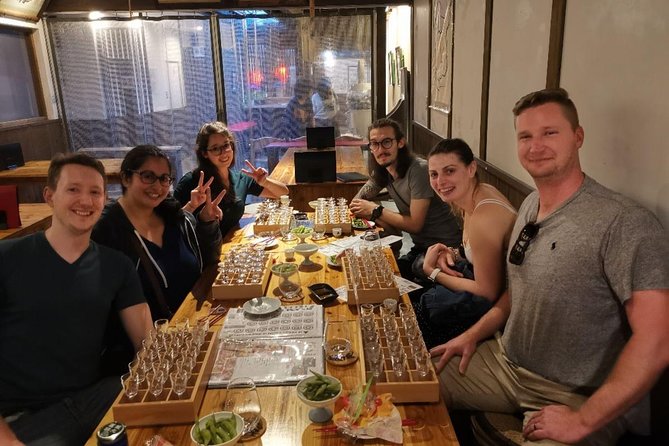
- The main tasting: 18 glasses and plenty to compare
- What the guide adds to the experience
- Is 18 sake samples too much?
- How much value do you get for $98.82?
- Who should book this Fushimi walk?
- Practical tips for a smoother afternoon
- Should you book the Kyoto Sake Brewery & Tasting Walking Tour?
- FAQ
- How long does the Kyoto Sake Brewery & Tasting Walking Tour last?
- Where does the tour begin?
- Where does the tour end?
- How much sake is included?
- Is food included in the price?
- What happens if someone is under 20?
- Is the tour suitable for people with mobility issues?
- What is the cancellation policy?
Key points before you book
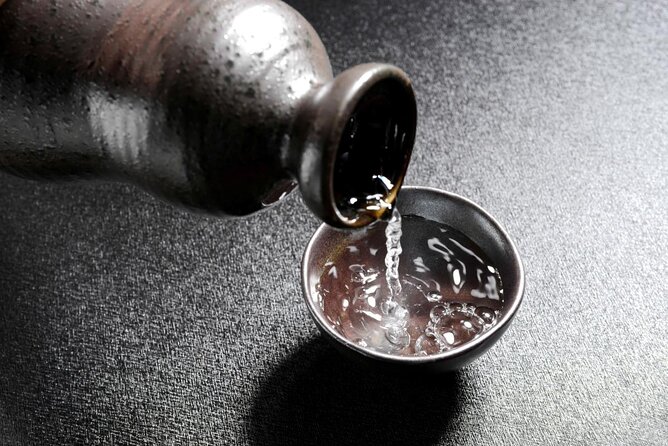
- Eighteen sake samples are included: The main tasting takes place at a sake restaurant, with extra food and drinks available to buy.
- Fushimi is the setting: You walk through one of Kyoto’s best-known brewing districts rather than staying in a single tasting room.
- Gekkeikan provides the foundation: The museum explains the company’s long brewing tradition and the basic steps of sake production.
- Small groups keep it personal: The maximum is seven people, and some departures may be smaller or even private.
- Expect a serious amount of walking and drinking: The tour lasts about three hours and is not recommended if you have trouble walking.
- Guides make a big difference: Guides such as Matt, Rika, Kumi, Yukari, and Linda have been praised for clear explanations, local suggestions, and friendly company.
Why Fushimi is the right place to learn about sake
Fushimi gives this tour a useful sense of place. You are not learning about sake in an isolated classroom. You are walking through a Kyoto district tied closely to brewing, with historic streets and a long connection to the drink.
The tour begins at Chushojima Station in Fushimi Ward. It ends at Fushimi-Momoyama Station, so you do not have to retrace your route after the final tasting. Both stations are near public transportation, which makes this a practical outing from central Kyoto.
The walking also helps break up the alcohol. You move from the museum through the local area, pass Teradaya, and continue to the Kappa Gallery before reaching the main sake restaurant. Still, wear comfortable shoes and bring water. Kyoto summers can be hot and humid, and you will be outdoors between stops.
Fushimi’s appeal is partly historical. Teradaya is associated with Sakamoto Ryoma, a famous figure from the final years of the Edo period. The tour passes by rather than offering a full visit, so treat it as a quick landmark along the route, not a major stop.
Other sake brewery and tasting tours in Kyoto

Gekkeikan Okura Sake Museum: a useful first lesson
The Gekkeikan Okura Sake Museum is the tour’s main educational stop. Admission is included, and you spend about 30 minutes looking at exhibits connected with Gekkeikan and sake production.
This museum visit matters because sake can seem confusing when you first encounter it. Labels often mention polishing, sweetness, dryness, aroma, and serving style. Without a basic explanation, a tasting can turn into a long row of small glasses with no clear way to compare them.
At the museum, you learn the broad brewing process and see equipment and displays connected with sake making. The focus is not on watching an active production line. Instead, it gives you the background needed to understand what comes later.
Gekkeikan is also a useful case study because it is a major Kyoto brewer with a long history. One practical surprise for some people is that Gekkeikan is also the same brand they may already know from stores in the United States. That can be either a benefit or a disappointment.
It is a benefit if you want to understand a familiar brand in its Kyoto setting. It is a drawback if you expect an obscure, small producer with bottles found only in Fushimi. This tour includes a famous and globally active brewer, not a lineup of small craft breweries.
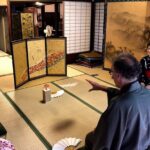
The museum also offers a sake tasting setup, with staff explaining broad differences such as dry and sweet. This gives you a first chance to compare styles before the larger tasting later.
The walk through Fushimi and the Kappa Gallery
After the museum, the guide takes you through the surrounding brewery district. This is where the tour feels less like a museum visit and more like a neighborhood walk.
You pass Teradaya, a notable site connected with the late Edo period, then continue to the Kappa Gallery. The Kappa Gallery is dedicated to the kappa, a legendary Japanese water creature. Its connection to the tour may seem playful, but it gives the walk another local point of interest and keeps the afternoon from becoming only about alcohol.
The Kappa Gallery stop is listed at about 30 minutes, with admission included. The provided details do not promise an active brewery tour at each stop, so set your expectations correctly. You will learn about sake production and walk among brewery-related sights, but you should not book this expecting to enter several working breweries.
That distinction matters. One disappointed customer expected multiple brewery tours and more Kyoto-only sake. The tour is better understood as a museum visit, a Fushimi walking tour, and a large guided tasting, not as a behind-the-scenes production tour.
The main tasting: 18 glasses and plenty to compare
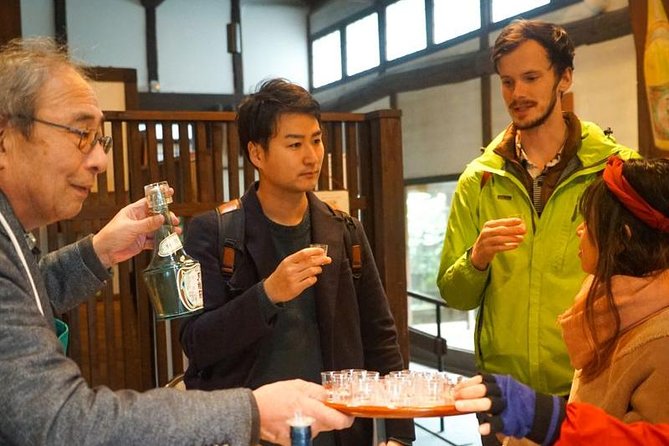
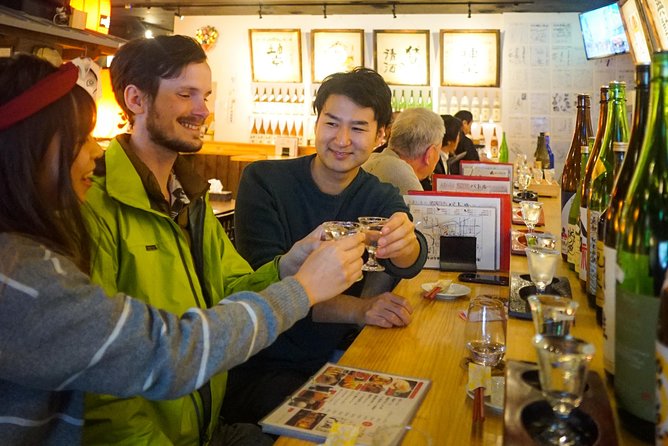
The centerpiece is a tasting of 18 kinds of sake at a sake restaurant. That number makes the $98.82 price easier to assess. You are paying for a guide, museum admission, photos, and a broad tasting, not just a single drink and a short explanation.
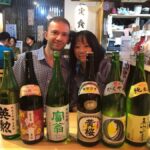
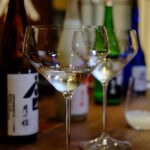
The tasting is designed to show range. You can compare different sake styles and begin to notice what you prefer. Some people discover that they like a crisp, dry sake. Others prefer something softer, sweeter, or more aromatic.
The exact serving details can vary, and the tour information lists 18 samples at the restaurant. Several past outings included 21 or 22 tasters, while another included 17, so do not treat a higher number as guaranteed. The dependable point is that the tasting is generous.
The restaurant also sells food and additional drinks. Food is not included in the tour price, but buying something to eat is a sensible move, especially if you are not used to tasting sake in this quantity. The food can also help you notice how different sake styles work with savory dishes.
Extra food and drinks are available for purchase, but you should budget separately for them. The included package covers the tasting set, not a full meal.
What the guide adds to the experience
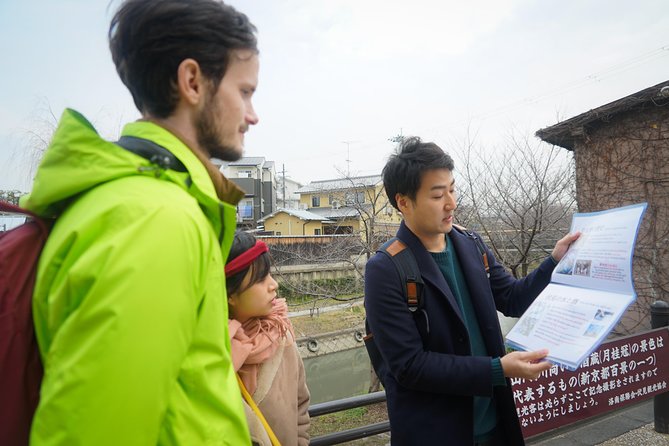
The guide is not just there to lead you from station to station. A good guide helps turn the samples into a lesson and connects the sake to Kyoto.
Matt has been praised for explaining both local history and the brewing process, while also being an enjoyable person to share a drink with. Rika has been noted for detailed but approachable explanations, and for helping people compare a large number of samples without making the session feel like a lecture.
Kumi has helped visitors with questions about sake, Japanese culture, and other parts of Kyoto. Yukari has even assisted with finding a particular bottle after the scheduled tour. Linda, a sake sommelier, brought a more specialized perspective to the tasting.
You are not guaranteed any particular guide, but these examples show the range of the guiding style. Guides may focus more on brewing, local history, bottle recommendations, or casual conversation. If you enjoy asking questions, the small group gives you a good chance to shape the session.
The guide can also be useful after the formal program ends. Some guides have shared Kyoto suggestions, photos, links, directions, and help with onward transportation. That kind of practical help is especially welcome after several tastings, when navigating a new rail station may feel less straightforward.
Other sake brewery and tasting tours in Kyoto


Is 18 sake samples too much?
For many people, yes, at least a little. Several small samples can add up quickly, even when each pour is modest.
Go slowly, eat something, and use the walking time to reset. You do not need to force yourself to finish every sample if you are feeling the alcohol. The point is to compare styles and learn what you like, not to prove that you can drink the most.
One useful detail from past experiences is that people described getting a noticeable buzz without becoming drunk. That will depend on your pace, body, food intake, and the actual pours, so take the warning seriously.
This is an alcohol tasting, not a sightseeing tour with a token sip. Anyone under 20 receives food or snacks instead of the sake tasting set. If you do not drink alcohol, the experience will lose its main attraction, although the museum and district walk remain.
How much value do you get for $98.82?
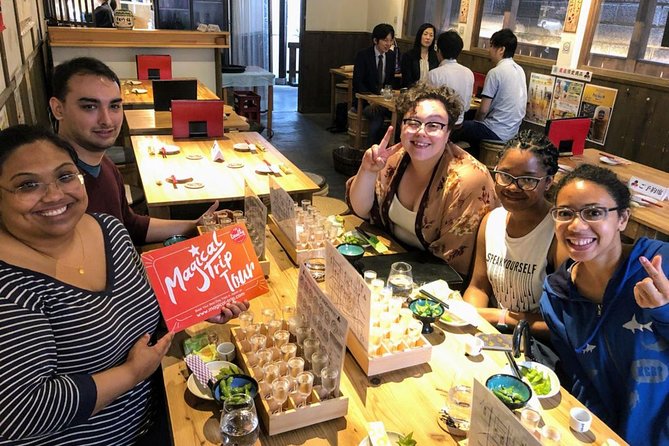
At $98.82 per person, this is not the cheapest way to try sake in Kyoto. You could buy a few bottles or visit a bar on your own for less.
The value comes from the structure. You receive admission to the Gekkeikan Okura Sake Museum, a guided walk in Fushimi, photos during the tour, and a tasting set covering 18 sakes. You also avoid the guesswork of choosing a bar, decoding Japanese labels, and deciding which drinks to order.
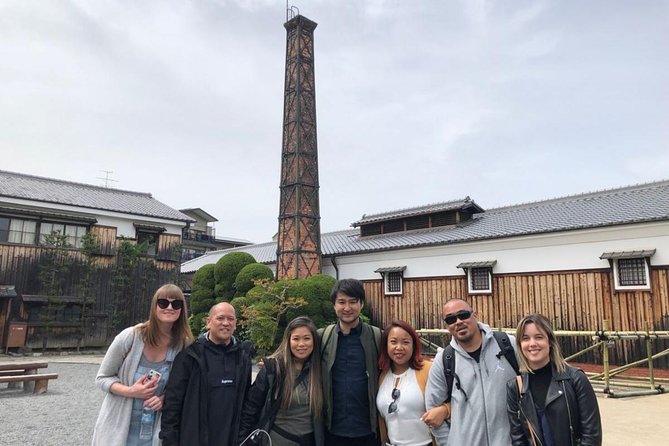
For a first-time sake drinker, that guidance has real value. You get a basic explanation before tasting, help comparing styles, and the chance to ask direct questions. The small group also gives the tour a more personal feel than a large commercial tasting.
For an experienced sake fan, the value depends on your goal. If you want to taste a wide range in one place and learn more about Kyoto’s brewing district, the price can make sense. If you already know sake well and want rare bottles or production access, you may find the program too basic.
You should also allow for food and any extra drinks. Since those are not included, the final cost can rise if you want to turn the tasting into a meal.
Who should book this Fushimi walk?
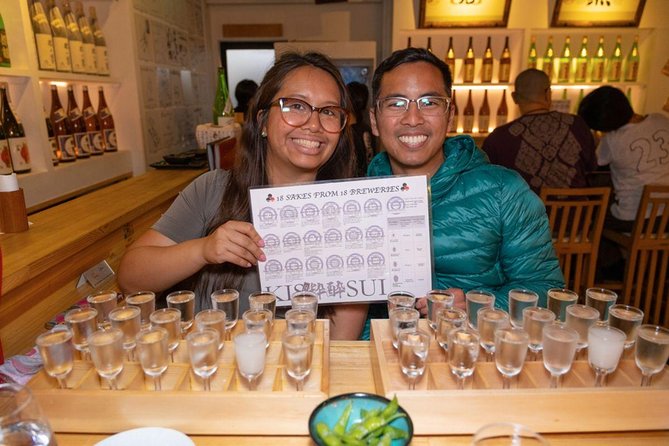
I would recommend it most strongly to a first-time sake drinker, a couple looking for an easy cultural afternoon, or anyone who wants a guided introduction rather than a self-planned bar crawl.
It also suits an experienced sake drinker who enjoys comparing many styles and wants a local guide’s recommendations. The tour can be social without requiring you to be an expert. You can arrive knowing very little and still have useful questions by the end.
It is less suitable for someone who wants to see several working breweries. The program centers on the Gekkeikan museum, the Fushimi walk, the Kappa Gallery, and a restaurant tasting. The brewery connection is important, but the tour does not promise repeated production-floor visits.
It is also a poor match if you have mobility issues or trouble walking. The operator says the tour is not recommended in that case, though you can ask about arranging a private version. The route includes outdoor walking and several stops.
All participants must be at least 20 to receive sake. If you have allergies or dietary restrictions, contact the operator before booking. Allergy-free food cannot be guaranteed because meals are prepared in kitchens outside the operator’s control, and substitutions may not always be possible.
Practical tips for a smoother afternoon
Meet at Chushojima Station and plan to arrive with enough time to find the meeting point. The tour ends at Fushimi-Momoyama Station, which is convenient because you finish in a different part of the district.
Wear shoes suited to walking and bring water, especially from June through September. A hat is useful during hot weather, and you should not arrive dehydrated for a tasting.
Have a light meal before the tour or plan to buy food at the tasting restaurant. Food is available for purchase, but it is not part of the listed price.
Keep your schedule flexible after the tour. The experience lasts about three hours, and the alcohol may make you want a quiet evening rather than another major attraction. On the useful side, the guide can offer directions and local suggestions once the tour ends.
The tour uses a mobile ticket and confirmation is provided at booking. Free cancellation is available up to 24 hours before the start time. Changes or cancellations inside that window are not refunded, and poor weather may lead to another date or a full refund.
Should you book the Kyoto Sake Brewery & Tasting Walking Tour?
Book it if you want a well-organized introduction to sake with a real sense of place. The combination of Fushimi streets, the Gekkeikan museum, a small group, and 18 samples gives you more than a stand-alone bar tasting.
I would book it early if the schedule fits, since the tour has been booked several times recently and the group limit is only seven people. Go in expecting a famous Kyoto brewer rather than a string of tiny, secret producers, and plan for food, water, and a substantial amount of sake.
Skip it if you dislike alcohol, cannot walk comfortably, or specifically want hands-on access to several active breweries. For everyone else, especially curious beginners, this is a practical way to learn what kind of sake you actually enjoy before buying a bottle in Kyoto.
FAQ
How long does the Kyoto Sake Brewery & Tasting Walking Tour last?
The tour lasts approximately three hours.
Where does the tour begin?
It begins at Chushojima Station in Fushimi Ward, Kyoto.
Where does the tour end?
The tour ends at Fushimi-Momoyama Station in Fushimi Ward.
How much sake is included?
The included tasting set at the sake restaurant contains 18 kinds of sake. Some past outings had different totals, but 18 is the stated amount.
Is food included in the price?
No. Additional food and drinks are available for purchase at the tasting restaurant.
What happens if someone is under 20?
Anyone under 20 receives food or snacks instead of the sake tasting set.
Is the tour suitable for people with mobility issues?
It is not recommended for people who have trouble walking. You can contact the operator to ask if a private tour might be possible.
What is the cancellation policy?
You can cancel up to 24 hours before the start time for a full refund. Cancellations or changes made less than 24 hours before the tour are not accepted for a refund. If poor weather causes the tour to be canceled, you will be offered another date or a full refund.
More Walking Tours in Kyoto
More Sake Brewery Tours in Kyoto
More Sake Brewery Tours in Kyoto
More tours in Kyoto we've reviewed


Sake Brewery Tours, compared.
 ★ 5.0Kyoto Night Foodie Tour in Gion (9+ dishes + 6 Sake tastings)From $163
 ★ 5.03-Hour Kyoto Insider Sake Brewery Tour with Tastings & PairingsFrom $84
 ★ 4.8Arashiyama Bamboo, Temple, Monkeys, or Secret Sake BreweryFrom $875 hours - 330 minutes
 ★ 5.0Kyoto: Insider Sake Brewery Tour with Sake and Food PairingFrom $873 hours
 ★ 5.01.5-Hour Kyoto Insider Sake Experience with 7 Tastings & PairingsFrom $68
 ★ 5.0Kyoto: Insider Sake Experience with 7 Tastings and SnacksFrom $661h 30m