
Reviewed · SAKE BREWERY TOURS
Kyoto: Insider Sake Brewery Tour with Sake and Food Pairing
Kyoto’s best sake lesson is not just a round of drinks. In Fushimi, you first see how sake is made, then taste more than 10 styles side by side with Japanese snacks. That order matters: the brewery visit gives you a way to understand what is in your glass.
I especially like the practical label lesson and the food pairing. Guides such as Kyoko, Miyuki, Momo, Chika, and Greg have been praised for making technical subjects easy to follow. You also receive a small sake cheat sheet, useful when a restaurant menu presents you with a wall of unfamiliar Japanese characters.
The main catch is the walking. The first half lasts about 90 minutes and involves standing, so this is not a good match if you need a seated activity or have low stamina. Also, you must not drive or cycle to the tour, since alcohol will not be served to anyone arriving that way.
In This Review
- Key points at a glance
- Why Fushimi is the right place to learn sake
- The brewery lesson: rice, polishing, and flavor
- The tasting room and the first pour
- Otsumami shows why pairing matters
- Learning to order sake in Japan
- Is $87 a fair price?
- Who will enjoy this experience most
- Timing, meeting point, and sensible planning
- My verdict on this Fushimi sake tour
- FAQ
- Where does the Kyoto sake tour meet?
- How long does the experience last?
- What language is the tour offered in?
- How many sakes will I taste?
- Is food included?
- Is the Gekkeikan Okura Sake Museum included?
- Can vegetarian or vegan participants join?
- Can someone under 20 drink sake on the tour?
- Can I arrive by car or bicycle?
Key points at a glance

- Ten or more sake styles: Compare crisp, dry, fruity, and full-bodied examples in one sitting.
- A real Fushimi brewery setting: Visit Gekkeikan Okura Sake Museum and learn the basic brewing process.
- Useful label-reading skills: Learn how rice polishing, grades, and other bottle details affect flavor.
- Food pairing with otsumami: Taste sake first on its own, then again with traditional Japanese appetizers.
- An English-speaking sake specialist: Guides including Kyoko, Miyuki, Momo, Chika, and Greg bring different personalities to the lesson.
- A three-hour commitment: Plan a relaxed afternoon or evening, and avoid scheduling anything demanding right afterward.
Why Fushimi is the right place to learn sake
Fushimi is one of Japan’s best-known sake-producing districts, and that gives this experience a useful sense of place. You are not learning about sake in a generic bar. You meet at the Gekkeikan Okura Sake Museum, in an area tied directly to brewing.
The meeting point is inside the museum entrance at 697 Motozaimokuchō, Fushimi Ward, Kyoto. That detail matters because Fushimi has several sake-related sights, and arriving at the wrong building could cost you valuable time. If the Gekkeikan museum is unexpectedly closed, the visit may move to another historic brewery in the district.
The museum portion is more than a quick look at bottles and barrels. You learn the basic stages of sake production and the role of ingredients and technique in shaping the final drink. The presentation also places Gekkeikan and the brewery’s story in context, giving you a better sense of why Fushimi became such an important sake center.
This part takes about an hour, according to the experience details and individual accounts. You walk and stand for much of the first half, so wear comfortable shoes. It is an easy cultural activity for someone in normal walking condition, but it is not designed as a fully seated tasting class.
Other sake brewery and tasting tours in Kyoto

The brewery lesson: rice, polishing, and flavor
Sake can look mysterious when you see a menu filled with names such as junmai, ginjo, and daiginjo. The brewery visit starts clearing up that confusion.
A key idea is rice polishing. Sake rice is milled to remove portions of the outer grain, and the level of polishing affects the character and category of the drink. The experience does not ask you to memorize a long list of Japanese terms. Instead, your guide shows you how the process connects to aroma, texture, and taste.
That practical link is one of the strongest parts of the tour. You are not simply told that one sake is more polished than another. You taste different examples and consider what that change means in the glass. Several people who arrived with little sake experience found this made the subject easier to grasp.
You also learn that sake is not one single flavor. Some examples are dry and clean. Others are fruity, fragrant, soft, or weighty. The guide explains how brewing choices create those differences, then gives you a chance to test the explanation yourself.
Guides such as Kyoko and Miyuki have been singled out for mixing clear instruction with humor and warmth. Momo has also been praised for answering questions carefully, while Greg has been described as energetic and easy to follow. The specific guide depends on the date, but the experience is built around a live English-speaking expert rather than an audio guide.
The tasting room and the first pour

After the museum, you move to a dedicated tasting room for the main event. This change of setting helps the experience feel like a lesson rather than a museum tour followed by an unrelated drink.
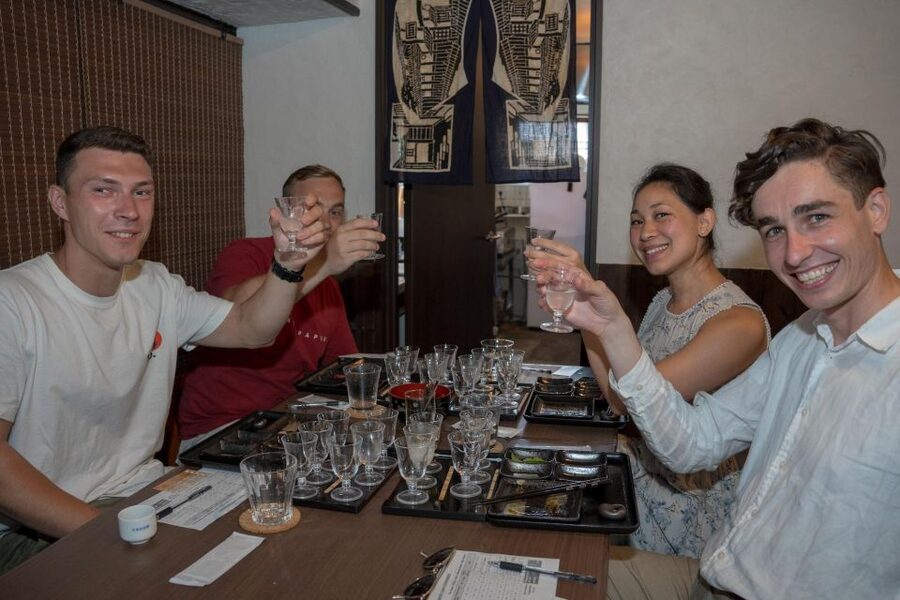
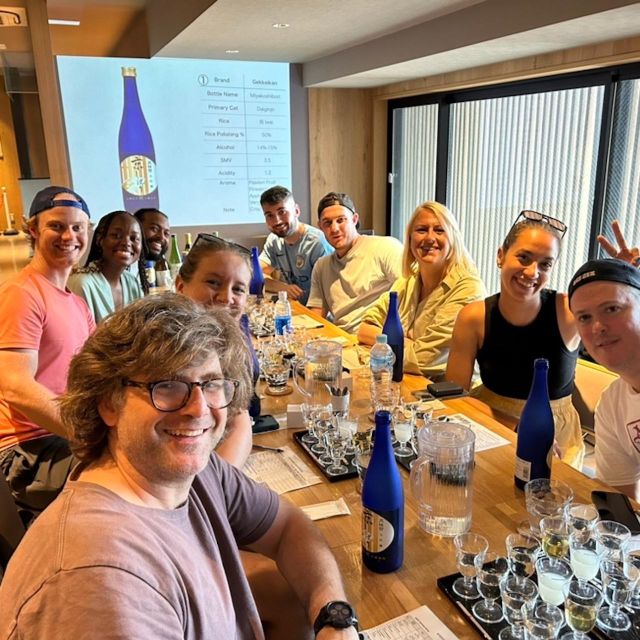
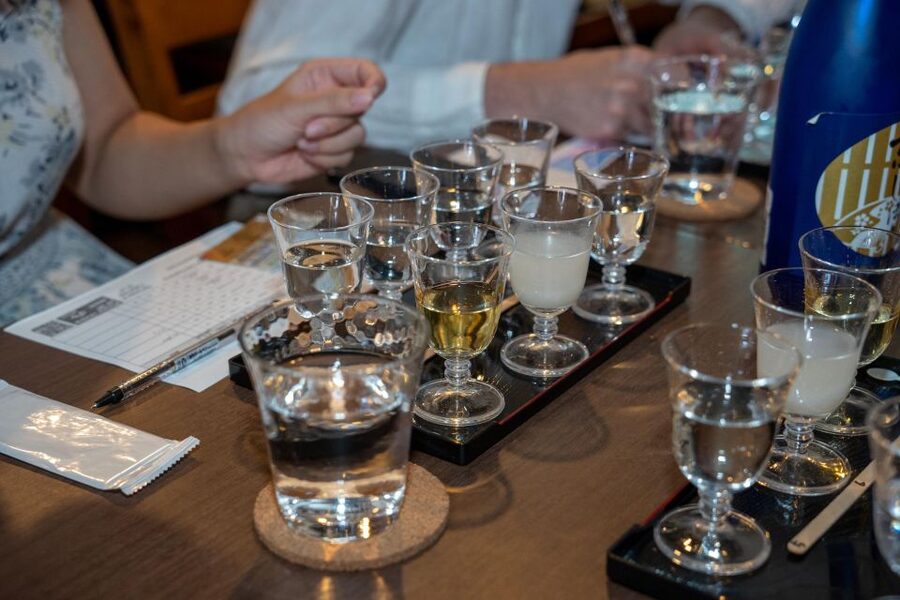
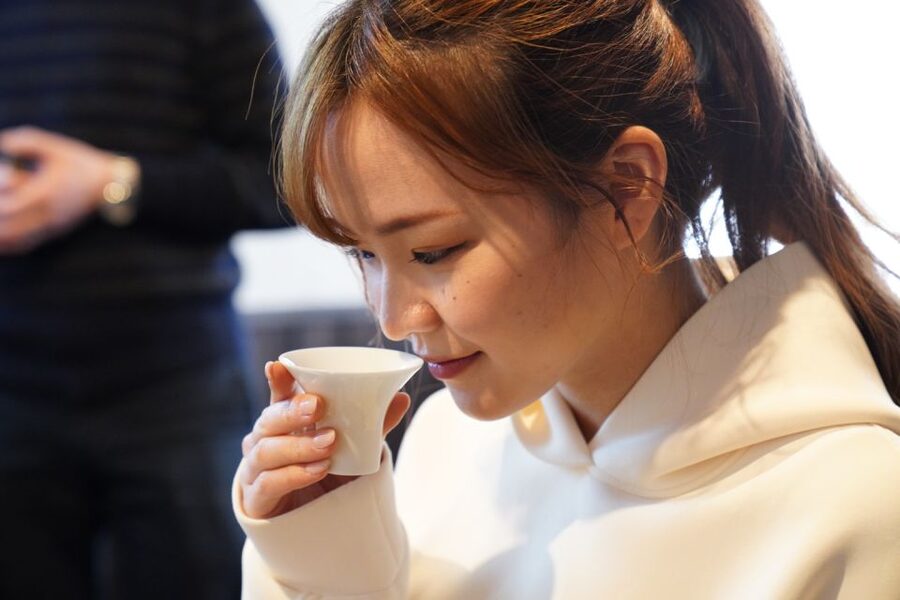
The tasting includes 10 or more sake selections chosen by a certified sake sommelier. The exact bottles can vary, but the point is the range. You compare styles directly instead of trying to remember the character of a drink from one restaurant visit several days earlier.
The tasting is guided, not rushed. You are shown how to notice basic differences and encouraged to identify what you actually like. That last part is important. Sake terms can help you predict a style, but your own palate still decides if you prefer crisp and restrained or aromatic and generous.
The session is suitable for beginners, yet it has enough detail for people who already order sake. Someone who drinks sake often may enjoy testing familiar assumptions and discovering how labels translate into the glass. Someone new to sake gets a clear starting point without needing prior knowledge.
One useful feature is tasting some sake on its own before trying it with food. That gives you a baseline. You can notice aroma, sweetness, dryness, and texture without another flavor in the way. Then the pairing changes the experience.
Otsumami shows why pairing matters
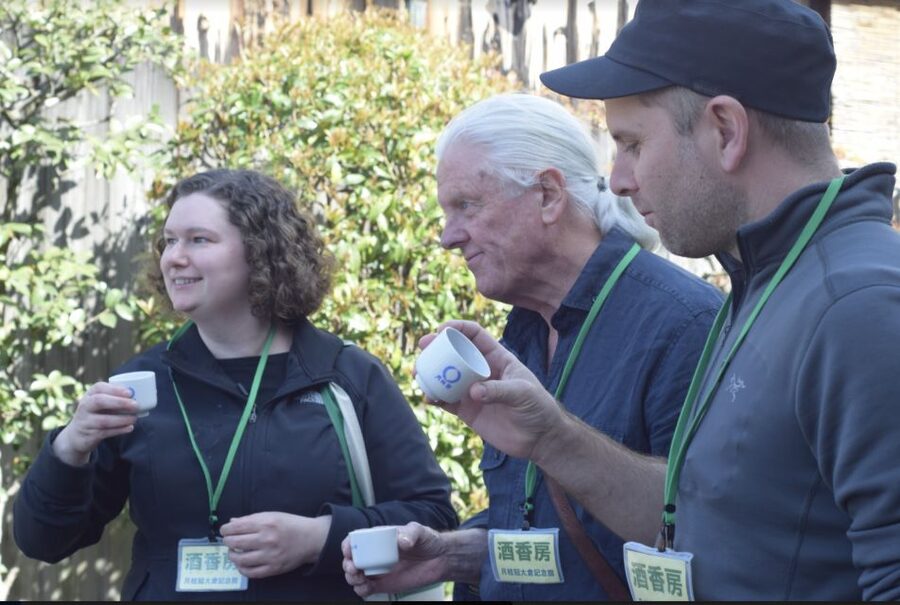
The food pairing uses otsumami, traditional Japanese appetizers served with drinks. These are not included simply to keep you from tasting on an empty stomach, though that is a welcome benefit. They are part of the lesson.
You taste selected sake with food and consider what changes. A snack can soften a sharp edge, bring out fruitiness, or make a fuller sake feel better balanced. The guides explain why a particular combination works rather than leaving you with the vague advice that everything tastes good together.
This is where the tour becomes useful for the rest of your time in Japan. You learn to think about sake as part of a meal, not only as a drink to sample at a brewery. The lesson includes guidance on pairings with Japanese dishes, including which types tend to work well with sushi.
The contrast between tasting without food and tasting again with food is especially helpful. It turns pairing into something you can observe, not just something an expert tells you to believe. If you enjoy Japanese cuisine, this may be the most immediately useful section of the entire three hours.
Vegetarian and vegan choices are available. Tell the guide about allergies or food preferences at the site. The provided information does not promise that every preference can be handled, so explain your needs clearly before the tasting begins.
Learning to order sake in Japan
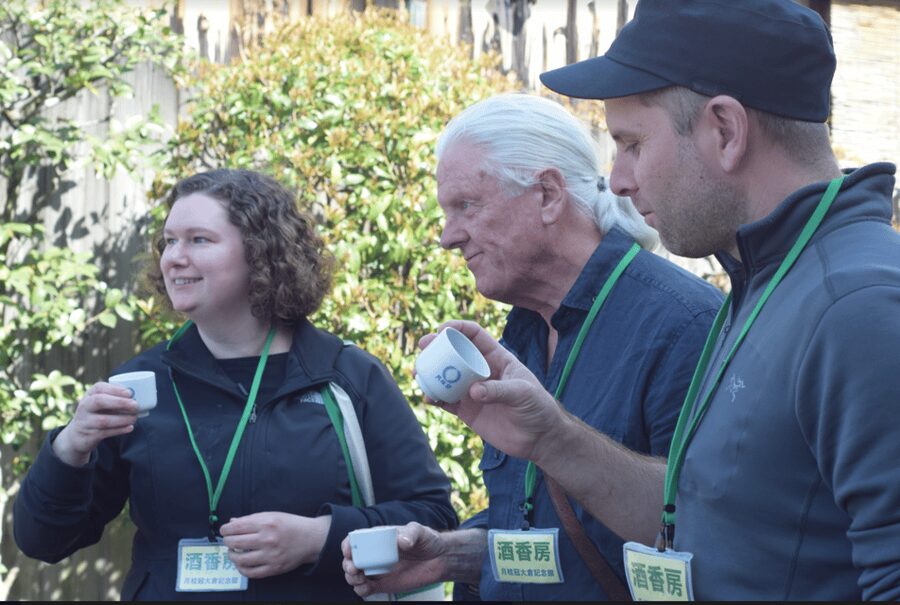
For many people, the real value of this activity appears later that evening, when a restaurant menu offers several sake choices with little English explanation.
The guide teaches you how to read important bottle and menu information. You learn about broad styles, grades, rice used, and the role of polishing. You also discuss temperature, including when sake is best served hot or cold.
This does not turn you into a sake sommelier in three hours. It does give you a usable framework. You can tell a server that you prefer something dry, aromatic, light, or rich. You can also recognize clues on a bottle instead of selecting at random.
The pocket-sized cheat sheet helps here. It is small enough to carry and designed for quick reference. After tasting several styles, you can mark or remember the kinds that suited you. That makes the advice personal rather than purely academic.
A few people finished the experience confident enough to buy bottles for home. That is a practical result of the class. You may not remember every technical term, but you should have a better idea of what to ask for and what to avoid.
Other sake brewery and tasting tours in Kyoto

Is $87 a fair price?
At $87 per person, this is not the cheapest sake tasting in Kyoto. You are paying for three hours, a certified guide, museum admission, 10 or more tastings, otsumami, a private tasting room, and the instruction that ties everything together.
The value is strongest if you would otherwise spend money on several separate sake samples without knowing what you are tasting. Here, the brewery visit gives you context and the guided comparisons help you find your own preferences. The included food also makes the tasting more substantial than a line of tiny pours.
I would compare it with the cost of an ordinary museum visit plus drinks at a bar. The tour may cost more than a simple museum ticket, but it offers structured teaching and a broad sample of sake. For a sake-curious person, that combination makes the price reasonable.
The value is weaker if you only want a quick drink or already know exactly which sake you like. You will spend about 90 minutes walking and standing before settling into the tasting. Someone focused only on drinking may find the museum portion too instructional.
The tasting can also add up to a fair amount of alcohol. Eat beforehand, pace yourself, and keep the rest of your schedule light. One person specifically advised arriving with food in your system, and that is sensible advice for a session with 10 or more samples.
Who will enjoy this experience most
I would recommend this tour to you if you fit one or more of these descriptions:
- You enjoy Japanese food and want to understand how drinks fit into a meal.
- You have tried sake but feel unsure when ordering from a Japanese menu.
- You want an activity with cultural context, not just alcohol sampling.
- You like comparing flavors and learning how production affects taste.
- You plan to buy sake in Japan and want help choosing a bottle.
- You are comfortable standing and walking for about 90 minutes.
It also works well for couples and small groups, especially if everyone is willing to taste and discuss the differences. The social side can be pleasant, and one account described meeting fellow participants and continuing the evening together. That is not a promised part of the itinerary, but the shared tasting naturally gives people something to talk about.
This is not a child-friendly outing. Children under 12 are listed as unsuitable, and children under 3 are not accepted. People under 19 are also listed as unsuitable, while Japanese law sets the drinking age at 20. Anyone under 20 will receive only non-alcoholic drinks, so this is not the right booking for a young person accompanying an adult.
Pregnant people, wheelchair users, and those with a low level of fitness should choose another activity. If sitting is important to you, the provider suggests a separate Kyoto sake experience with seven tastings and snacks.
Timing, meeting point, and sensible planning
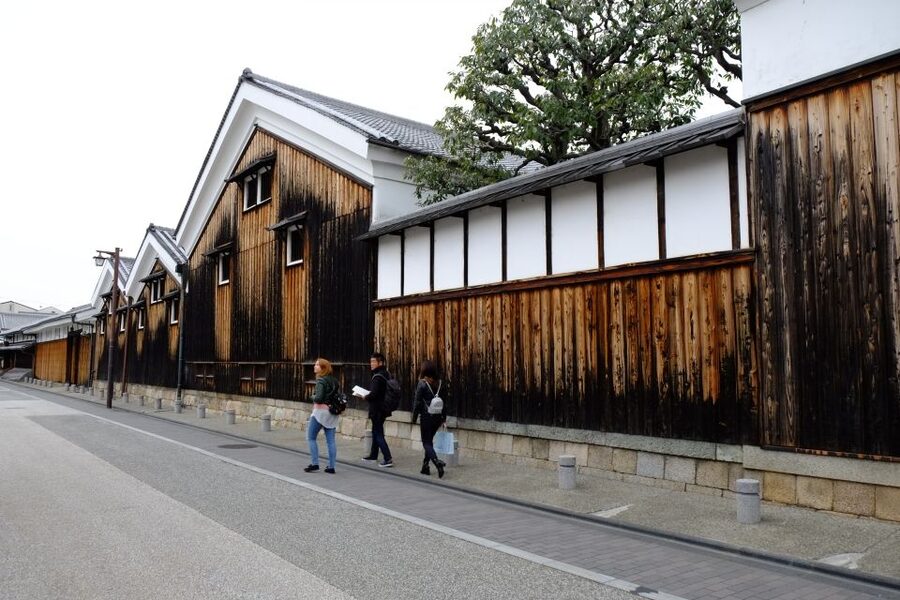
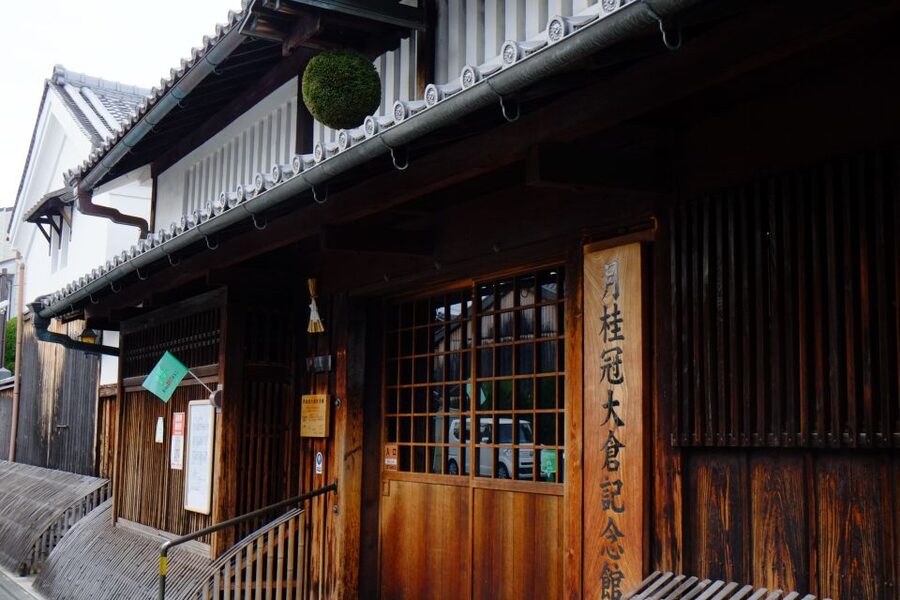
You meet your guide inside the entrance of the Gekkeikan Okura Sake Museum. Transportation to and from the attractions is not included, and there is no hotel pickup or drop-off, so allow enough time to reach Fushimi independently.
Arrive early. If you are more than 20 minutes late, the booking will be canceled. Since the tour begins at the museum and moves through a timed program, a late arrival can disrupt both the walking portion and the tasting.
Do not arrive by car or bicycle. For safety and legal reasons, alcohol will not be served to people who arrive by either method, and no refund is offered if you cannot take part in the tasting. Use public transportation or another arrangement that allows you to drink legally.
Avoid chewing gum and strong fragrances. Both can interfere with tasting, and the fragrance rule is particularly fair in a room where you are asked to notice delicate aromas.
Free cancellation is available up to seven days in advance for a full refund. Check the available start times when booking, since the three-hour activity runs at set times rather than whenever you happen to arrive.
My verdict on this Fushimi sake tour
Book it if you want to leave Kyoto with a working understanding of sake, not just a pleasant buzz. The combination of Fushimi’s brewery setting, a clear production lesson, 10 or more pours, and food pairing gives you both cultural background and useful dining skills.
I especially recommend it for first-time sake drinkers and people who often feel lost when reading Japanese drink menus. The tasting helps you identify your favorite style, while the label lesson gives you a better chance of finding it again.
Skip it if you dislike alcohol, cannot stand for long periods, or want a short, casual tasting with no museum component. For everyone else, $87 buys more than a flight of drinks. It buys a practical introduction you can use at restaurants, bars, and bottle shops throughout Japan.
FAQ
Where does the Kyoto sake tour meet?
The meeting point is inside the entrance of the Gekkeikan Okura Sake Museum at 697 Motozaimokuchō, Fushimi Ward, Kyoto, 612-8043, Japan.
How long does the experience last?
The experience lasts three hours.
What language is the tour offered in?
The tour is conducted in English with a live guide.
How many sakes will I taste?
You will taste 10 or more sake selections chosen by a certified sake sommelier.
Is food included?
Yes. Traditional Japanese otsumami appetizers are included for the food pairing portion.
Is the Gekkeikan Okura Sake Museum included?
Yes. Museum admission and a guided museum visit are included. If the museum unexpectedly closes, the visit may take place at another historic brewery in Fushimi.
Can vegetarian or vegan participants join?
Yes. Vegetarian and vegan options are available. Tell the guide about food preferences or allergies at the site.
Can someone under 20 drink sake on the tour?
No. Japan’s legal drinking age is 20. People under 20 will receive non-alcoholic drinks only.
Can I arrive by car or bicycle?
You should not arrive by car or bicycle if you plan to take part in the tasting. Alcohol will not be served to anyone arriving by either method, and there is no refund if the tasting cannot be offered.
More Food Experiences in Kyoto
More Sake Brewery Tours in Kyoto
More Sake Brewery Tours in Kyoto
More tours in Kyoto we've reviewed



Sake Brewery Tours, compared.
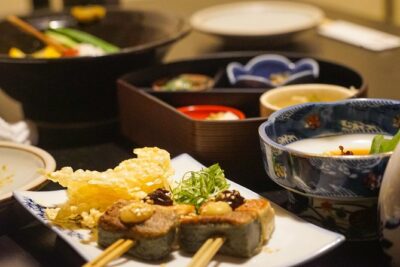 ★ 5.0Kyoto Night Foodie Tour in Gion (9+ dishes + 6 Sake tastings)From $163
 ★ 5.03-Hour Kyoto Insider Sake Brewery Tour with Tastings & PairingsFrom $84
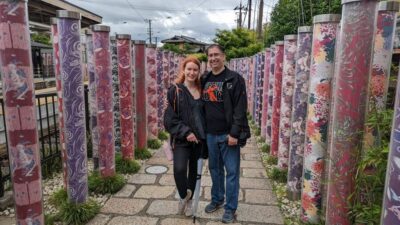 ★ 4.8Arashiyama Bamboo, Temple, Monkeys, or Secret Sake BreweryFrom $875 hours - 330 minutes
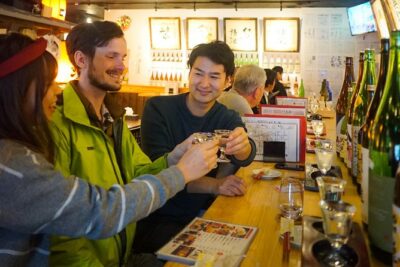 ★ 5.0Kyoto Sake Brewery & Tasting Walking TourFrom $98
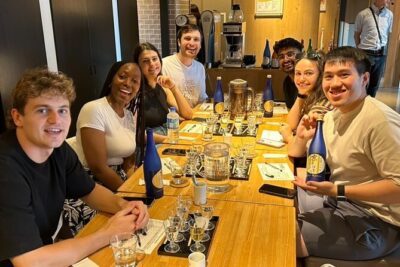 ★ 5.01.5-Hour Kyoto Insider Sake Experience with 7 Tastings & PairingsFrom $68
 ★ 5.0Kyoto: Insider Sake Experience with 7 Tastings and SnacksFrom $661h 30m