
Reviewed · COOKING CLASSES
Ramen Gyoza Onigiri Japanese Cooking Class in Kyoto
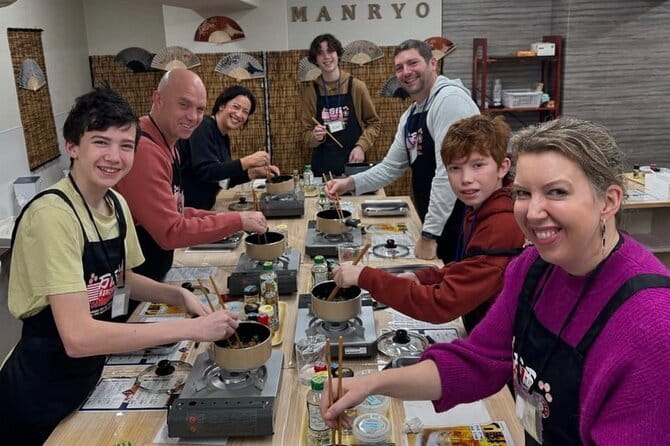
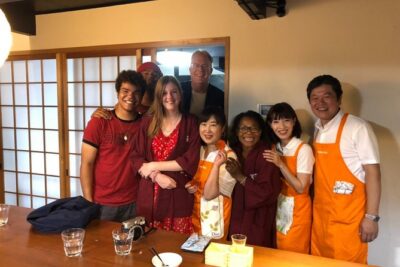
The best thing about this Kyoto class is the amount you cook in just 90 minutes. You prepare two ramen broths, gyoza, and onigiri, then eat the full meal you have made. Nori leads the class with help from Minori, Ryho, and other friendly assistants, and the pace is brisk without feeling like a race.
I like the focus on ramen broth, since that is the part most home cooks cannot easily copy from a package of noodles. I also like the small maximum of eight people, which gives you a good chance to see the demonstrations and get help while folding dumplings and shaping rice balls.
The main consideration is the menu. You do not make noodles, and the only alternative is vegetarian, with pork replaced by tofu. The class cannot accommodate vegan, pescatarian, gluten-free, halal, kosher, or other special diets.
In This Review
- Key points to know before you book
- Three Japanese dishes packed into 90 minutes
- Starting with ramen broth, not noodles
- Folding gyoza and shaping onigiri
- Sitting down to eat everything you make
- Why the small group matters
- A useful Kyoto activity for a busy schedule
- Price and what you receive for $92.47
- Choosing between the regular and vegetarian menu
- Who will enjoy this class most
- Practical details that affect your decision
- Should you book the Kyoto ramen class?
- FAQ
- How long does the cooking class last?
- Where does the class meet?
- Where does the activity finish?
- How many people can join the class?
- Is the class offered in English?
- What dishes will I make?
- Do I make ramen noodles?
- Is a vegetarian menu available?
- Can the class accommodate vegan, pescatarian, or gluten-free diets?
- Is lunch included?
- What is the cancellation policy?
Key points to know before you book
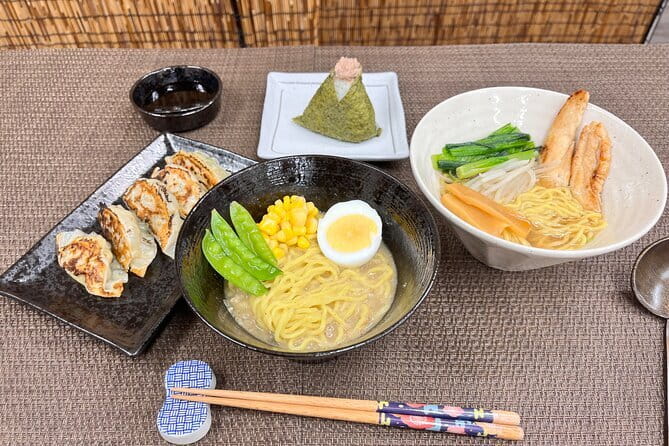
- Three Japanese staples in one class: Prepare ramen, gyoza, and onigiri instead of spending the whole session on one dish.
- Two ramen broths: Learn the soup-making techniques that are easier to recreate at home than handmade noodles.
- Small group of up to eight: The format allows closer access to Nori and his assisting instructors.
- A full lunch is included: You eat the food you make, so arrive hungry.
- Vegetarian option with limits: Pork is replaced with tofu, but the rest of the ingredients remain the same.
- Central Kyoto meeting point: The class takes place near public transportation in Sakyo Ward and ends where it begins.
Three Japanese dishes packed into 90 minutes
This is a hands-on cooking class rather than a demonstration followed by a token taste. The session is built around a practical meal: ramen, gyoza, and onigiri. That mix gives you several different Japanese cooking skills in one sitting.
The ramen portion concentrates on broth. You may find packaged ramen noodles in many places at home, but a good soup base is harder to reproduce. Here, the instructors show you how to build flavorful broth with ingredients and seasonings that are available for home cooking.
The class does not include noodle-making. That is worth knowing before you reserve. You work with prepared ramen noodles and spend your time on the soup, toppings, and assembly instead. For most people, this is a useful tradeoff because handmade noodles would take up much of the short session.
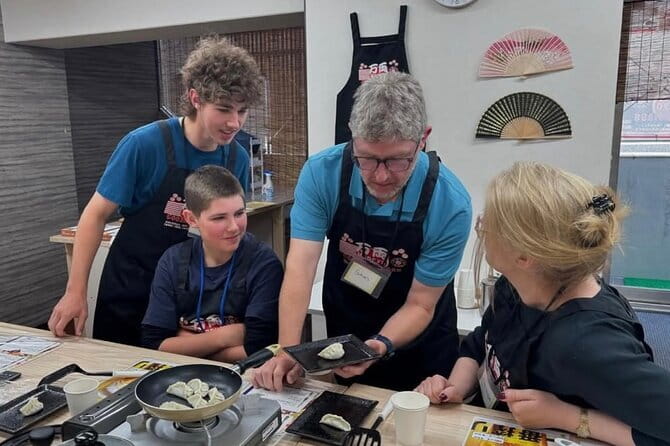
The gyoza lesson adds a different kind of work. You learn how to fill and wrap dumplings, with the instructor guiding you through the folding technique. The shape may look simple, but getting a neat seal takes some practice. The class keeps the task approachable, and the result becomes part of your lunch.
Onigiri, or Japanese rice balls, round out the meal. You learn how to shape them by hand, adding another basic skill you can use at home. It is a simple dish, but it gives the class a clear connection to everyday Japanese cooking rather than only restaurant food.
Other cooking classes in Kyoto

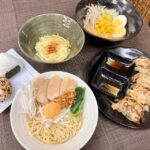
Starting with ramen broth, not noodles
The ramen section is the strongest reason to choose this experience over a class that focuses only on sushi or a single dish. Broth is central to the final bowl, yet it is often the part people skip when cooking ramen at home.
Nori gives a short introduction to ramen before the cooking begins, then guides the group through the broth process. The class covers two types of ramen, according to the cooking experience described by several participants. That gives you a chance to compare flavors and see how different seasonings change the finished dish.
You should expect a well-organized sequence. The instructors prepare the ingredients and explain the steps clearly, allowing the group to cover a lot of material in a short time. The pace may feel quick if you want a slow, detailed lesson on every ingredient, but it works well for a Kyoto itinerary with limited free time.
The practical value is high. You leave with recipes and a better sense of how to prepare the soup at home. You will still need to buy noodles separately, but the difficult-to-copy broth technique is the part you take away from this lesson.
Folding gyoza and shaping onigiri
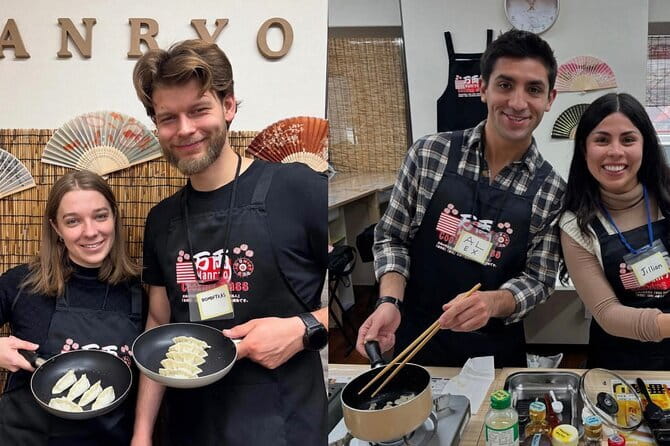
After the broth work, the class shifts to two tactile skills: wrapping gyoza and forming onigiri. These tasks keep you involved and give the session a nice change of pace.
Gyoza folding is easy to understand but more difficult to make tidy on the first attempt. You fill the wrappers, fold them, and seal the edges under instruction. The class is designed for ordinary home cooks, so you do not need prior experience.
Onigiri is less fussy, but hand shape matters. The lesson shows you how to form the rice balls, giving you a technique you can repeat for a packed lunch or a simple meal. Together, the gyoza and onigiri sections make the class feel broader than a standard ramen lesson.
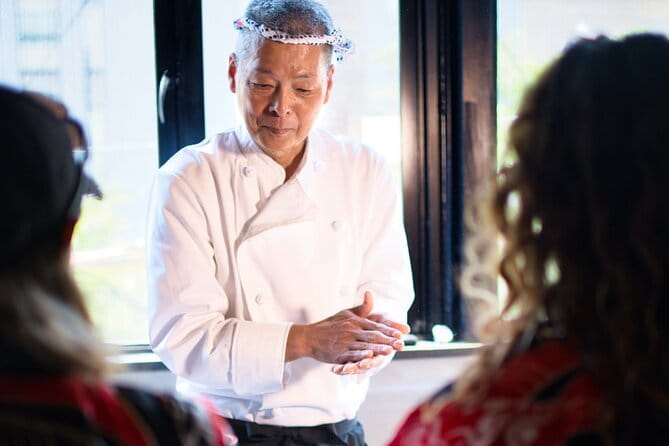
The instructors use humor as well as clear directions. Nori is described as patient and friendly, while the assisting women help keep the group moving. Their English is strong enough for the cooking instructions, which matters when you are handling several dishes at once.
Sitting down to eat everything you make
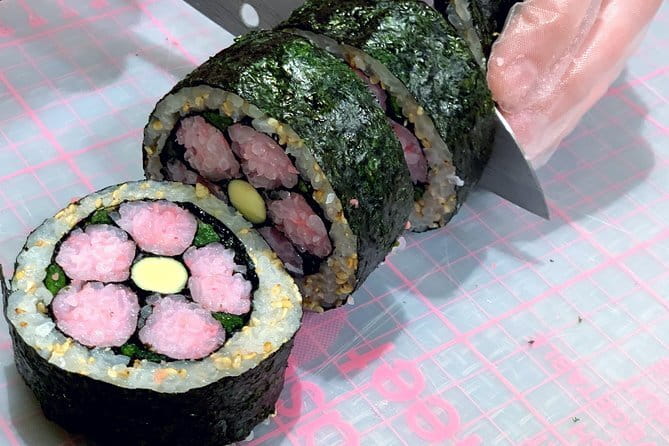
The class ends with lunch made from your own work. You eat the ramen, gyoza, and onigiri at the meeting location instead of rushing off to find a separate meal.
This is more than a convenient finish. Eating the dishes immediately helps you understand how the broth, dumplings, and rice balls should look and taste when finished. It also makes the 90-minute activity feel like a meal plus a lesson, not just a short cooking demonstration.
Several participants specifically advise arriving hungry. The amount of food can be substantial, especially because you prepare more than one ramen dish. If you have a larger breakfast or plan a big dinner soon afterward, keep the generous meal in mind.
The food also gives you a useful test of your new skills. If the broth tastes right and the dumplings hold together, you have a clearer idea of what to repeat at home. If something is imperfect, the instructor can explain what happened while the steps are still fresh.
Why the small group matters
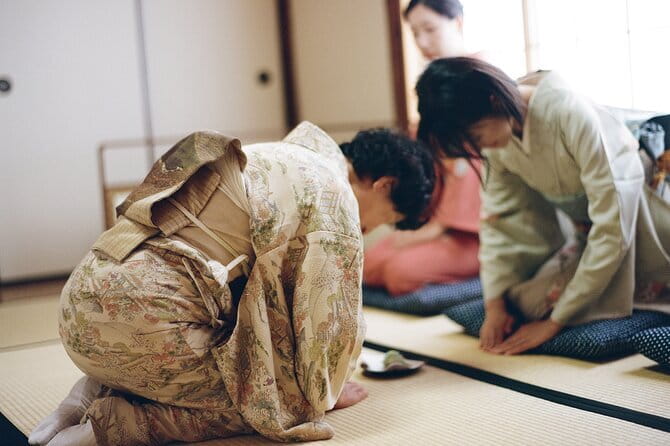
The maximum group size is eight people. That is a strong feature for a class with several separate tasks, since the instructor can keep an eye on folding, shaping, and broth preparation.
In a large cooking workshop, you may spend much of the time watching from the back or waiting for ingredients. Here, the smaller format should give you better access to Nori and his team. You still share the kitchen with other people, but the class is not designed as a crowd scene.
The staff structure also helps. Nori leads the lesson, while assistants support the group and answer questions. This arrangement keeps the pace steady, which is important when the session includes two ramen preparations as well as gyoza and onigiri.
I would especially consider this format for families with teenagers, couples, and small groups of friends. Children under 13 are not accepted, so it is not a fit for families with younger children. Older children and teens who enjoy cooking should find enough hands-on work to stay involved.
Other cooking classes in Kyoto
A useful Kyoto activity for a busy schedule
At about one hour and 30 minutes, this class fits neatly into a day of sightseeing. You get a real meal and several cooking lessons without giving up half a day.
The meeting point is Manryo Japanese Cooking Class at 841 Life Building B1, Choshoji Monzencho, Sakyo Ward, Kyoto 606-8366. It is near public transportation, and the activity ends back at the same point. Private transportation is not included, so you need to make your own way there.
Read the instructions sent after booking carefully. The meeting address is specific, and a cooking class has less flexibility for late arrivals than a sightseeing stop. A mobile ticket is provided, which makes it easy to keep the booking on your phone.
The location in Sakyo Ward also makes this a good choice if it fits your day in eastern or northern Kyoto. You should still check your route and allow enough time to reach the building, since the class itself is tightly timed.
Price and what you receive for $92.47
At $92.47 per person, this is not the cheapest meal in Kyoto. You can buy ramen, gyoza, and rice dishes for less at local restaurants. The value comes from combining lunch with instruction and recipes you can use later.
You are not paying only for a bowl of ramen. You prepare two broths, learn gyoza wrapping, shape onigiri, and eat the complete result. The small group also matters, since close access to an instructor is more useful than a large class where you only watch.
The value is strongest if you enjoy cooking or want a food activity that continues after your trip. A restaurant meal gives you a finished dish. This class gives you a method, practical experience, and recipes to recreate the meal for family or friends.
The value is weaker if you mainly want to eat or if you already cook ramen broth and gyoza regularly. It is also not suitable for strict dietary requirements because the menu choices are limited.
Choosing between the regular and vegetarian menu
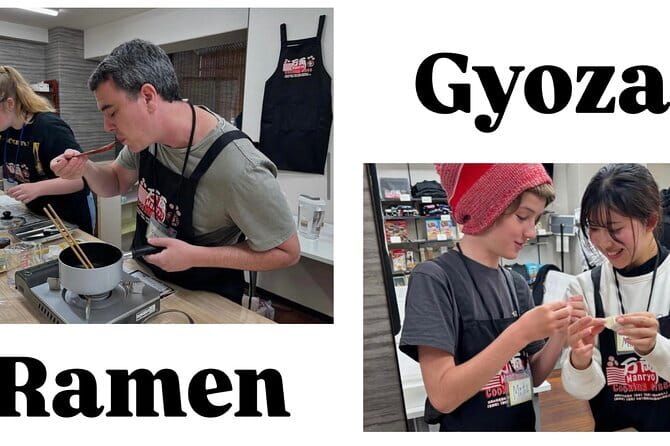
There are only two menus: regular and vegetarian. The vegetarian version replaces pork with tofu, but other ingredients remain the same.
That distinction is important. The vegetarian option is not vegan, and it does not automatically suit pescatarian, gluten-free, halal, kosher, or other dietary needs. If you have an allergy or religious restriction, contact the provider before booking, but the stated policy is that these special menus cannot be accommodated.
For everyone else, the choice is simple. Select the regular menu if you want the standard pork gyoza and pork-based preparation. Select vegetarian if tofu is acceptable and you want the specified meat replacement.
Do not assume that choosing vegetarian changes every part of the meal. The provider states that only the pork is replaced, so you should be comfortable with the remaining ingredients.
Who will enjoy this class most
I would choose this activity if you want to make several familiar Japanese foods in one short session. It suits first-time cooks because the instructors provide clear directions and keep the recipes practical.
It is also a good match for people who want to take a piece of Kyoto home with them. The recipes and techniques are designed for ingredients and seasonings that you can find and use at home. You may not reproduce every detail perfectly on your first try, but you will have a workable starting point.
Families with children 13 and older can use it as a shared activity. The hands-on tasks give everyone something to do, and the meal at the end provides a natural reward. Couples and friends should also like the relaxed, social format.
I would skip it if you need a fully customized menu, want to make noodles from flour, or prefer a quiet private lesson. The class is short, shared, and tightly organized. Its appeal comes from doing a lot in limited time.
Practical details that affect your decision
Confirmation arrives when you book, and the experience uses a mobile ticket. The class is near public transportation, but private transportation is not included.
Free cancellation is available if you cancel at least 24 hours before the start time. Cancellations made less than 24 hours ahead are not refunded, and late changes are not accepted. The cut-off follows Kyoto local time.
The experience has a maximum of eight people. It is offered in English, with Nori and his team leading the instruction. You should read the provider’s post-booking email closely, especially for meeting instructions and menu details.
The overall rating is 5 out of 5 from 44 ratings, with 100 percent recommending it. That strong record matches the qualities that matter most here: organized teaching, friendly staff, a lot of food, and recipes you can use after returning home.
Should you book the Kyoto ramen class?
Book it if you want more than a meal and like the idea of learning three Japanese staples in one sitting. The broth lesson, two ramen styles, gyoza folding, onigiri shaping, and included lunch make the $92.47 price reasonable for a food-focused activity.
Choose it with realistic expectations. You will not make ramen noodles, the class moves quickly, and the vegetarian option is limited to replacing pork with tofu. If those points work for you, this is a smart Kyoto pick, especially for older families, couples, and anyone who wants a useful recipe souvenir instead of another meal at a restaurant.
FAQ
How long does the cooking class last?
The class lasts approximately one hour and 30 minutes.
Where does the class meet?
It meets at Manryo Japanese Cooking Class, Japan, 606-8366 Kyoto, Sakyo Ward, Choshoji Monzencho, 841 Life Building B1.
Where does the activity finish?
The activity ends back at the meeting point.
How many people can join the class?
The maximum group size is eight people.
Is the class offered in English?
Yes. Friendly English-speaking instructors lead the class.
What dishes will I make?
You will make ramen, gyoza, and onigiri. The cooking experience includes two types of ramen according to the class details.
Do I make ramen noodles?
No. The class does not make noodles. It teaches you how to prepare authentic ramen broth using ingredients and seasonings you can use at home.
Is a vegetarian menu available?
Yes. The vegetarian menu replaces pork with tofu. Other ingredients remain the same.
Can the class accommodate vegan, pescatarian, or gluten-free diets?
No. Vegan, pescatarian, gluten-free, halal, kosher, and other special dietary options are not available.
Is lunch included?
Yes. After cooking, you eat the dishes you have made.
What is the cancellation policy?
You can cancel at least 24 hours before the start time for a full refund. Cancellations or changes made less than 24 hours before the experience are not accepted for a refund.
More Workshops & Classes in Kyoto
More Cooking Classes in Kyoto
More Cooking Classes in Kyoto
More tours in Kyoto we've reviewed











Cooking Classes, compared.
 ★ 5.0Ramen Cooking Class at Ramen Factory in KyotoFrom $131
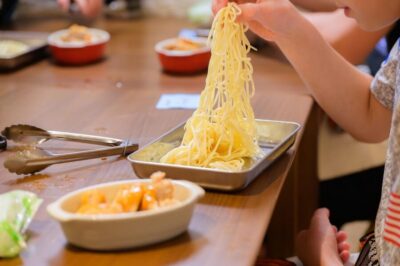 ★ 4.9Kyoto: Ramen Cooking Class at a Ramen Factory with SouvenirFrom $1271h 30m
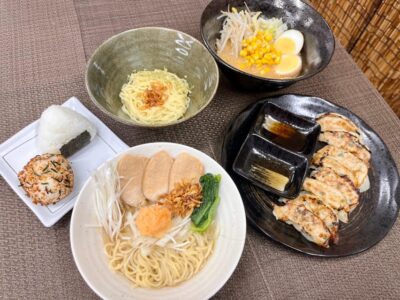 ★ 5.0Kyoto: Ramen, Gyoza, and Onigiri Cooking ClassFrom $901h 30m
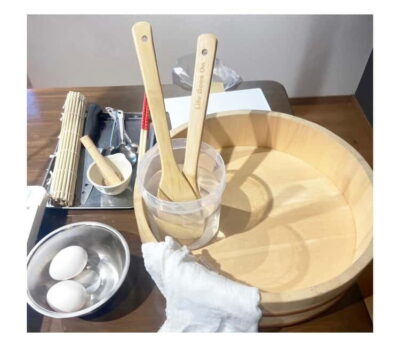 ★ 5.0Kyoto: Japanese Washoku Bento Small Group Cooking ClassFrom $582h 30m
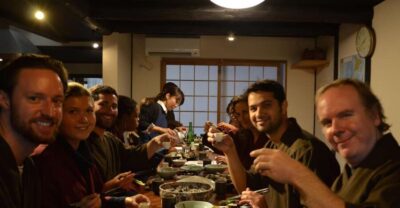 ★ 4.9Kyoto: Afternoon Japanese Izakaya Cooking ClassFrom $673 hours
 ★ 5.0Izakaya Style Cooking ClassFrom $71