
Reviewed · KYOTO
Kyoto: AuthenticMatcha&TeaCeremonyExperienceinaTraditional
The appealing part of this Kyoto experience is its small scale. You step into Hotel Rakurakuan, a traditional townhouse, sit on tatami, and learn the tea ritual by doing it yourself. I like the private-group format and the chance to prepare matcha with a bamboo whisk instead of only watching a demonstration. I also like that Uji matcha and seasonal sweets are included.
The main consideration is time. The tea ceremony itself is listed as 40 minutes within a one-hour activity, so this is a focused introduction rather than a long cultural workshop. The quiet setting also means you should come ready to listen, follow simple etiquette, and let the ritual move at its own pace.
In This Review
- Key points at a glance
- Entering Hotel Rakurakuan in Kyoto
- Watching the tea master before making matcha
- Whisking your own bowl with a bamboo chasen
- Tasting Uji matcha with seasonal Japanese sweets
- Why the private format changes the experience
- What the $49 price includes
- Who should book this tea ceremony
- A calm hour in the middle of a Kyoto trip
- Booking flexibility and practical details
- Should you book the Hotel Rakurakuan tea ceremony?
- FAQ
- Where does the tea ceremony take place?
- How long does the experience last?
- What is included in the price?
- How much does the experience cost?
- Can beginners join?
- Is the activity offered in English?
- Is this a private experience?
- Is the activity wheelchair accessible?
- Can I cancel for a full refund?
Key points at a glance
- Traditional Kyoto townhouse: Meet at Hotel Rakurakuan, where the ceremony takes place in a calm tatami room with wood and tatami scents.
- You prepare the matcha: After watching the tea master, you use a bamboo whisk to make your own bowl.
- Uji matcha from Kyoto: The tea is paired with seasonal Japanese sweets, giving you both the bitter and sweet sides of the ritual.
- English and Japanese guidance: The instructor explains the basic etiquette and techniques in English or Japanese.
- Private group setting: You get a more personal format than a large public demonstration.
- Simple booking terms: The price is $49 per person, with free cancellation up to 24 hours before the activity and a reserve now, pay later option.
Entering Hotel Rakurakuan in Kyoto
Your meeting point is Hotel Rakurakuan at 452 Tenshinzukinuke 3-chome, Shimogyo Ward, Kyoto, postal code 600-8456. The activity information identifies the location as J-NAVI’s cooking and matcha experience at Rakuraku-an, so check your booking details carefully and go to the hotel rather than expecting a separate tea shop.
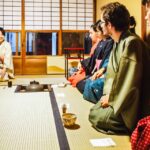
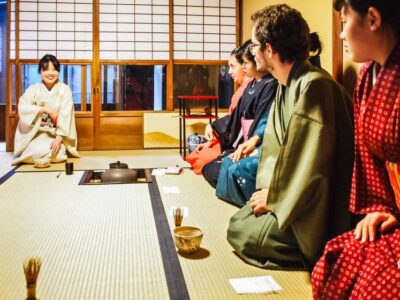
The setting matters here. A traditional townhouse and tatami room give the ceremony a quieter, more rooted feel than a modern café. You will notice wood and tatami, and the room is intended to be calm and quiet. That atmosphere is part of the lesson. Japanese tea ceremony is not simply about drinking powdered tea. It also pays attention to movement, order, hospitality, and the mood of the room.
I would arrive with enough time to locate the address and settle in. The supplied details do not give a recommended arrival time, so you should follow the time on your booking confirmation. Since the activity lasts only one hour, arriving late could take a noticeable slice out of your session.
If you're still narrowing it down, here are other tours in Kyoto we've reviewed.
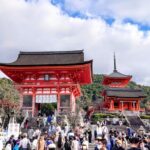

Watching the tea master before making matcha
The experience begins with a demonstration. An experienced tea ceremony instructor shows you the basic sequence before asking you to try it yourself. This is the right order for beginners. You first see the pace and hand movements, then repeat them with guidance.
The instructor covers basic etiquette and techniques. That means you can enjoy the ritual without worrying that you are expected to know Japanese customs in advance. The experience is specifically suitable for beginners and people from outside Japan, so you should not feel awkward if this is your first contact with tea ceremony.
The demonstration is also where the quiet setting earns its keep. In a loud or crowded room, it can be hard to notice small movements or hear explanations. Here, the calm atmosphere helps you pay attention to the sequence. I would treat this as a short cultural lesson, not a performance designed for a quick photograph.
The instructor speaks English and Japanese. The available information does not provide the instructor’s name, so you should not expect a particular named tea master. What you can count on is bilingual guidance and a lesson designed to make the process accessible.
Whisking your own bowl with a bamboo chasen
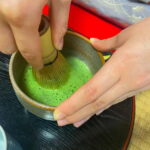
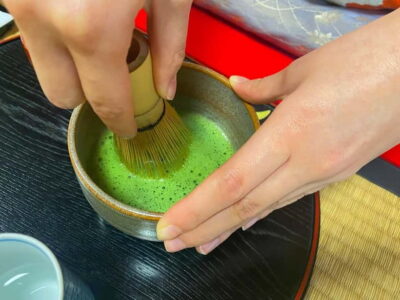
After observing, you prepare your own matcha. You use a bamboo whisk, called a chasen, to mix the tea. This is the hands-on part that makes the activity more memorable than simply being served a cup.
Matcha is powdered tea, so the texture and preparation differ from ordinary brewed tea. The whisking motion helps combine the powder with water and creates the familiar froth. Your instructor guides you through the technique, which takes some of the pressure off. You do not need prior experience or special skill to participate.
I like this part because it gives you a small task that requires attention. The whisk, bowl, movement, and pace all ask you to slow down. It is a practical way to understand why the ceremony values care in simple actions.
Do not expect a large serving or a long tasting session. The activity is one hour overall, with the tea ceremony portion listed as 40 minutes. The format gives you enough time to watch, prepare, and taste, but not enough time for an extended study of tea equipment, regional farming, or several varieties of matcha.
Tasting Uji matcha with seasonal Japanese sweets
The tea served is Uji matcha from the Kyoto area. Uji is closely associated with Japanese tea, and using Uji matcha gives the tasting a clear local connection. The tea is served with seasonal Japanese sweets, which balance matcha’s strong, sometimes bitter flavor.
The sweet is not just an extra snack. In a tea ceremony, the order and pairing matter. The seasonal confection prepares your palate for the tea and offers a contrast in flavor and texture. Since the sweets change with the season, the exact item is not specified. That small element of change gives the experience a local and timely touch.
One practical detail is worth noting: the tea has enough appeal that you may want to buy some afterward. The activity information does not say that matcha sales are part of the experience, but one participant bought the matcha served because it was especially enjoyable. Treat that as a possible extra, not something included in the $49 price.
The taste may surprise you if you usually drink mild green tea. Matcha is concentrated and has a distinct flavor. The sweet helps, but you should come expecting a traditional tea taste rather than a sugary matcha drink.
Why the private format changes the experience
This is a private-group activity. That makes the $49 price easier to assess than a large class with a low headline cost. You are paying for a personal introduction in a traditional room, bilingual instruction, matcha, sweets, and the chance to prepare the tea yourself.
The private format should also make it easier to ask questions and receive help with the whisking technique. The supplied details do not state the maximum group size, so I would not assume that it is a one-to-one lesson. Still, the private structure means your group is not combined with unrelated participants.
I especially like this setup for couples, families, or friends who want a quiet cultural hour. One couple used the experience as part of a honeymoon and found that the staff made the occasion feel personal. That suggests you can mention a special celebration when booking or arriving, though the activity does not promise a formal celebration package.
The tradeoff is that a private one-hour class may feel brief if you want a full explanation of tea history or a broader look at Japanese customs. You get a concentrated experience, not an all-day cultural program.


What the $49 price includes
At $49 per person, the price covers:
- The tea ceremony
- An experienced tea ceremony instructor
- Matcha tea
- Seasonal Japanese sweets
- English and Japanese guidance
For a one-hour activity, that is a fair price if you value the setting and personal instruction. The cost is not merely for a drink and dessert. You are also paying for access to a traditional townhouse, a guided cultural ritual, and a hands-on preparation lesson.
The value is strongest for first-time visitors to Kyoto who want something more meaningful than a quick matcha stop. You leave with a better sense of the etiquette and movements behind the drink. If you only want to sample matcha, a café will likely be simpler and less expensive. If you want context, instruction, and a quiet room, this experience makes more sense.
The price does not mention transportation, hotel pickup, photographs, or additional food. Plan to reach Hotel Rakurakuan on your own and regard the included sweets as a small seasonal accompaniment, not a meal.
Who should book this tea ceremony
I would recommend it to you if you want a gentle introduction to Japanese culture without committing to a long class. The activity is suitable for beginners and foreigners, and the use of English makes the instructions easier to follow.
It also suits:
- Couples looking for a calm Kyoto activity
- Families wanting a short cultural lesson
- Visitors interested in Japanese etiquette
- Matcha drinkers who want to learn how the tea is made
- Anyone who prefers a private setting over a large group
- People with limited time who can spare one hour
The quiet format may not suit you if you want a lively social class. It may also feel too short if your main goal is detailed instruction in tea ceremony history, utensils, schools, or advanced technique. The available information gives no indication that you will study several types of tea or make a full meal.
The activity is wheelchair accessible, which is useful for visitors who need that feature. The information does not explain the exact room layout or how seating is arranged, so contact the provider if you need details beyond the stated accessibility.
A calm hour in the middle of a Kyoto trip
Kyoto can become tiring. Temples, train stations, shopping streets, and busy sightseeing routes fill the day quickly. This tea ceremony offers a different pace. You sit down, watch carefully, make something with your hands, and taste one of Japan’s best-known drinks.
I would place it on a day when you want a quieter break rather than beside a packed schedule. The one-hour duration is easy to fit into a morning or afternoon, but the tea ceremony’s quiet mood deserves a little breathing room around it. Rushing in from another appointment would work against the point of the experience.
The tactile details help: the bamboo whisk, the bowl, the tea powder, the seasonal sweet, the tatami, and the scent of wood. None of these requires a long lecture to understand. You notice them by slowing down and following the instructor’s lead.
The activity also gives you a useful cultural frame for later meals and tea stops in Japan. You will not become a tea master in 40 minutes, but you will understand that matcha preparation is tied to hospitality and careful attention, not just a modern café trend.
Booking flexibility and practical details
You can cancel up to 24 hours before the activity for a full refund. A reserve now, pay later option is also available, so you can hold a place without paying immediately. Starting times vary, and you need to check availability for the date you want.
The experience is offered in English and Japanese. The group type is private, and the provider is J-NAVI Co., Ltd. The supplied information does not name the instructor, list a dress code, or give detailed instructions about shoes and seating. For those details, use the contact information connected with your booking.
The tea ceremony takes place at Hotel Rakurakuan, not at a general sightseeing landmark. Save the full address before leaving your hotel. Kyoto addresses can be confusing, and a short activity leaves little room for getting lost.
Should you book the Hotel Rakurakuan tea ceremony?
Book it if you want a quiet, hands-on introduction to Japanese tea ceremony in a traditional Kyoto townhouse. The strongest reasons are the private format, bilingual instruction, Uji matcha, seasonal sweets, and the chance to whisk your own tea. It is especially well suited to couples, beginners, and anyone seeking a short cultural pause.
Skip it if you want a long workshop, a large meal, or a broad history lesson about tea ceremony. At $49, the value depends on caring about the ritual and the setting, not simply the beverage.
For most first-time visitors who want to understand what lies behind a bowl of matcha, I think this is a sensible one-hour choice. Go in quietly, watch the demonstration, follow the movements, and give the ceremony your full attention. That is where the experience earns its price.
FAQ
Where does the tea ceremony take place?
It takes place at Hotel Rakurakuan, a traditional Kyoto townhouse, at 452 Tenshinzukinuke 3-chome, Shimogyo Ward, Kyoto, 600-8456.
How long does the experience last?
The full activity lasts one hour. The tea ceremony portion is listed as 40 minutes.
What is included in the price?
The price includes the tea ceremony, an experienced instructor, matcha tea, seasonal Japanese sweets, and English or Japanese guidance.
How much does the experience cost?
The listed price is $49 per person.
Can beginners join?
Yes. The experience is described as suitable for beginners and foreigners, and the instructor explains the basic etiquette and techniques.
Is the activity offered in English?
Yes. Guidance is available in English and Japanese.
Is this a private experience?
Yes. The group type is listed as a private group.
Is the activity wheelchair accessible?
Yes. The activity is listed as wheelchair accessible.
Can I cancel for a full refund?
Yes. You can cancel up to 24 hours in advance for a full refund. A reserve now, pay later option is also available.
More tours in Kyoto we've reviewed











Kyoto, compared.
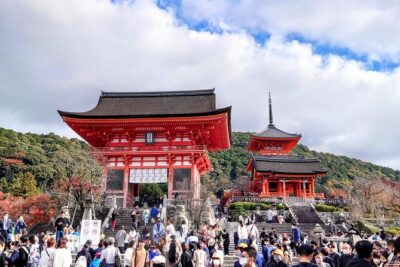 ★ 5.0PERFECT KYOTO 1-Day Bus TourFrom $129
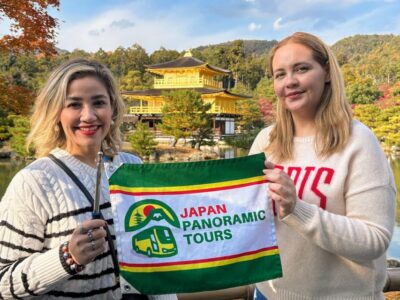 ★ 4.8Kyoto: Fushimi Inari, Kinkakuji, Bamboo Grove 1 Day Bus TourFrom $122510 minutes - 9 hours
 ★ 4.9Kyoto: Tea Ceremony in a Traditional Tea House in KiyomizuFrom $4945 min
 ★ 4.7Kyoto Geisha Walking Tour: Gion District & Hidden GemsFrom $252 hours
 ★ 4.9Kyoto: Tea Ceremony Ju-An at Jotokuji TempleFrom $291h 10m
 ★ 4.3Kyoto: 45-Minute Tea Ceremony Lesson ExperienceFrom $2245 min