
Reviewed · GUIDED
Kyoto Customized Guided, Private Tour
Kyoto’s greatest hits are spread across the city, and this private van tour tackles them in one long day. You’ll pass through thousands of red torii gates at Fushimi Inari, admire the Golden Temple, and walk the Sagano Bamboo Forest without figuring out Kyoto’s rail and bus connections.
I like the hotel pickup and private vehicle, especially if you are traveling with family or want a flexible day. I also like the range: temples, gardens, a famous bridge, bamboo paths, and the Kimono Forest area around Arashiyama all fit into one outing.
The tradeoff is time and guiding quality. Ten hours is a lot, but seven major sights leave little room for lingering, and one recent experience with guide Nomi praised his photography while finding his historical explanations limited. If temple stories matter as much as temple photos, set that expectation early.
In This Review
- Key details to know before booking
- Why this private Kyoto day is useful
- Kiyomizu-dera starts the morning with a view
- Sanjusangen-do and its remarkable wooden hall
- Arashiyama brings together bamboo, gardens, and the Kimono Forest
- Sagano Bamboo Forest is brief but memorable
- Togetsukyo Bridge adds the classic Arashiyama picture
- Tenryu-ji gives Arashiyama its garden centerpiece
- Lunch at Togetsukyo Bridge comes with dietary limits
- Kinkaku-ji reflects Kyoto’s polished side
- Fushimi Inari finishes with the most atmospheric walk
- What the guide adds, and what you should request
- Transport, pickup, and the long route
- Who should book this Kyoto tour?
- Should you book it?
- FAQ
- How long does the Kyoto private tour last?
- Which places are included?
- Is hotel pickup included?
- Is transportation provided?
- Are entry tickets included?
- Is lunch included?
- Which languages are available?
Key details to know before booking
- Seven major Kyoto stops: Kiyomizu-dera, Sanjusangen-do, Arashiyama, the Sagano Bamboo Forest, Togetsukyo Bridge, Kinkaku-ji, and Fushimi Inari.
- Three World Heritage sites: Kiyomizu-dera, Tenryu-ji in Arashiyama, and Kinkaku-ji are featured as part of the day’s cultural focus.
- Private air-conditioned van: Hotel pickup and drop-off are included, with Kyoto, Osaka, and Nara listed as possible starting and ending points.
- A full 10-hour schedule: The tour begins at 8 a.m. from Kyoto and ends at Kyoto Station, unless another drop-off is arranged.
- Photography is a strength: Guide Nomi received particular praise for helping create good photos, though you should request more commentary if that is important to you.
- Meals and admissions cost extra: Entry tickets and food are not included, and the advertised buffet does not suit Muslim, vegan, lactose-free, gluten-free, or allergy-friendly diets.
Why this private Kyoto day is useful
Kyoto rewards slow wandering, but a first visit can also be frustrating. The city’s main sights sit in different districts, and traveling from eastern Kyoto to Arashiyama, then north to Kinkaku-ji and south to Fushimi Inari, takes planning.
This tour solves that problem with a private, air-conditioned van. You are not changing trains with a tired child, searching for a bus stop, or trying to read a route map after a long flight. Pickup is offered from hotels, and the vehicle gives you a practical base between stops.
At $102 per person, the value depends on the size of your private group. For a couple, it is a fairly costly day compared with using Kyoto’s public transportation. For a family or small group, the price can make more sense because you are paying for a vehicle, a guide, hotel pickup, and a day of transport across several districts.
You still need to budget for admission tickets and food. The tour is described as offering skip-the-ticket-line access, but that does not mean admission is included. Ask your operator how the skip-the-line arrangement works at each site before you go.
Other guided tours in Kyoto
Kiyomizu-dera starts the morning with a view
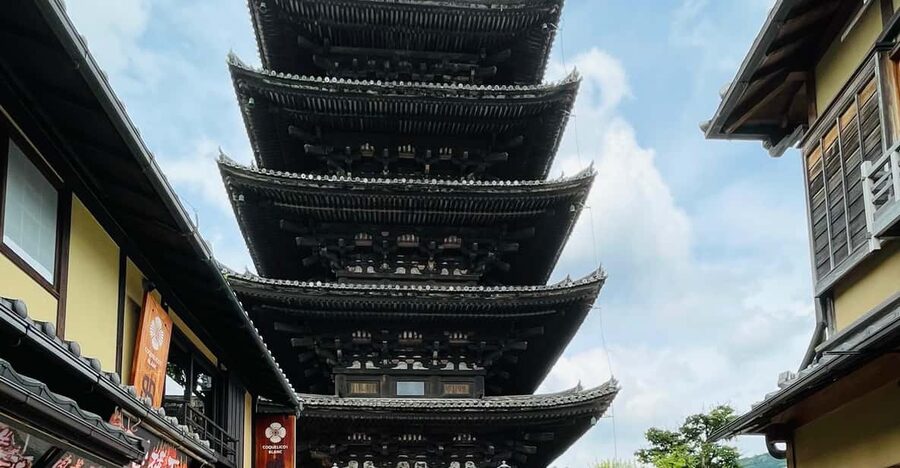
The day begins at about 8 a.m. with Kiyomizu-dera, one of Kyoto’s essential sights. Founded in 778, the temple is famous for its large wooden terrace and broad views across the city.
The early start is sensible. Kiyomizu-dera is popular, and arriving near the start of the day gives you a better chance to enjoy the terrace before the paths become harder to navigate. You will have around 90 minutes here, enough for the main temple area, photographs, walking, and some shopping near the approach.
The setting is the real reward. From the terrace, Kyoto opens out below you, with wooded hills and the city stretching beyond. The temple itself is also a strong first stop because it gives you an immediate sense of Kyoto’s scale and religious importance.
Wear comfortable shoes. The approach involves walking, and the tour description allows time for a guided visit as well as independent exploration. If you want a detailed explanation of the temple’s founding, architecture, and customs, ask your guide directly. The amount of commentary may vary.
Sanjusangen-do and its remarkable wooden hall
Sanjusangen-do, also called Sanju-san-gen-do, is known for its long wooden structure. Its name refers to the 33 sections created by 35 columns, a layout that gives the hall an unusual rhythm and scale.
Inside, the temple is famous for its thousand Kannon statues. The atmosphere changes sharply from Kiyomizu-dera’s open views. Here, the experience is quieter and more focused on the interior, the repeated figures, and the sense of order created by the long hall.
The planned visit lasts about an hour. That is enough for a first look, though anyone drawn to Buddhist art may want more time. Because this is a private tour, you can tell the guide whether you prefer a quick visit or a slower look at the hall.
The order of stops may vary. The written schedule places Sanjusangen-do later in the day, while the main description presents it earlier. Since the tour is customizable, confirm the actual sequence and timing when you book.
Arashiyama brings together bamboo, gardens, and the Kimono Forest
Arashiyama is not one single sight. It is a district with river views, temples, shops, paths, and several famous photo spots. The tour gives you about an hour in the broader Arashiyama area, followed by dedicated time for the bamboo forest and Togetsukyo Bridge.
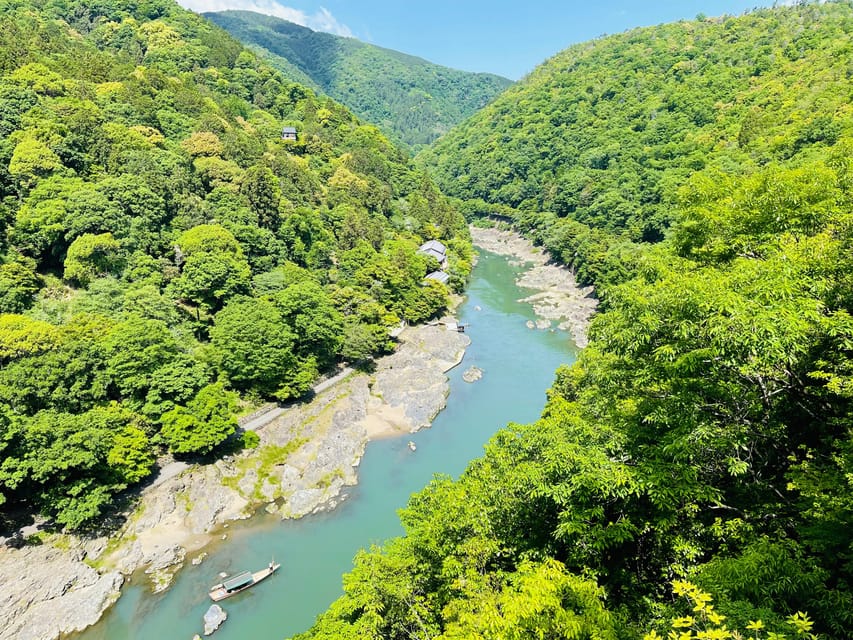
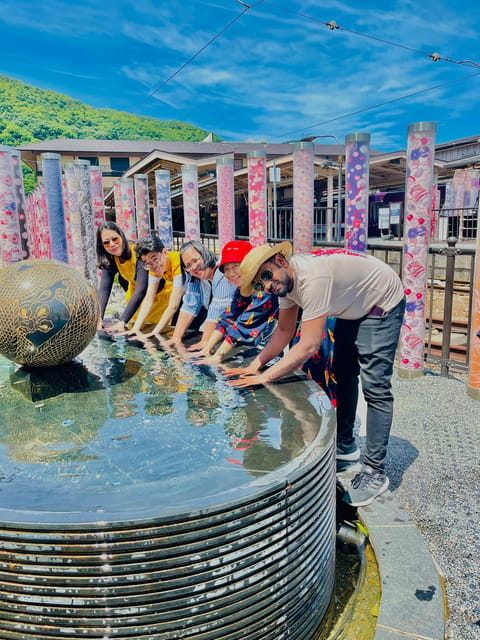
You may also see or pass through the Kimono Forest, a collection of patterned textile pillars near the train station. It is a modern, colorful contrast to the area’s old temples and bamboo lanes, and it makes a quick photo stop if the schedule allows.
The main weakness here is compression. Arashiyama deserves an unhurried half-day, but this tour divides the district among several stops. You will see the signature sights, yet you may not have time to explore every lane or shop.
One recent experience with guide Nomi praised his photography skills, which can be valuable in Arashiyama. The bamboo paths are attractive but crowded and narrow, so a guide who can help position your group for photographs is useful. Still, if you want local stories and historical background during the drive, request that clearly. The same experience found that Nomi spent time on personal calls and did not point out an important Buddha teaching site in Arashiyama.
Sagano Bamboo Forest is brief but memorable
The dedicated bamboo stop lasts about 30 minutes. That is enough to walk a section of the famous path and take photographs, but it is not enough for a relaxed exploration of every route in the Sagano area.
Tall bamboo rises on both sides of the path, creating a cool green corridor even when the surrounding district feels busy. The effect is visual more than active. You walk, look up, take photographs, and move on.
I would treat this as a highlight rather than a full nature outing. The tour gives you a convenient visit without asking you to plan the route, but the short time means you should keep your group moving. If you have a particular bamboo path or nearby site in mind, mention it before the van leaves Arashiyama.
The schedule also lists optional activities such as a panoramic train ride and Segway ride. Do not assume these are part of the standard day. Confirm what is included, since the core program is built around sightseeing and walking.
Other private tours in Kyoto
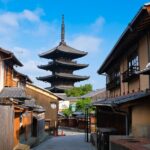
Togetsukyo Bridge adds the classic Arashiyama picture
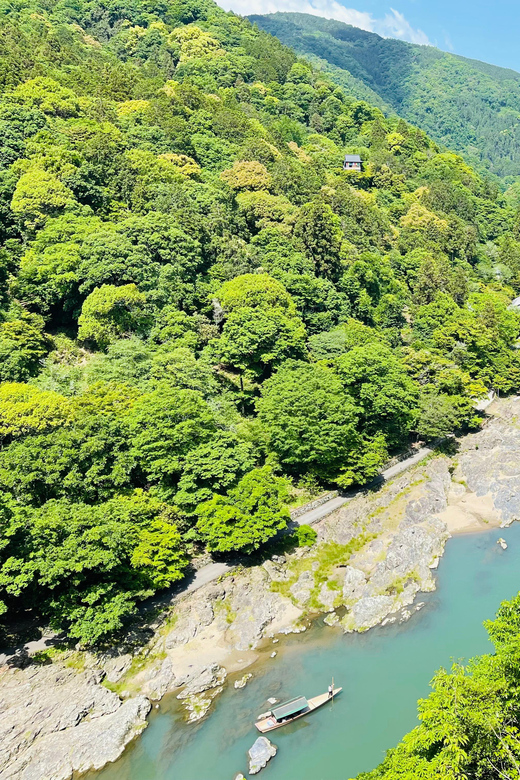
Togetsukyo Bridge receives about 30 minutes. The bridge crosses the Katsura River and is one of Arashiyama’s most recognizable views, especially with the hills behind it.
This is a useful pause between temple visits. You can photograph the bridge, walk along the river, and get a different view of the district than the enclosed bamboo path provides. The time is short, but the stop is straightforward and does not require a long visit to appreciate.
The bridge area can also be a practical place to orient yourself. If you are interested in shopping or a snack, ask how much freedom you have before meeting back at the van. Food is not included, and the day’s schedule may leave little time for an unplanned meal.
Tenryu-ji gives Arashiyama its garden centerpiece
Tenryu-ji is the key cultural stop in Arashiyama and one of the tour’s World Heritage sites. Its Japanese gardens are the main attraction, with carefully arranged water, stones, trees, and views toward the surrounding hills.
The garden changes with the seasons, so this is one place where the same route can feel different at another time of year. You can walk through the grounds at a slower pace than the bamboo path, but the overall day still asks you to watch the clock.
The tour description places Tenryu-ji after the bamboo forest. The detailed stop list does not assign it a separate time block, so confirm how long your visit will be and whether admission is included. The general information says entry tickets are not included.
For me, this is a place where guiding can make a major difference. A good explanation helps you notice why the garden is arranged as it is, rather than seeing it as simply a pleasant green space. Since the experience has received mixed comments about historical commentary, tell your guide you want context at Tenryu-ji.
Lunch at Togetsukyo Bridge comes with dietary limits
The optional lunch is a Japanese buffet using seasonal ingredients, with views of Togetsukyo Bridge. That setting makes the meal appealing, particularly if you want a planned break instead of searching for food in a busy sightseeing district.
There is an important catch. Muslim-friendly, allergy-friendly, lactose-free, gluten-free, and vegan choices are unavailable. If any of those needs apply to you, book the tour without lunch and make your own food plans.
Food is not included in the tour’s basic inclusions. Confirm the exact lunch price and menu before selecting it. A private vehicle makes it easier to plan a stop elsewhere, but only if you arrange that with the guide in advance.
Kinkaku-ji reflects Kyoto’s polished side
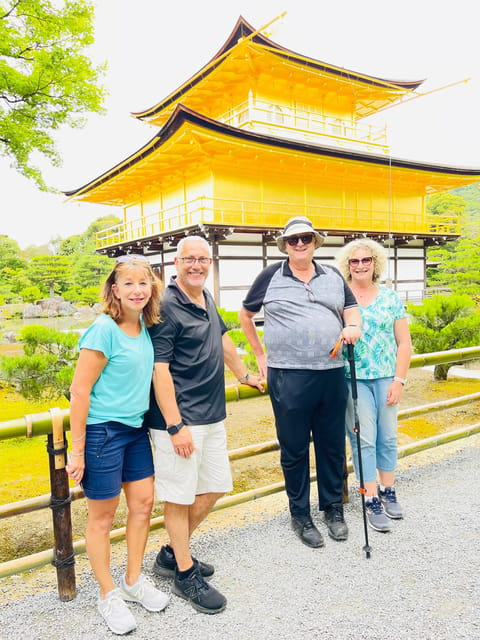
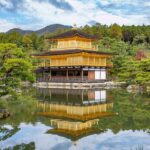
Kinkaku-ji, officially Rokuon-ji, is the Golden Temple. Its upper floors are covered in gold leaf, and the building is reflected in the pond before it, making this one of Kyoto’s most instantly recognizable sights.
You will have about an hour here. The route is fairly direct: enter, follow the established path, pause at the pond, take photographs, and continue through the grounds. The temple is not an intimate ruin or a quiet neighborhood shrine. It is a carefully presented major sight, and its fame brings crowds.
That does not make it disposable. The combination of gold, water, trees, and changing light is genuinely striking. I recommend spending a few minutes looking beyond the first photograph. The surrounding garden helps explain why the building works so well visually.
Admission is not included, so keep extra funds available. Ask whether the tour’s skip-the-line arrangement applies here and whether your guide will accompany you inside or provide time for independent walking.
Fushimi Inari finishes with the most atmospheric walk
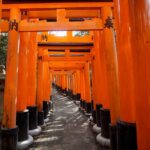
Fushimi Inari Taisha is the final major stop, with about 90 minutes. Its thousands of orange-red torii gates form tunnels up the wooded slopes behind the shrine.
You do not need to walk the entire mountain to understand the place. In 90 minutes, you can pass through a substantial section of gates, pause at smaller shrine areas, and take photographs. The path becomes less crowded as you continue upward, but the route also becomes steeper and more demanding.
This is the stop where good timing and clear instructions matter. Stay aware of the meeting point, since the gates can make the route feel confusing. Ask your guide how far the group will walk and what time you must return to the van.
Fushimi Inari is a strong ending because it feels different from the formal temple grounds earlier in the day. The repeating gates create a sense of movement and mystery, while the forest provides shade and quiet. It is also the stop most likely to leave you wanting more time.
What the guide adds, and what you should request
The tour includes an English-speaking guide, with live guiding also listed in Hindi, Japanese, and Arabic. A multilingual mobile audio guide is available in English, French, Italian, Spanish, German, Portuguese, and Ukrainian.
Those language options are useful, but the live guide remains central to a private tour. You are not simply buying transportation. You are paying for someone to shape the day, explain what you are seeing, and adjust the pace.
That is why the guiding issue deserves attention. Guide Nomi was praised for his photography, a real advantage in a day packed with scenic stops. At the same time, the historical explanations were considered limited, and personal phone calls reduced engagement during drives.
I would set expectations at pickup. Say that you want temple history, stories about Kyoto, and commentary between stops. Ask the guide to point out sites in Arashiyama that are not on the main route. If photography matters most, say so. A private tour works best when you explain your priorities at the start.
Transport, pickup, and the long route
The air-conditioned luxury van is the tour’s practical backbone. The route covers eastern Kyoto, Arashiyama in the west, northern Kyoto for Kinkaku-ji, and southern Kyoto for Fushimi Inari. Public transportation can handle these areas, but not as simply in one day.
Pickup and drop-off are listed for Kyoto, Osaka, and Nara. Pickup outside Kyoto may bring an additional charge, so confirm the fee before booking. The advertised day begins at 8 a.m. from Kyoto and ends at Kyoto Station, though the available drop-off options also include Osaka and Nara.
The schedule includes roughly 30-minute van segments, but Kyoto traffic can affect the day. Since the tour is private and customizable, ask whether a stop can be shortened if traffic causes delays. You should also accept that a full route like this may feel busy by late afternoon.
Wheelchair accessibility is listed, but several stops involve walking, temple grounds, and paths. If you use a wheelchair, confirm the precise access conditions at each site rather than relying only on the general accessibility label.
Who should book this Kyoto tour?
I would choose this tour if you have one full day in Kyoto and want to cover the famous sights without managing several transport connections. It suits families, small private groups, first-time visitors, and anyone who values hotel pickup and an air-conditioned vehicle.
It is also a good fit if photography is a priority. The route gives you many strong subjects, and guide Nomi’s photography skills may help you return with better group pictures.
I would hesitate if you want slow temple visits, long meals, or detailed cultural teaching at every stop. The schedule is ambitious, and the guide’s level of historical commentary may not match what you expect from a private cultural tour.
Should you book it?
Book this tour if your main goal is efficient sightseeing across Kyoto’s major landmarks. At $102 per person, it can be fair value for a private group that wants transport, pickup, and a full day handled by one guide.
Before paying, confirm three things: the final pickup price outside Kyoto, the admission costs, and how much live historical commentary your guide will provide. If your group needs vegan, gluten-free, lactose-free, allergy-friendly, or Muslim-friendly food, skip the buffet option.
I would also send a short wish list that names the sites and stories you care about. With that conversation up front, this tour can give you a strong first look at Kyoto. If your ideal day is slower and more scholarly, use the van for fewer sights or choose a tour built around deeper visits.
FAQ
How long does the Kyoto private tour last?
The tour lasts 10 hours. The listed start time is 8 a.m. from Kyoto, with the day ending at Kyoto Station unless another drop-off is arranged.
Which places are included?
The route includes Kiyomizu-dera, Sanjusangen-do, Arashiyama, the Sagano Bamboo Forest, Togetsukyo Bridge, Tenryu-ji, Kinkaku-ji, and Fushimi Inari Taisha. The experience highlights seven main sightseeing areas and three World Heritage sites.
Is hotel pickup included?
Yes. Complimentary hotel pickup and drop-off are included for customers. Kyoto, Osaka, and Nara are listed as pickup and drop-off areas, but additional charges may apply for pickup outside Kyoto.
Is transportation provided?
Yes. Transportation is by air-conditioned luxury van. The tour is a private group experience.
Are entry tickets included?
No. Entry tickets are not included in the tour price. The activity is described as offering skip-the-ticket-line access, so confirm how that applies to each location.
Is lunch included?
Food is not included in the basic tour inclusions. An optional Japanese buffet with seasonal ingredients is offered near Togetsukyo Bridge, but Muslim-friendly, allergy-friendly, lactose-free, gluten-free, and vegan options are unavailable.
Which languages are available?
Live guiding is listed in English, Hindi, Japanese, and Arabic. A mobile audio guide is available in English, French, Italian, Spanish, German, Portuguese, and Ukrainian.
More Private Tours in Kyoto
More Guided Tours in Kyoto
More tours in Kyoto we've reviewed









Guided, compared.
 ★ 5.0Kyoto Early Morning Tour with English-Speaking GuideFrom $68
 ★ 5.0Kyoto 6hr Private Tour with Government-Licensed GuideFrom $155
★ 4.9Kyoto: Early Morning Tour with English-Speaking GuideFrom $1015h 30m
★ 5.0Kyoto 6hr Private Tour with Government-Licensed GuideFrom $155
★ 4.9Kyoto: Early Morning Tour with English-Speaking GuideFrom $1015h 30m
 ★ 4.7Kyoto: Nijo-jo Castle and Ninomaru Palace Guided TourFrom $161 hour
 ★ 4.9Kyoto: Izakaya Bars Guided Walking TourFrom $253 hours
 ★ 5.0Kyoto Gion Night Walk & Geisha District Guided TourFrom $18