
Reviewed · TEA CEREMONY EXPERIENCES
Private Tea Ceremony and Sake Tasting in Kyoto Samurai House
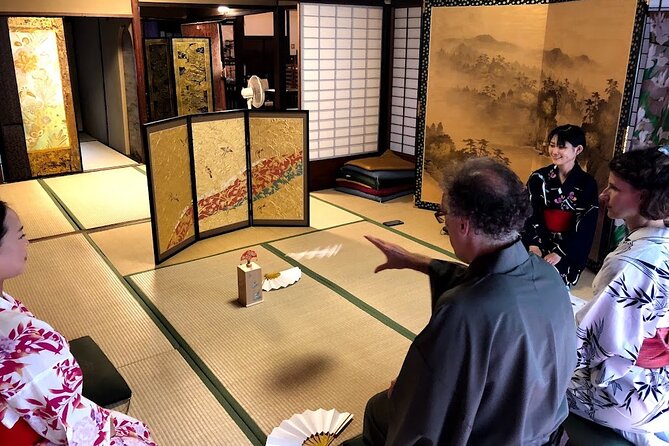
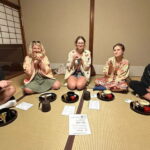
The most unusual part of this Kyoto experience is the setting: you enter a 300-year-old samurai residence and have the traditional tea room to yourselves. A tea master explains the ceremony, prepares high-grade organic matcha from Uji, and shows you how much care goes into a bowl of powdered tea.
I like the private format, which gives you room to ask questions and take photos without a crowd looking over your shoulder. I also like the choice after the ceremony: make your own matcha, taste five sakes, or sample two Japanese whiskies. The main consideration is the short 50-minute schedule, especially if you want extra time for kimono dressing and photographs.
In This Review
- Key points at a glance
- Entering a 300-year-old Kyoto samurai house
- The tea ceremony and the meaning of matcha
- Whisking your own Uji matcha
- Sake and Japanese whisky after the tea
- Kimono, samurai clothing, and katana photographs
- Why the private format changes the experience
- Timing, access, and the old-house realities
- Who will get the most from this Kyoto experience
- Is the $99 price fair?
- Should you book the Kyoto Samurai House tea ceremony?
- FAQ
- Where does the tea ceremony take place?
- How far is the house from Kyoto Station?
- How long does the experience last?
- Is this a private activity?
- What happens during the tea ceremony?
- What can I choose after the tea ceremony?
- Can children take part?
- Can I wear a kimono during the ceremony?
Key points at a glance
- A rare historic setting: The family home has been connected with a samurai lineage for roughly 300 years.
- A real tea-room lesson: You learn the movements and meaning behind preparing and receiving matcha, not just drink a cup.
- Three tasting choices: Pick a bamboo-whisk matcha lesson, five sake samples, or two Japanese whisky samples.
- Photo time included: You can pose with a katana, samurai clothing, or an authentic silk wedding kimono for women.
- Easy Kyoto access: The house is about an eight-minute walk from Kyoto Station.
- A small practical catch: There is only one old toilet in the historic home, so use a restroom before arriving if possible.
Entering a 300-year-old Kyoto samurai house
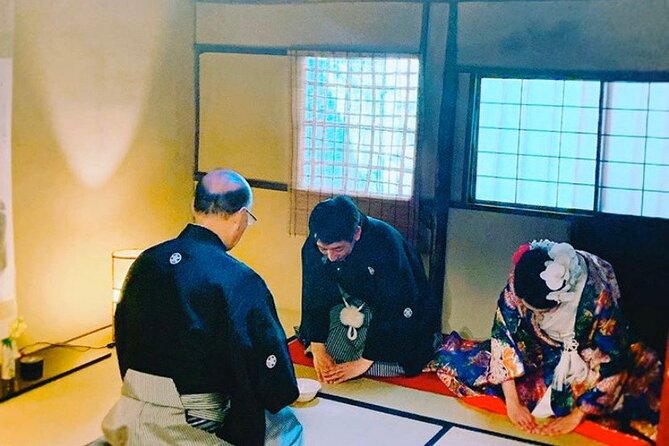
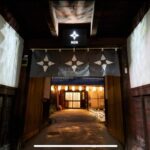
This experience begins at Kyoto Samurai House, at 384 Mongakucho in the Shimogyo Ward. The property is only about an eight-minute walk from Kyoto Station, a useful advantage if you are fitting the ceremony between train connections, a station-area hotel, or a day trip.
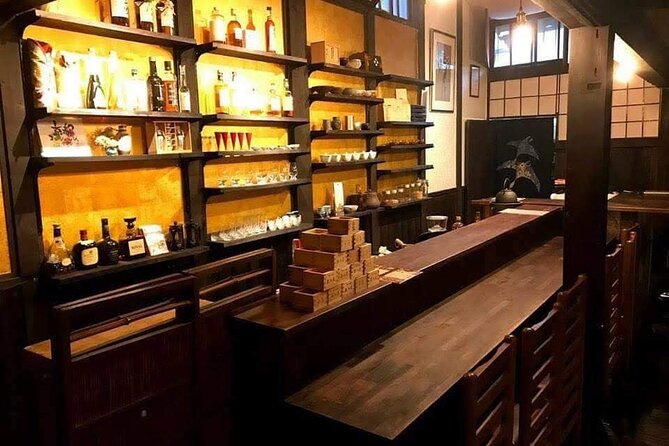
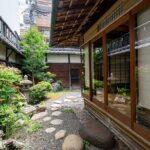
The location also shapes the mood. You leave the noise and movement around the station and enter an old family residence with a traditional tea room. This is not a modern cultural center dressed up to look old. The home has remained with the same family for generations, and the hosts welcome you into a place that still feels personal.
That setting matters. A tea ceremony can feel formal or staged when held in a large commercial venue. Here, the small private group and family home make the visit quieter. You can ask about the house, samurai customs, tea, clothing, and daily life without trying to hear a guide over a room full of people.
The activity requires at least two people, and only your own group takes part. That makes it a good choice for couples, families, or a small group of friends. If you are alone, this is not the right booking unless you can join another arrangement, since the stated minimum is two people.
A few more Kyoto tours and experiences worth a look
The tea ceremony and the meaning of matcha
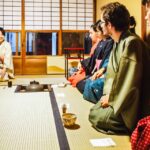
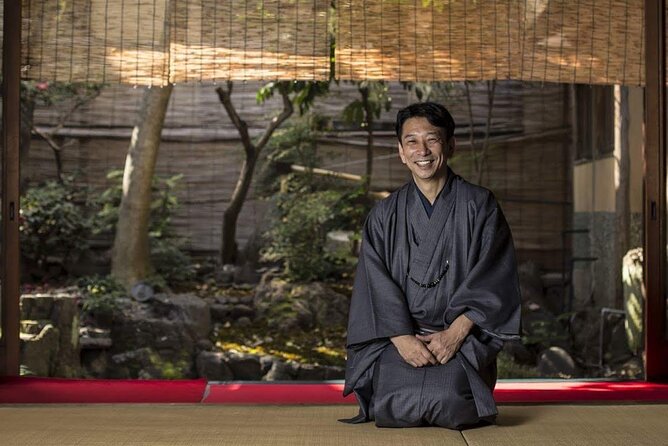
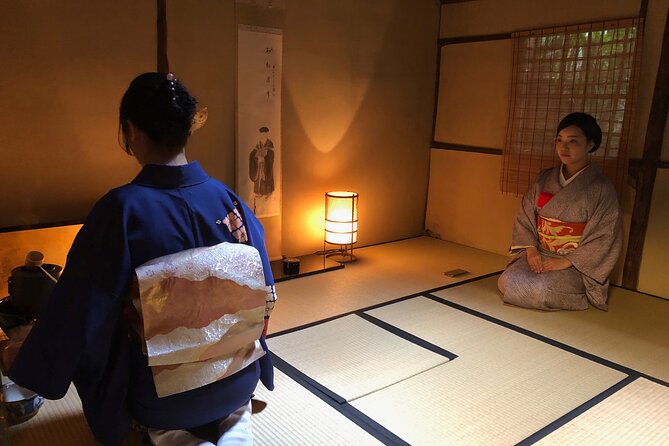
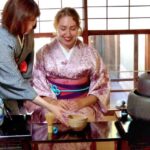
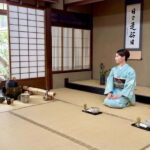
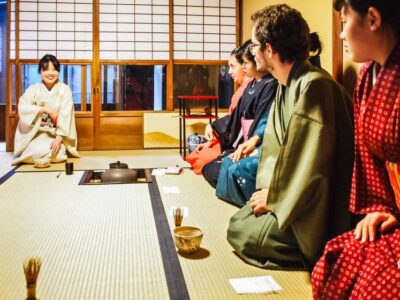
The central part of the visit takes place in a traditional tea room. The tea master explains the way of tea, including how to receive and enjoy matcha in a ceremonial setting. You are not simply handed a green drink and told to take a picture. The movements, manners, tools, and quiet pace all have a purpose.
The matcha is high-grade organic tea sourced locally from Uji, the area near Kyoto famous for green tea. That local connection gives the tasting more meaning. You are trying the powdered tea in the region where some of Japan’s best-known matcha is produced, rather than drinking an ordinary café version.
The ceremony itself is peaceful and deliberate. You may find the pace surprisingly slow, especially after a day of crowded temples and busy shopping streets. That is part of the point. The ritual asks you to pay attention to the bowl, the whisk, the gestures, and the person serving the tea.
The tea master’s experience is one reason the ceremony has made such a strong impression. The hosts and tea teachers are described as warm, clear English speakers who explain the process in a way that welcomes beginners. You do not need prior knowledge of tea etiquette, and you are encouraged to ask questions.
Keep your expectations sensible. This is a short introduction rather than a long study of Japanese tea schools. You will learn the main ideas and watch a formal preparation, but you will not become a tea master in one sitting. The value lies in the setting, the careful instruction, and the chance to experience the ritual respectfully.
Whisking your own Uji matcha
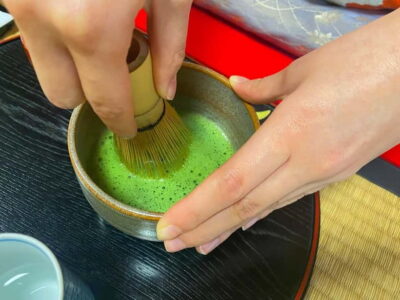
After the formal ceremony, you may choose the matcha option and prepare your own bowl with a bamboo whisk. This hands-on step is useful because it turns an elegant demonstration into something you actively do.
Whisking looks simple until you try it. The movement requires control, and the texture changes depending on how you work the whisk. The lesson gives you a better sense of why the bamboo chasen is central to the process and why the preparation is treated as an art rather than a quick kitchen task.
This option is also the right pick if you do not drink alcohol, are traveling with children, or want to spend more time with the tea itself. People under 20 receive the matcha-whisking lesson after the ceremony, since alcohol is only provided to people over 20.
The activity description lists the matcha lesson as one of three choices, alongside sake and Japanese whisky. Confirm your preferred option when booking or at the start so your group understands how the time will be used.
Sake and Japanese whisky after the tea
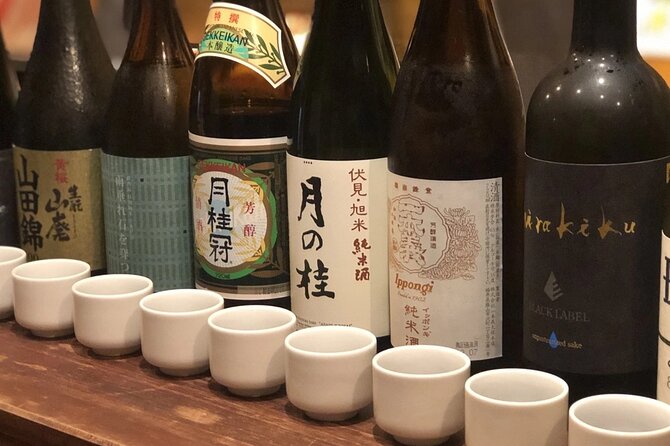
If you are over 20, you can choose a sake tasting instead of the extra matcha lesson. The sake option includes five shots, with explanations of the different types and flavors. That gives you a quick look at how Japanese rice wine can vary, rather than treating sake as one single drink.
The tasting is lively after the quiet ceremony. This change of pace works well. You begin with concentration and silence, then move into conversation and comparison. The host explains the drinks and makes the tasting feel social without losing the connection to local culture.
You can also choose Japanese whisky, with two shots. Some participants have been offered well-known Japanese bottles, including Yamazaki, but the exact bottles available are not guaranteed. Treat that as a possible bonus, not a promised part of the booking.
The alcohol option is best for adults who enjoy guided tastings but do not want a long bar crawl. You get a focused introduction in the same historic house, with the host available to answer questions. It is not a full meal or an evening drinking session, so plan another stop if you want dinner or more drinks afterward.
The stated age rule is clear: alcohol is only served to people over 20. Anyone younger than that follows the matcha-whisking lesson after the ceremony.
Kimono, samurai clothing, and katana photographs
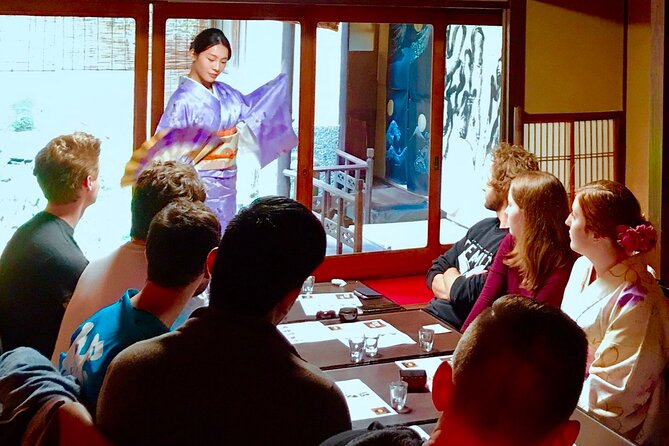
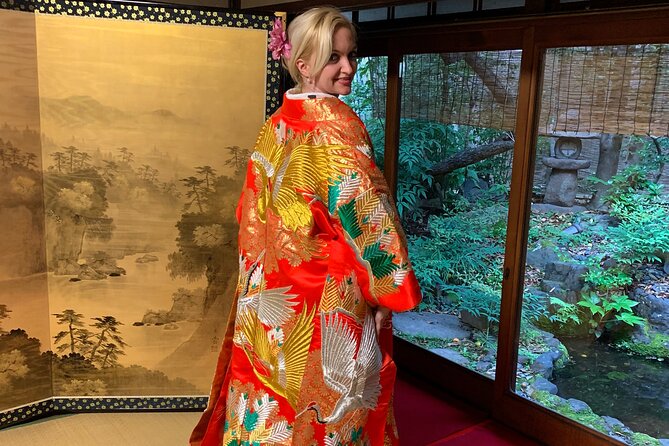
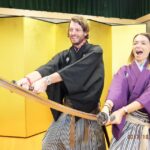
The photo portion adds a playful layer to an otherwise serious cultural lesson. Women may pose in an authentic silk wedding kimono, while other participants can wear samurai clothing or a haori-style outfit and hold a katana for photographs.
You are welcome to take your own pictures during the visit. The hosts also help direct poses, and the personal nature of the setting makes it easier to get family or couple photographs without feeling hurried. For many people, this is the souvenir that brings the experience back to life later.
The wedding kimono is for women only, according to the activity details. If you want to wear a kimono during the actual tea ceremony, allow an extra 30 minutes and expect an additional cost. That option is limited to one group in the house, and the standard booking does not automatically include it.
This distinction is important. The regular experience includes a chance to dress up and take photographs, but it is not a full kimono-rental outing around Kyoto. You will not spend the afternoon walking temple lanes in formal clothing. If you want that, ask about the longer and more expensive arrangement before booking.
For families, the clothing and swords can make the visit especially engaging. Children have enjoyed the costume element, and the hosts have been accommodating with young participants. The katana is for posing and photographs, not for a martial arts lesson.
Other sake brewery and tasting tours in Kyoto




Why the private format changes the experience
The private booking is the strongest practical feature here. Your group controls the questions, the pace of the conversation, and the amount of attention given to the ceremony and tasting.
That matters in a tea room. The ritual depends on small details, and you can miss them when standing at the back of a crowded demonstration. In a private setting, you can ask why a movement is made, how the tea should be received, or what the house has meant to the family.
The family hosts are often praised for making the visit warm and personal. Their connection to the residence gives the samurai theme more substance than a rented costume studio. You meet the people who live in or care for the house, hear about the family connection, and spend time in rooms that have served a real purpose over many generations.
The private format also suits couples celebrating a special occasion. Several people have used the experience as a wedding gift or a memorable stop during a honeymoon. Families can benefit too, particularly when adults want the tea and sake while children take part in the tea lesson and photographs.
There is one tradeoff: private experiences usually cost more than a large group demonstration. At the listed price of $99, value depends on how much you care about the historic home, the personal instruction, and the tasting or costume photographs. If you only want to drink matcha for ten minutes, this is more than you need. If you want a small cultural encounter with several connected parts, the price is easier to justify.
Timing, access, and the old-house realities
The scheduled experience lasts about 50 minutes. That covers the tea ceremony, the explanation, the selected matcha or alcohol option, and photo opportunities, so the timetable can feel full.
If you want kimono dressing during the tea ceremony, add 30 minutes and an extra fee. Photography can also expand beyond the basic schedule if your group is large or everyone wants several costume combinations. Arrive ready to begin rather than assuming you can wander in late and make up the time.
The short walk from Kyoto Station is a major plus. You do not need a long ride to a distant suburb, and the activity can fit neatly into a Kyoto Station day. The meeting and ending point are the same, so you return to the house after the program rather than being dropped somewhere else.
The property is old, and one practical warning should not be ignored: there is only one old toilet. Use a restroom before you arrive if possible. The activity also is not recommended for anyone over 120 kilograms, likely because of the historic home, clothing, or facilities.
The experience is not described as wheelchair accessible, and the information provided does not promise step-free access. If mobility is a concern, contact the provider before paying, since the house is historic and the activity takes place in a traditional room.
Who will get the most from this Kyoto experience
I would choose this for you if you want culture in a small setting rather than another large attraction. It suits first-time visitors who want an understandable introduction to tea ceremony, as well as repeat visitors looking for something more personal than the usual temple route.
Couples have plenty to like here: a quiet ceremony, private conversation, dress-up photographs, and a sake or whisky tasting. Families can also make it work, especially if children are interested in samurai stories, costumes, or hands-on tea preparation.
It is a good match for adults who enjoy food and drink with context. The sake and whisky choices are not a substitute for a dedicated tasting tour, but they add flavor to the visit and give you something to discuss with the host.
You may want to skip it if your main goal is to wear a kimono all day, explore a samurai museum, or take part in a long formal tea lesson. Those are different experiences. Here, the appeal comes from the combination of a genuine family home, a concise tea introduction, a tasting choice, and photographs.
The experience is non-refundable and cannot be changed after booking. Since the fee is not returned for cancellations or amendments, choose your date carefully. If the minimum number is not reached and the provider cancels, you are offered another date or experience, or a full refund.
Is the $99 price fair?
At $99, this is not the cheapest way to taste matcha in Kyoto. You can find a basic tea demonstration for less, especially in a group setting. The comparison changes when you count what is bundled here.
You are paying for access to a historic private residence, a guided ceremony with a trained tea master, organic Uji matcha, your choice of an additional tasting or whisking lesson, and costume photographs. You also save time with the easy walk from Kyoto Station and avoid the impersonal feel of a large class.
The sake option includes five samples, while the whisky option includes two. The bottles and portions are not described in enough detail to treat this as a premium spirits flight, but the tasting is a meaningful part of the visit rather than a token extra.
Group discounts are available, which can improve the value for families or friends booking together. Since the activity is private, splitting the cost among two or more people makes more sense than booking it for a single person would.
Should you book the Kyoto Samurai House tea ceremony?
Book it if you want an intimate cultural experience with a strong sense of place. The tea ceremony is the heart of the visit, but the historic home, personal hosts, matcha lesson, sake or whisky, and samurai or kimono photographs give the short program extra weight.
I especially recommend it for couples, small families, and anyone with only one free hour near Kyoto Station. Choose the matcha lesson for children or non-drinkers, sake for a broader tasting, and whisky if Japanese spirits are your priority.
Skip it if you dislike formal rituals, cannot manage the limitations of an old house, or want a full-day kimono rental. For everyone else, this offers a thoughtful way to meet Kyoto’s past without spending half a day in transit.
FAQ
Where does the tea ceremony take place?
It takes place at Kyoto Samurai House, 384 Mongakucho, Shimogyo Ward, Kyoto, 600-8222, Japan.
How far is the house from Kyoto Station?
The house is about an eight-minute walk from Kyoto Station.
How long does the experience last?
The standard activity lasts approximately 50 minutes.
Is this a private activity?
Yes. Only your own group participates, and the booking requires a minimum of two people.
What happens during the tea ceremony?
You learn about the way of tea in a traditional tea room, watch an authentic ceremony, and learn how to enjoy powdered green tea in a ceremonial manner.
What can I choose after the tea ceremony?
You can choose a bamboo-whisk matcha lesson, a sake tasting with five shots, or a Japanese whisky tasting with two shots.
Can children take part?
Yes. People under 20 do not receive alcohol and instead take part in the matcha-whisking lesson after the tea ceremony.
Can I wear a kimono during the ceremony?
Kimono wear during the ceremony requires an extra 30 minutes and an additional cost. It is limited to one group for the available time slot. Photo opportunities with kimono and samurai clothing are part of the experience, with the wedding kimono available for women.
More Samurai & Kendo Experiences in Kyoto


More Sake Brewery Tours in Kyoto
More Tea Ceremony Experiences in Kyoto
More tours in Kyoto we've reviewed





Tea Ceremony Experiences, compared.
 ★ 4.9Kyoto: Tea Ceremony in a Traditional Tea House in KiyomizuFrom $4945 min
 ★ 4.9Kyoto: Tea Ceremony Ju-An at Jotokuji TempleFrom $291h 10m
 ★ 4.3Kyoto: 45-Minute Tea Ceremony Lesson ExperienceFrom $2245 min
 ★ 5.0World Heritage Kyoto & Nara Uji Authentic Matcha ExperienceFrom $129
 ★ 4.9Kyoto: Table-Style Tea Ceremony at a Kyo-MachiyaFrom $451h 30m
 ★ 5.0Kimono Tea Ceremony at Kyoto Maikoya, NISHIKIFrom $65