

Reviewed · SAKE BREWERY TOURS
Kyoto: Beyond the Insider Sake Tasting Experience
Kyoto’s sake story gets much more interesting when you move beyond familiar styles. This tasting presents 10 unusual varieties, including bottles made with old brewing methods, special microorganisms, and local wood that gives the drink a distinct regional character.
I like the private tasting room, where the focus stays on the glass and the explanation. I also like that certified sake sommeliers start with the basics, so you do not need prior experience. The one drawback is simple: food pairing is not included, and the tasting may feel too technical if you want only a quick drink.
In This Review
- Key points to know before booking
- Why this sake tasting feels different
- Starting with rice, water, yeast, and koji
- Ten glasses that show sake’s wider range
- Ancient methods and modern brewing ideas
- A private room keeps the focus on the guide
- What is not included, and why it matters
- Is the $66 price fair?
- Who should book this Kyoto experience?
- Practical tips for a better tasting
- Should you book it?
- FAQ
- How many kinds of sake will I taste?
- Do I need previous sake experience?
- Who leads the tasting?
- Where does the activity start and end?
- Is food included?
- Can I attend if I am under 20?
- Can I arrive by car or bicycle?
- What happens if I am late?
Key points to know before booking
- Ten rare sake varieties: Taste bottles that are not commonly found outside Japan.
- A clear step beyond the basic course: This experience examines unusual brewing ideas rather than only standard sake categories.
- Certified sake sommelier guide: Expect careful explanations of ingredients, production methods, and taste.
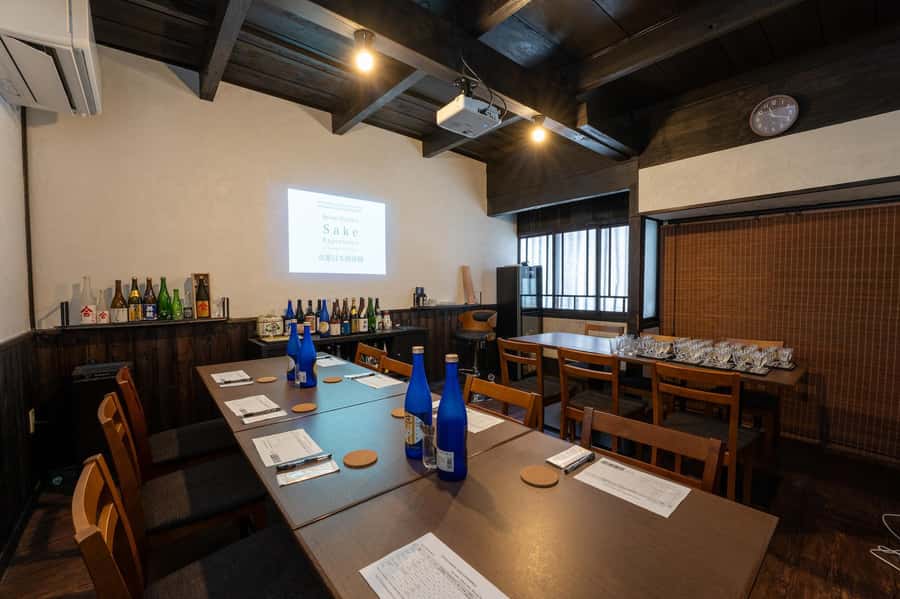
- Private tasting room: The setting is designed for focused instruction rather than a noisy bar visit.
- Good for all experience levels: Beginners receive an introduction, while seasoned sake drinkers get less familiar styles.
- No food pairing included: Eat beforehand or plan a separate meal after the tasting.
Why this sake tasting feels different
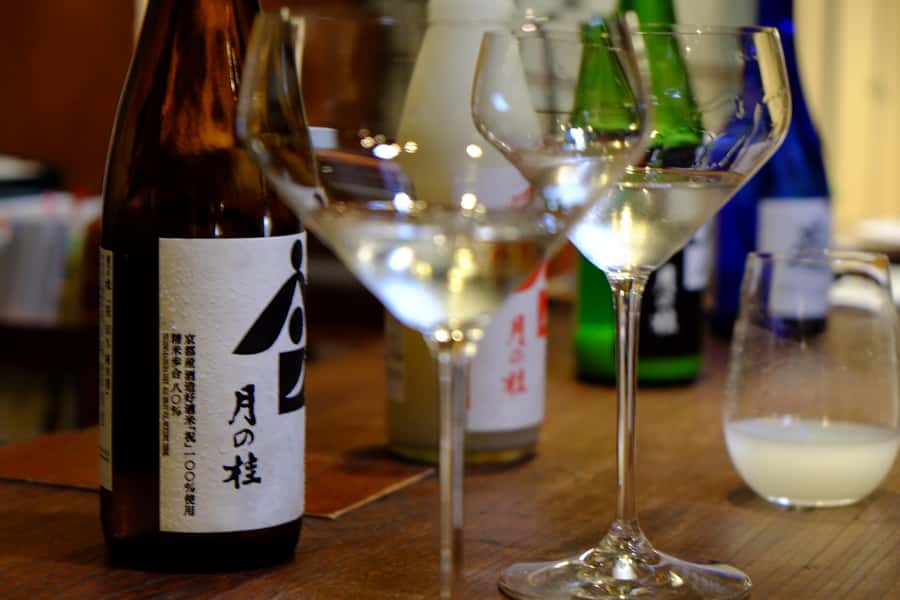
Many sake tastings stay with the styles you are most likely to see on an overseas menu. This Kyoto experience takes another path. The selection is built around sake made with different ideas, methods, and materials, giving you a better sense of how broad the drink can be.
You will taste sake produced through ancient techniques that differ from modern brewing. You will also encounter newer approaches that use the characteristics of microorganisms, plus sake made with local wood. These are not minor variations for the sake of variety. Each one shows how the brewing process can change aroma, texture, and flavor.
That makes this a useful follow-up to a standard introduction. If you already understand a few familiar sake categories, the tasting gives you new reference points. If you are starting from zero, the guide covers the foundation first, then uses the ten samples to show why production choices matter.
The experience takes place at the Kyoto Insider Sake Experience meeting point and returns there at the end. Transportation is not included, so you will need to arrange your own way to and from the location.
Other sake brewery and tasting tours in Kyoto


Starting with rice, water, yeast, and koji
The session includes an explanation of the main ingredients and the basic sake-making process. That matters because sake can seem confusing when you only see labels and category names. A good explanation gives you a way to connect what is in the bottle with what you taste.
You will also cover sake categories. This is especially useful for first-time drinkers who may not know the difference between terms on a menu or bottle label. The teaching is not limited to people who already collect sake, so you can ask basic questions without needing specialist knowledge.
The ingredients are important because sake is not simply rice wine in the everyday sense. The brewing method, the rice, the water, the yeast, and the treatment of the finished drink all affect the result. The guide’s job is to make those links clear before the more unusual samples arrive.
I would pay close attention here, even if you think you already know sake. The rest of the tasting makes more sense once you understand the standard process that these distinctive bottles change or challenge.
Ten glasses that show sake’s wider range
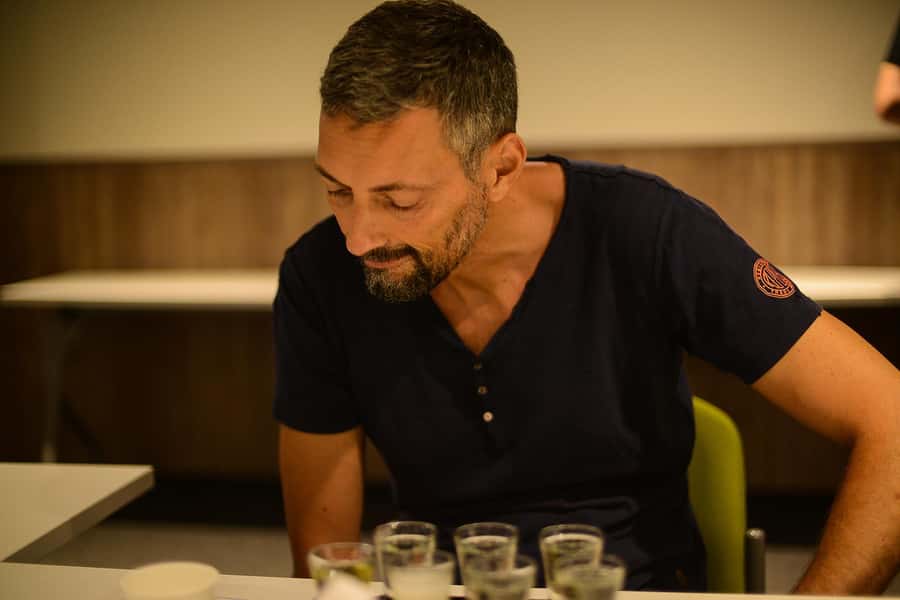
The tasting includes ten varieties selected by the certified sake sommelier. That is a substantial number for a guided session, particularly when the goal is not merely to sample different brands but to compare different brewing concepts.
The order of the tasting is not specified, so I would not expect a fixed stop-by-stop route or a visit to several breweries. This is a focused indoor tasting, with the private room serving as the main setting. The value comes from the selection and the explanations rather than from sightseeing between samples.
A tasting note is included. Use it as a working tool, not a souvenir you glance at once and put away. Write down which styles you prefer, what feels unusual, and how a sample differs from something you have already tasted. Ten glasses can blur together unless you make a few notes as you go.
The range should appeal to experienced sake drinkers because the bottles are described as uncommon overseas. You may find styles that are difficult to encounter at home, giving you a more useful comparison than a line-up of widely exported labels.
For beginners, ten samples can sound intimidating. The introduction helps, and the tasting is designed for all levels. Still, you should expect a learning-focused session rather than ten casual pours with little discussion.
Ancient methods and modern brewing ideas
One of the most interesting parts is the contrast between old and new. Some of the sake uses ancient methods that differ from the modern approach. This lets you consider how tradition affects the final drink without treating old methods as automatically better.
The experience also introduces a newer type of sake that makes use of microorganisms. That detail points to the science behind brewing, where tiny living organisms help shape the drink. You do not need a science background to appreciate the point. The practical lesson is that changing the brewing environment can produce a very different taste.
Another sample uses local wood. The wood gives the sake a flavor associated with the region, which adds a sense of place without requiring a full day of sightseeing. It also shows how the materials around a brewery can influence the finished product.
These examples give the tasting a useful structure. Instead of simply asking which sample you like best, you can ask why it tastes that way. Is the difference linked to the ingredients, the microorganisms, the age of the method, or the local wood? That turns a drink into a small lesson in production.
A private room keeps the focus on the guide
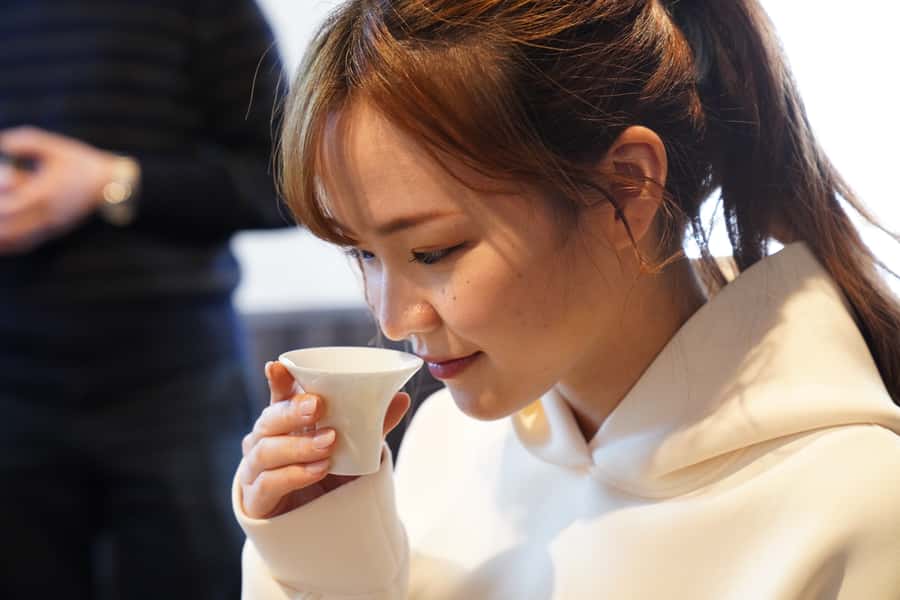
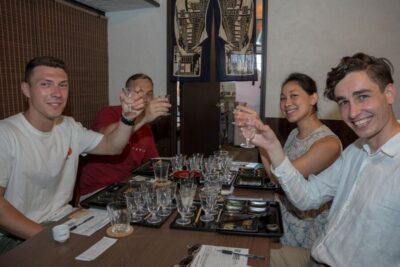
The dedicated private sake tasting room is a practical advantage. Sake has subtle differences, and it is easier to follow an explanation when you are not trying to hear over a busy bar. The room also suits people who want to ask questions as they work through the samples.
The experience is conducted in English. The guide is a certified sake sommelier, which gives the session a clear teaching focus. The strongest points in the available feedback center on the presentation, the explanations of production, the broad selection, and the friendly approach of the guide.
That combination matters. A guide can know a great deal about sake and still make a tasting hard to follow. Here, the format is built around explanation, and the feedback points to a guide who is both friendly and well prepared. You should expect the information to be a central part of the experience, not a short introduction before the pouring begins.
The private setting does not mean this is a private tour for one booking unless your reservation says so. The supplied details confirm a private tasting room, but they do not give a group size. I would book it for the subject and setting, not on the assumption that you will have the room entirely to yourself.
Other sake brewery and tasting tours in Kyoto


What is not included, and why it matters
Food pairing is not part of the price. That is worth noting because ten sake samples can create the expectation of snacks or a meal. Plan your appetite accordingly, and treat the activity as a tasting rather than dinner.
The lack of food pairing is not necessarily a weakness. Without dishes competing for attention, you can focus on the sake itself and notice how the samples differ. But if you prefer alcohol with a meal, arrange food before or after the activity. The experience ends back at the meeting point, so you can make your own plans nearby.
Transportation, hotel pickup, and hotel drop-off are also excluded. You are responsible for reaching the meeting point and leaving afterward. Check your route in advance, especially because arriving more than ten minutes late results in cancellation.
There is an important safety rule: alcohol will not be served if you arrive by car or bicycle. Non-alcoholic drinks are available, but there is no refund if you cannot take part in the sake tasting. Do not drive or cycle to this activity if tasting is the reason you booked it.
Is the $66 price fair?
At $66 per person, this is not the cheapest way to have a drink in Kyoto. It is also not priced like a simple bar flight. You are paying for ten selected varieties, a tasting note, a dedicated room, and a certified sake sommelier who explains the production behind each style.
The value depends on your goal. If you only want to try sake, you can likely spend less at a restaurant or bar. If you want to understand why different sake tastes different, the guided format makes the price more reasonable. Ten uncommon samples would also be difficult to compare on your own, particularly if you do not know what to look for.
I see the strongest value for two types of people. First, a beginner who wants a structured introduction without feeling lost. Second, an experienced sake drinker who has already taken a basic course and wants bottles that are less familiar outside Japan.
The experience is especially worthwhile if you are considering a basic sake tour as well. The feedback suggests starting with the beginner course and returning for this more advanced session. That is sensible advice if you have enough time in Kyoto. The basic course can establish the vocabulary, while this tasting explores more unusual directions.
Who should book this Kyoto experience?
Book it if you enjoy learning how food and drink are made. You do not need to arrive with a favorite style or a working knowledge of sake categories. Curiosity is enough.
It also suits people who have already tasted standard sake and want to move past the usual exported bottles. Ancient methods, microorganism-based brewing, and local wood offer subjects that are less likely to appear in an ordinary restaurant tasting.
This is a good choice for a rainy afternoon or for a traveler who wants a seated cultural activity rather than another temple visit. The dedicated room provides a calm change of pace, and the session returns to its starting point instead of requiring transport between several locations.
It is not suitable for children under three, pregnant women, or anyone under the legal drinking age in Japan. The legal drinking age is 20, and people under 20 receive only non-alcoholic drinks. Every person joining must have a reservation, including children and non-drinkers.
Practical tips for a better tasting

Arrive early. The late-arrival rule is strict, with bookings canceled after ten minutes, so do not plan to reach the meeting point at the last possible moment.
Do not drive or cycle. That can prevent you from receiving alcohol, and the activity does not provide a refund if you cannot participate in the tasting.
Read the tasting note as you go. With ten samples, a few written words about aroma, texture, and finish will help you remember what you liked. You can also use the notes when choosing sake later in Japan or at home.
Eat separately. Since food pairing is not included, have a meal before or after if you need more than a tasting. Keep in mind that the purpose here is to study the sake, so a full meal during the session should not be expected.
If you are new to sake, do not worry about being out of place. The basics of production and categories are included. If you already know the basics, listen for the points where these bottles depart from modern or familiar methods.
Should you book it?
I would book Kyoto: Beyond the Insider Sake Tasting Experience if you want more than a few pleasant samples. The ten varieties, unusual production methods, private room, and certified sommelier make this a focused lesson in how sake can change from one process to another.
Skip it if you want a food-centered evening, brewery transportation, or a casual drink with little explanation. Also skip it if you plan to drive or cycle, since alcohol will not be served.
For most curious adults, the decision comes down to interest. At $66, you are paying for guidance and access to less familiar sake, not just liquid in ten glasses. If that sounds worthwhile, this is a strong next step after a beginner sake course, or a solid first tasting if you want the basics explained before the more unusual samples begin.
FAQ
How many kinds of sake will I taste?
The experience includes 10 kinds of sake selected by a certified sake sommelier.
Do I need previous sake experience?
No. The session covers the basics of sake production and sake categories, so beginners can take part. It is also designed for experienced sake drinkers.
Who leads the tasting?
A certified sake sommelier leads the experience. The activity is conducted in English.
Where does the activity start and end?
It starts at the Kyoto Insider Sake Experience meeting point and ends back at the same meeting point.
Is food included?
No. Food pairing is not included in the activity.
Can I attend if I am under 20?
People under 20 are served only non-alcoholic drinks. The experience is listed as not suitable for people under 19 years, and Japan’s legal drinking age is 20.
Can I arrive by car or bicycle?
You can arrive, but alcohol will not be served to anyone who arrives by car or bicycle. Non-alcoholic drinks are available, and there is no refund if you cannot take part in the sake tasting.
What happens if I am late?
If you are more than 10 minutes late, your booking will be canceled. Each person joining, including children and non-drinkers, must have a reservation.
More Sake Brewery Tours in Kyoto
More Sake Brewery Tours in Kyoto
More tours in Kyoto we've reviewed


Sake Brewery Tours, compared.
 ★ 5.0Kyoto Night Foodie Tour in Gion (9+ dishes + 6 Sake tastings)From $163
 ★ 5.03-Hour Kyoto Insider Sake Brewery Tour with Tastings & PairingsFrom $84
 ★ 4.8Arashiyama Bamboo, Temple, Monkeys, or Secret Sake BreweryFrom $875 hours - 330 minutes
 ★ 5.0Kyoto: Insider Sake Brewery Tour with Sake and Food PairingFrom $873 hours
 ★ 5.0Kyoto Sake Brewery & Tasting Walking TourFrom $98
 ★ 5.01.5-Hour Kyoto Insider Sake Experience with 7 Tastings & PairingsFrom $68