
Reviewed · PRIVATE
KIYOTO’s Kyoto Private Tour: Highlights & Hidden Gems
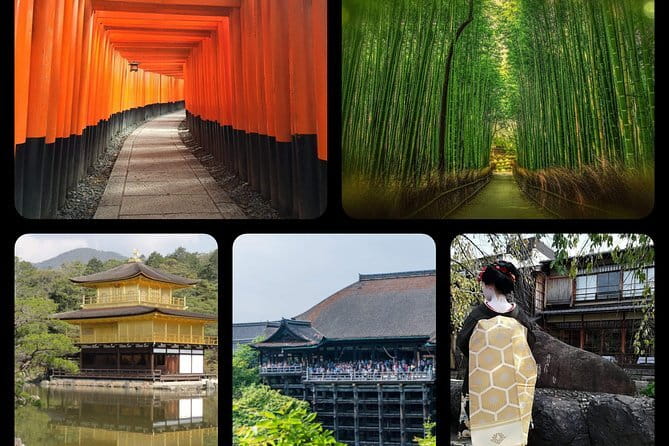
Kyoto’s big sights are scattered across the city, and this private tour tackles them with a guide who can help you make sense of the geography, customs, and crowds. In one ambitious route, you may visit Fushimi Inari’s torii gates, Kiyomizu-dera, Gion, Nishiki Market, Kinkaku-ji, and Arashiyama.
I like the personal pace and the mix of famous sights with smaller streets such as Pontocho and Tatsumi Bridge. I also like that guides including Yuhey, Akiyo, Paren, and Kiyoto have been praised for flexibility, thoughtful planning, and excellent photos. The main caution is scope: seeing every listed stop in four to eight hours requires brisk timing, extra transport, and likely some choices about what to skip.
In This Review
- Key points before you book
- What this Kyoto private tour is really offering
- Pontocho starts the day with old Kyoto atmosphere
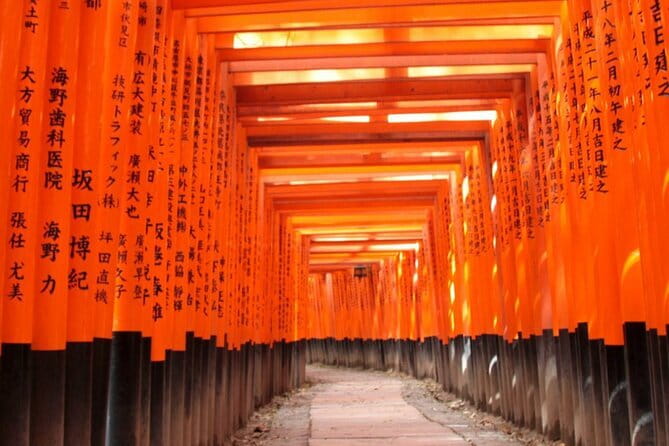
- Fushimi Inari and the long tunnel of red gates
- Kiyomizu-dera and Kyoto from the hillside
- Sannenzaka, Ninenzaka, and a five-minute coffee stop
- Yasaka Pagoda and Gion’s old streets
- Tatsumi Bridge offers a quieter Gion pause
- Nishiki Market is for tasting and browsing
- Kinkaku-ji brings the famous Golden Pavilion
- Tenryuji gives Arashiyama more depth
- The bamboo forest, Kimono Forest, and Togetsukyo Bridge
- The guide can make or break the day
- Timing, transport, and the real cost
- Who should book this Kyoto experience?
- Should you book it?
- FAQ
- How long does the private Kyoto tour last?
- Where does the tour start and end?
- Is hotel pickup available?
- Is this a private tour?
- Are attraction tickets included?
- Is transportation included?
- Which places are included in the route?
- Can most people participate?
- What is the cancellation policy?
Key points before you book
- A private Kyoto overview: You get your own guide and group, with no strangers to slow down your day or steer the conversation.
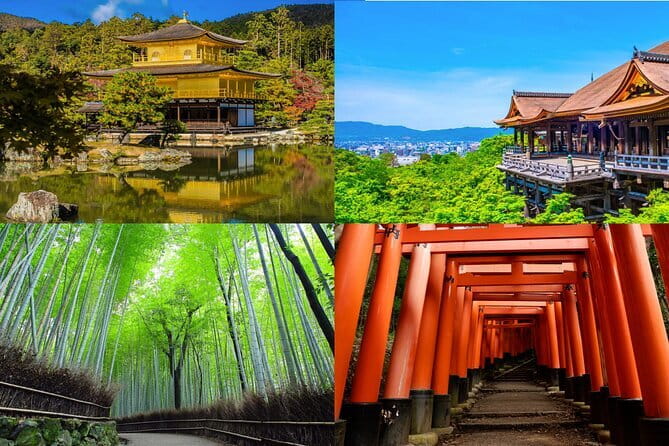
- Fourteen possible stops: The route covers temples, shrines, food, old lanes, river views, and Arashiyama’s famous bamboo path.
- Guide quality matters: Yuhey, Akiyo, Paren, and Kiyoto are praised for warm service, planning, flexibility, and photos.
- Tickets cost extra: Kiyomizu-dera, Kinkaku-ji, and Tenryuji require separate admission payments.
- Mostly a walking day: Public transport may be used, but transportation costs are not included.
- Best for first-time visitors: You can get a fast overview of Kyoto, then return to your favorite areas later.
What this Kyoto private tour is really offering
At $177.90 per person, this is not a cheap sightseeing walk. It is a private guide service designed to save you planning time and help you connect a long list of Kyoto sights.
That price can make sense for a couple, family, or small group that wants a custom day. A private guide can answer questions as they come up, adjust the pace, take pictures, and help you decide where to linger. For a solo visitor, the cost is harder to justify unless personal attention is especially important.
The route is broad rather than slow. It begins around central Kyoto and moves through southern Higashiyama, Gion, central Kyoto, northern Kyoto, and Arashiyama. Since the tour lasts about four to eight hours, you should treat the itinerary as a menu of stops, not a promise that you will explore every place in depth.
The tour begins and ends at the Kyoto Tourist Information Center Kyo-Navi, on the second floor of Kyoto Station Building. Pickup is offered, but the supplied details do not define exactly how far that pickup extends, so confirm the meeting arrangement before you go.
Other private tours in Kyoto
Pontocho starts the day with old Kyoto atmosphere
Pontocho is a narrow lane beside the Kamo River, running between Sanjo and Shijo streets. It is one of Kyoto’s five traditional geisha districts, with restaurants and tea houses packed into an atmospheric strip.
The scheduled visit is only about ten minutes, so you will mainly get an orientation and a quick look. That is enough to understand Pontocho’s setting, but not enough for a meal or a careful stroll.
I like this as an opening stop because it places you in one of Kyoto’s most distinctive central districts right away. Ask your guide about the difference between a restaurant district, a tea house, and a geisha entertainment district. A private tour gives you room for those questions.
Fushimi Inari and the long tunnel of red gates
Fushimi Inari-taisha is likely to be one of the day’s strongest stops. Its Senbon Torii, or thousand torii gates, forms a striking route up Mount Inari. Each gate represents a donation, and the repeated red-orange frames create one of Kyoto’s most recognizable scenes.
The planned visit lasts about an hour. That gives you time to walk through part of the gate route, but not enough for a full climb to the summit and back. If you want a longer walk here, tell your guide early. You may need to shorten another stop.
The shrine is free, but the path can be crowded, especially near the entrance. A private guide helps you move with purpose instead of spending your first hour wondering how far to walk. Wear comfortable shoes, since this is not simply a photo stop.
Kiyomizu-dera and Kyoto from the hillside
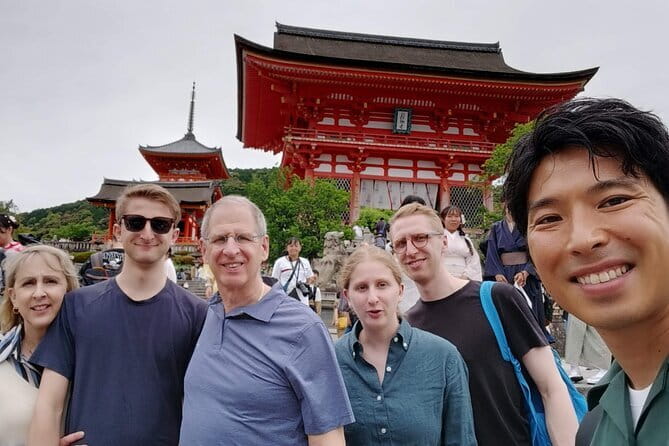
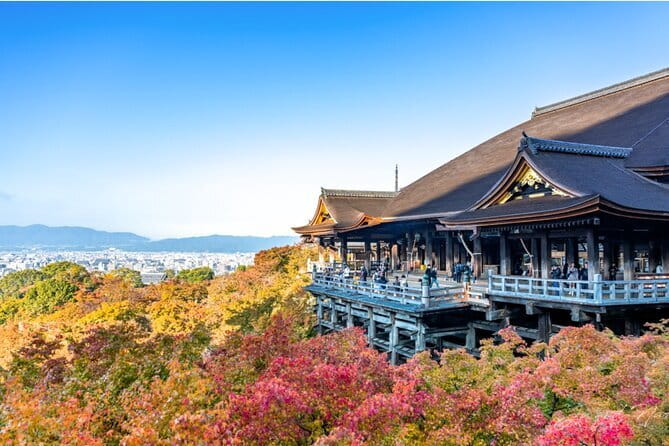
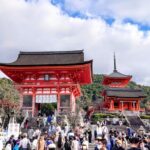
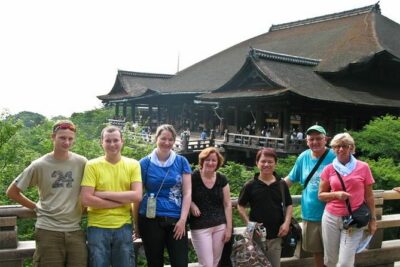
Kiyomizu-dera sits on the wooded slopes of Mount Otowa and is one of Kyoto’s essential temples. Its famous wooden stage looks across the city and surrounding hills, while the temple grounds offer several layers of religious and architectural interest.
You have about an hour here. Admission is not included, so budget for the entrance fee. The temple area also involves slopes and busy approaches, which makes a guide useful for keeping the visit focused.
The value here is more than the famous view. Kiyomizu-dera helps you see how Kyoto’s temples use buildings, hills, water, and walking paths as one setting. Ask your guide which areas are most important and how much time to spend inside the main temple complex.
Sannenzaka, Ninenzaka, and a five-minute coffee stop
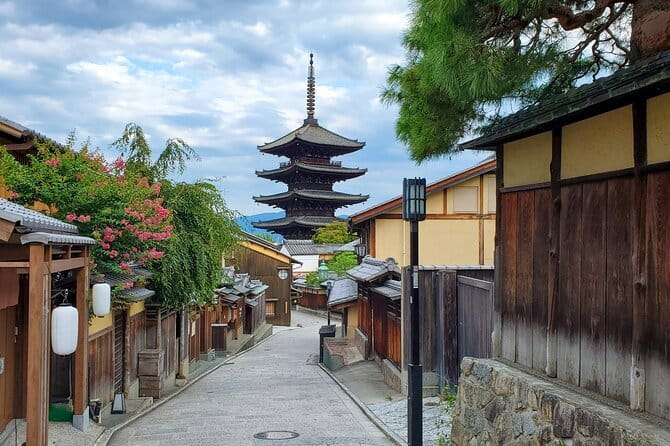
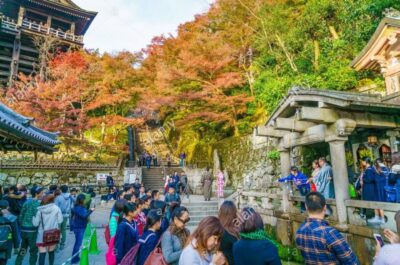
The stone-paved lanes of Sannenzaka and Ninenzaka lead toward Kiyomizu-dera through one of Kyoto’s best-preserved old-town areas. Wooden buildings, small shops, sweets, crafts, and food stalls line the slopes.
The scheduled hour is much more useful here than the five-minute stops later in the day. You can walk, browse, and take pictures, though the lanes can be crowded and the slopes are not ideal for anyone wanting a flat route.
The nearby Starbucks inside a restored machiya is included as a quick look, with about five minutes allotted. It is an amusing contrast: a familiar coffee brand in a traditional Kyoto townhouse. You can leave the tour if you want to stay longer, but doing so ends your participation in the rest of the route, so think of this as a brief architectural curiosity rather than a coffee break.
Yasaka Pagoda and Gion’s old streets
The Yasaka Pagoda, part of Hokan-ji Temple, is one of the most photographed sights in Higashiyama. The five-story pagoda rises above the old streets and gives this part of Kyoto its classic profile.
Only five minutes are scheduled, which is enough for a look and a few photographs. The same applies to Hanamikoji Street, the best-known lane in Gion. Its wooden facades and narrow paving create a strong sense of old Kyoto, but the visit is too short for a full look at the district.
Please keep your behavior respectful in Gion. This is a living neighborhood and a working entertainment district, not a stage set. Your guide can help explain what you are seeing without encouraging intrusive photography.
Tatsumi Bridge offers a quieter Gion pause
Tatsumi Bridge crosses the Shirakawa River in a more peaceful corner of Gion. It is small, scenic, and especially appealing if you prefer a quiet river setting to a major temple courtyard.
The ten-minute stop is brief, but it gives the day a welcome change of pace. I would use this moment for photographs and a short explanation of the Shirakawa area. If you are choosing between extra time in this district and another major temple, tell your guide what matters most to you.
Nishiki Market is for tasting and browsing
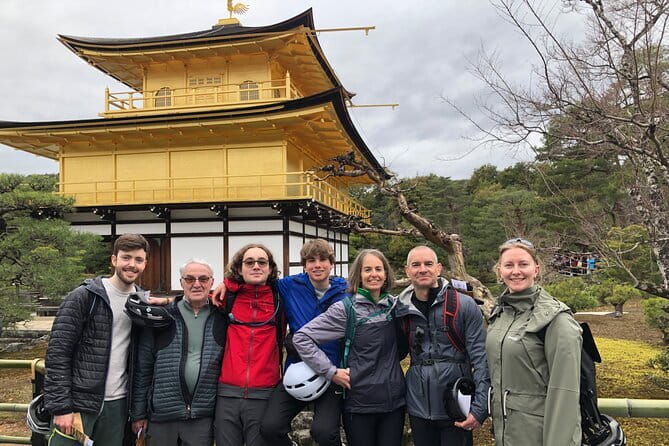
Nishiki Market is known as Kyoto’s Kitchen, a covered shopping street filled with food stalls, ingredients, pickles, sweets, seafood, and local specialties. The planned hour gives you enough time to walk a useful section and sample food if you pay for it separately.
Food and drinks are not included. That is worth remembering because the market is much more enjoyable when you can stop for a small bite instead of simply walking through.
Nishiki can feel tight and crowded. Stay close to your guide and ask about unfamiliar foods before buying. A private guide can turn random browsing into a more meaningful look at Kyoto cooking and daily shopping.
Kinkaku-ji brings the famous Golden Pavilion
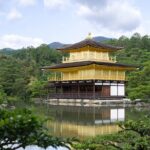
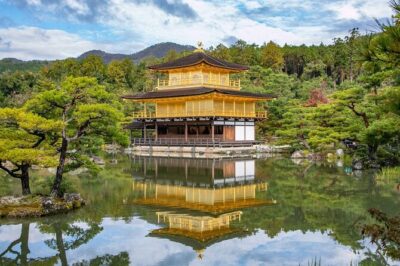
Kinkaku-ji, the Golden Pavilion, is one of Kyoto’s most instantly recognizable sights. The three-story pavilion is covered in gold leaf and reflected in the pond, with carefully arranged grounds around it.
The visit is listed at one hour, and admission is not included. The route through the grounds is controlled, so you will follow the established path rather than wander freely through every corner.
This is a high-impact stop, but it is also a place where expectations can get too high. You will not be entering the pavilion itself, and the visit centers on the exterior view and garden route. Your guide’s interpretation helps add context to what could otherwise become a quick photograph and exit.
Tenryuji gives Arashiyama more depth
Tenryuji is a major Zen temple in Arashiyama, founded in 1339 by Ashikaga Takauji on the site of a former imperial villa. Its setting links religious buildings with gardens and the hills beyond.
About thirty minutes are planned here, with admission extra. That is enough for an introduction, but not a slow temple visit. If gardens or Zen architecture are a priority, you may want to spend longer here and cut one of the shorter photography stops.
I like including Tenryuji before the bamboo forest because it gives Arashiyama some cultural depth. The district is not only a famous path through trees. It also has temples, river views, and a long connection with Kyoto’s court and religious life.
The bamboo forest, Kimono Forest, and Togetsukyo Bridge
The Arashiyama Bamboo Forest is a short, famous path of tall bamboo. The scheduled thirty minutes lets you walk through the main section and take pictures, though it is not a full exploration of the wider Arashiyama area.
The path can be crowded, and the most photographed section may feel more like a shared attraction than a solitary nature walk. Go in with realistic expectations. It is visually memorable, but the visit is short and the route is popular.
Near Randen Arashiyama Station, the Kimono Forest is a modern art installation made from about 600 cylindrical pillars, each around two meters tall. The pillars display kimono fabric patterns and offer a colorful contrast to the bamboo. Ten minutes is enough for a quick look.
Togetsukyo Bridge crosses the Oi River for 155 meters and gives you views toward the hills around Arashiyama. The ten-minute stop is mainly for scenery and photographs. If you have seen only temples in Kyoto, this final river view adds welcome variety.
The guide can make or break the day
The strongest part of a private tour is not the checklist. It is the person walking beside you.
Yuhey has been praised for an easygoing manner, broad subject knowledge, flexibility, and helpful suggestions for what to do after the tour. Akiyo has been credited with balancing famous sights and less familiar places, even arranging a meeting with a master potter. Paren has handled a rainy family outing with a casual, informative approach. Kiyoto has spent multiple days with visitors, planning different parts of the city and producing photos and a short video from each tour.
The provider also promises a guide with the spirit of omotenashi, or Japanese hospitality, along with help taking photos. Those details matter if you want family pictures or a record of the day.
There is one clear caution. One guide was described as friendly and helpful but new to Japan, with limited Japanese language ability and limited understanding of local history and culture. That does not mean every guide has the same background. It does mean you should ask who will lead your tour and what subjects they can cover, especially if historical explanation is your main reason for booking.
Timing, transport, and the real cost
The tour is primarily on foot, and public transport may be used at an additional cost. You are also expected to cover your guide’s food, drinks, transportation, and attraction tickets, as well as your own.
That can add up. Kiyomizu-dera, Kinkaku-ji, and Tenryuji are specifically listed with admission fees not included. Food at Nishiki Market and transit between widely separated districts are extra too.
At $177.90 per person, the tour is best value when your group wants guidance and flexibility more than the lowest possible cost. A private day can save you from piecing together Kyoto’s complex route yourself, but it does not include all the expenses that come with moving across the city.
The tour is booked, on average, about 31 days ahead. If your schedule is fixed, early booking is sensible. Free cancellation is available up to 24 hours before the start time. Cancellations or changes made later are not accepted for a refund.
Who should book this Kyoto experience?
I would recommend it to first-time visitors who want a strong overview, families with different interests, and couples who prefer conversation and flexibility over a large group format.
It also suits visitors with limited time in Kyoto. A guide can help you decide which stops deserve attention and which should be quick looks. The private setting is useful if you want to ask many questions or request photo help.
I would be more cautious if you want a slow, scholarly visit to every temple. Fourteen stops across Kyoto is a lot. You should discuss priorities before starting and accept that a broad city tour cannot give every place equal time.
Should you book it?
Book this tour if you want a private Kyoto sampler with major temples, old streets, food, river views, and Arashiyama in one flexible day. The best value comes from the guide’s attention, planning, local explanations, and photos, not from the number of stops alone.
Before paying, ask which guide is assigned, confirm pickup details, and state your top three priorities. If Fushimi Inari, Kiyomizu-dera, and Nishiki Market matter most, say so. If you want Arashiyama at a relaxed pace, ask to trim the central Kyoto stops.
For a first visit, this is a practical way to get your bearings. Just budget for tickets and transport, wear good shoes, and do not expect to linger everywhere.
FAQ
How long does the private Kyoto tour last?
The experience lasts approximately four to eight hours.
Where does the tour start and end?
It starts at the Kyoto Tourist Information Center Kyo-Navi on the second floor of Kyoto Station Building and ends back at the meeting point.
Is hotel pickup available?
Pickup is offered, but the supplied tour details do not specify the exact pickup area. Confirm the arrangement when booking.
Is this a private tour?
Yes. Only your own group participates, and the guide’s attention is not shared with another tour group.
Are attraction tickets included?
No. Food, drinks, transportation, and attraction tickets are not included. Kiyomizu-dera, Kinkaku-ji, and Tenryuji specifically require separate admission payments.
Is transportation included?
No. The experience is primarily walking, and public transport may be used at an additional cost.
Which places are included in the route?
The listed stops are Pontocho District, Fushimi Inari-taisha Shrine, Kiyomizu-dera Temple, Sannenzaka and Ninenzaka, the machiya Starbucks, Yasaka Pagoda, Hanamikoji Street, Tatsumi Bridge, Nishiki Market, Kinkaku-ji Temple, Tenryuji Temple, Arashiyama Bamboo Forest, Arashiyama Kimono Forest, and Togetsukyo Bridge.
Can most people participate?
Most people can participate, and the tour is near public transportation. Service animals are allowed.
What is the cancellation policy?
You can cancel up to 24 hours before the experience start time for a full refund. Cancellations or changes made less than 24 hours before the start time are not accepted.
More Private Tours in Kyoto
More tours in Kyoto we've reviewed

Private, compared.
 ★ 5.0Fushimi Inari Hidden Hiking Tour (Private Option Available)From $63
 ★ 5.0Private Kyoto Tour with a Local, Highlights & Hidden Gems, PersonalisedFrom $102
 ★ 5.0Kyoto 6hr Private Tour with Government-Licensed GuideFrom $155
 ★ 5.010 Must-see Spots in Kyoto One Day Private Tour (up to 7 people)From $179
 ★ 5.0Kyoto 4hr Private Tour with Government-Licensed GuideFrom $109
 ★ 4.8Kyoto: Private Tour with Local Licensed GuideFrom $1064 - 8 hours