
Reviewed · FUSHIMI INARI TOURS
Kyoto Early Bird Tour: Fushimi Inari, Arashiyama Bamboo & Monkeys
Kyoto’s biggest morning payoff is seeing three famous sights before the day gets crowded. This four to five-hour walking tour links Fushimi Inari, Arashiyama Bamboo Forest, and Monkey Park Iwatayama by public transportation, giving you a brisk but memorable taste of Kyoto.
I like the small maximum of eight people, which should make it easier to hear your guide and keep moving. I also like the mix of shrine, bamboo, and wildlife, plus the sweeping city view from Monkey Park. The catch is simple: this is not a gentle sightseeing ride. You need moderate fitness, punctuality, and comfortable shoes.
In This Review
- Key points to know before booking
- Why this half-day route works in Kyoto
- Fushimi Inari before the crowds
- Moving from southern Kyoto to Arashiyama
- Arashiyama Bamboo Forest in one hour
- The climb to Monkey Park Iwatayama
- A guide-led morning with room for local context
- Is $107.05 a fair price?
- Who should book this Kyoto morning tour?
- My verdict on the Fushimi Inari and Monkey Park route
- FAQ
- Where does the tour start?
- Where does the tour end?
- How long does the tour last?
- How many people can join the tour?
- Is public transportation included?
- Is Monkey Park admission included?
- What happens if I arrive late?
Key points to know before booking
- Three major Kyoto sights in one morning: Fushimi Inari, Arashiyama Bamboo Forest, and Monkey Park Iwatayama.
- Early timing matters: The tour is designed to reach popular places before the heaviest crowds.
- A real walking and hiking day: Public transportation connects the areas, but you spend plenty of time on foot.
- Small group size: The maximum is eight people, with an English-speaking local guide.
- Monkey Park extras are included: Your 800-yen entry ticket and monkey-feeding snacks are covered.
- Budget for transport: Public transportation costs about 780 yen per person and is not included.
Why this half-day route works in Kyoto
Kyoto spreads its famous sights across several districts, so planning three headline stops on your own can eat up much of the day. This route gives you a clear structure and a guide to keep the morning on schedule.
The order also makes sense. Fushimi Inari gives you a shrine and forest walk first. Arashiyama shifts the mood to bamboo and old pleasure-country scenery. Monkey Park finishes with a climb, living wildlife, and a city panorama.
At $107.05 per person, this is not the cheapest way to see Kyoto. You still pay roughly 780 yen for public transport, and food is extra. Yet the price includes a local English-speaking guide, the 800-yen Monkey Park admission, feeding snacks, professional photos, and Wi-Fi.
I see the value mainly in time and coordination. If you have only a short stay in Kyoto, the tour handles a route that would otherwise require careful train and walking plans. If you already know the city well and prefer to set your own pace, the cost may feel harder to justify.
A few more Kyoto tours and experiences worth a look

Fushimi Inari before the crowds
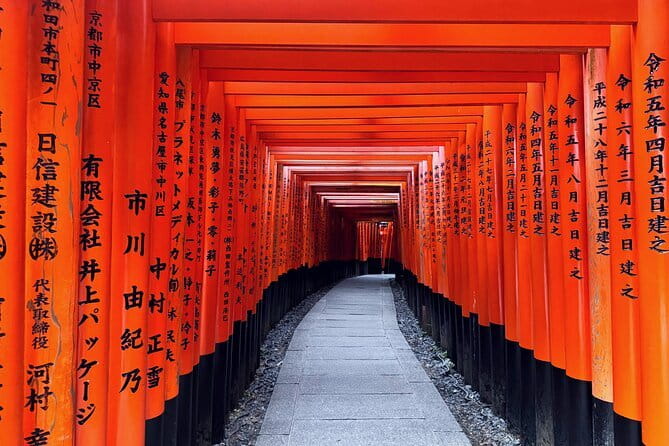
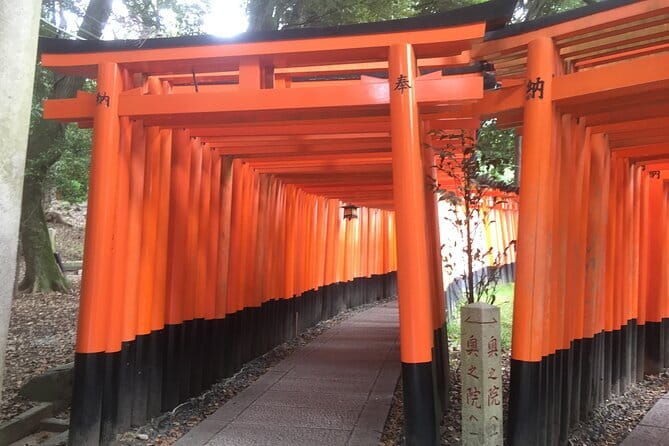
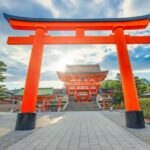
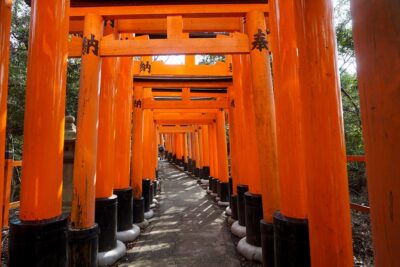
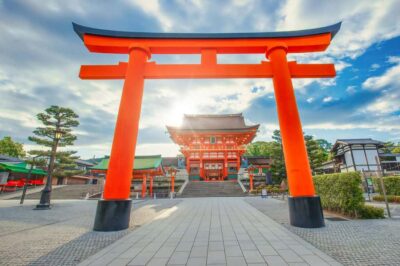
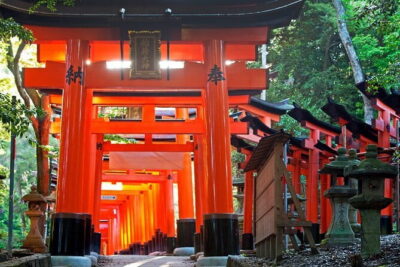
Fushimi Inari-taisha is dedicated to Inari, the deity linked with rice and prosperity. Its famous path climbs through thousands of red-orange torii gates, each one donated over time by individuals or businesses.
The first hour focuses on this striking corridor and the wooded slopes of Mount Inari. Early morning is the right idea here. The gates are still popular, but quieter conditions give you a better chance to notice the shift from the broad entrance paths to more peaceful forest sections.
The shrine is free, so there is no admission cost to worry about. The main cost is your energy. Even if the tour does not take you to the mountain’s highest point, walking beneath the gates involves slopes and steps. Ask your guide how far the group plans to go if you need to manage your pace.
I like this opening stop because it gives you more than a quick photograph. The gates create a strong visual impression right away, while the forest setting adds a calmer side of Kyoto. Your guide can also add context about the shrine’s connection with prosperity and daily life in Japan.
Do not arrive at the last second. The meeting point is at Kyoto Station, at Higashishiokoji Kamadonocho in Shimogyo Ward. Late arrival means you cannot join the tour and will not receive a refund, so allow time to find the exact spot.
Moving from southern Kyoto to Arashiyama
The tour uses public transportation between the main areas. Your transport fare is not included, and the estimated cost is about 780 yen. That is a modest extra charge, but it matters when you compare the total price with a private vehicle tour.
Public transport also means this feels like a Kyoto day rather than a sealed-off coach excursion. You move through the city as local residents do, then explore each district on foot. The tradeoff is that stations, transfers, and walking between stops require attention.
The small group limit of eight should help here. A guide can gather the group more easily than on a large tour, and you have a better chance of getting clear directions. The pace still needs to remain firm because the tour has three major stops within roughly five hours.
Arashiyama Bamboo Forest in one hour
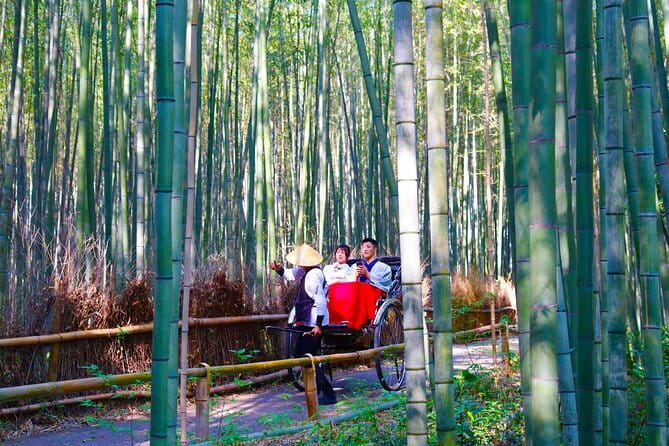
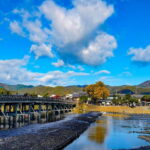
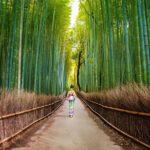
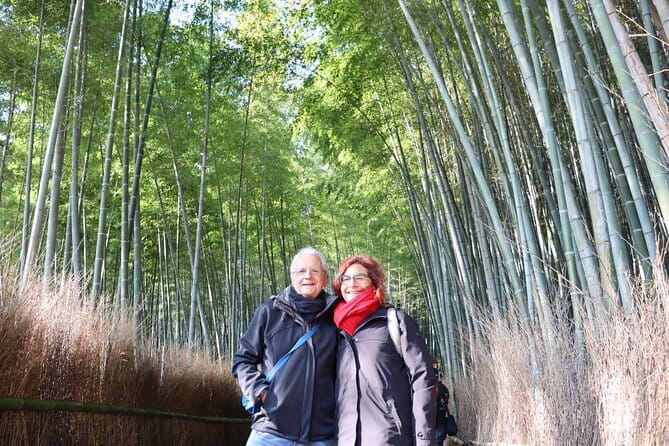
Arashiyama has attracted people since the Heian period, from 794 to 1185, when nobles came for seasonal scenery. Today, the bamboo path is the area’s best-known sight, with tall stalks forming a narrow green corridor above the walkway.
The second stop allows about an hour in Arashiyama. That is enough for a focused walk through the bamboo area and a first look at the surrounding district, but not enough for a slow exploration of every temple, garden, and riverside path.
That limit is both useful and restrictive. You get a chance to see one of Kyoto’s signature scenes without giving up the other two stops. You will not have much spare time for browsing shops, lingering over a meal, or making a broad circuit of Arashiyama.
The bamboo itself has a practical past. It was used for tools and building materials, not only for scenery. That detail helps turn the grove from a photo stop into a reminder of how natural materials shaped everyday life.
I would keep your expectations sensible. A bamboo grove is beautiful, but the experience depends heavily on timing and crowd levels. The early start improves your odds of a calmer walk, yet the tour cannot guarantee an empty path.
The climb to Monkey Park Iwatayama
Monkey Park Iwatayama brings a different kind of experience. The park sits on a small mountain in Arashiyama, and reaching the top takes about a 20-minute hike.
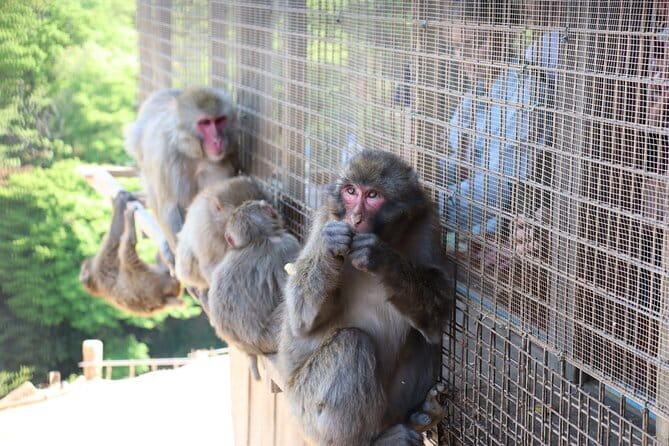
At the summit, more than 100 wild Japanese macaques live freely. This is not a caged zoo visit. You enter the monkeys’ area, follow the park’s rules, and feed them special snacks from the designated setting.
The tour includes the 800-yen entrance fee and food for feeding the monkeys. That makes the price easier to assess, especially for families who would otherwise pay admission and snack costs separately.
The climb is short, but do not mistake short for effortless. The tour description calls for moderate fitness, and the full morning includes Fushimi Inari’s paths, movement through public transport, the bamboo walk, and the Monkey Park hike. Wear shoes with good support and bring water, since meals and drinks are not included.
The reward at the top is twofold. You see the macaques at close range, and you get broad views over Kyoto city. For many people, this will be the most memorable stop because it combines wildlife with a strong sense of place.
You should also keep your attention on the guide’s instructions. These are wild animals, not performers. The feeding element is controlled with special snacks, so follow the stated rules and avoid treating the monkeys like household pets.
A few more Kyoto tours and experiences worth a look

A guide-led morning with room for local context
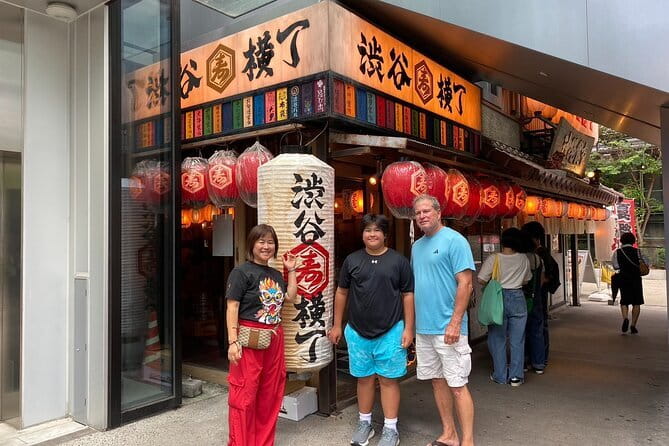
The experience includes a passionate local English-speaking guide. Ikki-san is specifically praised for making a Kyoto tour memorable, with clear interest in the city’s history and culture. The available praise also notes that he handled a snowy Kyoto visit well, which suggests a guide who can add warmth and local perspective when conditions are less than perfect.
The tour’s real benefit is not simply getting from one gate, grove, and mountain to the next. A good guide helps you understand why the sites matter, points out details you could miss, and keeps a small group moving through a tight schedule.
Because the group is capped at eight, you get a more personal setting than a large bus tour. Still, the guide cannot give every person unlimited time at each stop. This is a shared experience, not a private custom day, despite the private or small-group wording.
Professional photos are included, along with free Wi-Fi. Those extras may appeal if you want images of the morning without asking someone else to take every picture. They should be treated as pleasant additions rather than the main reason to book.
Is $107.05 a fair price?
The cost makes the most sense for you if convenience has real value. You are paying for a guide, route planning, small-group coordination, Monkey Park entry, feeding snacks, photos, and Wi-Fi. The shrine and bamboo area do not charge admission, but reaching all three sites efficiently takes planning.
The tour does not include public transport, meals, drinks, or personal purchases. Add about 780 yen for transport, and bring enough for anything you want after the tour. Since the activity ends back at the starting point, you can continue sightseeing or find lunch near Kyoto Station afterward.
For a family, the monkey feeding and varied stops may make the morning feel worthwhile. For a couple or solo visitor with limited time, the schedule offers a practical way to cover several well-known places. For someone who dislikes group pacing, stairs, or early starts, the price will not solve the basic fit problem.
The activity is often booked about 48 days ahead. That does not guarantee every date sells out, but it is a useful sign to plan ahead if your Kyoto schedule is fixed.
Who should book this Kyoto morning tour?
I would recommend it to a first-time Kyoto visitor who wants a strong introduction without spending a full day on one district. It also suits families and nature lovers who will enjoy the macaques as much as the shrines and bamboo.
It is a good match for you if you:
- Can walk and hike at a moderate level
- Are happy using public transportation
- Want a small group of no more than eight
- Prefer an English-speaking local guide
- Can reach Kyoto Station on time
- Want to see three famous places in half a day
I would hesitate if you need a slow pace, accessible routes, or long breaks. The tour has no promise of accessibility, and its walking and hiking focus is clear. I would also hesitate if Arashiyama deserves a full day on your personal list, since this schedule leaves limited time there.
Free cancellation is available if you cancel at least 24 hours before the start time. Changes or cancellations inside that window are not accepted and are not refunded.
My verdict on the Fushimi Inari and Monkey Park route
Book this tour if you want an efficient morning with three very different Kyoto experiences: sacred gates, bamboo, and free-ranging macaques. The small group, included Monkey Park costs, and local guide add practical value.
Skip it if you want to linger, eat between stops, or explore Arashiyama in depth. The best reason to choose this experience is its variety and early timing. The biggest warning is the pace. Arrive early, wear solid shoes, carry water, and you will be prepared for a lively morning.
FAQ
Where does the tour start?
The tour starts at Kyoto Station, at Higashishiokoji Kamadonocho in Kyoto’s Shimogyo Ward.
Where does the tour end?
The activity ends back at the meeting point at Kyoto Station.
How long does the tour last?
The tour lasts approximately four to five hours.
How many people can join the tour?
The maximum group size is eight people.
Is public transportation included?
No. Public transportation is not included. The estimated fare is about 780 yen per person.
Is Monkey Park admission included?
Yes. The 800-yen Monkey Park Iwatayama entrance fee and snacks for feeding the monkeys are included.
What happens if I arrive late?
If you are late for the meeting time, you cannot join the tour and will not receive a refund.
More Arashiyama & Bamboo Tours in Kyoto
More Fushimi Inari Tours in Kyoto
More tours in Kyoto we've reviewed


Fushimi Inari Tours, compared.
 ★ 4.8Kyoto: Fushimi Inari, Kinkakuji, Bamboo Grove 1 Day Bus TourFrom $122510 minutes - 9 hours
 ★ 5.0Fushimi Inari Hidden Hiking Tour (Private Option Available)From $63
 ★ 4.7Kyoto/Osaka: Nara, Fushimi Inari Taisha, Arashiyama Bus TourFrom $529 - 10 hours
 ★ 4.4Osaka/Kyoto: Arashiyama, Nara & Fushimi Inari Shrine w/LunchFrom $61
 ★ 5.0Kyoto: Nijo, Kinkaku-ji, Arashiyama, Kiyomizu & Fushimi InariFrom $51
 ★ 5.0Kyoto Fushimi-Inari Night Walking TourFrom $43