
Reviewed · TOURS
Dark Kyoto Tour
Kyoto’s famous temples look different when you hear the stories people tell after sunset. This four-hour tour follows the city’s darker side, from plague rituals at Yasaka Shrine to haunting tales in Gion and the grim associations of Kiyomizudera.
I like the way Atticus Sims connects ghost stories with Japanese religion and history, rather than treating the tour as a simple scare show. I also like the small maximum of 10 people, which should make it easier to hear the stories and ask questions. The main drawback is clear: if you dislike supernatural tales, cemeteries, or unsettling folklore, this may not be your best Kyoto evening.
In This Review
- Key points to know before booking
- Kyoto after dark, with the stories left in
- Starting at Yasaka Shrine and the old fear of plague
- Gion’s back streets and stories that linger
- Kennin-ji and the religious side of the story
- Kiyomizudera, a famous temple with a darker reputation
- Toyokuni Shrine and the power of Hideyoshi
- What you are really paying $175 for
- Who should book this Kyoto ghost tour?
- Practical details that affect the experience
- Should you book the Dark Kyoto Tour?
- FAQ
- Where does the Dark Kyoto Tour start?
- How long does the tour last?
- What places are included?
- Is admission included?
- How much does the tour cost?
- How many people can join?
- Who leads the tour?
- Is the tour suitable for children?
- Is the tour accessible by public transportation?
- Can I cancel for a full refund?
Key points to know before booking
- Atticus Sims leads a small group of up to 10 people through Kyoto’s darker stories and historic sites.
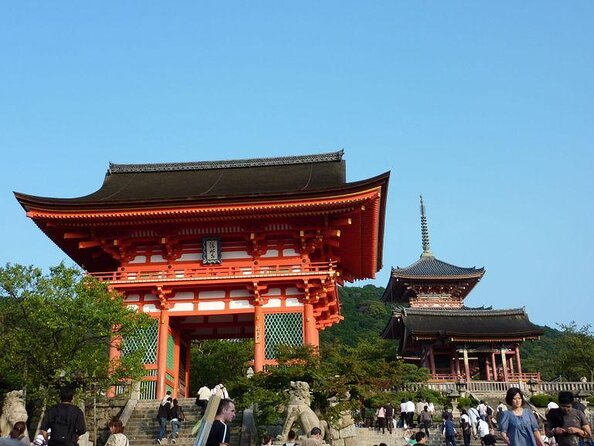
- Yasaka Shrine and Kiyomizudera gain a different mood when their religious traditions and troubling legends are explained.
- The tour mixes major sights with less familiar stops, including cemeteries and a haunted candy store.
- You learn about Japanese culture, religion, plague rituals, and political history, not just ghost lore.
- The $175 price reflects a private-feeling small group and four hours of guiding, but it is a costly choice if you only want sightseeing.
- Free cancellation is available up to 24 hours before the start, while bad weather or low enrollment can lead to a new date or full refund.
Kyoto after dark, with the stories left in
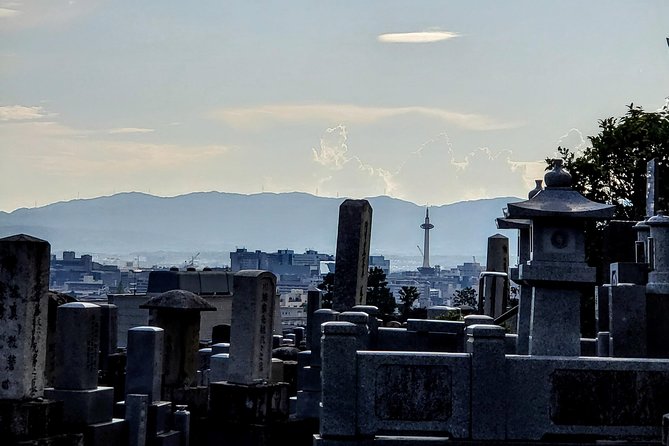
Kyoto has more than 1,200 years of political, religious, and cultural memory. That gives a guide plenty to work with, and this tour uses the city’s unsettling side as a way into that past.
You are not simply taken from one spooky location to another. The route links supernatural stories with the reasons people built shrines, followed religious customs, feared disease, honored powerful figures, and remembered violent events. That makes the experience useful even if you are more interested in culture than in ghosts.
The tone appears to be entertaining rather than grim. The tour is specifically intended for people who are not too sensitive to scary stories, so you should expect tales that may be eerie or disturbing. The point is not to prove that every haunting is real. It is to show how belief, memory, religion, and place shape the way Kyoto is understood.
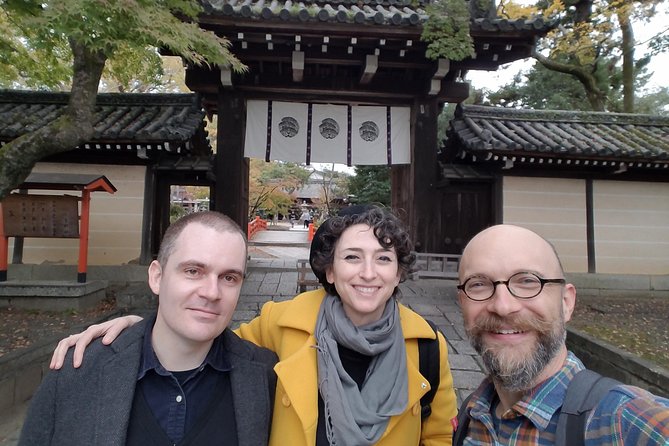
The small group size matters here. With a maximum of 10 people, the tour can feel more like a conversation than a crowd exercise. One especially strong feature is the guide, Atticus Sims, whose approach combines detailed context with engaging stories. A tour like this depends heavily on the person telling it, and the available comments describe Atticus as fun to talk with and able to explain the meaning behind the sites.
If you're still narrowing it down, here are other tours in Kyoto we've reviewed.

Starting at Yasaka Shrine and the old fear of plague
The meeting point is Yasaka Shrine, at 625 Gionmachi Kitagawa in Kyoto’s Higashiyama Ward. This is a practical start because the shrine is tied directly to one of the city’s oldest fears: epidemic disease.
In the ninth century, Yasaka Shrine played a role in attempts to ward off a plague that had struck Kyoto. That fact gives the opening stop more weight than a quick look at a brightly decorated shrine. You begin with a question that shaped daily life in historic Japan: how do people protect a city when illness seems mysterious and uncontrollable?
The stop is scheduled for about 15 minutes, and admission is free. That is enough time for an introduction and a focused explanation, not an extensive shrine visit. If Yasaka Shrine is new to you, pay attention to how the tour frames religious practice as a response to public fear. If you have already visited, the plague connection gives you a fresh reason to look again.
This is also where the tour sets its tone. You are still in one of Kyoto’s well-known places, but the subject shifts from pretty architecture to protection, danger, and the boundary between religious ritual and supernatural belief.
Gion’s back streets and stories that linger
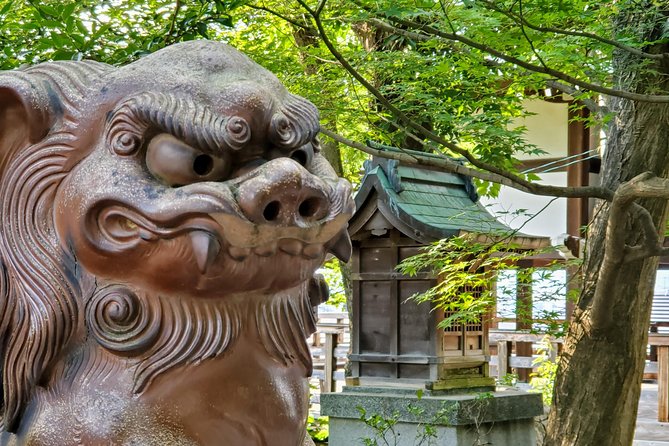
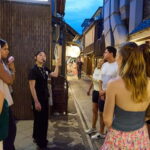
From Yasaka Shrine, the experience turns toward Gion. The district is famous for its traditional streets and entertainment history, but this tour points you toward the back streets and their haunting tales.
The planned time here is about 30 minutes, making Gion one of the more substantial stops. That extra time should help the guide build atmosphere through storytelling instead of rushing past a landmark for a photograph.
Gion is a good setting for this kind of tour because the dark stories are attached to ordinary streets and historic buildings. You are not being taken to a special effects attraction. You are hearing how certain places acquire reputations and how stories survive from one generation to the next.
I would expect this section to appeal most to repeat visitors who have already seen Kyoto’s main sights. First-time visitors can enjoy it too, especially if they want a more unusual introduction to the city. Still, keep your expectations sensible. The experience is based on guided stories and historic or religious context. It is not advertised as a theatrical haunted-house performance.
Kennin-ji and the religious side of the story
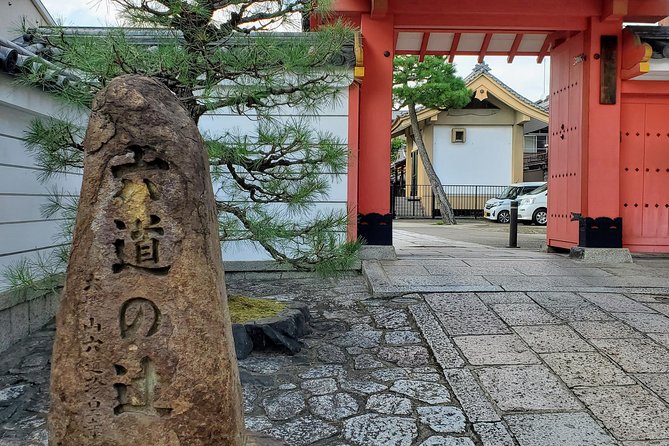
Kennin-ji Temple is described as the oldest Zen temple in Japan. The stop lasts about 15 minutes, with free admission.
That short visit is important because it keeps the tour from becoming a string of ghost anecdotes. Zen Buddhism gives the guide another way to discuss death, fear, discipline, and the human need to make sense of difficult events. The temple also helps place supernatural stories within Japan’s wider religious culture.
You may not have time for a full temple visit during this stop. Think of Kennin-ji as a focused piece of the route, where the site supports the subject of the tour. The value comes from the explanation and the connection to the larger story, rather than from lingering over every building or garden.
This is one reason I find the concept stronger than a standard nighttime walk. The route uses places with real cultural importance. The dark material is attached to temples and shrines that matter in their own right.
Kiyomizudera, a famous temple with a darker reputation
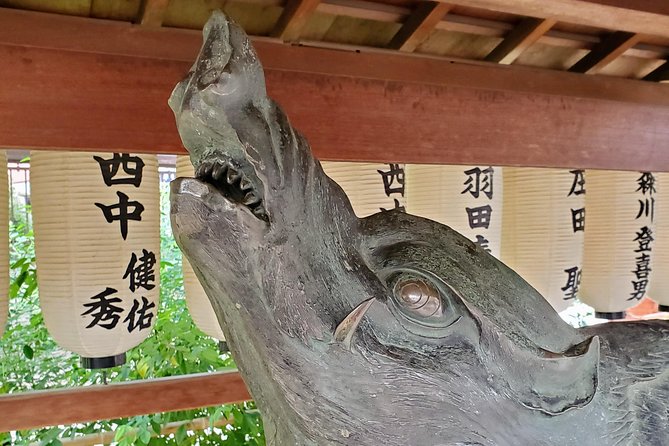
Kiyomizudera is the major landmark on the route. It is a UNESCO World Heritage Site and one of Kyoto’s best-known attractions, yet the tour presents its darker history as well.
The visit is scheduled for about 30 minutes, and admission is included. That is useful because you do not need to sort out a separate entry payment during the tour. It also gives the guide enough time to explain why a place so strongly associated with beauty and pilgrimage can carry troubling stories at the same time.
Kiyomizudera is likely to be the most familiar stop for many people. The advantage of seeing it on this tour is not simply access. It is the change in focus. Instead of hearing only about its scenic setting or famous wooden stage, you consider the fears, beliefs, and memories that have gathered around the temple.
Because this is a popular attraction, the atmosphere may not feel especially isolated. That is a fair limitation to keep in mind. The tour can change how you interpret the site, but it cannot guarantee quiet surroundings or a private visit.


Toyokuni Shrine and the power of Hideyoshi
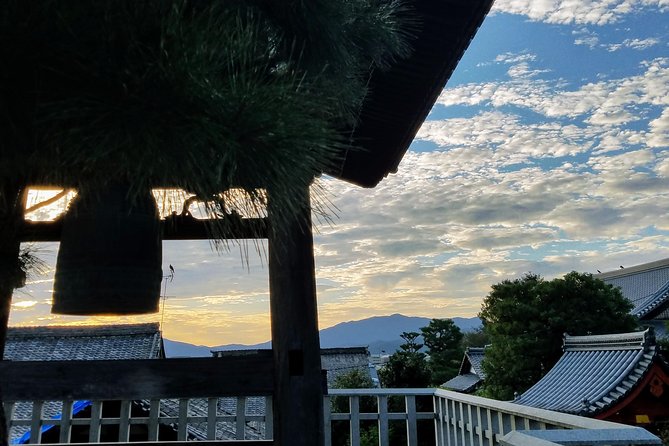
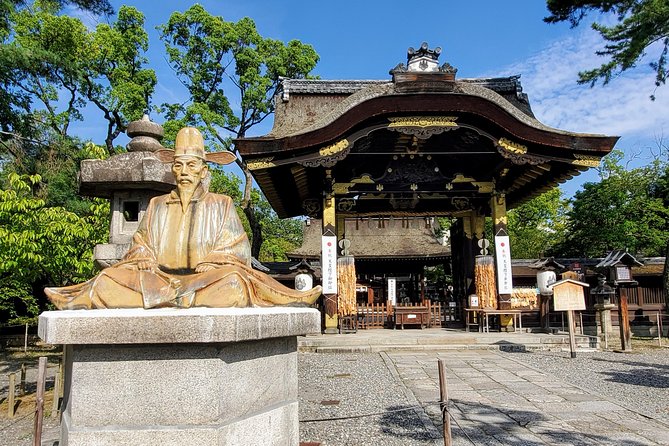
The final named stop is Toyokuni Shrine, where the shogun Hideyoshi is enshrined. The stop lasts about 10 minutes and admission is free.
This brief visit brings political power into the tour. Hideyoshi was not merely a religious figure, so Toyokuni Shrine allows the guide to connect supernatural belief with authority, memory, and the way Japan honors important leaders.
The stop may feel quick compared with Gion or Kiyomizudera, but that is not necessarily a weakness. A four-hour tour needs changes of pace, and a shorter stop can work well as a final piece of the story. You get another historic setting without turning the experience into a standard shrine-by-shrine sightseeing program.
The supplied route also refers to cemeteries and a haunted candy store among the lesser-known places visited. These stops help keep the tour from feeling like a list of famous Kyoto attractions. Since the exact timing of those locations is not specified, you should treat them as part of the broader route rather than assume they receive a fixed amount of time.
What you are really paying $175 for
At $175, this is not a budget way to see Kyoto. The value depends on what you want from a guide.
If you only need transportation between major sights or a quick introduction to temples, the price will feel high. Admission is free at Yasaka Shrine, Kennin-ji, and Toyokuni Shrine, while admission to Kiyomizudera is included. The fee is therefore not mainly buying entry tickets.
You are paying for roughly four hours of interpretation, storytelling, and access to a carefully chosen theme. You are also paying for a group capped at 10 people. That small size can make a big difference on a story-led tour, since you want to hear names, explanations, and details without fighting through a large crowd.
I would see the price as easier to justify for repeat visitors, couples, families with older children, or anyone who has already covered Kyoto’s basic sightseeing list. It can also work well for a first visit if you like unusual cultural experiences and want more than polished temple views.
The value is less convincing if you are highly sensitive to frightening subjects or want a conventional history tour. This experience uses dark stories as its main hook, so you should be comfortable with that before paying the full amount.
Who should book this Kyoto ghost tour?
I would recommend it most strongly to people who enjoy folklore and want the stories behind familiar places. It suits repeat visitors especially well because Yasaka Shrine, Gion, and Kiyomizudera can feel new when presented through a less polished and more unsettling lens.
Families can consider it too, but use your judgment about children. The experience is described as suitable for people who are not too sensitive to scary ghost stories. A pair of discerning teenagers is specifically within the kind of audience that can enjoy the mix of mystery, history, and culture.
Couples may like the evening atmosphere, though the tour is not described as a romantic activity. Solo participants should also find the small group useful, since the guide-led format gives you a built-in way to engage with the sites.
You should skip it if your main goal is a quiet temple visit, extensive time inside each landmark, or a broad introduction to every major period of Kyoto’s history. Four hours sounds generous, but the route covers several locations and stories. The focus is selective and atmospheric.
Practical details that affect the experience
The tour begins at Yasaka Shrine, not at Kiyomizudera or Kyoto Station. Check the address carefully: 625 Gionmachi Kitagawa, Higashiyama Ward, Kyoto, 605-0073, Japan.
The activity is near public transportation, and most people can participate. Service animals are allowed. A mobile ticket is provided, which is convenient for keeping the booking on your phone.
Confirmation is sent within 48 hours of booking, subject to availability. That wording matters if your schedule is tight, so do not assume an instant confirmation.
The tour requires good weather. If poor weather cancels it, you will be offered another date or a full refund. It also requires a minimum number of participants, so low enrollment can lead to a new date, another experience, or a full refund.
Free cancellation is available if you cancel at least 24 hours before the start time. Changes or cancellations inside that window are not accepted and are not refundable.
Should you book the Dark Kyoto Tour?
Book it if you want Kyoto with its polished surface removed for a few hours. The strongest parts are the link between ghost stories and Japanese religious culture, the use of major sites alongside cemeteries and other unusual stops, and the small group led by Atticus Sims.
At $175, it is a specialty tour, not an everyday sightseeing bargain. I would choose it after, or instead of, a standard Kyoto highlights tour only if folklore and unsettling history genuinely interest you. If they do, the route gives you a memorable way to look at Gion, Yasaka Shrine, Kennin-ji, Kiyomizudera, and Toyokuni Shrine with fresh eyes.
FAQ
Where does the Dark Kyoto Tour start?
The tour starts at Yasaka Shrine, located at 625 Gionmachi Kitagawa, Higashiyama Ward, Kyoto, 605-0073, Japan.
How long does the tour last?
The tour lasts approximately four hours.
What places are included?
The named stops are Yasaka Shrine, Gion, Kennin-ji Temple, Kiyomizudera Temple, and Toyokuni Shrine. The experience also includes lesser-known places such as cemeteries and a haunted candy store.
Is admission included?
Admission is free at Yasaka Shrine, Gion, Kennin-ji Temple, and Toyokuni Shrine. Admission to Kiyomizudera Temple is included.
How much does the tour cost?
The listed price is $175.
How many people can join?
The tour has a maximum of 10 participants.
Who leads the tour?
The experience provider is Atticus Sims.
Is the tour suitable for children?
The tour is intended for people who are not too sensitive to scary ghost stories. Most participants can take part, and the experience can suit families, including those with discerning teenagers.
Is the tour accessible by public transportation?
The activity is near public transportation.
Can I cancel for a full refund?
Yes. You can cancel at least 24 hours before the experience start time for a full refund. Cancellations or changes made less than 24 hours before the start are not refunded or accepted.
More tours in Kyoto we've reviewed










Tours, compared.
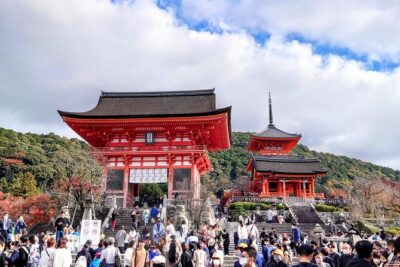 ★ 5.0PERFECT KYOTO 1-Day Bus TourFrom $129
 ★ 4.8Kyoto: Fushimi Inari, Kinkakuji, Bamboo Grove 1 Day Bus TourFrom $122510 minutes - 9 hours
 ★ 4.7Kyoto Geisha Walking Tour: Gion District & Hidden GemsFrom $252 hours
 ★ 4.7Kyoto: Gion Geisha District Walking Tour – Stories of GeishaFrom $202 hours
 ★ 5.0Hidden Kyoto E-Biking tourFrom $116
 ★ 5.0Kyoto Night Foodie Tour in Gion (9+ dishes + 6 Sake tastings)From $163