
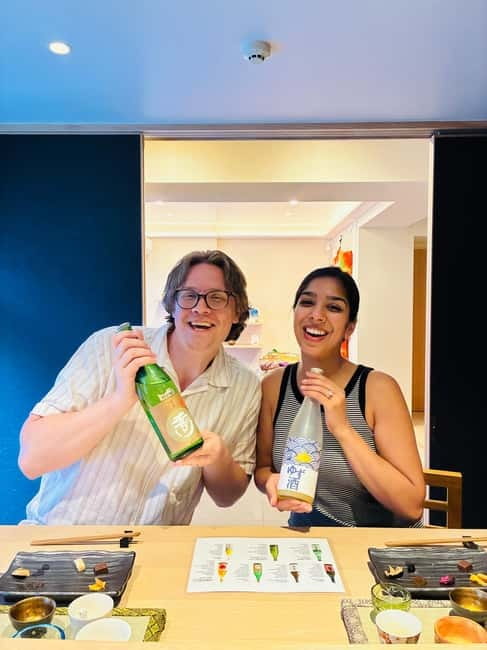
Reviewed · SAKE BREWERY TOURS
Kyoto: Newly Opened Sake Tasting – Sanjo Chasuian
Sanjo Chasuian gives you a useful way into Japanese sake without requiring prior knowledge. In 80 minutes, you taste a welcome drink plus seven more sakes, compare different cups, and learn how to read labels and choose bottles that fit your taste.
I like the small group of up to six and the easy location, just five minutes from Karasuma Oike subway station. I also like the balance between tasting and practical advice, especially the snack pairings and the chance to see how a vessel can change the drinking experience. The main consideration is simple: this is a focused tasting, not a full meal or a brewery visit, and every participant must be at least 20.
In This Review
- Key points at a glance
- A clear introduction to sake near Karasuma Oike
- Meeting Yuko in a traditional kimono
- Eight pours that show sake’s range
- Seven snack pairings with a practical purpose
- Why the sake vessel matters
- An 80-minute schedule that fits a Kyoto day
- What you learn beyond the tasting
- Is $50 good value?
- Who will enjoy Sanjo Chasuian most?
- Booking and arrival advice
- Should you book this sake tasting?
- FAQ
- How long does the sake tasting last?
- How many sakes are included?
- Is the instruction available in English?
- How many people can join the shared session?
- What is the minimum age?
- Can I cancel for a full refund?
Key points at a glance
- Eight sakes in total: A welcome drink plus seven Japanese sake samples gives you a broad tasting without taking up an entire afternoon.
- Seven snack pairings: Each snack is treated as part of the lesson, helping you think about sake with food rather than as a drink on its own.
- Instructor Yuko: The English-speaking instructor welcomes you in a traditional kimono and holds International Sommelier of Sake certification.
- Several drinking vessels: You compare sake served in different cups and learn how shape and material can affect aroma and flavor.
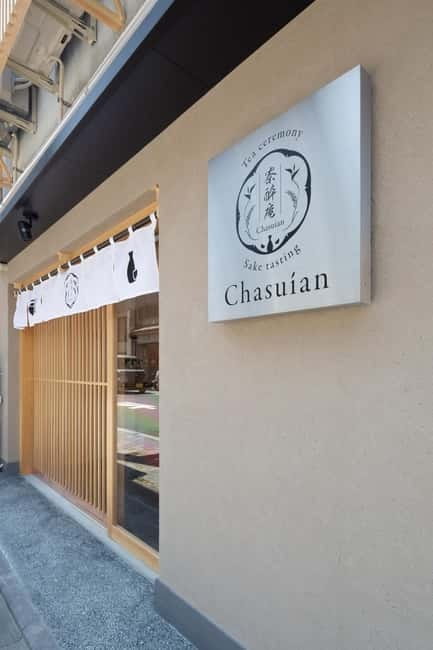
- Central Kyoto address: The facility is about a five-minute walk from Subway Karasuma Oike Station, with a large Sanjo Chasuian sign at the entrance.
- Beginner-friendly format: You learn sake history, brewing methods, types, and label reading in plain English, with no previous sake experience required.
A clear introduction to sake near Karasuma Oike
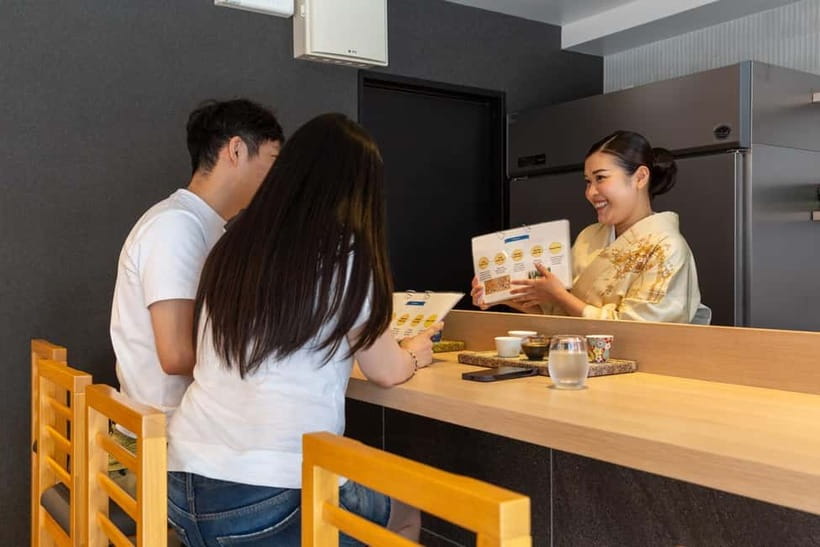
Sanjo Chasuian is a newly opened cultural facility in central Kyoto. It offers tea ceremony programs as well as sake tasting, and this session is designed for international visitors. All instruction is in English, so you do not need to know Japanese to follow the explanations or ask questions.
The location is one of the practical strengths. From Karasuma Oike Station, you walk for about five minutes, making this easy to fit between sightseeing stops in central Kyoto. The facility has a large plate showing the Sanjo Chasuian logo and name, so you should be able to identify the entrance without much trouble.
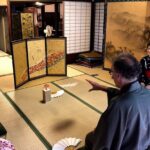
Inside, the seating may be at a table or in a Japanese-style room. That detail matters if you have a strong preference for one style, but the exact setup is not guaranteed. The shared plan means you sit with other participants, although the group is limited to six people.
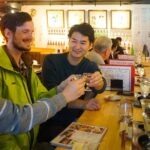
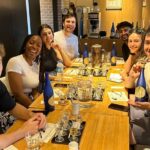
This is a more personal setting than a large tasting counter. A small group gives you room to ask why one sake tastes sweeter, lighter, drier, or more aromatic than another. It also means the pace can stay orderly while still allowing a little conversation.
Other sake brewery and tasting tours in Kyoto


Meeting Yuko in a traditional kimono
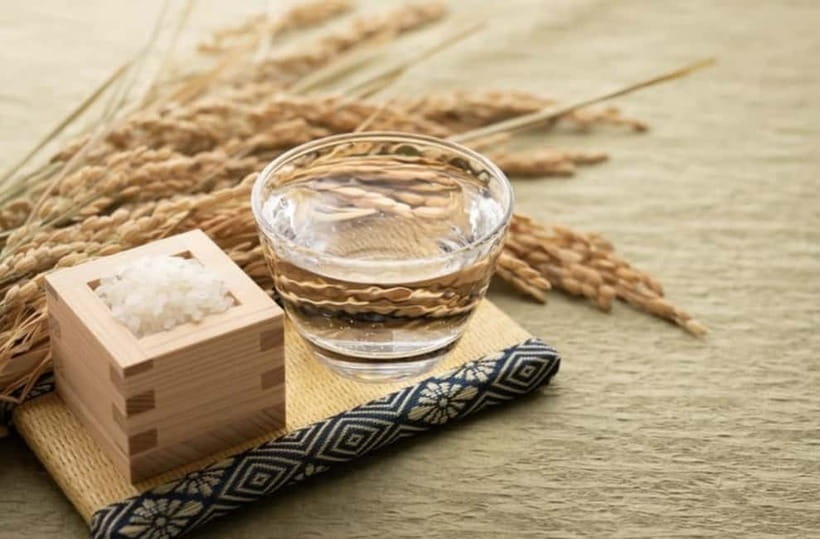
Your instructor welcomes you in a traditional kimono, giving the session a clear connection to Japanese culture from the moment it begins. Yuko is an English-speaking instructor with International Sommelier of Sake certification, and the available feedback highlights her ability to explain sake culture, tasting technique, and bottle selection in a friendly way.
The certification is useful because sake can feel confusing at first. Labels may include unfamiliar terms, and the drink changes a great deal from bottle to bottle. A trained guide can help you connect what you taste with the information printed on the label instead of simply telling you which sample is good.
I would pay attention to the teaching style here. The point is not only to sample alcohol. You are learning a system for making your own choices later, which is especially helpful if you plan to buy sake in Kyoto or order it at a restaurant.
The kimono adds atmosphere, but the English guidance does the real work. You get the cultural setting and practical instruction together, rather than a photo opportunity with a few unexplained drinks.
Eight pours that show sake’s range
The tasting includes a welcome drink followed by seven types of Japanese sake. That makes eight sakes altogether. The information does not specify the exact brands or styles served, so the lineup may change, particularly at a newly opened facility.
You can expect the tasting to introduce differences in flavor and aroma across the selection. Sake is made in many parts of Japan, and regional conditions, brewing choices, and seasonal factors can produce noticeably different results. The session uses that variety to help you identify what you enjoy.
For a beginner, seven types is a useful number. One or two samples can leave you with a vague impression, while a much longer tasting can blur your palate and your memory. Here, you get enough comparisons to notice patterns without committing to a long evening.
The goal is to find your personal preference. You might prefer a sake that feels clean and light, or one with more aroma and a fuller character. The lesson helps you describe those preferences and use them when you choose a bottle later.
The eight pours also make the $50 price easier to assess. You are not paying only for alcohol. The fee includes the instructor, explanations in English, snack pairings, the setting, and a structured tasting of multiple sake types. For someone who wants an introduction rather than a casual single drink, that is a fair amount of content for 80 minutes.
Seven snack pairings with a practical purpose
The snacks are not merely something to nibble between pours. Each of the seven sake types is paired with a complementary snack, and the session explains how sake and food can work together.
That is valuable because sake often appears alongside Japanese food, yet many visitors simply drink it without considering the match. A pairing can show you how a snack changes the way a sake tastes, or how a sake can support rather than overpower food.
You should think of this as a tasting lesson, not lunch. The supplied details do not promise a full meal, and the snack pairing is best understood as part of the instruction. If you need substantial food, eat before or after the session.
Dietary restrictions should be shared by email or WhatsApp before you arrive. Sanjo Chasuian will do its best to accommodate requests, but the information does not guarantee every restriction can be handled. You should contact the facility early rather than wait until the tasting begins.
This part of the experience will suit anyone who wants a takeaway skill. After the session, you should have a better idea of how to think about sake with dishes at home or in a Kyoto restaurant. That practical angle gives the tasting more value than a simple flight of samples.
Why the sake vessel matters
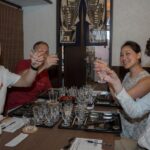
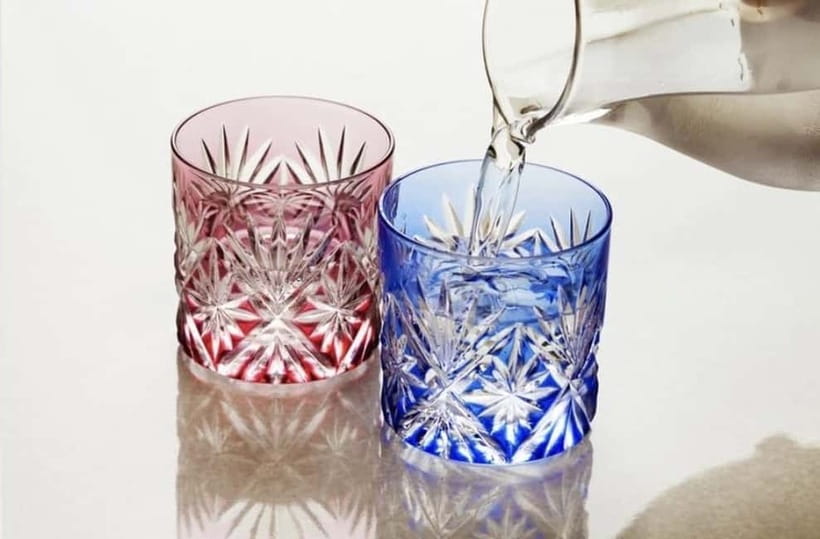
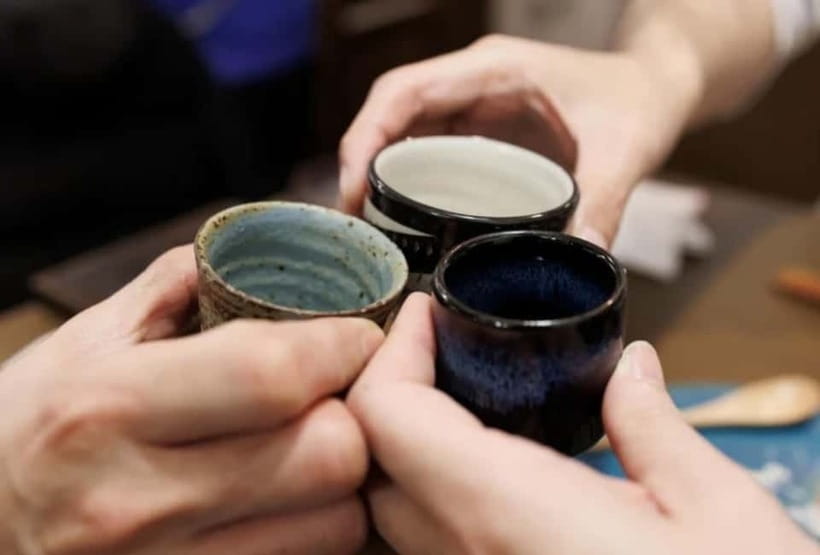
One of the more unusual parts of the session is the selection of sake vessels. You taste sake from different cups and learn that the vessel can affect aroma, flavor, and the visual experience.
The change may be subtle, especially if you are new to sake, but the comparison gives you a concrete way to focus your senses. A cup can draw attention to aroma, alter how the sake reaches your mouth, or simply change the mood of the drink. The vessel is part of the serving tradition, not just a container.
This is also one of the more memorable cultural details. Many sake tastings concentrate entirely on the liquid. Sanjo Chasuian adds the objects around it, allowing you to compare the look and feel of several vessels while you taste.
Your favorite sake vessels are available for purchase at the shop. The same applies to sake, so the session can lead directly to a souvenir you understand instead of a bottle chosen at random. You do not need to buy anything, but the shop gives you a chance to continue the experience at home.
Other sake brewery and tasting tours in Kyoto

An 80-minute schedule that fits a Kyoto day
The 80-minute duration is long enough for instruction, eight pours, seven pairings, and questions, but short enough to fit neatly into a sightseeing plan. You could schedule it before dinner, after visiting central Kyoto, or between other activities near Karasuma Oike.
Do not plan to drive a car or bicycle afterward. Japanese law and the facility rules prohibit drinking alcohol for anyone who drives either. The safest plan is to arrive by subway or on foot and continue your day without operating a vehicle.
Because the session is limited to six people, starting times may be less flexible than those of a large attraction. Check the available time when booking. The shared plan places you with other participants, so this is not a private tasting unless a separate private option is offered.
The setting may be a table or a Japanese-style room. If sitting on the floor or a particular arrangement would be difficult for you, ask the provider before booking. No separate accessibility details are provided, so it is sensible to clarify any mobility needs in advance.
What you learn beyond the tasting
The teaching covers the history of sake, brewing methods, major types, and how to read labels. That gives the session a useful structure.
The history section places sake within Japanese culture and explains why it remains important across regions and seasons. The brewing discussion helps you understand why different bottles can taste so unlike one another. You do not need to memorize technical terms, but the framework makes later tastings less mysterious.
The label lesson may be the most useful part for independent drinking. Japanese sake labels can seem intimidating when you are standing in a shop with dozens of choices. Learning what to look for gives you a better chance of finding a bottle suited to your taste and budget.
The instructor also teaches tasting method. That means you are encouraged to notice aroma, flavor, and the effect of food and vessels, rather than knocking back each sample as quickly as possible. The session is educational, but it should still feel relaxed and social.
The high praise for the explanations is understandable. Yuko’s role is not just to pour the samples. She connects culture, technique, and personal preference, which is the difference between a guided tasting and a flight of drinks left on a table.
Is $50 good value?
At $50 per person, this is not the cheapest way to drink sake in Kyoto. You could order one or two glasses at a bar for less. That comparison misses the main point, though.
The fee includes eight sakes, seven snack pairings, an English-speaking certified instructor, a traditional setting, and a lesson about vessels and labels. If you are curious about sake but do not know where to start, the guided format can save you from spending money on bottles you may not enjoy.
The value is strongest for beginners and for visitors who want cultural context. The session also received praise for its value for money, and that makes sense given the number of samples and the small group size.
Regular pricing should be checked at the time you book. The facility has offered a grand opening discount through September 15, but the applicable year and current availability are not specified here. Treat that date as a promotion to verify, not as a permanent price promise.
You should skip this if your main goal is a full meal, a brewery tour, or a long evening of drinking. You should consider it if you want a compact, guided introduction that helps you make better sake choices afterward.
Who will enjoy Sanjo Chasuian most?
This experience is a good match for:
- First-time sake drinkers who want clear explanations in English.
- Couples or friends who enjoy food and drink comparisons.
- Visitors who want a cultural activity near a central subway station.
- People choosing Japanese sake as a gift or souvenir.
- Anyone interested in how cups, labels, and serving style affect the drink.
- Small groups who prefer a quieter session over a crowded bar.
It is less suitable for anyone under 20, since participants must meet the legal age requirement stated by the facility. It is also a poor choice for people who need to drive or cycle afterward.
An interpreter may attend, but the interpreter is charged the same participation fee as one guest. If you are considering bringing one, include that extra cost in your planning.
Booking and arrival advice
You can cancel up to 24 hours in advance for a full refund, and the reserve-now, pay-later option lets you keep your plans flexible. Those policies are helpful in Kyoto, where weather and sightseeing schedules can change quickly.
At the meeting point, look for the large plate with the Sanjo Chasuian logo and name. Open the door, and the staff will be waiting to welcome you. Since the facility is only a short walk from Karasuma Oike Station, allow enough time to leave the subway, walk to the address, and arrive without rushing.
Send dietary information by email or WhatsApp before the appointment. Also remember that the shared plan includes other participants, so come prepared for a small group rather than a private conversation.
Should you book this sake tasting?
Book Sanjo Chasuian if you want more than a drink and less than a full-day cultural program. The combination of eight sakes, seven snack pairings, vessel comparisons, and English instruction gives you a solid introduction in a manageable 80 minutes.
I especially like the practical focus. You learn how to taste, how to read a label, and how to make a pairing, then you can buy a bottle or vessel if something suits you. Yuko’s friendly explanations add a human touch, while the small group keeps the session focused.
Think twice if you do not drink alcohol, need a full meal, or want to visit a sake brewery. For most adult visitors who are curious about Japanese sake and want a convenient Kyoto activity, this is a well-priced, useful choice near Karasuma Oike.
FAQ
How long does the sake tasting last?
The experience lasts 80 minutes.
How many sakes are included?
You receive a welcome drink plus seven types of Japanese sake, making eight sakes in total.
Is the instruction available in English?
Yes. The guidance and explanations are offered in English.
How many people can join the shared session?
The small group is limited to six participants. The Shared Plan is held with other guests.
What is the minimum age?
Participants must be 20 years of age or older.
Can I cancel for a full refund?
Yes. You can cancel up to 24 hours in advance for a full refund.
More Sake Brewery Tours in Kyoto
More Sake Brewery Tours in Kyoto
More tours in Kyoto we've reviewed
Sake Brewery Tours, compared.
 ★ 5.0Kyoto Night Foodie Tour in Gion (9+ dishes + 6 Sake tastings)From $163
 ★ 5.03-Hour Kyoto Insider Sake Brewery Tour with Tastings & PairingsFrom $84
 ★ 4.8Arashiyama Bamboo, Temple, Monkeys, or Secret Sake BreweryFrom $875 hours - 330 minutes
 ★ 5.0Kyoto: Insider Sake Brewery Tour with Sake and Food PairingFrom $873 hours
 ★ 5.0Kyoto Sake Brewery & Tasting Walking TourFrom $98
 ★ 5.01.5-Hour Kyoto Insider Sake Experience with 7 Tastings & PairingsFrom $68