
Reviewed · 3-HOUR EXPERIENCES
Kyoto: Personalize, private walking Tours (3h, 5h, 8h)
Kyoto is best explored with room to change plans, and this private walking tour gives you exactly that. You can ask for temples, neighborhood life, a mountain trail, food tips, or a sunset walk, then shape the day with your guide. I especially like the unscripted format and the chance to finish where you choose.
I also like the strong local angle. Jose has lived in Kyoto for years and can connect major sights with small restaurants, shops, and streets he knows from daily life. English and Spanish are available, which is useful for families or couples who want direct conversation. The main consideration is that this is a walking-heavy tour with no admission fees, transport, food, or drinks included.
In This Review
- Key points at a glance
- A Kyoto tour without a fixed script
- What a 3-hour walk can realistically cover
- Why five hours may be the sweet spot
- Making an eight-hour day work
- Chion-in, Kiyomizu-dera, and the Kyoto trail
- Walking through Higashiyama beyond the temple gates
- Picking a theme before you arrive
- The value of a private guide at $77
- What you should bring and what the rules mean
- Where the tour should end
- Booking flexibility and cancellation
- Who will enjoy this Kyoto walk most
- Should you book this private Kyoto tour?
- FAQ
- Where does the Kyoto private walking tour take place?
- How long is the tour?
- Where can I meet the guide?
- Can I choose what to see?
- Which languages are available?
- Are transportation and entrance fees included?
- Is the tour private?
- Is the tour suitable for wheelchair users?
- Can I cancel the booking?
Key points at a glance
- A route built around you: Choose your interests, schedule, pace, and preferred starting point before meeting your guide.
- Three useful time options: Pick a 3-hour introduction, a 5-hour half-day, or an 8-hour full day.
- Local Kyoto perspective: Jose and the other guides can discuss temples, culture, neighborhoods, restaurants, and less obvious stops.
- Strong example itinerary: A past route linked Chion-in Temple, a Kyoto mountain trail, Kiyomizu-dera, and Higashiyama streets.
- Flexible ending point: Finish at your lodging, the meeting point, or a major sight such as Fushimi Inari, Kiyomizu-dera, or Nijo Castle.
- Bring a walking mindset: You pay your own transport, entrance fees, meals, and snacks, and the tour is not suited to low fitness levels.
A Kyoto tour without a fixed script
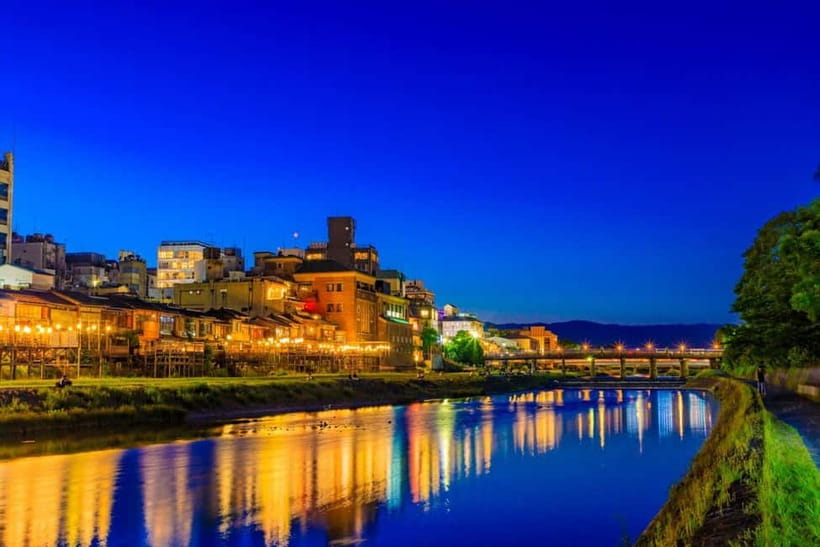
Many Kyoto tours give you a set route and a set speech. This one begins with a short conversation and grows from there. After booking, you complete a survey about your interests, hopes, and expectations. At the meeting, you spend about five minutes introducing yourselves and agreeing on the rough shape of the day.
That freedom matters in Kyoto. You may already have seen the main temples but want help understanding Shinto customs. You may want a first look at the city before returning to a favorite area. You may care more about local food and ordinary neighborhoods than famous gates and polished temple gardens.
The guide can work with those wishes rather than forcing you through a standard checklist. The word unscripted does not mean unplanned. It means the plan is made for your group and can adjust as the day develops.
You choose a start time and a duration of 3, 5, or 8 hours. You can meet at your lodging, the Disney Store in downtown Kyoto, or the Starbucks at Sanjo-Ohashi. The exact meeting point should match your booking details, especially if you are staying outside central Kyoto.
Other walking tours we've reviewed in Kyoto
What a 3-hour walk can realistically cover
A 3-hour option works best as a focused introduction. Kyoto is spread out, and walking between distant districts can use up a large part of your time. I would use the shorter tour for one area, one main theme, or a practical first look at the city.
For example, you could concentrate on Higashiyama and ask about temples, streets, shops, and local customs. You could begin near one of the suggested meeting points and end at Kiyomizu-dera. You could also use the time to get advice about where to eat and what to see during the rest of your stay.
The shorter format is also a good choice if your energy is limited or your schedule is tight. Still, the activity information describes the tour as involving lots of walking, and the experience is not suitable for people with a low level of fitness, recent surgery, or mobility scooters. Three hours is shorter, but it is not a seated sightseeing ride.
A 3-hour tour may feel too brief if you want to connect several far-apart sights. Tell the guide what matters most before you start. A narrow plan will produce a better day than trying to squeeze all of Kyoto into one afternoon.
Why five hours may be the sweet spot
A 5-hour tour gives you enough time to combine a major sight with a neighborhood or a second theme. You might spend part of the day at a temple complex, then walk through nearby streets while your guide explains how the area fits into modern Kyoto.
This length also gives you breathing room. You can stop for photographs, ask questions, browse a shop, or pause for food without treating every minute like a race. Your guide can suggest a restaurant or small activity, but you pay separately for everything you consume or enter.
One useful tip from the experience details is to consider a late start. A 4-hour outing beginning around 5 p.m. was suggested as a strong option because Kyoto can look especially appealing around sunset. The tour offers 3, 5, or 8 hours rather than a listed 4-hour choice, so check the available duration and starting times when you book. The broader point remains useful: an afternoon start can lead into evening light and a different feel in the streets.
For many people, five hours is the best balance between cost, walking, and sightseeing. You get more than a quick orientation without committing to a full day on foot.
Making an eight-hour day work
An 8-hour tour is the most useful choice if you want to connect parts of Kyoto that do not naturally fit into a short walk. It can also suit you if you want a slower day with time for questions, food stops, photographs, and a longer cultural discussion.
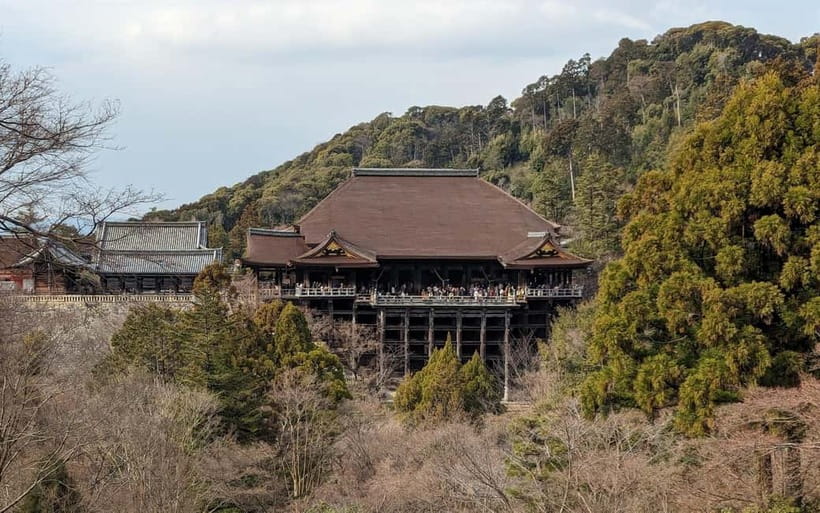
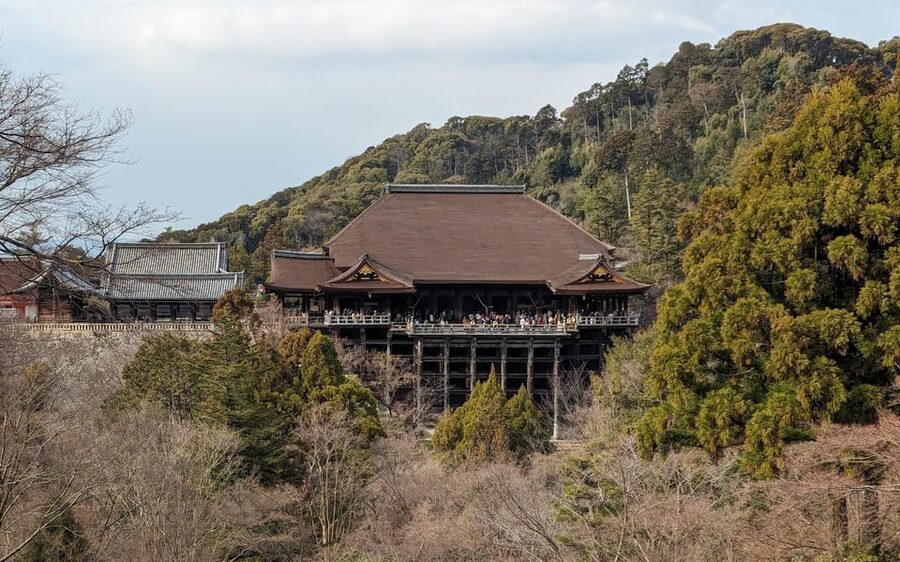
The supplied example shows what a full day can mean. Jose began at Chion-in Temple, then led a hike on the Kyoto trail to the top of a mountain. The route came down behind Kiyomizu-dera and continued through the temple complex. From there, the walk went west through Higashiyama-ku, an area where Jose had previously lived.
That is a demanding but memorable shape for a day: a major religious site, a rural trail, another famous temple, and ordinary city streets. It also shows why you should be honest about your fitness before choosing the longest option. An 8-hour walking day with a mountain hike is very different from eight hours of gentle urban sightseeing.
You should also understand that the guide will not provide transport between every stop. If your plan requires a train, bus, taxi, or subway, you pay that fare. Ask early if you prefer to limit transfers or avoid steep paths.
Chion-in, Kiyomizu-dera, and the Kyoto trail
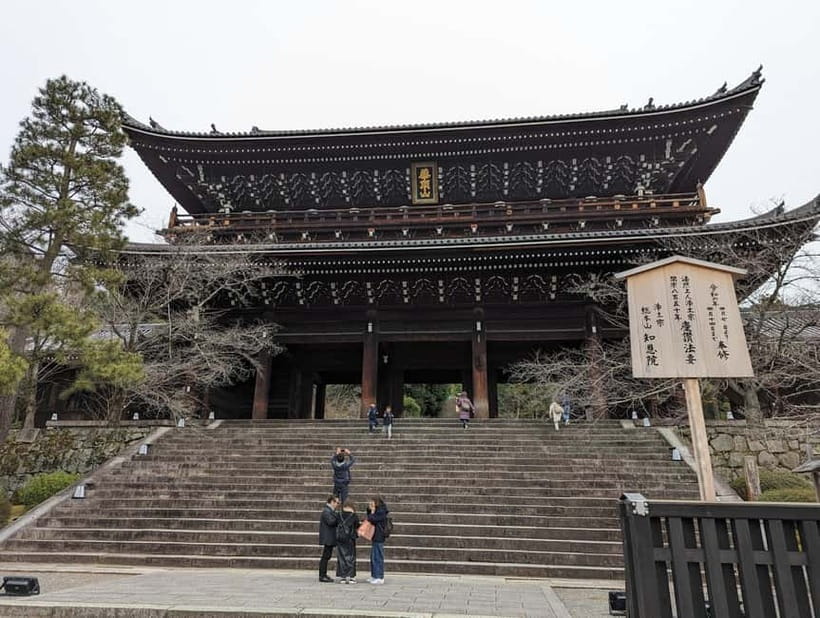
The most detailed route example begins at Chion-in Temple. From there, the group followed the Kyoto trail up the mountain. This gives you a sense of the tour’s range: it is not limited to the busiest central streets, and it can include an active outdoor section if that suits your interests.
The trail portion may appeal to you if you want a break from temple courtyards and city traffic. It also requires sensible shoes, stamina, and a willingness to accept uneven or uphill walking. The available information does not promise a fixed trail route for every booking, so you should request this kind of outing rather than assume it is part of every tour.
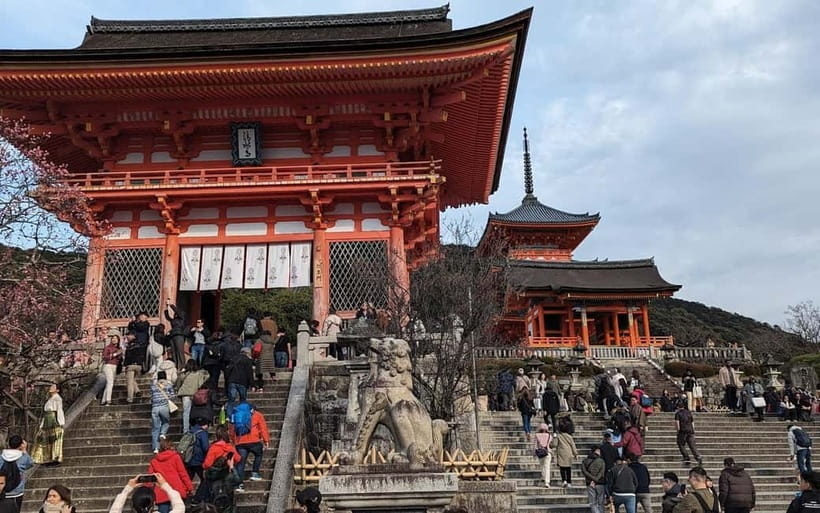
Coming down behind Kiyomizu-dera creates a useful contrast. Kiyomizu-dera is one of Kyoto’s major sights, with a large temple complex and a strong connection to the city’s religious and cultural identity. Your guide can explain Buddhist and Shinto places along the way, helping you notice the difference between sacred spaces rather than treating each temple as another photo stop.
Entrance fees are not included. That keeps the booking simple, but you need to budget for each temple, museum, or other paid site you choose. If you want to keep costs down, tell the guide before the walk so the route can reflect that preference.
Other private tours in Kyoto
Walking through Higashiyama beyond the temple gates
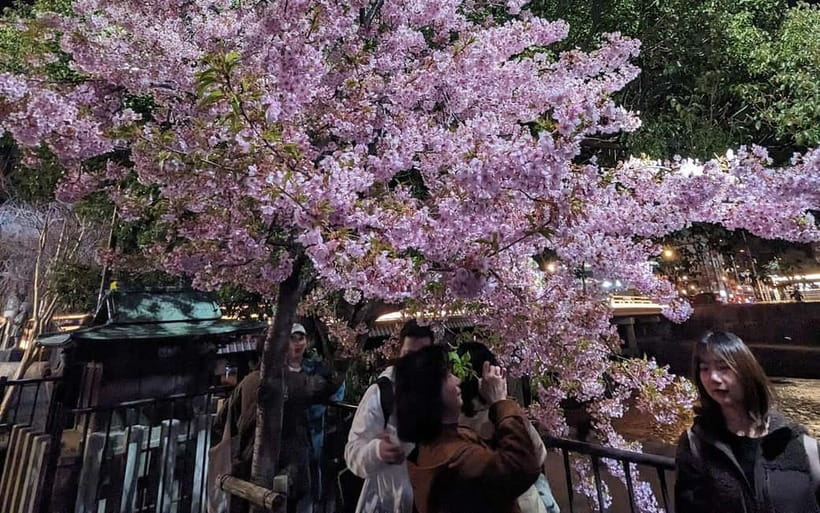
Higashiyama-ku adds the kind of local context that a point-to-point sightseeing tour can miss. The area combines well-known attractions with shops, restaurants, and residential streets. Here, the guide can point out places connected to daily life rather than only the official sights.
Jose had previously lived in this neighborhood, which gives the walk a personal angle. That does not guarantee a fixed list of businesses, but it does make your questions worthwhile. Ask about small restaurants, family-run places, and activities that do not appear in a large group itinerary.
This is also where the unscripted format can pay off. If you like a particular shop, food smell, side street, or architectural detail, you can stop and ask about it. If you prefer to keep moving toward a major temple, you can say so. The guide is there to help shape the day, not simply recite information while leading you from one gate to the next.
Keep in mind that Kyoto’s famous districts can be crowded, especially around major sights. A private guide can help you understand the area, but the tour cannot remove crowds from the city. The value is in having someone explain what you are seeing and adjust the route where possible.
Picking a theme before you arrive
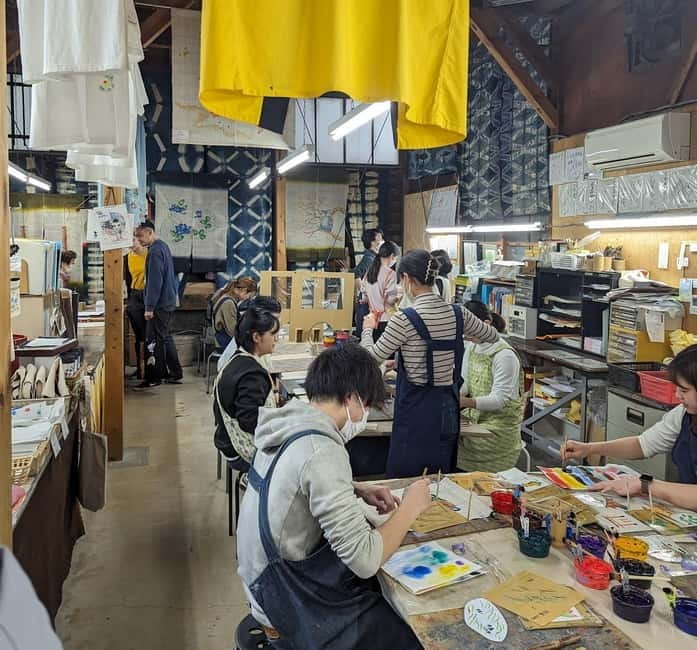
The pre-tour survey is important. It gives you a chance to say what you already know, what you want to learn, and what you would rather skip. Do not write only that you want to see Kyoto. Be specific.
You might request:
- Buddhist and Shinto customs
- Kyoto’s imperial and cultural past
- Neighborhood walks
- Small restaurants and local food suggestions
- A mountain walk
- Photography and sunset views
- A first-day orientation
- A route ending at Fushimi Inari, Kiyomizu-dera, or Nijo Castle
These are examples of interests supported by the tour information, not guaranteed stops. The more clearly you explain your priorities, the easier it is for the guide to build a useful plan.
This format is especially helpful if your group has mixed interests. One person may care about temples, another about food, and another about walking through ordinary streets. A private guide can try to balance those needs in a way a large scheduled group cannot.
The value of a private guide at $77
The advertised price is $77 per group up to one person, so you should check the final price for your party before booking. The important value question is not simply the starting figure. It is whether your group will use the guide’s flexibility enough to justify a private booking.
For one person, the listed price may feel high compared with a free self-guided walk. For a couple or small private group, the cost can make more sense because you are not paying for a fixed route that may not suit you. You are paying for planning help, local conversation, and the ability to shape the day around your interests.
The price does not cover transport, temple or museum admission, food, drinks, snacks, or souvenirs. There are no amenities included. Build those costs into your budget, particularly if your plan includes several paid sights or taxis.
I would see the tour as best value at the start of a Kyoto visit, when a guide can help you understand the city and make better choices for later days. It may also work well near the end of a trip, when you know what you enjoyed and want a more personal final walk.
What you should bring and what the rules mean
Wear comfortable walking shoes and bring water, since the outing can involve long stretches on foot. If you choose a trail or a full-day route, prepare for more exertion than a standard city stroll.
Large bags, oversize luggage, and luggage are not allowed, so do not treat this as a way to move baggage between hotels. Pets are not allowed, although assistance dogs are allowed. The activity also prohibits smoking, vaping, alcohol and drugs, weapons, drones, skateboards, skates, speakers, fireworks, explosives, costumes, nudity, and intoxication.
The tour is not suitable for wheelchair users, people over 264 pounds or 120 kilograms, people with visual impairments, people with recent surgeries, or people with a low level of fitness. These restrictions are significant. Contact the provider before booking if your needs do not fit the stated conditions.
English and Spanish guides are available. Spanish service is a real advantage if you want to discuss detailed questions about culture, food, or planning in Spanish rather than relying on simple tourist phrases.
Where the tour should end

You can finish at your lodging, the original meeting point, or an agreed location. You can also end at a major destination such as Fushimi Inari, Kiyomizu-dera, or Nijo Castle.
This is more useful than it may first appear. Ending at a sight lets you continue on your own, while ending at your lodging may be better after a long walking day. Agree on the ending point before or during the opening conversation, particularly if you need to reach a train station or dinner reservation.
The route example ending near Kiyomizu-dera shows how a tour can function as both sightseeing and orientation. You do not always need to return to where you began. A one-way route can save time and leave you in a part of Kyoto you already wanted to explore.
Booking flexibility and cancellation
You can cancel up to 24 hours before the activity for a full refund. The reserve-now, pay-later option also lets you hold a place without paying on the day of booking.
Starting times vary, so check availability rather than assuming a morning or evening departure. The same applies to the exact duration and final price for your group. A five-minute introduction begins the outing, but the detailed plan depends on your survey and conversation with the guide.
Who will enjoy this Kyoto walk most
I would recommend this tour to you if you want a private day, dislike rigid sightseeing schedules, or have a clear interest that standard tours rarely address. It is also a good match if you want local restaurant suggestions, neighborhood context, or a guide who can explain both Buddhist and Shinto sites.
It suits couples, families, and solo visitors who value direct access to a guide. Spanish-speaking visitors have an added reason to consider it. The format is also useful for repeat visitors who have already seen the headline attractions and want a different route.
I would be more cautious if you want a guaranteed list of sights, a transport-inclusive tour, or a mostly seated experience. The lack of a fixed itinerary is a benefit only if you are comfortable making choices as you go. You also need to pay for every transport ride, entrance fee, and refreshment separately.
Should you book this private Kyoto tour?
Book it if you want Kyoto shaped around your interests rather than delivered as a standard package. The strongest reasons are the private format, flexible ending point, English or Spanish service, and the chance to connect famous temples with neighborhoods and local suggestions.
Choose the 3-hour option for a focused introduction, 5 hours for the most balanced half-day, and 8 hours only if you genuinely want a full walking day or a route that may include a mountain trail. Fill out the survey carefully, state your fitness level, and confirm your preferred sights before meeting.
Skip it if you need guaranteed stops, included admission, or transportation. For an active visitor who wants conversation, context, and a plan that can change, this is a practical way to see a more personal side of Kyoto.
FAQ
Where does the Kyoto private walking tour take place?
The tour takes place in Kyoto in the Kansai Region of Japan. You choose the general location and can request areas or sights that match your interests.
How long is the tour?
You can choose a 3-hour, 5-hour, or 8-hour tour. Starting times depend on availability.
Where can I meet the guide?
You can select your lodging, the Disney Store in downtown Kyoto, or the Starbucks at Sanjo-Ohashi as the meeting location.
Can I choose what to see?
Yes. The tour is personalized to your schedule, interests, needs, and wishes. You complete a short survey after booking and discuss the plan with the guide at the start.
Which languages are available?
Live guiding is available in English and Spanish. Spanish-speaking visitors can use a guide who speaks Spanish.
Are transportation and entrance fees included?
No. You pay separately for trains, buses, taxis, subways, temple fees, museum fees, food, drinks, snacks, and souvenirs.
Is the tour private?
Yes. The activity is for a private group.
Is the tour suitable for wheelchair users?
No. The activity is not suitable for wheelchair users or mobility scooter users.
Can I cancel the booking?
You can cancel up to 24 hours in advance for a full refund. A reserve-now, pay-later option is also available.
More 3-Hour Experiences in Kyoto


More Private Tours in Kyoto
More Walking Tours in Kyoto
More tours in Kyoto we've reviewed

3-Hour Experiences, compared.
 ★ 5.03-Hour Kyoto Insider Sake Brewery Tour with Tastings & PairingsFrom $84
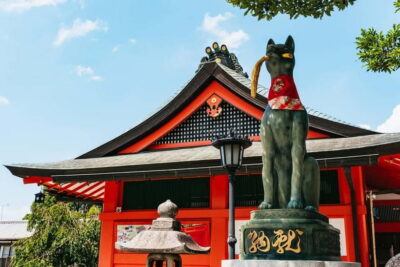 ★ 4.9Kyoto: 3-Hour Fushimi Inari Shrine Hidden Hiking TourFrom $723 hours
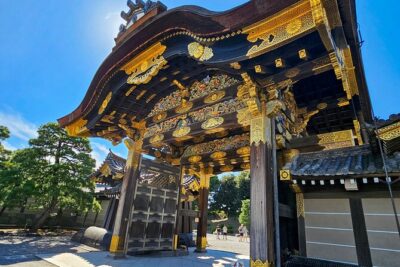 ★ 4.5Kyoto Imperial Palace & Nijo Castle Guided Walking Tour – 3 HoursFrom $55
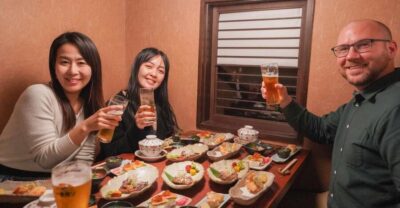 ★ 4.5Kyoto: 3-Hour Night Foodie Tour in GionFrom $173
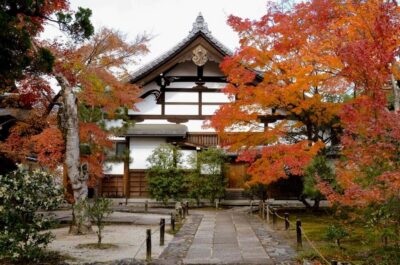 ★ 4.8Kyoto: Arashiyama Bamboo Grove 3-Hour Guided TourFrom $48
 ★ 5.0Kyoto: Private Flexible 3 hours tour with a local guideFrom $131