
Reviewed · SAKE BREWERY TOURS
Kyoto Sake Brewery Tour
Fushimi is where Kyoto’s sake story feels most real: old brewery streets, clean water, fragrant rice, and tasting rooms pouring styles that range from crisp and dry to sweet and aromatic. I like the mix of local lunch and guided tastings, plus the small group limit of six, which gives you room to ask questions. I also like that the tour moves beyond one bottle or one brand and shows how varied sake can be.
The main catch is important: you will learn about brewing, but you will not enter the active brewing areas because of sanitation and legal restrictions. At $177 per person, this makes the tour worthwhile mainly for the guide, food pairings, and organized access, not simply for the sake samples.
In This Review
- Key points at a glance
- Why Fushimi makes a good sake classroom
- Starting near Fushimi Momoyama Station
- Walking through old and modern breweries
- Learning what changes from one sake to another
- A local lunch that slows the pace
- Shopping with a guide nearby
- Is $177 a fair price?
- Who will enjoy this Fushimi outing?
- Should you book the Kyoto Sake Brewery Tour?
- FAQ
- Where does the Kyoto Sake Brewery Tour meet?
- How do I reach the meeting point?
- How long does the tour last?
- Is lunch included?
- How many sake tastings are included?
- Can I enter the active brewing rooms?
- Is the tour suitable for children?
- What should I bring and can I cancel?
Key points at a glance
- Fushimi’s four-century sake district: Walk through one of Japan’s best-known brewing areas, where clear local water helped shape its reputation.
- Several sake styles: Taste sake that can be crisp, luscious, aromatic, sweet, acidic, or full of umami.
- Lunch built into the outing: A local restaurant meal gives the tasting a food-and-drink focus rather than leaving you to sample on an empty stomach.
- Small group of six: A useful size for questions, conversation, and help choosing bottles during shopping time.
- No active brewery floor access: Expect displays, stories, and expert explanation instead of watching the brewing tanks at work.
- Adult-only rules: Everyone must be at least 20 according to the activity note, while another instruction lists the minimum drinking age as 21. Confirm the rule when booking.
Why Fushimi makes a good sake classroom
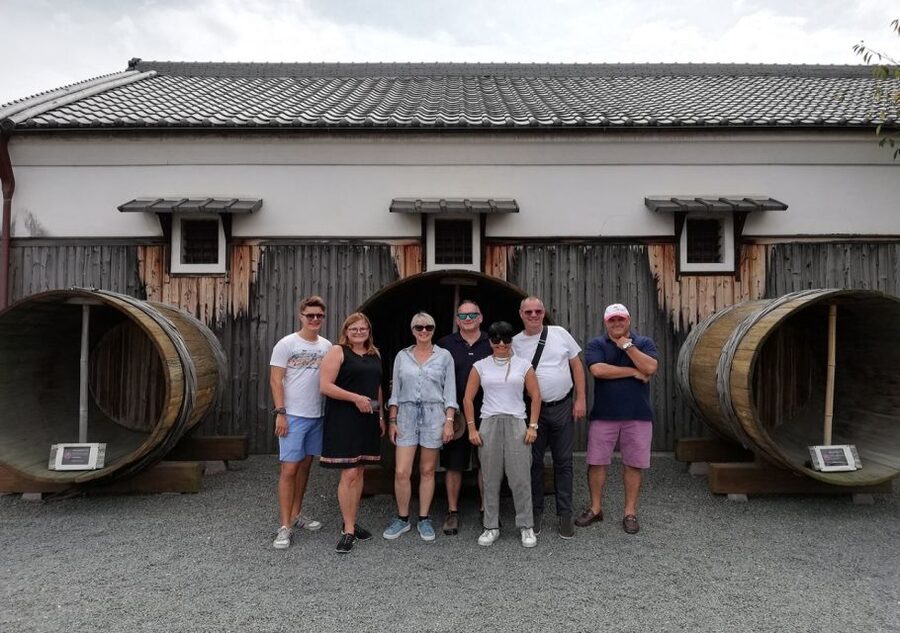
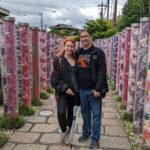
Fushimi is not just a convenient place to drink sake. It is one of Japan’s oldest and most respected sake districts, with more than 400 years of brewing tradition in the area. The district’s clear water is a central part of the story, since water affects the texture and balance of the finished drink.
You will walk through streets where brewing has shaped the local identity for generations. The atmosphere may be more useful than a formal lecture. You can smell rice and fermentation, see brewery buildings and tasting spaces, and connect the drink in your glass with the place around you.
A guide helps here. Sake labels can feel like a wall of Japanese characters, and the differences between bottles are not always obvious to a first-time drinker. Your English-speaking guide can explain what you are tasting, how the styles differ, and why one sake suits a particular dish better than another.
The experience is designed for curiosity, not just alcohol consumption. You will hear stories about brewers whose methods have been passed from one generation to the next, along with an explanation of the balance between craft and science. That context is the part you cannot easily reproduce by ordering a flight at a restaurant.
Other sake brewery and tasting tours in Kyoto

Starting near Fushimi Momoyama Station
The meeting point is in front of the SoftBank shop at 4-291-1 Ryogaemachi in Fushimi-ku. You can reach it from Fushimi Momoyama Station on the Keihan Line or Momoyama Goryo-mae Station on the Kintetsu Line. Check the exact station name and exit before you leave, since Kyoto has several stations with similar-sounding names.
There is no hotel pickup or drop-off. That is a minor inconvenience, but the meeting point is placed near two useful train lines, so you can make your own way to the district. Plan to arrive with enough time to find the shop rather than treating the meeting point as a station entrance.
The tour lasts three hours. That is long enough to combine walking, tastings, lunch, and shopping, but short enough to fit into a day of sightseeing in southern Kyoto. I would avoid scheduling an important attraction immediately afterward. Alcohol, food, and walking can make the second half of your day slower than planned.
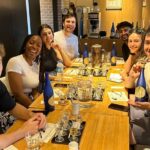
The group is limited to six people. This matters more than it might seem. A sake tasting works better when you can hear the guide explain each pour and ask questions without competing with a large crowd. It also makes shopping advice more practical, especially if you want help selecting a bottle to take home.
Walking through old and modern breweries
The route includes a mix of historic and contemporary sake stops. You might visit a brewery display, a museum-style space, or a modern tasting room, depending on the day and operating hours. One known stop connected with this type of outing is Kizakura Kappa Country Sake Brewery, which combines sake history with a visitor-friendly setting.
The tour does not promise a full production-floor visit. You can learn about rice preparation, fermentation, brewing methods, and the role of water through displays and explanation, but the working rooms remain off-limits. This is a key expectation to set before booking.
For some people, that limitation will not matter. If you mainly want to understand sake and taste several varieties, the guide’s explanation and the surrounding district may be enough. If your main goal is to watch workers brew, inspect tanks, or see every step in person, you may find the experience less satisfying.
Season also matters. Sake production follows a yearly rhythm, and the feel of a visit can change with the time of year. A summer outing may not show the same production activity as a winter visit. Holiday closures are another real concern. On December 30, the usual museums and factory spaces were closed, leaving an itinerary centered on tastings instead.
That means you should check operating dates if your visit falls around New Year’s or another major holiday. A closed museum can turn a well-balanced cultural tour into a more expensive drinking session.
Learning what changes from one sake to another
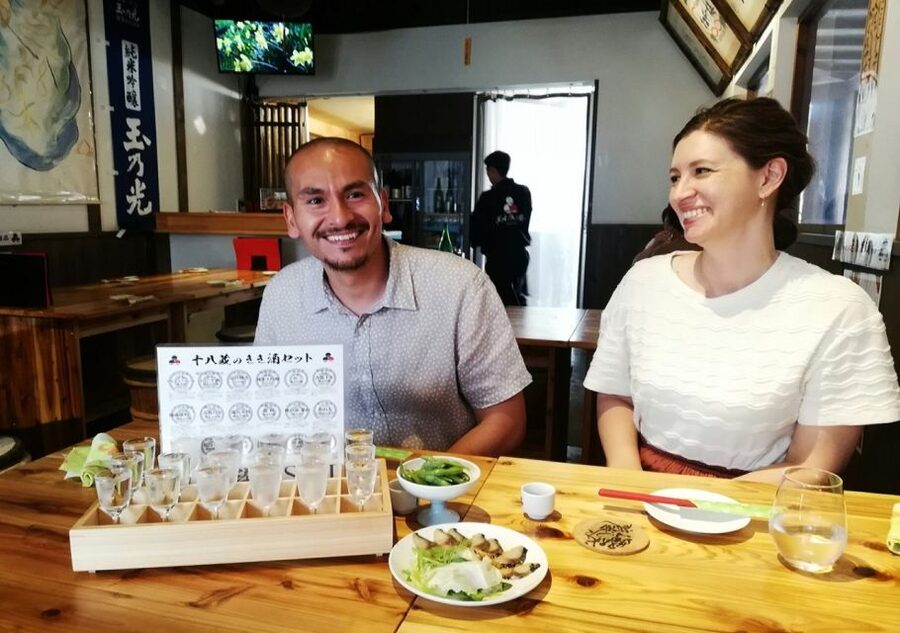
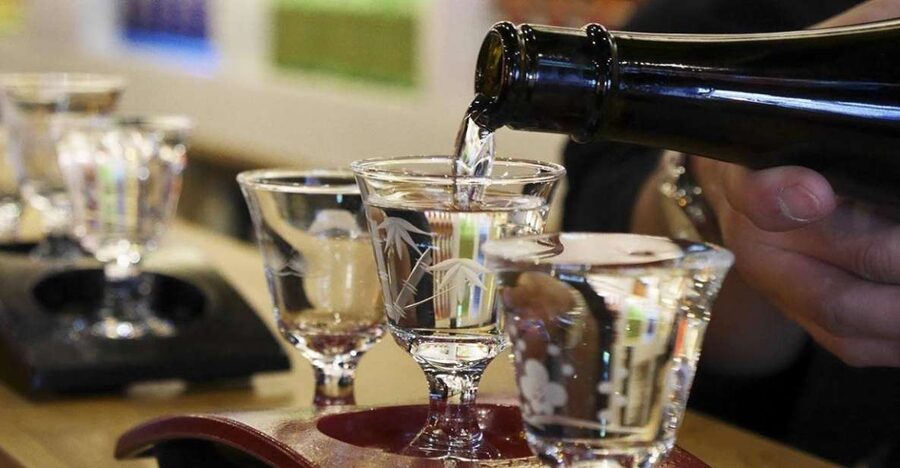
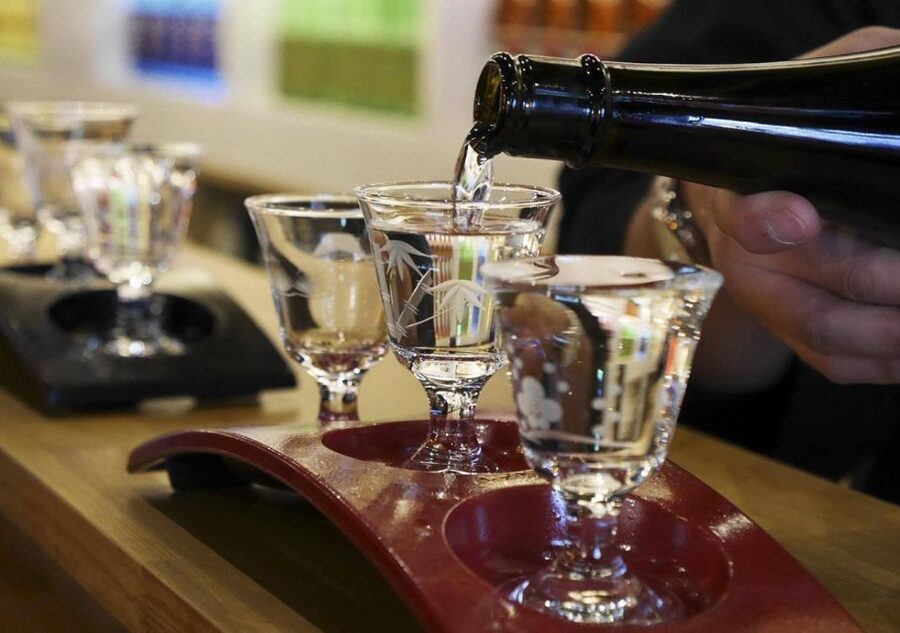
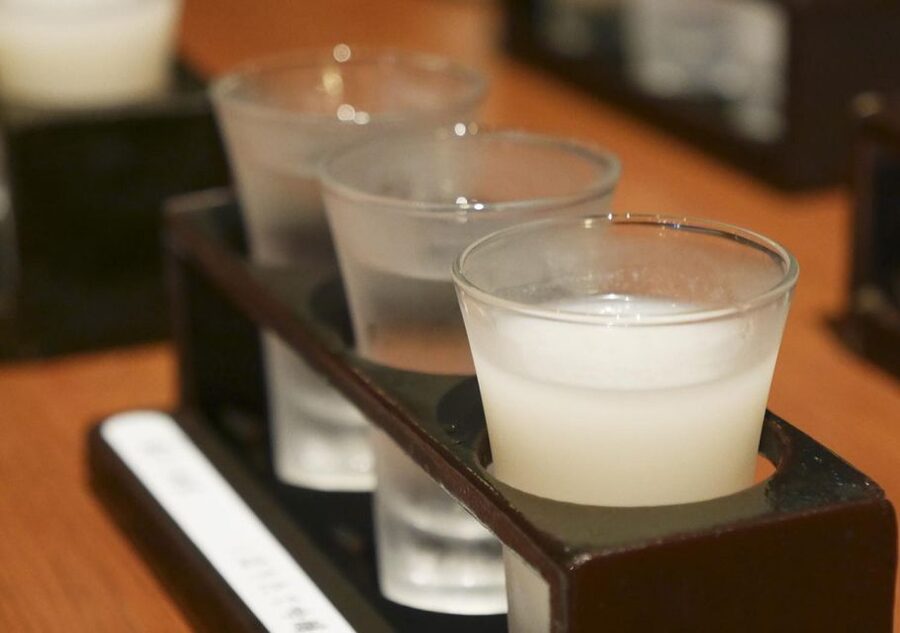
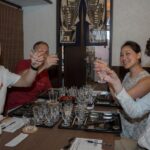
The tastings are the heart of the tour. You will sample several kinds of sake, with the selection shaped by the local breweries and what is in season. The useful part is the contrast. A crisp sake can feel very different from a rounded, aromatic pour, and a sweeter style may pair well with food that would overpower a drier bottle.
Your guide should help you pay attention to more than alcohol strength. Look for sweetness, acidity, aroma, texture, and umami. The point is not to memorize technical terms. It is to notice what changes between glasses and decide what you actually like.
The number of samples can vary. One earlier outing included 18 sakes, while another described two flights. Do not assume that every departure will offer the same number. The stops, holiday schedules, and available pours can affect the selection.
This variation is another reason the guide matters. Without context, a large flight can become a blur. With clear comparisons, you can learn which styles suit you and which bottles are worth seeking out later in your trip.
Additional drinks are not included, though you can buy them at your own expense. Keep that in mind when judging the price. The included tastings may be enough, but the bill can rise if you continue ordering or purchase several bottles.
A local lunch that slows the pace
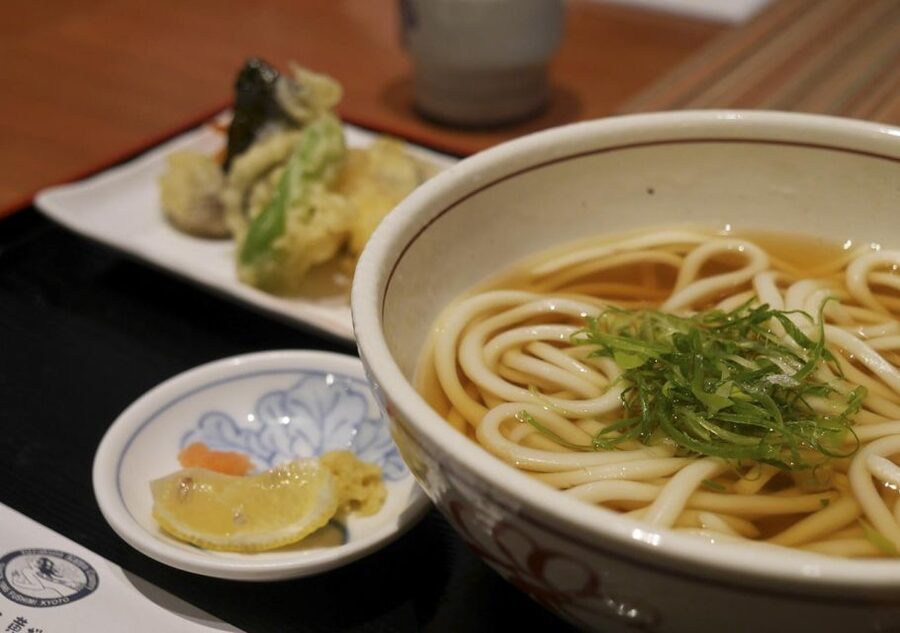
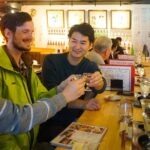
Lunch is included at a restaurant, and it gives the tour a welcome change of rhythm. Instead of drinking continuously, you sit down with local food and see how dishes interact with different sake styles.
That pairing element is one of the strongest reasons to consider this experience. Food can soften alcohol, bring out sweetness, or make acidity more noticeable. A sake that seems plain on its own may work much better with a savory dish. You do not need to be a food expert to notice the difference.
The meal also makes the tour feel more connected to Kyoto. You are not simply visiting a shop, buying a flight, and moving on. You are seeing how sake fits into ordinary dining and local hospitality.
Specific menu details are not provided, so do not book this expecting a named specialty or a fixed set of dishes. If you have dietary restrictions, tell the provider when you book. Extra food and drinks are available only at your own cost.
The timing can make the afternoon feel full. One earlier five-hour sake outing was described as tiring, and this experience is shorter but still combines walking, eating, and alcohol. Wear comfortable shoes, eat at a sensible pace, and do not plan a demanding activity afterward.
Other sake brewery and tasting tours in Kyoto

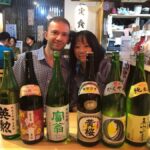
Shopping with a guide nearby
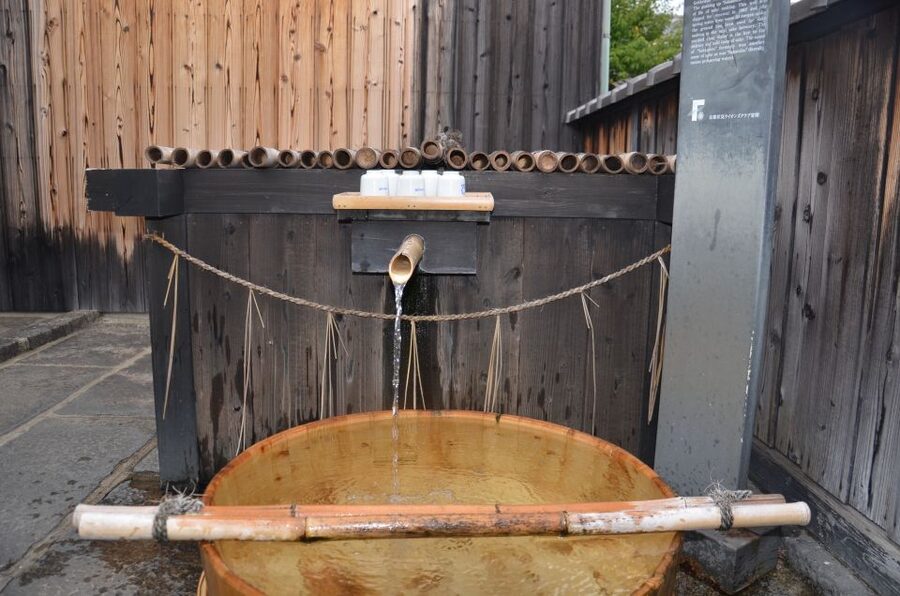
Shopping time is included, which is useful if you want to take home a bottle but do not know how to read the labels. A guide can explain the differences between styles and help you connect a tasting to a purchase.
Japan has strict rules about bringing alcohol home, and the tour information does not explain luggage or customs limits. Check your airline and destination rules before buying more than you can reasonably carry. You can also use the shopping stop simply to note brewery names and return later.
I like having this pause near the end of the tour. By then, you have tasted enough to make a more informed choice. Buying a bottle before tasting several styles is a gamble. Buying after lunch and comparison is much smarter.
Do not feel pressured to purchase. The value of the tour should come from the walk, guide, lunch, and tastings. Shopping is an option, not a requirement.
Is $177 a fair price?
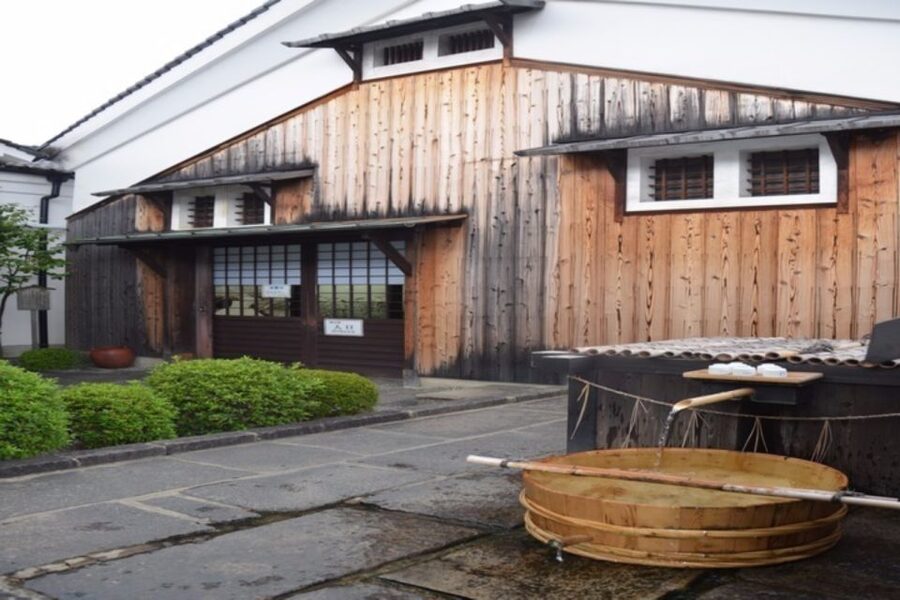
At $177 per person, this is not a cheap way to drink sake. You can order sake at a Kyoto restaurant for much less, and a visitor who only wants two flights may feel the price is too high.
The tour earns its cost through structure. You receive three hours with an English-speaking guide, a local restaurant lunch, several tastings, visits to different sake-related stops, and time to shop. You also avoid the work of finding breweries, choosing a route, and guessing what to order.
The value is strongest if you are new to sake, enjoy food pairings, or want a small-group cultural activity. It is weaker if you already know your preferred styles, speak Japanese, or are happy exploring Fushimi independently.
A past outing with guide Hiroe included a strong tasting session and a good lunch, while another praised guide Akari for leading a longer, five-hour sake day through a museum and several tasting places. Those names show how much the experience can depend on the individual guide, though you should not assume either person will lead your departure.
The rating information is mixed, which fits the practical picture. When breweries and museums are open, the tour can offer useful context and a broad tasting range. During holiday closures, the same price can feel steep if most of the cultural portion disappears.
Who will enjoy this Fushimi outing?
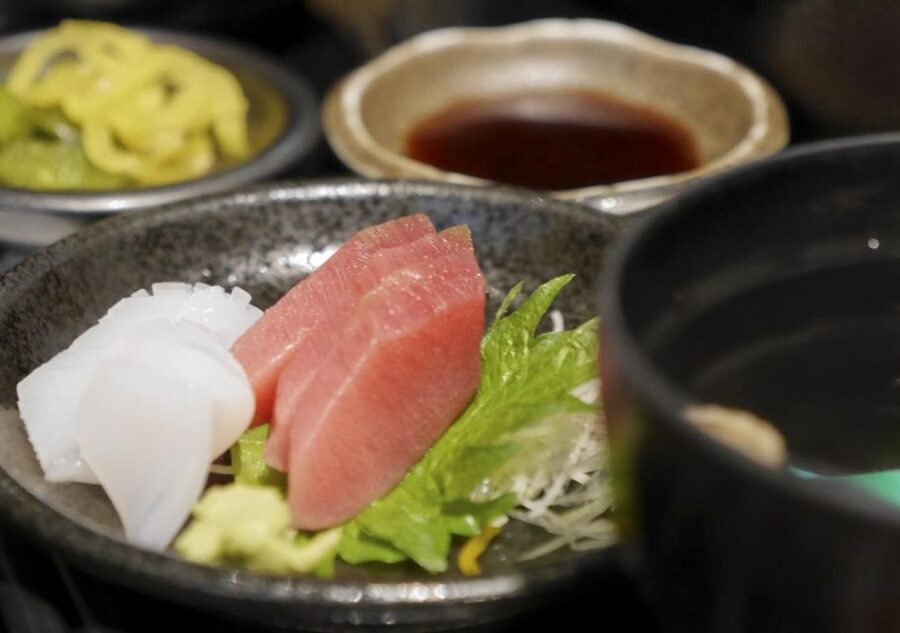
I would recommend it to first-time sake drinkers who want a clear introduction without having to organize several stops. The small group, included lunch, and English guidance make it friendly for couples and small parties who want a focused afternoon.
It also suits food-minded visitors. The pairing element gives you a way to understand sake through taste, not just through technical explanation.
You may want to skip it if you are looking for an active production tour. The actual brewing rooms are not open to participants. You should also think twice if you dislike drinking in a set schedule or want complete control over where and how much you taste.
The adult rule is strict. The activity says all members must be 20 or older because of legal restrictions, while the additional information lists the minimum drinking age as 21. Children cannot attend alone, and a passport copy is required for children aged 10 and older. Because those age statements do not match, confirm the current requirement before paying.
Bring your passport. Specific dietary needs must be given at booking. The tour requires at least two people per booking, and you reserve with no payment today under the pay-later option. Cancellation is free up to 24 hours before the start time.
Should you book the Kyoto Sake Brewery Tour?
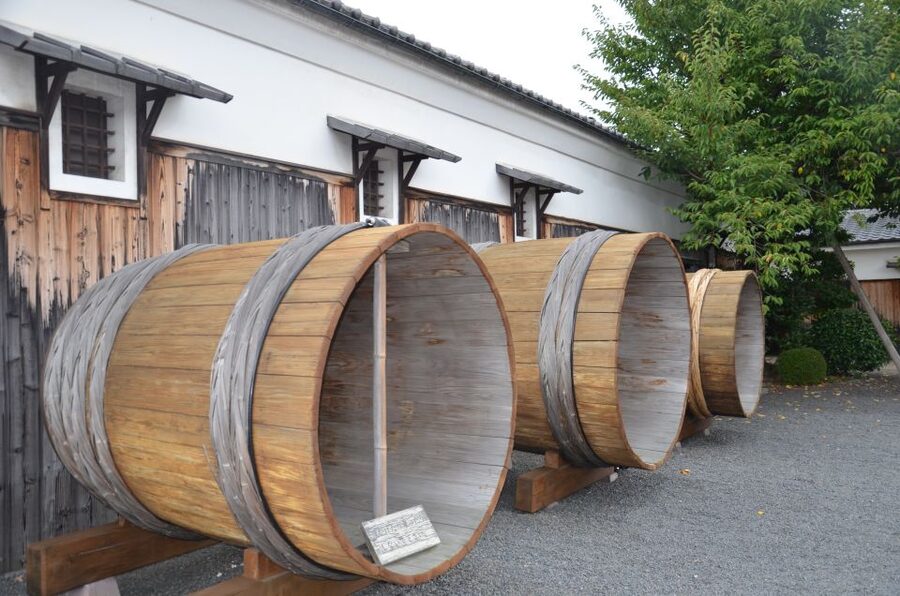
Book it if you want an organized introduction to Fushimi, value a guide who can explain the differences between pours, and like the idea of pairing sake with lunch. The three-hour format is tidy, the group is small, and the chance to sample seasonal styles is more useful than ordering one familiar bottle.
Before booking, check the date carefully, especially around the holidays. Ask about the current stops and age rule, and remember that the brewing rooms themselves are not part of the visit.
My call: this is a good choice for a curious beginner and a questionable deal for an experienced sake drinker. If the active breweries and museum spaces are open, the $177 can buy a well-shaped cultural afternoon. If they are closed, you may be paying mainly for lunch, guidance, and tastings that you could arrange yourself.
FAQ
Where does the Kyoto Sake Brewery Tour meet?
Meet in front of the SoftBank shop at 4-291-1 Ryogaemachi, Fushimi-ku, Kyoto. The Japanese address is 〒612-8082 両替町4丁目291−1京都府京都市伏見区.
How do I reach the meeting point?
You can take the Keihan Train Line to Fushimi Momoyama Station or the Kintetsu Line to Momoyama Goryo-mae Station.
How long does the tour last?
The scheduled duration is three hours. Starting times depend on availability.
Is lunch included?
Yes. A local lunch at a restaurant is included. Additional food and drinks cost extra.
How many sake tastings are included?
Several sake tastings are included, but the exact number can vary. Past outings have included anything from two flights to a much larger selection.
Can I enter the active brewing rooms?
No. You can learn about the brewing process through displays, stories, and guide explanations, but sanitation and brewing laws prevent entry into the actual brewing areas.
Is the tour suitable for children?
No unaccompanied minors are allowed. All participants must meet the stated drinking-age requirement, and children must be accompanied by an adult. The supplied information gives both 20 and 21 as the minimum age, so confirm the current rule before booking.
What should I bring and can I cancel?
Bring your passport. You can cancel up to 24 hours in advance for a full refund, and the reserve-now, pay-later option allows you to book without paying immediately.
More Breweries in Kyoto
More Sake Brewery Tours in Kyoto
More Sake Brewery Tours in Kyoto
More tours in Kyoto we've reviewed
Sake Brewery Tours, compared.
 ★ 5.0Kyoto Night Foodie Tour in Gion (9+ dishes + 6 Sake tastings)From $163
 ★ 5.03-Hour Kyoto Insider Sake Brewery Tour with Tastings & PairingsFrom $84
 ★ 4.8Arashiyama Bamboo, Temple, Monkeys, or Secret Sake BreweryFrom $875 hours - 330 minutes
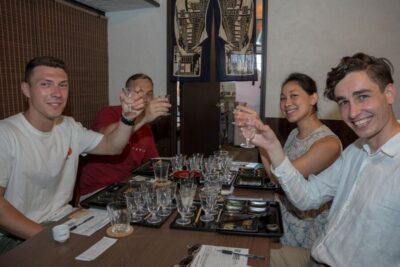 ★ 5.0Kyoto: Insider Sake Brewery Tour with Sake and Food PairingFrom $873 hours
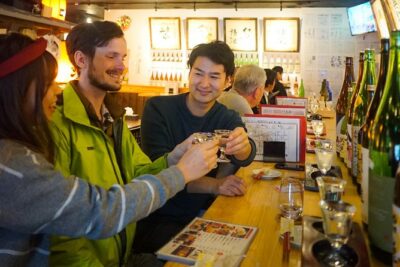 ★ 5.0Kyoto Sake Brewery & Tasting Walking TourFrom $98
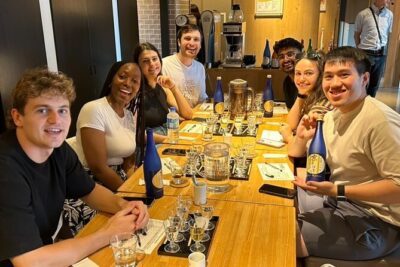 ★ 5.01.5-Hour Kyoto Insider Sake Experience with 7 Tastings & PairingsFrom $68