
Reviewed · ARASHIYAMA & BAMBOO TOURS
Private 3-hour Kyoto Arashiyama Rickshaw Tour
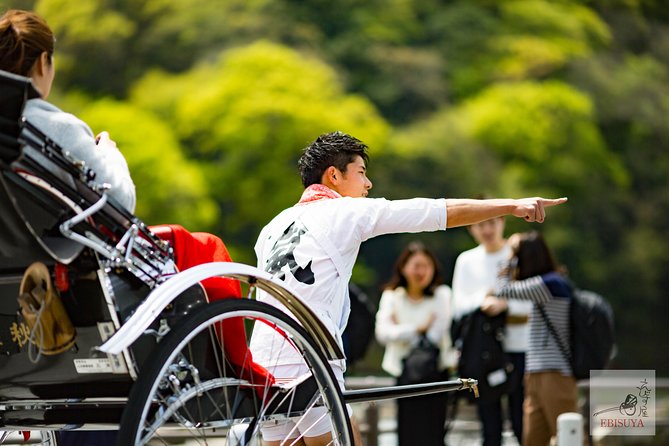
Arashiyama is far more than its famous bamboo grove. This private rickshaw tour carries you beyond the main path to moss-covered temples, hillside views, small shrines, and rows of stone figures with stories of their own. You get a local guide, live commentary, and a private ride for your group.
I like the choice between peaceful green temples and unusual temple sites, since you can shape the outing around your interests. I also like the personal touch: guides such as Tai Tai, Yoppy, and Akihisa have been praised for their history knowledge, photography help, humor, and care. The main drawback is the price, $236.44 per person, plus temple admission fees, and the tour is offered only from late spring to early summer.
In This Review
- What makes this Arashiyama ride special
- Why a rickshaw works well in Arashiyama
- Starting near the heart of Arashiyama
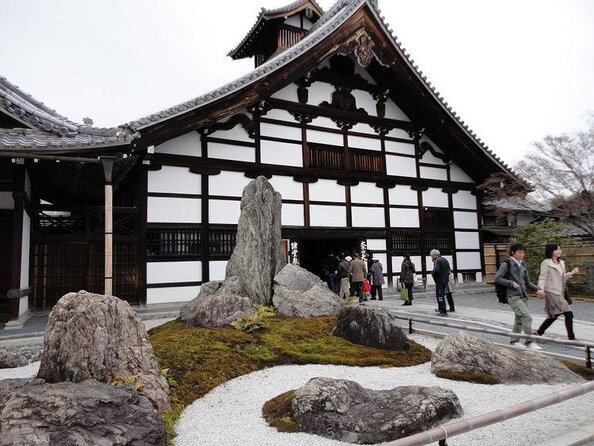
- Gio-ji and the appeal of moss
- Jojakkoji adds a hill and a view
- A bamboo-forest shrine with a matchmaking connection
- Adashino Nenbutsu-ji and its stone memorials
- Otagi Nenbutsu-ji brings humor to the route
- Seiryoji brings Buddhist history into focus
- Hokyoin combines greenery with samurai history
- What the guides add to the ride
- Is $236.44 per person fair?
- Practical details before you reserve
- Who should book this Arashiyama experience?
- FAQ
- How long does the Kyoto Arashiyama Rickshaw Tour last?
- Is the rickshaw tour private?
- What is included in the price?
- Are temple admission fees included?
- Is hotel pickup included?
- Where does the tour start?
- Can young children ride for free?
- Can I cancel for a refund?
- Should you book this tour?
What makes this Arashiyama ride special
- A private three-hour route: Your group rides alone, with the guide able to explain sights at a pace that suits you.
- More than the bamboo grove: The route can include Gio-ji, Jojakkoji, Hokyoin, Adashino Nenbutsu-ji, Otagi Nenbutsu-ji, Seiryoji, and a shrine in the bamboo forest.
- Two distinct themes: Choose green, mossy temple sites or places known for unusual stone figures and Buddhist stories.
- English-speaking local guides: Tai Tai, Yoppy, and Akihisa are among the guides associated with especially warm, attentive service.
- A useful family setup: Children aged six and older pay the adult price, while younger children may ride on an adult’s lap under stated conditions.
- Book early: The activity is often reserved about 106 days ahead, and your selected start time is confirmed by email within 24 hours.
Why a rickshaw works well in Arashiyama
Arashiyama looks compact on a map, but its sights spread beyond the bamboo grove and central temple area. Walking between the better-known stops can take time, especially when you add hills, temple steps, and Kyoto’s busy sightseeing paths.
A rickshaw gives you a comfortable seat while your guide handles the route. You can cover more ground than on foot and hear explanations as you go, rather than stopping to decipher signs or maps. The experience also has a slower feel than a taxi. You remain close to the streets, trees, gates, and temple approaches.
The private format matters. You are not sharing the ride with strangers, so your guide can focus on your group’s questions and adjust the emphasis. A seat measures about 74 centimeters wide and fits up to two adults side by side. That is worth noting for larger passengers, since the ride is intimate rather than spacious.
The tour lasts about three hours. That gives you enough time to see several parts of Arashiyama without trying to cram every temple into one rushed morning. Temple entry costs extra, so you should treat the ride as a guided sightseeing experience, not an all-inclusive temple pass.
A few more Kyoto tours and experiences worth a look

Starting near the heart of Arashiyama
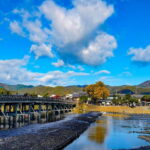
The meeting point is at 1-1 Sagatenryuji Susukinobabacho, in Ukyo Ward. It is close to public transportation and sits in the Arashiyama sightseeing area, making it a practical place to begin a morning visit.
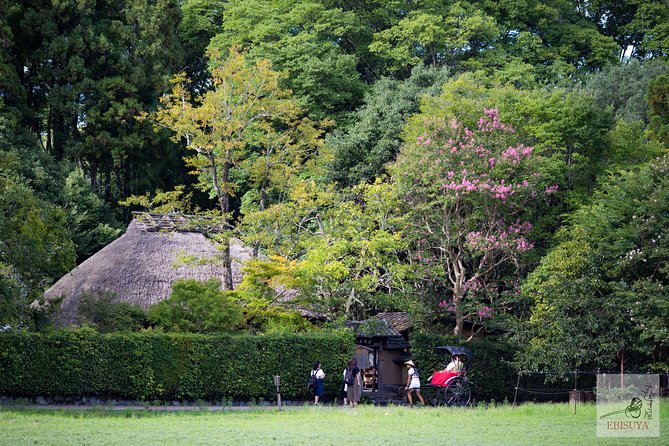
Your guide takes you through the neighborhood by rickshaw, with the route built around the season. This is important: the experience is advertised as a late-spring to early-summer tour, when new leaves create the deep green setting that gives the outing its theme.
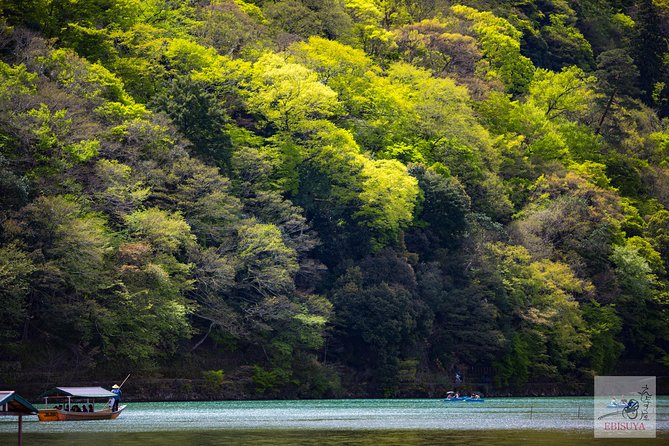
The tour description focuses on shinryoku, the Japanese appreciation of fresh, deep green foliage. That idea gives the ride more direction than a standard sightseeing circuit. You are not simply ticking off temples. You are paying attention to moss, tree cover, filtered light, and the calm of places that can feel removed from Arashiyama’s busiest streets.
The ending point is different from the starting point, but the available details do not specify the exact finish. Plan your onward transportation with that in mind, and check the final information sent after booking.
Gio-ji and the appeal of moss
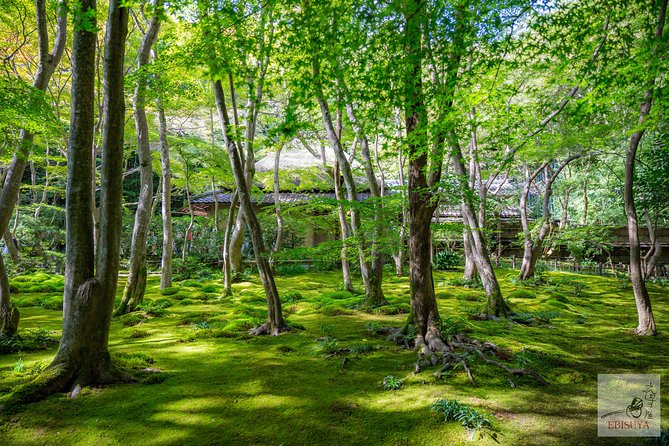
Gio-ji is one of the strongest choices for the green theme. Its moss garden remains striking under shade, with a soft, quiet look that contrasts with Kyoto’s grander temple compounds.
You have about 20 minutes here. That is enough for a focused visit, but not a long, unhurried temple stay. Admission is not included, so you pay separately if this stop is part of your route.
I would choose Gio-ji if you care most about texture and atmosphere. The moss is the point. This is not the place to expect a wide city view or a large collection of buildings. It works best for someone who enjoys a small, carefully framed garden and wants the guide to explain why green foliage carries such meaning in Japanese culture.
Jojakkoji adds a hill and a view
Jojakkoji gives the green route a little more physical variety. The temple sits on a hill, and reaching the upper area involves many steps beneath the trees.
After the climb, you can catch a glimpse over Kyoto. The view is not the sole reason to visit, but it gives the stop a useful payoff after the shaded ascent. You should choose sensible shoes, especially if you plan to make several temple visits after the ride.
The 20-minute stop is fairly brief for a hilltop temple. The rickshaw gets you close, but it cannot remove the steps once you arrive. This is a good match for people who can manage stairs and want a short walk with a view. If stairs are a concern, ask about the route before departure rather than assuming every stop will be easy.
A bamboo-forest shrine with a matchmaking connection
One stop is described as a Shinto shrine in the bamboo forest, dedicated to the goddess of matchmaking. The name is not provided in the tour details, but the setting gives you a different experience from the Buddhist temples.
This stop connects Arashiyama’s famous bamboo setting with a local religious tradition. You can see the bamboo forest without limiting the entire outing to its main corridor, then hear about the shrine’s connection with relationships and matchmaking.
Because the stop is not given a formal time or admission detail, the exact length may depend on the route selected and the guide’s judgment. Ask your guide at the start how much time is planned here if this is a priority for you.
Other private tours in Kyoto
Adashino Nenbutsu-ji and its stone memorials
Adashino Nenbutsu-ji belongs to the tour’s unique option. It is known for a large number of stone figurines, each tied to a meaningful religious purpose and history.
This is a more solemn stop than Otagi Nenbutsu-ji. The stone figures are not simply decoration. Their presence points to Buddhist memorial practice and gives the temple a reflective mood.
You get about 20 minutes, with admission extra. I would choose this site if you want something with more emotional weight than a garden visit. The tradeoff is that the subject matter may feel serious, particularly for children who are expecting only funny statues and scenic views.
Otagi Nenbutsu-ji brings humor to the route
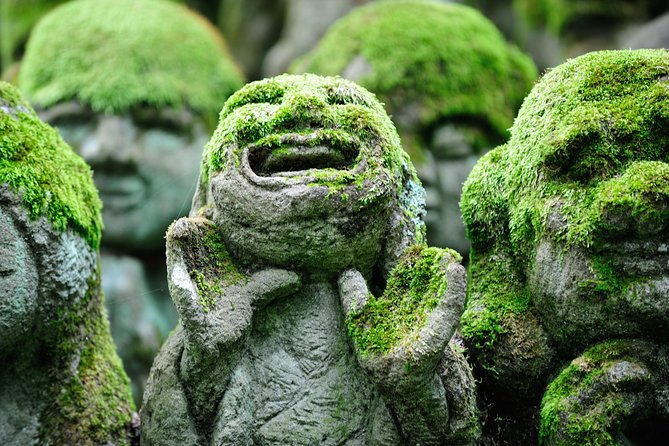
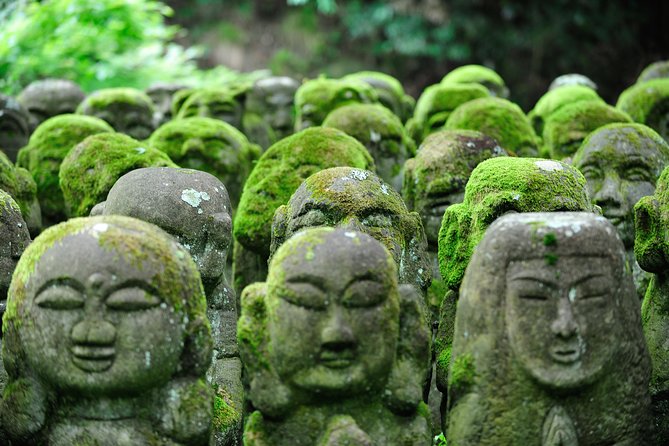
Otagi Nenbutsu-ji is another unique option, but its stone figures have a lighter character. Many are humorous, making this one of the most approachable temple stops for families.
The figures give children something concrete to look at, while adults can enjoy the craftsmanship and the playful expressions. The stop also breaks up the route nicely. After moss gardens and religious memorials, a collection of amusing stone faces changes the mood.
Again, plan on about 20 minutes and pay admission separately. If you are traveling with children, this may be the most memorable temple on the route. Children aged six and older need their own seat and pay the adult price. Children five and under can ride free on an adult’s lap, with one young child per adult and a maximum of two adults and two small children per rickshaw. A five-year-old using one of the two seats must be booked as an adult.
Seiryoji brings Buddhist history into focus
Seiryoji is included among the unique options. Here the attraction is the temple’s scale, its view, and the story of a special Buddhist statue with an eventful journey.
The description does not provide the statue’s full story, so your guide’s explanation becomes especially valuable. This is the kind of stop where a short spoken account can turn a large temple into a place with a human and religious connection.
The stop lasts about 20 minutes, and entry costs extra. Choose Seiryoji if you want a grander temple setting and a story centered on Buddhist tradition. It may feel less immediately intimate than Gio-ji, but it adds historical depth to the route.
Hokyoin combines greenery with samurai history
Hokyoin is part of the green option. It offers a restful setting along with the resting place of two samurai who share a distinctive connection.
That pairing makes the stop more than another garden pause. You get greenery and quiet, but also a story linked to Japan’s warrior past. The temple can work well for anyone who wants the route to balance natural beauty with human history.
As with the other optional temples, the planned visit is about 20 minutes and admission is not included. If you want several temple interiors and grounds in detail, three hours will pass quickly. If you prefer a curated selection of short visits linked by commentary, the timing makes sense.
What the guides add to the ride
The guide is the heart of this experience. You are not simply hiring transport. You are hiring an English-speaking local driver who rides, explains, and manages the pace.
Tai Tai has been singled out for fitness, local knowledge, historical explanations, communication, and careful attention over a ride lasting more than two hours. Yoppy is known for a friendly, entertaining style while still explaining the sights clearly. Akihisa has been praised for stopping at attractive places, taking photographs, and handling the ride with patience.
Those details help you picture the service. Expect a guide who may point out a view, offer to take your photograph, explain a temple’s background, and adjust the experience to your group. The quality can vary by individual, but the strongest evidence points to attentive guiding as the main value of the tour.
The ride itself can be comfortable in cool conditions. Past experiences have included a heated seat and warm blanket. Still, this particular outing is listed as seasonal from late spring to early summer, so you should not assume cold-weather equipment applies to your booking.
Is $236.44 per person fair?
At $236.44 per person, this is an expensive way to see Arashiyama. You also pay temple admission fees, and food and drinks are not included. Hotel pickup and drop-off are not included either.
The price makes more sense if you value privacy, a dedicated guide, and the ability to cover several outlying sites without arranging your own transport. A private group can also divide the cost differently depending on the booking setup and any available group discount.
For one or two people on a tight budget, walking through Arashiyama and paying individual entry fees will cost less. You will also have more time at each temple. You will not, however, get the same guided route, personal explanations, or easy movement between sites.
I see the strongest value for families, couples, and small groups with limited Kyoto time. It is also useful if you want a guide to handle the route while you focus on scenery and photographs. The cost is harder to justify if you already know the temples well or prefer to explore at your own pace.
Practical details before you reserve
Your booking confirmation arrives at the time of reservation, but the selected starting time is not automatically guaranteed. The operator confirms the time by email within 24 hours, so watch your inbox and avoid building a tight connection around the unconfirmed departure.
The tour is near public transportation, but there is no hotel pickup or drop-off. The activity ends in a different location from the start, and the precise end point should be checked in the booking details.
Expect to pay temple admission separately. Food and drinks are also your responsibility. Since several stops involve temple grounds and at least one includes many steps, wear shoes you can walk in comfortably.
Expectant mothers in the first 16 weeks of pregnancy cannot ride. Most people can participate, but the seat width and child seating rules deserve attention before you book. Free cancellation is available up to 24 hours before the start time. Within 24 hours, refunds and changes are not accepted.
Who should book this Arashiyama experience?
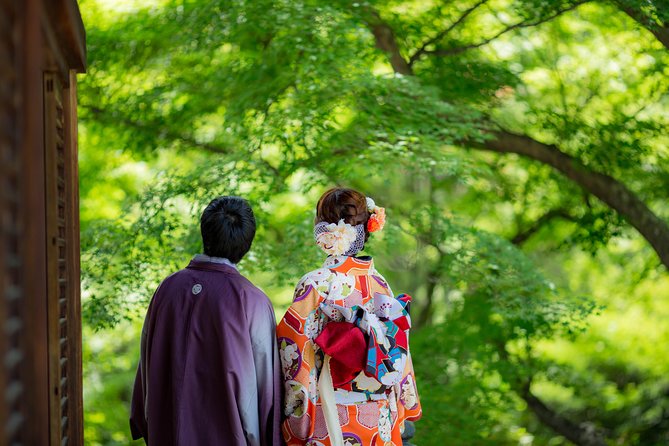
I would recommend this tour to you if you want a private introduction to Arashiyama and prefer explanations over independent wandering. It suits families especially well when Otagi Nenbutsu-ji’s humorous figures are included. Couples may prefer the moss gardens, bamboo shrine, and quieter temple settings.
It is also a good choice for a first visit when you want to see more than the famous bamboo grove. The guide can help you understand why the deep green of early summer matters, while the rickshaw reduces the effort of moving around the area.
I would skip it if your budget is limited, if you want long temple visits, or if you dislike a fixed three-hour structure. The ride is best understood as a guided overview with selected stops, not a full study of every temple in Arashiyama.
FAQ
How long does the Kyoto Arashiyama Rickshaw Tour last?
The private tour lasts approximately three hours.
Is the rickshaw tour private?
Yes. Only your group participates in the activity.
What is included in the price?
The price includes a local English-speaking rickshaw driver and guide, the rickshaw ride, and live commentary.
Are temple admission fees included?
No. Admission fees to temples and gardens are paid separately.
Is hotel pickup included?
No. Hotel pickup and drop-off are not included.
Where does the tour start?
The meeting point is 1-1 Sagatenryuji Susukinobabacho, Ukyo Ward, Kyoto, 616-8385, Japan.
Can young children ride for free?
Children aged five and under can ride free on an adult’s lap, with one child per adult. A child aged five using one of the rickshaw’s two seats must be booked as an adult. Children aged six and older require a seat and pay the adult price.
Can I cancel for a refund?
You can cancel up to 24 hours before the experience start time for a full refund. Cancellations or changes made less than 24 hours before the start are not accepted.
Should you book this tour?
Book it if you want Arashiyama explained by a local guide, with a private ride linking moss gardens, bamboo, Buddhist temples, and unusual stone figures. The guide’s personal service, including photography help and careful attention, is the strongest reason to choose it.
Skip it if $236.44 per person feels steep or if you would rather spend a full morning inside one or two temples. For the right budget and the late-spring to early-summer season, this is a comfortable, story-filled way to see the quieter side of Arashiyama.
More 3-Hour Experiences in Kyoto


More Private Tours in Kyoto
More Arashiyama & Bamboo Tours in Kyoto
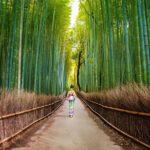
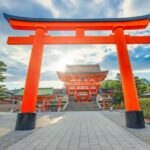
More tours in Kyoto we've reviewed

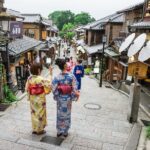
Arashiyama & Bamboo Tours, compared.
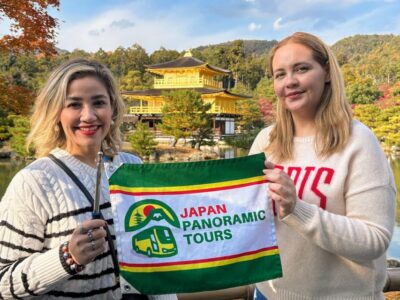 ★ 4.8Kyoto: Fushimi Inari, Kinkakuji, Bamboo Grove 1 Day Bus TourFrom $122510 minutes - 9 hours
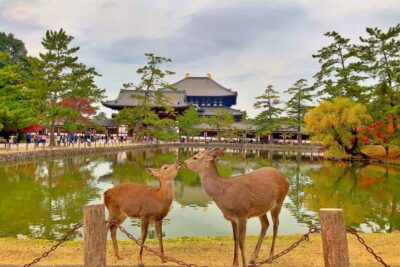 ★ 4.1Osaka/Kyoto:Kinkakuji,Arashiyama,FushimiInariShrine,NaraParkFrom $66
 ★ 4.7Kyoto/Osaka: Nara, Fushimi Inari Taisha, Arashiyama Bus TourFrom $529 - 10 hours
 ★ 5.0Kyoto Arashiyama Walking Tour: Bamboo, Monkeys, Gardens & SecretsFrom $65
 ★ 4.8Arashiyama Bamboo, Temple, Monkeys, or Secret Sake BreweryFrom $875 hours - 330 minutes
 ★ 4.4Osaka/Kyoto: Arashiyama, Nara & Fushimi Inari Shrine w/LunchFrom $61