
Reviewed · KYOTO FOOD TOURS
Kyoto Private Food Tours with a Local Foodie: 100% Personalized
Kyoto’s best food experience here is the personal touch. You get one private guide for about three hours, with the route shaped around what you actually want to eat, from ramen and gyoza to obanzai vegetable dishes, sake, beer, or dessert. Guides such as Cici, Michael, Nisa, Alex, and Justin have been praised for friendly conversation, local tips, and making the tour work for families and teenagers.
I like the 6 to 8 included tastings, which removes the guesswork and lets you sample several Kyoto specialties without ordering full meals everywhere. I also like the chance to ask for restaurant suggestions for later in your trip, a useful benefit noted by several guests. The main caution is that the food quality and depth can depend heavily on your individual host. One guest found the experience closer to a walking tour with two casual food stops than a serious foodie outing.
In This Review
- Key points at a glance
- A private introduction to Kyoto’s food culture
- Starting at Nishiki Market before 4 p.m.
- Shijo Dori and the city between stops
- Gion after dark, with izakaya options
- Ramen, gyoza, yakiniku, and local neighborhood food
- Obanzai and Kyoto’s vegetable tradition
- Ending by the Kamo River with a drink
- What the private guide adds
- Is $245.15 per person a fair price?
- Timing, meeting point, and practical details
- Who should book this Kyoto food walk?
- Should you book it?
- FAQ
- How long does the Kyoto private food tour last?
- How many food tastings are included?
- Is a drink included?
- Is this a private tour?
- Does the tour visit Nishiki Market?
- Can the food route be adjusted to my preferences?
- Where does the tour start and end?
- Are transportation and extra food included?
Key points at a glance
- Nishiki Market sets the food-first tone: Visit Kyoto’s centuries-old market for street food, but remember it generally operates from 9 a.m. to 4 p.m.
- Your route is not fixed: The experience may include Gion, Shijo Dori, local ramen and gyoza shops, obanzai, or the Kamo River.
- You receive 6 to 8 tastings: A glass of sake, wine, beer, or a soft drink is also included.
- Private guiding changes the pace: Your host can adjust food choices to suit your preferences, including family tastes and teenage appetites.
- The price rewards personal attention: At $245.15 per person, the value rests in the private guide, planning help, and access to several small tastings rather than a large meal.
- Timing matters: A morning or early afternoon start works best for Nishiki Market, while an evening booking may favor Gion, izakaya, and the Kamo River.
A private introduction to Kyoto’s food culture
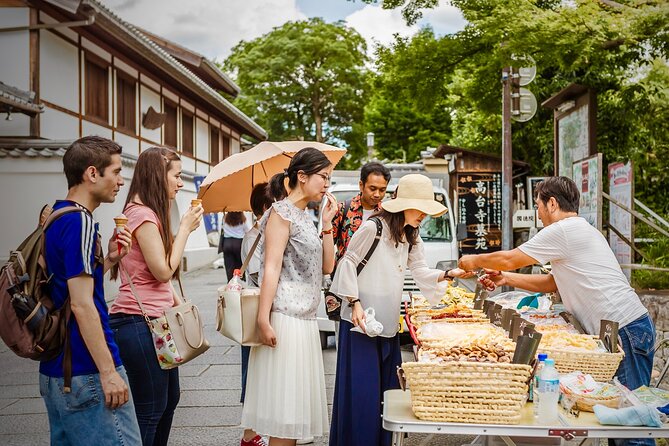
This is not a fixed restaurant crawl with a printed menu. It is a private walking experience built around conversation, local food, and your preferences.
Before or at the start of the tour, you can make clear what interests you. You might want classic Kyoto vegetables, casual street food, ramen, grilled beef, sushi, sweets, coffee, or local drinks. If you are traveling with teenagers or family members who do not all like the same things, the private format gives your host room to adjust.
That flexibility is the central reason to book. A guide such as Michael may lead you toward tempura, yakitori, sushi, and dessert, while another host may focus on ramen and different kinds of sake. The experience is designed to give you a taste of several foods rather than fill you with one large meal.
The three-hour length is useful on a first day in Kyoto. You get food, neighborhood orientation, and practical advice in one outing. It also leaves time for a larger dinner afterward, though six to eight samples can add up quickly.
A few more Kyoto tours and experiences worth a look

Starting at Nishiki Market before 4 p.m.
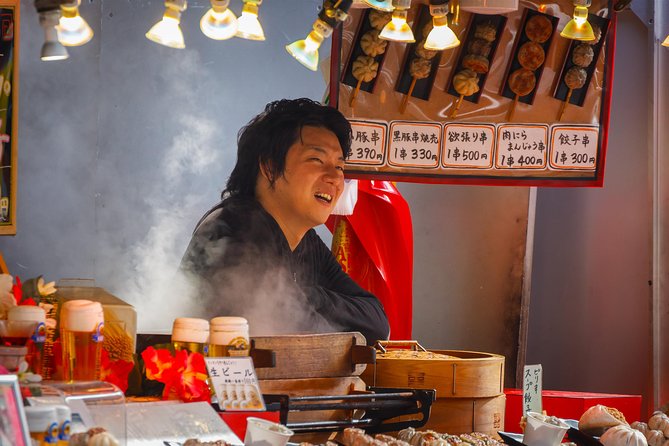
Nishiki Market is the clearest food anchor on the route. This long-standing market is known for Kyoto specialties and small bites, making it a sensible place to begin if you want to understand the city through its food.
Here, your host can help you make sense of the many stalls and decide what is worth sampling. The included tastings may range across several styles of food, depending on your preferences and the host’s choices. One described combination included tempura, yakitori, sushi, and dessert, which gives you an idea of the range possible in a short visit.
The biggest practical point is opening time. Nishiki Market is listed as open from 9 a.m. to 4 p.m., so book a morning or early afternoon start if the market is important to you. An evening tour cannot rely on the same market experience, and the personalized route may shift to restaurants and entertainment districts instead.
Nishiki can also be a place where expectations need managing. A market visit is not the same as a private kitchen visit or a behind-the-scenes chef experience. You are tasting food in public market settings and nearby shops. If you want a deep technical lesson in cooking, say so before the tour, and understand that the advertised experience focuses on eating and neighborhood guidance.
Shijo Dori and the city between stops
Shijo Dori is included as a pass-by point rather than a formal attraction stop. That may sound minor, but it helps connect the market area with Kyoto’s central food districts.
A private host can use this part of the walk to explain how the central shopping and dining areas fit together. You can also ask for help finding coffee shops, casual restaurants, or places to return to later. Several guides have offered restaurant suggestions near a guest’s hotel or in Osaka, which adds value beyond the three-hour route.
Do not expect every minute to be packed with tastings. Walking between stops is part of the experience, and the exact amount of sightseeing or food talk will depend on your host. Alex, for example, was praised for giving a quick but thorough introduction to Kyoto’s history while showing guests around the city.
That makes this a good choice if you want more than a list of dishes. It is less ideal if you want nonstop eating from the first minute to the last.
Gion after dark, with izakaya options
The route may continue into Gion, Kyoto’s famous geisha district. Lantern-lit izakaya, narrow streets, and evening activity give this section a different feel from Nishiki Market.
The food focus here is likely to be more restaurant-based. You might finish with Kyoto specialties, a draft beer, or small dishes in an intimate izakaya. The experience can also include an introduction to Japanese dining customs and terms such as kaiseki, the formal multi-course style of cooking associated with seasonal ingredients and careful presentation.
This is one of the strongest reasons to consider an evening departure. Gion makes more sense after dark, and an izakaya stop gives you a chance to sit down and ask questions while trying local food.
Still, Gion is not guaranteed on every booking. The route is personalized, and the places visited can change. If Gion is a priority, tell the provider when arranging your experience rather than assuming it will appear automatically.
Ramen, gyoza, yakiniku, and local neighborhood food
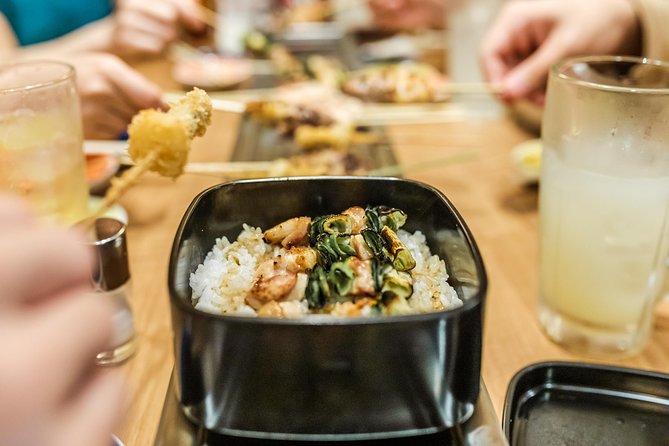
Another possible section takes you through a local-loved area lined with places serving ramen, gyoza, yakiniku, and food at casual izakaya. This is the part of the experience that may appeal most to visitors who want ordinary Kyoto eating rather than formal dining.
Ramen and gyoza are easy choices for a quick, satisfying tasting. Yakiniku, or grilled beef, offers a different kind of meal, though a full yakiniku dinner could be more substantial than a small sample. Fancy izakayas may provide a more polished setting, while casual shops keep the focus on everyday food.
Your host’s role matters here. Nisa was praised for taking guests to places they would not have found on their own, while Michael was credited with choosing restaurants that suited a family with two teenagers. Those details point to the best use of the private format: tell your host what you enjoy, what you avoid, and how adventurous your group wants to be.
If you are vegetarian, have allergies, or need a specific style of food, communicate that clearly in advance. The supplied details confirm personalization based on food preferences, but they do not promise a fixed allergy-safe menu or a particular number of vegetarian choices.
A few more Kyoto tours and experiences worth a look
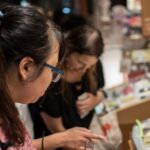
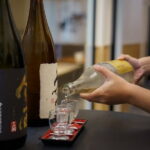
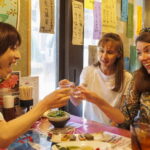
Obanzai and Kyoto’s vegetable tradition
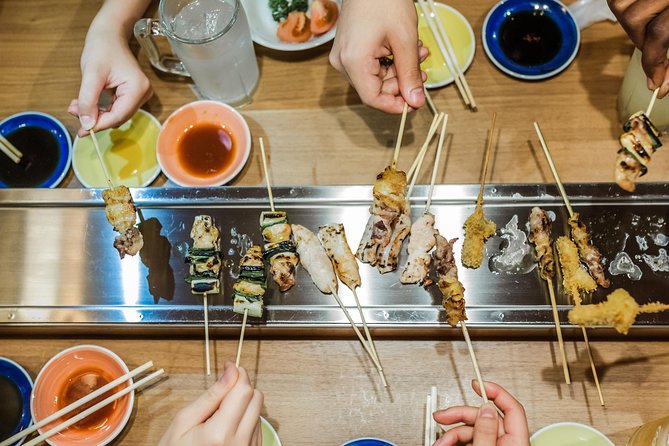
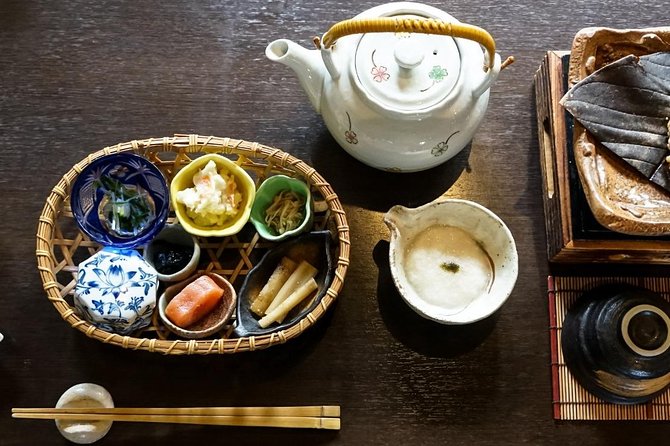
Obanzai is another possible food stop. These are traditional Kyoto-style vegetable dishes, often served as small plates. For anyone who thinks Japanese food begins and ends with sushi, ramen, and tempura, obanzai offers a more local and less obvious direction.
The value of trying obanzai is not only the taste. It helps show how Kyoto cooking can be tied to seasonal produce and simple, carefully prepared dishes. Your host can explain the food in context and point out how it differs from the more familiar dishes found in tourist-oriented restaurants.
This is also a useful request for vegetarians or anyone who wants lighter food. The exact dishes and venue are not specified, so treat obanzai as a possible focus rather than a guaranteed course.
Ending by the Kamo River with a drink
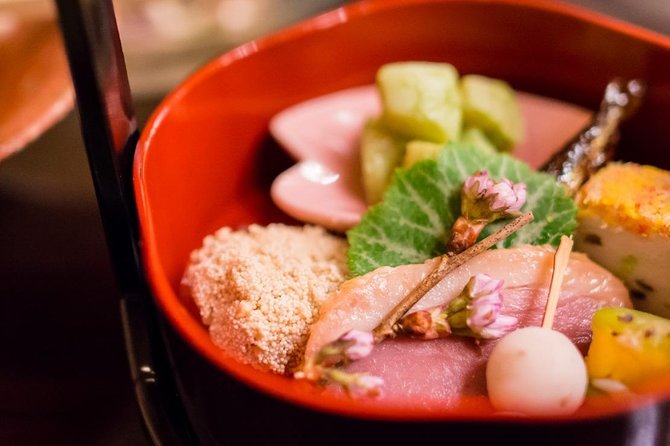
The Kamo River may provide the closing scene. With your host, you can watch the sunset while having a cold beer. A simple riverside pause can be a pleasant way to finish a food walk, especially after several samples and plenty of city streets.
The included drink may be sake, wine, beer, or a soft drink. That gives you some choice, but it does not cover extra drinks or food beyond the six to eight tastings. If your group wants a full dinner or several rounds, budget for that separately.
The river ending is also weather-dependent in practical terms, even though the experience can continue in poor weather. One family enjoyed the tour in cold rain, but you should still wear comfortable shoes and bring suitable clothing. This is a walking experience, not a vehicle-based food tour.
What the private guide adds
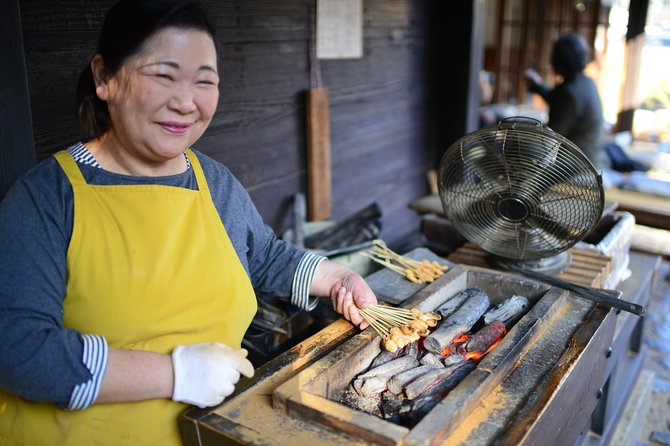
The guides are the heart of this experience. Cici has been praised for her English, warmth, and ability to connect food with Kyoto culture and history. Toga was described as punctual, friendly, and good with a family even in cold rain. Alex has been appreciated for food explanations, city background, and restaurant suggestions.
Justin received especially strong praise for making an evening in Kyoto feel special after a day of sightseeing. Anna was also singled out for a fun evening in the city. Guide assignments can change, so you should not book on the assumption that one particular person will lead your tour unless the provider confirms it.
The private setup means your host’s undivided attention belongs to your group. You can ask why a dish is served a certain way, how to order at an izakaya, or where to eat tomorrow night. That conversation is hard to get on a large group tour.
The tradeoff is inconsistency. A private experience is only as strong as the match between your host and your expectations. Most of the available feedback is very positive, but one guest found the food portion too thin and expected more unusual restaurants, chef insight, and special access. Set your expectations correctly: this is a personalized food walk, not a culinary school or kitchen tour.
Is $245.15 per person a fair price?
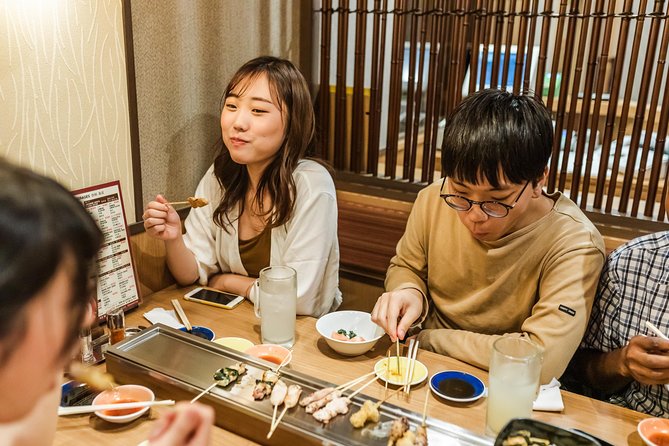
At $245.15 per person, this is not a cheap way to grab snacks in Kyoto. You are paying for a private host, three hours of planning and company, six to eight tastings, one included drink, and advice tailored to your group.
The price makes more sense for couples, families, or small groups who value flexibility. A private host can avoid foods that do not suit your group and keep the pace comfortable. Group discounts may also help reduce the per-person cost, so check the final price for your party.
The value is weaker if you mainly want a large dinner or a fixed list of famous restaurants. You will pay extra for personal attention, and additional food, drinks, transportation, attraction tickets, and gratuities are not included.
I would view the tour as a first-day orientation with edible rewards. Use it to learn what you like, ask where to eat later, and get comfortable with Kyoto’s food customs. That makes the price easier to justify than treating it as a three-hour meal.
Timing, meeting point, and practical details
The standard meeting point is Matsumoto Kiyoshi Kyoto Shijo Kawaramachi at 103-2 Hashimotocho, Shimogyo Ward. The experience ends back at the meeting point.
A hotel meet-up is available on request for a central location. Transportation costs are not included, but your host can suggest public transport or private taxi options if walking the full route does not suit you.
Most people can participate, and service animals are allowed. This is a private activity for your group only. Confirmation is received at booking, and free cancellation is available up to 24 hours before the start time. Changes or cancellations inside that window are not accepted for a refund.
Because the walk can include markets, shopping streets, neighborhoods, and riverside areas, comfortable footwear is a smart choice. If Nishiki Market matters to you, schedule before 4 p.m. If Gion and an izakaya matter more, an evening start may fit better.
Who should book this Kyoto food walk?
I would recommend it to first-time Kyoto visitors who want a friendly introduction to local food without spending days researching restaurants. It also fits families, since the guide can adjust choices for different tastes, and the experience has worked well for teenagers.
It suits you if you like conversation, small samples, neighborhood walking, and the freedom to shape the route. It is especially useful early in a trip, when restaurant advice can guide the rest of your stay.
I would hesitate if you want a serious chef-led food class, a guaranteed list of exclusive restaurants, or a formal kaiseki meal. I would also think twice if your priority is maximum food quantity for the lowest price.
Should you book it?
Book this tour if you want private guidance and flexible tasting, especially on your first day in Kyoto. Ask in advance for the foods and districts you care about, and choose your start time based on Nishiki Market or Gion.
Skip it if you expect a tightly planned culinary showcase with behind-the-scenes access. The experience can be excellent with a strong host such as Cici, Michael, Nisa, Alex, Toga, Anna, or Justin, but the flexible format means the final route and depth of food discussion can vary.
FAQ
How long does the Kyoto private food tour last?
The experience lasts approximately three hours.
How many food tastings are included?
You receive six to eight tastings of local food specialties.
Is a drink included?
Yes. One glass of sake, wine, beer, or a soft drink is included.
Is this a private tour?
Yes. Only your group participates, and you have the host’s attention during the experience.
Does the tour visit Nishiki Market?
Nishiki Market is a listed possible stop. It is open from 9 a.m. to 4 p.m., and the exact places visited can change because the experience is personalized.
Can the food route be adjusted to my preferences?
Yes. The experience is personalized around your food preferences. You should share important preferences or restrictions when arranging the tour.
Where does the tour start and end?
The standard start point is Matsumoto Kiyoshi Kyoto Shijo Kawaramachi at 103-2 Hashimotocho, Shimogyo Ward, Kyoto. The activity ends back at the meeting point.
Are transportation and extra food included?
No. Transportation costs and any food or drinks beyond the included tastings and one drink are extra. Gratuities are optional.
More Private Tours in Kyoto
More Food Experiences in Kyoto
More Kyoto Food Tours in Kyoto
More tours in Kyoto we've reviewed


Kyoto Food Tours, compared.
 ★ 5.0Kyoto Night Foodie Tour in Gion (9+ dishes + 6 Sake tastings)From $163
 ★ 5.0Nishiki Market Brunch Walking Tour (7 Tastings + Brunch)From $68
 ★ 5.03-Hour Kyoto Insider Sake Brewery Tour with Tastings & PairingsFrom $84
 ★ 4.6Kyoto Night All-Inclusive Eats and Streets, Gion and BeyondFrom $101
 ★ 4.5Kyoto Nighttime All-Inclusive Eats and Streets, Gion and BeyondFrom $119
 ★ 5.0Kyoto Foodie Night TourFrom $102