
Reviewed · GUIDED
Kyoto: Personalized Guided Private Tour
Kyoto’s great strength is also its problem: the sights are spread across town. This private six-hour tour lets you link distant places such as Fushimi Inari and Kinkaku-ji without spending your day puzzling over routes, while your guide adjusts the plan to your interests and pace.
I like the personal format, and I like that you can ask for more than the usual temple checklist, such as a quieter temple, calligraphy, a miniature garden, a traditional wooden machiya street, or a Japanese meal. The trade-off is simple: admission fees, lunch, and your own transportation costs are extra, and the quality of explanation may depend on the individual guide assigned.
In This Review
- Key points before you book
- Why a private Kyoto day can make sense
- Fushimi Inari and the red gate climb
- Kiyomizu-dera and Kyoto from the hillside
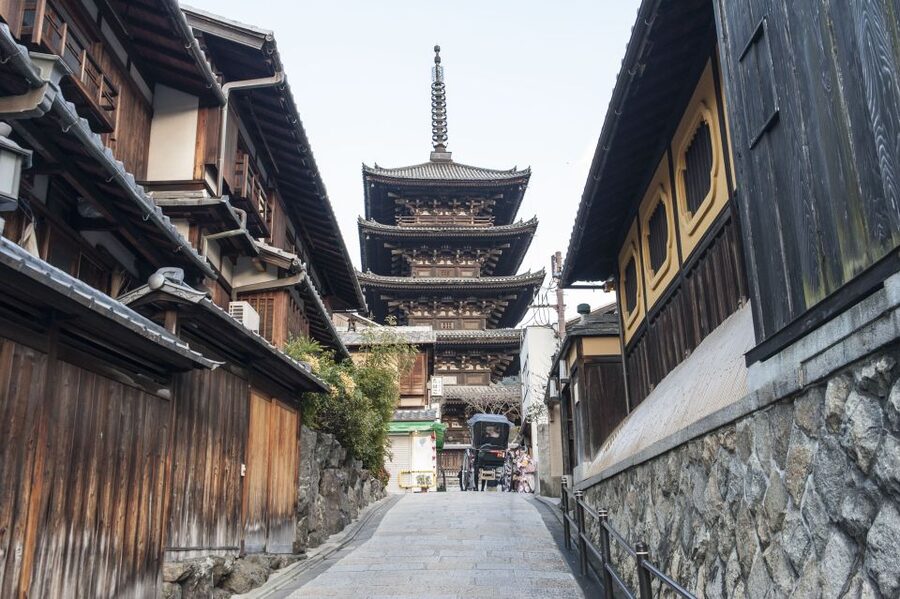
- Gion, machiya houses, and old Kyoto streets
- Kinkaku-ji, Kyoto’s Golden Pavilion
- The value of a guide who listens
- Walking, trains, and the real pace of six hours
- Who will get the most from this tour
- Should you book the Kyoto private tour?
- FAQ
- How long does the private Kyoto tour last?
- How many attractions can I visit?
- Which Kyoto sights can I request?
- Is hotel pickup included?
- Are transportation and entrance fees included?
- Which languages are available?
Key points before you book
- Three or four major stops in six hours: Your guide sets the pace, so you can focus on fewer places or cover more ground.
- Fushimi Inari’s thousands of red torii: Expect one of Kyoto’s most memorable walks, with the option to decide how far you want to go.
- A private route through Gion: You can see traditional machiya houses and learn about Kyoto’s famous geisha district.
- Flexible guide matching: English, French, Spanish, and German are offered, though less common languages may be harder to arrange in busy months.
- Public transit with local help: The guide’s transportation is included, but you pay your own fares and entrance fees.
- Strong personal service, with some variation: Guides such as Taeko, Yoko, Toshi-san, and Keiko have received especially warm praise, but one account found the commentary too brief.
Why a private Kyoto day can make sense
At $459 per group up to one person, this is not a bargain-priced sightseeing walk. The wording of the price is unusual, so I would confirm the final cost for your party before paying. If the rate applies to a private booking rather than a single individual, the value improves for a small group, since you are buying time, planning, and personal attention rather than a seat on a standard bus tour.
The main benefit is control. You can tell the guide that temples matter most, that you want food and daily life, or that you would rather avoid trying to cram in every famous site. A guide can also reshape the day if you are moving more slowly than expected, want a break, or decide that one place deserves more time.
A private guide is useful in Kyoto because the city does not arrange itself into a neat sightseeing line. Fushimi Inari is in the south, Kiyomizu-dera sits east of the central area, Gion lies nearby, and Kinkaku-ji is far to the northwest. You will walk and use public transportation, so having someone handle the route can save time and reduce stress.
Still, six hours goes quickly. The more places you request, the less time you will have for detailed stories, quiet pauses, or wandering side streets. One booking that covered only three sights found there was enough spare time for more, but the explanations felt brief. I would tell your guide at the start that you prefer fewer stops with fuller context if that is your priority.
Other guided tours in Kyoto

Fushimi Inari and the red gate climb
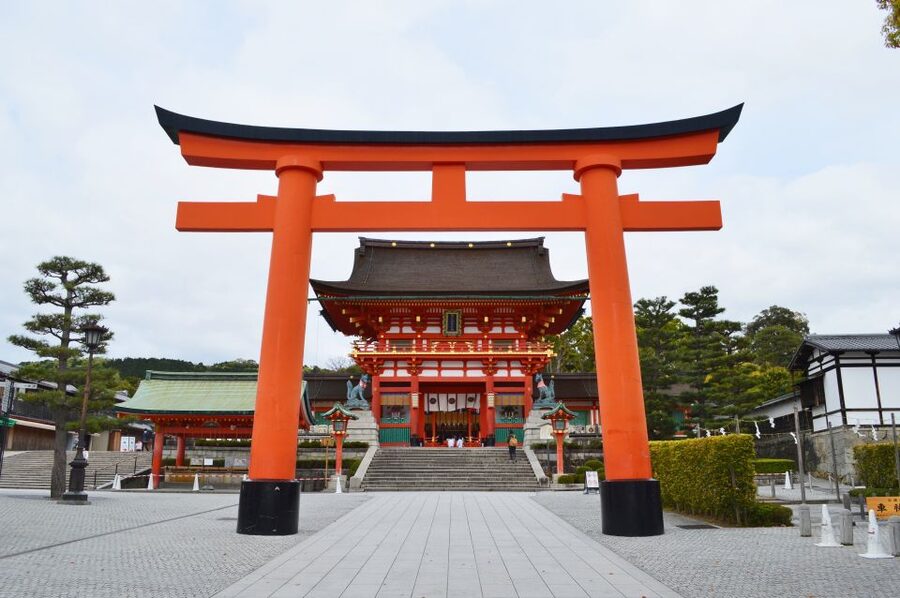
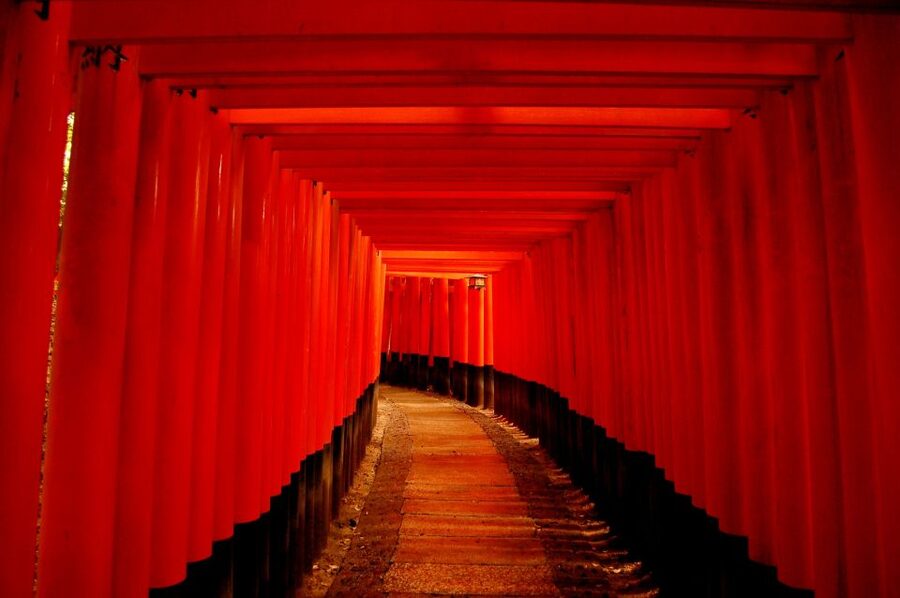
Fushimi Inari is one of Kyoto’s clearest visual experiences. Thousands of vermilion torii gates rise along the wooded paths of Mount Inari, creating a long corridor that changes as you climb.
You do not need to walk the entire route to understand why the shrine matters. Your guide can help you decide how far to go, which is useful if you want to protect time for Kiyomizu-dera and Gion. Comfortable shoes are essential, and the slopes make this the most physically demanding stop in many versions of the day.
The shrine is free to enter, but you should expect walking on uneven or inclined paths. The atmosphere changes as you move away from the busiest entrance area, though the tour description does not promise a fixed length of walk or a particular stopping point.
This is a good place to ask questions about Shinto customs, the meaning of the gates, and the fox figures associated with Inari. The tour information does not guarantee a set lecture, so be direct. A simple request for more history and local detail can make the stop much more rewarding.
Kiyomizu-dera and Kyoto from the hillside
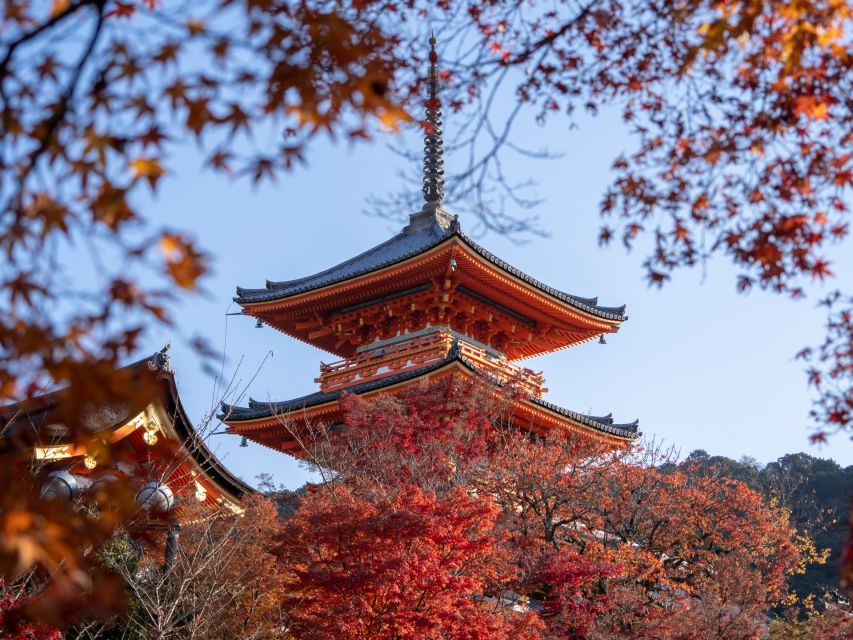
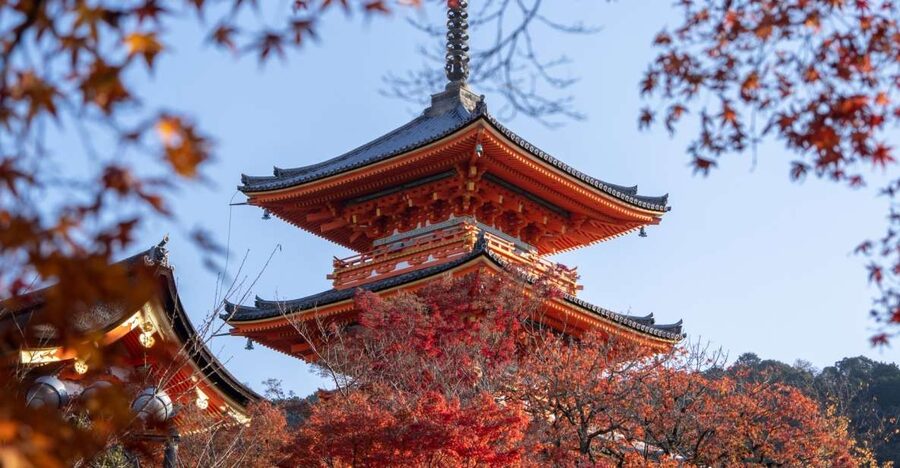
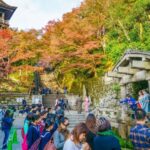
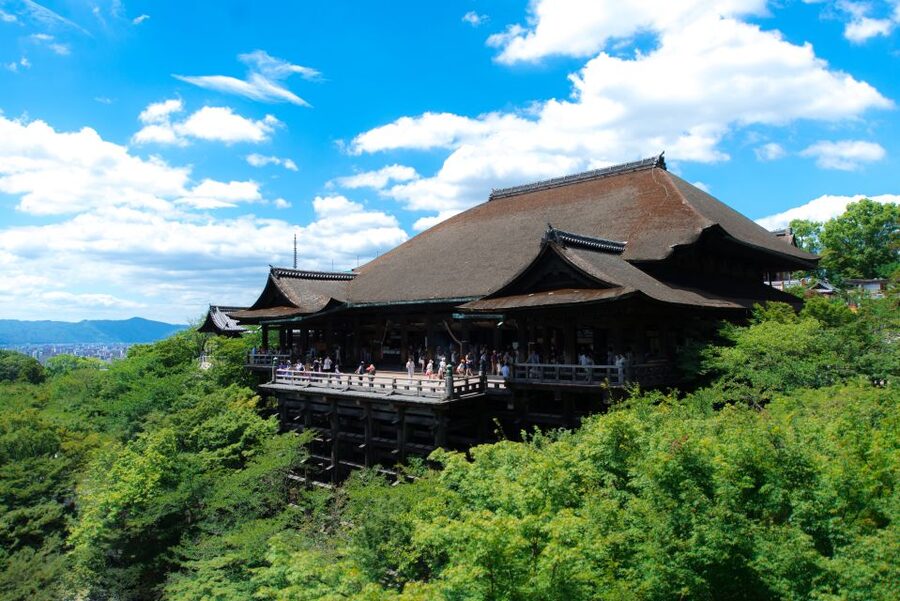
Kiyomizu-dera is one of Kyoto’s UNESCO World Heritage sites, famous for its large wooden veranda extending from the mountainside. From here, you get one of the city’s best elevated views, especially when the weather is clear.
The temple is more than a photo stop. Its position on the hillside gives the visit a sense of place, and the approach leads through streets filled with traditional-style buildings and shops. You will likely encounter crowds, particularly during the busy periods from March through May and September through November.
The guide can explain what you are seeing and help you manage the timing. Entrance fees are not included for you or the guide, so keep extra money available. The guide’s admission may be free at most sightseeing sites, but that is not promised for every place.
I would make Kiyomizu-dera a priority if this is your first time in Kyoto. The broad view, historic setting, and connection to the old eastern district give you more than a single temple interior. If you want a slower visit, say so before the itinerary grows to four stops.
Gion, machiya houses, and old Kyoto streets
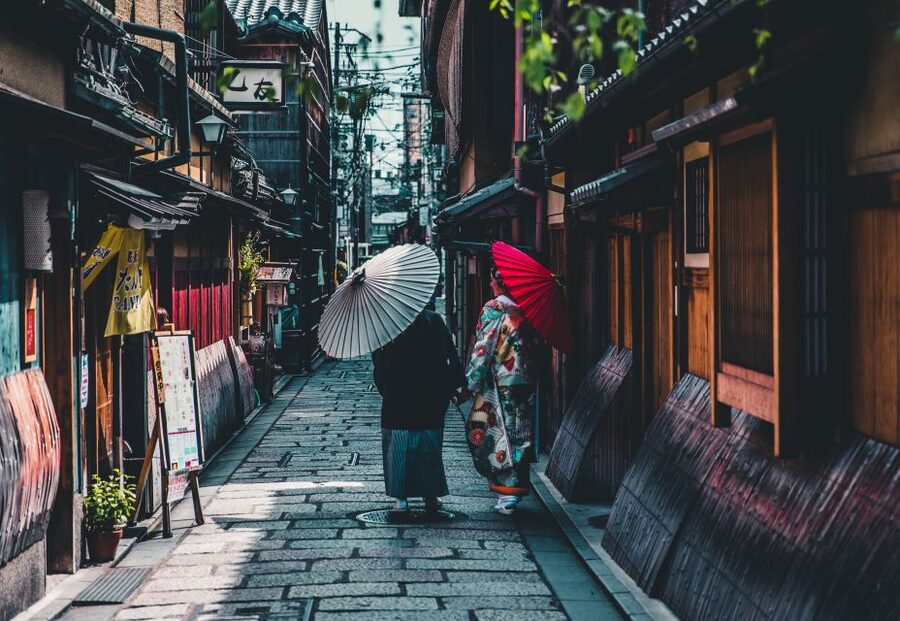
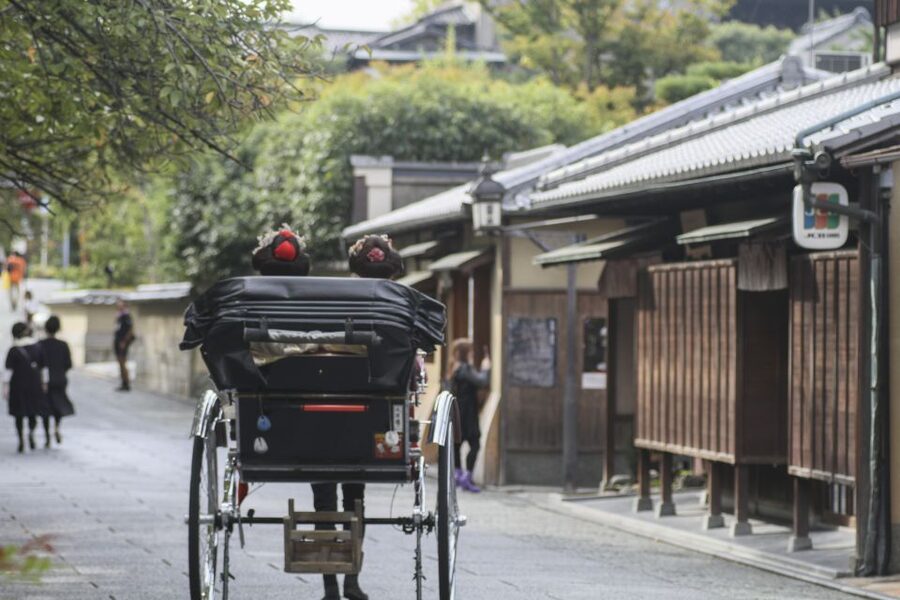
Gion is Kyoto’s best-known geisha district, but it is easy to reduce it to a search for painted faces and camera opportunities. A good guide can help you see the district as a place of traditional wooden machiya merchant houses, narrow lanes, restaurants, and continuing local customs.
The tour emphasizes narrow backstreets, which may be the most personal part of the experience. You can look beyond the main route and notice the proportions of the old houses, the quiet entrances, and the way commercial and residential life sit close together.
Keep your expectations sensible. No specific geisha encounter is promised, and respectful behavior matters. Gion is a working neighborhood, not a stage set. Your guide can provide cultural context, but you should avoid treating residents or performers as photo subjects.
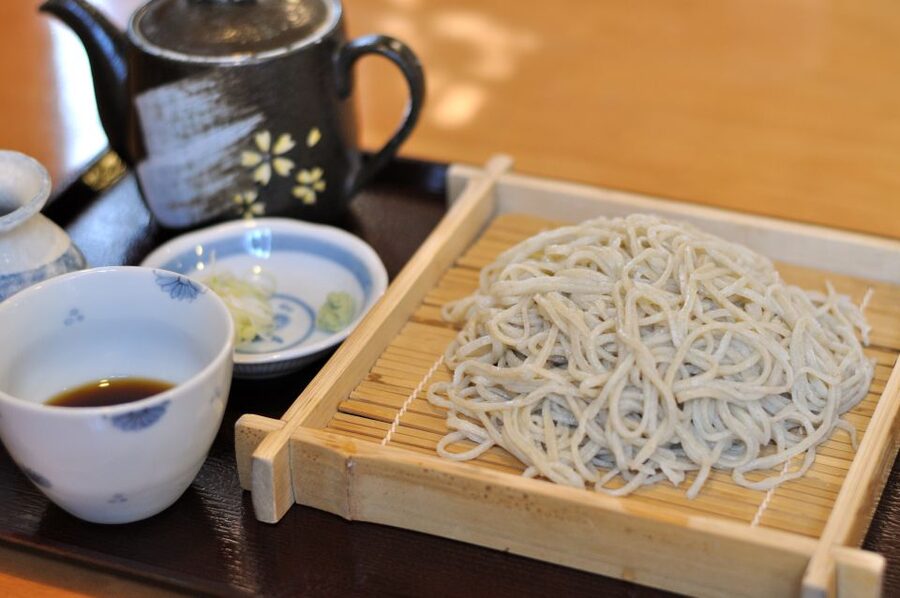
Gion also gives you a natural chance to discuss food. If you are interested, the guide can help you try a Washoku Japanese restaurant or stop for green tea. Lunch is not included, and the exact restaurant is not specified, so ask early if a meal is important to you. A food stop uses part of your six hours, but it may suit you better than squeezing in a fourth temple.
Kinkaku-ji, Kyoto’s Golden Pavilion
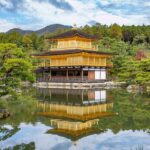
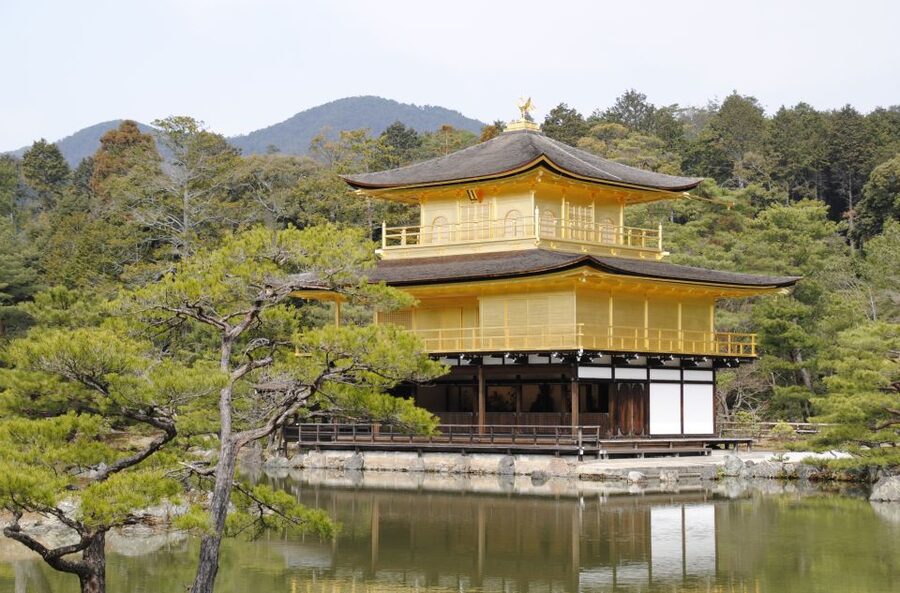
Kinkaku-ji, commonly called the Golden Pavilion, is one of Kyoto’s defining sights. Its gold-covered exterior makes it instantly recognizable, and the temple is set beside a pond that frames the building from the main viewing route.
This is usually a quick, focused visit rather than a long exploration. The famous view is the point, and crowds can make it difficult to linger exactly where you want. Your guide can explain the site and keep the stop connected to the rest of your day.
Kinkaku-ji is also the clearest example of the tour’s time problem. Pairing it with Fushimi Inari means crossing much of Kyoto. That is manageable with a guide who knows the public transit route, but every transfer takes time and your own fares are extra.
If you have already seen Kinkaku-ji or care more about quieter places, ask for a replacement. The tour is designed around your interests, and one particularly successful itinerary included a peaceful temple, calligraphy, and miniature garden work instead of sticking only to the headline attractions.
Other private tours in Kyoto
The value of a guide who listens
The best part of this experience is not simply reaching four famous addresses. It is the chance to shape the day around what you actually want to understand.
Guides named Taeko, Yoko, Toshi-san, and Keiko have all been singled out for warm service, flexibility, or strong explanations. Taeko was praised for fitting major sights into six hours, helping with the route back to Kyoto Station, and showing personal hospitality. Yoko was described as kind and clear at each place. Toshi-san was praised for his knowledge, while Keiko handled sights on opposite sides of town and supplied useful context.
Those examples point to what you should request when booking: a guide who explains culture, not just directions. One account found the guide more of an escort than a full explainer, with too little history and too few curiosities. That is an important warning for anyone choosing a private tour mainly for interpretation.
At the beginning, tell your guide:
- How many places you want to see
- How much history and cultural explanation you prefer
- Whether you want food, tea, shopping, or quiet time
- If stairs are difficult for you
- Whether you want to return to your hotel or finish at Kyoto Station
This small conversation can change the feel of the day. You are not locked into a fixed group schedule, so use that freedom.
Walking, trains, and the real pace of six hours
Hotel pickup is included, and you should wait in the lobby at the scheduled time. From there, expect a mix of walking and public transportation. The guide’s public transportation fee is covered, but you pay your own fares.
Some stations have few elevators or escalators. If you prefer to avoid stairs, tell the guide in advance or at pickup. This matters not only underground but also at temples, where hills, steps, and uneven surfaces are common.
Rain does not cancel the tour. Bring comfortable shoes and plan for changing conditions. An umbrella is not specifically listed, so you should ask what is provided rather than assume.
The tour’s private format helps with pace, but it does not remove Kyoto’s crowds or transit time. In high-demand months, especially March through May and September through November, book early. French, Spanish, and German guides may have limited availability during those periods.
Children under five can participate free of charge. Travel insurance is strongly recommended, since the guide is not responsible for illness, injury, theft, loss, or related damage during the service.
Who will get the most from this tour
I would choose this experience if you have one day in Kyoto and want help making sensible choices. It is particularly useful for first-time visitors, families who need a flexible pace, and anyone uneasy about connecting distant temples by train and on foot.
It also suits you if you want to combine famous sights with something less standard. Ask for a quieter temple, traditional craft activity, green tea, or a short food-focused detour. The calligraphy and miniature garden experiences described in one itinerary show the kind of personal adjustment that can make a private day feel less generic.
I would think twice if you enjoy planning every train and temple yourself, or if you want a full historical lecture at every stop. You will pay extra for the guide, lunch, transport, and admissions, and the amount of detail can vary. Independent visitors who are comfortable with Kyoto’s transit system may prefer to spend that money on several separate admissions or a special meal.
Should you book the Kyoto private tour?
Book it if flexibility and human guidance matter more to you than the lowest possible price. The guide can connect distant areas, adapt the route, help with public transportation, and bring daily Kyoto into the picture through machiya streets, tea, food, and local customs.
Before booking, confirm the price for your group, request your preferred language, and explain that you want substantial commentary rather than simple accompaniment. If you do that, this can be a smart six-hour introduction to Kyoto, especially when you want Fushimi Inari, Kiyomizu-dera, Gion, and Kinkaku-ji without spending your day managing logistics.
FAQ
How long does the private Kyoto tour last?
The tour lasts six hours, with starting times available based on the schedule you select.
How many attractions can I visit?
You can visit three or four attractions, depending on your pace and the route chosen with your guide.
Which Kyoto sights can I request?
Possible sights include Fushimi Inari Shrine, Kinkaku-ji or the Golden Pavilion, Kiyomizu-dera, and Gion. You can also discuss quieter temples, traditional activities, green tea, or a Washoku restaurant.
Is hotel pickup included?
Yes. Hotel pickup is included, and you should wait in your hotel lobby at the scheduled pickup time.
Are transportation and entrance fees included?
The guide’s public transportation fee is included. Your own transportation, lunch, and entrance fees for you and the guide are not included. Most sightseeing sites are free for the guide, but this is not guaranteed for every site.
Which languages are available?
Live guiding is available in English, French, Spanish, and German. During March through May and September through November, French, Spanish, German, and other less commonly requested languages may have limited availability.
More Private Tours in Kyoto
More Guided Tours in Kyoto

More tours in Kyoto we've reviewed










Guided, compared.
 ★ 5.0Kyoto Early Morning Tour with English-Speaking GuideFrom $68
 ★ 5.0Kyoto 6hr Private Tour with Government-Licensed GuideFrom $155
★ 4.9Kyoto: Early Morning Tour with English-Speaking GuideFrom $1015h 30m
★ 5.0Kyoto 6hr Private Tour with Government-Licensed GuideFrom $155
★ 4.9Kyoto: Early Morning Tour with English-Speaking GuideFrom $1015h 30m
 ★ 4.7Kyoto: Nijo-jo Castle and Ninomaru Palace Guided TourFrom $161 hour
 ★ 4.9Kyoto: Izakaya Bars Guided Walking TourFrom $253 hours
 ★ 5.0Kyoto Gion Night Walk & Geisha District Guided TourFrom $18