
Reviewed · OSAKA & HIROSHIMA DEPARTURES
Tour in Kyoto with a Certified Guide Pick up from Osaka Port
Kyoto’s biggest draw here is the sheer number of famous sights packed into one day from Osaka Port. You can see Kiyomizu-dera, Nijo Castle, Gion, Fushimi Inari, Kinkaku-ji, Arashiyama, and more without planning a web of train routes yourself. The guide handles the transport, and the tour promises a return to the port in time for your ship.
I like two things right away: the flexible format, which lets you adjust the day to your interests and available time, and the chance to use Kyoto’s public transport with local help. Guides named Roberto, Ken, and Andrea have received praise for being informative, kind, and adaptable. You also get temple entrances, public transport, and a bullet-train ride in the package.
The drawback is serious: the schedule is extremely ambitious, and communication at the meeting point has been unreliable for some bookings. Several people waited without finding a guide, while others lost time to delayed starts, ticket purchases, and long walks.
In This Review
- Key points to know before booking
- From Osaka Port to Kyoto by train
- Kiyomizu-dera and the Higashiyama hills
- Nijo Castle and Tokugawa power
- Gion, where old Kyoto survives in narrow streets
- Nishiki Market for a quick taste of Kyoto
- Fushimi Inari’s red gates
- Kinkaku-ji, the Golden Pavilion
- Arashiyama, bamboo, and Tenryu-ji
- Ginkaku-ji and the Silver Pavilion
- Can the full itinerary fit in one day?
- Guide quality and communication concerns
- Is $170 a fair price?
- Who should book this Kyoto day?
- Should you book this tour?
- FAQ
- Where does the tour begin?
- How long does the tour last?
- Is transportation included?
- Is this a private vehicle tour?
- How many people can join?
- Are temple entrance fees included?
- Are food and drinks included?
- What is the cancellation policy?
Key points to know before booking
- Nine major Kyoto stops are listed: The route includes Kiyomizu-dera, Nijo Castle, Gion, Nishiki Market, Fushimi Inari, Kinkaku-ji, Arashiyama, Ginkaku-ji, and Tenryu-ji.
- Public transport is central: This is not a private-car sightseeing tour. You should expect trains, station transfers, and substantial walking.
- The advertised time is only six to seven hours: Seeing every stop in that window requires a fast pace and may not be realistic.
- The group is capped at eight people: That keeps the outing smaller than a coach tour, though separate bookings may affect the actual start.
- The price is $170 per person: Value depends on how many sights you reach and how much help you need with Kyoto’s rail system.
- Meeting point details matter: Pickup begins at the Tempozan Ferris Wheel in Osaka, not necessarily at your ship’s gangway.
From Osaka Port to Kyoto by train
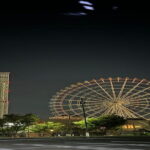
The day begins at the Tempozan Ferris Wheel, at 1-chōme-1-10 Kaigandōri in Osaka’s Minato Ward. That address is the practical starting point, so you should confirm the exact meeting spot, guide description, and start time before leaving your ship.
The tour includes public transportation and a bullet train. That can be a fun part of the day, especially if you have never used Japan’s fast, orderly rail system. It also means this experience is best for people who can walk through stations, manage stairs or platforms, and keep moving in warm weather.
Do not read pickup offered as private vehicle service. One of the clearest points to understand is that the guide may lead you through train stations and regular city transport. The included transport is useful, but it does not remove the physical demands of the route.
The operator accepts a maximum of eight people, which is a sensible size for moving through stations and narrow historic streets. Still, different couples or groups may have different start times. That has caused delays on some outings, so I would treat the published six to seven hours as an approximate range, not a guarantee of six full hours at the sights.
A few more Osaka tours and experiences worth a look

Kiyomizu-dera and the Higashiyama hills
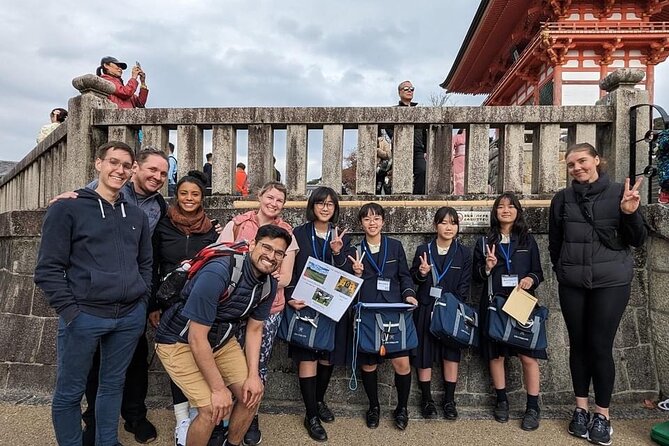
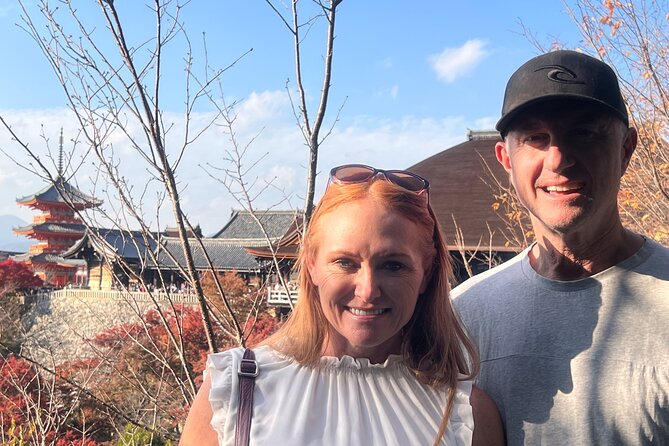
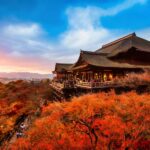
Kiyomizu-dera is one of Kyoto’s essential stops. The temple sits on the hillside above the Higashiyama district, with a broad wooden veranda and sweeping city views. The setting gives you an early taste of Kyoto’s mix of worship, architecture, and old streets.
The main hall is traditionally built without nails, and Otawa Waterfall has three streams associated with health, long life, and success in study. You may have time to see the main hall, enjoy the view, and visit the waterfall, but the one-hour allocation will feel short if the approach is crowded.
This is one of the places where a guide can add real value. A good explanation helps you understand the temple as a living religious site rather than just a photogenic wooden building. You should also expect slopes, steps, and plenty of walking around the temple approach.
Nijo Castle and Tokugawa power
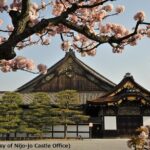
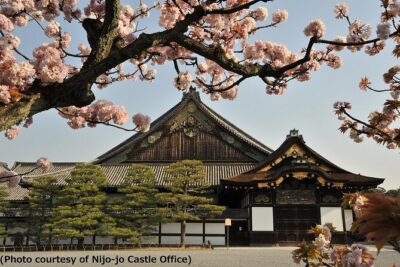
Nijo Castle changes the mood completely. Built in the 17th century for the Tokugawa shoguns, it combines formal rooms, defensive walls, moats, gardens, and remarkable interior decoration.
The castle’s famous nightingale floors chirp underfoot. They were designed to warn of unwanted visitors, turning an ordinary walk through the palace into a small lesson in security and craftsmanship. Gold-leaf decoration, painted sliding doors, and the Ninomaru Garden give the stop more detail than its one-hour visit might suggest.
Admission is included here. That is helpful because you do not need to stop and calculate another entry fee during a rushed day. If you appreciate political history, architecture, or Japanese gardens, Nijo Castle may be one of the most rewarding stops on the route.
Gion, where old Kyoto survives in narrow streets
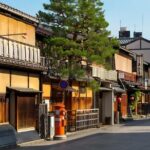
Gion is a traditional district of wooden machiya houses, teahouses, restaurants, and shops. Its narrow lanes are a sharp contrast to the broad temple grounds earlier in the day.
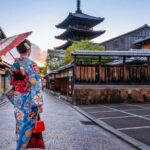
The area is associated with geisha and maiko, though you should not expect a staged encounter. The appeal is the architecture, the atmosphere, and the chance to see how Kyoto’s old entertainment quarter still functions. Gion is especially attractive later in the day, when lanterns and shop lights change the feel of the streets.
One hour is enough for a guided walk, but not enough for a leisurely meal, performance, or extended browsing. One person described the Gion portion as rushed, and that is easy to understand given the number of stops. If Gion matters most to you, ask the guide early if you can give it more time by dropping another sight.
Nishiki Market for a quick taste of Kyoto
Nishiki Market is the food stop, though the schedule gives it only 30 minutes. The covered market runs for five blocks and sells seafood, pickled vegetables, sweets, matcha products, and traditional goods.
I like the market because it gives you a look at Kyoto’s everyday food culture. You can sample something small, inspect local ingredients, and pick up a snack or souvenir. But half an hour disappears quickly, especially if the passage is crowded.
Food and drinks are not included. Bring a little spending money if you want to try anything, but do not expect a full sit-down meal here. With so little time, you will need to choose between tasting food and browsing the shops.
Other guided tours in Osaka
Fushimi Inari’s red gates
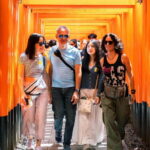
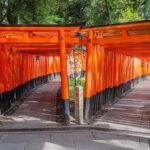
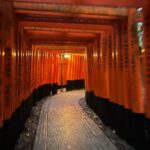
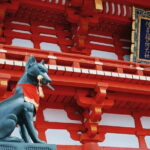
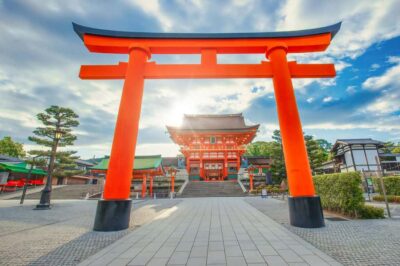
Fushimi Inari Taisha is one of Kyoto’s most recognizable sights. Thousands of vermilion torii gates lead up the wooded slopes of Mount Inari, creating a long corridor of color and shadow. Fox statues appear throughout the shrine grounds because foxes are linked with Inari, the deity of rice, prosperity, and business success.
The full route extends for several kilometers, but the itinerary allows about an hour. That is enough to walk through the lower gate tunnels and get a sense of the shrine. It is not enough to make a serious climb toward the upper sections and return without watching the clock.
Fushimi Inari is free to enter, as is much of the route. The tradeoff is physical effort. You will be walking and possibly climbing, and summer heat can change the plan. One guide adjusted the schedule and skipped a final shrine because conditions were very hot. That kind of flexibility is valuable, provided you agree on the change.
Kinkaku-ji, the Golden Pavilion
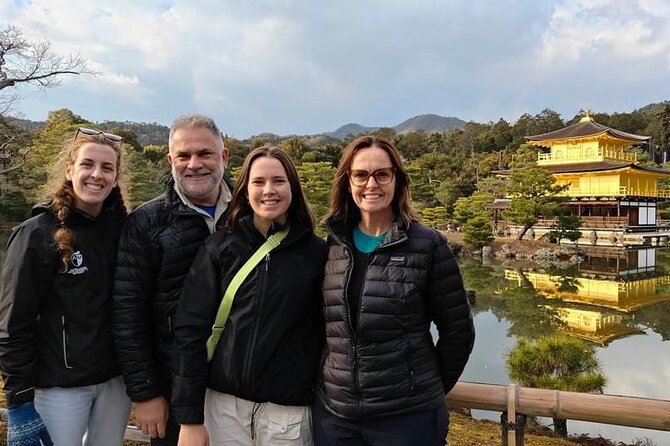
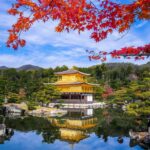
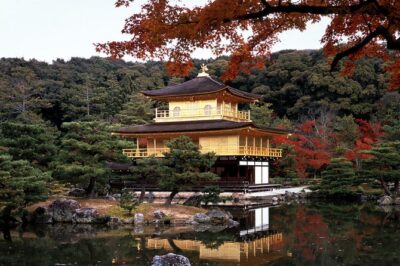
Kinkaku-ji is the stop most likely to produce an instant photograph. The upper two floors of the pavilion are covered in gold leaf and reflect in the pond below. The building began as a shogun’s retirement villa and later became a Zen temple.
The garden walk is carefully arranged, with greenery, stones, water, and additional structures framing the pavilion. Your one-hour visit should allow time for the main view and a walk through the grounds.
Admission is described as included at the tour level, though the stop details do not show a separate admission charge. Either way, confirm what is covered before departure if entrance costs are important to your budget. Kinkaku-ji is beautiful, but it is also one of Kyoto’s busiest photo stops, so do not expect quiet contemplation at every moment.
Arashiyama, bamboo, and Tenryu-ji
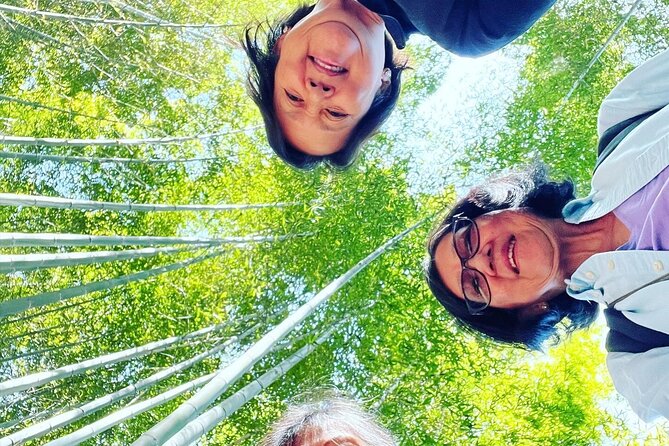
Arashiyama is a district rather than a single monument. The famous bamboo grove is a short but striking walk beneath tall bamboo stalks. The listed time is only 30 minutes, so you should think of this as a quick look rather than a full exploration of the district.
The grove has a calm visual appeal, but the short visit may feel thin if Arashiyama is high on your wish list. You will not have much time for the wider area, additional streets, or a leisurely break.
Tenryu-ji is also in Arashiyama and receives another 30-minute allocation. This Zen temple is known for its Sogenchi Garden, ponds, rocks, and seasonal plantings. Its design brings the surrounding hills into the view, while the temple buildings and artwork provide a quieter counterpoint to the bamboo path.
Admission to Tenryu-ji is included. The short visit can work if you want a sample of the temple and garden, but it is not enough for a slow, reflective visit. If you prefer gardens over collecting landmarks, ask whether Tenryu-ji can replace another stop.
Ginkaku-ji and the Silver Pavilion
Ginkaku-ji is often called the Silver Pavilion, though it has no silver covering. That gap between the name and the building is part of its charm. The temple’s restrained design and carefully kept grounds express the Zen preference for simplicity and imperfection.
The Sea of Silver Sand, a shaped sand garden, is one of the most recognizable features. Moss gardens and a hillside view add variety to the short visit. Thirty minutes gives you a quick circuit, but little time to pause.
Ginkaku-ji is listed with admission included. Since the tour already includes several paid temple sites, that can improve the value, especially if you would otherwise need to handle multiple ticket lines yourself. Still, the time pressure remains the larger issue.
Can the full itinerary fit in one day?
In practical terms, this route is too full for a relaxed six to seven-hour outing. The listed stop times add up to about six and a half hours before counting travel between Osaka and Kyoto, station transfers, ticket purchases, meeting delays, and the return to the port.
That does not make the tour useless. It means the real product is a fast overview of Kyoto, not a slow cultural day. You will see famous places, take plenty of transport, and depend on the guide to trim or reorder the plan.
Customization is explicitly offered, and that is the feature I would use most. Before setting out, choose three or four priorities. For example:
- Kiyomizu-dera, Gion, Nishiki Market, and Fushimi Inari for old streets, food, and shrine culture
- Nijo Castle, Kinkaku-ji, Ginkaku-ji, and Tenryu-ji for architecture and gardens
- Arashiyama, Fushimi Inari, Kiyomizu-dera, and Gion for Kyoto’s most recognizable scenery
This approach is more realistic than trying to give every site equal attention. It also lets you adjust for heat, mobility, or a late start.
Guide quality and communication concerns
The strongest part of the experience can be the guide. Roberto has been praised for explaining the day and looking after the group’s security. Ken has been described as personable, considerate, informative, and flexible. Andrea has been thanked for helping a group of eight manage the train and subway lines while seeing far more than they could have handled alone.
Those qualities matter here because the route is complicated. A good guide can turn confusing transfers into part of the experience and can change the plan when the weather or group pace demands it.
The weak point is meeting-day communication. Several bookings ended with people waiting at the designated location for 45 minutes or more without finding the guide. In some cases, the guide later stated that messages had been sent through the booking app, by phone, or through WhatsApp, while the customers said they had received no useful contact. The overall rating is 3 out of 5 from 14 ratings, with both excellent days and serious no-show complaints.
That is not a minor detail for a cruise-port excursion. I would save every confirmation message, verify the exact side of the Tempozan Ferris Wheel, confirm the guide’s clothing and phone number, and contact the operator again shortly before the meeting time. If communication remains unclear, contact the booking platform before leaving the ship.
Is $170 a fair price?
At $170 per person, this is not the cheapest way to see Kyoto. You are paying for a guide, temple entrances, public transport, and the planning needed to connect Osaka Port with several Kyoto districts. The bullet-train segment adds a distinctive transport experience.
The value is strongest if you are unfamiliar with Japan’s rail network, want help choosing between major sights, or have only one port day. It is also useful if a guide can keep the group moving and return you to Osaka on schedule.
The value drops if the tour starts late, spends too long buying tickets, or leaves you with only a few rushed minutes at each temple. You could see fewer places independently for less money, but you would need to plan the rail routes and watch the clock yourself.
Food, drinks, and personal expenses are extra. The tour has free cancellation up to 24 hours before the start time, but changes or cancellations inside that window are not refunded. A minimum group size is also required, and a cancellation for that reason leads to a different date or experience, or a full refund.
Who should book this Kyoto day?
I would consider this tour if you want a broad first look at Kyoto and accept a quick pace. It suits confident walkers, first-time visitors who dislike rail planning, and cruise passengers who value a guide’s help with timing.
It is less suitable if you want a private vehicle, a slow temple visit, a long lunch, or a gentle day with minimal walking. It is also a poor fit if a missed pickup would create a major cruise-day problem and the operator cannot confirm the meeting details clearly.
The best strategy is to book only after confirming the port pickup instructions and then use the customization option. Pick your must-see sites in advance. That gives the guide a workable target instead of a race through all nine stops.
Should you book this tour?
Book it for the guide support, included transport, and wide sweep of Kyoto, but do so with caution. The standout days have included warm, flexible guides who made complex trains and subways manageable. The no-show and delayed-start problems are too serious to ignore.
If the operator confirms your meeting point, guide contact details, start time, and cruise return plan, this can be a useful way to see Kyoto in a single port call. If you cannot get a clear answer before the day, choose a more dependable arrangement. At $170, you deserve both a good sightseeing plan and a reliable start.
FAQ
Where does the tour begin?
The meeting point is the Tempozan Ferris Wheel at 1-chōme-1-10 Kaigandōri, Minato Ward, Osaka, 552-0022, Japan.
How long does the tour last?
The expected duration is approximately six to seven hours.
Is transportation included?
Yes. Public transportation and a bullet-train ride are included.
Is this a private vehicle tour?
No. The experience uses public transportation, so you should expect train travel and walking rather than private-car transfers.
How many people can join?
The maximum group size is eight people.
Are temple entrance fees included?
The tour includes entrances to temples. The stop details specifically mark Nijo Castle, Ginkaku-ji, and Tenryu-ji as including admission, while several other listed stops show free admission.
Are food and drinks included?
No. Food, drinks, and personal expenses are not included.
What is the cancellation policy?
You can cancel at least 24 hours before the start time for a full refund. Cancellations or changes made less than 24 hours before the start time are not refunded or accepted.
More Guided Tours in Osaka
More Osaka & Hiroshima Departures in Osaka
More tours in Osaka we've reviewed

Osaka & Hiroshima Departures, compared.
 ★ 4.1Osaka/Kyoto:Kinkakuji,Arashiyama,FushimiInariShrine,NaraParkFrom $66
 ★ 4.5One-Day Tour of Kyoto’s Highlights from Osaka/KyotoFrom $66
 ★ 4.7Osaka/Kyoto: Hiroshima Miyajima Bus Tour & Shinkansen TicketFrom $27712 hours
 ★ 4.4Osaka/Kyoto: Arashiyama, Nara & Fushimi Inari Shrine w/LunchFrom $61
 ★ 4.3From Osaka: Sagano Train Ride and Kyoto Guided Day TourFrom $66
 ★ 4.0Kyoto and Nara Day Trip from OsakaFrom $198