
Reviewed · GOLDEN PAVILION & TEMPLE TOURS
Candlelit Zen: Evening Meditation at Kyoto’s Secret Temple
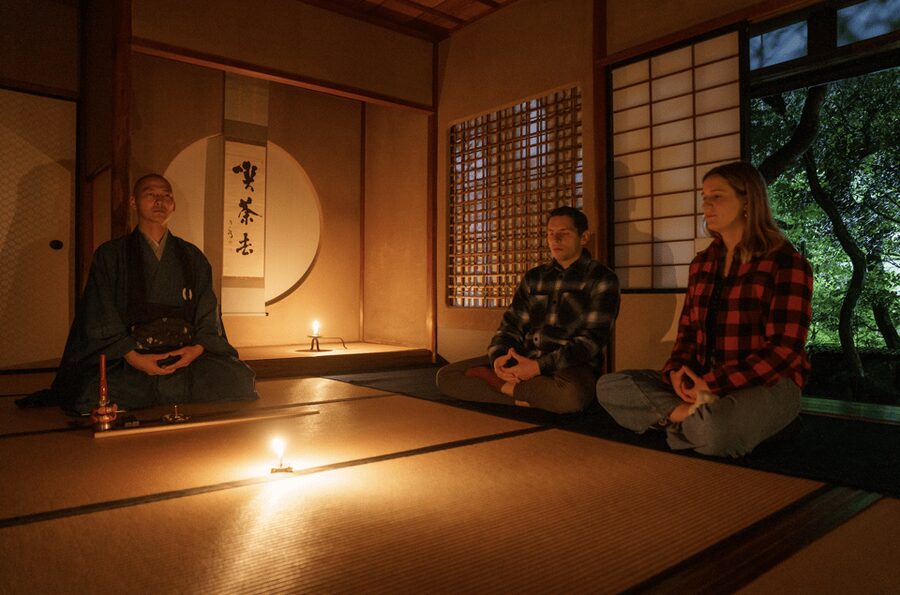
Kyoto has no shortage of temples, but this evening visit takes you somewhere most people cannot enter. At a private temple near Kodaiji Park, candlelight, quiet rooms, and a moss garden create the setting for Zazen, or seated Zen meditation. A monk explains the practice, guides your breathing, and gives you time to sit with your own thoughts.
I like two things here. First, the setting does real work. Candlelight and the garden make this feel far removed from Kyoto’s busy lanes. Second, the session is private for your group, with room for up to nine people. The main drawback is the price: $774 per group, which is a serious cost unless you fill most of the spaces.
In This Review
- Key points to know before you book
- Entering a Kyoto temple after dark
- What Zazen means in practice
- A candlelit setting that favors quiet
- Meeting the monk over tea
- Is $774 a fair price for 70 minutes?
- Who will get the most from this experience?
- A private format that works for families
- Practical details that matter in Kyoto
- How this fits into a Kyoto evening
- Should you book Candlelit Zen?
- FAQ
- How long does the Zen meditation experience last?
- Where is the meeting point?
- Is the experience held in the evening?
- Is the group private?
- Is the experience available in English?
- Can I cancel for a refund?
Key points to know before you book
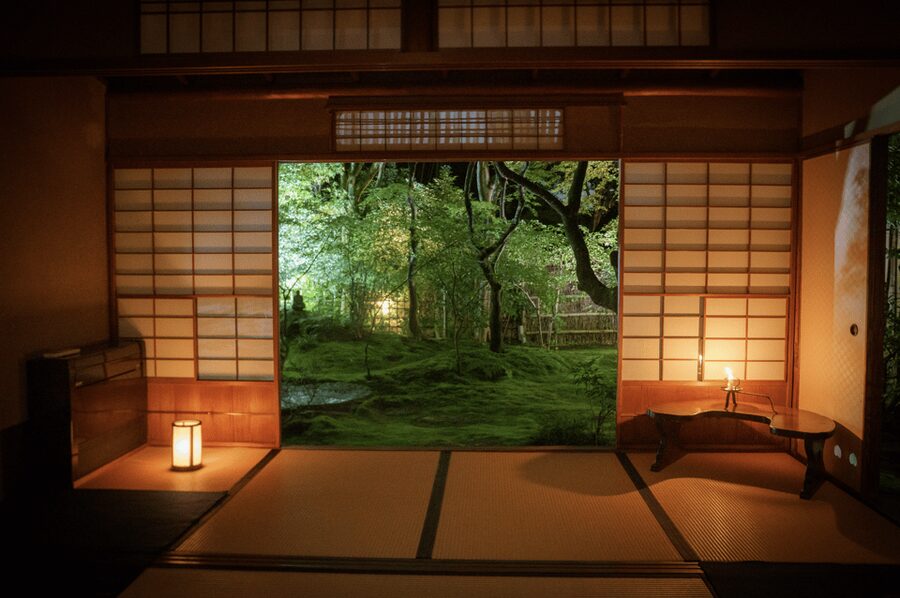
- Candlelit evening setting: The temple’s soft light and moss garden give the meditation a calm, distinctly Kyoto atmosphere.
- Direct instruction from a monk: You learn the ideas and basic techniques of Zazen, then practice them during the visit.
- Private group format: Your booking covers up to nine people, making the cost easier to justify for a family or group of friends.
- Tea and conversation included: The session ends with tea, garden views, and time to speak with the monk.
- English support: A live English-speaking guide accompanies the experience. Guide Soma has been praised for helping groups find the meeting point.
- Simple logistics, but watch the meeting point: You meet at the toilet in Kodaiji Park, on its northern side, rather than at the temple itself.
Entering a Kyoto temple after dark
The experience begins at Kodaiji Park, in the Higashiyama district. You meet at the toilet on the park’s northern side, where the guide waits for you. This is a practical detail, not a picturesque one, so read the meeting instructions carefully and allow enough time to locate the exact spot.
From there, your guide takes you to a temple that is not open to the general public. That private access is the heart of the experience. You are not simply walking through a famous temple courtyard with a crowd. You are entering a quieter religious space for a specific purpose.
The guide gives a short introduction to Japanese culture and Zen before the meditation begins. This helps place the session in context without turning the first part into a long lecture. If you know little about Zen Buddhism, you will get enough background to understand why posture, breathing, attention, and detachment matter.
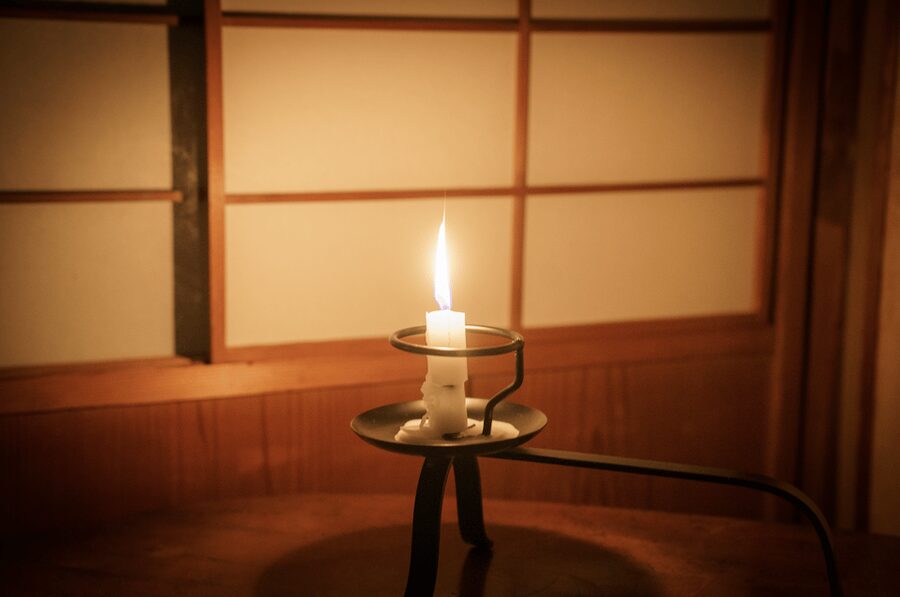
The atmosphere changes once you step indoors. The evening timing means the temple is experienced through candlelight rather than bright daytime sun. You will not get the broad sightseeing value of a standard temple tour, but you do get a setting designed for stillness.
A few more Kyoto tours and experiences worth a look

What Zazen means in practice
Zazen is seated meditation and one of the central practices of Zen Buddhism. The monk explains its principles and techniques before you try it, so you are not expected to arrive with meditation experience.
The session focuses on rhythmic breathing and attention. You are encouraged to bring your mind back to the present and to confront your thoughts without being pulled around by them. The language may sound abstract at first, but the practical part is simple: sit, breathe, notice what is happening in your mind, and return your attention when it wanders.
That simplicity can be useful. You do not need special equipment or prior knowledge. You also do not need to treat the session as a test of spiritual ability. If your mind races, that is part of what you notice during the exercise.
The monk’s presence gives the lesson more weight than a generic meditation class. You are learning a practice within a working Buddhist setting, with an opportunity to ask questions afterward. The experience is not a full course in Zen, and 70 minutes is too short for that. It is better understood as a focused introduction with time to try the practice for yourself.
A candlelit setting that favors quiet
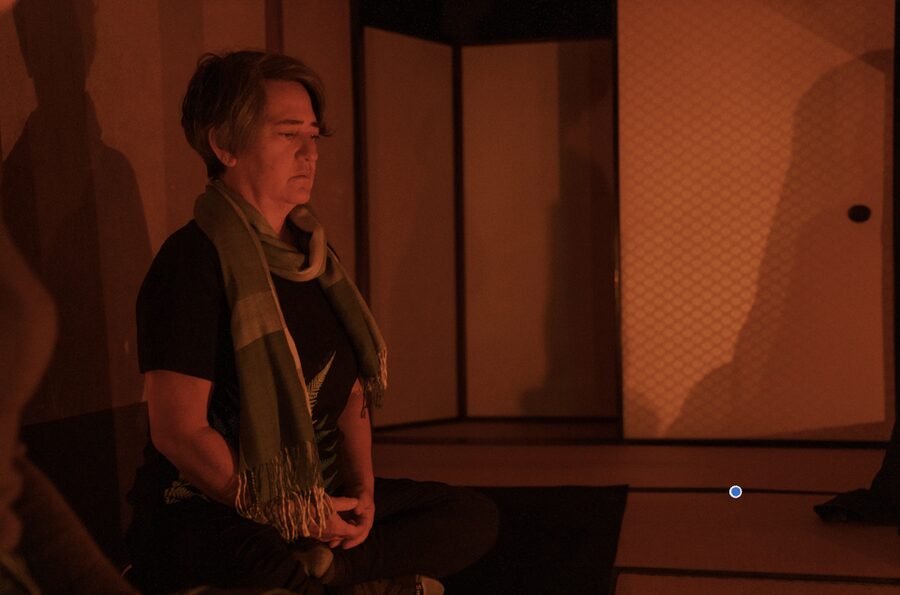
The temple’s candlelight is more than decoration. It limits visual distraction and helps mark this as an evening ritual rather than another sightseeing stop. Soft light, quiet surroundings, and the view toward the moss garden give the session a strong sense of place.
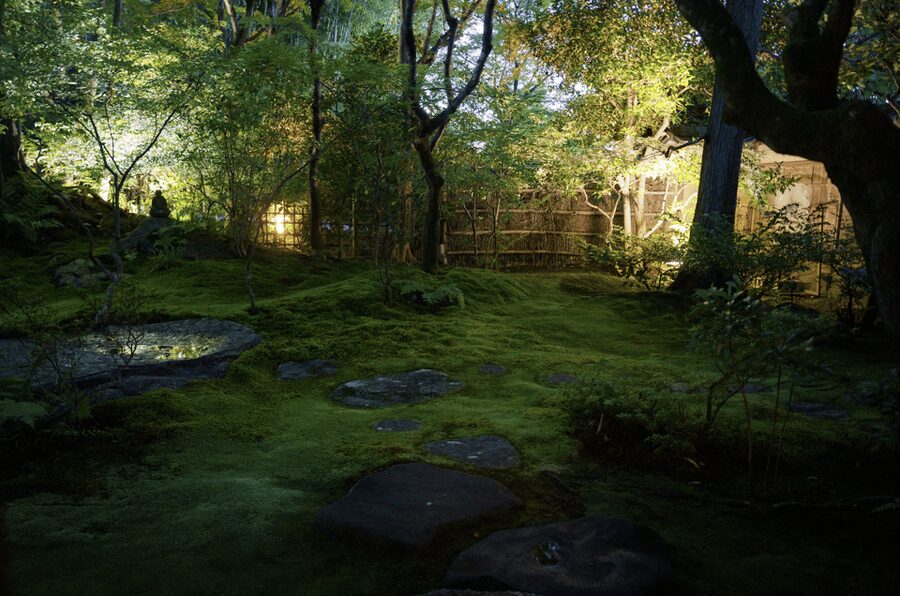
The garden is an important part of the appeal. The moss garden has drawn especially warm praise, and it provides something to look at before or after the meditation without turning the visit into a photo stop. In Kyoto, gardens often reward quiet attention, and that fits the purpose of this experience well.
Photography is allowed, including photographs inside the temple and with the monk, but flash photography is not permitted. Be respectful with your camera. The best images will likely come from the candlelight and garden rather than from trying to photograph every moment of the meditation.
Food and drinks are not allowed inside the temple. Tea comes at the end as part of the hosted experience, so do not bring snacks or plan to eat during the visit.
Meeting the monk over tea
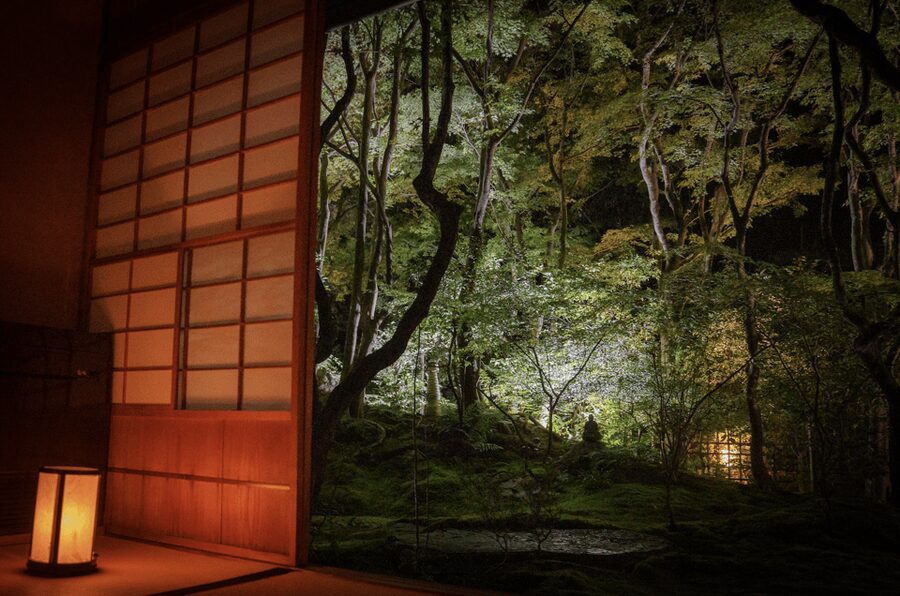
After the Zazen practice, you drink tea while looking out toward the temple garden. This closing moment keeps the experience from ending as soon as the meditation stops. You have time to shift back into conversation and ask about Zen, Japanese culture, or the practice you have just tried.
The tea ceremony here should not be confused with a long, formal tea school demonstration. The description promises tea and discussion with the monk, which makes this more of a personal closing conversation than a full ceremonial lesson. That is a strength if you want contact and explanation rather than another performance to watch.
The discussion can also help you sort out what happened during the meditation. Some people may feel calm. Others may simply notice how difficult it is to sit still and keep attention on breathing. Both reactions are useful, and the monk gives you a chance to ask about them.
The guide also remains part of the evening. Soma is specifically noted as friendly and helpful, and communication through WhatsApp has helped make meeting arrangements clear. That kind of support matters in Kyoto, where a small mistake in a park or temple meeting point can cost you valuable time.
Is $774 a fair price for 70 minutes?
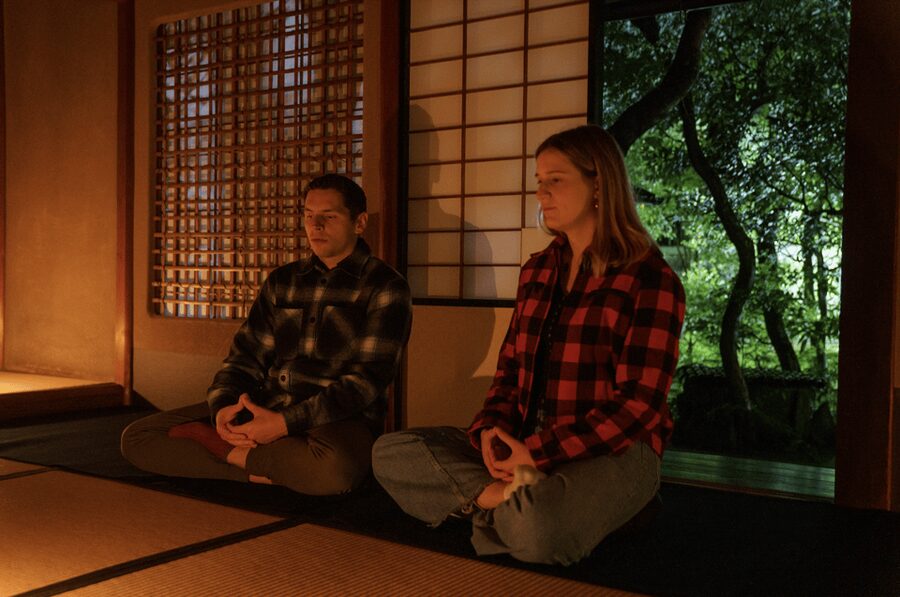
The listed price is $774 for a private group of up to nine people. That works out to about $86 per person if nine people attend, or about $194 each for a group of four. For a couple, the cost is much harder to defend.
The price pays for more than 70 minutes of sitting. You are paying for private access to a temple not open to the general public, an English-supported visit, instruction from a monk, the meditation practice, tea, and the setting. For a family or group of friends already planning to spend time in Higashiyama, the cost can make sense as a special cultural experience.
The group limit also changes the value calculation. A family with teenagers can share the private booking, and the activity has already worked for a group of seven with adults and children between 12 and 18. That is useful if you want something calmer and more reflective than another shrine visit.
Still, the experience is short. At 70 minutes, it will not provide an extensive study of Zen, a long temple tour, or a full tea ceremony. If your main goal is low-cost meditation, you may find the price steep. If your goal is private access and a personal introduction led by a monk, the cost is easier to understand.
Other evening experiences in Kyoto

Who will get the most from this experience?
I would recommend this for several kinds of visitors:
- First-time meditation students: You receive an explanation before practicing, so you do not need to know how Zazen works.
- Families with older children: The private format lets your group share the experience, and the session has suited teenagers.
- Couples and small groups seeking quiet: The temple setting offers a break from Kyoto’s busy sightseeing rhythm.
- Visitors interested in Japanese religion: You learn about Zen and different Buddhist traditions, then speak with a monk directly.
- Repeat visitors to Kyoto: If you have already seen the major temples, this offers a less common way to encounter the city’s religious culture.
This may not suit you if you want a fast-paced activity, a long historical tour, or a large number of sights in one booking. It also may not be ideal if sitting quietly is uncomfortable for you and you have no interest in trying meditation. The evening timing is part of the appeal, but it means this is not a daytime temple visit that you can fit into any schedule.
A private format that works for families
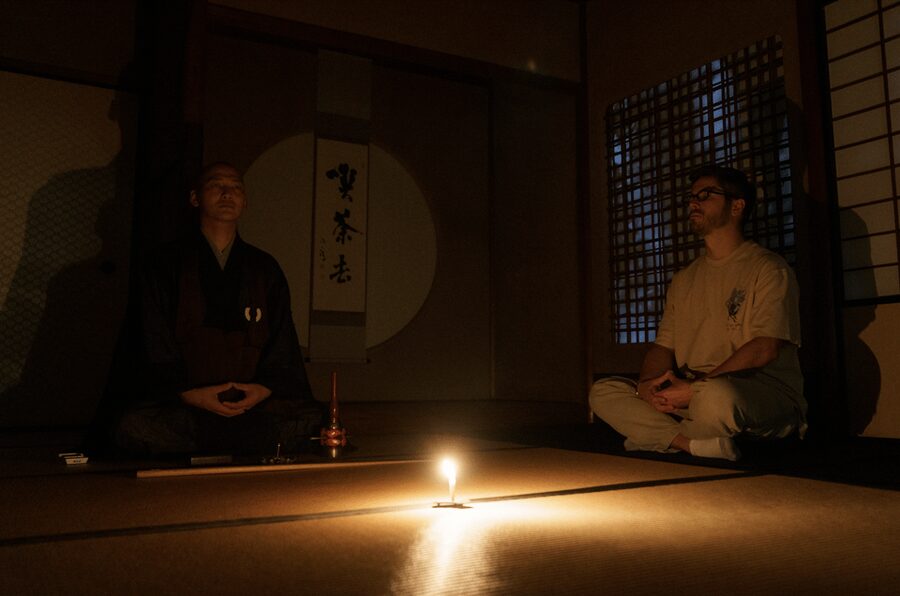
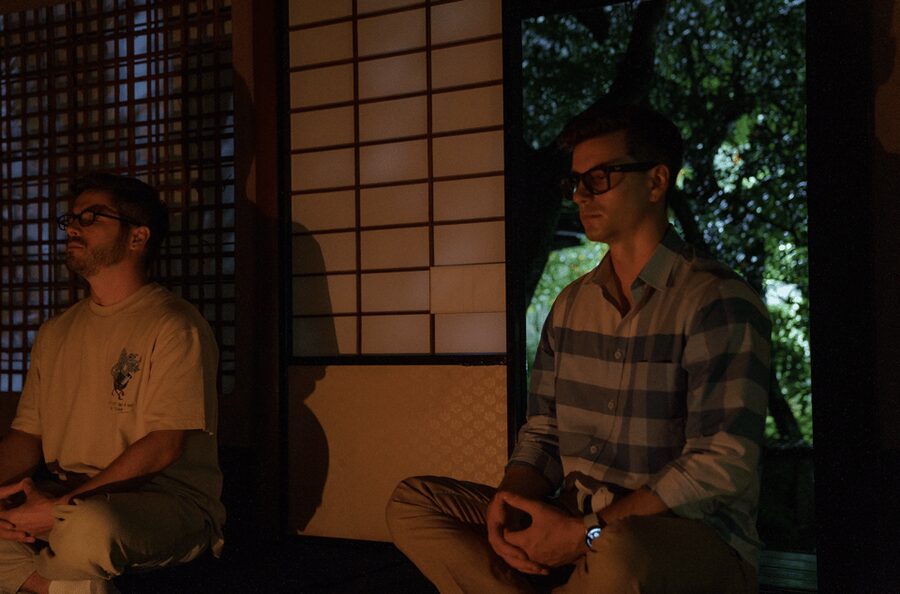
The private group arrangement is one of the strongest practical features. You are not sharing the room with a large public class, and your group can move through the evening together. That makes it easier for families to include children and teenagers without worrying about disturbing a room full of strangers.
A private booking also gives the monk’s explanations more room to connect with your group. You can ask questions and discuss what you noticed during the meditation. The session remains structured, but it does not feel like you are being processed through a crowded attraction.
The limit is nine people. If you have a larger party, you would need to check availability and arrangements before booking. Since the price is by group rather than by person, the value improves as you get closer to the maximum.
Practical details that matter in Kyoto
The activity lasts 70 minutes, and starting times vary, so check the available evening slots when you book. Plan your route to Kodaiji Park before the appointment. The meeting point is not described as the temple entrance. It is the toilet at the park, with the guide waiting on the northern side.
You receive an English-speaking live guide. The monk leads the meditation instruction, while the guide helps with communication and the meeting arrangement. The guide’s role is useful because this is a private location rather than a standard attraction with obvious signs.
There is no hotel pickup or drop-off. You handle your own transport to and from the meeting point. That is normal for a short Kyoto activity, but it means you should consider where you are coming from and where you want to go afterward.
The experience offers a separate entrance, so you avoid the normal line connected with public access. Since the temple is not open to the general public, this private entry is a meaningful part of what you are buying.
Cancellation is free up to 24 hours before the start time, and you can reserve now while paying later. Those terms help if your Kyoto plans are still shifting, though you should still confirm the start time and meeting details before the evening arrives.
How this fits into a Kyoto evening
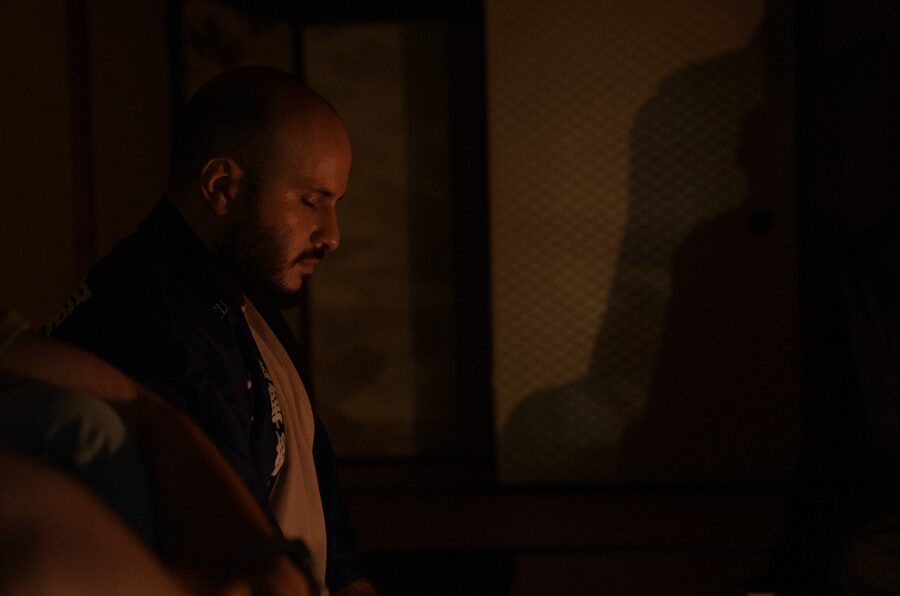
This is best treated as a pause in a day of sightseeing, not as a replacement for Kyoto’s major temples. You might spend the afternoon around Higashiyama, then make your way to Kodaiji Park for the evening session. Afterward, you can continue your night elsewhere in the district.
The timing gives the experience a different character from a daytime visit. Kyoto’s temples can feel crowded and highly visual during daylight hours. Here, you are asked to slow down, listen, and focus on breathing. The change of pace is the point.
It is also a good choice if you want a cultural activity that does not revolve around food, shopping, or a performance. The tea at the end adds a social touch, but the main event is the chance to practice a traditional discipline in a real temple setting.
Should you book Candlelit Zen?
Book it if you want a private, quiet introduction to Zen and care about being in a temple that is not open to the general public. The monk-led instruction, candlelit room, moss garden, and tea conversation give the short visit a clear sense of place. A family or group of friends can also make the $774 price more reasonable by sharing it.
Think twice if you are traveling alone or as a couple and mainly want an affordable meditation class. The 70-minute format is focused rather than extensive, and the price is high for a short activity. For the right group, though, this is a memorable way to step away from Kyoto’s busy sightseeing circuit and spend an evening paying attention to something quieter.
FAQ
How long does the Zen meditation experience last?
The experience lasts 70 minutes.
Where is the meeting point?
Meet at the toilet in Kodaiji Park. The guide waits on the northern side of the toilet.
Is the experience held in the evening?
Yes. This is an evening experience, with candlelight forming part of the setting.
Is the group private?
Yes. The booking is for a private group of up to nine people.
Is the experience available in English?
Yes. A live English-speaking guide accompanies the activity.
Can I cancel for a refund?
Yes. You can cancel up to 24 hours in advance for a full refund.
More Evening Experiences in Kyoto
More Golden Pavilion & Temple Tours in Kyoto
More tours in Kyoto we've reviewed

Golden Pavilion & Temple Tours, compared.
 ★ 4.8Kyoto: Fushimi Inari, Kinkakuji, Bamboo Grove 1 Day Bus TourFrom $122510 minutes - 9 hours
 ★ 4.9Kyoto: Tea Ceremony in a Traditional Tea House in KiyomizuFrom $4945 min
 ★ 4.9Kyoto: Tea Ceremony Ju-An at Jotokuji TempleFrom $291h 10m
 ★ 4.1Osaka/Kyoto:Kinkakuji,Arashiyama,FushimiInariShrine,NaraParkFrom $66
 ★ 4.8Arashiyama Bamboo, Temple, Monkeys, or Secret Sake BreweryFrom $875 hours - 330 minutes
 ★ 5.0Kyoto: Nijo, Kinkaku-ji, Arashiyama, Kiyomizu & Fushimi InariFrom $51