
Reviewed · KYOTO FOOD TOURS
Kyoto|10 miso & soup tastings, miso balls & light meal
Miso can look like one humble brown paste, but this Kyoto workshop quickly shows you how wrong that first glance can be. In 90 minutes, you taste 10 kinds of miso and miso soup, then use your favorite to make a portable soup pack and a light meal.
I like the side-by-side tasting, which makes differences in sweetness, salt, aroma, and weight easy to notice. I also like the small group, limited to five people, because you can ask questions and get hands-on help without waiting around.
The main consideration is language. Hasumi is warm and willing to answer questions, but one English-speaking participant found some of the explanations difficult to follow. If detailed spoken English matters to you, keep that in mind.
In This Review
- Key points at a glance
- Why ten misos change the way you taste Japan
- The tasting: paste first, soup second
- Making a miso ball you can use at home
- A light meal with several miso styles
- Hasumi, the pace, and the small group
- Location near Kyoto’s main food routes
- Is $56 a fair price?
- Dietary needs and what to bring
- Who will enjoy this most?
- Booking and timing tips
- Should you book the Kyoto miso workshop?
- FAQ
- How long does the miso workshop last?
- How many kinds of miso and miso soup will I taste?
- Do I need cooking experience?
- Can I make my own miso soup pack?
- Can I choose the toppings for my miso ball?
- Where does the activity take place?
- How far is the meeting point from Kyoto’s main areas?
- Are dietary accommodations available?
- What languages are spoken, and how large is the group?
Key points at a glance
- Ten miso styles in one sitting: Compare pastes and soups from different parts of Japan rather than guessing from supermarket labels.
- A useful Kyoto food lesson: Learn how fermentation, regional habits, and color affect the taste of a daily Japanese ingredient.
- Make your own miso soup pack: Pick your preferred miso and toppings, then prepare a simple portion you can store or share.
- Small and beginner-friendly: The group is limited to five, and no cooking experience is needed.
- Central location: The apartment is within about 10 minutes on foot of Shijo, Karasuma, and Omiya stations.
- Flexible dietary planning: Vegan, vegetarian, gluten-free, halal-friendly, and allergy-friendly ingredients can be prepared with advance notice.
Why ten misos change the way you taste Japan
The best reason to book this workshop is simple: it turns an everyday ingredient into something you can understand with your own senses. A jar labeled miso tells you very little until you taste it. One may seem gentle and sweet, another sharp and salty, and another thick, dark, and full-bodied.
The session explains the basics first. You learn about the history and cultural role of miso, what the color differences mean, and how fermentation shapes the final taste. The introduction uses a short quiz and visual aids, so you are not expected to arrive with a background in Japanese food.
That matters because miso is not just a soup base. It is part of home cooking across Japan, and regional habits have produced many different styles. This workshop gives you a practical way to connect a flavor with its place and method of production.
You will not simply be handed ten spoonfuls and left to make your own guesses. The instructor helps you compare them in an organized way. Pay attention to the aroma first, then the salt level, sweetness, thickness, and finish. That simple method gives you a better sense of what you might want to buy later.
A few more Kyoto tours and experiences worth a look

The tasting: paste first, soup second
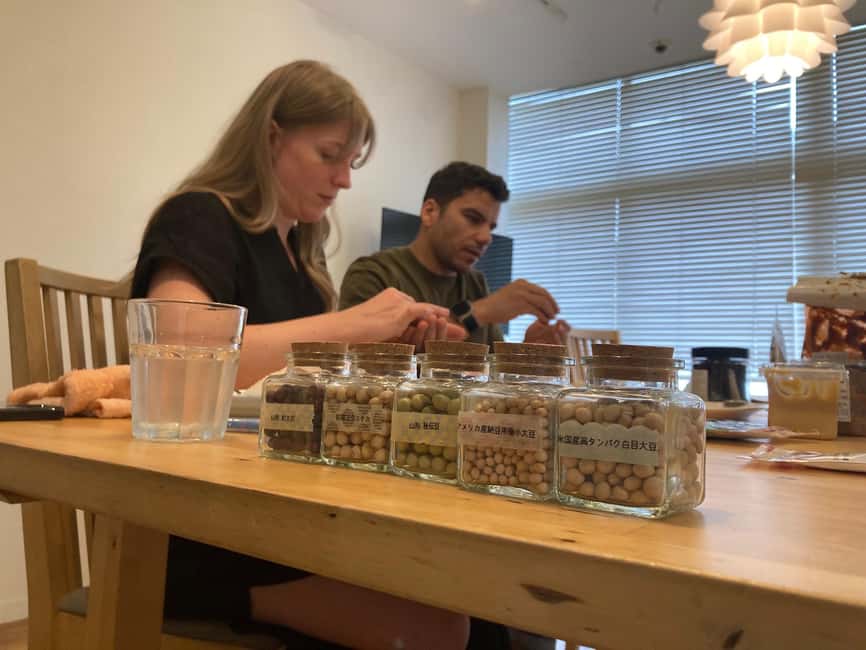
The tasting is the heart of the experience. You try 10 different miso pastes, followed by miso soups made from those styles. Tasting both forms is important. A paste can seem powerful on its own, yet become balanced once it is mixed with hot water. Another may taste mild in the bowl but have a strong fermented aroma before preparation.
This side-by-side format gives you a useful reference point. You can compare misos from different regions and see how fermentation and local traditions affect the result. The lesson stays approachable rather than technical, making it a good fit if you know miso mainly from restaurant soup.
I recommend taking mental notes as you go. Ask yourself which one you would want with rice, which would work best in soup, and which has a taste you would enjoy often. You are choosing a favorite later, so the tasting is not just a demonstration. It helps you make a real decision.
The 10-soup comparison also makes the experience more valuable than a standard cooking class built around one recipe. You leave with a broader idea of Japanese flavor, not just instructions for repeating a single dish.
Making a miso ball you can use at home
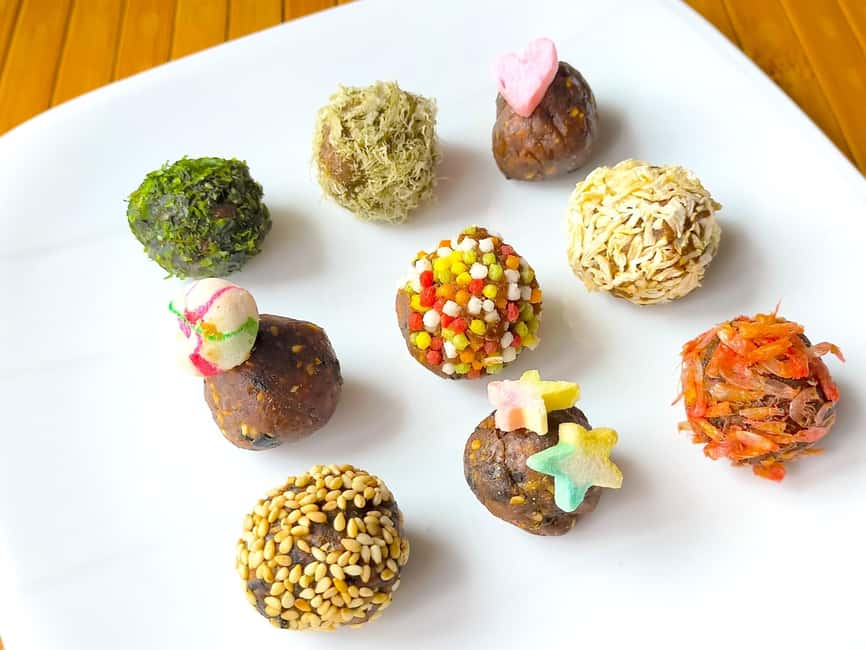
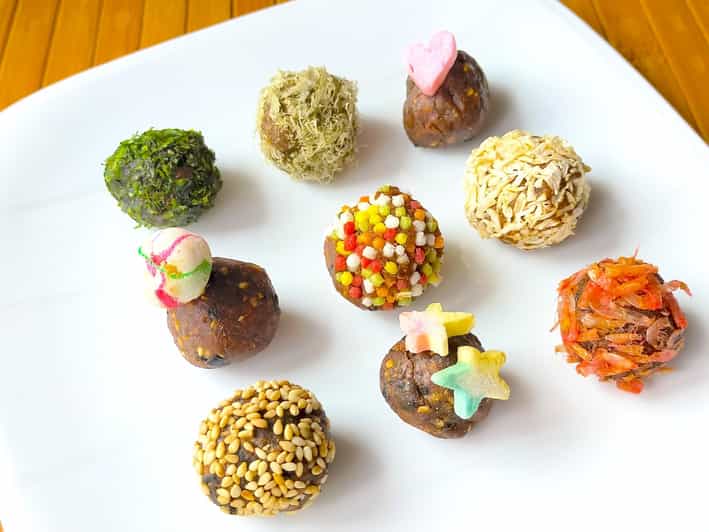
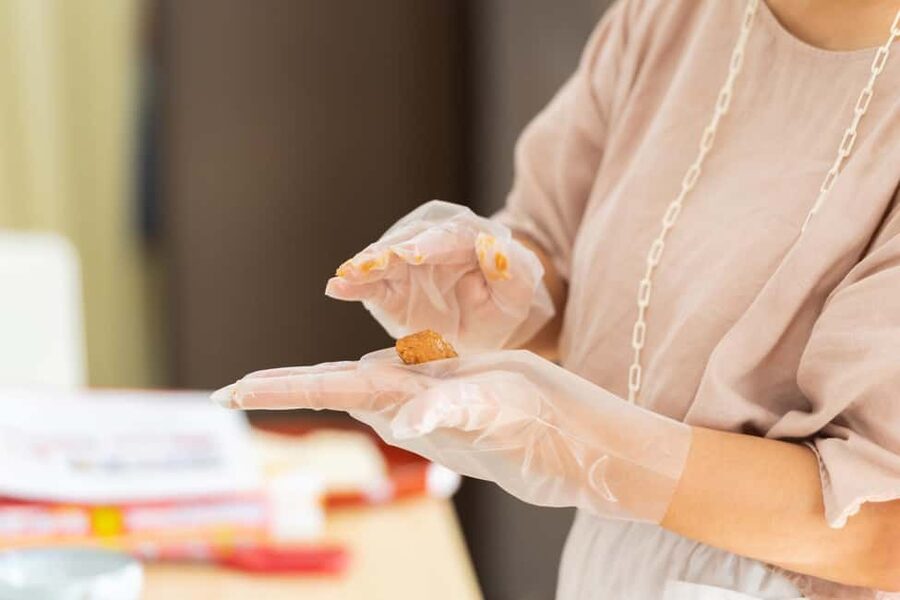
After tasting, you choose your preferred miso and make a miso ball, also described as a miso soup pack. These are portions of miso prepared so you can add hot water later and make a quick soup. You can choose your own toppings, which adds a small but personal touch to the activity.
This is a simple task, not a demanding cooking project. That is good news if you want food culture without spending half a day chopping and cleaning. The hands-on part gives you something useful to take away, and it shows how easily miso can fit into everyday meals.
The pack can also be stored or shared. It is a practical souvenir, although you should follow the instructor’s guidance about keeping it safely. The point is not to create a complicated specialty product. It is to show you how a basic Japanese pantry ingredient can become a convenient meal portion.
I like this part because it connects the tasting to your own kitchen. You are not only deciding which miso tastes best in the room. You are thinking about how you might use it after returning home.
A light meal with several miso styles
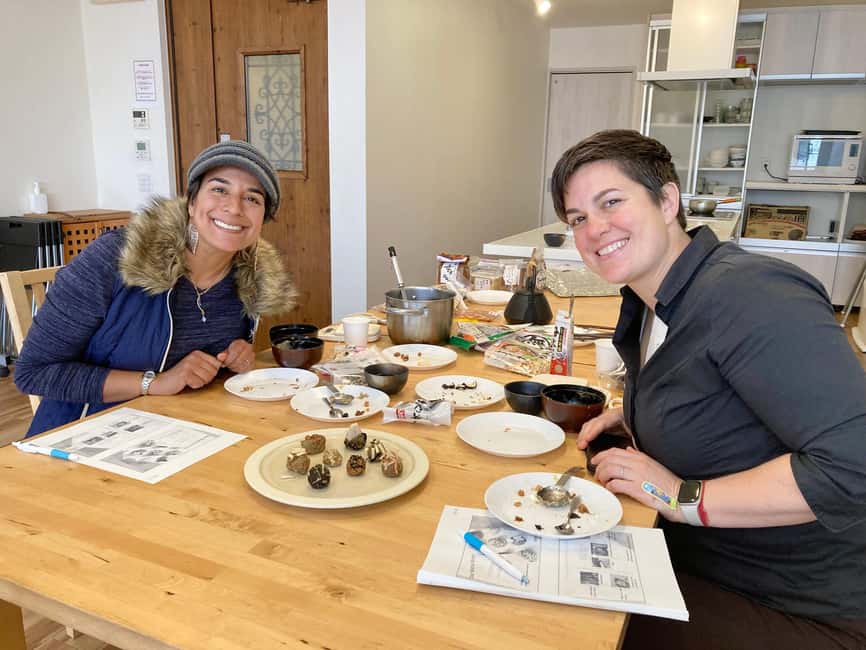
The final part brings the lesson together with a light meal prepared and enjoyed as a group. You use miso in several simple forms, allowing you to see how the same ingredient changes with different preparations and accompanying foods.
The meal is not presented as a large feast. The supplied details describe it as light, and the tasting is the main food focus. Do not book this expecting a full restaurant lunch or dinner. Instead, think of it as a guided food lesson with enough preparation and eating to make the ideas practical.
This closing meal is useful because flavor makes more sense when you see it in context. A miso that seems too strong from a spoon may work well as part of a dish. A softer style may suit a simpler preparation. The workshop helps you notice those changes without asking you to master advanced technique.
It also gives the session a relaxed finish. You have time to eat what you helped prepare and ask follow-up questions. One participant described making a whole soup with the favorite paste and finding it particularly satisfying. That fits the design of the class: taste widely, choose one style, then use it in a complete preparation.
Hasumi, the pace, and the small group
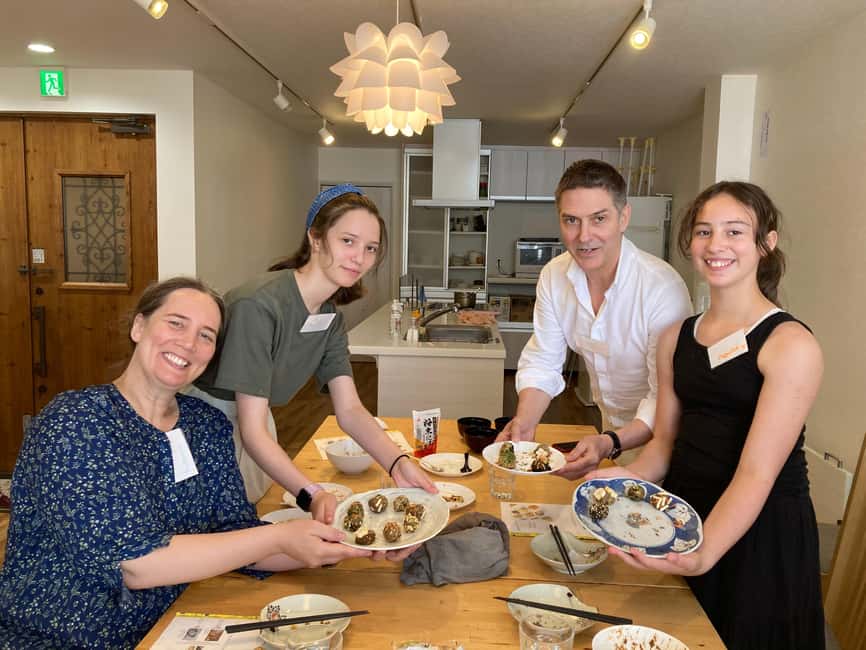
The class is led in English and Japanese, with the group limited to five participants. That size is a real advantage for a hands-on activity. You can see the ingredients clearly, take part in the miso ball preparation, and ask about the differences between pastes without competing with a large crowd.
Hasumi is described as friendly and enthusiastic about miso. Her interest in the subject comes through in the way the session covers history, fermentation, health benefits, regional varieties, and daily use. The tone is intended to be calm and welcoming, especially for beginners.
There is one language caveat. A participant from the United States found Hasumi’s spoken English hard to follow when explaining the miso differences and the steps of the activity. That does not mean the class is unsuitable for English speakers, but it does mean you should feel comfortable asking for repetition or clarification.
The visual tools, tasting format, and practical demonstrations help support the explanations. Still, if you want a highly technical lecture in fluent English, this may not be the right match. If you prefer a friendly food activity with simple explanations and a chance to taste, it is a stronger fit.

Location near Kyoto’s main food routes
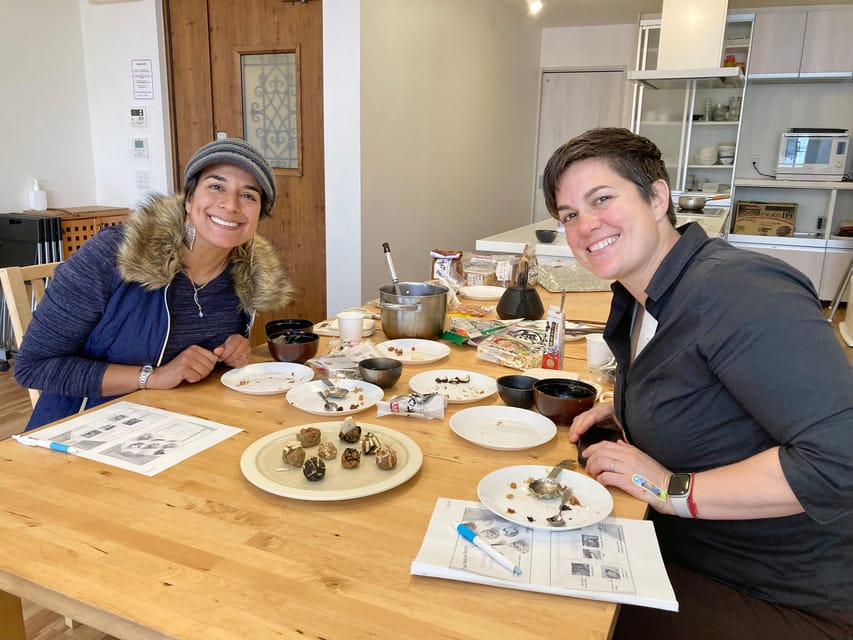
The meeting point is in central Kyoto, on the third floor of an apartment building. Take the elevator to the third floor and press the doorbell for room 302. A Japanese restaurant is on the first floor, so look for that when you arrive.
The location is within about 10 minutes on foot of Shijo Station on the Kyoto Municipal Subway Karasuma Line, Karasuma Station, and Omiya Station on the Hankyu Kyoto Line. It is also about a 15-minute walk from Nishiki Market.
That makes the timing easy to combine with a day of food sightseeing. You could visit Nishiki Market before or after the workshop, though you will want to allow extra time for finding the apartment entrance. From Kyoto Station, the journey takes about 30 minutes by train or bus, so this is not directly beside the main station.
The location is practical rather than scenic. You are coming for the food lesson, not a view or a traditional cooking-school setting. Check the map before leaving your hotel, and arrive with enough time to find the correct building and floor.
Is $56 a fair price?
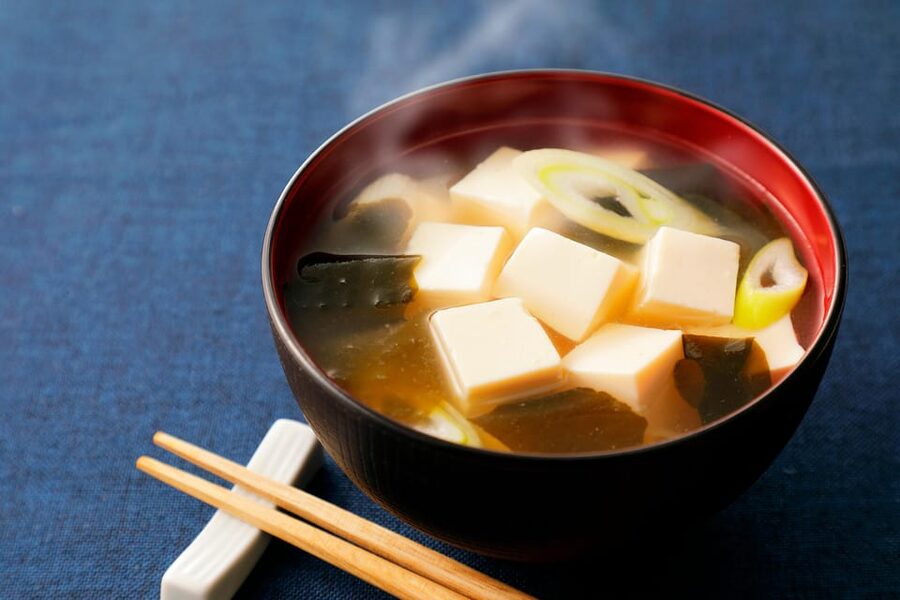
At $56 per person, this is not a cheap bowl of soup. You are paying for a guided tasting of 10 misos, explanations about fermentation and regional styles, a hands-on miso ball activity, and a light meal. The small group, capped at five, also gives the session a more personal feel than a large demonstration.
The value depends on what you want from a Kyoto food activity. If you simply want to eat miso soup, you can spend far less at a restaurant. If you want to understand why Japanese misos taste different and leave with a favorite style and a practical soup pack, the price is easier to justify.
I see this as a good value for curious food lovers who enjoy tasting comparisons. You are paying for context as much as food. The workshop may also help you shop with more confidence later, since you will have a clearer sense of which flavors appeal to you.
Meals and drinks beyond the miso tasting are not included, so plan accordingly. The final meal is light, and you may want another meal later if this is your main midday or evening plan.
Dietary needs and what to bring
Dietary accommodations are available with advance notice. Vegan, vegetarian, gluten-free, halal-friendly, and allergy-friendly options can be prepared if you state your needs when booking.
Do not wait until you arrive to mention an allergy or restriction. The ingredients need to be prepared accordingly, so advance notice is the useful part here.
Bring water and wear comfortable clothes. No prior cooking knowledge is required, and the activity is designed for beginners. The work is simple, but comfortable clothing still makes sense for any food preparation session.
Who will enjoy this most?
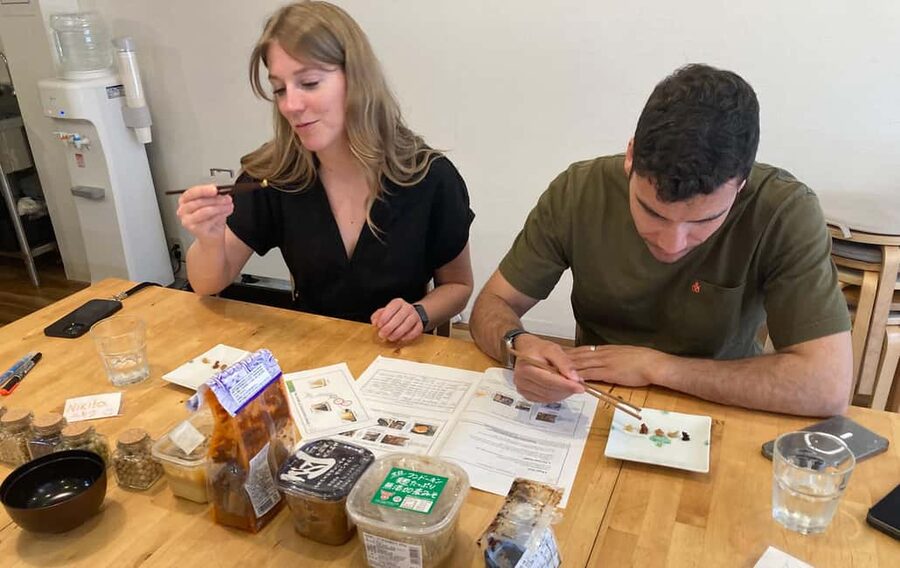
I would recommend this workshop to anyone who has seen Japanese miso in shops and wanted to know what separates one jar from another. It suits first-time visitors, repeat visitors who enjoy food culture, and people who like small group activities more than large guided tours.
It is especially good for:
- People interested in fermentation and Japanese home cooking
- Couples or friends who want a shared food activity
- Beginners who prefer tasting and simple preparation over advanced cooking
- Visitors planning time around Shijo, Omiya, Karasuma, or Nishiki Market
- Anyone with dietary restrictions who can provide advance notice
It may be less suitable if you want a full meal, a long cooking class, or a highly technical English lecture. The 90-minute format is focused and manageable, but it leaves limited time for a detailed study of every miso style.
Booking and timing tips
The activity lasts 90 minutes, with starting times based on availability. The provider allows free cancellation up to 24 hours before the experience for a full refund, and you can reserve now and pay later. Those terms are useful in Kyoto, where weather, temple visits, and train plans can shift during a busy trip.
The group size is limited to five, so book ahead if you have a fixed day. Tell the provider about dietary requirements at the time of reservation. Also note that transportation to and from the meeting point is not included.
Give yourself time to reach the apartment, especially from Kyoto Station. From Nishiki Market, the walk is about 15 minutes, making it a natural pairing with a market visit.
Should you book the Kyoto miso workshop?
Book it if you want more than a quick taste of Japanese food. The 10-miso comparison is the strongest feature, and the miso ball activity gives you a useful connection to take home. The central location and five-person limit add practical value.
Go in with realistic expectations. This is a short, light food workshop, not a full dinner or an advanced cooking course. English explanations may occasionally require patience, and the apartment setting is simple.
For curious beginners, food-focused visitors, and anyone who wants to understand an everyday Japanese ingredient, I think the $56 price is reasonable. If you already know exactly which miso you like and only want a large meal, spend your money elsewhere. If you want to taste widely, ask questions, and make your own soup pack, this is a smart Kyoto activity.
FAQ
How long does the miso workshop last?
The workshop lasts 90 minutes.
How many kinds of miso and miso soup will I taste?
You will taste 10 different kinds of miso and miso soup.
Do I need cooking experience?
No. The activity is beginner-friendly and does not require prior cooking knowledge.
Can I make my own miso soup pack?
Yes. You choose your favorite miso and prepare a miso ball, or soup pack, that can be made into soup by adding hot water.
Can I choose the toppings for my miso ball?
Yes. You can choose your own toppings.
Where does the activity take place?
It takes place in central Kyoto. The meeting point is on the third floor of an apartment building. Take the elevator to the third floor and press the doorbell for room 302.
How far is the meeting point from Kyoto’s main areas?
It is within about 10 minutes on foot of Shijo, Karasuma, and Omiya stations. It is about a 15-minute walk from Nishiki Market and about 30 minutes by train or bus from Kyoto Station.
Are dietary accommodations available?
Yes. Vegan, vegetarian, gluten-free, halal-friendly, and allergy-friendly options are available with advance notice. State your requirements when you reserve.
What languages are spoken, and how large is the group?
The activity is offered in English and Japanese, and the group is limited to five participants.
More Kyoto Food Tours in Kyoto

More tours in Kyoto we've reviewed

Kyoto Food Tours, compared.
 ★ 5.0Kyoto Night Foodie Tour in Gion (9+ dishes + 6 Sake tastings)From $163
 ★ 5.0Nishiki Market Brunch Walking Tour (7 Tastings + Brunch)From $68
 ★ 5.03-Hour Kyoto Insider Sake Brewery Tour with Tastings & PairingsFrom $84
 ★ 4.6Kyoto Night All-Inclusive Eats and Streets, Gion and BeyondFrom $101
 ★ 4.5Kyoto Nighttime All-Inclusive Eats and Streets, Gion and BeyondFrom $119
 ★ 5.0Kyoto Foodie Night TourFrom $102