
Reviewed · GION & GEISHA WALKS
Kyoto Geisha Walking Tour: Gion District & Hidden Gems
Gion’s greatest charm is not a guaranteed Geiko sighting. It is the way a short walk can explain the wooden teahouses, quiet lanes, temple grounds, and carefully protected customs that make old Kyoto feel distinct. Geiko and Maiko may appear on their way to appointments, but the real reward is learning what you are looking at.
I like the tour’s small-group feel and the way guides such as Michael turn a stroll into a clear lesson about Kyoto and Geisha culture. I also like the practical advice at the end, covering restaurants, bars, shops, and further sights. The main consideration is physical: this is a two-hour walk, and people with mobility impairments or wheelchair users should choose another activity.
In This Review
- Key points to know before you book
- Why Gion makes a good first walk in Kyoto
- Meeting beside Hotel Alza Kyoto
- The first streets: tea houses, townhouses, and Geisha culture
- The photo stops around Hōkan-ji Pagoda
- Kennin-ji and the calmer side of the route
- Chion-in Temple and the quieter temple grounds
- What the guides add to the walk
- Choosing between afternoon and evening
- Is $25 a fair price?
- Who should book this Gion walk?
- Should you book it?
- FAQ
- How long is the Kyoto Geisha Walking Tour?
- What language is the tour offered in?
- Where is the meeting point?
- Will I definitely see a Geiko or Maiko?
- Is the tour suitable for wheelchair users?
- Can I cancel the booking?
Key points to know before you book
- Geiko sightings are possible, not promised: You may see elegantly dressed performers heading to work, but the tour remains worthwhile without one.
- The route covers more than Gion: Expect teahouses, machiya townhouses, Hōkan-ji Pagoda, Kennin-ji Temple, and Chion-in Temple.
- Guides bring the history to life: Michael is often praised for clear explanations, humor, patience, and useful Kyoto advice. Anton, Yuri, and Ikuro also lead tours.
- The best time depends on your priorities: A 3 p.m. start gives you more daylight for photographs, while a 6 p.m. walk offers lantern-lit streets and, according to one account, fewer people.
- The $25 price is strong value: You get two hours of guided sightseeing and a long list of personal recommendations without paying for temple admission or a formal performance.
- Wear proper walking shoes: Cobblestones, temple grounds, and a steady route make this unsuitable for wheelchairs and difficult for some people with limited mobility.
Why Gion makes a good first walk in Kyoto
Gion is one of those Kyoto districts that can look simple until someone explains the details. A lane of dark wooden buildings may seem merely picturesque, but it also reflects a working quarter shaped by tea houses, private entertainment, religious sites, and strict local customs.
This tour gives you that framework early in your Kyoto stay. Instead of wandering past a small doorway and wondering what happens inside, you learn about the exclusive tea houses where Geiko and Maiko perform privately for wealthy clients. Instead of seeing a dressed-up figure and assuming she is a costume performer, you get a clearer view of the training, etiquette, and place of Geisha culture in present-day Kyoto.
The route also helps you separate the famous from the easily missed. Gion has its postcard streets, but it also has quieter corners, preserved machiya townhouses, small shops, and temple spaces where the mood changes quickly from urban to peaceful.
I would book this near the start of a Kyoto visit. Several guides, especially Michael, use the final part of the walk to suggest places to eat, shop, and visit. That advice can save you from spending the rest of your stay guessing where to go next.
A few more Kyoto tours and experiences worth a look

Meeting beside Hotel Alza Kyoto
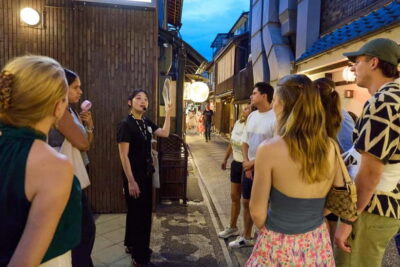
The meeting point is on the side street beside Hotel Alza Kyoto. Look for the red parasol or umbrellas with marble seats underneath.
That detail matters because Gion has many lanes and busy approaches. Arrive with enough time to locate the spot rather than relying on a last-second search. The activity is offered in English with a live guide, and the scheduled duration is two hours.
Group size can vary. Some outings have felt almost private when only one or a few people attended, allowing the guide to answer many questions and adjust the conversation to personal interests. You should not assume every departure will be private, but the repeated praise for the guides suggests that questions are welcome.
There is no listed transport during the walk, so plan to stay on foot from the meeting point onward. Comfortable shoes are more important than stylish ones here.
The first streets: tea houses, townhouses, and Geisha culture
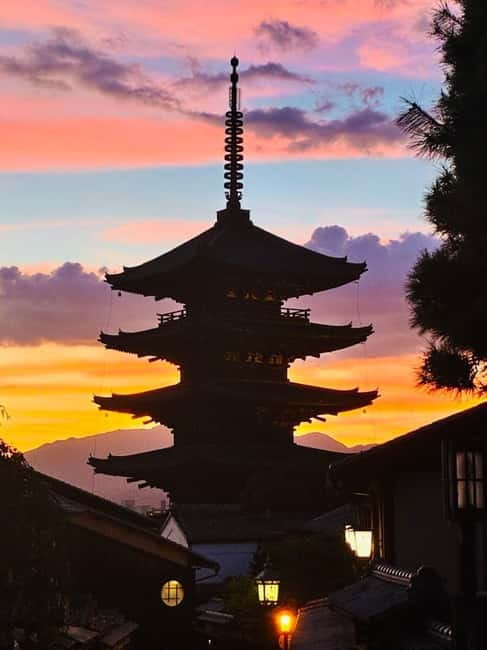
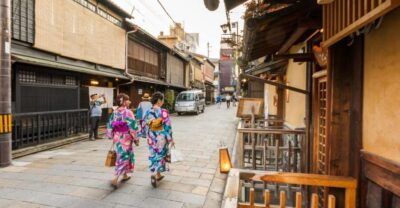
The opening section introduces Gion through its streets and buildings. You walk among wooden facades, narrow lanes, and traditional tea houses, while the guide explains how the district developed and how its entertainment culture fits into Kyoto’s past.
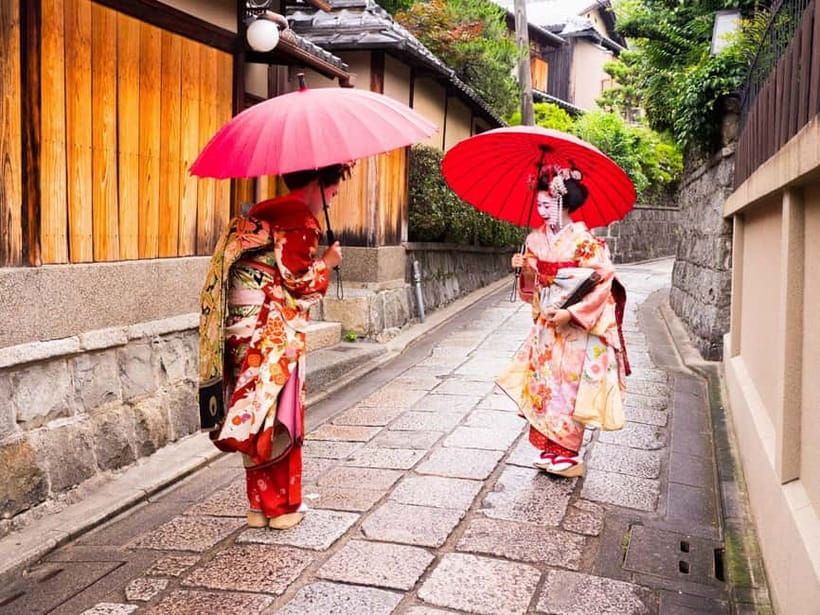
The word Geisha can bring plenty of movie-made ideas, so this explanation is useful. In Kyoto, the preferred terms are Geiko and Maiko. The tour is designed to explain the difference in cultural setting and appearance while placing the profession in its social and historical context.
The guides also discuss the role of Geisha culture today. That is important because Gion is not a stage set. Geiko and Maiko are working people moving between appointments, and the district includes private businesses and homes. You get a better experience when you understand that a photograph is not an entitlement.
If you see a Geiko or Maiko, keep your camera ready but your manners even readier. The activity promises an opportunity to spot them, not a meeting or posed photograph. One person completed the walk without seeing one and still found the history and places worthwhile. That is the right expectation.
The photo stops around Hōkan-ji Pagoda
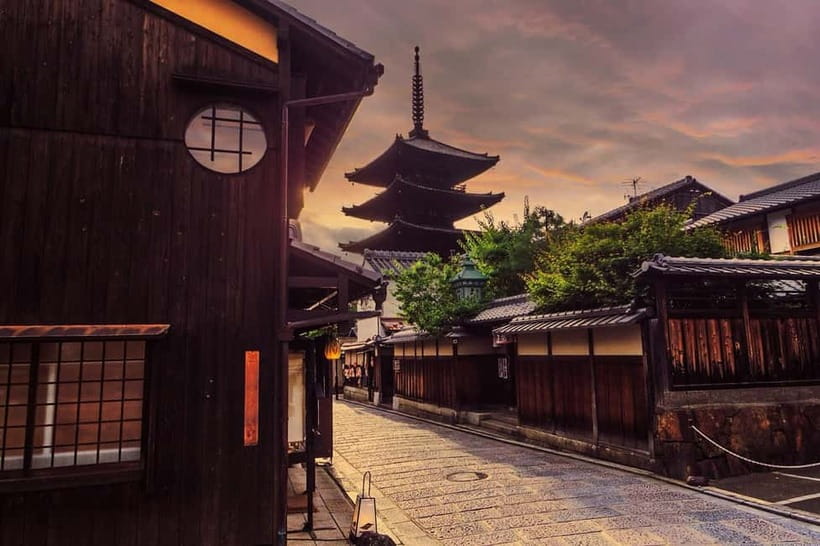
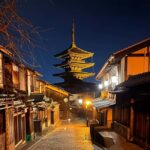
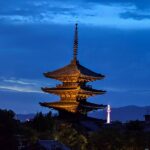
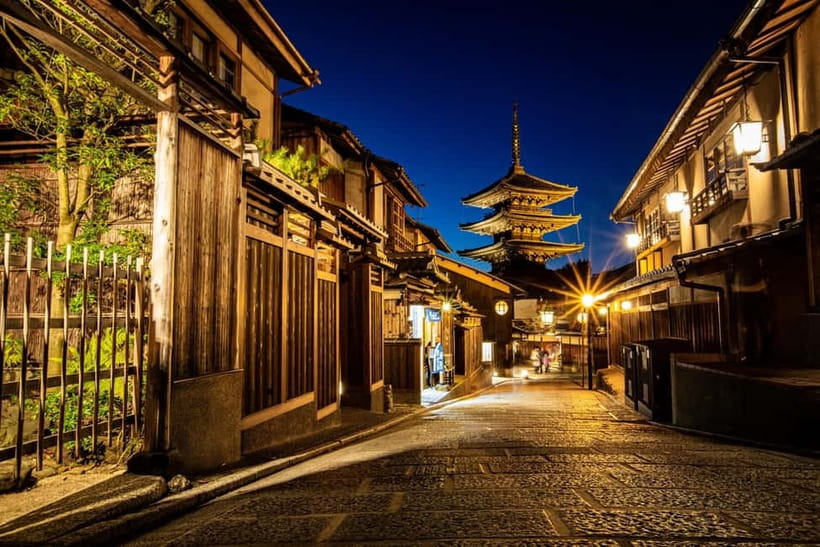
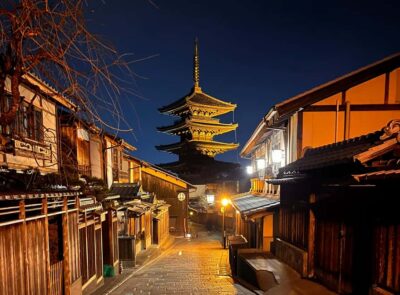
Hōkan-ji Pagoda, often called Yasaka-no-Tō, is one of the most recognizable sights in the area. Its shape gives the surrounding lanes a memorable focal point, and the guide points out places where you can take photographs away from the most obvious crowds.
The value here is not just getting a familiar Kyoto picture. A guide can help you understand how the pagoda relates to the older streets around it, and can steer you toward angles and side lanes you might miss while following a map.
This section can be especially attractive for photographers and first-time visitors. Still, do not expect every stop to be empty. Gion is a famous district, and conditions change with the season, weather, and time of day.
A 3 p.m. start offers stronger daylight for architecture and photos. One participant specifically felt a later start would lose too much sunlight. An evening start has a different appeal: around 6 p.m., lanterns begin to shape the streets, and the area can feel calmer. If photographs are your priority, choose daylight. If atmosphere is your priority, choose evening.
Kennin-ji and the calmer side of the route
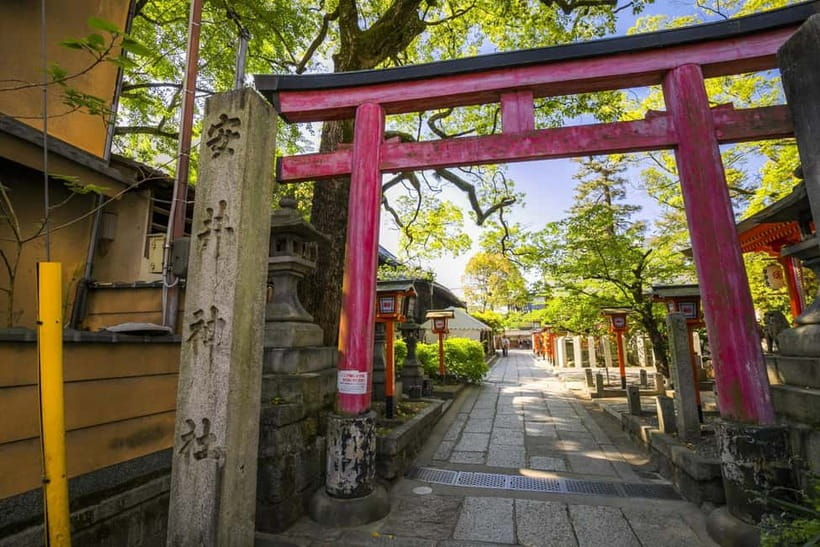
Kennin-ji is described as Kyoto’s oldest Zen temple, and it gives the walk a welcome change of pace. After the narrow lanes and tea house streets, temple grounds offer room to pause and consider the religious side of Kyoto.
The tour does not reduce Gion to Geisha culture alone. That balance is one of its strengths. You hear about architecture, temple traditions, and the way the district has changed, rather than following a single theme for two hours.
Kennin-ji is also a useful reminder that Kyoto’s cultural life has always had several layers. Entertainment quarters, religious institutions, traditional homes, and ordinary city streets sit close together. A guide helps you see those connections instead of treating each sight as a separate stop.
The exact amount of time at each place can vary with the group and the guide. This is a walking overview, not an in-depth temple visit. If you want extended time inside every temple, you will need to return independently.
Other walking tours we've reviewed in Kyoto

Chion-in Temple and the quieter temple grounds
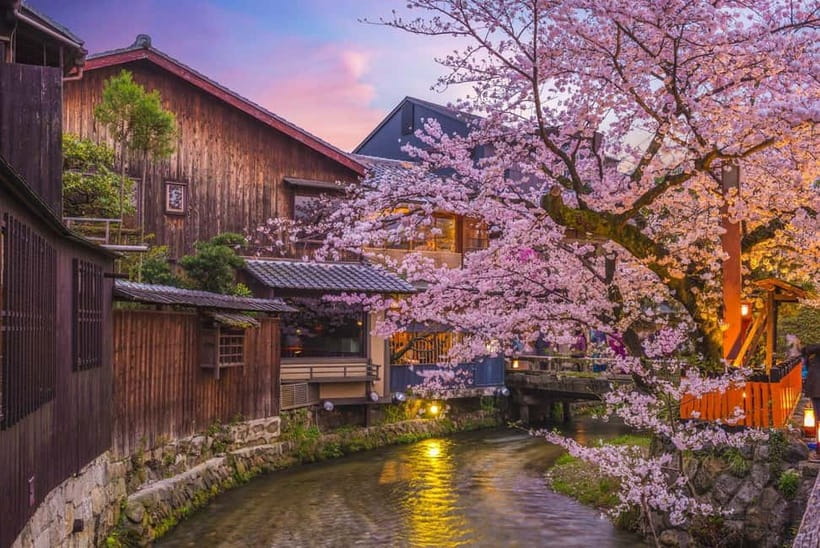
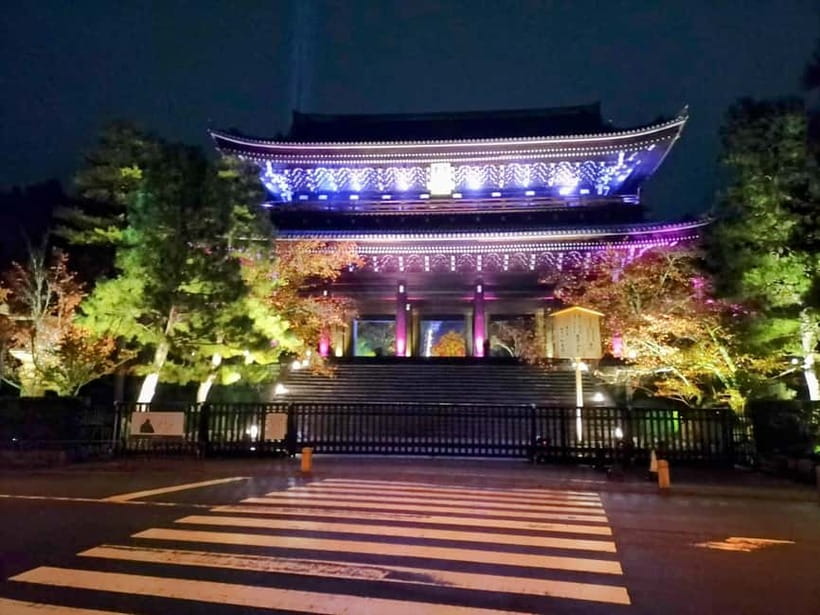
Chion-in is another major stop, and it is described as home to three designated national treasures. Its broad, scenic grounds are a strong counterpoint to the tight streets of Gion.
This is where the itinerary gains range. You move from private tea houses and traditional storefronts to a major Buddhist site with a more open, reflective setting. The guide shares stories about the buildings, grounds, and the traditions carried through Kyoto over generations.
I like this part for practical reasons as well as cultural ones. Many people arrive in Gion focused only on the famous streets. A stop at Chion-in gives you another reason to return to the area, perhaps at a quieter time when you can explore at your own speed.
Do keep the physical demands in mind. Temple grounds may involve uneven surfaces and extended walking. The activity specifically excludes wheelchair users and people with mobility impairments, so this is not the right choice if you need step-free access or frequent seated breaks.
What the guides add to the walk
The strongest part of this experience is the guide’s role. Michael receives especially strong praise for his clear storytelling, historical background, humor, and calm manner. He is also described as speaking English, French, Japanese, and some Arabic, though the tour itself is offered in English.
Anton, Yuri, and Ikuro are also named as guides. Their approaches may differ, but the common aim is a walk that explains rather than simply points. Guides answer questions about Kyoto, Geiko and Maiko, temples, food, and daily life.
Michael’s recommendations are a recurring reason to save time after the walk. You may receive suggestions for restaurants, bars, shops, attractions, films, or activities such as perfume making and pottery. These tips are not a formal part of the sightseeing route, but they add real value if you are still deciding how to spend your Kyoto days.
The route can also work well for families. One guide was praised for being good with children, and several people found the explanations easy to follow. Still, children should be ready for two hours on foot, with no guarantee of a dramatic Geisha encounter.
Choosing between afternoon and evening
The tour runs for two hours, with starting times available according to the date. The timing changes the character of the outing.
An afternoon departure is best if you want to study wooden buildings, temple details, and photography locations in daylight. It also gives you a natural transition into dinner, especially since the guide can suggest nearby places to eat.
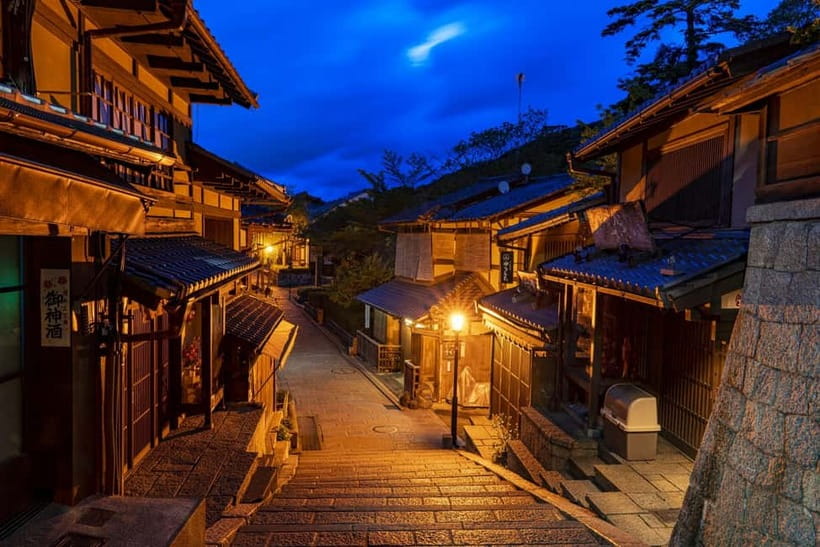
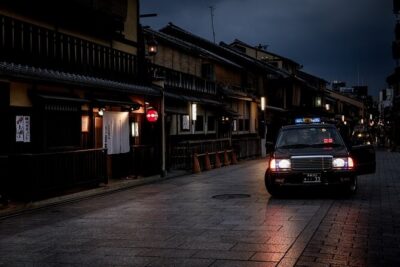
An early evening departure offers lanterns, a more mysterious mood, and a better chance of seeing Gion as it prepares for its nighttime work. One account described a 6 p.m. start as quiet enough to leave plenty of room for questions and observation.
Winter deserves special planning. A participant walking in freezing weather wished for a warm indoor stop. The activity does not promise a café break, so check the forecast and dress for the conditions. In cold weather, an earlier start may give you more daylight, while a warmer season makes evening more comfortable.
Is $25 a fair price?
At $25 per person, this is inexpensive for a two-hour guided walk in one of Kyoto’s best-known districts. You are paying for interpretation, route planning, cultural context, photo guidance, and a useful bank of local suggestions.
The price does not include a private Geisha performance, a guaranteed sighting, or a long temple admission program. That keeps the comparison clear. If you want a formal entertainment experience inside a tea house, this is not that product.
For a first look at Gion, the value is very good. A guide can prevent the district from becoming a string of pretty streets with no explanation. The advice for the rest of your trip may also save time and help you find food or activities that do not appear at the top of every search result.
Free cancellation is available up to 24 hours before the start time, and you can reserve now and pay later. Those terms are helpful if your Kyoto schedule is still moving around.
Who should book this Gion walk?
I would recommend it to first-time Kyoto visitors, history fans, photographers, and anyone curious about Geiko and Maiko beyond costume and spectacle. It is also a smart choice for people who want a gentle introduction before visiting more temples or arranging other cultural activities.
It suits you especially well if you like asking questions. Guides such as Michael have been praised for spending time on individual interests, and smaller groups can make the conversation feel personal.
I would hesitate if you have limited mobility, dislike walking on uneven streets, or need a guaranteed headline attraction. The route is not designed for wheelchairs, and Geisha sightings depend on chance and timing.
Should you book it?
Book this tour if you want Gion explained by an enthusiastic English-speaking guide rather than simply photographed. At $25, it offers a lot: classic streets, lesser-known corners, temples, architecture, Geisha context, and practical Kyoto advice.
Choose an afternoon time for daylight and pictures, or around 6 p.m. for lanterns and a quieter mood. Wear good shoes, dress for the weather, and treat any Geiko or Maiko sighting as a bonus. If you do that, this is an excellent two-hour introduction to Gion and a useful start to a Kyoto visit.
FAQ
How long is the Kyoto Geisha Walking Tour?
The tour lasts two hours and takes place on foot through Gion and nearby areas.
What language is the tour offered in?
The live tour is offered in English.
Where is the meeting point?
Meet on the side street beside Hotel Alza Kyoto. Look for the red parasol or umbrellas with marble seats underneath.
Will I definitely see a Geiko or Maiko?
No. The tour gives you an opportunity to spot Geiko and Maiko as they travel to appointments, but sightings are not guaranteed.
Is the tour suitable for wheelchair users?
No. The activity is not suitable for wheelchair users or people with mobility impairments.
Can I cancel the booking?
Yes. You can cancel up to 24 hours in advance for a full refund. You can also reserve now and pay later.
More Walking Tours in Kyoto
More Gion & Geisha Walks in Kyoto
More tours in Kyoto we've reviewed




Gion & Geisha Walks, compared.
 ★ 4.7Kyoto: Gion Geisha District Walking Tour – Stories of GeishaFrom $202 hours
 ★ 4.9Best of Kyoto: Gion, Geisha, Pagodas & CobblestonesFrom $242 hours
 ★ 4.5Night Walk in Gion: Kyoto’s Geisha DistrictFrom $211h 40m
 ★ 5.0Kyoto Night Foodie Tour in Gion (9+ dishes + 6 Sake tastings)From $163
 ★ 5.0Kyoto Gion Geisha District Walking Tour – The Stories of GeishaFrom $25
 ★ 4.9Kyoto: Gion Magical Night Walking Tour with Geisha InsightsFrom $34