
Reviewed · KYOTO
Kyoto: Discover Every Bit of Kyoto Imperial Palace
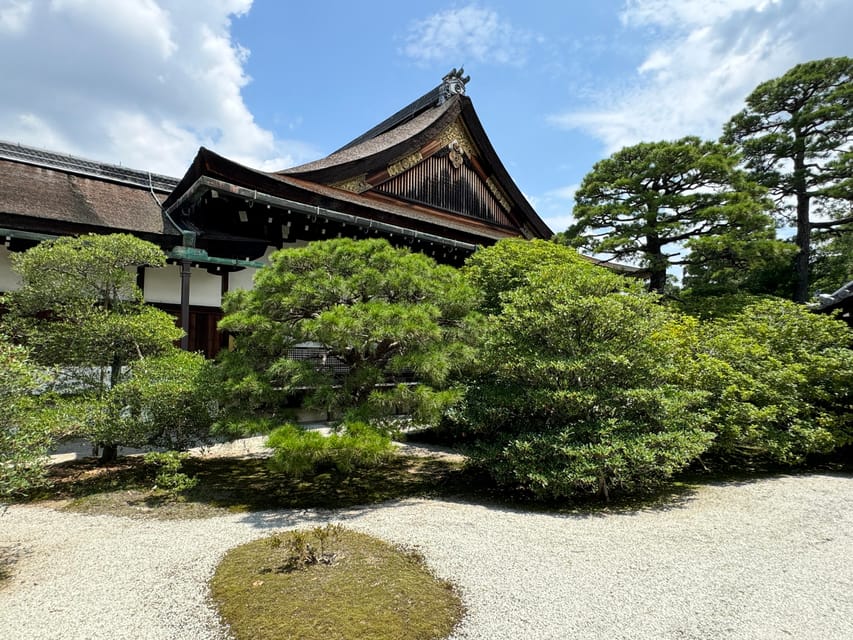
Kyoto Imperial Palace gives you a close look at the old center of Japan’s imperial world, from the grand Shishinden Hall to the quieter residence once used for everyday court life. The palace is not just a collection of handsome buildings. Each gate, hall, and garden hints at how ceremony shaped life at court.
I like the focus on imperial customs and daily life, since a guide can explain more than you would get from simply walking the grounds. I also like the small-group or private format, which makes it easier to ask questions. The main caution is guide quality: Yoshi earned strong praise for his clear explanations, but one unhappy booking reported almost no historical commentary.
- Shishinden Hall gives you the grandest view of imperial ceremony and official power.
- The Emperor’s personal residence brings the palace story down from formal ritual to daily court life.
- Hamaguri Gate is a clear meeting point inside Kyoto Gyoen National Garden.
- Serene gardens add quiet pauses between the formal buildings and ceremonial spaces.
- English guidance can help you understand details that are easy to miss on your own.
- The $38 price is most useful for visitors who want context, questions answered, and a private or small-group pace.
In This Review
- Why Kyoto Imperial Palace deserves your time
- Meeting at Hamaguri Gate
- Shishinden Hall and the grand ceremonies
- From public ritual to private court life
- Gardens that slow the pace
- What the guide adds, and where the tour can fall short
- Is $38 a fair price?
- Who will enjoy this palace walk?
- Practical details to know before booking
- Should you book Kyoto Imperial Palace with a guide?
- FAQ
- Where does the Kyoto Imperial Palace tour begin?
- Where does the tour finish?
- How long does the experience last?
- Is an English-speaking guide included?
- Is entry to Kyoto Imperial Palace included?
- Can I book a private or small-group tour?
- Can I cancel the booking?
Why Kyoto Imperial Palace deserves your time
Kyoto Imperial Palace was the home of Japan’s imperial family before the capital moved to Tokyo in 1869. That fact gives the visit real weight. You are not only looking at old buildings. You are walking through the former center of imperial government and court ceremony.
The palace sits inside Kyoto Gyoen National Garden, a broad park setting that helps separate it from the city around it. The approach has a calmer feel than many central Kyoto sights, and the gardens give the visit room to breathe.
I find the palace most rewarding when I pay attention to the contrast between public and private spaces. The large halls were built for formal occasions, but the personal residence shows another side of court life. A guide can connect those two parts and explain why the buildings were arranged as they were.
The tour is sold as a one-hour activity, while the guided palace visit is described as lasting about an hour and a half. That difference matters if you are planning another appointment afterward. Check the exact start time and expected length when you book.
Meeting at Hamaguri Gate
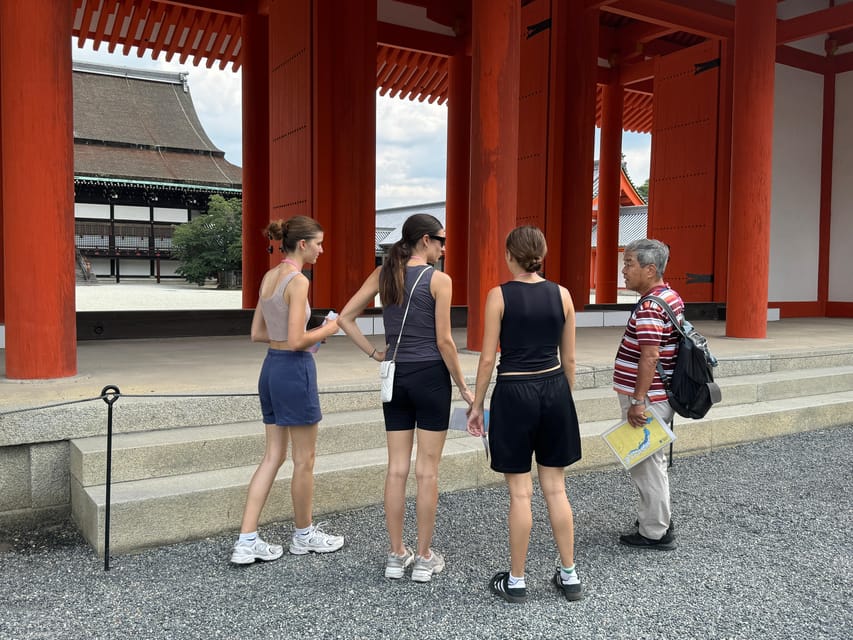
Your meeting point is in front of Hamaguri Gate, also called Hamagurigomon, at Kyoto Imperial Palace. Look for a guide holding a yellow sign marked DeepExperience.
This is a practical meeting place because it gives you a precise landmark rather than a vague instruction to meet somewhere in the garden. I would still allow a little extra time to reach the gate, especially if you are unfamiliar with Kyoto Gyoen National Garden.
The tour returns to the same gate at the end. That makes your onward plans easier, since you do not have to work out a new finishing point. You can continue around the garden, head toward another Kyoto sight, or simply pause before moving on.
The guide speaks English. Private and small-group choices are available, so the experience may suit you better than a large walking group if you want to ask about court customs, architecture, or the imperial family.
If you're still narrowing it down, here are other tours in Kyoto we've reviewed.

Shishinden Hall and the grand ceremonies
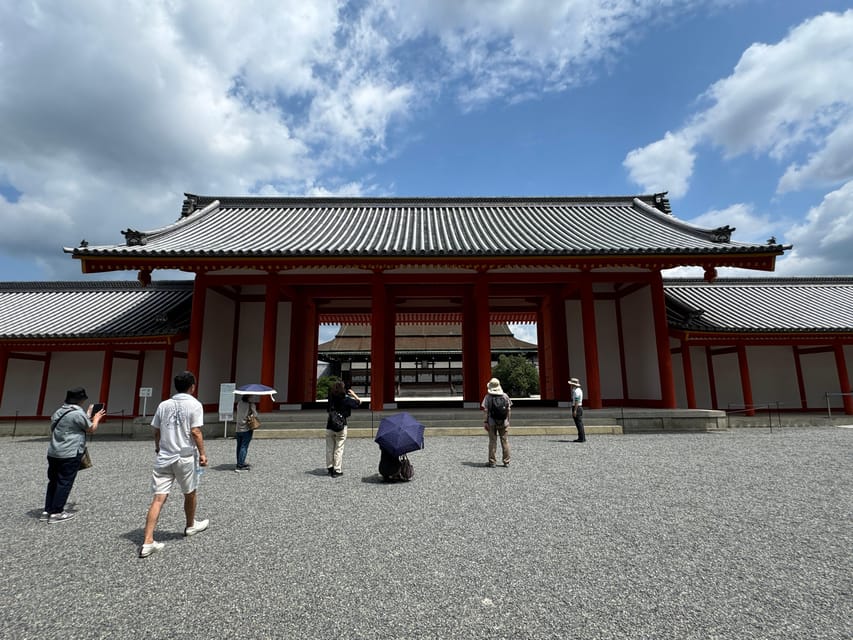
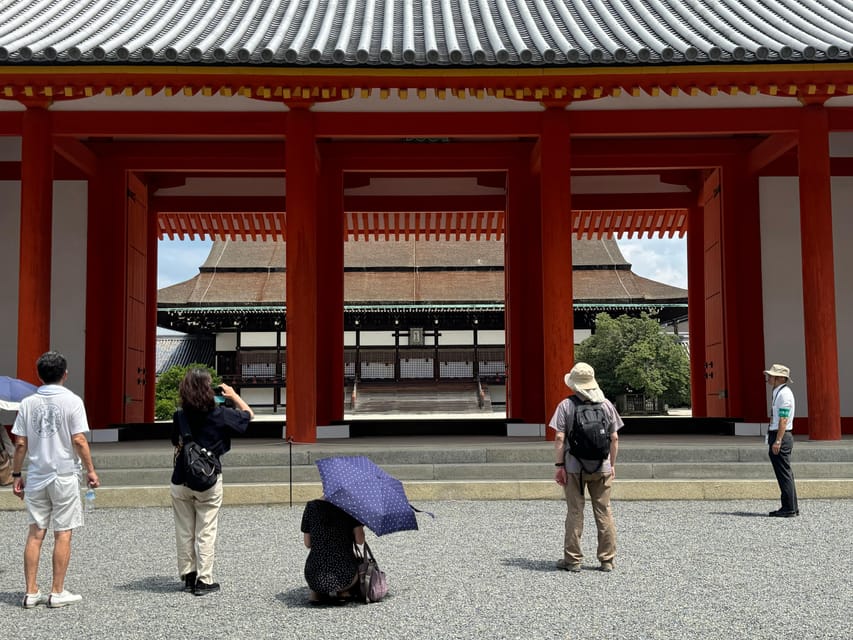
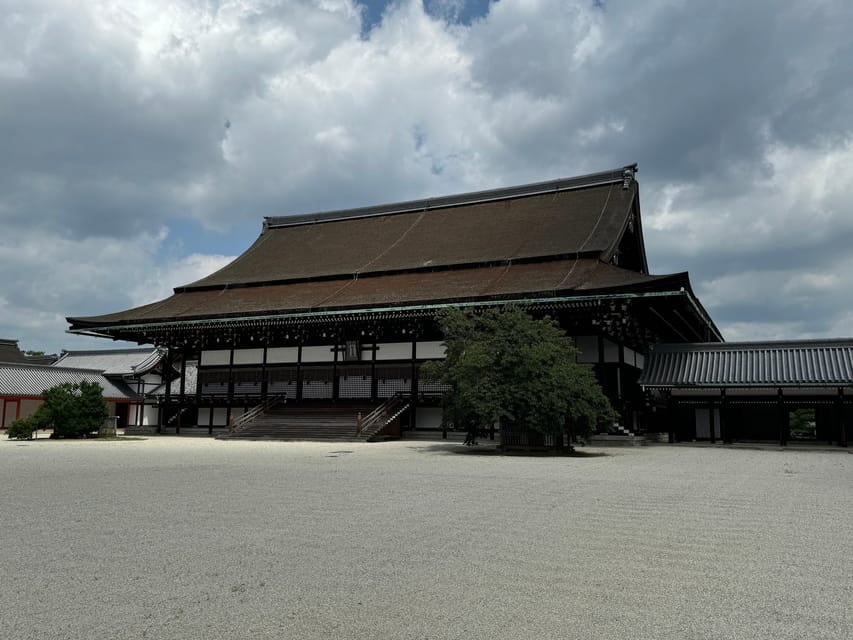
The palace’s main ceremonial building is Shishinden Hall. This is the place to watch for if your main interest is the formal side of imperial life.
Shishinden was used for important imperial ceremonies. Its scale and traditional design help explain how the court presented authority. The building was not simply a residence. It was a stage for events where rank, position, and ritual mattered.
A guide can point out why the hall feels different from the more personal parts of the complex. The ceremonial buildings were designed to impress and to control movement. Even without knowing every architectural term, you can sense that these spaces were made for public occasions rather than ordinary living.
The value of the guided visit is strongest here. You can see the hall on your own, but the meaning behind it is less obvious. Ask your guide which ceremonies took place there and how the building fit into the wider structure of court life.
Yoshi received especially strong praise for showing small details around the palace and explaining Japanese history in a clear way. If he is leading your group, you may find that his attention to those details adds more to the visit than a quick walk past the main buildings.
From public ritual to private court life
The Emperor’s personal residence gives the tour a more human scale. After seeing the buildings used for major ceremonies, you get a chance to consider how the imperial family lived away from official events.
This part of the palace is useful because it fills in a gap that grand halls often leave open. Ceremony can tell you how an institution presented itself. A private residence gives you clues about routines, comfort, and the quieter side of court life.
The information provided for this experience does not promise access to every interior room, so you should not book it expecting a full indoor house tour. The palace visit centers on the buildings, grounds, and historical explanation available along the route.
That said, the personal residence remains an important stop. I like the way it changes the rhythm of the visit. You move from the formal world of state occasions to a setting connected with the Emperor’s everyday life. That contrast helps make the imperial story easier to understand.
Gardens that slow the pace
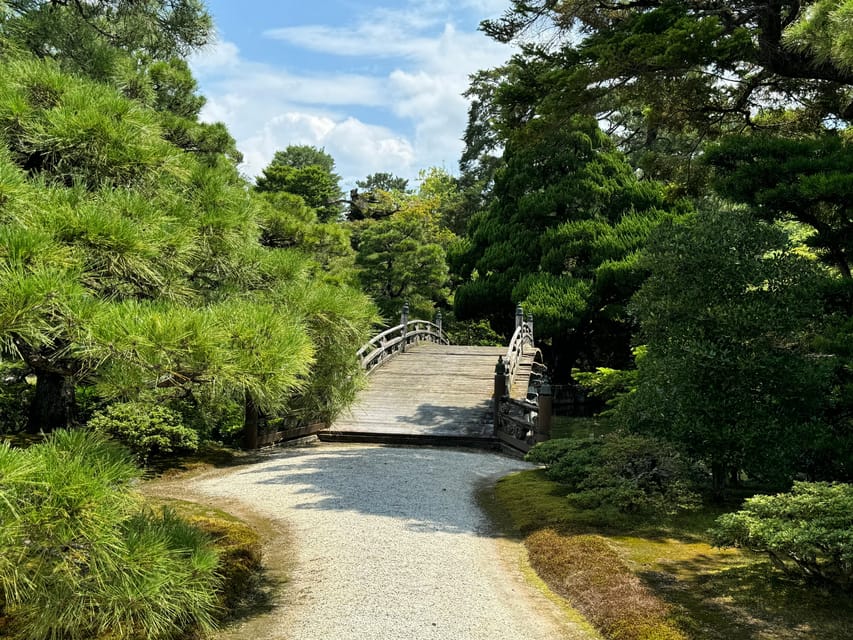
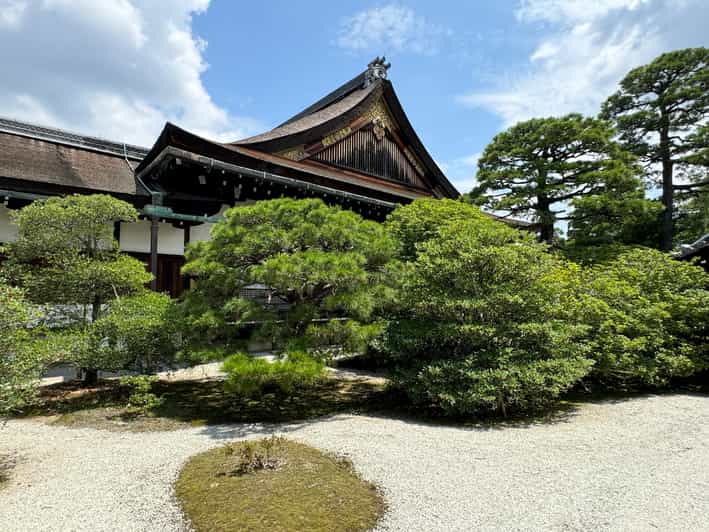
The palace gardens provide a welcome pause between the formal buildings. Their careful planting, open views, and traditional design create a quiet setting for the tour.
The gardens are not just decoration. They help show how Japanese court spaces balanced ceremony with controlled natural beauty. The setting gives you time to look closely at rooflines, gates, paths, and the relationship between buildings and open space.
One booking described the interior garden as jaw-droppingly beautiful. That reaction makes sense as a practical tip: do not spend the whole visit looking only at the biggest hall. Some of the most memorable views may come from the smaller garden areas and the way the buildings frame them.
Your guide can also make the gardens more meaningful by explaining how they relate to palace life. Without that context, you might simply see pleasant scenery. With a good guide, the gardens become part of the story of status, ceremony, and private space.
Bring a pace that allows for stops. This is not an activity where you need to rush from one photo point to the next. The gardens are one of the reasons to choose this tour instead of treating the palace as a quick photo stop.
What the guide adds, and where the tour can fall short
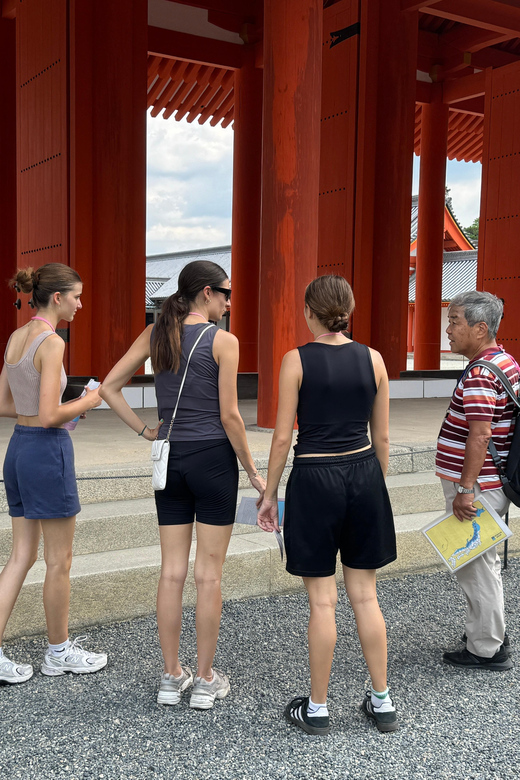
The main reason to pay for this experience is explanation. Entry to Kyoto Imperial Palace is free, so the $38 price is not buying admission. It is buying the guide’s time, the structure of the visit, and the chance to ask questions in English.
That can be good value if you are interested in Japanese imperial traditions but do not want to prepare the background yourself. You can ask about the purpose of a hall, the difference between public and private spaces, or the role of a particular ceremony as you see the setting in front of you.
The value is less clear if you prefer to wander at your own pace and read available information for yourself. One booking described the guide as friendly and well meaning but felt the palace could easily be seen without paid assistance. That is a fair criticism, especially for visitors who already know Japanese history or prefer independent sightseeing.
Guide quality is the key variable. Yoshi was praised for his understanding of Japanese history and for pointing out details that might otherwise go unnoticed. Another booking reported that the guide gave little useful information and mainly walked beside the group while taking photographs.
I would treat that mixed experience as a reason to ask questions early. At the start, tell the guide what interests you most. If you care about architecture, ask for design details. If you care about the imperial family, ask about court routines and ceremonies. A clear request can help shape a short visit.
The current score is 4.4 out of 5 from 21 ratings, which suggests the experience often works well but is not completely consistent. The strongest results come when the guide provides the historical context promised by the tour.

Is $38 a fair price?
At $38 per person, this is a moderate add-on for a Kyoto sightseeing day. Since palace entry is free, the price deserves a closer look.
For a private or small group, I think the cost can be sensible if you want a focused explanation and the chance to ask questions. It is also useful if you are visiting Kyoto for a short time and want someone to organize the palace visit into a clear story.
For a larger group, the value depends more heavily on the guide. You may not get as much personal attention, and the free grounds can be explored without booking. If your budget is tight, you could visit independently and spend the money on a site where admission itself is costly.
I would book this tour for the interpretation, not for special access. The advertised information does not promise exclusive rooms, skip-the-line entry, or private imperial areas. Its strength is the guided explanation of the buildings and gardens.
Free cancellation up to 24 hours before the activity and reserve-now, pay-later booking make it easier to fit into a changing Kyoto schedule. Those terms are useful, but they do not change the basic value question: you are paying for a guide at a site that you can enter free of charge.
Who will enjoy this palace walk?
I would recommend it most strongly to you if:
- You want an English explanation of Japan’s imperial traditions.
- You are curious about the difference between ceremonial halls and private residences.
- You prefer a private or small-group visit.
- You enjoy traditional architecture and carefully designed gardens.
- You have limited time and want a guided route rather than a self-directed visit.
- You are willing to ask questions and take an active role in the tour.
It may be less suitable if you want a long, flexible visit with no fixed pace. It may also disappoint if you expect broad access to palace interiors or a guaranteed expert guide. The provided information confirms English guidance and a guided palace visit, but it does not promise access beyond the standard areas included in the route.
Families, first-time visitors to Kyoto, and people with a strong interest in Japanese court history may find the structure helpful. Independent sightseers who enjoy reading and exploring alone may prefer to use the free entry and spend their $38 elsewhere.
Practical details to know before booking
The meeting point is the front of Hamaguri Gate, and the guide carries a yellow DeepExperience sign. Save the meeting-point name exactly as written, since Kyoto Imperial Palace has several gates and a large garden area.
The guide speaks English. Private and small-group formats are available. The route begins and ends at Hamaguri Gate, with the palace visit described as around an hour and a half, while the overall activity duration is listed as one hour. Confirm the timing before you set up a tight schedule.
The experience is offered by DeepExperience, Inc. Entry to the palace is included at no extra charge. The guide is included as well.
You can cancel up to 24 hours in advance for a full refund. You can also reserve now and pay later, which helps if your Kyoto plans are still shifting.
Should you book Kyoto Imperial Palace with a guide?
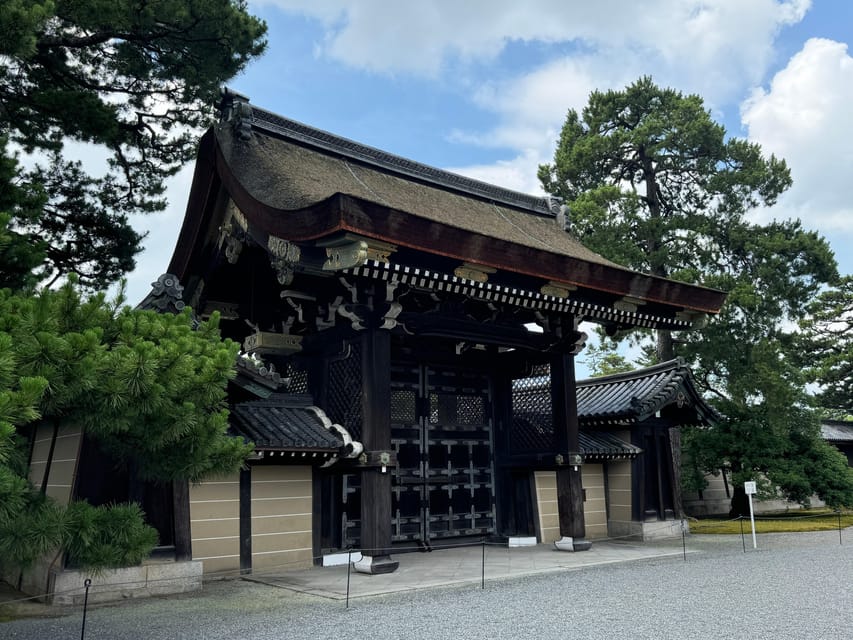
Book it if you want the palace to make sense as more than a collection of elegant buildings. Shishinden Hall, the personal residence, and the gardens each show a different side of imperial life, and a good English-speaking guide can link them together.
The strongest case is for visitors who value history, ask questions, and choose a private or small-group format. Yoshi’s strong showing suggests the tour can be excellent when the guide brings the right preparation and attention to detail.
Skip it if you are happy to explore a free site independently or if you need a guaranteed, highly detailed lecture. The uneven guide experience is the main risk. At $38, this is a reasonable purchase for context and company, but not for admission or special access.
FAQ
Where does the Kyoto Imperial Palace tour begin?
The tour begins in front of Hamaguri Gate, also known as Hamagurigomon, at Kyoto Imperial Palace. Your guide will hold a yellow sign marked DeepExperience.
Where does the tour finish?
The tour returns to Hamaguri Gate, the same location where it begins.
How long does the experience last?
The activity is listed as lasting one hour, while the guided Kyoto Imperial Palace visit is described as lasting about one and a half hours. Check the available start time and exact schedule before booking.
Is an English-speaking guide included?
Yes. The activity includes a live English-speaking guide.
Is entry to Kyoto Imperial Palace included?
Yes. Entry is included and is listed as free.
Can I book a private or small-group tour?
Yes. Private and small-group options are available.
Can I cancel the booking?
You can cancel up to 24 hours in advance for a full refund. The activity also offers reserve-now, pay-later booking.
More tours in Kyoto we've reviewed





Kyoto, compared.
 ★ 5.0PERFECT KYOTO 1-Day Bus TourFrom $129
 ★ 4.8Kyoto: Fushimi Inari, Kinkakuji, Bamboo Grove 1 Day Bus TourFrom $122510 minutes - 9 hours
 ★ 4.9Kyoto: Tea Ceremony in a Traditional Tea House in KiyomizuFrom $4945 min
 ★ 4.7Kyoto Geisha Walking Tour: Gion District & Hidden GemsFrom $252 hours
 ★ 4.9Kyoto: Tea Ceremony Ju-An at Jotokuji TempleFrom $291h 10m
 ★ 4.3Kyoto: 45-Minute Tea Ceremony Lesson ExperienceFrom $2245 min