
Reviewed · TEA CEREMONY EXPERIENCES
Uji Walking Tour – Byodo-in temple and Tea Ceremony from Kyoto
Uji gives you three very Japanese experiences in one compact morning: a train ride from Kyoto, a formal tea ceremony, and Byodo-in Temple with its famous Phoenix Hall. Ujibashi Bridge and the Uji River add a pleasant walk between the main stops, while the licensed English-speaking guide supplies the cultural context that is easy to miss on your own.
I like the small group of up to 12 people, which makes a brisk walking tour easier to manage. I also like the clean value: the train fare, Taihoan tea ceremony, guide, and Byodo-in admission are included for $96.06. The main caution is time. The schedule is tight, and the walk, photo stops, museum, and temple grounds can feel rushed.
In This Review
- Key points at a glance
- Why Uji makes a good morning from Kyoto
- Starting at Kyoto Station and riding to Uji
- Ujibashi Bridge and the first look at Uji
- Nakanoshima Park beside the Uji River
- Taihoan and the 20-minute tea ceremony
- Byodo-in Temple and the Phoenix Hall
- The return to Kyoto and the value of the schedule
- Who will get the most from this Uji tour
- Should you book this four-hour Uji experience?
- FAQ
- How long does the Uji walking tour last?
- Where does the tour begin?
- Where does the tour end?
- Is transportation between Kyoto and Uji included?
- Are train seats reserved?
- Is this a bus tour?
- What happens during the tea ceremony?
- What should I wear for the tea ceremony?
- Is entry to Byodo-in Temple included?
- Can children join the tour?
- Can I cancel for a full refund?
Key points at a glance
- Uji by JR train: Ride from Kyoto Station to Uji in about 20 minutes, with return transportation included.
- Tea in Japan’s famous tea town: Enter Taihoan for a 20-minute tea ceremony, held in a tatami room.
- A historic bridge and river walk: Cross Ujibashi Bridge and pass through Nakanoshima Park when river conditions allow.
- Byodo-in and the 10-yen coin: Visit the Heian-era temple and see the Phoenix Hall from its garden setting.
- Fast, focused format: This is a four-hour walking tour, not a relaxed half-day outing with long free time.
- Useful practical detail: Wear comfortable shoes and socks. Seating on the trains is not guaranteed.
Why Uji makes a good morning from Kyoto
Uji is close enough to Kyoto for a half-day visit, yet it feels like a clear change of scene. The town is tied closely to Japanese tea, and the Uji River gives the visit an open, scenic stretch before you enter the temple grounds.
This tour is useful if you want an introduction without spending a full day planning train routes, temple tickets, and tea arrangements. You meet at the JTB Sunrise Tours Desk in the basement of Avanti near Kyoto Station at 8:20 a.m. The tour finishes near Kyoto Station around 12:30 p.m., so you still have most of the afternoon for Kyoto.
The price is $96.06 per person. That is not the cheapest way to visit Uji, since you could take the train and visit Byodo-in independently. But the cost also covers a licensed English guide, transportation, tea, and temple admission. For a first visit, the guide’s explanations and the fixed schedule can justify the extra expense.
The tradeoff is freedom. You will not have much time to linger in a tea shop, browse at your own pace, or stop for every photograph. This works best when you want several highlights in one morning, not when you want to wander slowly.
A few more Kyoto tours and experiences worth a look
Starting at Kyoto Station and riding to Uji
The meeting point is the JTB Sunrise Tours Desk at Japan, 601-8003 Kyoto, Minami Ward, Higashikujo Nishisannocho, 31, in the B1 level of Avanti. Kyoto Station is a large, busy transport hub, so allow enough time to find the Avanti building and reach the basement desk before the 8:20 start.
The group uses a JR rapid or local train from Kyoto Station to Uji Station. The ride takes about 20 minutes, and the transportation cost is included. You travel in non-reserved seating, so a seat is not promised. This matters most if you are tired, carrying luggage, or traveling with children who need to sit together.
The train ride is part of the appeal. You get a quick look at how easily Uji connects to central Kyoto, rather than spending the morning on a tour bus. It also means you should expect normal public transport conditions: boarding at a busy station, walking between platforms, and staying close to the guide.
The tour is conducted on foot once you reach Uji. Wear shoes that are comfortable for steady walking, temple paths, bridge crossings, and city streets. The group can have as many as 12 people, which is small enough for a guide to keep everyone together, but you still need to maintain the pace.
Ujibashi Bridge and the first look at Uji
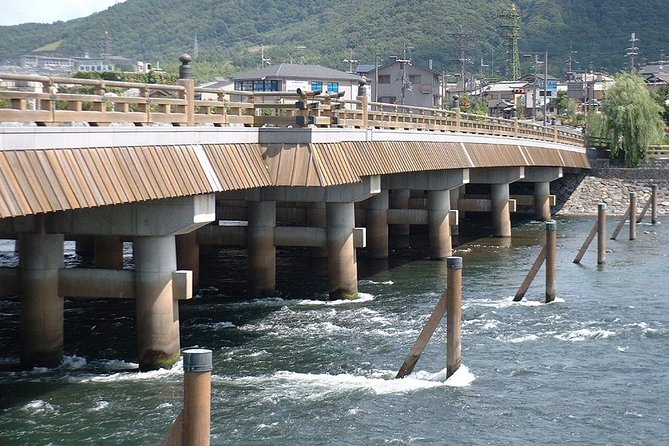
Ujibashi Bridge is one of the tour’s best early stops. It is thought to have been built originally in the seventh century and is counted among Japan’s oldest bridges. Its age gives the crossing more weight than a simple photo stop.
A small projection from the bridge, called san-no-ma, offers a good viewing point. You can look toward the river and get your first sense of Uji as a town shaped by water, tea, and religious sites.
This is where the tour’s quick pace becomes noticeable. One stop includes the bridge, river views, and photographs, so you may need to choose your moments. If you stop often, you can fall behind the group. I suggest taking one or two useful photos, then listening while you walk.
The guide helps turn the bridge into more than a pretty crossing. You learn why it matters and how it fits into Uji’s place in Japanese history. Without that explanation, you might cross, take a picture, and miss the significance of the site.
Nakanoshima Park beside the Uji River
The route continues through Nakanoshima Park, also called Uji Park. The park sits around the Uji River and provides a calmer section of the walk. It is a nice counterpoint to the formal temple visit because you can see the river and town together.
The park stop depends on conditions. High water in the Uji River or other local factors can force the tour to skip it. You should treat it as a planned part of the walk, not an absolute guarantee.
This section is particularly valuable for anyone who wants more than a temple checklist. Uji’s appeal is not limited to Byodo-in. The river, bridge, park, and tea culture explain why the town has long attracted visitors.
Still, do not expect a long park stroll. The entire experience lasts about four hours and ten minutes, including both train rides. The guide must keep the group moving to fit in the tea ceremony and temple visit.
Taihoan and the 20-minute tea ceremony
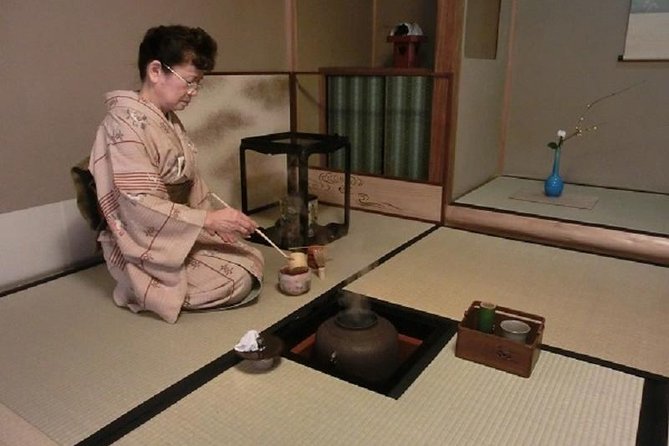
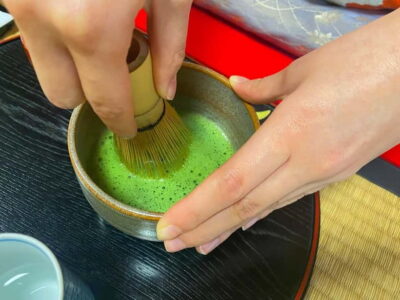
Taihoan is the tour’s cultural centerpiece. Here you take part in a traditional tea ceremony in Uji, a town famous for tea. The ceremony lasts about 20 minutes, so it offers a real introduction without taking over the whole morning.
You may receive matcha or sencha, depending on the day. You cannot choose between them. That uncertainty is worth knowing before you book, since the two teas involve different procedures and give you slightly different introductions to Japanese tea customs.
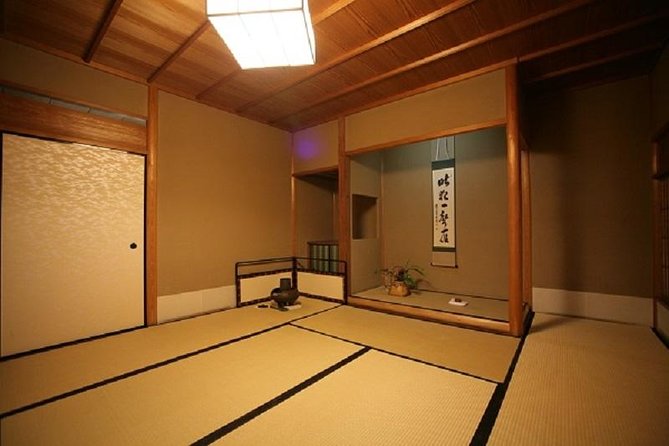
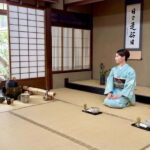
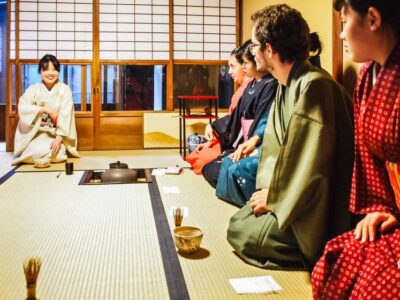
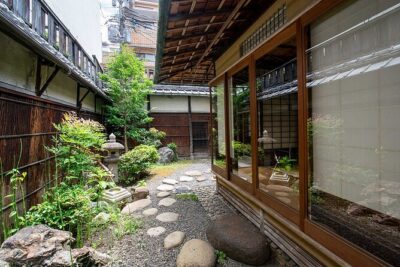
The experience takes place in a tatami room. You need to wear socks, even if you plan to wear shoes that are easy to remove. Video recording is not allowed inside the tea room, so you should be ready to put the phone away and pay attention to the ritual.
The tea ceremony may be shared with other customers. It is not presented as a private lesson for your group alone. That can make the setting feel less personal, but it also gives you a practical look at how a formal tea experience works in a real tea house.
Twenty minutes is enough to learn the basic rhythm and etiquette, but not enough for a long study of tea culture. Think of it as a focused introduction. If you want a detailed tea lesson, a private ceremony, or time to ask many questions, you may find this format too short.
The guide’s role matters here. A licensed English-speaking guide can explain why the movements are deliberate and what you are expected to do. The tea ceremony is not simply about drinking green tea. It is also about manners, attention, space, and the careful handling of simple objects.
A few more Kyoto tours and experiences worth a look




Byodo-in Temple and the Phoenix Hall
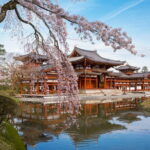
Byodo-in is the tour’s major historic sight. Built near the end of the Heian period, the temple includes a Buddha statue and other religious images, along with a garden. It is part of the Historic Monuments of Ancient Kyoto World Heritage site.
The temple is instantly familiar to many people because an image of its Phoenix Hall appears on the Japanese 10-yen coin. Seeing the real building after recognizing it from currency gives the visit a satisfying sense of connection.
The garden setting is important. Byodo-in is not only a building to view from the front. The surrounding water, greenery, and carefully arranged sightlines help explain the temple’s visual impact. You get time to walk the grounds and visit the museum during the planned 50-minute stop.
Here is the key warning: the actual time available can shrink when the day is crowded or the schedule runs late. A rushed visit may leave you with only about 15 minutes for the grounds and museum. That is not enough for a thoughtful look at every feature, especially if you also want photographs.
The Phoenix Hall itself may not be accessible during periods of congestion. If the tour cannot enter it, JPY 300 is refunded at the location. The temple grounds remain part of the visit, but you should not book this tour on the assumption that every interior area is guaranteed.
The guide’s explanations can make a short visit worthwhile, particularly if you want the historical link between Byodo-in, the Heian period, and the 10-yen coin. But if Byodo-in is your main reason for visiting Uji, an independent visit may give you more control over timing.
The return to Kyoto and the value of the schedule
After Byodo-in, the group returns to Uji Station and takes a JR rapid or local train back to Kyoto Station. The return ride takes about 20 minutes, again in non-reserved seating. The tour ends near Kyoto Station at roughly 12:30 p.m.
The schedule is efficient. You see the bridge, park, tea house, and temple without needing to arrange separate tickets or directions. That is especially helpful for a first morning in Kyoto when you want a guided start.
Efficiency can also be the weakness. The walking pace is fast, and the tour does not leave room for extended shopping, a long lunch, or unplanned stops. A photo break can make it difficult to keep up, so stay close to the guide and save longer photography for moments when the group pauses.
The order of activities and arrival times can change because of congestion and local conditions. This is normal for a public transport tour, but it reinforces the need for flexible expectations. You are buying a structured overview, not a private day with complete control.
Who will get the most from this Uji tour
I would recommend this experience to you if you want a guided first look at Uji and prefer a clear route over independent planning. The combination of train travel, river scenery, tea, and Byodo-in gives you a broad picture of the town in one morning.
It also suits visitors who enjoy cultural explanations. The bridge and temple are easy to photograph on your own, but the guide can explain why they matter. The tea ceremony adds something you may not arrange spontaneously during a regular sightseeing day.
The tour is a good match for people who are comfortable walking at a steady pace. Most people can participate, and the route is near public transportation, but this is not a bus tour. You need to manage streets, station platforms, bridges, and temple grounds on foot.
I would hesitate to recommend it to you if you want a slow visit to Byodo-in. The possible time pressure is the biggest concern. You may enjoy the tour more if you treat the temple as one part of a short Uji introduction rather than the sole purpose of the outing.
People under 18 need written parental permission. Anyone under 15, or not yet enrolled in middle school, must be accompanied by a parent or guardian. The tea room also requires socks, and no video recording is permitted there.
The tour has a 3.7 out of 5 rating from three posted ratings, so the record is mixed rather than uniformly glowing. The strongest positive points are the historic architecture, the pleasant Uji river walk, the tea experience, and the convenience of a small group. The clearest criticism is rushed timing, especially at Byodo-in.
Should you book this four-hour Uji experience?
Book it if you want convenience, a licensed English-speaking guide, and several major Uji sights packed into a morning. The included train fare, tea ceremony, and Byodo-in entry make the $96.06 price reasonable for a guided introduction, especially if you do not want to plan the route yourself.
Skip it if you want to linger. Byodo-in deserves time, and this schedule may not provide much extra. In that case, visit Uji independently or choose an outing with a longer temple stay.
For the best experience, arrive early at the Avanti meeting point, wear walking shoes and socks, keep your camera ready but do not stop too long, and expect the Phoenix Hall interior to depend on crowd levels. You will get the most from this tour by accepting its purpose: a brisk, well-organized sampler of Uji rather than a leisurely day there.
FAQ
How long does the Uji walking tour last?
The experience lasts approximately 4 hours and 10 minutes. It begins at 8:20 a.m. and ends near Kyoto Station around 12:30 p.m.
Where does the tour begin?
It begins at the JTB Sunrise Tours Desk in the basement of Avanti near Kyoto Station, at 31 Higashikujo Nishisannocho, Minami Ward, Kyoto.
Where does the tour end?
The tour ends near Kyoto Station in the Higashishiokoji Kamadonocho area.
Is transportation between Kyoto and Uji included?
Yes. The tour includes the JR train rides between Kyoto Station and Uji Station.
Are train seats reserved?
No. The trains use non-reserved seating, so a seat is not guaranteed.
Is this a bus tour?
No. The tour uses public transportation and includes sightseeing on foot. Comfortable walking shoes are recommended.
What happens during the tea ceremony?
You take part in a tea ceremony at Taihoan in Uji. The experience lasts about 20 minutes and may use matcha or sencha, depending on the day.
What should I wear for the tea ceremony?
The tea ceremony takes place in a tatami room, so you should wear socks. Video recording is not allowed inside the tea room.
Is entry to Byodo-in Temple included?
Yes. The Byodo-in admission fee is included. If congestion prevents entry to the Phoenix Hall, JPY 300 is refunded at the location.
Can children join the tour?
Most people can participate, but anyone under 18 needs written parental permission. Participants under 15, or those not yet enrolled in middle school, must be accompanied by a parent or guardian.
Can I cancel for a full refund?
Yes. You can cancel at least 24 hours before the local start time for a full refund. Cancellations or changes made less than 24 hours before the start time are not accepted for a refund.
More Uji & Matcha Trips in Kyoto
More Golden Pavilion & Temple Tours in Kyoto
More Tea Ceremony Experiences in Kyoto
More tours in Kyoto we've reviewed











Tea Ceremony Experiences, compared.
 ★ 4.9Kyoto: Tea Ceremony in a Traditional Tea House in KiyomizuFrom $4945 min
 ★ 4.9Kyoto: Tea Ceremony Ju-An at Jotokuji TempleFrom $291h 10m
 ★ 4.3Kyoto: 45-Minute Tea Ceremony Lesson ExperienceFrom $2245 min
 ★ 5.0World Heritage Kyoto & Nara Uji Authentic Matcha ExperienceFrom $129
 ★ 4.9Kyoto: Table-Style Tea Ceremony at a Kyo-MachiyaFrom $451h 30m
 ★ 5.0Kimono Tea Ceremony at Kyoto Maikoya, NISHIKIFrom $65