
Reviewed · GOLDEN PAVILION & TEMPLE TOURS
Kyoto: Kiyomizudera, Sanjusangendo, Ginkakuji and Higashiyama.
Kyoto’s eastern side packs a remarkable amount into one day: 1,001 Kannon statues, a hillside temple, old lanes, a famous pagoda, a shrine, Zen gardens, and the Philosopher’s Walk. This Spanish-language small-group tour links those sights by foot and public transport, giving you context without the work of piecing the route together yourself.
I like two things in particular: entry fees are included for Sanjusangendo, Kiyomizudera and Ginkakuji, and the group is limited to 10 people. The guide Manuel is praised for making the day friendly and useful, with one family saying he was attentive and made the visit both pleasant and informative.
The trade-off is a long seven-hour outing with a fair amount of walking, stairs and bus travel. You also pay for local transport separately, so bring about 230 yen in cash or use an ICOCA, Suica or PASMO card.
In This Review
- Key points at a glance
- Why this Kyoto route works so well
- Sanjusangendo and the hall of 1,001 Kannon figures
- Walking from Sanjusangendo to Kiyomizudera
- Kiyomizudera, Kyoto’s famous hillside temple
- Higashiyama’s lanes, Hokanji and Yasaka Pagoda
- Public transport and the move to Ginkakuji
- Ginkakuji and the calm of the Silver Pavilion
- The Philosopher’s Walk and the route’s one unclear detail
- What the Spanish-speaking guide adds
- Who should book this seven-hour tour
- Practical advice before you go
- Should you book it?
- FAQ
- Where does the tour start?
- How long does the activity last?
- What language is the tour conducted in?
- How large is the group?
- Which entrance fees are included?
- Do I need to pay for transport?
- What should I bring?
Key points at a glance
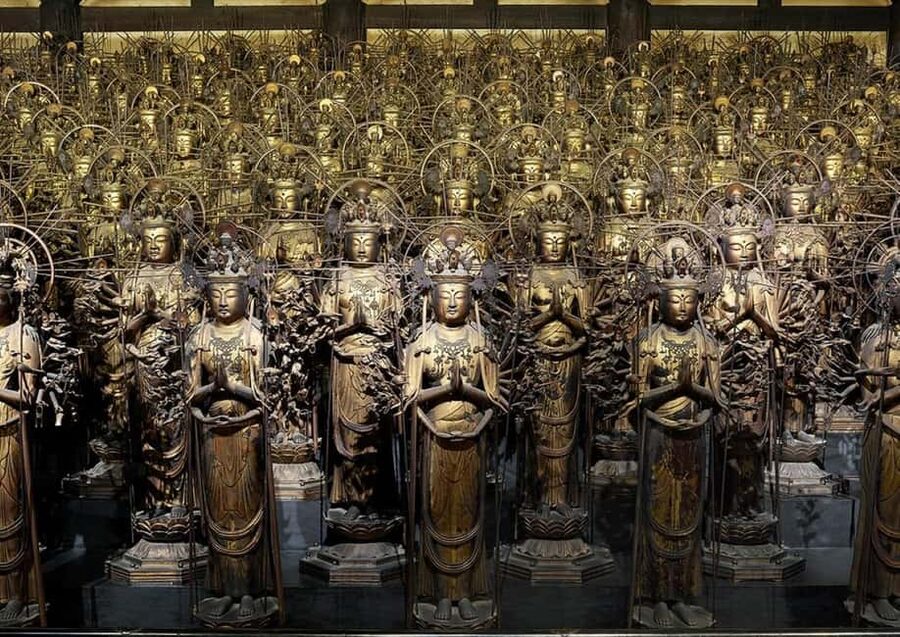
- 1,001 Kannon statues: Sanjusangendo gives you one of Kyoto’s most striking indoor temple visits.
- Three major admission fees included: Sanjusangendo, Kiyomizudera and Ginkakuji are covered in the $95 price.
- Old Kyoto on foot: Higashiyama, Yasaka Pagoda and Yasaka Shrine bring you into narrow streets and traditional temple districts.
- Spanish-speaking guidance: You can ask questions and follow the cultural explanations in Spanish throughout the day.
- Small group of up to 10: This is a more personal setup than a large coach excursion.
- Seven hours with public transport: Comfortable shoes, suitable clothing and a little cash are essential.
Why this Kyoto route works so well
This outing focuses on Kyoto’s eastern temple belt, rather than trying to cover every famous sight in the city. That is a sensible choice. Kiyomizudera, Higashiyama, Yasaka and Ginkakuji are connected by the feel of old Kyoto, while Sanjusangendo adds a very different indoor experience.
You begin at Shichijo Station Exit 1 at 9 a.m. The early start matters. Kyoto’s best-known temples become busy, and beginning in the morning gives you a better chance to appreciate the courtyards and paths before the day feels crowded.
The tour lasts about seven hours. It is not a quick photo stop circuit. You spend roughly an hour at Sanjusangendo, an hour at Kiyomizudera, an hour in Higashiyama, 30 minutes at Hokanji Temple, 30 minutes at Yasaka Shrine and an hour at Ginkakuji, with walking and public transport between sections.
The price is $95 per person. Since three temple admissions are included, the cost is easier to justify than a tour that simply provides a guide and leaves every entrance fee to you. Still, local trains or buses are not included, and you will need to pay for food, drinks and souvenirs yourself.
A few more Kyoto tours and experiences worth a look

Sanjusangendo and the hall of 1,001 Kannon figures
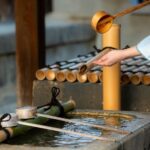
The first major stop is Sanjusangendo, also called Rengeo-in. Its great appeal is clear as soon as you enter the long wooden hall: row after row of Kannon statues fill the interior.
The advertised visit lasts about an hour, which gives your guide time to explain what you are seeing instead of rushing you through the building. The sight is powerful because it is repetitive in the best sense. A thousand-plus figures create a calm, almost otherworldly effect, and the long hall gives the visit a strong sense of scale.
This is also a good first stop for a practical reason. It is mostly an indoor temple visit, so the day does not begin with a long walk through exposed streets. You can settle into the rhythm of the tour while hearing the religious and artistic background in Spanish.
Photography rules and other temple instructions should be followed carefully. The supplied details do not specify the exact rules inside, so listen to your guide and posted signs rather than assuming cameras are allowed everywhere.
Walking from Sanjusangendo to Kiyomizudera
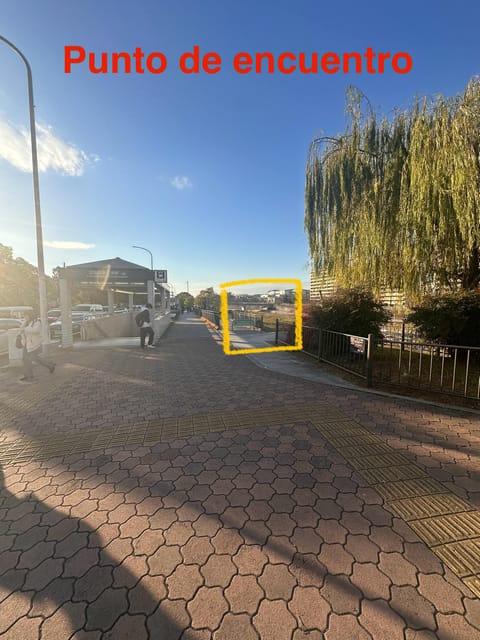
The route includes about 20 minutes on foot before Kiyomizudera. That is not a hard trek by itself, but it is only one part of a day that includes more walking later.
Wear shoes you can use comfortably for several hours. Kyoto temple grounds often include uneven paving, slopes and steps, and this tour also moves through older streets in Higashiyama. Comfortable clothing will make the day much easier, especially if you are visiting during a warm or humid season.
The walk helps connect the sights. Instead of being carried from one isolated entrance to another, you get a sense of how Kyoto’s eastern temple districts fit together. You should still treat the day as an active sightseeing walk, not a relaxed bus tour.
Kiyomizudera, Kyoto’s famous hillside temple
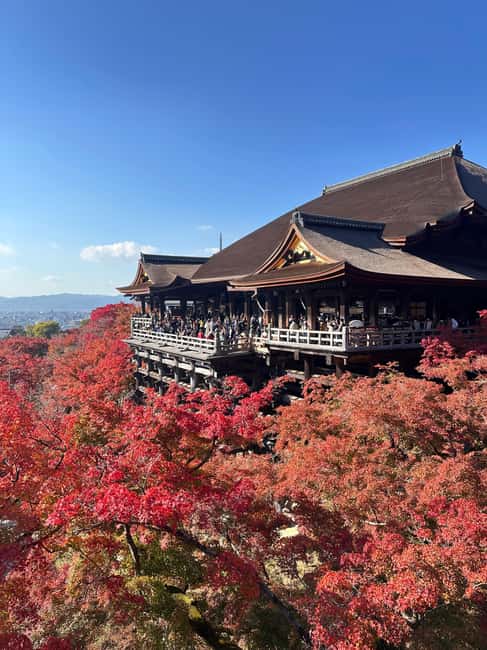
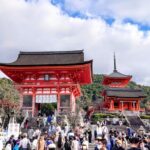
Kiyomizudera receives about an hour of guided attention. It is one of Kyoto’s essential temple visits, and the setting gives it a different feel from the enclosed hall at Sanjusangendo.
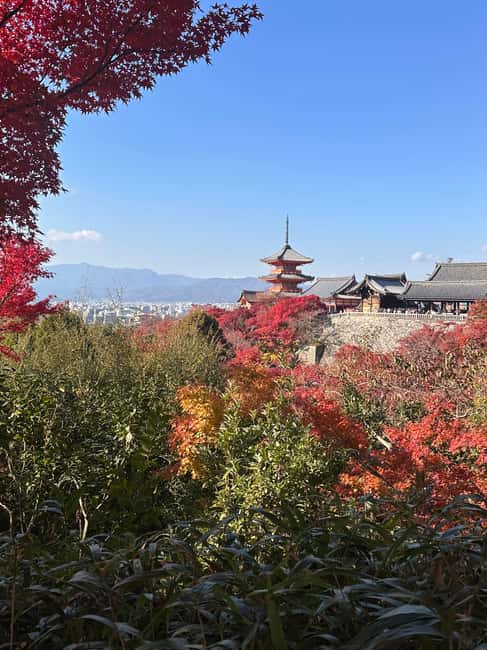
The temple is known for its elevated wooden stage and broad views across the city area. The approach and grounds are just as important as the main structure, with lanes leading through the Higashiyama district. The tour gives you a planned visit rather than leaving you to work out which entrance, terrace or path matters most.
An hour is enough for a focused introduction, but not enough to inspect every corner at a slow pace. That is the main limitation for anyone who likes to linger, browse shops or take many photographs. You will need to stay with the group and keep an eye on the meeting instructions.
The admission fee is included, which is useful here. Kiyomizudera is one of the stops where a guided visit can save both planning time and the trouble of managing another ticket during a busy day.
Higashiyama’s lanes, Hokanji and Yasaka Pagoda
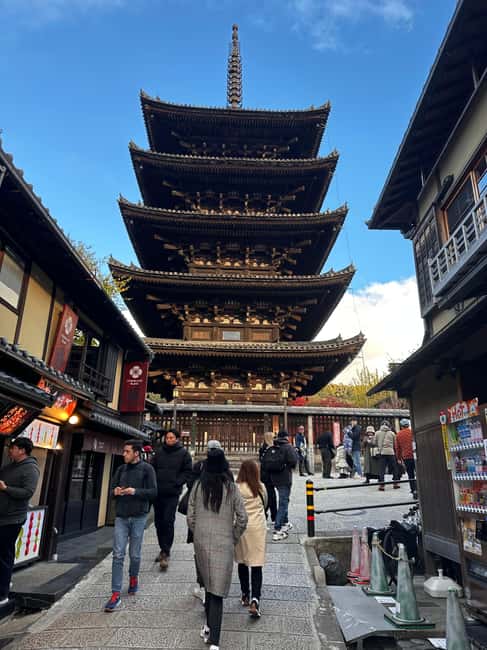
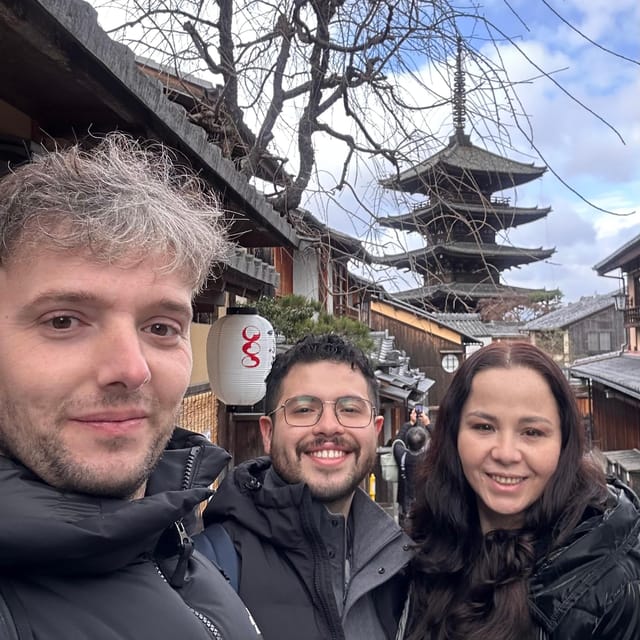
After Kiyomizudera, the tour spends about an hour sightseeing in Higashiyama Ward. This is the part of the day for old Kyoto atmosphere: traditional-looking streets, temple approaches and the familiar profile of Yasaka Pagoda.
Hokanji Temple, commonly linked with Yasaka Pagoda, receives a separate 30-minute guided visit. The pagoda is one of the most recognizable sights in the district, and it gives this portion of the tour a strong visual focus. You get time to see the temple rather than simply passing it on a street corner.
The Higashiyama section is likely to feel more informal than the major temple stops. You walk through the district, pause at notable places and hear how the area fits into Kyoto’s religious and historic character. This is also where comfortable shoes matter most. The streets can invite slow browsing, but the schedule means you cannot treat the whole district as free time.
Yasaka Shrine follows, with another 30-minute guided visit. Its gates and shrine grounds offer a useful contrast to the Buddhist temples earlier in the day. Seeing both temples and a Shinto shrine helps you understand that Kyoto’s religious life is not represented by one tradition alone.

Public transport and the move to Ginkakuji
The tour uses local public transport for about 30 minutes after the Higashiyama section. This is not included in the tour price. Bring roughly 230 yen for the bus, or use an ICOCA, Suica or PASMO card.
That detail may seem small, but it is worth handling before departure. You do not want to slow a small group while searching for change or trying to load a card. If you are not familiar with Kyoto’s buses, staying close to the guide is the simplest approach.
Using public transport also keeps the tour tied to the city itself. You are not sealed inside a private coach all day. The downside is that buses can take time, and seating is not guaranteed. A seven-hour schedule with walking, temple visits and public transport can feel full, especially if you prefer a slow pace.
Ginkakuji and the calm of the Silver Pavilion
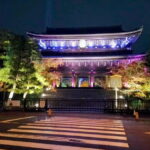
The final major temple is Ginkakuji, the Silver Pavilion. Despite its popular name, the pavilion is not covered in silver. Its appeal comes from the restrained Zen setting, carefully shaped gardens and quiet visual balance.
The guided visit lasts about an hour. This is a good place to slow down after the busy streets around Kiyomizudera and Higashiyama. The gardens are the main attraction, with paths that frame the buildings, sand forms and greenery in changing combinations.
You may find Ginkakuji more subtle than Kiyomizudera. It does not rely on a bright exterior or a dramatic city overlook. Its reward comes from looking closely at the garden design and the relationship between the structures and their surroundings. A Spanish-speaking guide can help explain why this understated style matters.
The admission fee is included. That makes Ginkakuji the third significant ticket covered by the $95 price, along with Sanjusangendo and Kiyomizudera.
The Philosopher’s Walk and the route’s one unclear detail
The experience description includes the Philosopher’s Walk, a well-known path beside a canal between the Ginkakuji area and Nanzenji. It is presented as a peaceful stroll, and the route’s final northern section is meant to give you a quieter change of pace after the main temple visits.
The timed itinerary specifically assigns one hour to Ginkakuji and then lists a 30-minute bus or coach segment, finishing in Higashiyama Ward. The published meeting information also says the activity ends back at the meeting point. Because those details do not line up perfectly, confirm the exact end point and final transport arrangement when you book.
This is not a reason to reject the tour, but it is a reason to ask a simple question before the day begins. You should know whether you will finish at Shichijo Station, in Higashiyama Ward, or at another stated point. The guide can also clarify how much of the Philosopher’s Walk is included on your date.
What the Spanish-speaking guide adds
The tour is conducted in Spanish and is limited to 10 participants. That combination is its strongest personal feature. At the temples, you can follow explanations without translating in your head, and the smaller group should make it easier to hear and ask questions.
Manuel is the guide name connected with the strongest personal feedback provided for this experience. He is described as attentive, approachable and good at making the day educational without making it dull. One family booked the outing for relatives because the person making the reservation had to work, and the group came away pleased with what they learned.
That detail is useful if you are booking for parents, children or relatives who would rather have support than manage Kyoto’s transport and temple layout alone. The tour is not just a ride between photo stops. Its value depends heavily on the guide’s ability to explain what each place means, and the available feedback points to Manuel doing that well.
Who should book this seven-hour tour
I would choose this tour if you want to see several of Kyoto’s best-known eastern sights in one organized day, especially if you prefer Spanish guidance. It suits first-time visitors who want a clear route and families who would rather not manage entrance tickets, buses and temple order themselves.
It also works well for anyone who wants variety. Sanjusangendo gives you a dramatic indoor hall, Kiyomizudera brings a major hillside temple, Higashiyama supplies old streets and pagoda views, Yasaka adds a Shinto shrine, and Ginkakuji finishes with Zen gardens.
I would hesitate if you want long periods of free time. The schedule is full, and the group must keep moving. Independent visitors who already know Kyoto may prefer to spend half a day at one district, stop for meals when they wish and stay as long as they like at Ginkakuji or Kiyomizudera.
The tour is also a poor match for anyone who dislikes walking or public buses. Baby carriages are not allowed, and the practical guidance specifically calls for comfortable shoes and clothing. You should be ready for a little walking, stairs and changes between sightseeing on foot and local transport.
Practical advice before you go
Meet at Shichijo Station Exit 1 at 9 a.m. Arriving early is wise because the guide will not want to delay a small group. If you are running late, contact the guide as soon as possible.
Bring:
- Comfortable walking shoes
- Comfortable clothes
- About 230 yen in cash, or an ICOCA, Suica or PASMO card
- Water and any personal items you need for a seven-hour day
Temple admission is included at Sanjusangendo, Kiyomizudera and Ginkakuji. Transport, food, souvenirs and other personal spending are not included.
The booking terms are flexible: you can cancel up to 24 hours before the activity for a full refund, and you can reserve now while paying later. That is handy when your Kyoto plans are still shifting.
Should you book it?
Book this tour if you want a Spanish-speaking guide, a small group and a well-planned eastern Kyoto route. The included temple tickets add real value to the $95 price, while Manuel’s attentive style makes the experience especially appealing for families and Spanish-speaking visitors who want cultural explanation, not just directions.
Skip it if you want a slow, independent day or if seven hours of walking and public transport sounds tiring. Before departure, confirm the final meeting point and how the Philosopher’s Walk fits into the day. For the right pace and interests, this is a practical way to cover several of Kyoto’s most important sights without spending your morning studying maps.
FAQ
Where does the tour start?
The meeting point is Shichijo Station Exit 1 at 9 a.m.
How long does the activity last?
The tour lasts seven hours. Starting times should be checked when you select your date.
What language is the tour conducted in?
The live tour guide speaks Spanish.
How large is the group?
The tour is limited to 10 participants.
Which entrance fees are included?
Admission to Sanjusangendo, Kiyomizudera and Ginkakuji is included.
Do I need to pay for transport?
Yes. Local train lines or buses are used, and transportation is not included. The guidance recommends bringing about 230 yen in cash or using an ICOCA, Suica or PASMO card.
What should I bring?
Bring comfortable shoes and comfortable clothes. Baby carriages are not allowed.
More Golden Pavilion & Temple Tours in Kyoto
More tours in Kyoto we've reviewed



Golden Pavilion & Temple Tours, compared.
 ★ 4.8Kyoto: Fushimi Inari, Kinkakuji, Bamboo Grove 1 Day Bus TourFrom $122510 minutes - 9 hours
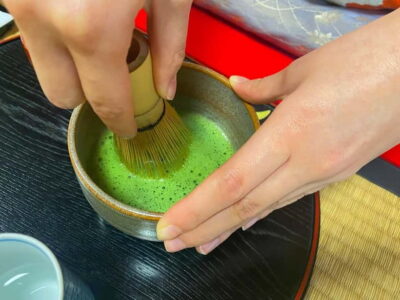 ★ 4.9Kyoto: Tea Ceremony in a Traditional Tea House in KiyomizuFrom $4945 min
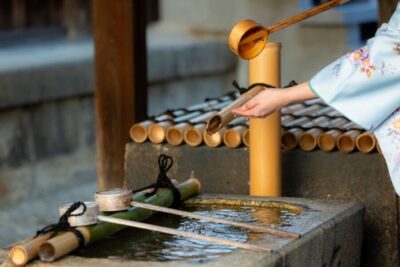 ★ 4.9Kyoto: Tea Ceremony Ju-An at Jotokuji TempleFrom $291h 10m
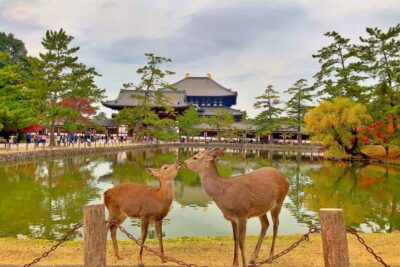 ★ 4.1Osaka/Kyoto:Kinkakuji,Arashiyama,FushimiInariShrine,NaraParkFrom $66
 ★ 4.8Arashiyama Bamboo, Temple, Monkeys, or Secret Sake BreweryFrom $875 hours - 330 minutes
 ★ 5.0Kyoto: Nijo, Kinkaku-ji, Arashiyama, Kiyomizu & Fushimi InariFrom $51