
Reviewed · KYOTO
Kyoto with kids: a day for the whole family!
Kyoto Fun lets you shape the day around your family instead of forcing everyone through a fixed checklist. You can pair the Arashiyama Bamboo Grove with Monkey Park, choose Fushimi Inari and Gion, or slow things down with tea and Zen. Guides named Diana and Kevin have earned praise for warm conversation, useful facts, and going the extra mile.
I like the private format, especially when children need snack breaks or teens lose interest in temples. I also like the practical freedom: you can pick up to three main sights with entrance fees included, then add a cultural activity if your family still has energy.
The main caution is price. At $202 per person, this is a serious investment, and taxis, meals, and optional activities cost extra. The value depends on your family using the guide’s flexibility rather than treating this as a basic sightseeing transfer.
In This Review
- Key Points for Planning Your Kyoto Family Day
- Why a Private Kyoto Tour Works Well With Children
- Arashiyama Bamboo Grove and Monkey Park Iwatayama
- Fushimi Inari’s Red Gates
- Kinkakuji and Kyoto’s Classic Sights
- Gion, Yasaka Shrine, and the Philosopher’s Path
- Cultural Activities That Give Kids a Role
- What Your Guide Adds to the Day
- Price, Transport, and What Is Included
- How to Plan a Comfortable Family Route
- Should You Book This Kyoto Family Tour?
- FAQ
- Is hotel pickup included?
- Is this a private tour?
- How many sights can we choose?
- Are meals and drinks included?
- Are optional activities included in the price?
- Is transport in a private vehicle included?
- What language is the tour offered in?
- What happens if I need to cancel?
Key Points for Planning Your Kyoto Family Day
- Choose your own route: Build the day around up to three Kyoto sights, with hotel pickup included.
- Keep children involved: Add ninja training, a scavenger hunt, taiko drumming, kimono dressing, or the Kyoto Train Museum.
- Pair active stops wisely: Bamboo forests and Monkey Park bring more movement than a temple-only schedule.
- Use the guide for more than facts: You can ask for stroller-friendly routes, restaurant help, and advice for the rest of your day.
- Watch the extra costs: Vehicle upgrades, taxis, meals, and optional activities are not included.
- Expect a walking day: Comfortable shoes, water, sunscreen, and weather-ready clothing are essential.
Why a Private Kyoto Tour Works Well With Children
Kyoto is easy to admire and surprisingly hard to organize with a family. Its sights spread across several areas, and the most famous places do not all fit naturally into one efficient route. A private guide gives you room to change course when the family mood changes.
That matters more than it might sound. A child who happily explores a bamboo path may not want another formal garden afterward. A teenager might prefer ninja training or the train museum to a second shrine. You can tell your guide what is working and what is not, then adjust the pace.
Hotel pickup also removes one early decision. You do not need to get the whole family onto the right train or bus before the day has begun. The tour is private, so the guide can focus on your group rather than keeping strangers on schedule.
The experience is described as a day tour, but no fixed duration is given. Flexible start times are available, and you can add hours if needed. Ask about the exact length and transport plan before booking, especially if you want to fit several distant sights into one day.
If you're still narrowing it down, here are other tours in Kyoto we've reviewed.
Arashiyama Bamboo Grove and Monkey Park Iwatayama
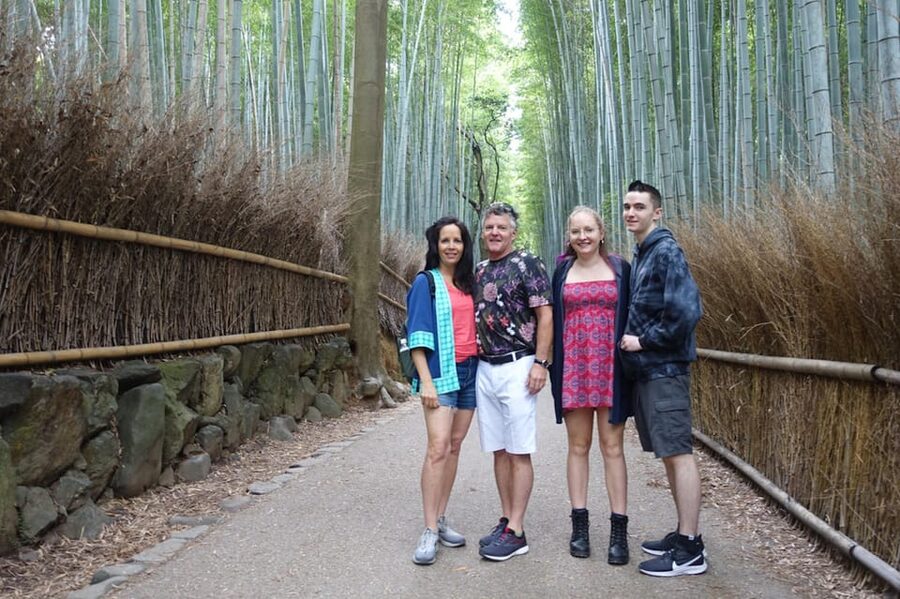
Arashiyama is one of the strongest choices for a family day because it gives children something physical to do. The bamboo walk feels different from the usual temple visit, with tall green stalks rising on both sides of the path. It is an easy place to take memorable photographs, though the path can feel crowded at popular times.
Monkey Park adds a more active section. You hike uphill to reach the area where wild monkeys live, then watch them from a safe distance. That last point matters: these are wild animals, not a petting-zoo attraction, and your guide can help explain how to behave around them.
The climb means you should judge your family’s energy carefully. Small children may need encouragement, and anyone wearing poor shoes will regret it. Bring water, wear comfortable footwear, and consider making this one of the day’s main activities rather than squeezing it between several other demanding stops.
The reward is variety. You get a forest walk, an uphill outing, animal watching, and broad views from the park area. For many families, that mix is easier to enjoy than several hours of quiet indoor sightseeing.
Fushimi Inari’s Red Gates
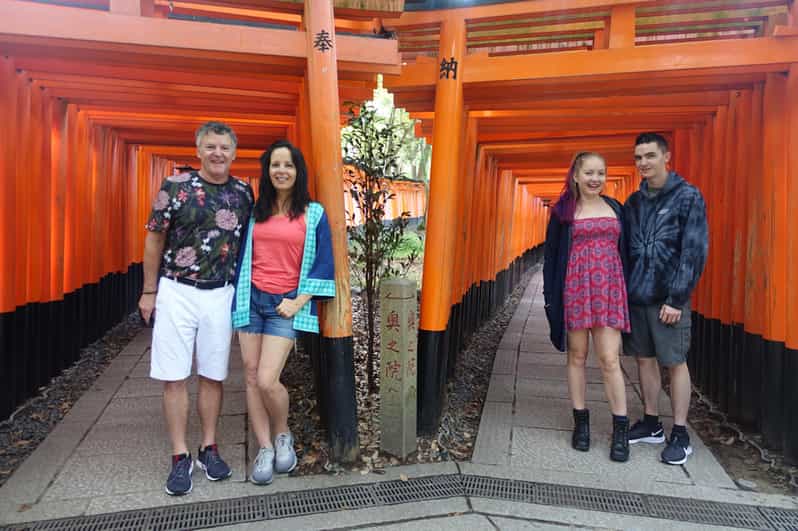
Fushimi Inari Shrine is famous for its long run of red torii gates, which lead up a sacred mountain path. The gates create one of Kyoto’s most recognizable walks, and the repeated color and changing forest setting give children a clear sense of progress as they go.
You do not have to treat the mountain route as an all-or-nothing hike. Tell your guide how far your family wants to walk. A flexible private visit lets you enjoy the atmosphere without turning the outing into a test of endurance.
The shrine can become crowded, especially around the most photographed sections. It is also a place of worship, so your guide can help your family understand appropriate behavior and the meaning of the shrine’s spaces. That context makes the visit more than a quick photo stop.
Fushimi Inari pairs well with a quieter activity, but it may not be the best choice after Monkey Park if your children are already tired. Ask your guide to balance active walks with a cultural stop, meal break, or short ride.
Kinkakuji and Kyoto’s Classic Sights
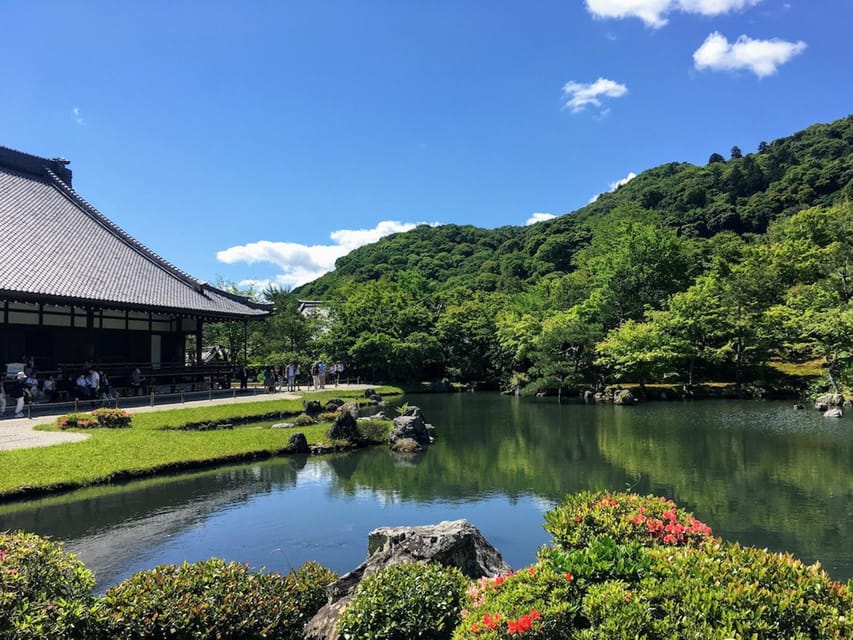
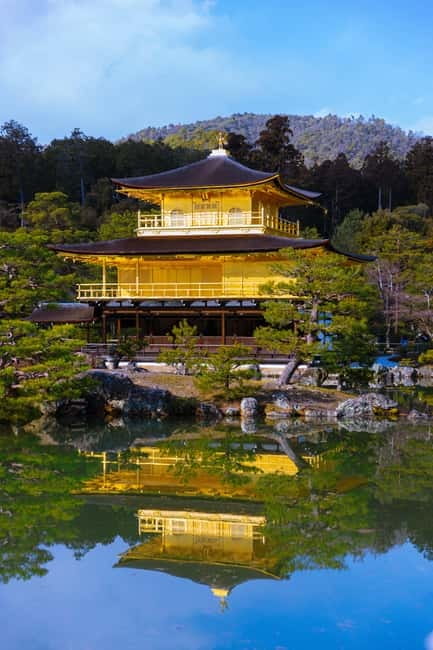
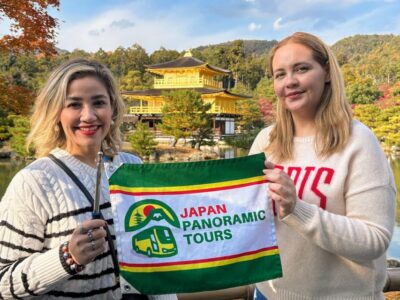
Kinkakuji, the Golden Pavilion, is Kyoto’s great visual showstopper. The upper floors are covered in gold, and the building reflects in the pond in front of it. Even children who are not eager temple-goers usually understand the appeal of seeing a real gold-covered pavilion.
The visit is focused rather than sprawling. You view the pavilion and follow the garden route, making it a useful stop when you want a major Kyoto sight without committing to a long hike. Entrance fees for up to three selected temples or gardens are included, which can help with the value if Kinkakuji forms part of your plan.
The drawback is that Kinkakuji can feel like a short visit compared with the time spent reaching it. It is also heavily photographed, so do not expect a quiet private moment in front of the pond. The guide’s role is useful here: you can learn what you are seeing, take your family photos, and move on before younger children run out of patience.
One family used this tour to finish in time for visiting the Golden Pavilion independently later. That points to a useful planning option: you can ask the guide to end near a particular sight or leave enough time for another Kyoto plan, but confirm the route and timing in advance.
Gion, Yasaka Shrine, and the Philosopher’s Path
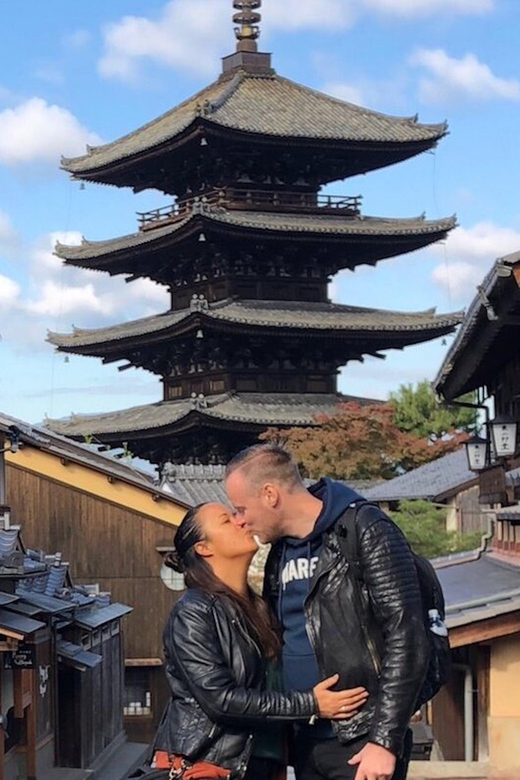
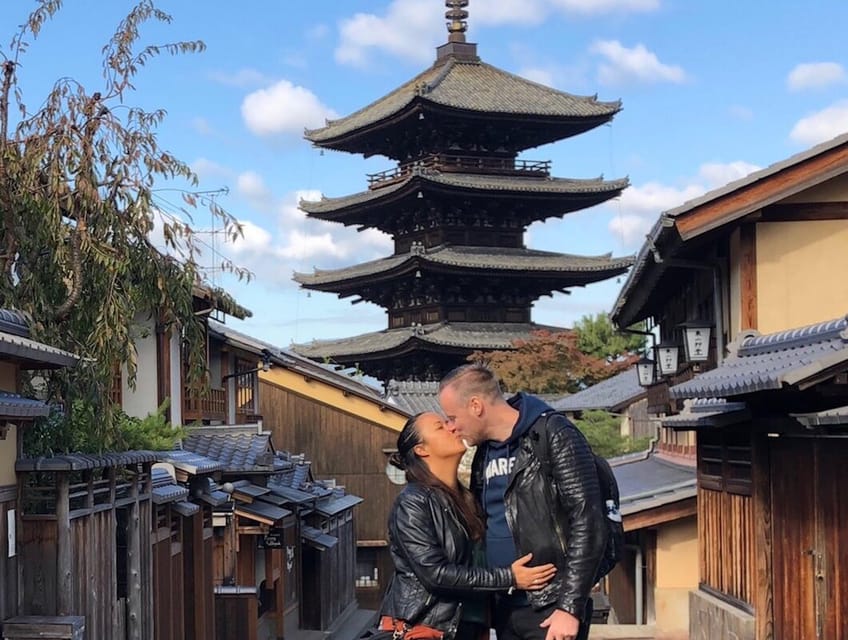
Gion gives your family a look at Kyoto’s traditional streets, wooden buildings, lanterns, and continuing geisha culture. It is best approached as a place to observe respectfully, not as a stage set or a promise of seeing a geisha on demand.
Yasaka Shrine adds a more open and accessible cultural stop nearby. A guide can explain the shrine customs and connect what you see to daily life in Kyoto. Children often respond better when they have a simple activity, such as spotting architectural details or completing a small scavenger hunt, rather than listening to a long lecture.
For a quieter choice, consider the Philosopher’s Path or Nanzenji Temple. The path follows a canal and offers a gentler walk, while Nanzenji provides Zen atmosphere and temple architecture. These options suit a family that wants less rushing, though they may feel less exciting to children than monkeys or ninja training.
This is where the tour’s customization earns its keep. You can choose one traditional neighborhood, one major temple, and one hands-on activity instead of trying to cover every famous district.


Cultural Activities That Give Kids a Role
Optional activities can change the tone of the day. Rather than asking children to watch another ceremony, you can give them something to do.
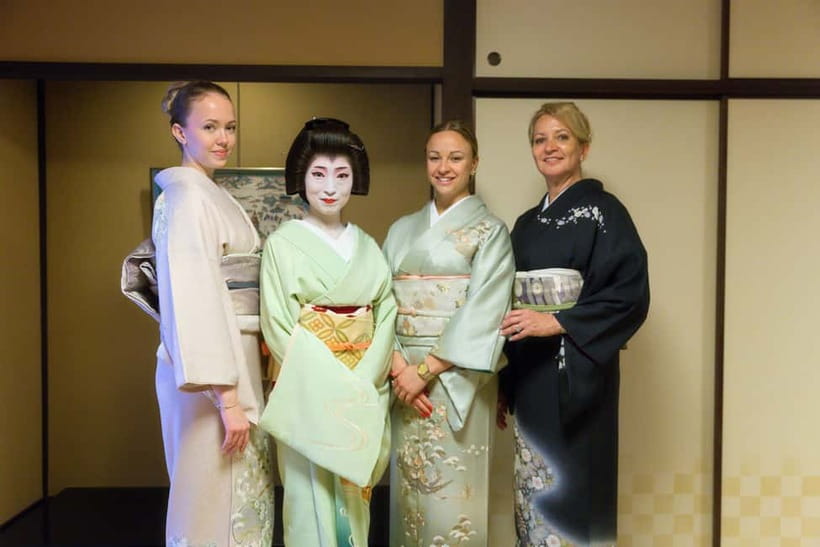
Kimono dressing lets the family put on traditional clothing, take photographs, and walk around town in costume. It can be a memorable choice for children who enjoy dressing up, but allow extra time and remember that the additional cost is paid directly.
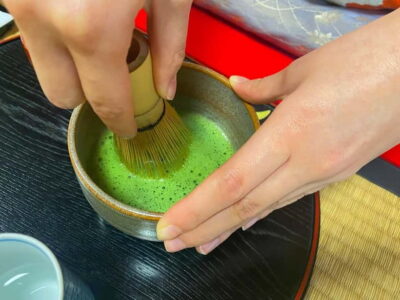
A tea ceremony offers a slower introduction to Japanese tradition. It may suit older children and adults best, especially if they can appreciate quiet attention to movement, utensils, and hospitality. Younger children may enjoy it more when it follows an energetic activity.
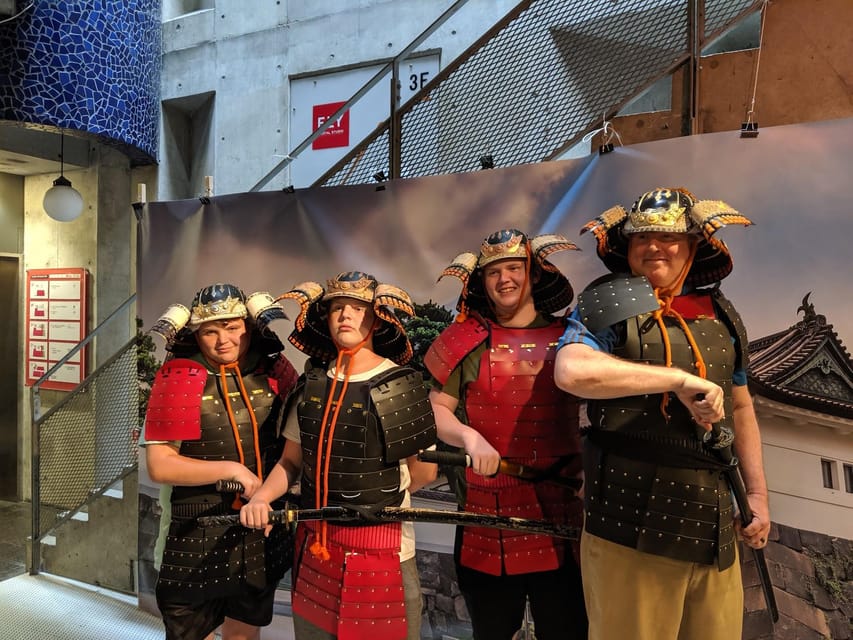
Ninja training is described as lighthearted and educational. It is an obvious pick for children who need action, while a taiko drum class gives the whole family a chance to make noise and move after a long flight or temple visit.
A scavenger hunt can make shrines and neighborhoods easier for curious children. The exact format is not specified, so ask what is available for your children’s ages. Zen meditation offers the opposite experience: stillness, breathing, and a chance to reset.
The Kyoto Train Museum is a useful alternative if rain arrives or your family has a serious train fan. It also gives you a break from outdoor walking and religious sites. Geisha performances and professional photography are available as additional choices, but neither is included in the basic price.
What Your Guide Adds to the Day
The guide is not simply there to point out buildings. The useful part is having someone who can read your family’s pace and make practical suggestions. The tour promises colorful commentary, local insight, and help choosing sights that fit your interests.
Diana is praised for friendly conversation and interesting facts, while Kevin is praised for making the day feel special and memorable. Those comments suggest the guide’s personality is central to the experience, though your assigned guide may be someone else.
You can also ask for help beyond the tour itself. The provider can assist with restaurant reservations, stroller-friendly routes, and planning the rest of your Kyoto day. This is valuable if Kyoto is only one stop on a larger Japan trip and you want advice that connects this outing to your evening plans.
The guide speaks English, and the experience describes the guide as bilingual. If your family needs a particular language or has young children with special communication needs, confirm the language arrangement before booking.
Price, Transport, and What Is Included
The listed price is $202 per person. For a private family tour with a customized route, hotel pickup, a bilingual guide, and up to three included temple or garden entrance fees, that can be reasonable for a group that values convenience and personal attention.
It is less attractive if you only want a quick introduction to one or two sights. You are paying for flexibility, planning help, and a private guide, not just admission tickets. The more your family uses the custom itinerary and cultural choices, the more sense the price makes.
Hotel pickup is included. A private vehicle upgrade is not, and taxi fares are also excluded. That distinction is important in Kyoto, where moving between separate areas can affect both time and cost. Ask exactly how the day will work by public transport, taxi, or another arrangement before you finalize your route.
Meals and drinks are not included. Optional activities require additional payment, and you should be prepared to pay directly with cash. The included admission applies to up to three points of interest with temple or garden entry fees, so ask which chosen stops qualify.
Reserve now and pay later if you want to keep plans flexible. Cancellation is available up to 24 hours before the tour for a full refund.
How to Plan a Comfortable Family Route
Start by deciding what your children actually enjoy. If they like animals and movement, combine Arashiyama Bamboo Grove with Monkey Park. If they like colorful photos and stories, consider Fushimi Inari, Kinkakuji, and a kimono experience.
Avoid building a day around too many major sights. Three carefully chosen points can be plenty, especially when walking, transport, meals, and family pauses are added. The tour includes up to three temple or garden entrance fees, but that does not mean three large temple complexes are automatically the best plan.
Tell the provider your children’s ages and interests when you book. Mention stroller needs, a preference for shorter walks, or interest in a specific activity. The more useful information you provide early, the easier it will be to shape a sensible route.
Bring comfortable shoes, water, a hat, sunscreen, and a camera. Check the forecast and dress for the conditions. Kyoto sightseeing includes outdoor walking, and the family will enjoy the guide more if nobody is distracted by sore feet or the wrong clothing.
Should You Book This Kyoto Family Tour?
Book it if you want a private, adjustable day and your family needs a guide who can mix major sights with hands-on fun. It is especially well suited to first-time visitors, families with different interests, and parents who do not want to spend the day solving transport and timing problems.
Think twice if your budget is tight, you prefer independent sightseeing, or you only want a short visit to one famous attraction. The $202 price rises once you add taxis, meals, or cultural activities.
For the best value, choose two or three main sights, tell the guide exactly what keeps your children engaged, and use the planning help for the rest of your Kyoto schedule. Families who do that should get far more than a checklist of temples.
FAQ
Is hotel pickup included?
Yes. Hotel pickup is included, and the tour offers flexible start times.
Is this a private tour?
Yes. The tour is private and includes a customized itinerary designed around your family’s pace and interests.
How many sights can we choose?
You can choose up to three points of interest with temple or garden entrance fees included.
Are meals and drinks included?
No. Meals and drinks are not included.
Are optional activities included in the price?
No. Kimono dressing, tea ceremony, ninja training, taiko drumming, photography, geisha performances, meditation, scavenger hunts, and other added activities cost extra.
Is transport in a private vehicle included?
Hotel pickup is included, but a private vehicle upgrade is not. Taxi fares are also excluded.
What language is the tour offered in?
The tour information lists English and describes the guide as bilingual.
What happens if I need to cancel?
You can cancel up to 24 hours in advance for a full refund.
More tours in Kyoto we've reviewed










Kyoto, compared.
 ★ 5.0PERFECT KYOTO 1-Day Bus TourFrom $129
 ★ 4.8Kyoto: Fushimi Inari, Kinkakuji, Bamboo Grove 1 Day Bus TourFrom $122510 minutes - 9 hours
 ★ 4.9Kyoto: Tea Ceremony in a Traditional Tea House in KiyomizuFrom $4945 min
 ★ 4.7Kyoto Geisha Walking Tour: Gion District & Hidden GemsFrom $252 hours
 ★ 4.9Kyoto: Tea Ceremony Ju-An at Jotokuji TempleFrom $291h 10m
 ★ 4.3Kyoto: 45-Minute Tea Ceremony Lesson ExperienceFrom $2245 min