
Reviewed · KYOTO
Let’s make only one original onigawara in the world
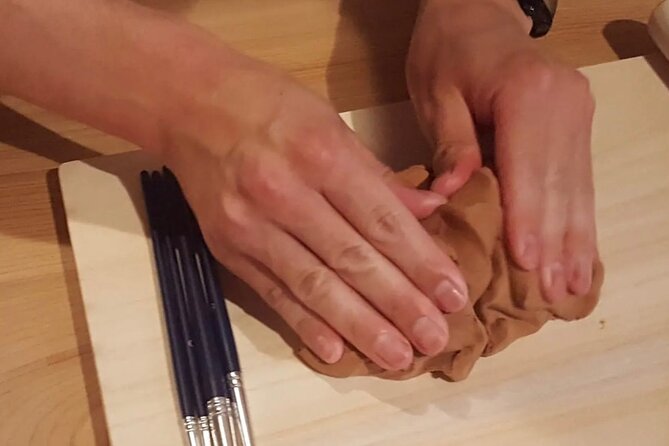
Kyoto’s roof guardians are not just things to photograph. At this hands-on workshop, you shape one from a lump of clay, building the fierce face and features step by step under the guidance of Yuya, an onigawara artisan. Your finished piece is fired later and sent to your home, so the souvenir becomes something you made rather than something you bought.
I like the patient teaching and the way a difficult craft is broken into simple stages. I also like the small regular class size, which gives Yuya time to help beginners and let each person create a different expression. The main catch is practical: shipping costs are extra, and your tile may take several weeks, sometimes around two months, to dry, fire, and reach you.
In This Review
- Key points to know before booking
- Why Kyoto’s roof tiles have demon faces
- Arriving at Kawarakoubou Youya in Higashiyama
- The first stage: turning a clay lump into a guardian
- Yuya’s teaching style makes the hard parts manageable
- A small class, with one important exception
- Firing, curing, and sending your oni home
- What the $89.17 price really buys
- Who will enjoy this most
- The drawbacks to weigh before you go
- Cancellation and simple planning advice
- FAQ
- Where does the onigawara workshop take place?
- How long does the class take?
- How many people can join the regular workshop?
- Is shipping included in the price?
- When will the finished onigawara arrive?
- Do I need pottery experience?
- What should I wear and what is included?
- Should you book this Kyoto craft class?
Key points to know before booking
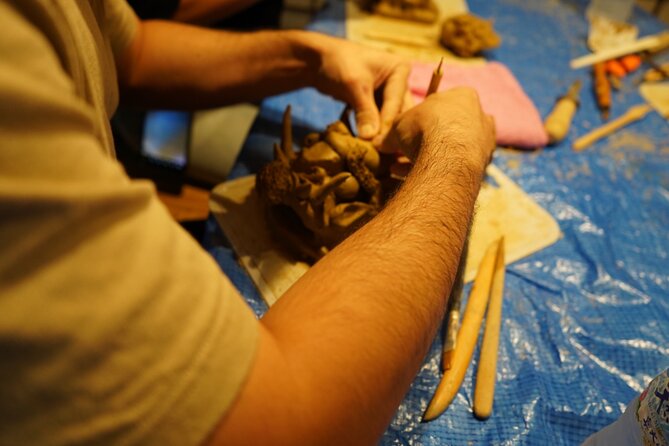
- Make a traditional roof guardian from raw clay: Build a small demon-faced onigawara tile by hand, using a process designed for beginners.
- Yuya teaches in clear stages: He demonstrates each part, offers hands-on help when needed, and communicates well enough in English to explain the techniques.
- Expect personal results: Everyone follows the same basic method, but the faces and shapes turn out different.
- Your souvenir comes later: The piece is kiln-fired at the workshop and shipped to your home after drying and curing.
- Plan for dirt and extra postage: Wear clothes that can get dirty, bring cash for shipping, and note that an apron is not included.
- Regular classes are intimate: The usual maximum is five people, while larger groups can be arranged at another location.
Why Kyoto’s roof tiles have demon faces
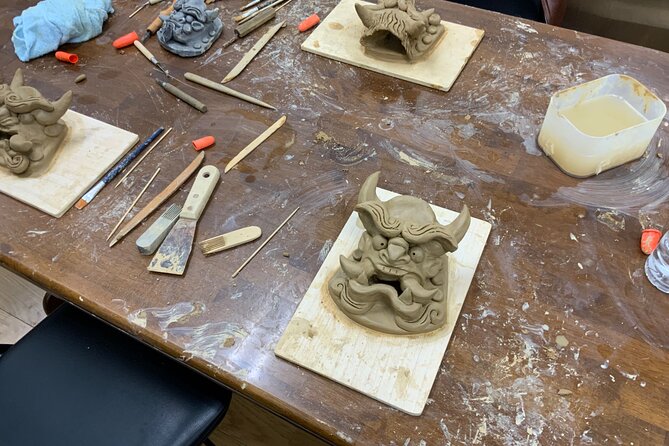
Onigawara are the decorative tiles placed at the ends of the main roof ridge. Their ogre-like faces are familiar on temples and traditional buildings across Japan, where they have long served both a decorative and protective purpose.
The face is meant to guard the building from evil. The tiles also help protect the roof from rainwater. That makes the workshop more than a basic clay class. You are learning why a very specific object appears above Kyoto’s streets and temples, then making your own small version.
It is worth looking up at Kyoto roofs before or after the class. Once you know what to notice, the carved faces become easier to spot. Your own creation will be smaller and simpler, but it connects directly to a building tradition you can see around the city.
The workshop also gives you a look at the tension between old craft and modern production. Japanese tile making has changed over time, but the class keeps the central act simple: shape the clay by hand, form the face, and let heat turn it into a lasting ceramic object.
If you're still narrowing it down, here are other tours in Kyoto we've reviewed.


Arriving at Kawarakoubou Youya in Higashiyama
The meeting point is 瓦工房 You家, also written as Kawarakoubou Youya, at 373-2 Yamazakichō in Kyoto’s Higashiyama Ward. The studio is near public transportation, and the activity begins and ends at this same meeting point.
Allow a little time to find the workshop and arrive ready to work. The location is given clearly in the booking details, but the address uses Japanese and romanized place names, so keeping both versions on your phone is sensible.
The studio setting is part of the appeal. This is not a large staged attraction with a line of people moving through a fixed display. It is a working craft space, and the class has an informal feel. One person described being able to store luggage and receive water, although you should not count on the studio as a full luggage facility unless the provider confirms it for your booking.
Bottled water is included. An apron is not, so dress for clay. This matters more than it may sound. Beginners sometimes lose control of a piece or get clay on their sleeves while shaping details. Wear comfortable clothes that can handle a little mess, and avoid anything you need to keep pristine.
The first stage: turning a clay lump into a guardian
The session starts with an explanation of kawara, the traditional Japanese roof tile, and the place of onigawara in architecture. Yuya then introduces the form you will make and shows how the construction works.
The finished demon face can look complex. The class handles that problem by dividing it into manageable parts. You work through a set sequence rather than trying to sculpt the entire figure at once. That approach is especially useful if you have never touched clay before or think you lack artistic skill.
You are not expected to arrive with pottery experience. The teaching method is built around simple steps, and Yuya can adjust his help when someone falls behind or feels unsure. His instructions are described as clear and direct in English, with occasional limits in casual conversation. For a practical craft lesson, that is usually enough, especially because he demonstrates the techniques as he explains them.
The process is not a paint-by-numbers project. The basic parts are set, but you shape them in your own way. One person might make a sharply snarling guardian, while another creates a softer or more unusual face. Small differences in the eyes, mouth, brow, horns, and surface texture give each piece its own character.
Yuya’s teaching style makes the hard parts manageable
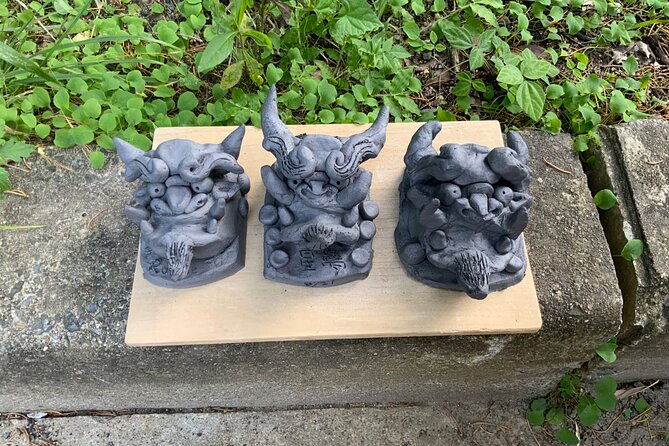
The most important part of this class is the instructor. Yuya is described as patient, friendly, and encouraging, with a talent for reducing a complicated finished object to easy stages.
That matters because the middle of the process may test your confidence. Clay can look lumpy or misshapen before the details come together. You might worry that your oni is ruined. The useful advice here is simple: trust the stages and keep going. The final form often looks far better than it does halfway through.
Yuya does not appear to force every piece into the same mold. He gives suggestions to improve the shape while leaving room for personal choices. That balance is what makes the souvenir meaningful. You are not merely copying his finished example. You are learning a method and putting your own face on it.
The language level also seems workable for international visitors. Yuya speaks enough English to explain the required steps, and the class includes demonstrations and practical guidance. If you have a question, ask. The teaching style is conversational, and several accounts describe him as willing to offer direct help rather than leaving beginners to struggle alone.
A small class, with one important exception
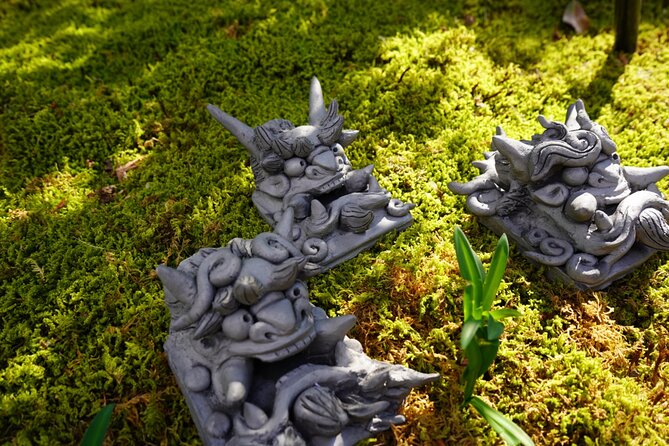
The standard workshop has a maximum of five participants. That is a strong number for clay work because you have room to focus and the instructor can check each piece.
Small classes also make it easier to compare the different results as they develop. Everyone begins with the same broad plan, yet the finished guardians can look surprisingly different. That is a good feature for couples, families, and friends who want to make matching souvenirs without making identical ones.
The published information also says groups of five or more are accepted, with larger groups of up to 40 possible. For those bookings, the location changes. Do not assume a large party will work in the usual studio, so confirm the venue when arranging a group.
The regular class is described as about two hours, but you should keep more time open. Several accounts put the actual session closer to three hours, particularly when the group is learning from scratch or taking care with details. The instructor may make sure slower participants finish instead of ending sharply at the stated estimate.
That flexibility is helpful, but it also means this is not the best choice if you have a train, restaurant reservation, or timed attraction immediately afterward. Give yourself a generous buffer.



Firing, curing, and sending your oni home
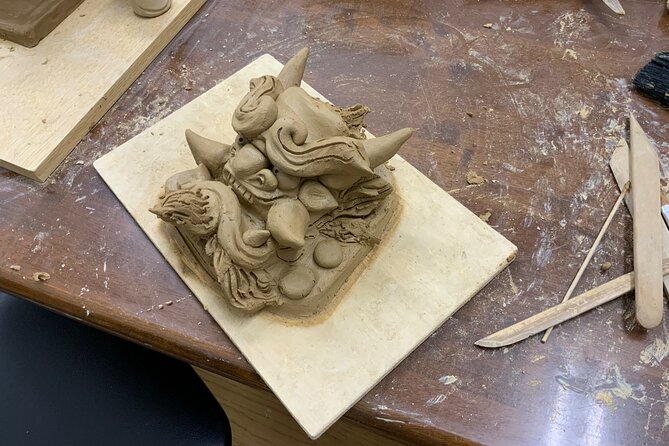
When the clay work is complete, your onigawara does not go home with you. Yuya fires it in a kiln at the factory after the piece has dried and cured.
This waiting period is part of the bargain. One account describes waiting about two months, while other pieces arrived within a few weeks. The exact timing can vary, so do not book the class expecting to carry the finished ceramic through the rest of your Japan trip.
The workshop arranges delivery to your home after firing. Shipping is not included in the $89.17 price, and the amount is calculated separately. Bring cash for this charge. The cost was a concern for one participant because it was paid at the end and the figure was not known in advance.
That is the clearest weakness in the arrangement. You need to budget for postage without a stated fixed amount, and international delivery naturally adds another cost to an already paid activity. Ask the provider about the current shipping charge before or at the start of the class if the amount matters to your budget.
The good side is that the delivery process has worked well for completed pieces, including one statue that arrived without damage. Once your oni reaches home, it can sit on a shelf, in a garden, or near an entrance as a personal Japanese keepsake. Its meaning comes from the work you put into it and from the protective role of the traditional form.
What the $89.17 price really buys
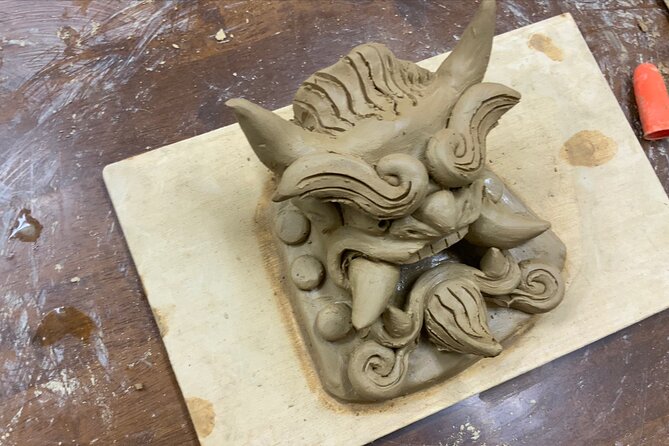
At $89.17 per person, this is not a cheap way to pass an hour. You are paying for instruction, clay, use of the workshop, kiln firing, and the chance to create a piece that cannot be duplicated exactly.
The fee does not cover shipping, and that needs to be part of your decision. Still, the value is stronger than it would be for a basic souvenir class because the finished item has a clear cultural link to Kyoto. You also receive a hands-on lesson from an artisan connected to the craft, rather than simply buying a pre-made tile in a shop.
The value is best for you if you want an activity, not just an object. It gives you a break from walking and temple visits, and it creates a memory tied to a particular place and person. Families may find the class especially worthwhile because children and teenagers can take part without needing previous clay skills.
Group discounts are available, which can improve the price for larger bookings. The venue changes for groups of five or more, and larger parties can reach 40 people, so ask for the group terms before booking. The standard small class remains the better fit if you want close attention from Yuya.
Who will enjoy this most
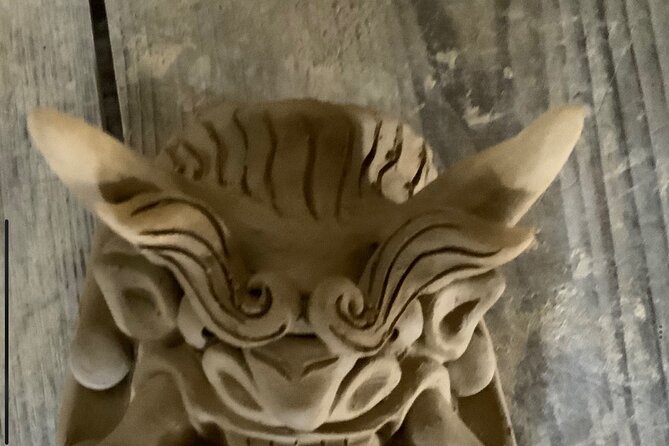
This class suits creative people, but you do not need to think of yourself as an artist. Several complete beginners have managed the process, and the instruction is designed to make the construction approachable.
I would particularly consider it for:
- Families looking for something beyond sightseeing
- Teenagers who enjoy making things with their hands
- Couples who want personal souvenirs
- Adults who want a quiet change from walking around Kyoto
- Repeat visitors who have already seen the main temples
- Anyone interested in Japanese buildings, roof tiles, or traditional craft
It is also a good choice for people who like a little suspense. Your finished piece is not fully revealed until the kiln work is done, and the shape can look uncertain during the class. If you need an instant souvenir, choose something else. If you enjoy seeing a rough form become a finished object, the wait adds to the experience.
Most people can participate, and service animals are allowed. The class uses soil and clay, so the main physical consideration is simply being comfortable handling a messy material for a few hours.
The drawbacks to weigh before you go
The biggest issue is the unclear shipping charge. Postage is separate, paid at the end, and you should bring cash. Since the fired piece must be shipped, you cannot avoid this cost if you want to receive the finished work.
The second issue is time. The advertised duration is about two hours, but the process can run closer to three. That is not a problem if you have a relaxed morning or afternoon, but it can cause trouble in a tightly packed Kyoto schedule.
English instruction is sufficient for the craft steps, though casual conversation may be less fluid. The demonstrations and the step-by-step format help, but you should be ready to watch closely and ask for clarification when needed.
Finally, the result will be your own version of an onigawara, not a museum-quality sculpture made by Yuya. That is the point, but perfectionists should remember that the charm lies in the personal shape, including its odd corners and uneven details.
Cancellation and simple planning advice
You can cancel for a full refund up to 24 hours before the local start time. Changes made inside that 24-hour window are not accepted, and late cancellations are not refunded.
For the smoothest visit, wear clothes that may get dirty, keep your schedule open for up to three hours, and bring cash for shipping. If you are booking a group of five or more, confirm the changed location. Keep your home delivery details handy so the finished tile can be sent after firing.
FAQ
Where does the onigawara workshop take place?
The regular meeting point is 瓦工房 You家, Kawarakoubou Youya, at 373-2 Yamazakichō, Higashiyama Ward, Kyoto, 605-0841, Japan. The activity ends back at the meeting point.
How long does the class take?
The stated duration is about two hours. You should allow closer to three hours, since the clay work may take longer for beginners or for a group that is adding details.
How many people can join the regular workshop?
The regular activity has a maximum of five participants. Groups of five or more can also be accepted, with larger groups of up to 40 people. The location changes for group bookings.
Is shipping included in the price?
No. Shipping costs are separate from the experience fee and are paid separately. Bring cash, and ask about the current amount if you need to plan your budget closely.
When will the finished onigawara arrive?
The tile must dry, cure, and be fired before it is shipped. Delivery can take several weeks, and one account describes waiting about two months.
Do I need pottery experience?
No. The class is designed so children, beginners, and people who feel clumsy with clay can make an onigawara. Yuya demonstrates each stage and provides help when needed.
What should I wear and what is included?
Wear clothes that can get dirty because the activity uses soil. Bottled water is included, but an apron is not.
Should you book this Kyoto craft class?
Book it if you want a souvenir with a story and enjoy making something slowly with your hands. The patient instruction, small regular class, and connection to Kyoto’s roof architecture give the activity more substance than a quick craft stop.
Skip it if your schedule is packed, you dislike getting messy, or you need to know every final cost before paying. For everyone else, this is a thoughtful break from sightseeing, especially for families and first-time clay workers. Your little demon may look uncertain halfway through, but that is part of the fun, and the fired piece waiting at home will carry a clear memory of Kyoto.
More tours in Kyoto we've reviewed








Kyoto, compared.
 ★ 5.0PERFECT KYOTO 1-Day Bus TourFrom $129
 ★ 4.8Kyoto: Fushimi Inari, Kinkakuji, Bamboo Grove 1 Day Bus TourFrom $122510 minutes - 9 hours
 ★ 4.9Kyoto: Tea Ceremony in a Traditional Tea House in KiyomizuFrom $4945 min
 ★ 4.7Kyoto Geisha Walking Tour: Gion District & Hidden GemsFrom $252 hours
 ★ 4.9Kyoto: Tea Ceremony Ju-An at Jotokuji TempleFrom $291h 10m
 ★ 4.3Kyoto: 45-Minute Tea Ceremony Lesson ExperienceFrom $2245 min