
Reviewed · KYOTO
Sushi or Traditional Japanese Cuisine in a Kyoto Home with Emika
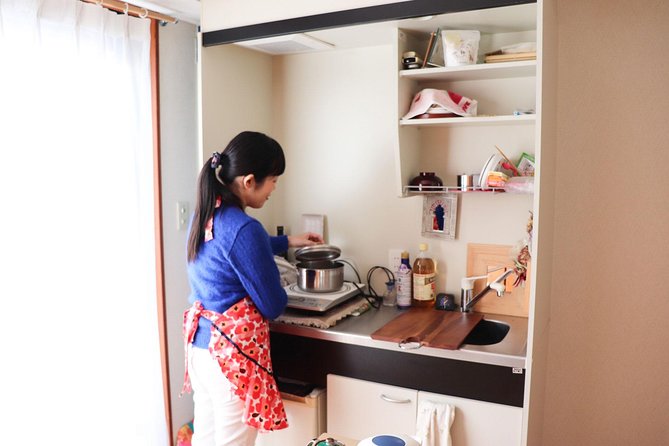
Kyoto cuisine feels different when it is served at a local dining table instead of a restaurant counter. In Emika’s home, you sit down for a private meal of sushi, miso soup, rice, seasonal Obanzai dishes, and sweets, with conversation woven between courses. Her father may prepare the matcha, too.
I like the home setting, which gives this short experience a personal feel, and I like the focus on seasonal ingredients, including produce from Emika’s own garden. The traditional tea preparation is another strong point. The main consideration is time: at about 90 minutes, this is a compact introduction rather than a full cooking class or long evening meal.
- Private meal in a Kyoto home: You share the table only with your own group and Emika.
- Seasonal Obanzai cuisine: Expect Kyoto-style dishes built around local vegetables and seafood.
- Matcha prepared in the traditional style: Emika or her father serves tea, and her father is described as a tea ceremony master.
- Lunch or dinner scheduling: You can choose the time that fits your Kyoto plans.
- Local conversation: The meal includes time to talk about food, daily life, and Kyoto.
- Simple meeting arrangements: You meet at 31-30 Katsurainariyamachō in Nishikyo Ward, with no hotel pickup included.
In This Review
- A Kyoto Meal That Happens Around a Family Table
- Starting With Matcha and a Quiet Cultural Welcome
- Understanding Obanzai Through the Meal
- The Meal and Conversation at Emika’s Home
- Why the Ninety-Minute Length Matters
- Is $79 a Fair Price?
- Who Will Enjoy This Kyoto Home Meal?
- The Details That Make It Feel Personal
- Should You Book Emika’s Kyoto Home Meal?
- FAQ
- How long does the experience last?
- Where do I meet Emika?
- What food is included?
- Is matcha included?
- Is hotel pickup included?
- Can I cancel for a refund?
A Kyoto Meal That Happens Around a Family Table
The appeal here is not a long menu or a polished dining room. It is the chance to enter a Kyoto resident’s home and share food in a setting that feels connected to daily life.
Emika welcomes you for a meal based on Obanzai, the home-style Kyoto cooking tradition built around seasonal vegetables, seafood, rice, soup, and small side dishes. The menu changes with the season, so you should treat the meal description as a guide rather than a fixed list.
That changing menu is part of the point. Kyoto food often gives vegetables a leading role, and Obanzai is a good way to understand how local cooks use what is available. You might find dishes prepared from produce grown nearby, including food from Emika’s own garden. The meal is not presented as a formal lesson in culinary theory. Instead, you learn through eating, asking questions, and watching how familiar ingredients come together.
The experience is private, which matters. You are not sharing the table with a large group of strangers, and the conversation can follow your interests. Ask about the food, Kyoto, Japanese customs, or the way the dishes are prepared. The available feedback repeatedly points to Emika’s warmth, courtesy, and gentle sense of humor, so this is likely to suit you if you value a calm, personal exchange over a loud social event.
Starting With Matcha and a Quiet Cultural Welcome
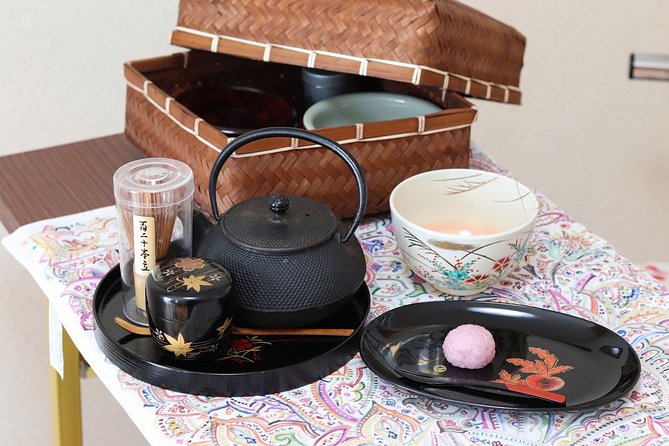
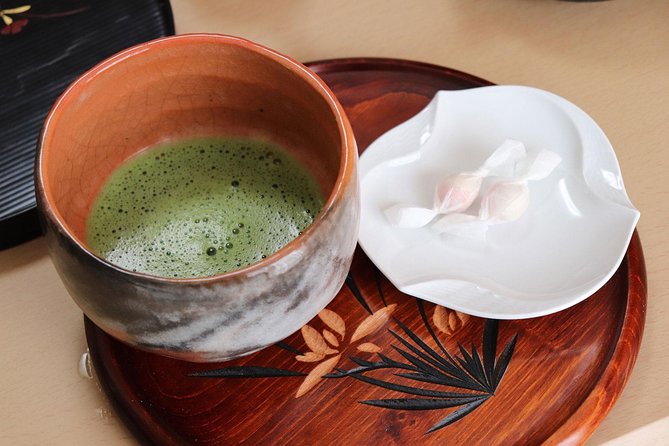
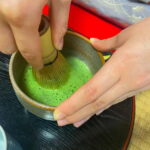
The visit starts or ends with a cup of matcha prepared in the traditional style. Emika may prepare it, or her father may serve it. One particularly notable detail is that her father is described as a master of the tea ceremony.
You should keep your expectations measured. This is not promoted as a long, formal tea ceremony with an extensive demonstration. It is a small tea experience connected to the meal. Still, that short ritual can give the visit a stronger sense of place than a standard restaurant lunch.
Matcha is also a useful introduction to Japanese hospitality. The preparation, serving, and drinking of tea slow the pace down. You get a chance to notice the care given to a simple cup, then connect that attention to the food that follows.
Some past visitors particularly enjoyed the tea portion after the meal. If you have an interest in Japanese customs, make sure you ask about the preparation rather than treating the tea as a quick drink. The tea is one of the most distinctive parts of this visit.
If you're still narrowing it down, here are other tours in Kyoto we've reviewed.
Understanding Obanzai Through the Meal
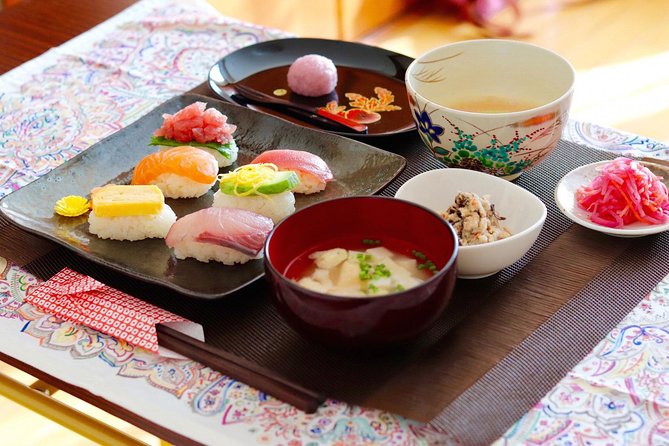
Obanzai is traditional Kyoto cuisine made with seasonal ingredients, especially vegetables and seafood. The meal may include rice, miso soup, sushi, several side dishes, and a sweet selected to go well with matcha.
The format is useful because it shows you how a Japanese home meal can be built from several modest dishes rather than one oversized centerpiece. Miso soup and rice provide the familiar foundation. The Obanzai side dishes bring in different flavors, textures, and seasonal ingredients. Sushi adds another recognizable part of the meal, but it is not the only focus.
Emika has also shown people how sushi and miso soup are traditionally prepared. The amount of instruction may vary, but you can expect food to be discussed as it is served. One account describes Emika preparing and cooking traditionally in front of the person eating, from seasonal ingredients through the tea service.
I like this approach because it connects the plate to the kitchen. You are not just told that a dish is traditional. You can ask how it is made and learn why the ingredients matter. The experience remains a meal first, though, so you should not book it expecting a hands-on cooking workshop.
The menu may change by season. That is good news if you care about local food, but it means you cannot count on every item named in the description appearing on your date. Specific dietary needs should be provided when booking, in the Special Requirements box.
The Meal and Conversation at Emika’s Home
After meeting at the home, you sit together around a dining table. The meal is private and personalized, with only your group participating.
The tone appears to be friendly and relaxed. Emika has been described as quiet, sweet, witty, warm, and informative. Those details suggest a host who may not dominate the conversation, which can be a plus if you prefer a more natural exchange. You can talk about the dishes, drinks, Kyoto, and Japanese life at a comfortable pace.
Food is the center of the visit, but the setting gives the conversation extra value. In a restaurant, you can order a Kyoto specialty. In a private home, you can ask how that food fits into everyday life. That distinction is why this experience may stay with you longer than another meal out.
Local alcohol is included. If you do not drink, the rest of the meal still provides plenty to focus on, including the tea, sweets, miso soup, rice, and seasonal side dishes. No hotel pickup or drop-off is provided, so you need to make your own way to the home and back.
The listed meeting point is 31-30 Katsurainariyamachō, Nishikyo Ward, Kyoto, postal code 615-8025. The experience is near public transportation, but the supplied details do not identify a specific station or give walking directions. Check the route carefully before leaving your hotel, especially if you are fitting the meal between sightseeing stops.
Why the Ninety-Minute Length Matters
The experience lasts about one hour and 30 minutes. That makes it easy to place in a busy Kyoto schedule. You can select lunch or dinner, so you have some flexibility around temple visits, shopping, and other plans.
The same short length is also the main limitation. You will get a concentrated meal and cultural exchange, not an entire afternoon in the home. If you want a long cooking lesson, many courses, or a slow evening with several hours of conversation, this may feel brief.
For most people, 90 minutes is enough time to eat comfortably, try the matcha, ask questions, and understand the basic idea behind Obanzai. It is especially practical if you want one personal food experience without giving up half a day.
I would allow extra time around the appointment for transportation. The meal itself is timed, and the meeting point is outside the generic central Kyoto hotel area. Since there is no pickup service, build in a little breathing room rather than arriving rushed.
Is $79 a Fair Price?
At $79 per person, this costs more than an ordinary bowl of noodles or a casual sushi lunch. You are paying for more than food, though. The price includes a private home visit, a home-cooked meal, local alcohol, personal conversation, and the matcha experience.
The value depends on what you want from a meal. If your priority is the lowest possible food bill, this is not the right choice. If you want access to a private home and a personal connection with a Kyoto resident, the price is easier to justify.
The private format also makes the cost more meaningful for couples, families, or a small group of friends. You are not buying a seat in a large class. Your group participates on its own, and the conversation can be more focused.
The experience is commonly booked about 25 days ahead. That advance planning pattern suggests you should not leave it until the final day of a Kyoto stay if the schedule is important to you. Confirmation is provided at booking, and free cancellation is available when you cancel at least 24 hours before the start time. Changes or cancellations made inside that period are not refunded.

Who Will Enjoy This Kyoto Home Meal?
I would recommend this for you if you enjoy food as a way to understand a place. It suits people who want a quiet local setting, seasonal cooking, and conversation more than a fast restaurant meal.
It is also a good fit for anyone curious about Japanese tea culture. The possibility of having matcha prepared by Emika’s father, who is described as a tea ceremony master, adds an unusual family element.
Families may appreciate the private format, though the supplied details do not specify child pricing or a children’s menu. Food-focused visitors will enjoy the range of dishes, while first-time visitors to Japan may value the chance to ask direct questions about customs and everyday meals.
You should think twice if you need a highly structured class, exact menu guarantees, or door-to-door transportation. The menu changes with the season, and the home setting is more personal and less standardized than a restaurant or commercial cooking school.
Service animals are allowed. You should provide any dietary requirements at booking so the host can consider them in advance.
The Details That Make It Feel Personal
Several small points give this experience more character than a standard meal reservation.
Emika has prepared food using ingredients grown mostly in her own garden. That does not mean every ingredient comes from the garden, but it does suggest a direct link between the meal and the home where you eat it.
The tea may be served by her father, adding another family member to the visit. His background in tea ceremony gives the matcha service added importance, even though the tea portion remains short.
The food is described as fresh, and the meal may include multiple courses of traditional Japanese cuisine. You can expect variety rather than one single dish.
The host’s personality is another key part of the experience. Emika is described as gracious, kind, polite, courteous, sweet, and witty. I would expect a welcoming host, but the exact rhythm of conversation will depend on your group and how many questions you ask.
Should You Book Emika’s Kyoto Home Meal?
Book it if you want a private, home-based introduction to Kyoto food and you value human connection as much as the meal itself. The strongest reasons are the seasonal Obanzai cooking, the chance to talk with Emika, and the matcha service involving her father.
The experience is not the best pick for a formal cooking course, a guaranteed menu, or an activity with hotel transportation. It is also fairly short for the price if you measure value only by the amount of food.
For me, the private setting makes the difference. A meal of rice, miso soup, sushi, and side dishes can be found in many places. Sharing those foods in a Kyoto home, learning how they are prepared, and pausing for traditional matcha gives the meal a personal story. If that sounds like the kind of memory you want from Kyoto, book ahead and provide your dietary needs when you reserve.
FAQ
How long does the experience last?
The experience lasts approximately one hour and 30 minutes.
Where do I meet Emika?
You meet at 31-30 Katsurainariyamachō, Nishikyo Ward, Kyoto, 615-8025, Japan. The experience ends back at the same meeting point.
What food is included?
The meal is a home-cooked Japanese meal that may include sushi, miso soup, rice, traditional Obanzai dishes, and a sweet served with matcha. The menu changes by season.
Is matcha included?
Yes. You receive matcha green tea prepared in the traditional style by Emika or her father.
Is hotel pickup included?
No. Hotel pickup and drop-off are not included. The meeting point is near public transportation.
Can I cancel for a refund?
Yes. You can cancel for a full refund at least 24 hours before the experience start time. Cancellations or changes made less than 24 hours before the start time are not refunded or accepted.
More tours in Kyoto we've reviewed



Kyoto, compared.
 ★ 5.0PERFECT KYOTO 1-Day Bus TourFrom $129
 ★ 4.8Kyoto: Fushimi Inari, Kinkakuji, Bamboo Grove 1 Day Bus TourFrom $122510 minutes - 9 hours
 ★ 4.9Kyoto: Tea Ceremony in a Traditional Tea House in KiyomizuFrom $4945 min
 ★ 4.7Kyoto Geisha Walking Tour: Gion District & Hidden GemsFrom $252 hours
 ★ 4.9Kyoto: Tea Ceremony Ju-An at Jotokuji TempleFrom $291h 10m
 ★ 4.3Kyoto: 45-Minute Tea Ceremony Lesson ExperienceFrom $2245 min