
Reviewed · KYOTO
Home style Ramen and Homemade Gyoza in Kyoto
The best part of Nariko’s Kitchen is that you do not simply watch a chef assemble a polished dish. You make the meal yourself, from ramen soup based on Nariko’s mother’s recipe to gyoza wrappers rolled by hand. The setting is a real Japanese home, not a restaurant kitchen built for show.
I like the small group size, capped at eight, and the useful recipes you can repeat after returning home. I also like the gentle pace: Nariko demonstrates each step, then gives you time to try it. The main consideration is dietary. The ramen broth uses dried fish, so this class cannot be made vegetarian, and the activity is non-refundable once booked.
In This Review
- Key points to know before booking
- What makes Nariko’s Kyoto kitchen class different
- Arriving in Matsugasaki for the 10 a.m. start
- Preparing ramen with a family recipe
- Rolling gyoza wrappers by hand
- Adding cucumber pickles to the table
- Eating your own cooking in a Japanese home
- The value of a $118.92 cooking class
- Who will enjoy this class most
- Booking and cancellation details to weigh
- Should you book Nariko’s Kitchen?
- FAQ
- Where does the ramen and gyoza class take place?
- What time does the class begin?
- How long does the activity last?
- What dishes will I prepare?
- Do we make ramen noodles from scratch?
- Do we make gyoza wrappers from scratch?
- Is the class vegetarian?
- What is the minimum age for participants?
- How many people can join the class?
- Can someone attend as a spectator?
- Is the activity refundable if I cancel?
- What happens if the provider cancels the class because there are too few participants?
Key points to know before booking
- Three Japanese dishes in one class: Prepare ramen, fried gyoza with homemade wrappers, and cucumber pickles.
- A real home kitchen: You cook in Nariko’s clean, welcoming home rather than in a large commercial studio.
- Hands-on from the start: You help prepare the broth, mix and roll gyoza dough, shape dumplings, and cook the meal.
- Small class, personal help: The maximum is eight people, with past classes ranging from four to seven.
- Useful for home cooks: You do not make ramen noodles, but you leave with methods and recipes you can use at home.
- Important food limits: Dried fish is part of the soup, and participants must be at least 10 years old and able to use a knife.
What makes Nariko’s Kyoto kitchen class different
Kyoto has no shortage of food tours, but this one takes a quieter route. You are welcomed into Nariko’s home in the Matsugasaki area of Sakyo Ward, where the lesson unfolds around a kitchen table and a working cooking space. That matters because the food feels less like a restaurant performance and more like the kind of meal a Japanese family might prepare at home.
Nariko teaches the class herself. Her style is patient and clear, with careful demonstrations of cutting, mixing, folding, and cooking. You are not expected to know Japanese cooking techniques before arriving. The class is built for ordinary people who want to try something practical, including families, couples, and solo visitors.
The menu has a good balance. Ramen gives you a warm soup and a lesson in building flavor. Gyoza provides the most hands-on work, especially because the wrappers are made from scratch. Cucumber pickles add a quick side dish and a fresh contrast to the richer main dishes.
You should keep one point clear: this is not a ramen noodle-making workshop. Nariko prepares the ramen noodles separately, while you focus on the soup and toppings. If your main goal is learning how to stretch and cut ramen noodles, choose another class. If you want to learn the broth and make dumplings from flour and water, this class has plenty to offer.
If you're still narrowing it down, here are other tours in Kyoto we've reviewed.


Arriving in Matsugasaki for the 10 a.m. start
The class begins at 10 a.m. at 5-6 Matsugasaki Rokunotsubochō in Kyoto’s Sakyo Ward. The area is near public transportation, and the meeting point is in a residential setting rather than beside one of Kyoto’s major sights.
Allow enough time to reach the address without rushing. A past class included a short walk from a train station, with Nariko waiting for the group before leading everyone to her home. Still, check your booking confirmation carefully for the exact meeting instructions, since a residential address can be harder to spot than a hotel or large attraction.
The morning schedule is useful if you want to keep your afternoon open for Kyoto sightseeing. The full activity lasts about three and a half hours, so you should expect to finish around 1:30 p.m. The meal itself becomes lunch, making this a practical way to combine a cultural activity with a proper midday meal.
Because the class takes place in a home, space is limited. Only booked participants may attend, and spectators are not permitted. That rule may feel strict if someone in your party wants to watch without cooking, but it helps keep the kitchen workable and gives each participant room to take part.
Preparing ramen with a family recipe
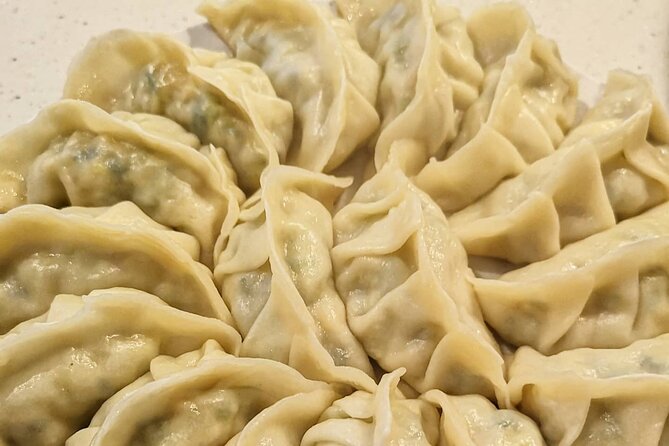
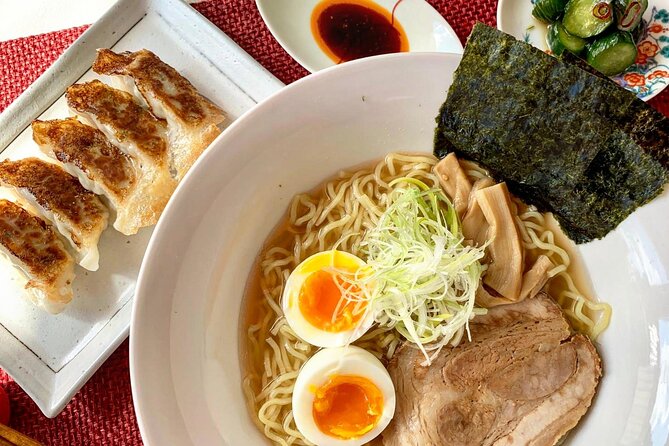
The ramen portion begins with soup. Nariko uses her mother’s recipe, and the class focuses on preparing the broth with simple ingredients rather than relying on a ready-made packet. You get to see how vegetables, meat, and dried fish work together to create the base of the meal.
This is one of the more useful parts of the class for home cooks. Ramen can look complicated when served in a shop, but the lesson breaks it into manageable steps. You learn what goes into the soup and how the separate parts come together in the bowl.
The dried fish is not a minor detail. It gives the broth part of its flavor, and Nariko cannot prepare this soup without it. If you avoid fish for religious, ethical, allergy, or taste reasons, contact the provider before booking. The class may or may not be able to adjust other ingredients, but the ramen itself is not vegetarian.
You do not make the ramen noodles. That keeps the three-and-a-half-hour class within reason, and it lets the group spend more time on the soup and gyoza. I see this as a fair trade for most people. Homemade noodles would be fun, but adding that process could turn a friendly lunch class into a much longer technical lesson.
The ramen is also a good chance to ask questions about Japanese home cooking. Nariko’s teaching goes beyond placing ingredients in a pot. She explains the process as she works, and the small group format gives you room to follow along instead of trying to see a demonstration from the back of a crowded room.
Rolling gyoza wrappers by hand
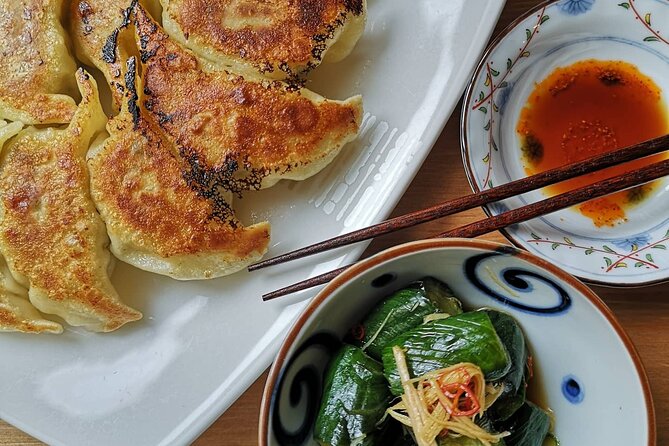
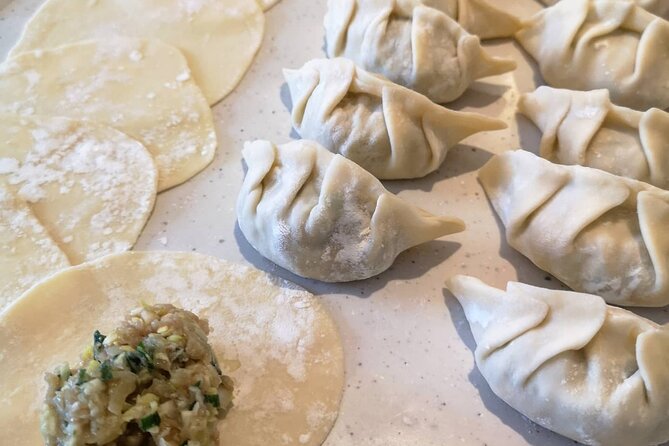
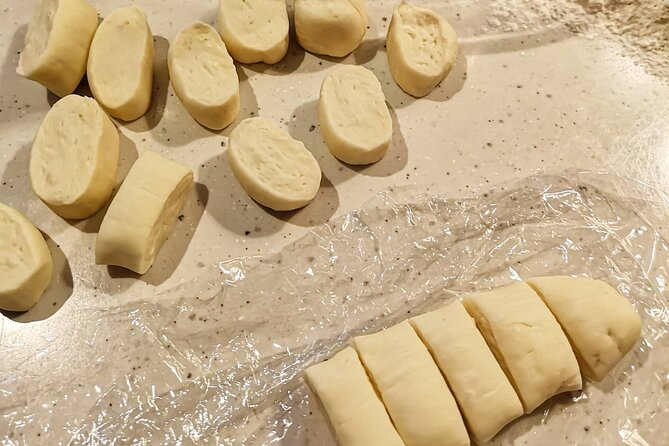
The gyoza is the star for anyone who likes hands-on cooking. Instead of opening a package of wrappers, you make the dough yourself. You mix it, portion it, roll it out, and use it to hold the filling.
This takes patience. Your first wrapper may not look perfectly round, and your first fold may be more practical than elegant. That is part of the fun. Nariko demonstrates the technique and helps you adjust as you go, so you can improve before the whole batch is finished.
The class teaches proper preparation rather than just the final shape. You learn how to handle the dough, fill the dumplings, seal the edges, and cook them in the Japanese style used here. The gyoza is fried, not boiled, giving the finished dumplings a crisp base and a tender top.
For many people, this is the skill they will remember most clearly after the class. Ramen soup can take some planning at home, but gyoza becomes a repeatable weekend project. Once you understand the dough and folding method, you can make a batch with family or friends and vary the filling to suit your kitchen.
You will use a knife during the class. The stated minimum age is 10, and children must be able to use a knife safely. This is not a drop-off activity, and every child attending must be a participating member of the class.
Adding cucumber pickles to the table
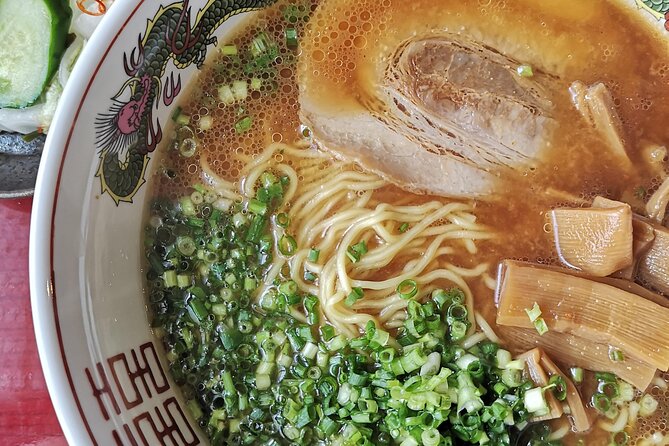
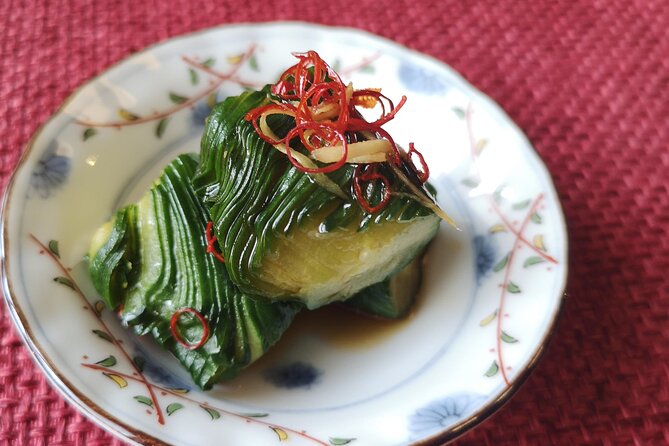
The cucumber pickles are a smaller part of the lesson, but they earn their place on the menu. They are quick to prepare and provide a cool, crisp side dish alongside the hot ramen and fried gyoza.
This is a smart menu choice because it gives you a simple Japanese technique you can repeat with little fuss. Not every useful cooking lesson needs to involve a long simmer or careful dough work. The pickles show how a small side dish can bring balance to a meal.
The three dishes also make the class feel like a complete home lunch. You are not leaving with one bowl of soup and a small sample. You prepare several parts of the meal, then sit down to eat what you made.



Eating your own cooking in a Japanese home
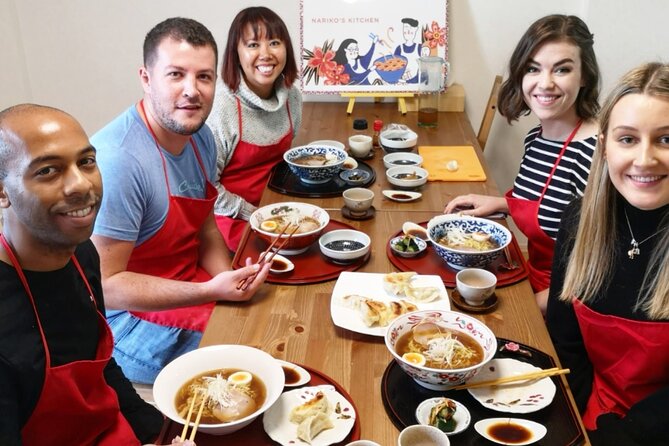
After the cooking is finished, the class turns into lunch. The table is laid out, and you taste your own ramen, gyoza, and cucumber pickles in the same home setting where you prepared them.
That shift from lesson to meal is important. You can see which gyoza folded well, discover how the fried bottoms turned out, and compare the soup with the techniques you have just practiced. The food is not an afterthought added to the end of a demonstration. It is the reason for all the work.
The home atmosphere also creates a natural chance to talk with Nariko and the other people in your group. Classes may include couples, families, and people from several countries. With a maximum of eight participants, the room stays small enough for conversation, though the exact feel will depend on the group booked for your date.
Nariko has also helped people with practical Kyoto questions, including restaurant reservations. That is a welcome extra, but I would treat it as a kindness rather than a promised part of the service. The main offering is the cooking class and shared meal.
The value of a $118.92 cooking class
At $118.92 per person, this is not a budget lunch. You can buy ramen or gyoza in Kyoto for much less, and you are paying for instruction, ingredients, time in a private home, and a cultural exchange, not just for food.
The value improves if you care about learning skills. You make gyoza wrappers from scratch, practice the folding and frying process, prepare a family-style ramen broth, and receive recipes to use later. If you return home and cook the dishes successfully, the class continues to pay off long after your Japan trip.
The small group is another reason the price may make sense. A class capped at eight allows Nariko to watch your knife work, help with dough, and correct your folding technique. A cheaper class with a large group may offer less personal attention, even if it includes a similar menu.
I would not book this solely to save money on lunch. I would book it if you want a three-hour cultural activity with a meal built in and you like the idea of taking a Japanese recipe home. Couples and families may find the price reasonable because everyone takes part and eats the result.
The class is often booked about 24 days ahead. That gives you a useful planning clue: do not leave it until the last few days of your Kyoto stay, especially if your dates are fixed.
Who will enjoy this class most
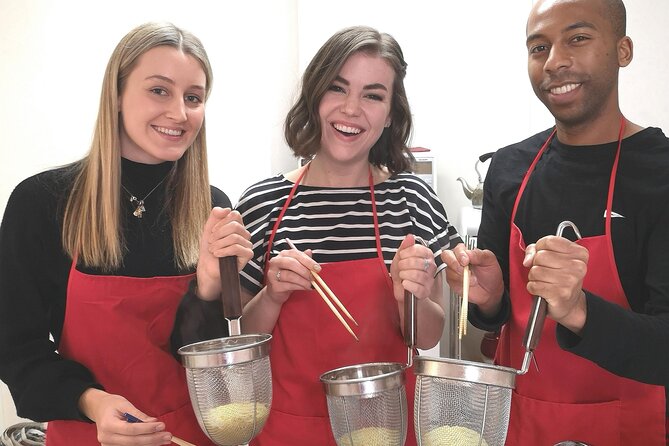
I recommend Nariko’s Kitchen to people who prefer participation over observation. You should enjoy it if you like working with your hands, asking questions, and accepting that homemade dumplings may look uneven before they look good.
It suits:
- Couples seeking a shared activity beyond temple visits
- Families with children age 10 or older who can handle a knife
- Solo visitors who enjoy meeting a small group over food
- Home cooks who want recipes they can repeat
- People interested in ordinary Japanese food rather than only famous restaurant dishes
It may not suit you if you need a vegetarian meal, avoid dried fish, dislike cooking, or want to learn ramen noodles from scratch. It is also not the right choice for someone who wants to bring a non-participating companion into the kitchen.
The activity ends back at the meeting point, so you do not need to arrange a second pickup. Since the class takes place in a home, follow the arrival directions closely and keep your group together.
Booking and cancellation details to weigh
Confirmation arrives within 48 hours, subject to availability. The activity requires a minimum number of participants, so a cancellation by the provider for that reason leads to an alternative date or experience, or a full refund.
Your own booking is less flexible. The experience is non-refundable and cannot be changed for any reason after purchase. I would only reserve it once your Kyoto schedule is firm.
Tell Nariko about dietary restrictions before booking. The provider may be able to accommodate some needs, but there is no vegetarian ramen option because of the dried fish in the soup. Clear communication matters more here than on a standard restaurant visit because you will be preparing the food yourself.
Should you book Nariko’s Kitchen?
Book this class if you want to enter a Japanese home, cook a full meal with Nariko, and leave with skills you can use again. The strongest parts are the handmade gyoza wrappers, the family ramen recipe, the small group, and the chance to eat what you prepared.
Skip it if you are looking for a professional ramen noodle workshop, a vegetarian menu, or a cheap meal with no cooking involved. For everyone else, the $118.92 price buys more than lunch. It buys a calm, practical lesson and a memorable way to spend a Kyoto morning.
FAQ
Where does the ramen and gyoza class take place?
The class takes place at 5-6 Matsugasaki Rokunotsubochō, Sakyo Ward, Kyoto, 606-0915, Japan.
What time does the class begin?
The scheduled start time is 10 a.m.
How long does the activity last?
The class lasts approximately three hours and 30 minutes.
What dishes will I prepare?
You will prepare ramen soup, gyoza with homemade wrappers, and cucumber pickles. You will also eat the food you make.
Do we make ramen noodles from scratch?
No. The class includes making the ramen soup, but it does not include making ramen noodles.
Do we make gyoza wrappers from scratch?
Yes. Making homemade gyoza skins is part of the class.
Is the class vegetarian?
No. The ramen soup uses dried fish, and the provider cannot make the soup without it.
What is the minimum age for participants?
Participants must be older than 10. Children must also be able to use a knife.
How many people can join the class?
The maximum group size is eight participants.
Can someone attend as a spectator?
No. Only people taking part in the class may attend because space is limited.
Is the activity refundable if I cancel?
No. The experience is non-refundable and cannot be changed for any reason after booking.
What happens if the provider cancels the class because there are too few participants?
You will be offered a different date or experience, or you can receive a full refund.
More tours in Kyoto we've reviewed






Kyoto, compared.
 ★ 5.0PERFECT KYOTO 1-Day Bus TourFrom $129
 ★ 4.8Kyoto: Fushimi Inari, Kinkakuji, Bamboo Grove 1 Day Bus TourFrom $122510 minutes - 9 hours
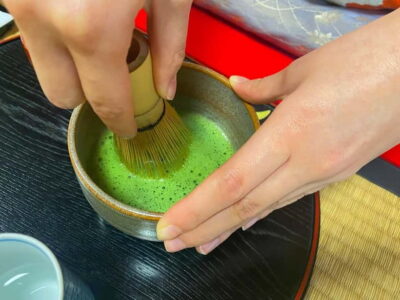 ★ 4.9Kyoto: Tea Ceremony in a Traditional Tea House in KiyomizuFrom $4945 min
 ★ 4.7Kyoto Geisha Walking Tour: Gion District & Hidden GemsFrom $252 hours
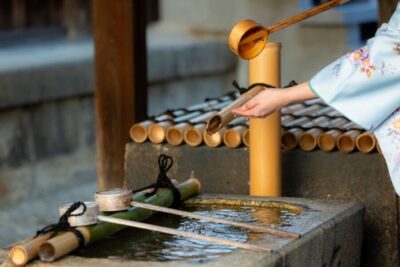 ★ 4.9Kyoto: Tea Ceremony Ju-An at Jotokuji TempleFrom $291h 10m
 ★ 4.3Kyoto: 45-Minute Tea Ceremony Lesson ExperienceFrom $2245 min