
Reviewed · COOKING CLASSES
Kyoto: Morning Japanese Bento Cooking Class
Kyoto’s morning bento class turns a familiar takeaway meal into a hands-on cultural lesson. You’ll prepare sushi, tempura, teriyaki chicken, miso soup, and other small dishes, then arrange them in a bento box and eat the results for lunch. The class also explains why bento became such a lasting part of Japanese food culture.
I like the small-group feel and the way the instructors explain each step in clear English. I also like that you receive recipes and practical tips for finding ingredients at home, so the class does not end when you leave Kyoto.
The main consideration is that ingredients are prepared in advance. This is a cooking and assembly class, not a knife-skills lesson, and some equipment may be shared in a larger group.
In This Review
- Key points to know
- Why a bento class fits a Kyoto morning
- Gathering ingredients, aprons, and utensils
- Preparing several dishes in one session
- Sushi
- Tempura
- Teriyaki chicken
- Miso soup and smaller bento dishes
- Learning from English-speaking instructors
- Group size and personal attention
- Eating the finished bento for lunch
- What you can take home
- Dietary needs and accessibility
- Is $67 a fair price?
- Who should book the Kyoto bento class?
- FAQ
- How long does the Kyoto bento cooking class last?
- How much does the class cost?
- What dishes will I learn to make?
- Is lunch included?
- Are ingredients and cooking equipment provided?
- Is the class taught in English?
- Where does the class meet?
- Is hotel pickup available?
- Can dietary requirements be accommodated?
- Is the activity wheelchair accessible?
- Can I cancel for a refund?
Key points to know
- Seven or more Japanese dishes: Depending on the session, you may prepare sushi, tempura, teriyaki chicken, miso soup, egg rolls, and other bento dishes.
- A full meal at the end: Your finished bento becomes lunch, not just a sample to taste.
- English-speaking instruction: Instructors including Mei, Mae, Tomoko, and Yukari have led sessions with clear, patient guidance.
- Useful recipes for home: Written recipes and ingredient advice make the dishes easier to repeat after your trip.
- Family-friendly format: Children and teenagers can take part, with extra help available when needed.
- Simple planning: The class lasts about three hours, costs $67 per person, and does not include hotel pickup.
Why a bento class fits a Kyoto morning
Bento is more than a box with several foods packed inside. It is a way of presenting a meal in portions, colors, textures, and small separate dishes. The tradition reaches back to Japan’s late Kamakura Period, from 1185 to 1333, and remains part of daily life today.
That makes this class a useful change of pace from sightseeing. Instead of only eating Japanese food in restaurants, you learn how several familiar dishes are built and how they fit together in one meal. I find that kind of experience gives you a better sense of the food you are seeing throughout Japan.
The morning timing also works well. You can spend three hours cooking and eating, then still have much of the day for Kyoto’s temples, markets, or neighborhoods. Check the available start time when booking, since the exact morning schedule can vary.
Cooking Sun is located at Funayacho in Kyoto’s Shimogyo Ward. Hotel pickup and drop-off are not included, so you’ll need to make your own way to the cooking school. Allow time to find the address, as one participant had trouble locating the meeting point.
Other cooking classes in Kyoto

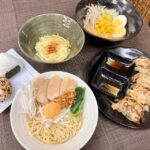
Gathering ingredients, aprons, and utensils
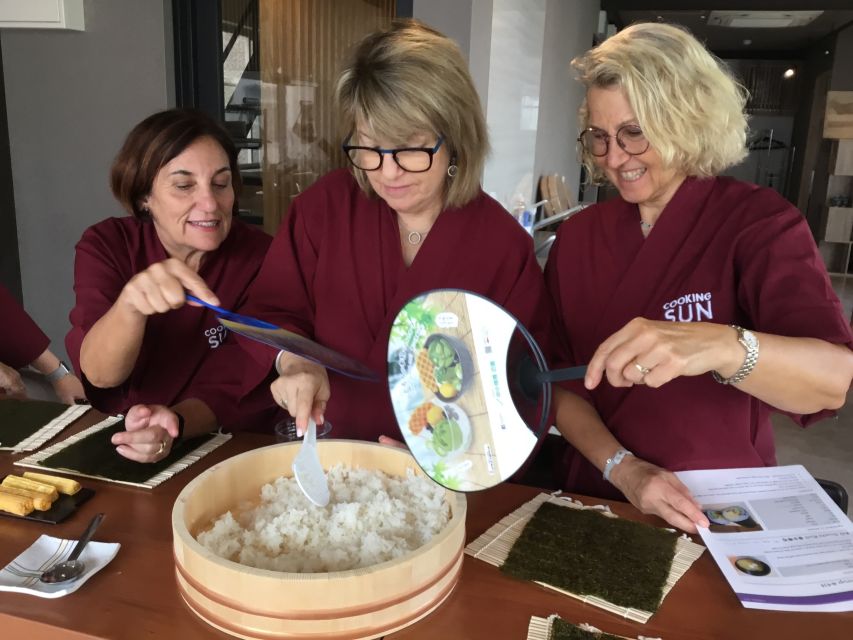
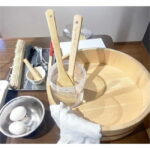
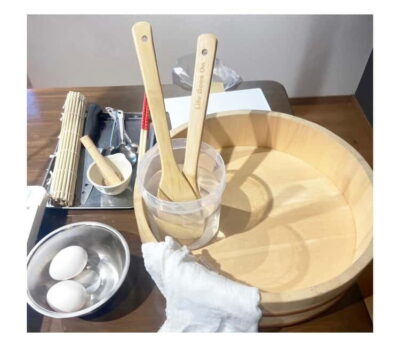
At the start, you collect the ingredients, apron, and utensils needed for the class. This keeps the session moving and lets you focus on cooking rather than shopping or setting up.
You are not expected to arrive with Japanese cooking experience. The instructors demonstrate the techniques, explain what each ingredient does, and guide you through the process. The class has attracted complete beginners as well as people already comfortable cooking Japanese food.
That range is useful. Beginners get a clear introduction without having to guess what comes next, while experienced home cooks can pick up small details about seasoning, shaping, and presentation. One participant who already knew a good deal about Japanese cooking still came away with new ideas and practical tips.
The ingredients also make the class sensory. You’ll smell, see, handle, and taste items that may be less familiar than the food itself. This is one reason the class feels more substantial than a short demonstration.
Preparing several dishes in one session
The class covers a surprising amount in two and a half to three hours. The exact number can vary, but the dishes named for the experience include sushi, tempura, teriyaki chicken, and miso soup. Past sessions have also included egg rolls and several other traditional bento items.
The instructor first demonstrates the dish, then you follow along. This method works well for recipes with several small steps because you can watch the technique before trying it yourself. The directions are given in English, and the teaching has been described as easy to follow and patient.
Sushi
Sushi is one of the main attractions for many people booking this class. You learn how to prepare and shape a sushi item for the bento rather than simply eating it at a restaurant.
Do not expect a specialist sushi-chef apprenticeship. The class is designed to give you a practical dish you can recreate at home. It is a good fit if you want to understand the basic process and leave with the confidence to try a sushi roll in your own kitchen.
Tempura
Tempura adds a different skill and texture to the meal. You learn how a crisp fried item becomes part of a balanced bento rather than being served as a large restaurant portion.
The class can also help you understand ingredients such as mirin and how they are used in Japanese cooking. Some participants specifically planned to try tempura and mirin again at home after the session.
Other cooking classes in Kyoto
Teriyaki chicken
Teriyaki chicken is familiar to many people outside Japan, but preparing it yourself reveals how the flavor is built. You’ll see the dish as part of a larger Japanese meal, alongside soup, sushi, and smaller portions.
This is likely one of the easiest recipes to repeat after returning home, especially since written recipes are provided. The class focuses on practical instructions, not fancy cooking tricks that are hard to reproduce.
Miso soup and smaller bento dishes
Miso soup gives the meal a warm, savory element, while the smaller dishes help create the variety that makes bento appealing. The point is not one large centerpiece. It is the combination of several modest portions.
That approach also explains why the class feels busy. You are making a number of dishes within a limited period, so the pace is active without being described as rushed. If you prefer a slow lesson focused on one recipe, this may feel like too much variety. If you want a broad introduction to Japanese home cooking, the range is a strength.
Learning from English-speaking instructors
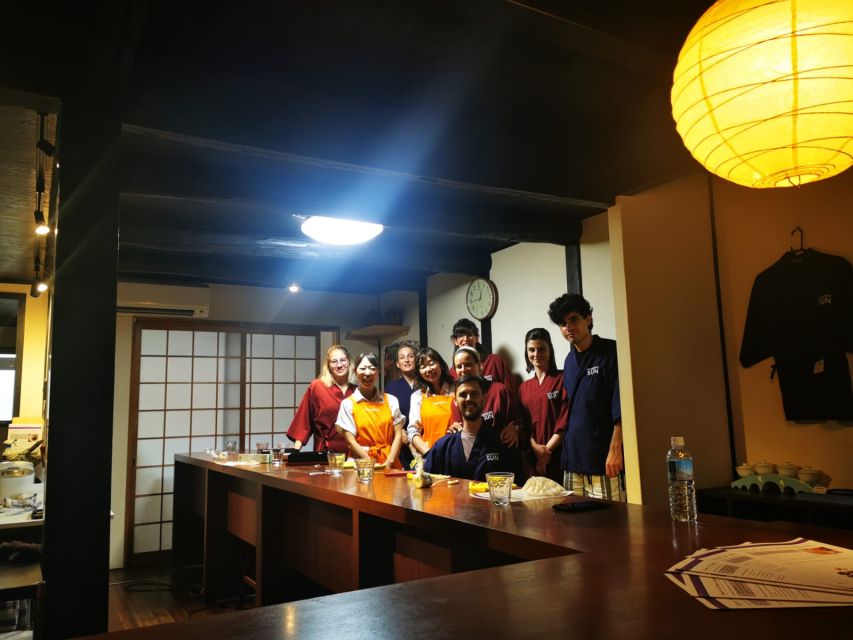
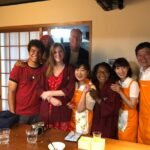
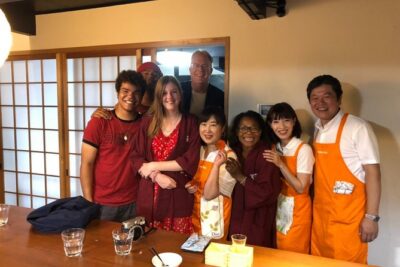
The teaching team is one of the most important parts of the experience. Instructors including Mei, Mae, Tomoko, and Yukari have been praised for clear explanations, warm manners, and patience with beginners and younger cooks.
Names and staffing can vary by date, so do not assume a particular instructor will lead your session. The consistent feature is English-language instruction and a format built around demonstrations, written recipes, and hands-on practice.
The teachers also add cultural context. You learn not only what to do, but why bento is arranged as it is and how the dishes connect to Japanese food traditions. That background gives the cooking more meaning without turning the class into a lecture.
Photography is another thoughtful touch reported in the experience. Instructors have taken pictures and videos during the class, which can be useful when you are busy cooking and do not want to stop to document each stage yourself. This is not listed as a formal inclusion, so treat it as a possible courtesy rather than a guaranteed service.
Group size and personal attention
Group size has varied from very small sessions of two or four people to groups of around eight or ten. Smaller classes naturally offer more personal contact, while a larger group may mean sharing cooking equipment.
That is the one clear limitation worth keeping in mind. One participant enjoyed the class but would have preferred more individual interaction instead of sharing apparatus. If you want constant one-to-one instruction, ask about the expected group size before booking if that information is available.
For families, the format has worked well. Ten-year-old children have taken part and enjoyed the food, and teenagers have received extra guidance when needed. Parents should still expect children to follow kitchen instructions and take part in a fairly full three-hour activity.
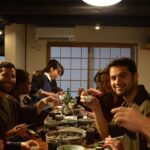
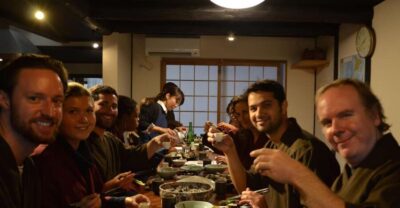
The social side is part of the appeal, too. You meet people from other countries while working toward the same lunch. It is an easy setting for conversation because everyone has a task in front of them.
Eating the finished bento for lunch
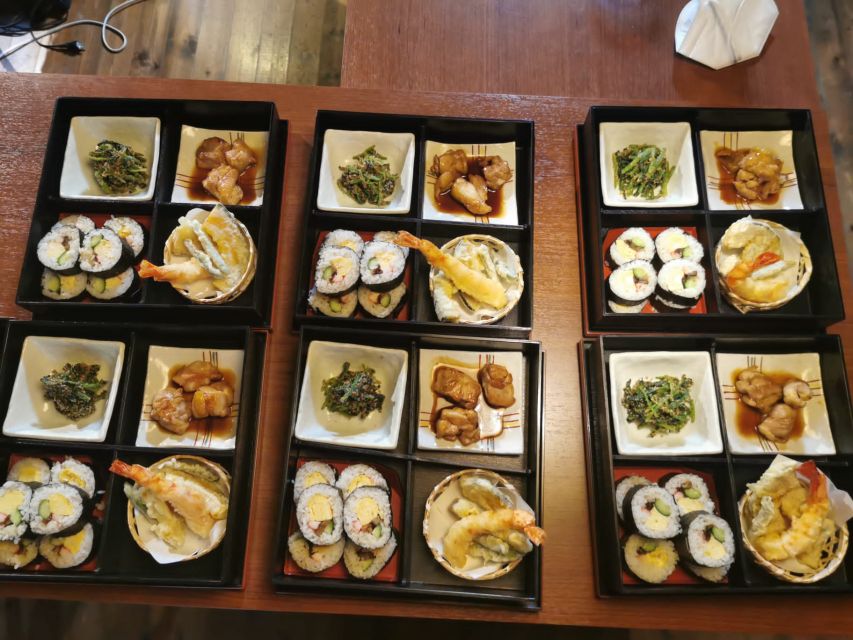
The best part comes after the cooking: you sit down and eat what you prepared. The lunch gives you a chance to see how the separate dishes work together in one box.
I value this more than a simple tasting. You remember a technique better after eating the result, and you can judge the seasoning, texture, and portion sizes for yourself. The meal also gives the class a satisfying finish instead of ending with unfinished dishes.
The bento may contain several contrasting foods, from sushi and tempura to teriyaki chicken and soup. The result is substantial enough to serve as lunch, and the class price includes the meal.
Do not expect the polished uniformity of a department-store bento made by professionals. Your box is the product of a morning lesson, and part of the fun is seeing your own work arranged into a complete meal.
What you can take home
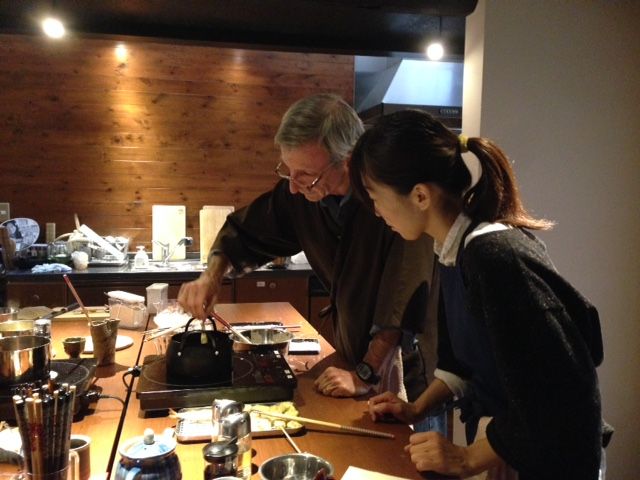
Cooking classes are most useful when the food can be made again. This one provides written recipes, and the instructions are intended to be practical for home cooks.
You also get advice about sourcing ingredients outside Japan. That matters because a recipe can be easy to understand yet difficult to repeat if the ingredients are hard to find. The instructors have offered tips about where to look for Japanese products after returning home.
Some participants have even bought cooking equipment after the session so they could repeat the recipes. That does not mean you need special gear to join, since aprons and utensils are supplied for the class. It does show that the format can inspire more than a single holiday meal.
The class is not mainly about professional technique. It is about learning a useful set of dishes, understanding Japanese flavors, and gaining enough confidence to try them again.
Dietary needs and accessibility
You should provide any dietary requirements when booking. The class has accommodated a no-shellfish version and has also worked well for vegetarians, but you should not wait until the morning of the class to mention your needs.
Specific substitutions are not listed, so ask in advance if you have allergies or follow a strict diet. The ingredients and final menu may need adjustment, and the cooking school is the best source for confirming what can be changed.
The activity is wheelchair accessible. Hotel transportation is not provided, so you are responsible for reaching the meeting point and should consider the route from your accommodation when planning the morning.
Is $67 a fair price?
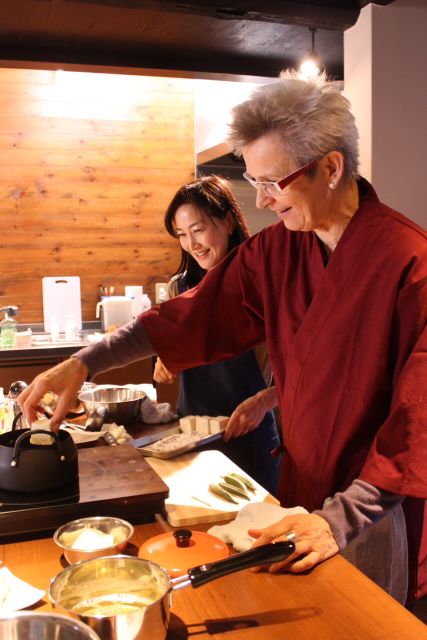
At $67 per person, this is not the cheapest lunch in Kyoto. You could buy a ready-made bento for much less. That comparison misses the point, though: the price covers about three hours of instruction, ingredients, an apron, utensils, recipes, and the meal you prepare.
I consider it fair value if you want participation rather than simply food. You are paying for a guided activity, cultural explanation, and several recipes you can use later. The value is strongest for couples, families, and home cooks who enjoy learning by doing.
It is less convincing if you are mainly looking for a quick meal or a polished cooking performance. You will spend most of the morning working, and the food is your reward at the end.
Free cancellation up to 24 hours before the class and the reserve-now, pay-later option make it easier to fit into a changing Kyoto schedule. Still, check the available start times and plan your route carefully because the class has a fixed duration and no pickup service.
Who should book the Kyoto bento class?
I would recommend this experience to first-time visitors who want a friendly introduction to Japanese food, families with older children, and anyone who likes bringing practical skills home from a trip. It also suits people who have already tried Japanese restaurants and want to understand the cooking behind the menu.
The class is especially useful for you if you enjoy variety. In one morning, you cover sushi, tempura, teriyaki chicken, miso soup, and other small dishes rather than spending the entire session on one recipe.
I would hesitate only if you need a highly specialized lesson, dislike shared equipment, or have strict dietary requirements that have not been confirmed in advance. For most visitors, though, the combination of clear English instruction, hands-on cooking, cultural background, and a full bento lunch makes this a strong use of a Kyoto morning.
FAQ
How long does the Kyoto bento cooking class last?
The class lasts approximately three hours. The activity information gives a range of two and a half to three hours, so allow the full three hours when planning the rest of your day.
How much does the class cost?
The listed price is $67 per person.
What dishes will I learn to make?
The class includes sushi, tempura, teriyaki chicken, and miso soup. Sessions may also include other traditional bento dishes, such as egg rolls.
Is lunch included?
Yes. You eat the bento lunch you prepare during the class, and lunch is included in the price.
Are ingredients and cooking equipment provided?
Yes. Ingredients, an apron, and utensils are included.
Is the class taught in English?
Yes. The instructor language is English, and the class includes spoken explanations and written recipes.
Where does the class meet?
The meeting point is Cooking Sun at Funayacho, Shimogyo Ward, Kyoto, Kyoto 600-8466.
Is hotel pickup available?
No. Hotel pickup and drop-off are not included, so you must arrange your own transportation to and from Cooking Sun.
Can dietary requirements be accommodated?
You should advise the cooking school of dietary requirements when booking. A no-shellfish version and vegetarian adaptations have been provided in past sessions, but you should confirm your specific needs in advance.
Is the activity wheelchair accessible?
Yes. The activity is listed as wheelchair accessible.
Can I cancel for a refund?
You can cancel up to 24 hours in advance for a full refund. The booking also offers a reserve-now, pay-later option.
More Workshops & Classes in Kyoto
More Cooking Classes in Kyoto
More Cooking Classes in Kyoto
More tours in Kyoto we've reviewed




Cooking Classes, compared.
 ★ 5.0Ramen Cooking Class at Ramen Factory in KyotoFrom $131
 ★ 4.9Kyoto: Ramen Cooking Class at a Ramen Factory with SouvenirFrom $1271h 30m
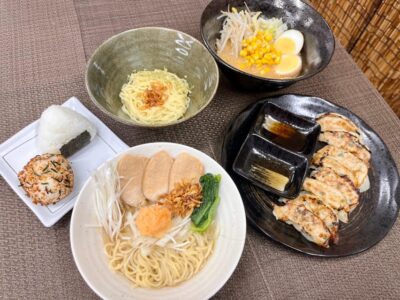 ★ 5.0Kyoto: Ramen, Gyoza, and Onigiri Cooking ClassFrom $901h 30m
 ★ 5.0Kyoto: Japanese Washoku Bento Small Group Cooking ClassFrom $582h 30m
 ★ 4.9Kyoto: Afternoon Japanese Izakaya Cooking ClassFrom $673 hours
 ★ 5.0Izakaya Style Cooking ClassFrom $71