
Reviewed · BAR HOPPING & IZAKAYA TOURS
Kyoto: Afternoon Japanese Izakaya Cooking Class
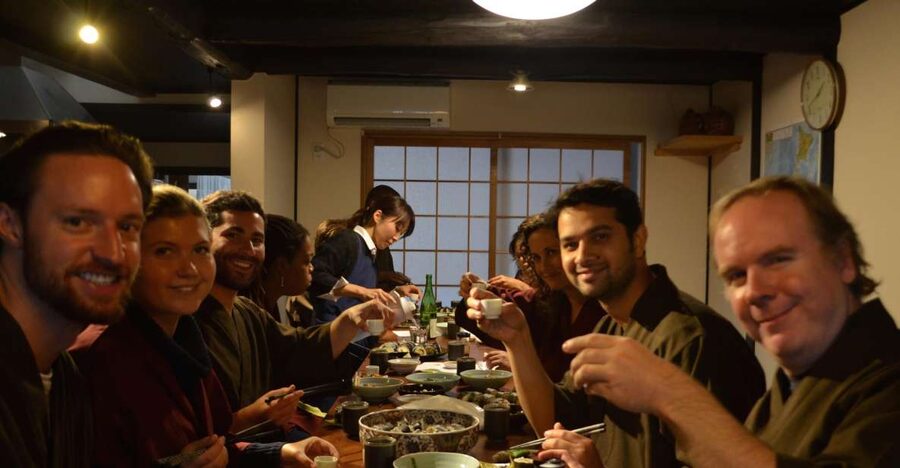
Kyoto’s afternoon izakaya cooking class teaches the kind of Japanese food you are more likely to find on a family table or behind the counter of a neighborhood pub than in a tourist sushi lesson. You cook several dishes, eat them with your group, then return to the kitchen for another round. The result is part meal, part cultural lesson, and part practical cooking workshop.
I especially like the two-part format, which keeps three hours moving and gives you more variety than a single-dish class. I also like that the recipes are designed for home cooks, with clear steps and familiar techniques rather than chef-level tricks. The main consideration is pace: several participants found the class fast-moving because it fits as many as six dishes into one afternoon.
In This Review
- Key points to know before booking
- What the Kyoto izakaya class is really about
- The first cooking round: start with home-style dishes
- Eating between lessons keeps the afternoon social
- The second round adds variety and useful repetition
- The recipes are the part you can use at home
- How authentic is the food?
- Who will get the most from this class?
- Price, timing, and practical value
- Small details that improve the experience
- Should you book the Kyoto izakaya cooking class?
- FAQ
- Where is the cooking class held?
- How long does the activity last?
- How much does the class cost?
- What is included in the price?
- Is the class taught in English?
- Can I request a vegetarian meal or report dietary restrictions?
- Can I cancel for a refund?
Key points to know before booking
- Six dishes may be prepared: Some sessions include five savory dishes and a dessert, while others feature two rounds of two or three dishes.
- The food goes beyond sushi: You learn everyday Japanese cooking, including okonomiyaki, dashi-based dishes, and izakaya favorites.
- You eat twice during the class: Cook a first group of dishes, sit down and enjoy them, then return to prepare more.
- Recipes are provided for home use: The clear recipe sheets are one of the class’s most useful takeaways.
- English instruction is standard: Cooking Sun’s instructors explain techniques and ingredients in English.
- Dietary needs must be shared ahead of time: Tell the local supplier when booking so adjustments can be considered.
What the Kyoto izakaya class is really about
An izakaya is a Japanese eating and drinking place where small plates arrive over time. It is not quite a formal restaurant and not quite a bar. Food, conversation, and cooking often overlap, which is the spirit this class aims to recreate.
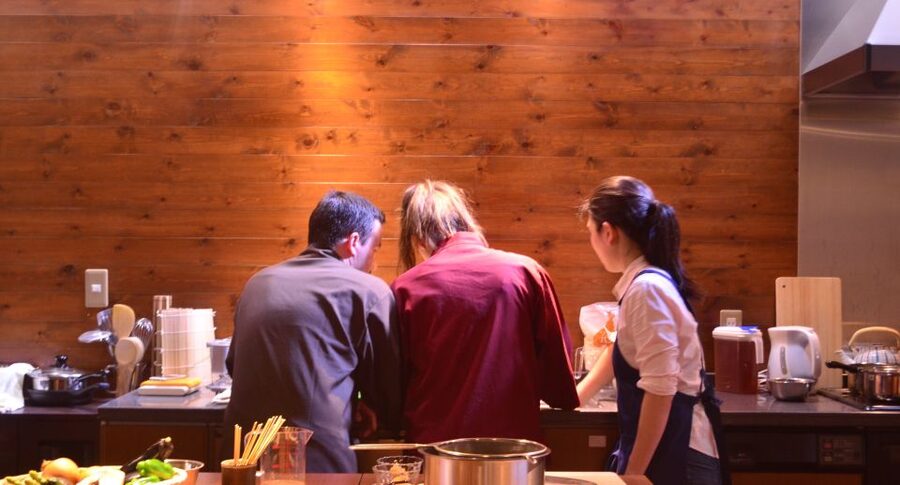
You will not simply watch a chef prepare a polished dish. The plan is hands-on. You work with ingredients, use your own cooking tools, and follow the chef as each recipe takes shape. The atmosphere is intended to feel social, so be ready to talk while cooking and eating.
That matters because Japanese food culture is about more than a finished bowl or plate. Ingredients such as dashi, mirin, and other seasonings build the base of many dishes. Learning how they work gives you a better understanding of the food you will eat throughout Japan.
The class is held at Cooking Sun on Funayacho in Kyoto’s Shimogyo Ward. The meeting address is Cooking Sun, Funayacho, Shimogyo Ward, Kyoto, Kyoto 600-8466. The supplied details do not specify a hotel pickup service or transportation, so plan to make your own way to the meeting point.
Other cooking classes in Kyoto

The first cooking round: start with home-style dishes
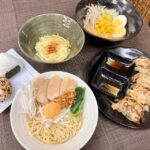
The class begins in the kitchen, where you cook two or three dishes with the chef. The exact menu can vary, but the focus is on food eaten at home and served in local izakaya restaurants.
This is a useful contrast to classes that focus only on sushi. Sushi is famous, but it is a narrow slice of Japanese cooking. Here, you might work with batter, broth, vegetables, sauces, and simple preparation methods that are easier to repeat in an ordinary home kitchen.
One well-liked example is okonomiyaki, a savory Japanese pancake that combines a manageable technique with a very satisfying result. A participant specifically praised making the best okonomiyaki they had eaten, while others appreciated that the finished dishes were simple enough to prepare after returning home.
The instructors demonstrate each task and then let you take over. You should expect to chop, mix, season, cook, and assemble rather than stand at a counter taking notes. The class is designed for beginners, and the instructions break the recipes into clear steps. Even people who do not usually cook can take part.
Some sessions provide an individual set of equipment for each person. The included apron and utensils make the class easier, since you do not need to bring cooking gear. The supplied information does not promise a specific equipment setup for every session, but the class includes the basic utensils and ingredients needed for the lesson.
Eating between lessons keeps the afternoon social
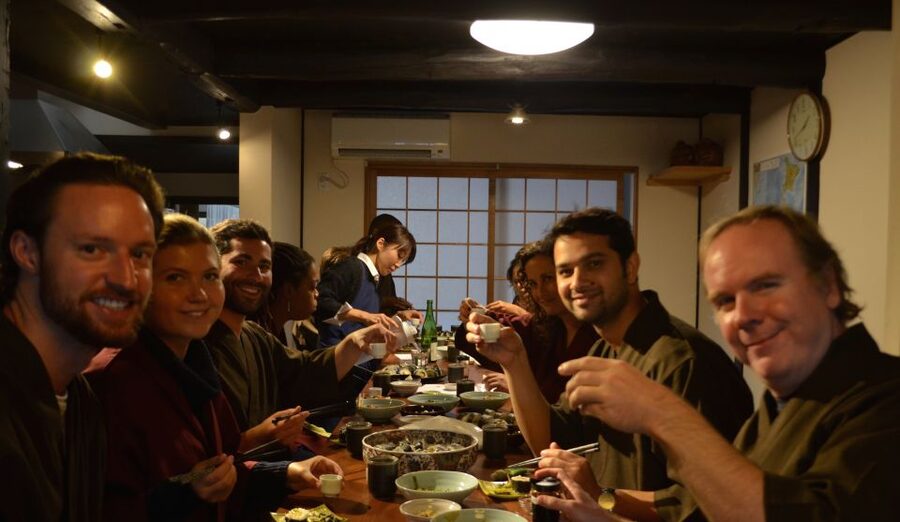
After the first two or three dishes are ready, you sit down and eat them. This pause is more than a convenient lunch break. It gives you time to taste the results, compare notes with the people around you, and ask questions while the cooking is still fresh in your mind.
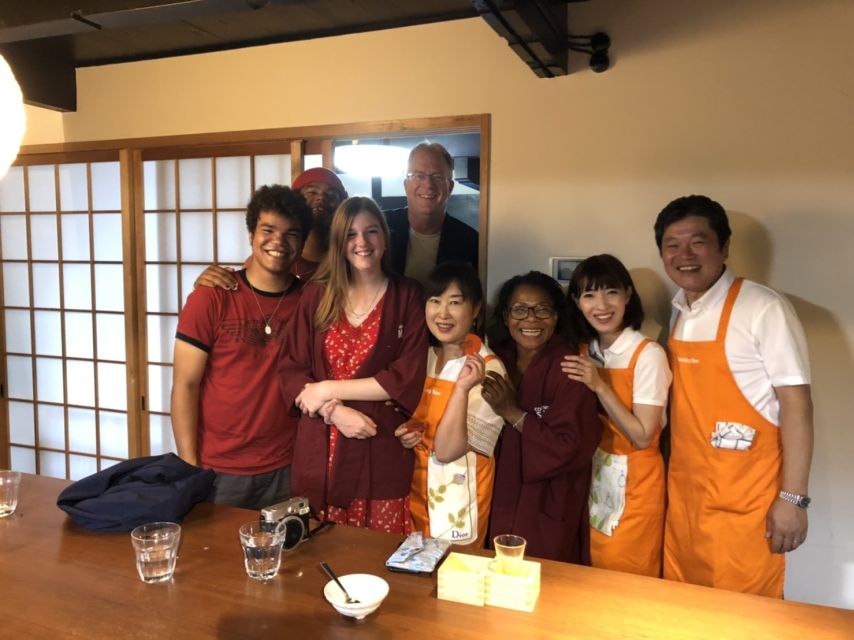
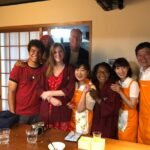
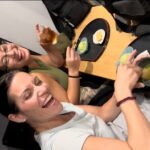
The social side is important. The class brings together people from different countries and cooking backgrounds, and the format encourages conversation with both the chef and the other participants. Several sessions have been led by warm, engaging instructors, including Yumi and Yumiko, with English explanations that make the process easy to follow.
You will also learn food customs and ingredient basics as you eat. The class is not presented as a formal lecture, so the information comes through the cooking itself. That informal approach suits izakaya culture, where food and conversation share the same space.
If you are shy about cooking in front of others, this format may take a few minutes to settle into. The class is participatory, and you are expected to work rather than quietly observe. The friendly teaching style helps, but anyone seeking a private, silent demonstration should choose a different type of lesson.
The second round adds variety and useful repetition
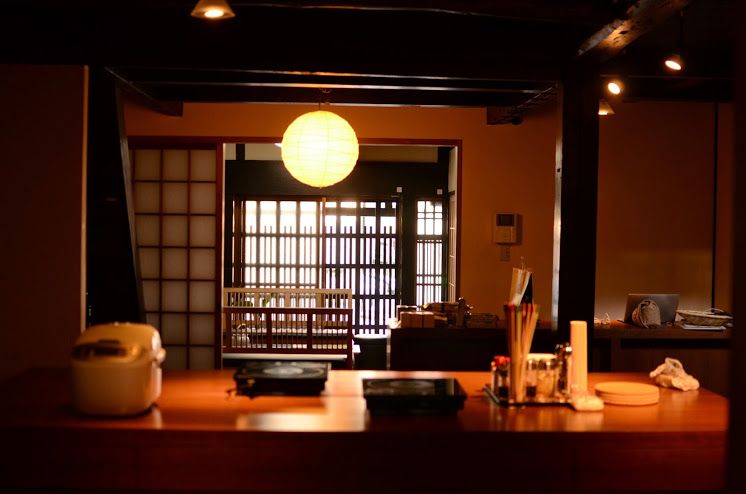
Once the first meal is finished, you return to the kitchen for another two or three dishes. This second round is what makes the class feel substantial for a three-hour activity.
You get another chance to practice the habits introduced earlier: reading a recipe, handling ingredients, judging texture, and balancing Japanese flavors. Repeating the process also helps the methods stick. You are not rushing through one recipe and leaving before you understand how it fits into a larger meal.
Past menus have included six traditional Japanese dishes, with dessert included in some sessions. Another class produced five savory dishes and one dessert. The exact menu is not guaranteed in the supplied information, so you should book this for the style of food and teaching rather than a specific promised dish list.
The variety is a major strength. You might finish the afternoon having worked with several different textures and cooking methods instead of preparing the same dish repeatedly. That makes the class a better choice for someone curious about Japanese food in general.
The tradeoff is speed. Preparing six dishes in three hours requires organization. The instructors keep things moving, and one participant described the pace as fairly fast but necessary given the amount of food. You should be prepared to listen closely and follow the next step without a long pause between tasks.
The recipes are the part you can use at home
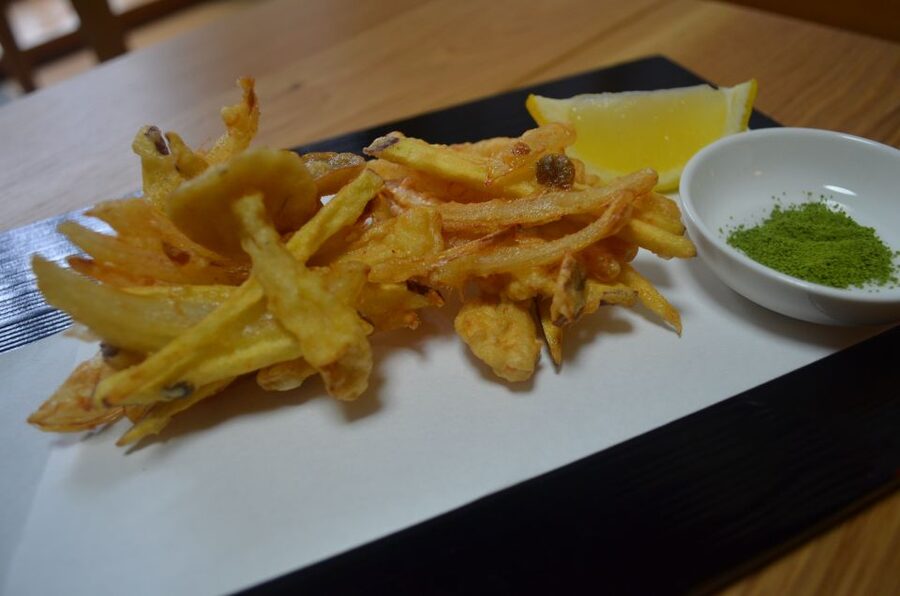
Many cooking classes are enjoyable in Kyoto but hard to repeat once you return home. This one puts real effort into making the recipes usable outside Japan.
You receive recipe documentation for the dishes you prepare. The instructions are described as clear, detailed, and broken into simple steps. That is especially helpful for ingredients and techniques that may be unfamiliar, such as making dashi broth or using mirin.
Dashi is a good example of the class’s practical value. One participant with a Japanese food background appreciated learning the basics from the start, including preparing dashi. Rather than treating broth as a mysterious restaurant ingredient, the lesson shows how it supports everyday dishes.
You may still need to visit an Asian grocery store after the class. The recipes can be recreated at home, but Japanese pantry items may not be in your cupboard yet. Mirin and dashi were specifically singled out as ingredients worth stocking after the lesson.
The recipes also help you remember the experience. A bowl of food disappears quickly, but a recipe sheet gives you a reason to cook the dish again and share it with friends or family. That makes the $67 price more worthwhile than a standard meal costing the same amount.
A few more Kyoto tours and experiences worth a look




How authentic is the food?
The class focuses on Japanese home dishes and izakaya-style food rather than a simplified tourist menu. That does not mean every dish will be obscure or difficult. In fact, the strongest feature is the balance between authentic flavors and accessible preparation.
You learn about ingredients, seasoning, and basic Japanese cooking techniques while making food that is enjoyable right away. The food is traditional enough to show how Japanese cooking works, yet practical enough for a beginner to repeat.
This is also a good way to fill a gap in your Kyoto food experience. You can eat excellent restaurant meals throughout the city, but a cooking class explains what goes into them. Making the food yourself gives you a better sense of why broth, seasoning, texture, and presentation matter.
The class is not a market tour, restaurant crawl, or sake-tasting event. The information provided does not include visits to other districts or a guided tour of Kyoto. Its cultural value comes from the kitchen and the conversation around the food.
Who will get the most from this class?
You do not need advanced cooking skills. The instruction is suited to beginners, and the class has worked well for people who rarely cook. One particularly useful feature is that the instructors explain each step while demonstrating it, then help you complete the task yourself.
It also suits experienced cooks. The recipes may be straightforward, but the ingredients, seasoning methods, and Japanese approach can still offer something new. One participant who had spent 30 years as a chef found the class worthwhile, which suggests that the lesson is not limited to first-time cooks.
Families can also consider it. The activity has been enjoyed by adults with teenagers, and one family of six took part together. The group format can give children and teenagers something active to do during an afternoon of sightseeing.
Vegetarians should contact the supplier before booking. A vegetarian participant was accommodated with separate utensils and pans, but dietary requests must be shared at the time of booking. Do not wait until you arrive.
People with mobility needs can also consider the class because it is listed as wheelchair accessible. For any specific access requirement, it is still sensible to confirm details with the supplier before paying.
Price, timing, and practical value
At $67 per person, the class costs more than a casual Japanese meal, but it offers three hours of instruction, ingredients, equipment, an apron, and several dishes to eat. You are paying for food plus a skill you can carry home.
The value improves if you care about cooking. The recipe set, ingredient guidance, and chance to practice several dishes make this more useful than a one-off demonstration. If you only want a quick meal, a restaurant will be cheaper and simpler.
The afternoon timing is helpful on a Kyoto sightseeing schedule. It gives you a break from temples and city streets without using an entire day. It can also be a sensible indoor plan in poor weather, and it offers a change of pace after several days of walking.
The activity lasts three hours, with starting times dependent on availability. Allow enough time to arrive at the Funayacho meeting point before the class begins. Since the format includes cooking and eating in two rounds, you should not plan another tightly timed activity immediately afterward.
Cooking Sun offers free cancellation up to 24 hours in advance for a full refund. You can also reserve the place and pay later, which helps if your Kyoto plans are still shifting.
Small details that improve the experience
Wear something comfortable for kitchen work. An apron is included, but practical clothing and shoes will make it easier to move around and focus on the lesson.
Tell the supplier about allergies, vegetarian requirements, or other dietary needs when you book. The class uses shared cooking and eating time, so early notice is the best way to discuss substitutions or separate equipment.
Expect conversation. The chefs speak English, and the class is built around talking while you cook and eat. That is a plus if you want cultural exchange, but less ideal if you prefer a quiet or highly private lesson.
The menu may change from one session to another. This is worth viewing as a benefit if you want a broader introduction to Japanese food, but it means you should not book expecting one exact list of dishes unless the supplier confirms it.
Should you book the Kyoto izakaya cooking class?
Book it if you want more than a restaurant meal and would like to understand everyday Japanese food from the inside. The class is especially good for beginners, families, food-focused visitors, and anyone who wants recipes that can be made after returning home.
I would choose this over a generic sushi class if your interest is Japanese cooking as a whole. You get several savory dishes, possible dessert, clear English guidance, and a chance to learn about ingredients such as dashi and mirin.
Skip it if your schedule cannot spare three hours, you dislike group participation, or you want a fixed menu guaranteed in advance. For most visitors who enjoy eating and are willing to work a little for their meal, the combination of instruction, food, and recipes makes $67 a fair buy in Kyoto.
FAQ
Where is the cooking class held?
The meeting point is Cooking Sun, Funayacho, Shimogyo Ward, Kyoto, Kyoto 600-8466.
How long does the activity last?
The class lasts three hours. Starting times depend on availability.
How much does the class cost?
The listed price is $67 per person.
What is included in the price?
The activity includes the cooking class, ingredients, an apron, utensils, and two to three dishes as stated in the activity details. Sessions may prepare more dishes, depending on the menu.
Is the class taught in English?
Yes. English instruction is provided, and the listed activity language is English.
Can I request a vegetarian meal or report dietary restrictions?
Yes, but you must tell the local supplier about dietary requirements when booking.
Can I cancel for a refund?
You can cancel up to 24 hours in advance for a full refund. The activity also offers a reserve-now, pay-later option.
More Cooking Classes in Kyoto
More Bar Hopping & Izakaya Tours in Kyoto
More Cooking Classes in Kyoto
More tours in Kyoto we've reviewed



Bar Hopping & Izakaya Tours, compared.
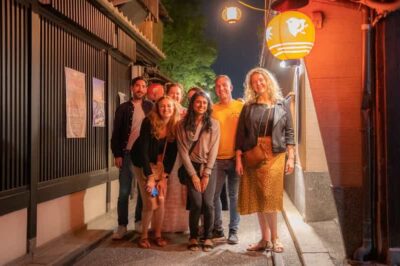 ★ 4.9Kyoto: Izakaya Bars Guided Walking TourFrom $253 hours
 ★ 5.0Kyoto Bar Hopping Night TourFrom $105
 ★ 5.0Kyoto Local Bar Crawl in Kawaramachi AreaFrom $28
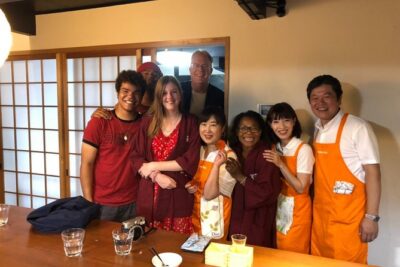 ★ 5.0Izakaya Style Cooking ClassFrom $71
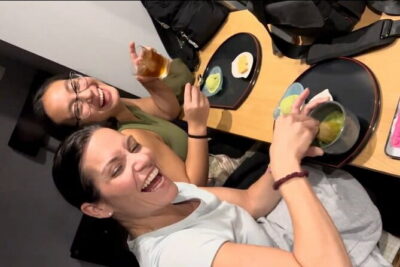 ★ 5.0Kyoto Local Gourmet Night Experience: Kaiseki & Izakaya & MatchaFrom $70
 ★ 4.4Kyoto : 3-Hour Bar Hopping Tour in Pontocho Alley at NightFrom $131